Table of Contents
What is laser welding used for? Laser welding technology, as an advanced welding method, has been widely adopted in manufacturing, automotive, electronics, aerospace, and other industries. Laser welding machines utilize high-energy laser beams to precisely melt and join metal materials, offering significant advantages such as high efficiency, precision, and a minimal heat-affected zone. With continuous technological advancements, laser welding has become the preferred welding technique across numerous sectors.
This article will delve into the proper operation of laser welding machines, helping you understand the fundamental workflow of laser welding. It will also provide practical tips and precautions to ensure you can perform laser welding tasks efficiently and safely. Please continue reading:
What is a Laser Welding Machine?
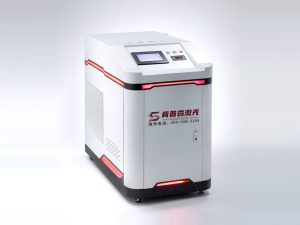
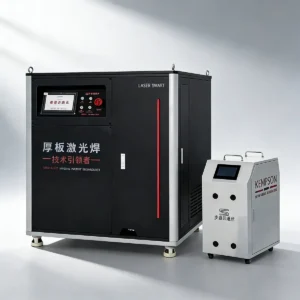
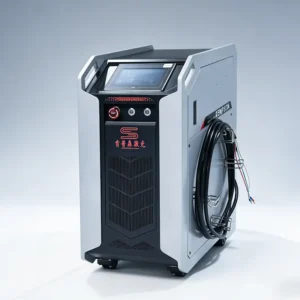
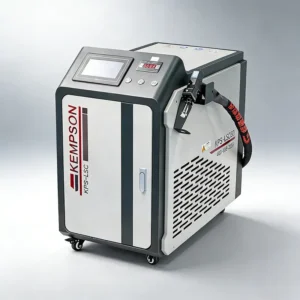
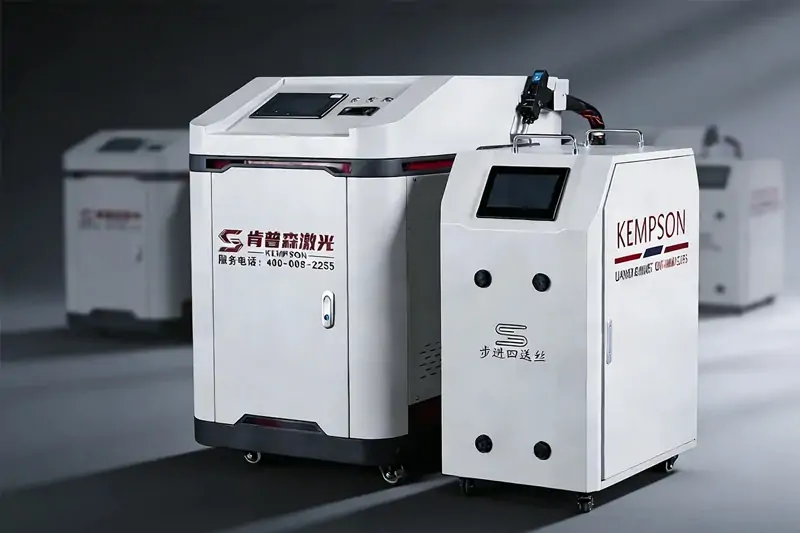
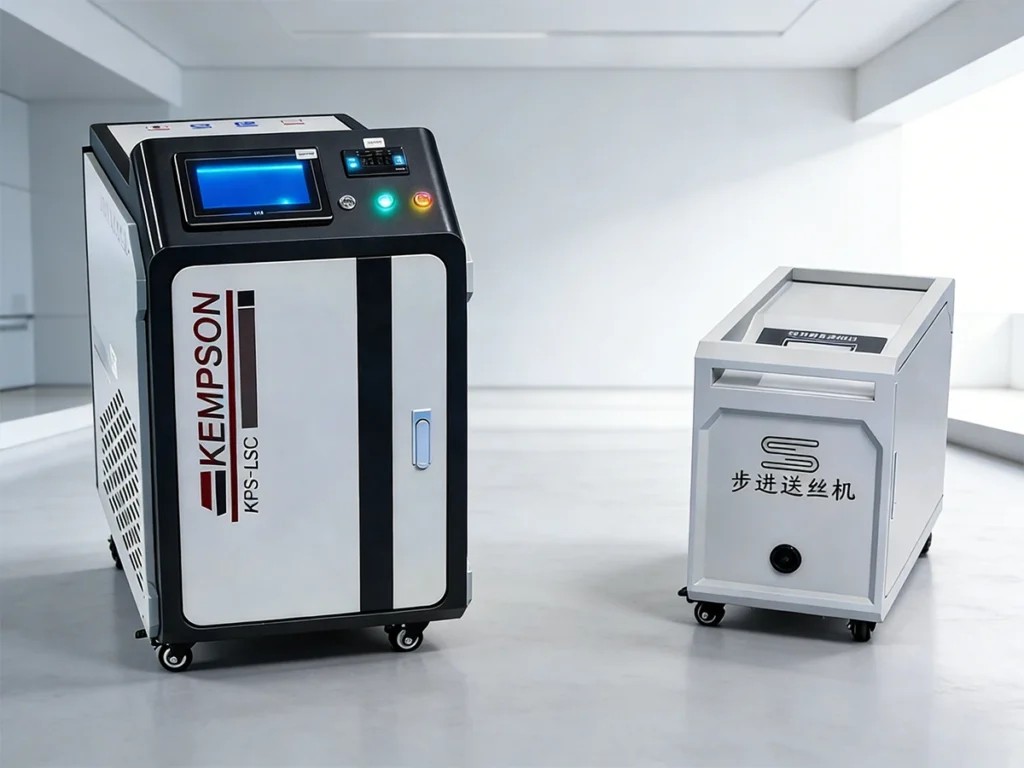
A laser welding machine is a device that utilizes a laser beam as a heat source for metal welding. It focuses a high-energy laser beam to generate extremely high temperatures at the welding site, melting the metal and fusing it together. The primary principle of laser welding involves precisely controlling the laser’s energy and focal position to achieve localized heating and welding.
For a deeper understanding of laser welding principles and applications, read our article “What is Laser Welding?” to explore the fundamentals and advantages of this technology.
Advantages of Laser Welding:
High Precision: The laser beam is fine and concentrated, enabling micro-welding with exceptional accuracy, ideal for complex structures and precision components.
Fast Welding Speed: Compared to traditional methods, laser welding achieves higher speeds, boosting production efficiency.
Non-contact welding: Laser welding requires no direct contact with the workpiece, preventing physical wear and thermal damage while minimizing deformation and stress.
Small heat-affected zone: The limited heat-affected zone reduces thermal distortion and annealing effects, preserving the material’s original properties.
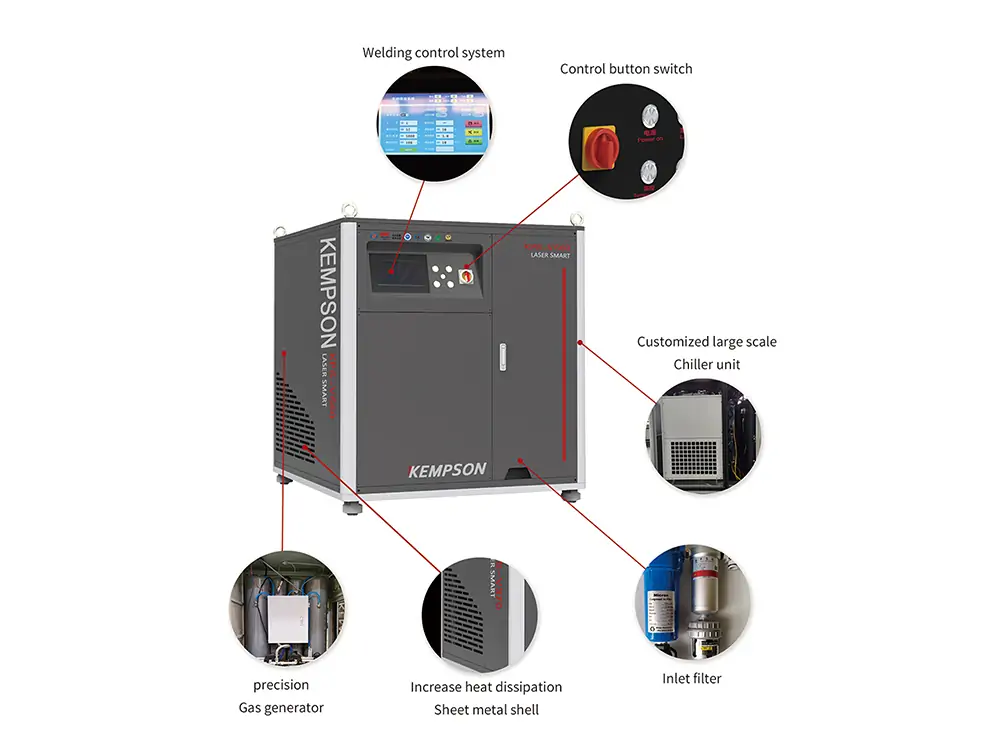
Components of a Laser Welder:
Laser source: Supplies the energy for the laser beam. Common sources include fiber lasers and CO₂ lasers.
Laser unit: Generates and modulates the laser beam, determining welding power and focal point.
Focusing lens: Concentrates the laser beam onto the weld zone to ensure precision and penetration depth.
Work table: Supports the workpiece, enabling precise positioning and welding operations in coordination with the laser beam.
Cooling system: Utilizes liquid or gas to cool the laser unit and other critical components, preventing equipment overheating.
How to Use Laser Welding Machine?
The operation of a laser welding machine is a controlled, systematic process encompassing multiple stages, including material preparation, system inspection, motion control, and quality inspection. The following outlines the standardized operational steps for industrial production environments.
Pre-Check: Safety First
Before performing any operation, we must ensure safety comes first. The following are safety considerations to note before use:
Environmental Considerations: Operate in a laser-protected, enclosed workspace equipped with fire safety measures (e.g., fire extinguishers). When working outdoors, monitor weather conditions, rain or direct sunlight may trigger humidity alarms or cause short circuits.
Equipment Inspection: Verify that welding machines, torches, wire feeders, cables, and other components show no damage, wire wear, or loose parts.
Safety Protection: Operators must wear safety goggles, heat-resistant gloves, and protective clothing to prevent burns and other injuries.
Follow Guidelines: Carefully read the user manual before operation and adhere to machine-specific instructions.
The above outlines essential safety checks before use. After completing these checks, follow the steps below to prepare, operate, and complete welding tasks.
Step-by-step guide to using a laser welding machine
Mastering the correct operating procedures of a laser welding machine can ensure welding quality and improve work efficiency. Below is a detailed operating guide for laser welding machines to help you understand how to correctly use laser welding equipment in actual work.
1. Workpiece Preparation and Joint Design
Before commencing welding operations, the following preparatory steps must be completed:
- Clean the welding area to remove oil, rust, oxide layers, or coatings
- Inspect the workpieces to ensure joint assembly accuracy and fixture stability, preventing displacement during welding
- Confirm the joint type (butt, lap, fillet, corner) and permissible gap range
- Note: Contaminants weaken weld strength; dust and debris compromise metal joints. Ensure thorough cleaning of metal components.
2. Parameter Configuration and System Verification
After workpiece preparation is complete, configure the laser welding machine parameters and verify the system based on specific production requirements:
- Choose appropriate laser power based on material type and sheet thickness
- Set welding speed, focal position, and oscillation parameters
- Check cooling system status (air-cooled or water-cooled)
- Select suitable language mode; Kempson supports language switching and customization as needed
- Verify wire feeding system operation in applications requiring wire feeding
Unsuitable laser welding parameters may cause burn-through, incomplete fusion, or unsightly welds; adjust according to material thickness and composition.
3. Welding Execution and Process Control
During welding, laser energy is precisely directed to the joint area via the welding head, forming a stable molten pool. However, process monitoring and control are essential, including:
- Maintaining stable torch angle and speed
- Observing molten pool condition and weld penetration depth
- Monitoring shielding effectiveness, ensuring safe operation of external shielding gas or the built-in inert gas self-generation system
- Achieving wire feed synchronization with laser output for thick plates or applications demanding high gap adaptability
4. Post-Weld Inspection and Cleanup
After welding is completed, a systematic assessment of weld quality must be conducted, and residual materials must be removed.
- Perform visual inspection to check weld uniformity and surface defects.
- Conduct dimensional inspection to detect deformation or assembly deviations.
- Perform necessary mechanical or non-destructive testing as required by standards.
- Remove any spatter or residue, clean equipment surfaces, and properly store tools.
The above outlines the operating procedures for a laser welding machine. If you encounter any problems during operation, please contact the laser welding machine supplier directly. Kempson provides 24/7 online support to help you resolve any issues.
Daily Maintenance of Laser Welding Machines
Learning how to use a laser welding machine does not mean equipment management can be neglected. The long-term stable operation of laser welding machines also relies on daily maintenance and systematic inspections. Common equipment management and maintenance priorities include:
Cooling system inspection: Monitor air-cooled or water-cooled system operation to prevent laser head overheating or power fluctuations
Optical path and lens cleaning: Use specialized cleaning wipes and solutions to regularly inspect and clean optical components
Wire feeding and drive system maintenance: For machines using filler wire welding, ensure smooth wire feeding to minimize jams
Shielding gas and component replacement: Correctly set gas flow rates and regularly replace lenses, worn nozzles, etc.
Electrical and safety system checks: Verify proper operation of power supplies, sensors, and protective devices
Regular inspection and maintenance of laser welding machines extends equipment lifespan while reducing operational risks and enhancing safety.
Conclusion
In summary: Safety is paramount when operating laser welding machines. Operators must strictly adhere to safety protocols, wear appropriate protective gear, and ensure the work environment meets requirements to safeguard themselves and others.
Understanding and mastering the correct operating procedures, combined with necessary safety measures, ensures a smooth and efficient welding process while achieving optimal weld quality. Should you encounter any issues during operation, feel free to contact the Kempson team at any time. We will provide professional technical support and solutions.
FAQ
Q1: Is laser welding difficult for beginners?
Compared to traditional TIG or MIG welding, laser welding is generally easier to master. Most handheld laser welders come equipped with preset parameters and intuitive interfaces, allowing operators to perform basic welding after brief training.
Q2: What safety precautions should be taken when using a laser welder?
A2: Operators must wear standard-compliant laser safety goggles, heat-resistant gloves, and protective clothing. The welding area should be enclosed or shielded to prevent laser leakage. Additionally, we recommend installing adequate ventilation systems and firefighting equipment.
Q3: How to choose appropriate laser welding parameters?
The selection of laser welding parameters depends on material type, sheet thickness, joint configuration, and whether filler wire is used. Key parameters include laser power, welding speed, focal position, and oscillation settings. Improper parameter settings may result in burn-through, lack of penetration, or poor weld appearance. If you have questions, consult the laser welding manufacturer.
Q4: Does a laser welding machine require shielding gas?
Most laser welding processes require shielding gas to prevent oxidation of the molten pool. Some air-cooled or air-laser welding machines feature built-in inert gas self-generation systems, eliminating the need for external gas cylinders. However, water-cooled or high-power laser welding machines typically still require external shielding gas.
Q5: How often does a laser welding machine require maintenance?
We recommend daily or weekly routine inspections, including checks of the cooling system, cables, and protective lenses. Optical components and nozzles should be cleaned regularly, and worn parts replaced promptly. Proper maintenance extends equipment lifespan and ensures consistent welding quality.
Q6: What are common issues encountered during laser welding?
Common problems include porosity, burn-through, incomplete fusion, and excessive spatter. These issues typically arise from improper parameter settings, surface contamination of the workpiece, or unstable welding speed. Most welding defects can be avoided by cleaning the material surface and appropriately adjusting the welding parameters.