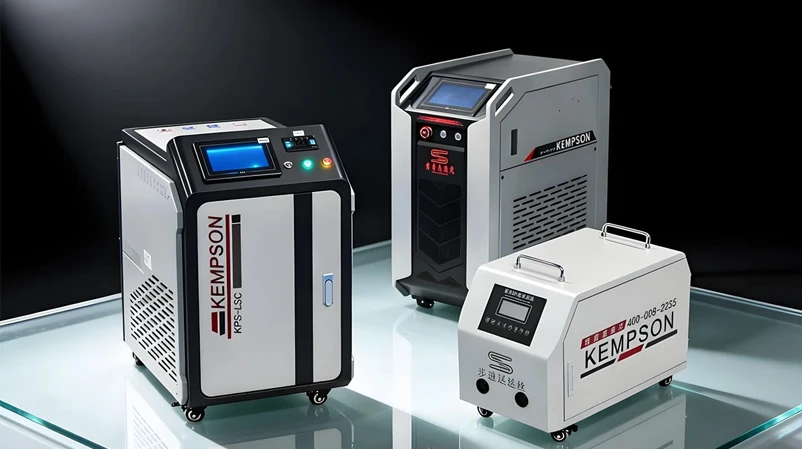
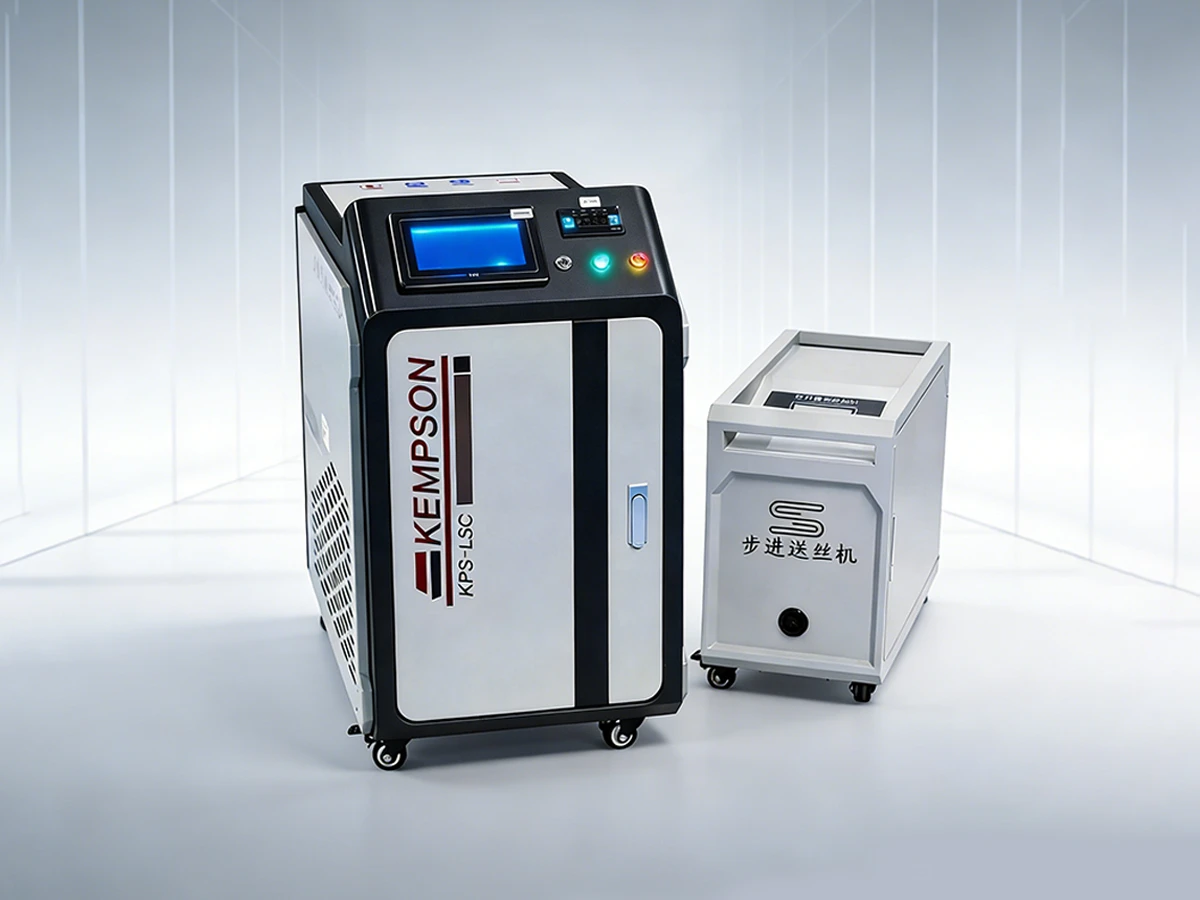
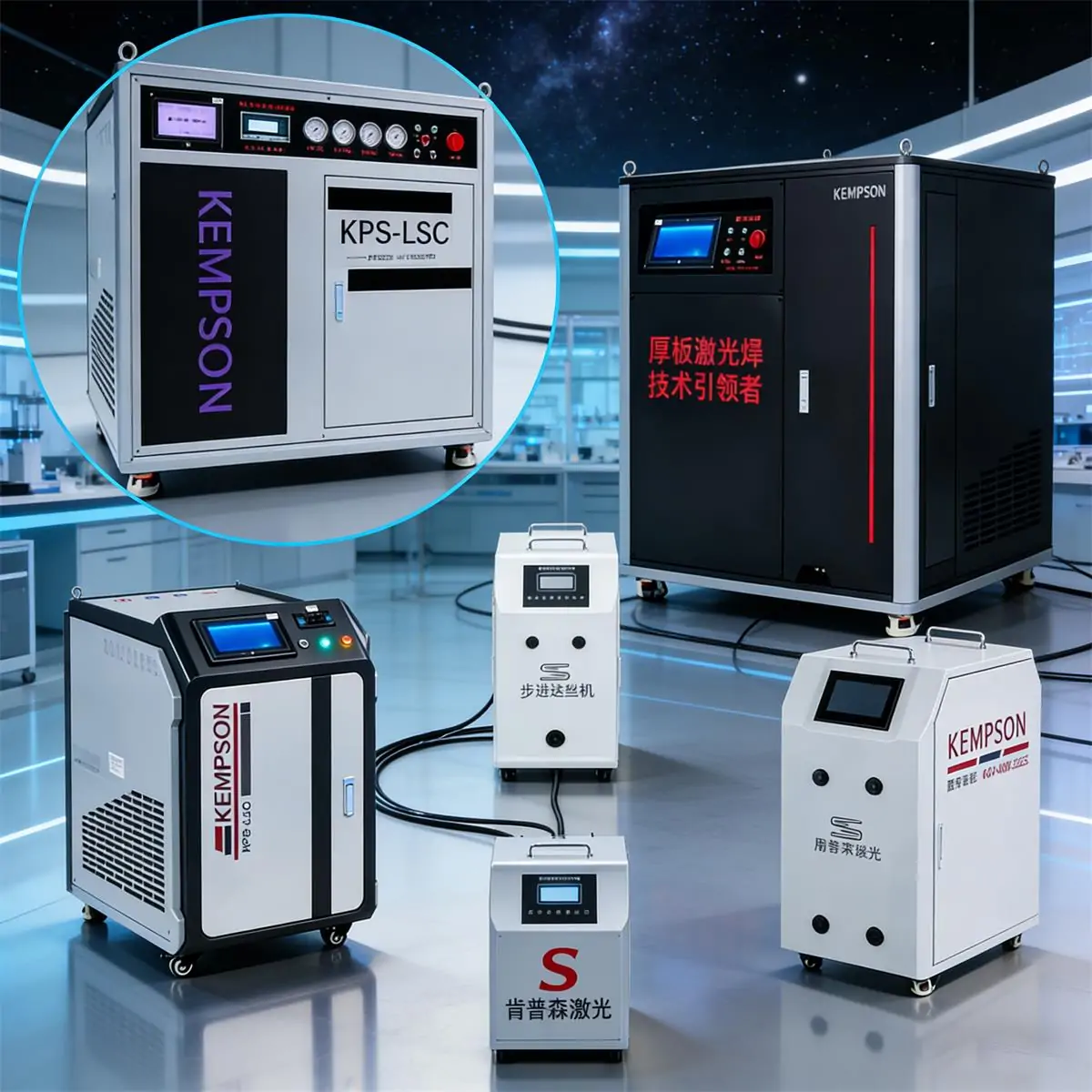
KEMPSON supplies industrial laser cleaning machines for removing rust, oxides, and selected coatings from metal surfaces. Compare 500W MOPA pulsed cleaning with 2000W, 3000W, and 4000W continuous-wave systems for maintenance, fabrication, and surface preparation.
Start with the metal, contamination layer, and finish you need. A higher power rating does not by itself determine the best cleaning result. Our team can review your workpiece, arrange sample testing, and recommend a machine configuration.
Continuous-wave (CW) systems deliver a sustained laser output and are a practical starting point for larger cleaning areas and robust metal components. Heat accumulation needs particular attention on thin sheets, edges, and heat-sensitive parts. Choose the settings and travel speed against the required surface condition.

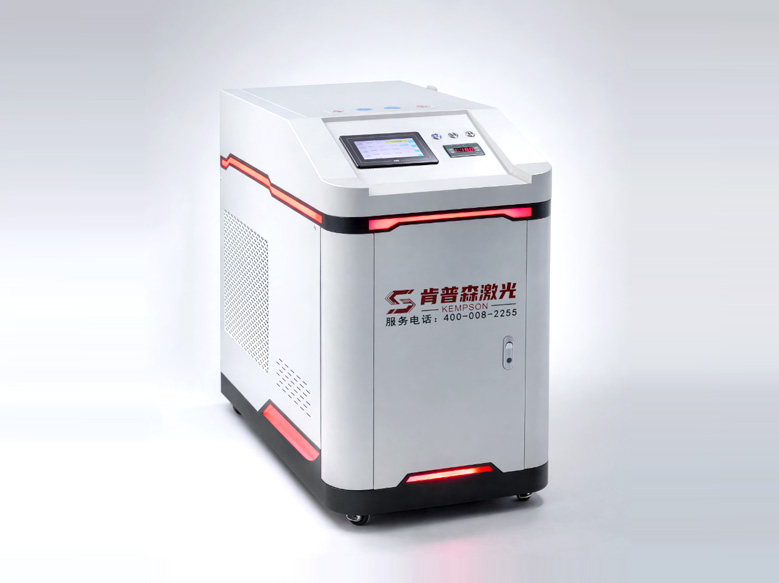
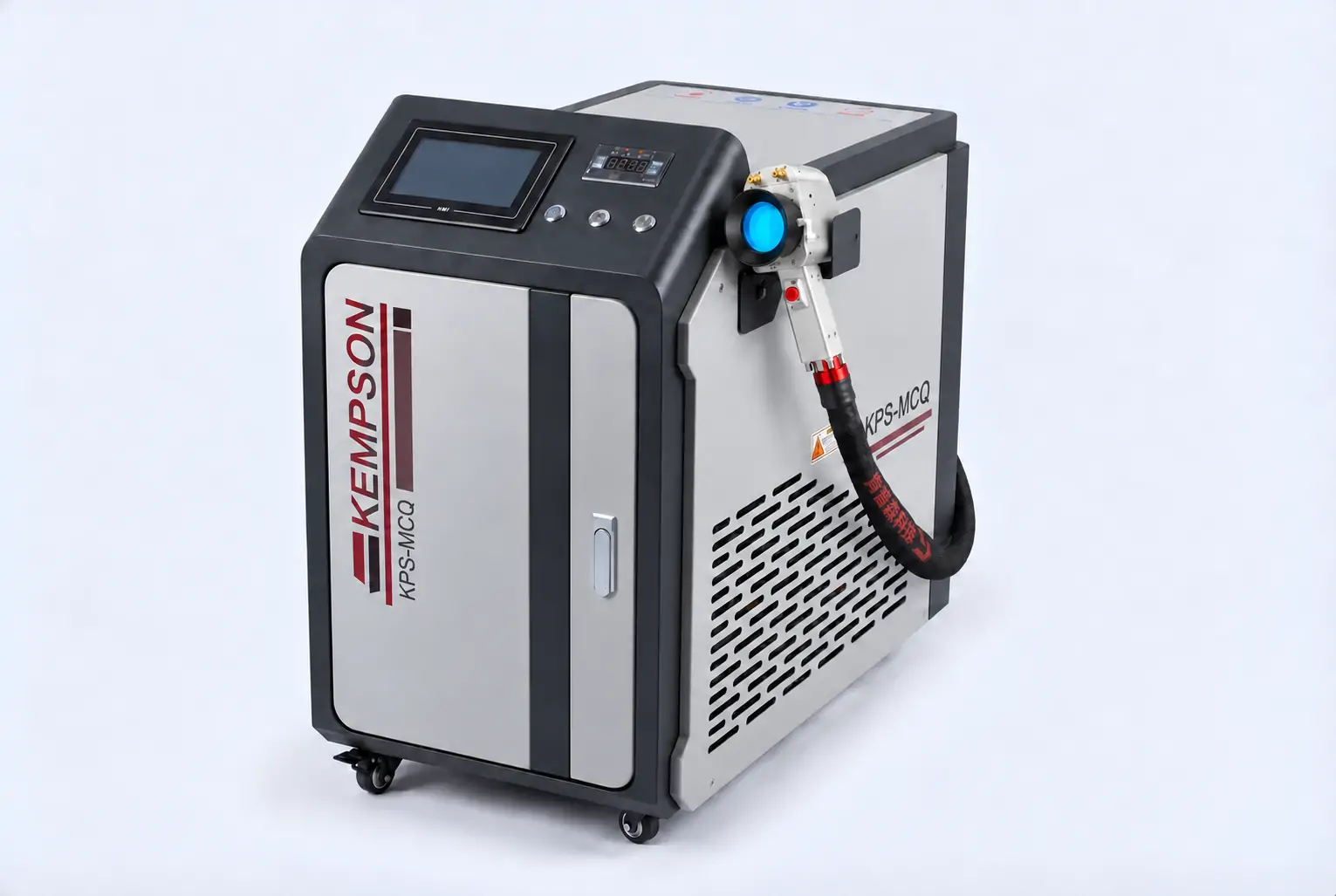
The KPS-QX2000 and KPS-QX3000 use built-in water cooling and a handheld cleaning gun for work on steel plates, fabricated structures, and machinery parts.
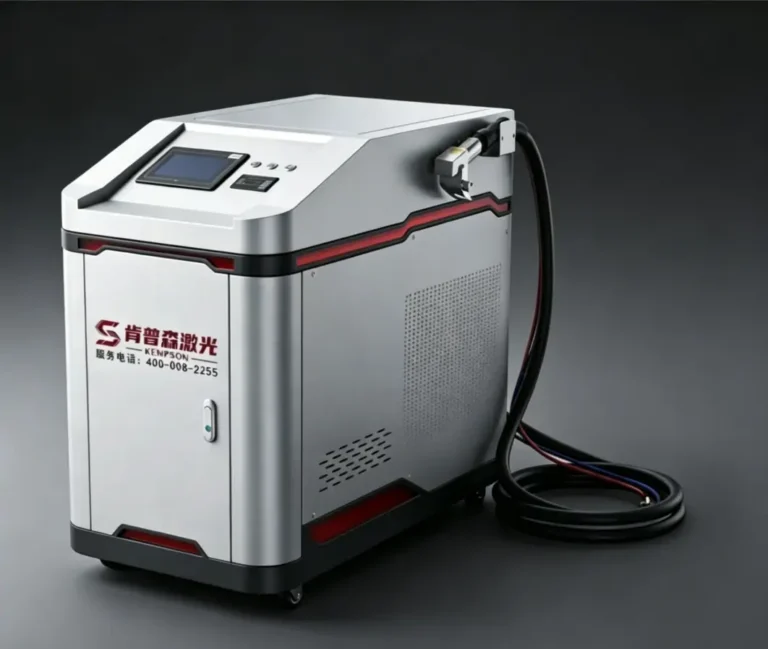
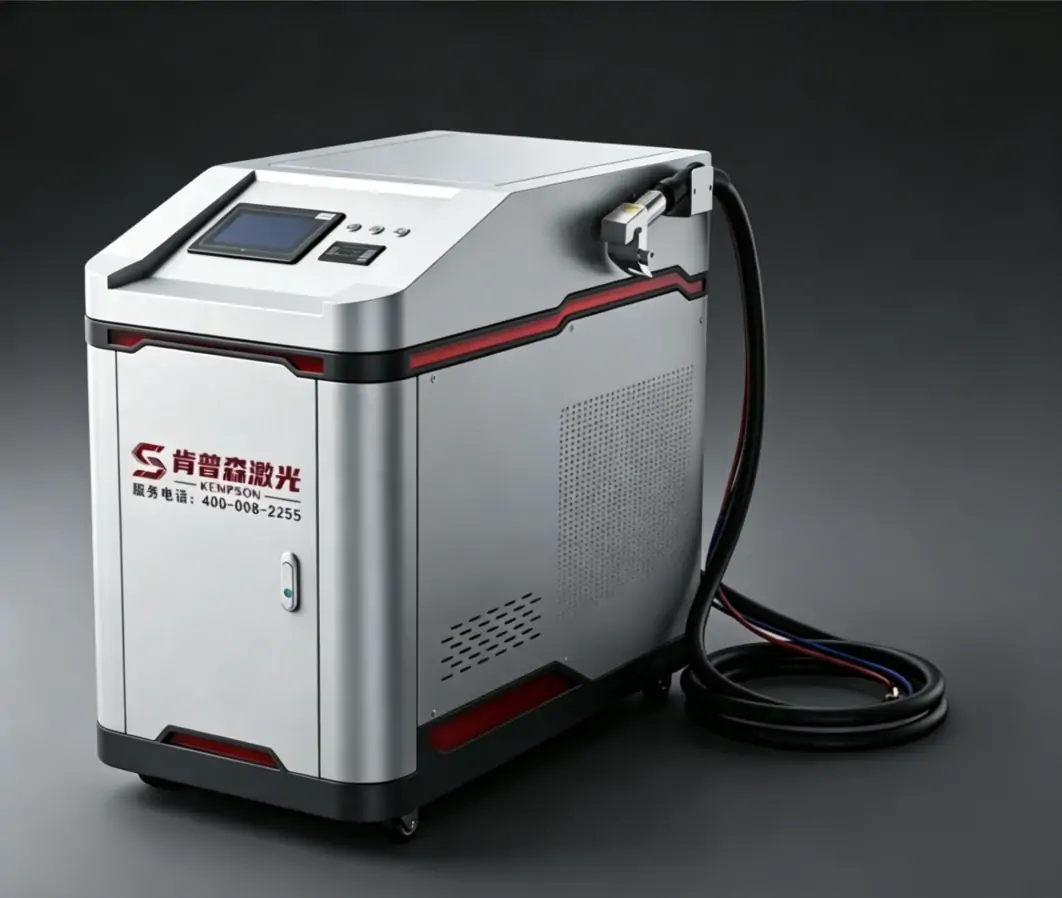
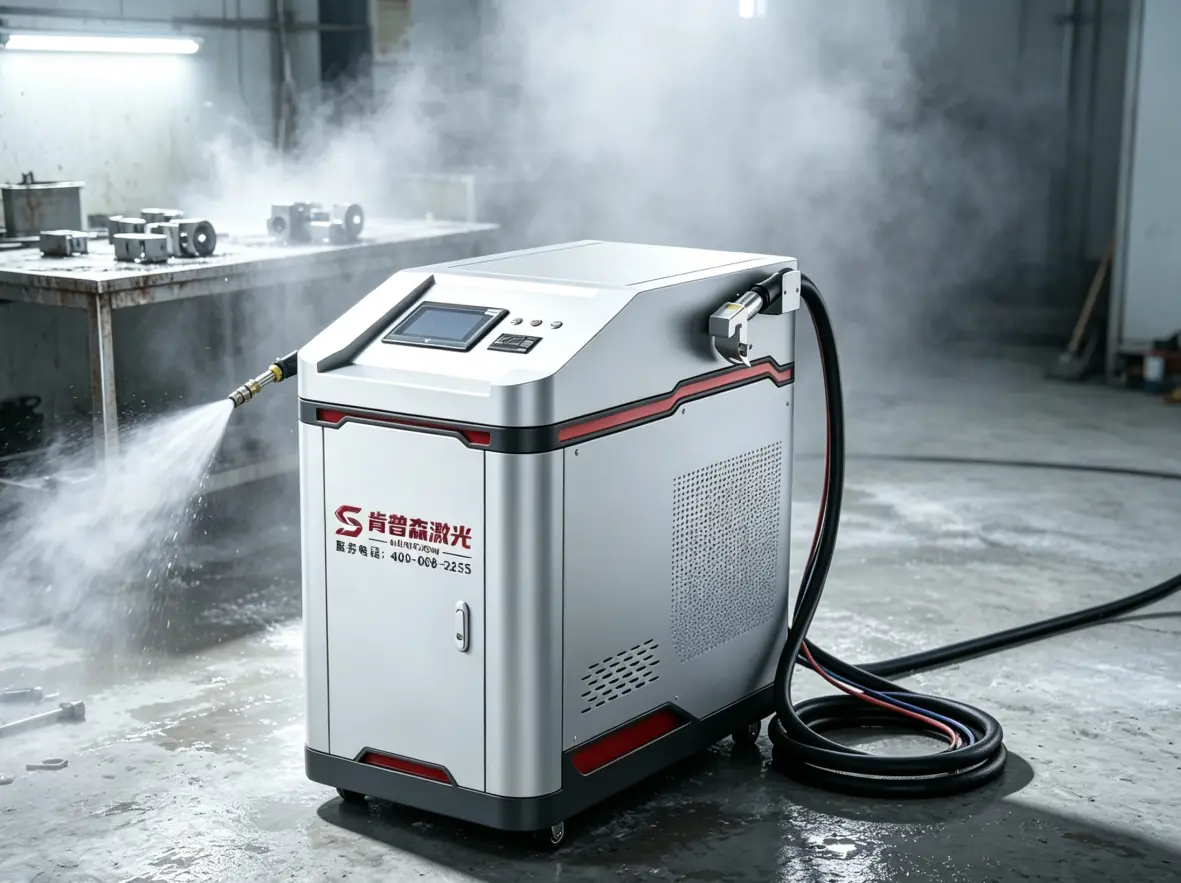
The KPS-LCM4000 self-blowing laser rust removal machine combines a 4000W fiber laser with integrated air blowing. It is intended for industrial rust, paint, and oxide-scale removal.
The 1.2 and 1.8 m²/min figures are published model values. The product page does not specify the test substrate or contamination thickness. Use a sample trial to establish a realistic production rate, including repeat passes, workpiece handling, and inspection. Laser output power is also different from total electrical input; confirm installation loads in the final technical data sheet.
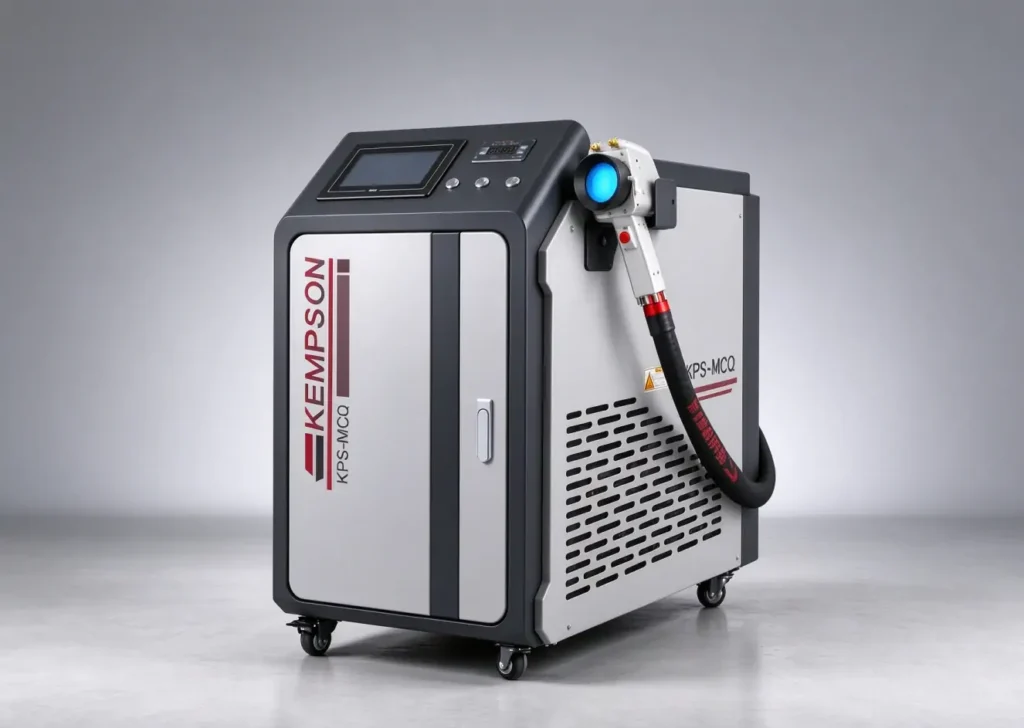
The KPS-MCQX500 pulsed laser cleaning machine uses a JPT MOPA source and a dual-axis handheld scanning head. Adjustable pulse settings provide more control over the energy delivered to the surface, useful when the finish or dimensional condition of a component needs closer attention.
Maximum pulse energy, average power, and frequency are related operating parameters. Their maximum values should not be assumed to be available simultaneously. Confirm the operating window and lens calibration for your process.
| Selection point | 500W MOPA pulsed | 2000W–4000W continuous-wave |
|---|---|---|
| Main consideration | Control of pulse energy and surface effect | Cleaning area, removal rate, and heat management |
| Typical tasks to evaluate | Localized coating removal, oxide cleaning, molds and tooling | Rust and coating removal on robust steel parts and structures |
| Sensitive workpieces | Test pulse settings, scan pattern, and surface finish | Check heat buildup, discoloration, and distortion carefully |
| How to validate | Inspect the cleaned substrate and remaining contamination | Measure accepted cleaned area per cycle and substrate condition |
These are selection starting points, rather than fixed limits. Both methods can affect the base material if the settings are unsuitable. Read our pulsed vs continuous laser cleaning comparison for a fuller explanation.

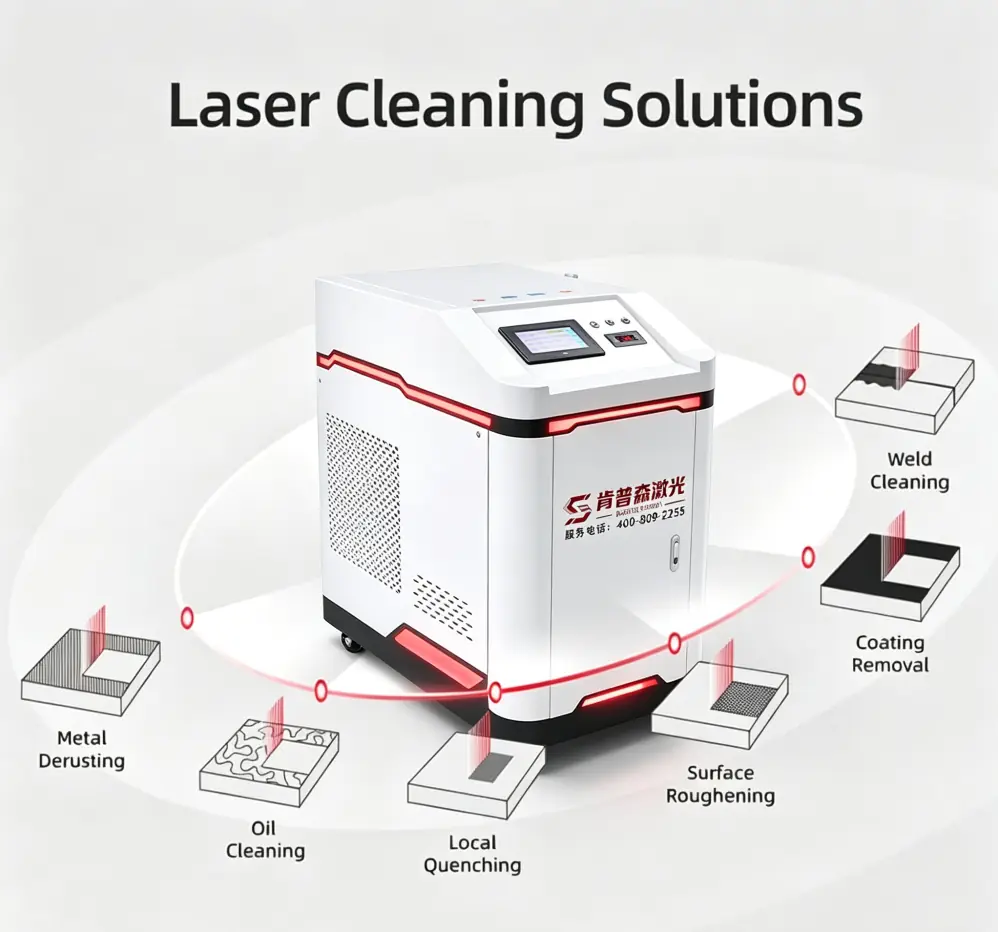
Clean accessible surfaces on steel plates, brackets, and fabricated frames before inspection, repair, or further processing. Deep pitting remains after rust is removed; cleaning does not restore lost metal.
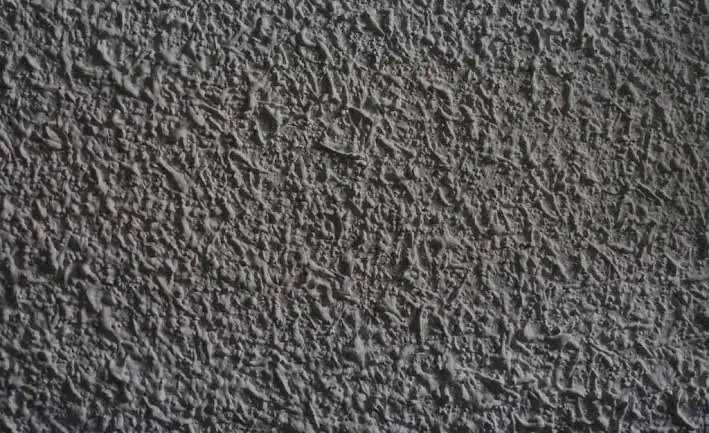
Evaluate local stripping of selected paints and coatings on metal components. First, identify the coating composition, then check removal quality, substrate condition, and extraction requirements.
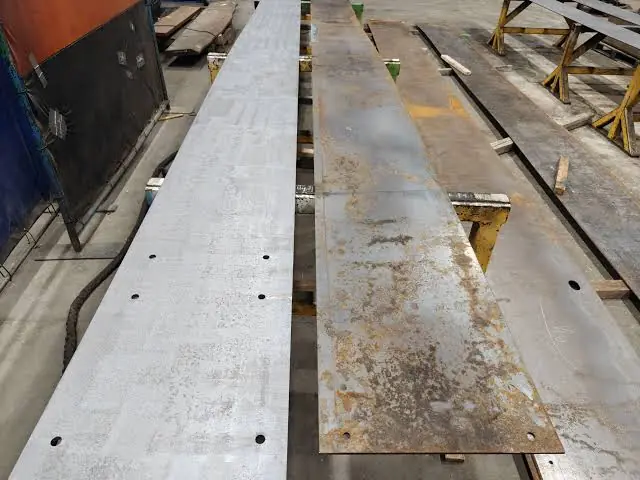
Remove selected oxides and surface residues around joints before welding. Confirm the cleanliness and joint preparation needed for the subsequent welding procedure.
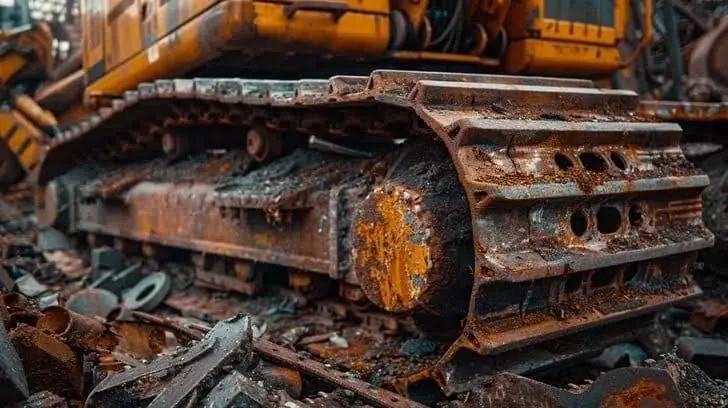
Treat accessible housings, frames, and metal parts during refurbishment. Plan the cleaning sequence around disassembly, access, and protection of adjacent components.
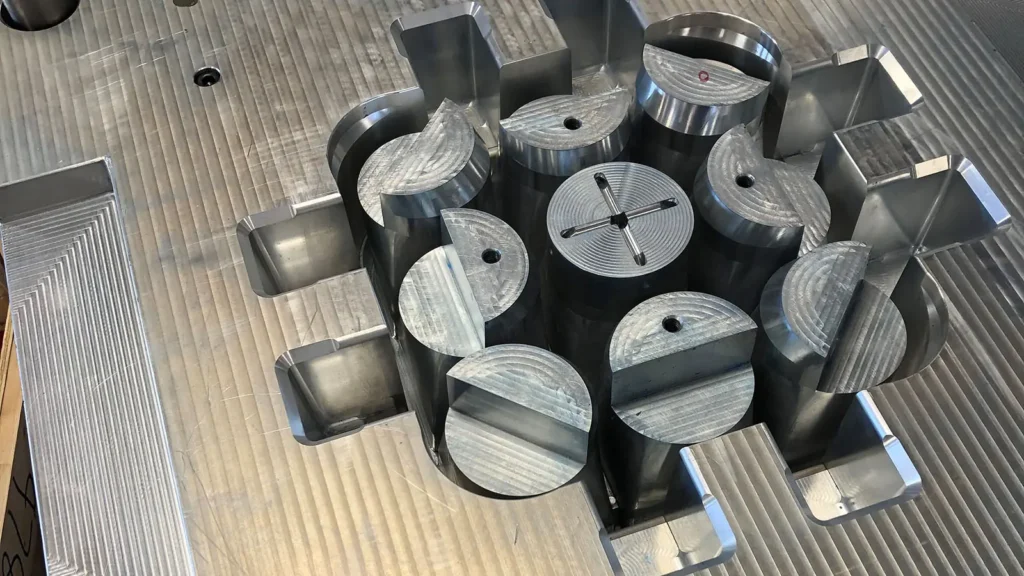
Evaluate pulsed cleaning for deposits on compatible metal molds and tools. Inspect surface texture, edges, and critical dimensions during the trial.
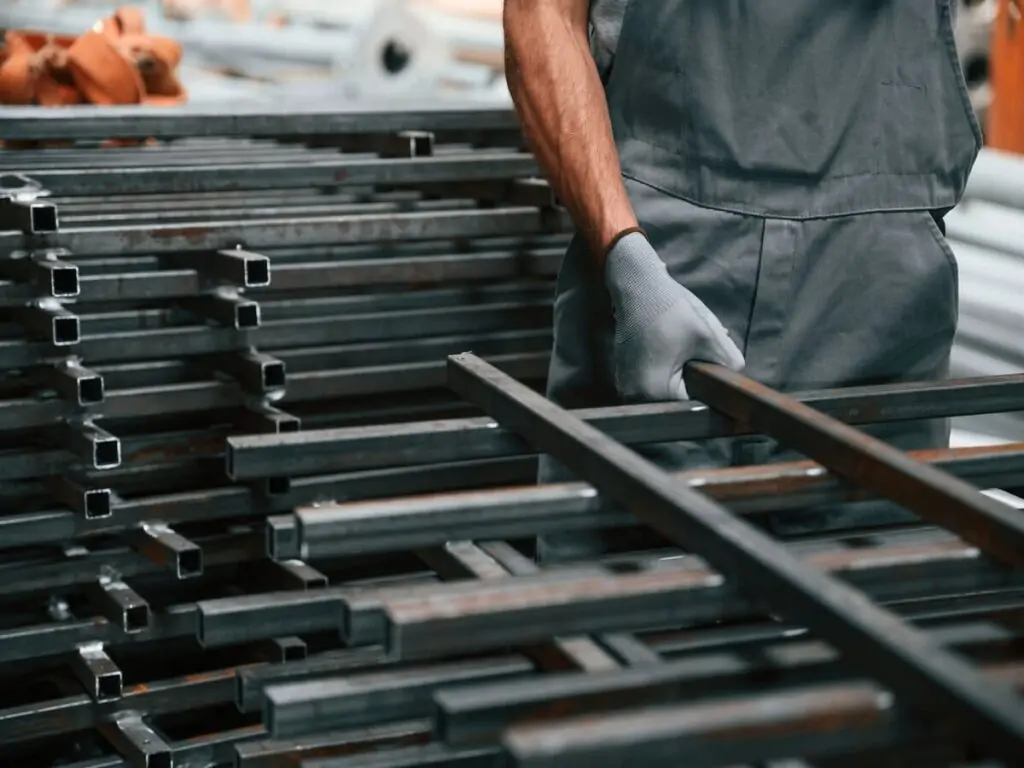
Prepare selected stainless steel, carbon steel, and aluminum surfaces for the next production step. Different alloys and finishes require different settings; see our metal laser cleaning guide.
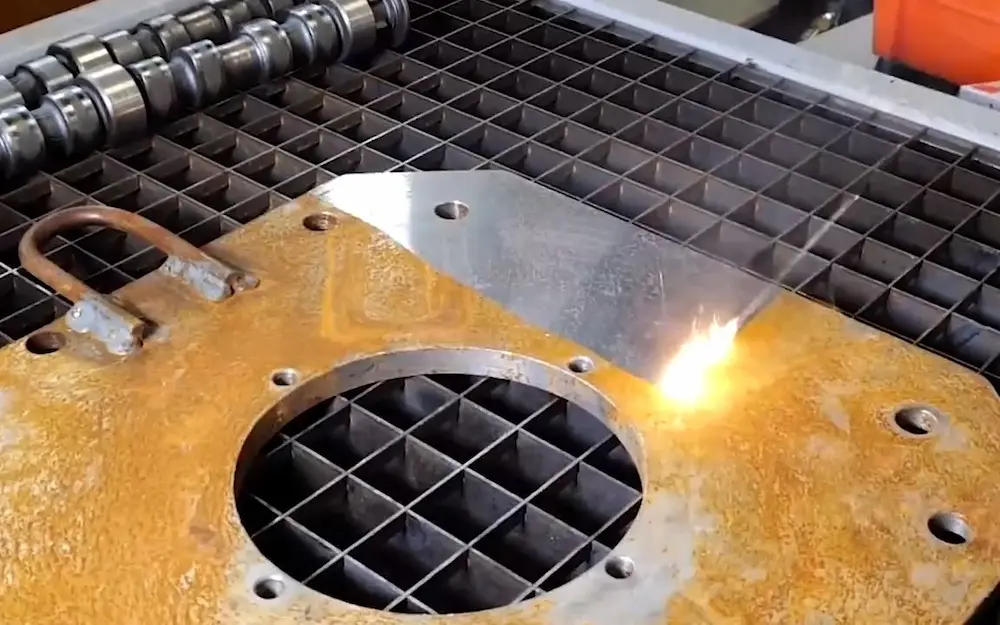
Steel plate rust removal example.
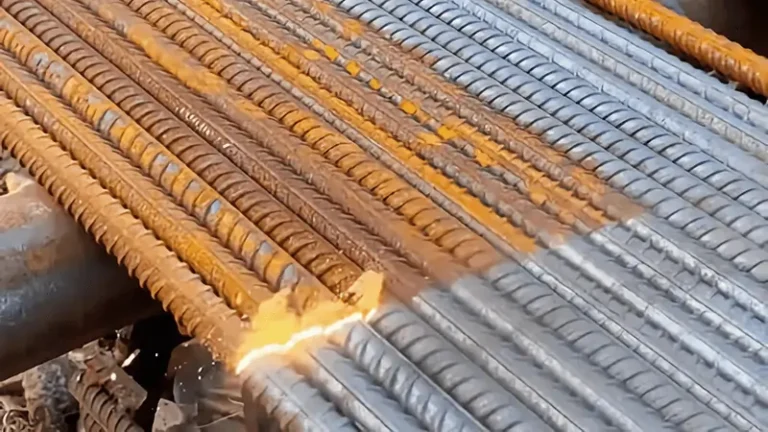
Rebar surface cleaning example.
These images show selected cleaning examples; they do not establish a cleaning rate or guarantee the same finish on other workpieces. For a documented application, view the 500W pulsed laser cleaning project for multi-material surface cleaning.
Select a machine according to the workpiece, processing requirements, production volume, and operating conditions. Laser power alone does not determine cleaning efficiency or weldable thickness.
Identify the material to remove, such as rust, paint, oil, or oxide layers. Pulsed and continuous-wave laser cleaners suit different cleaning tasks. Test the actual workpiece to confirm results.
Specify the metal type, thickness, joint geometry, and gap. Check the selected model’s documented welding capacity and verify parameters through sample testing.
Estimate the cleaning area, welding length, and required output per shift. Actual processing speed depends on surface condition, material, and process settings.
Compare air-cooled and water-cooled configurations based on laser power, operating hours, ambient conditions, and available installation space.
Handheld machines suit flexible processing and maintenance. Automated systems suit repetitive production tasks. Consider workpiece dimensions, positioning requirements, and production-line integration.
KEMPSON lists ISO 9001, CE, and FDA credentials on its website. Confirm the applicable certification scope, product documentation, and destination-market requirements for the selected model before ordering.
Contact KEMPSON with your material type, thickness, cleaning target, welding requirements, and production volume for model selection and a quotation.
For projects that also require joining, specify the cleaning and welding tasks separately. Compare our handheld laser welding machine range and confirm any multifunction configuration with KEMPSON.
Laser cleaning is a non-contact process, but it still removes particles and can generate fumes. Built-in air blowing helps the cleaning head operate; it does not replace fume capture. Assess the coating and substrate before selecting extraction and residue-handling measures.
Plan a controlled laser area, suitable beam barriers, protective grounding, operator training, and eye protection matched to the machine wavelength and operating conditions. Follow the equipment manual and the site risk assessment. Reflective parts and nearby personnel require particular attention.
Send the material grade, contamination photographs, workpiece size, and target output to KEMPSON’s technical team. Agree the sample-test conditions and acceptance criteria before confirming laser power, head, and cooling configuration.
The quotation should identify the machine configuration, included accessories, installation requirements, delivery scope, and applicable warranty. Review available training and after-sales arrangements on our service page, then confirm the terms for your destination and model in writing.
Kempson boasts an independent R&D team and a team of senior engineers, focusing on cutting-edge laser welding technology development and committed to providing high-performance and cost-effective customized solutions for various industrial applications.
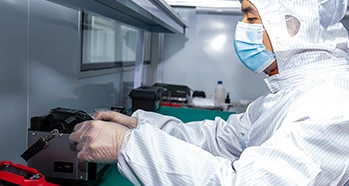
With 30+ patents, all machines are CE, ISO, and FDA certified. We offer a 3-year warranty, free sample welding tests, and lifetime after-sales support to ensure long-term reliability.
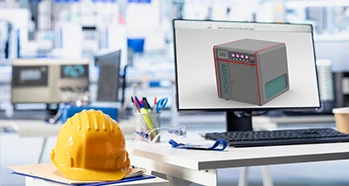
We support comprehensive OEM/ODM cooperation, providing personalized services such as system design, hardware and software integration, special accessory development, and brand logo customization, precisely tailored to different markets and application scenarios.
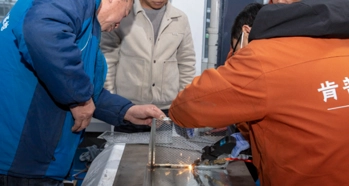
We offer free sample welding testing services: simply send us your materials or provide your process requirements, and we will perform welding tests, record process videos, and return the physical samples, providing you with objective and reliable purchasing information.
Price depends on the laser source, power, cleaning head, cooling system and supply scope. Ask for a model-specific quotation that identifies extraction equipment, spares, training, delivery and warranty terms, so that you can compare the total installed cost.
Pulsed cleaning offers adjustment of pulse energy, width and frequency for controlled surface treatment. Continuous-wave systems are a starting point for larger areas and robust components. Test the actual substrate and contamination to compare surface condition and accepted cleaning rate.
Applications include carbon steel, stainless steel and aluminum, but suitable settings depend on the alloy, surface finish and layer being removed. Thin sheet, reflective surfaces and precision parts need particular attention during process testing.
Yes, it can remove rust, oxides and selected paints or coatings from suitable metal surfaces. Removal depth and speed vary by material and contamination. Identify the coating composition and validate the result, extraction requirements and substrate condition before production.
KEMPSON lists 500W MOPA pulsed and 2000W, 3000W and 4000W continuous-wave models. Choose according to the cleaning area, contamination thickness, material sensitivity and required cycle time. Average power alone does not provide a direct comparison between pulsed and continuous-wave cleaning.
It can if the energy input, focus, scanning speed or repeat passes are unsuitable. Non-contact cleaning does not mean zero surface effect. Inspect test pieces for discoloration, roughness changes, distortion and any loss of material against your acceptance criteria.
No. Air blowing supports lens protection and residue movement around the cleaning head. Laser ablation can release particles and fumes, so assess the contamination and provide suitable local extraction and residue handling for the process.
Provide the material grade, part size and thickness, photographs, contamination type and approximate layer thickness. State the finish to preserve, required cleanliness, inspection method and target output. Use representative samples to agree the machine configuration and process settings.
Need help choosing a laser cleaning machine?
Send your material, contamination photos and target output to KEMPSON for configuration advice and sample-test planning.