
Fiber Laser Source
The source supplies laser energy. Select power and compatibility according to material, wall thickness, production duty, and the required edge quality. A higher power rating alone does not guarantee a better finished part.
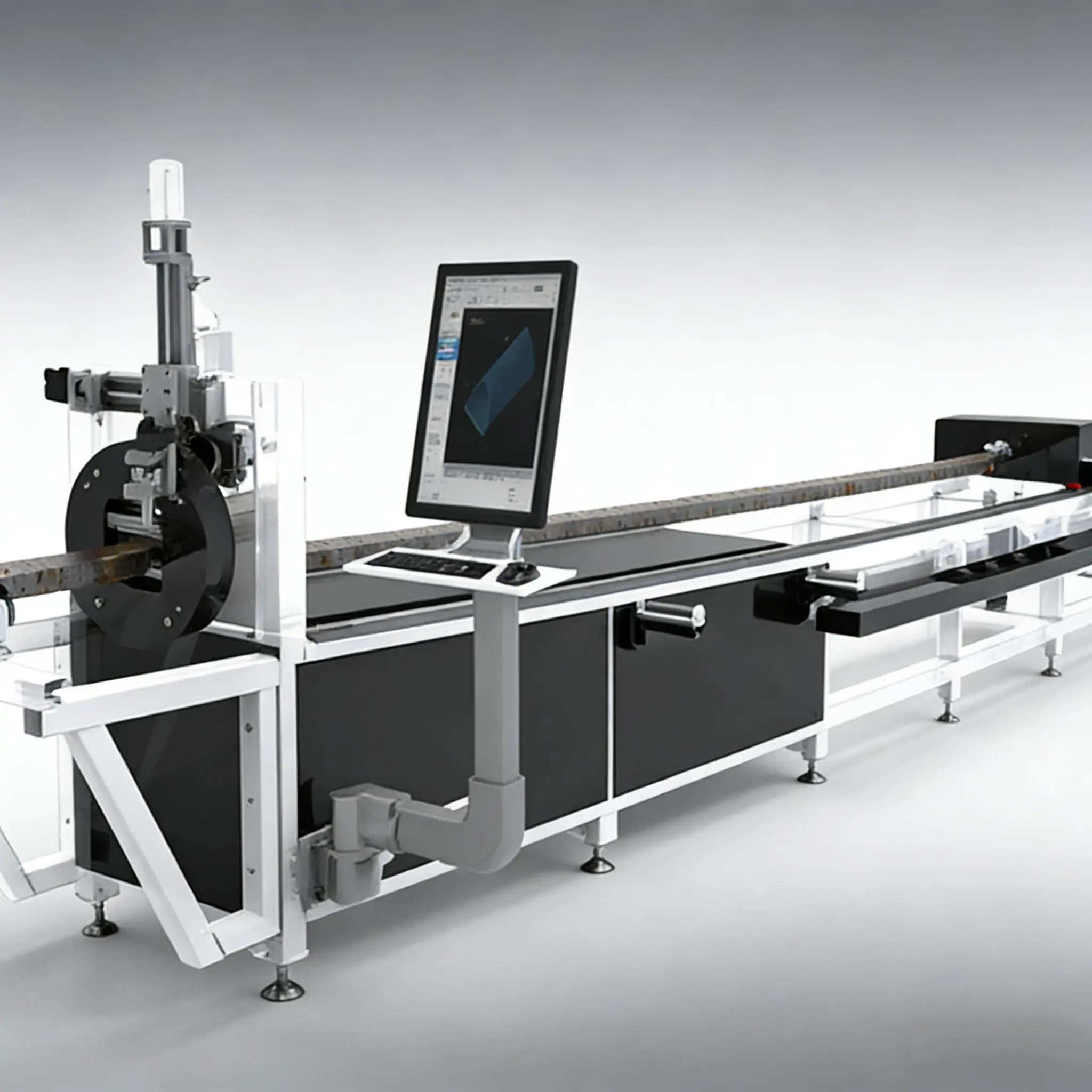
A metal pipe laser cutting machine combines a fiber laser, CNC motion control, and rotary clamping to cut tube ends, holes, slots, and contours. KEMPSON offers configuration options for round, square, rectangular, and selected special-shaped tubes. The suitable system depends on material, section dimensions, wall thickness, tube length, and the finished part requirements.
Choose a metal pipe laser cutting machine around your actual production parts. Send drawings and tube specifications to discuss laser power, chuck capacity, feeding, and unloading. Standard configurations and customization can be evaluated against the required output and workshop conditions.
A CNC tube cutting system can combine several operations in one programmed process. This can reduce separate sawing and drilling steps for suitable parts, while precision bores, threads, and critical mating surfaces may still require secondary machining. Confirm the complete process route before estimating savings.
Specify the stock accurately before selecting a metal pipe laser cutting machine. Round tubes need an outside diameter; square sections need a side dimension; rectangular sections need both width and height. All require wall thickness, length, and weight. Oval and other special sections need a separate compatibility assessment.
| Processing item | Selection basis |
|---|---|
| Round tubes | Outside diameter, wall thickness, straightness, and chuck grip |
| Square tubes | Side dimension, corner radius, wall thickness, and orientation |
| Rectangular tubes | Width and height, support clearance, section twist, and grip |
| Special profiles | Drawing review, jaw compatibility, and software support |
| Stock length and weight | Feeding stroke, supports, loading capacity, and unloading space |
A nominal processing range does not establish the same cutting capacity for every material or profile. Evaluate long or thin-walled stock for sagging, clamp marks, and deformation. Ask how much remnant must remain in the chuck and how nesting affects usable material yield.
The supplied specifications describe selected configurations rather than one universal machine. Use the following values as a starting point when requesting a model-specific quotation for a metal pipe laser cutting machine.
| Parameter | Reference information and verification needed |
|---|---|
| Laser power | 1500 W, 2000 W, or 3000 W; confirm the selected configuration |
| Round tube outside diameter | Listed reference: 10 to 120 mm; verify chuck and model limits |
| Square tube side dimension | Listed reference: 10 to 100 mm; confirm the measurement basis and wall limits |
| Stock length | Listed reference: up to 6200 mm; confirm loading and processing arrangements |
| Cutting wall thickness | Establish by material grade, laser power, gas, and sample quality |
| Tube load | Confirm allowable stock weight and support arrangement for the selected model |
| Speed and accuracy | Obtain separate axis-motion, cutting-rate, positioning, and finished-part data |
| Automatic handling | Confirm profile compatibility, stock preparation, loading, and unloading scope |
Do not compare machines using a single headline speed. Axis travel speed is different from cutting feed rate, and neither alone predicts parts per hour. Positioning accuracy is also different from the dimensional tolerance achieved on a finished cut feature. Request the test method and measurement conditions behind each quoted value.
A metal pipe laser cutting machine is useful when a part combines multiple cut features or frequent design changes. A band saw can remain economical for simple cut-to-length work. Compare the full process rather than assuming that one method is always faster or cheaper.
| Selection factor | Laser tube cutting | Band saw | Saw plus drilling |
|---|---|---|---|
| Typical operations | End profiles, holes, slots, and contours | Primarily cut to length | Length cuts and separately located holes |
| Complex geometry | Programmable within system limits | Limited | May require fixtures and multiple setups |
| Changeover | Program, jaws, and process setup | Blade and stock setup | Saw, drill, and fixture setup |
| Secondary work | May remain for precision features or finish | Often needed for holes and contours | Depends on feature and tolerance |
| Best evaluation basis | Finished part quality and full cycle cost | Simple cutting requirements | Total machining and handling effort |
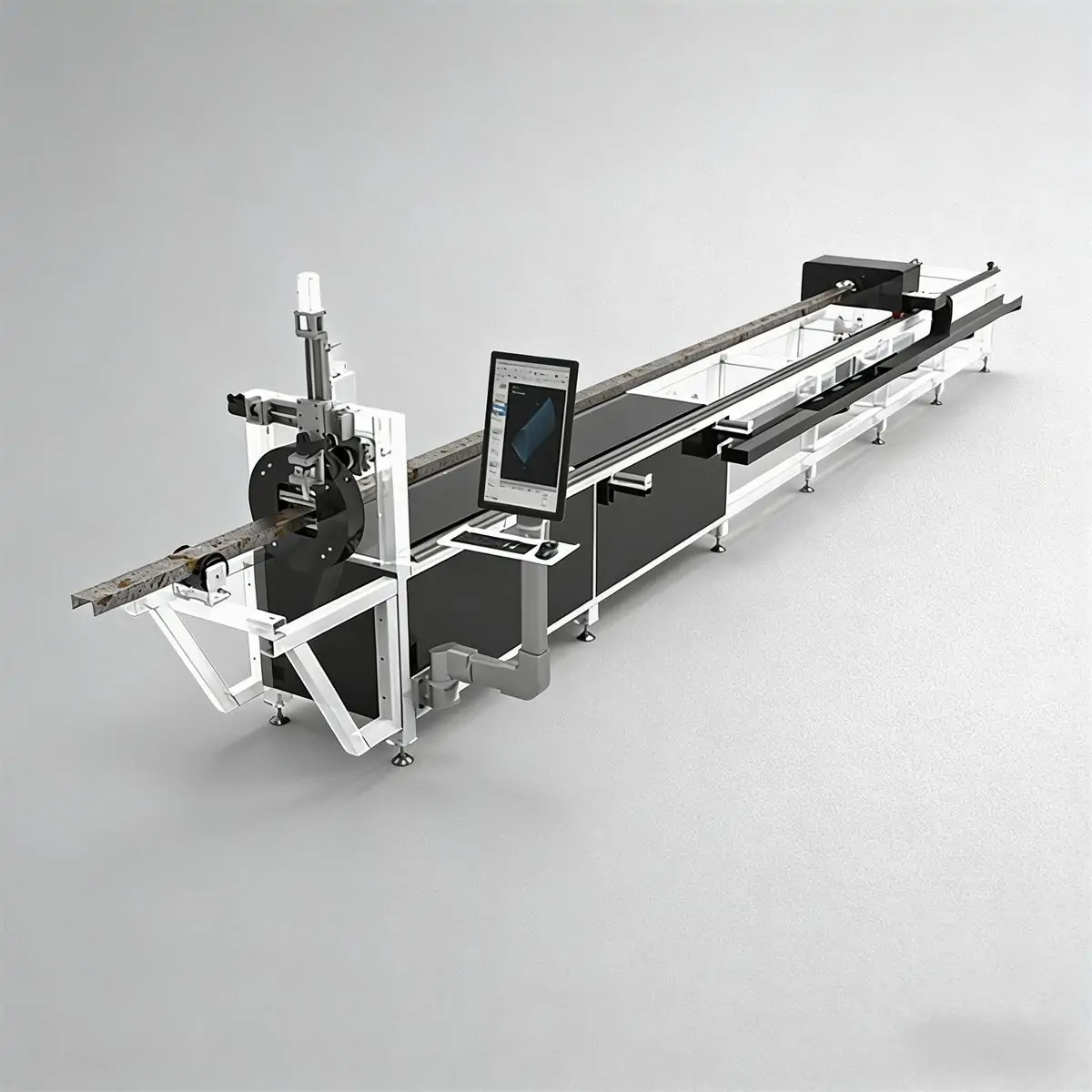
This metal pipe laser cutting machine configuration uses CNC positioning and a rotary chuck for repeatable processing of compatible tube profiles. It suits mixed fabrication work such as frames, racks, and furniture components. Available reference power options in the supplied specifications are 1500 W, 2000 W, and 3000 W; confirm availability for the selected model.
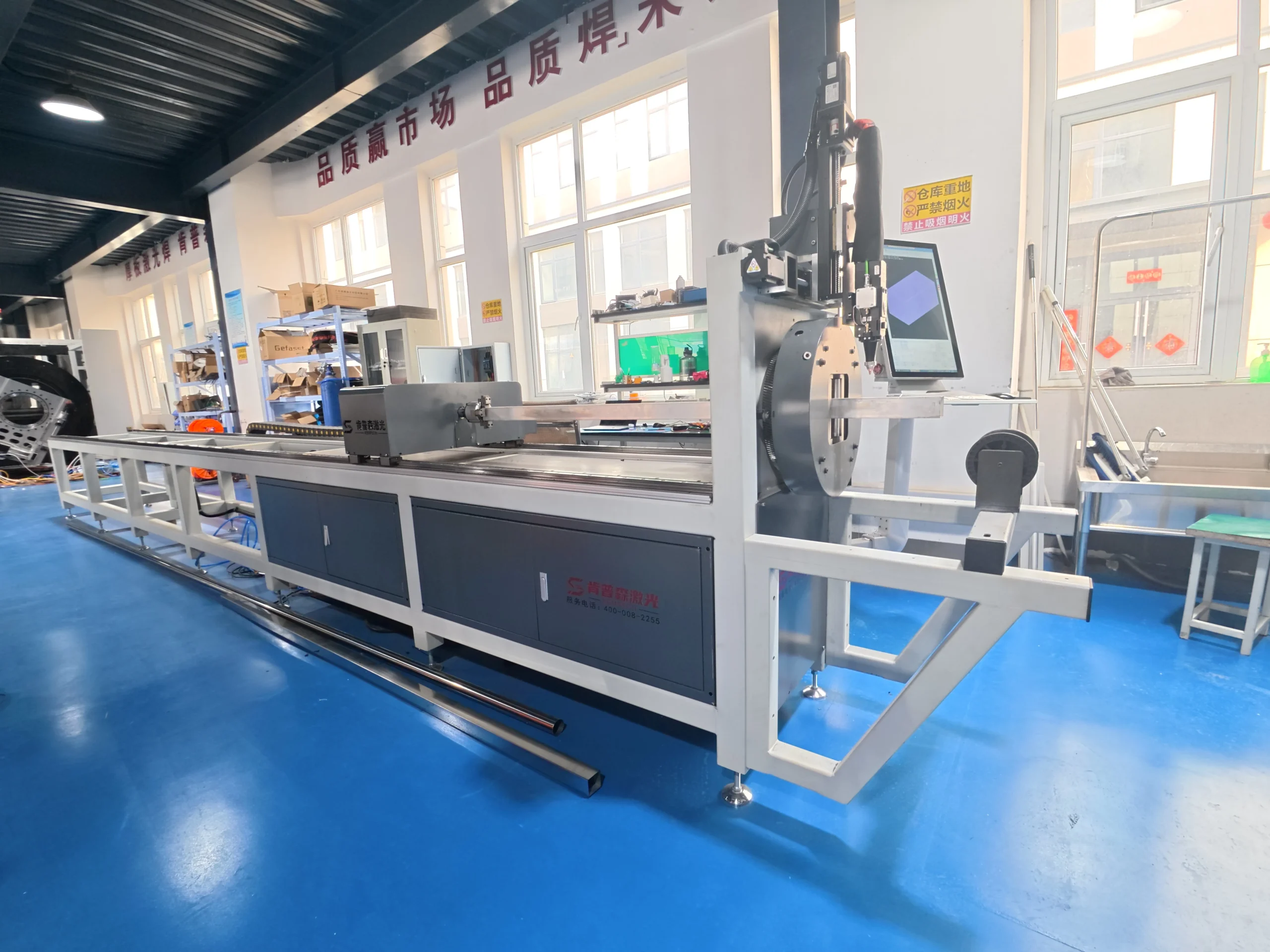
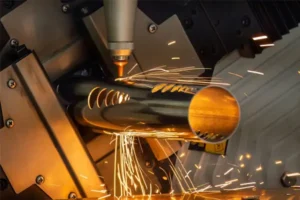
For round pipes, evaluate outside diameter, wall thickness, straightness, and tube weight. A metal pipe laser cutting machine with suitable chuck tooling can produce straight cuts, holes, slots, and intersecting contours. Check hole location and rotational alignment on a representative sample, especially where parts must fit into a welded assembly.
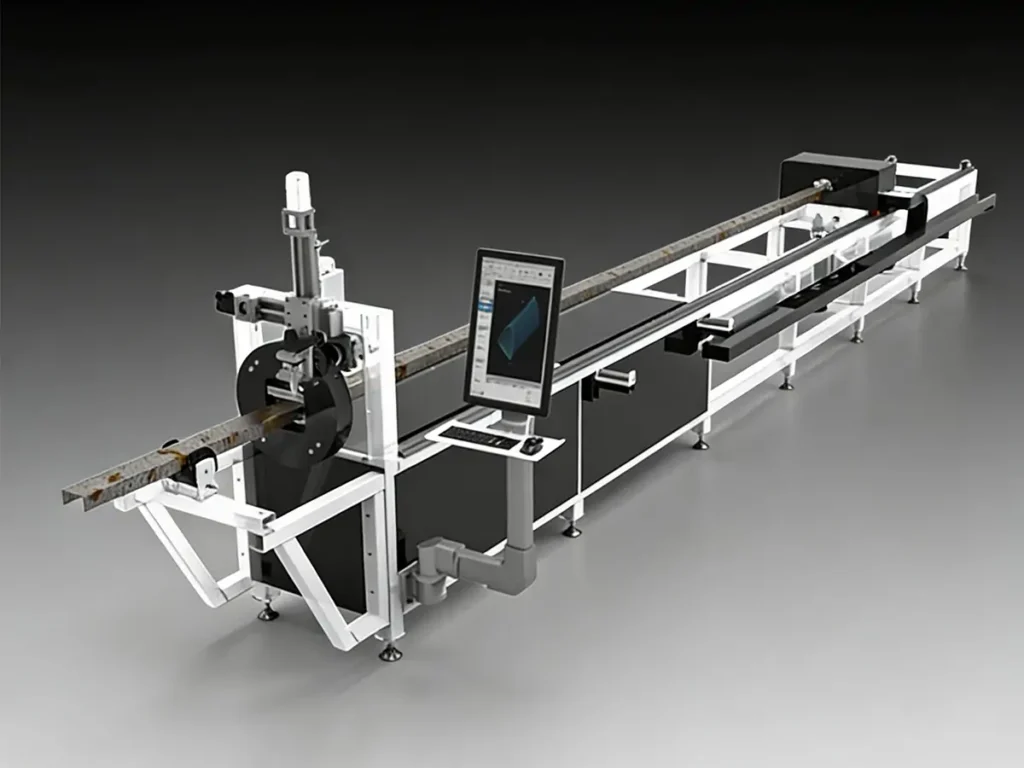
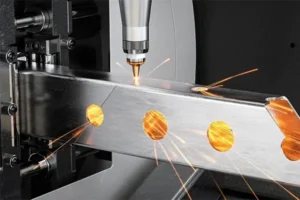
Square and rectangular profiles require compatible jaws, adequate support, and control of section orientation. This metal pipe laser cutting machine application is common in furniture frames and structural fabrication. Rounded corners, weld seams, and section twist can affect clamp stability and feature position; include them in the sample review.
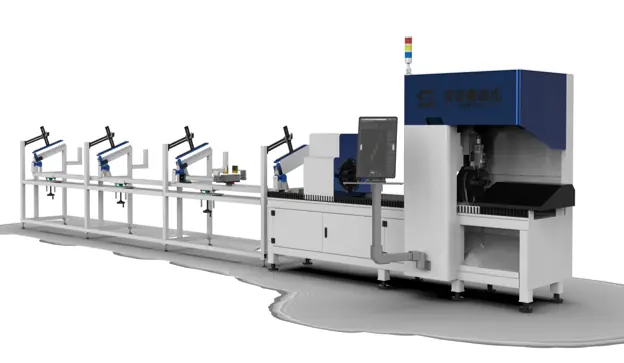
For repetitive production, assess the entire cycle of a metal pipe laser cutting machine: loading, orientation, feeding, cutting, unloading, and sorting. Optional automatic handling can reduce manual intervention, but throughput depends on part geometry, stock length, and material movement as well as laser cutting speed.
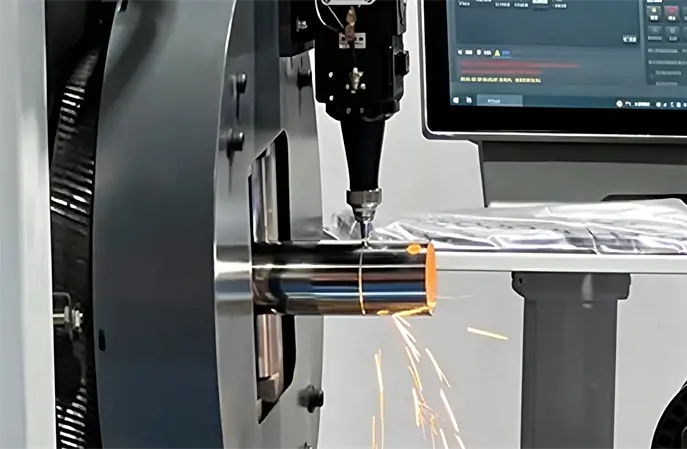
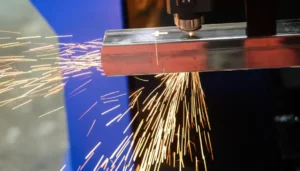
A metal pipe laser cutting machine converts a part drawing into a CNC program, positions the tube, and coordinates linear and rotary movement with the cutting head. The laser melts material, while an appropriate assist-gas flow removes molten material from the cut.
For a detailed introduction, read what a tube laser cutting machine is and how it works.
Watch the KEMPSON tube cutting demonstration below. Confirm material, section dimensions, settings, and measured sample results before comparing capacity.

The source supplies laser energy. Select power and compatibility according to material, wall thickness, production duty, and the required edge quality. A higher power rating alone does not guarantee a better finished part.
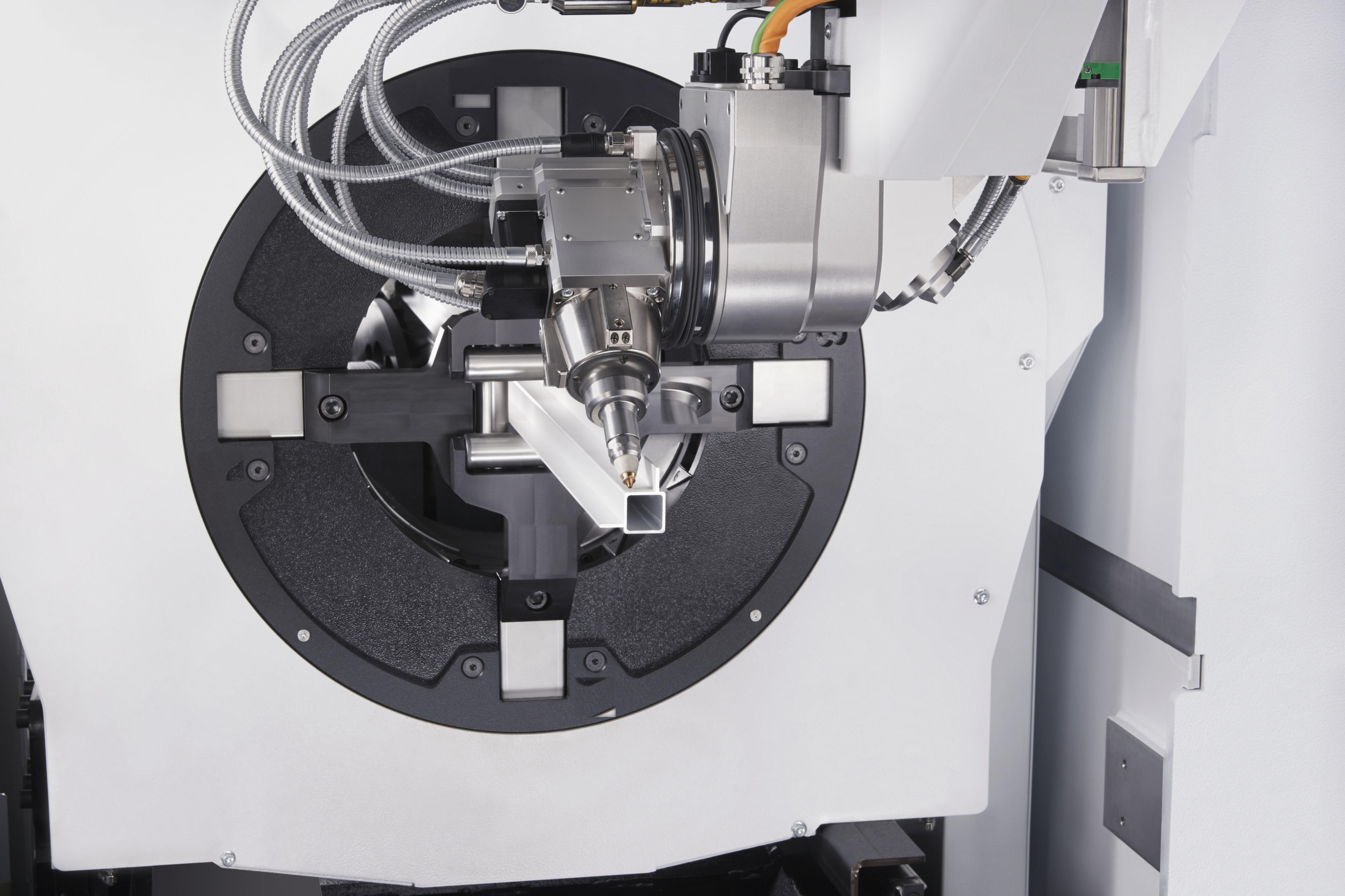
The head focuses the beam and delivers assist gas. Height sensing, nozzle condition, focus settings, and collision protection affect process stability. Bevel cutting or other multi-axis functions require explicit confirmation of hardware and software support.

The controller coordinates motion and the cutting program. Confirm drawing formats, tube nesting, profile support, operator training, and software licensing. Check how the system handles changes between different tube sizes.

The chuck grips and rotates the stock. Assess jaw travel, grip length, tube load, clamp pressure, and support positions. Thin walls or long unsupported sections may require additional measures to limit distortion.
Handling may be manual, assisted, or automated. Confirm bundle separation, profile orientation, finished-part support, and remnant removal. Different sections may require setup changes rather than an uninterrupted mixed-profile run.

Specify cooling capacity and operating conditions for the laser and cutting head. Check ambient temperature limits, water quality, maintenance access, and electrical requirements against the selected configuration.
Plan extraction at the cutting area together with gas supply, compressed air where required, power, and maintenance access. Filtration and fire precautions depend on the processed material and equipment design. Confirm laser guarding and operating procedures before installation.
Consult an Expert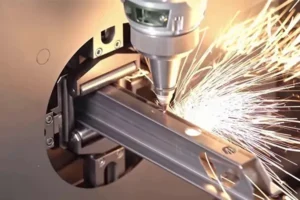
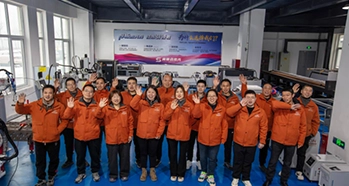
Kempson boasts an independent R&D team and a team of senior engineers, focusing on cutting-edge laser welding technology development and committed to providing high-performance and cost-effective customized solutions for various industrial applications.
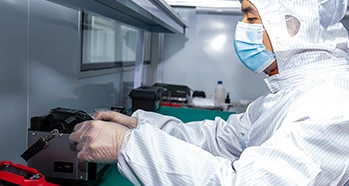
With 30+ patents, all machines are CE, ISO, and FDA certified. We offer a 3-year warranty, free sample welding tests, and lifetime after-sales support to ensure long-term reliability.
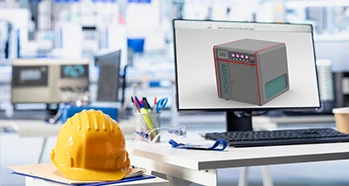
We support comprehensive OEM/ODM cooperation, providing personalized services such as system design, hardware and software integration, special accessory development, and brand logo customization, precisely tailored to different markets and application scenarios.
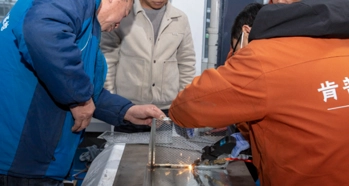
We offer free sample welding testing services: simply send us your materials or provide your process requirements, and we will perform welding tests, record process videos, and return the physical samples, providing you with objective and reliable purchasing information.
Carbon steel and stainless steel are common applications. Aluminum and other metals require confirmation of source compatibility, power, gas, thickness, and the required edge quality. Request a material-specific trial rather than assuming one setting covers all metals.
A metal pipe laser cutting machine may process round, square, rectangular, and selected special profiles when its jaws, supports, software, and working envelope are compatible. Check the exact profile and orientation requirements before ordering.
Power selection depends on material, wall thickness, feature geometry, target feed rate, and quality criteria. Compare sample parts and the complete production cycle; power alone does not determine output or accuracy.
The maximum diameter of a metal pipe laser cutting machine depends on the selected chuck and model. Check minimum grip dimensions, wall thickness, stock weight, and support capacity as well as maximum outside diameter.
Compatible CNC systems can cut programmed holes and slots. Minimum practical feature size depends on material, wall thickness, optics, and process settings. Precision bores, tapped holes, and critical surfaces may still require machining.
Sizes within the rated range can be processed after the necessary program, jaw, support, and process adjustments. This does not necessarily mean automatic mixed-size or mixed-profile production without intervention. Confirm the proposed loading sequence with the supplier.
Automatic loading is configuration-dependent. Confirm the compatible profiles and lengths, bundle separation, orientation control, surface protection, unloading arrangement, and handling of short remnants.
To specify a metal pipe laser cutting machine, provide drawings, material grade, tube profile and dimensions, wall thickness, stock length and weight, required tolerances, production volume, and available utilities. Include sample acceptance criteria and the desired automation level.
Looking for a metal pipe laser cutting machine?
Send KEMPSON your drawings and production requirements to discuss a metal pipe laser cutting machine configuration. Request a representative cutting trial, measured results, and a quotation covering the complete equipment package and installation requirements.