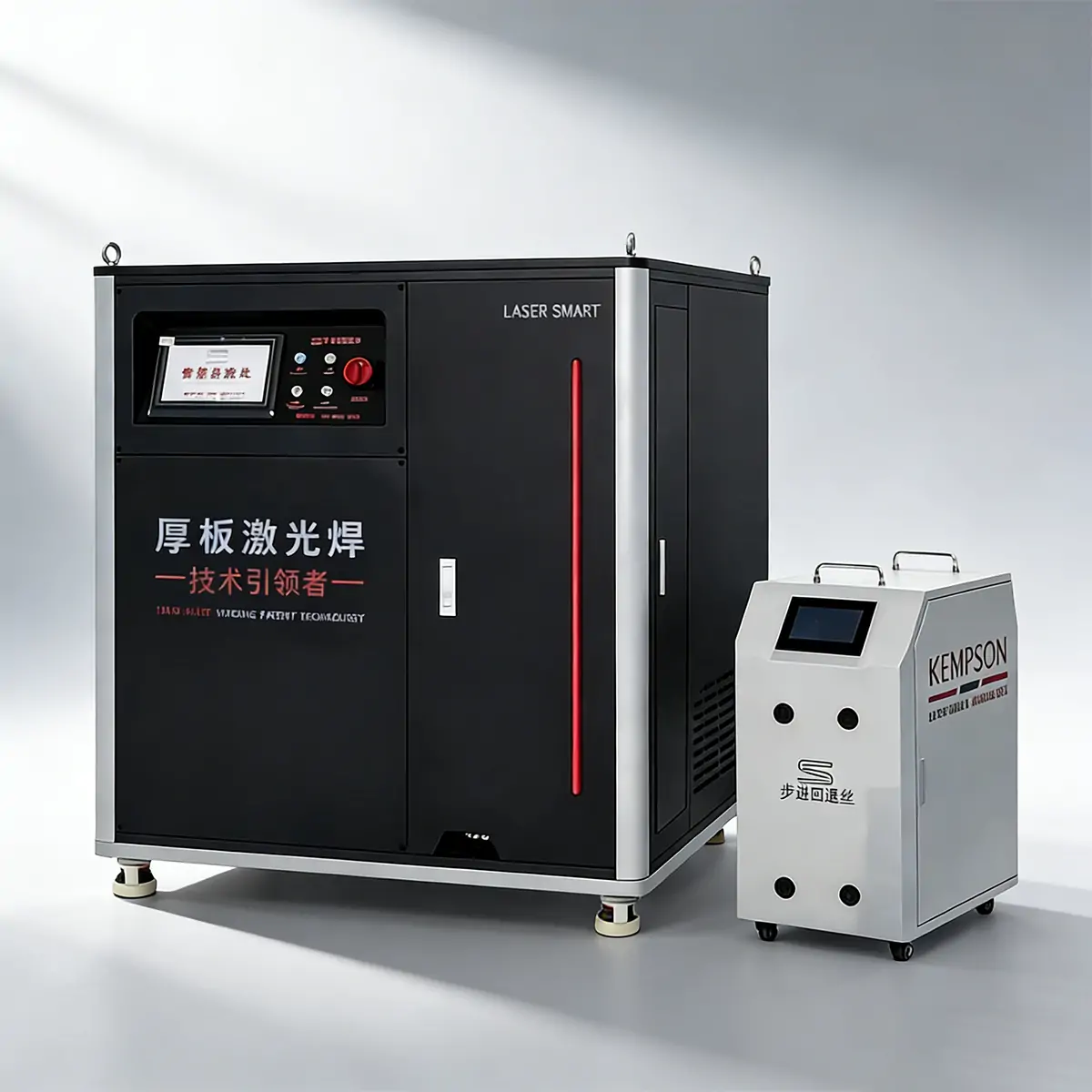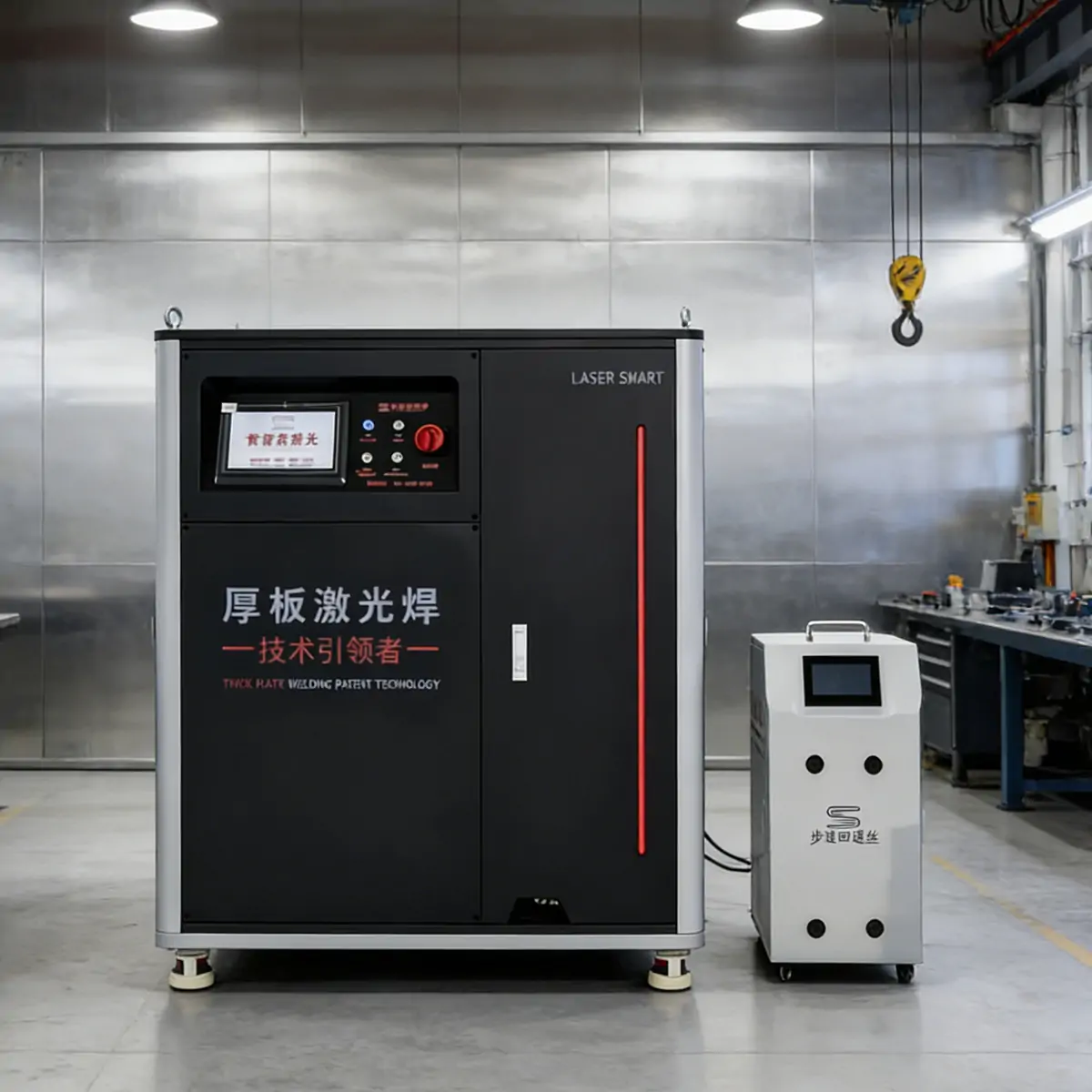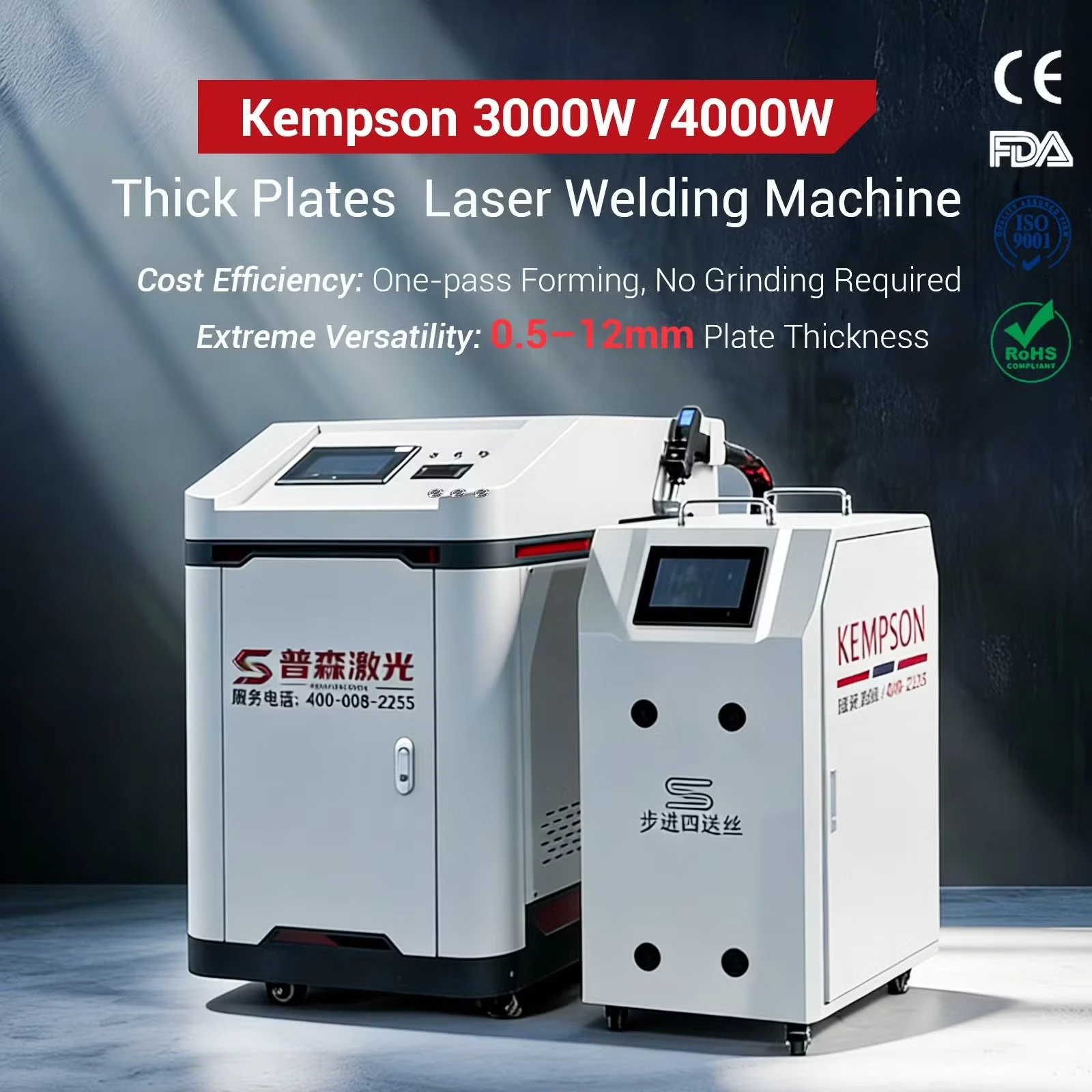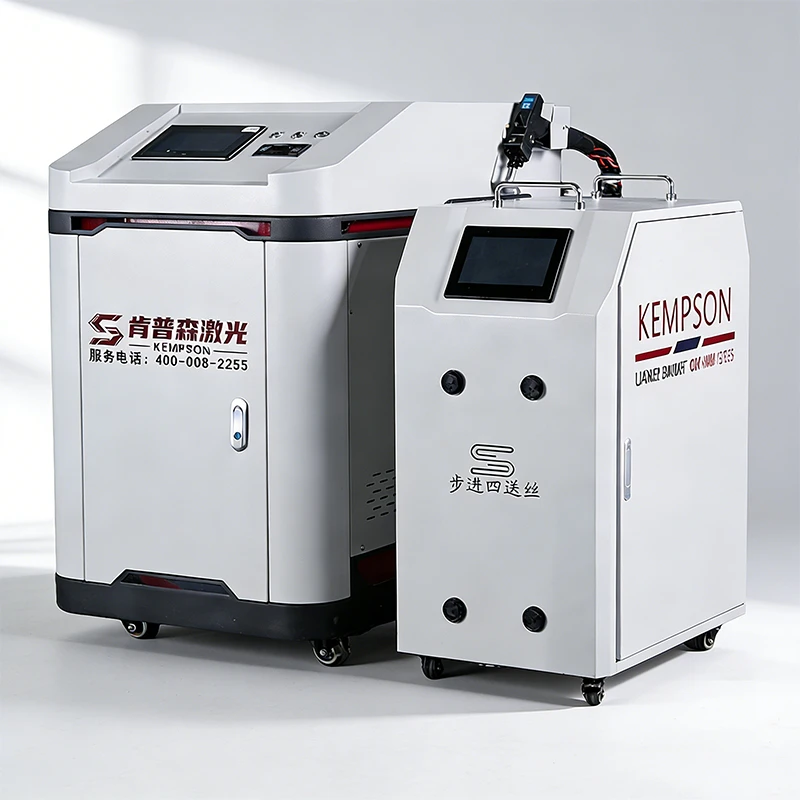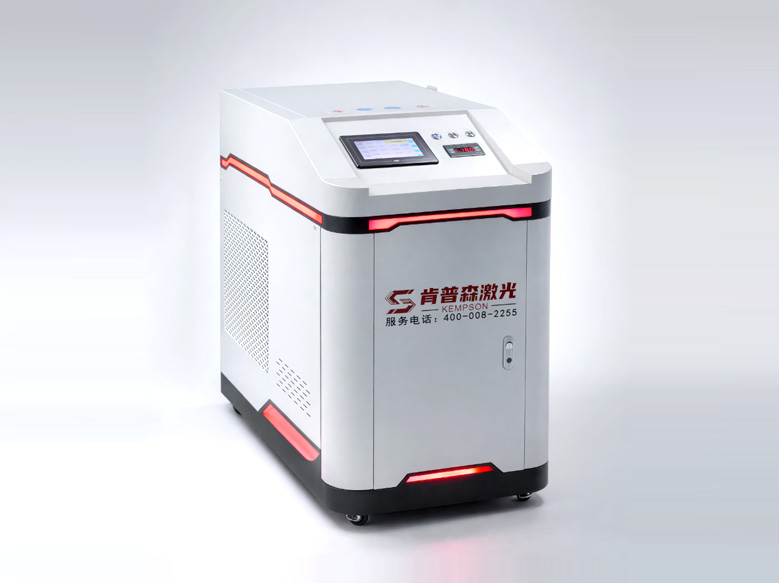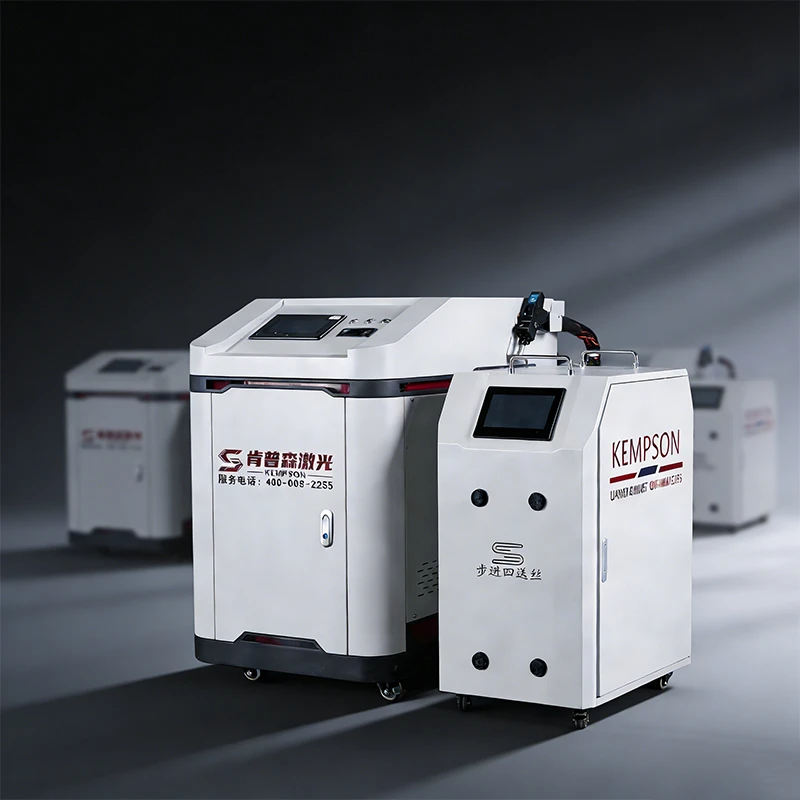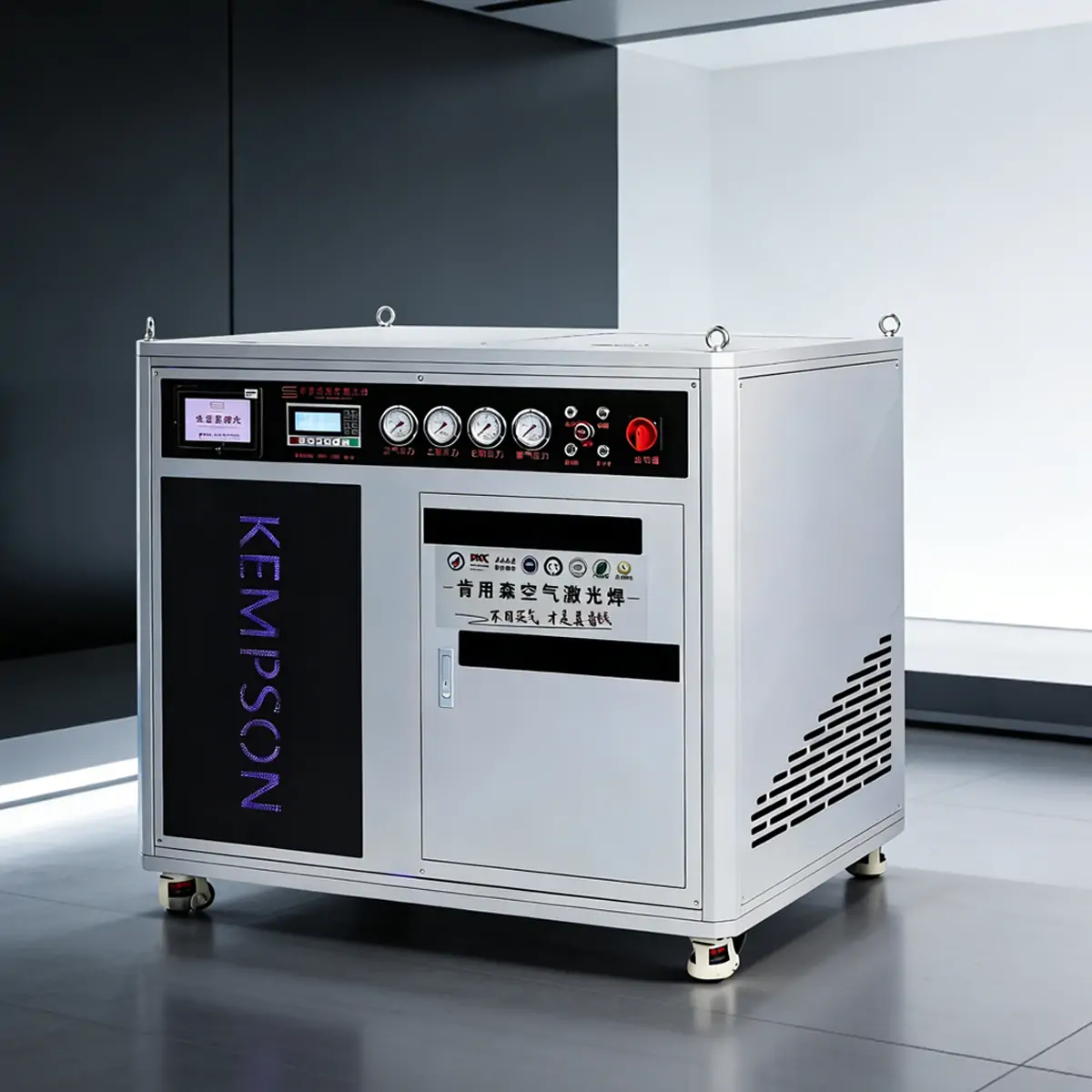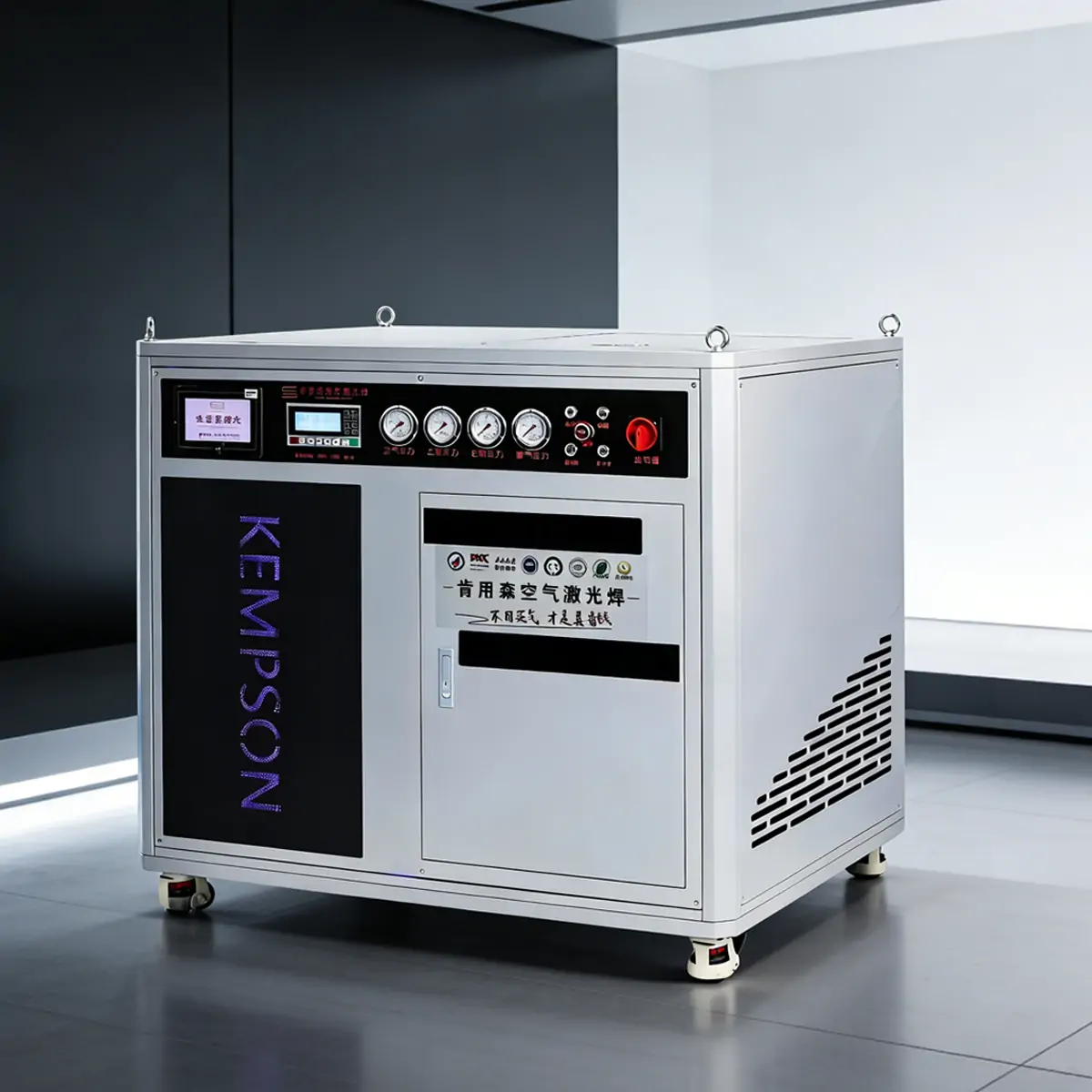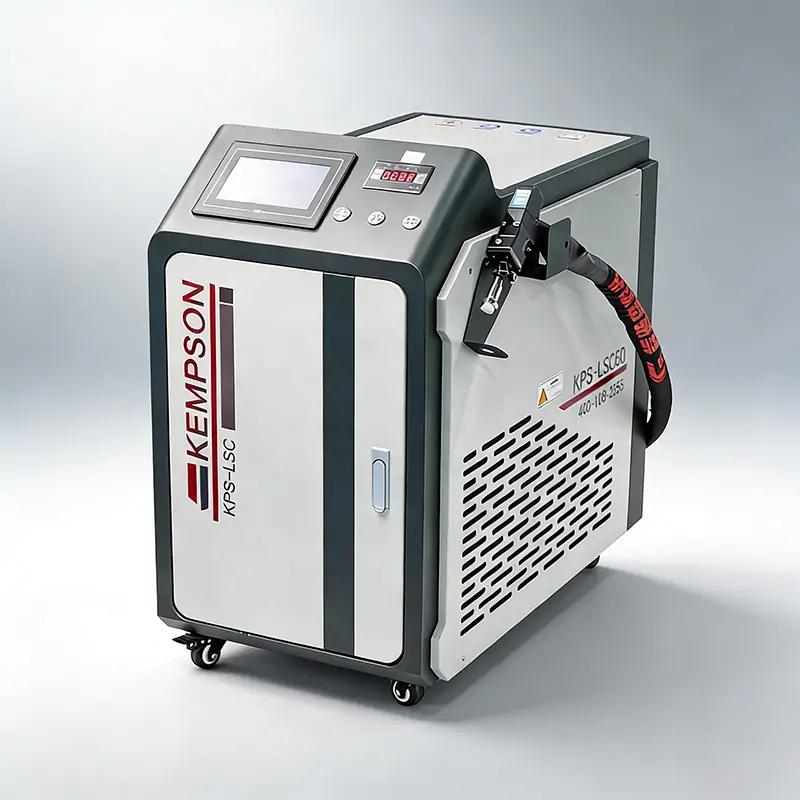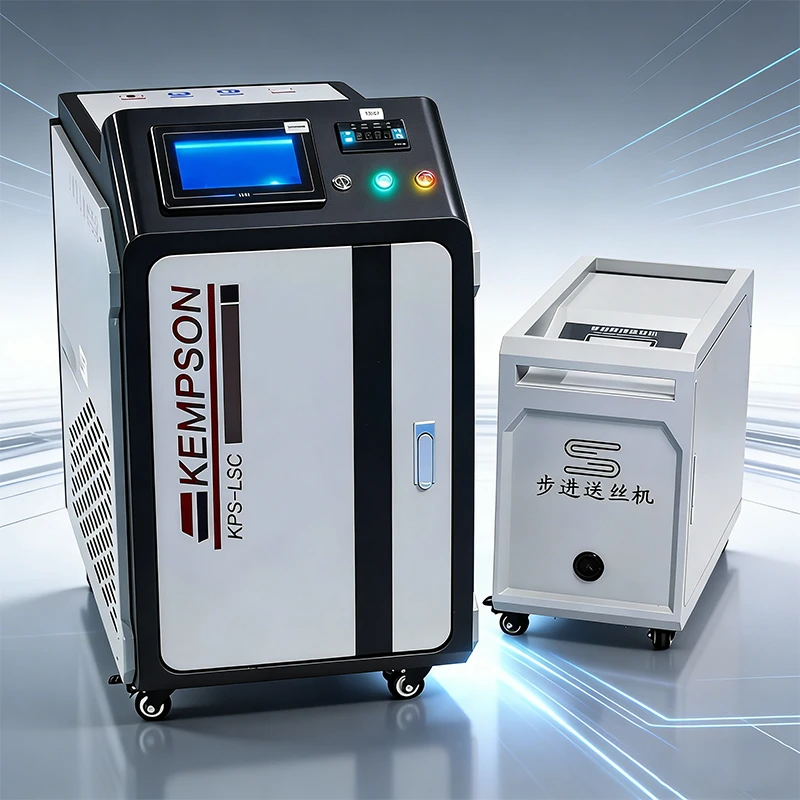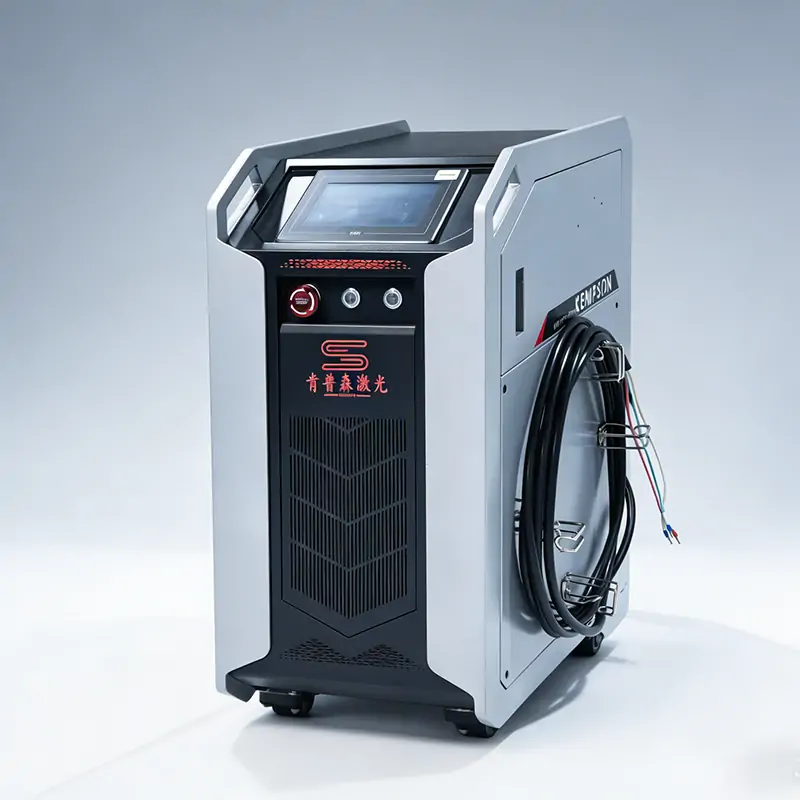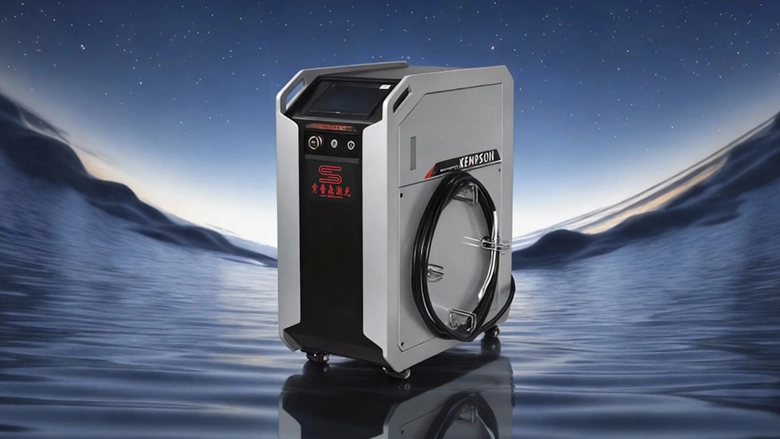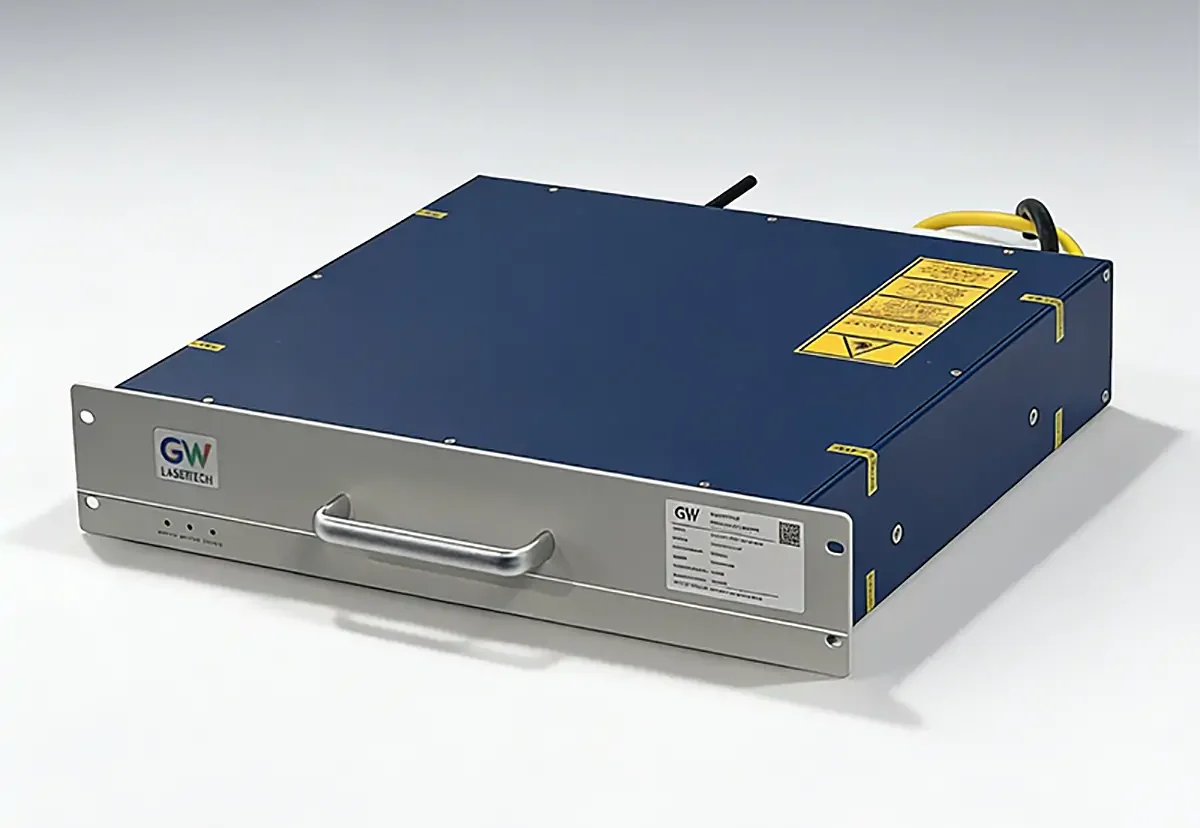
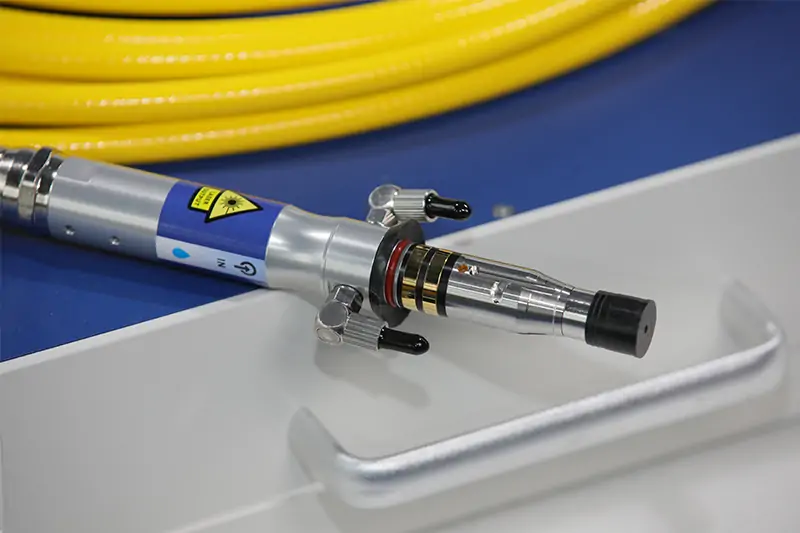
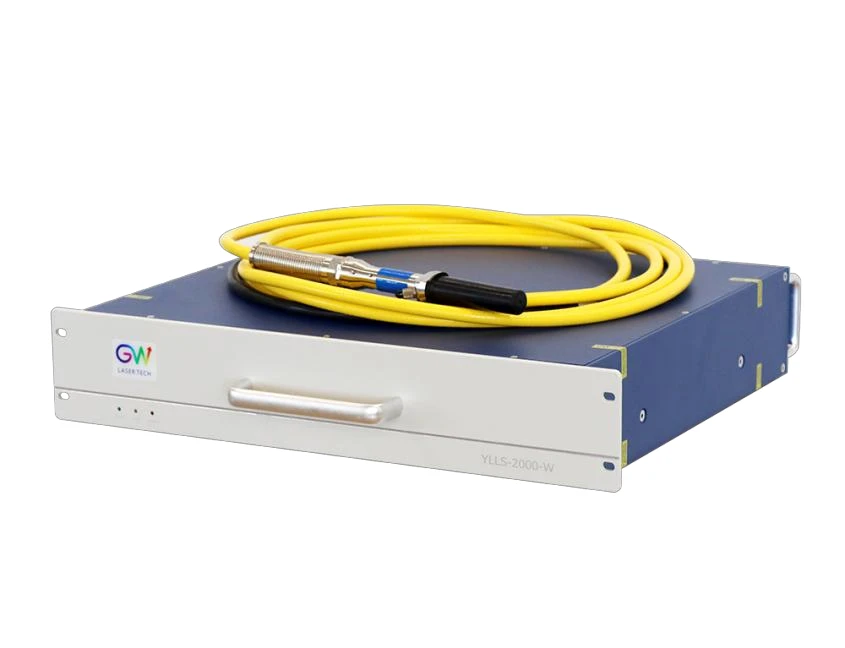
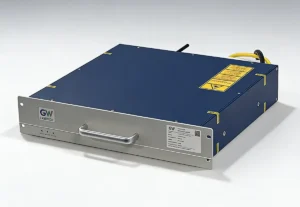
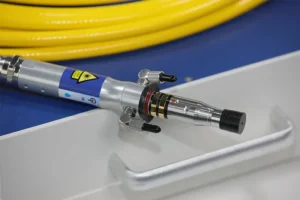
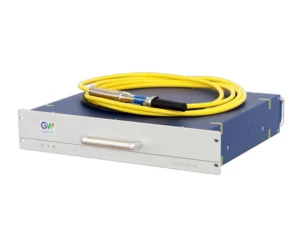
The Laser Nitrogen Generator System also called a Fiber Laser Source, is designed to produce high-purity nitrogen (99.99%–99.999%) for industrial applications, especially laser welding machine, cleaning machine, and cutting machine. It provides a continuous on-site supply of nitrogen, eliminating the need for liquid nitrogen or gas cylinders and ensuring stable, cost-effective operations.
The system’s primary function is to isolate oxygen during welding or cutting, preventing oxidation that can discolor or damage materials. Key features include on-demand nitrogen generation, high purity, energy efficiency, and adaptability to both small-scale and high-volume production environments.
Laser nitrogen generator systems are widely used in industries such as automotive, electronics, medical devices, and industrial fabrication. By maintaining an oxygen-free environment, they improve surface quality, reduce defects, and enhance production consistency. On-site nitrogen generation simplifies logistics, enhances safety, and provides a reliable, sustainable solution for long-term industrial use.
In laser welding, nitrogen plays a critical role in ensuring clean, strong, and high-quality welds. During high-temperature processing, oxygen in the air can react with molten metal, causing oxidation, discoloration, and defects such as porosity or spatter. Nitrogen acts as a protective shielding gas, displacing oxygen and maintaining a stable welding environment. This results in smoother weld seams, improved mechanical strength, and cleaner surface finishes, especially important in precision industries such as electronics and automotive manufacturing.
Nitrogen also enhances efficiency and cost control. Because laser welding heats metal rapidly, oxidation risks are higher without proper shielding. A reliable nitrogen supply ensures consistent weld quality while protecting material integrity. Compared to purchasing bottled nitrogen, on-site nitrogen generation significantly reduces costs, eliminates cylinder handling and transportation, and provides a continuous, high-purity gas supply without interruption.
Kempson offers a variety of models and power ratings (1000W~6000W) to suit different soldering setups.
| Output Power (W) | 2000 |
| Operating Mode | Continuous Output/Pulse Output/Built-in Program Output |
| Output Power Adjustment Range (%) | 1-100 |
| Output Laser Wavelength | 1080±10 |
| Output Beam Quality | M²≤1.3 |
| Interface Type | QBH |
| Transmission Fiber Core Diameter (Standard Configuration, Optional) | 20μm |
| Cooling Method | Water-cooled |
| Operating Ambient Temperature Range (°C) | 5-45 |
| Input Voltage | 380VAC/50Hz |
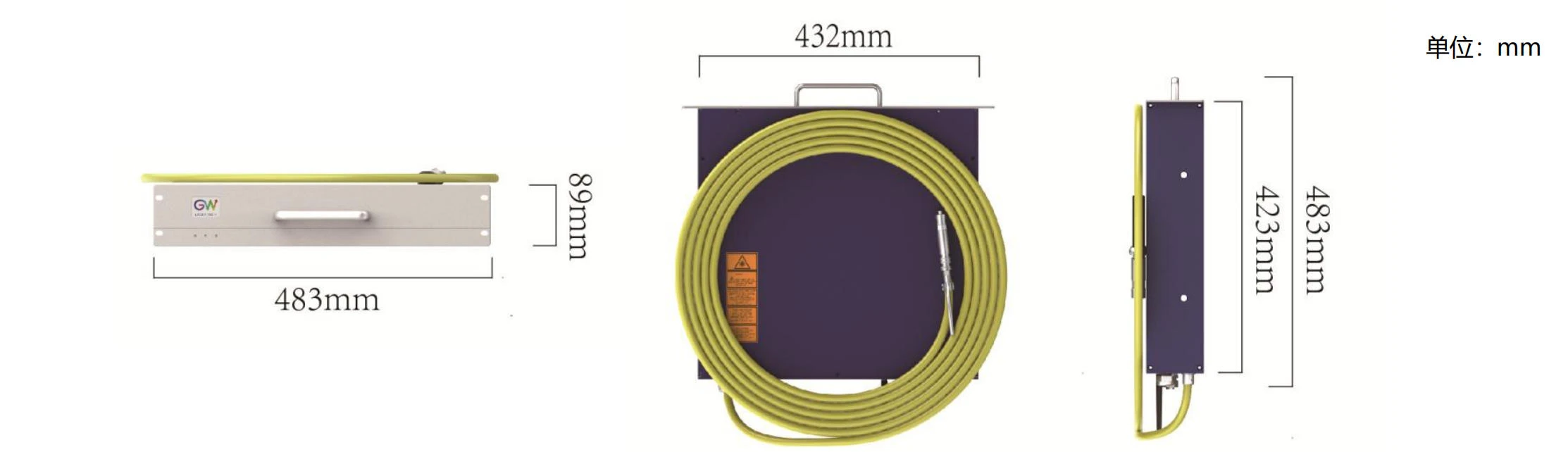
| Dimensions (mm) | 482x658x176 (LxWxH) |
| Weight (kg) | <40 |
This Laser Nitrogen Generator System seamlessly integrates with laser processing heads, lens systems, robots, and CNC vibrating tables to meet automated production requirements. Featuring stable output and excellent compatibility with highly reflective materials, it is widely used in precision machining, fine cutting, and high-precision laser processing applications.
A nitrogen generator significantly reduces operating costs compared to bottled gas. For multiple welding machines running daily, annual gas expenses can be substantial. On-site nitrogen generation can cut costs by over 80%, while providing a stable and continuous supply without cylinder replacement or transport logistics.
The generator output should match the total gas consumption of your laser welding equipment. For example, a 1 m³/h unit supports one welding machine, while higher-capacity systems can supply multiple machines simultaneously. Accurate flow calculation ensures stable performance and cost efficiency.
Precision laser welding typically requires high-purity nitrogen to prevent oxidation and ensure clean weld seams. Industrial nitrogen generators can deliver purity levels up to 99.99%, meeting the quality standards of demanding applications.
No. A complete system requires an air compressor and a refrigerated air dryer. The compressor supplies compressed air, and the dryer removes moisture and oil before the air enters the nitrogen generator for separation.
The air compressor should meet minimum power and tank capacity requirements to ensure stable airflow. A refrigerated dryer and multi-stage filtration system are essential to remove contaminants, as unfiltered air can reduce system lifespan and affect nitrogen quality.
Looking for Laser nitrogen generator systems?
Contact us today for a customized quote and expert support.
Laser welding is a vital metal joining technology in modern manufacturing, characterized by high precision, rapid speed, and exceptional flexibility. Its diverse technical forms fi…
Laser welding machines are high-precision, efficient devices widely used in industries such as automotive manufacturing, electronics assembly, and metal processing. These machines …
What is laser welding used for? Laser welding technology, as an advanced welding method, has been widely adopted in manufacturing, automotive, electronics, aerospace, and other ind…
Deep penetration laser welding is a high-energy-density welding process that uses a focused laser beam to create a keyhole effect, enabling full-depth fusion with minimal heat-affe…