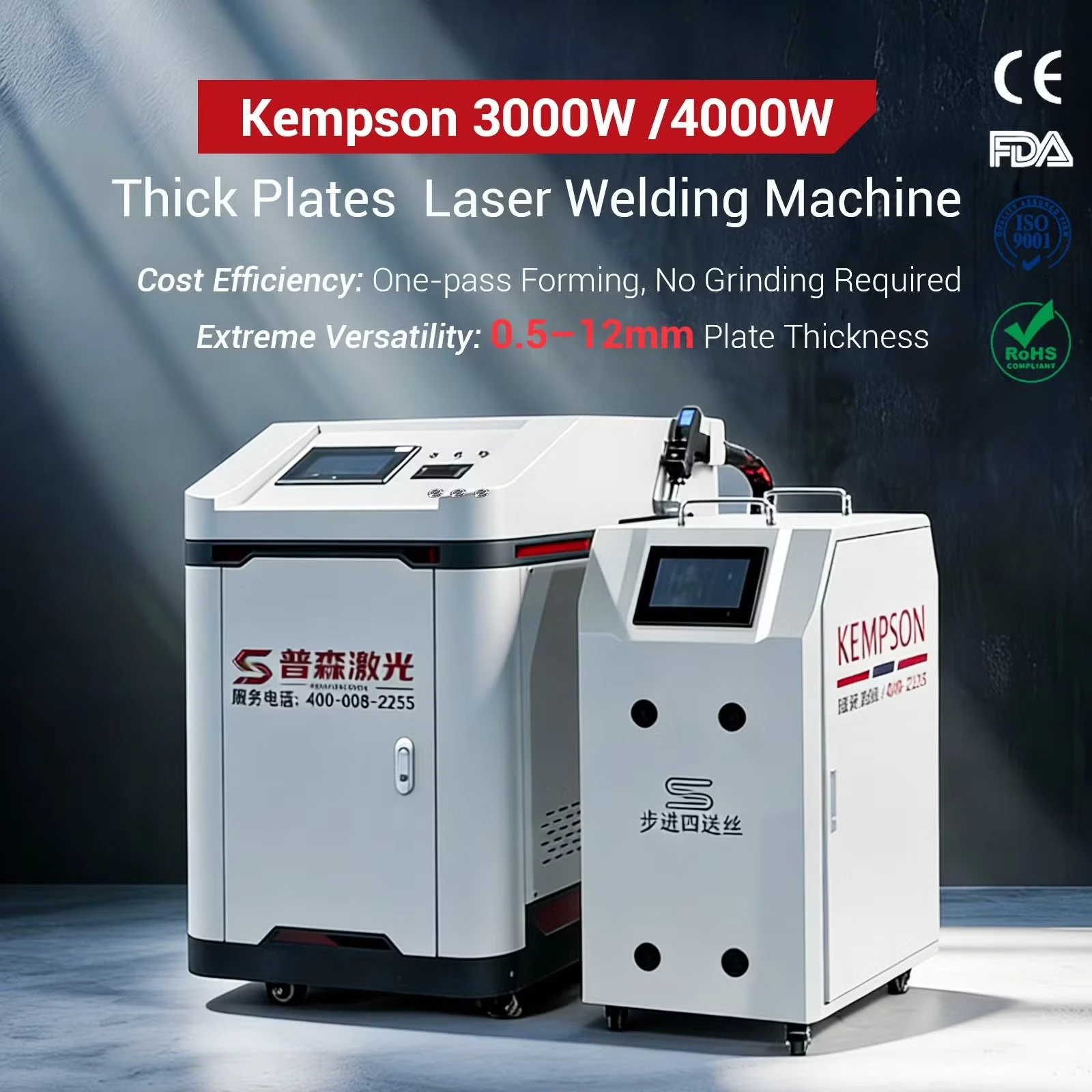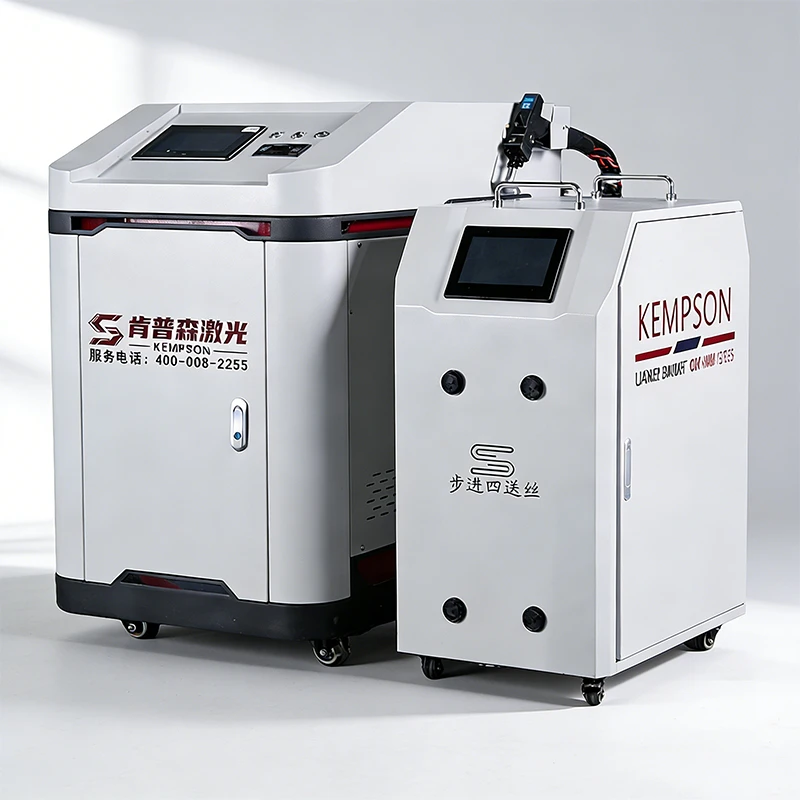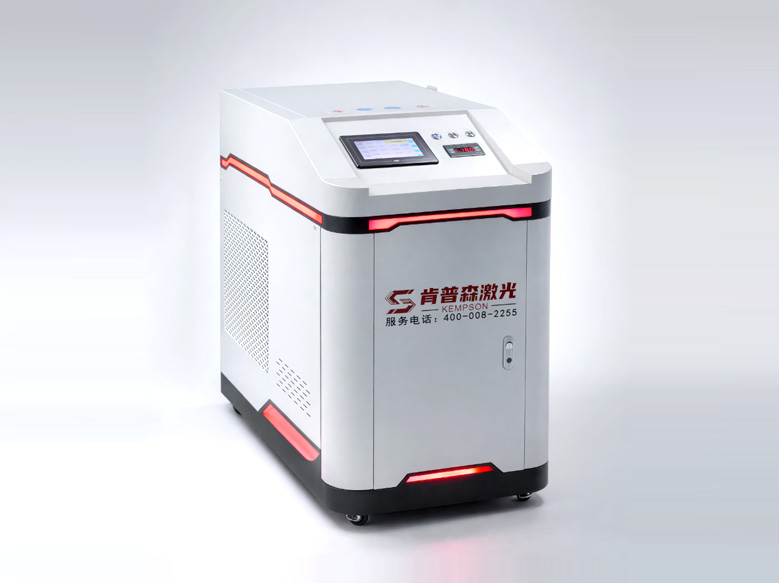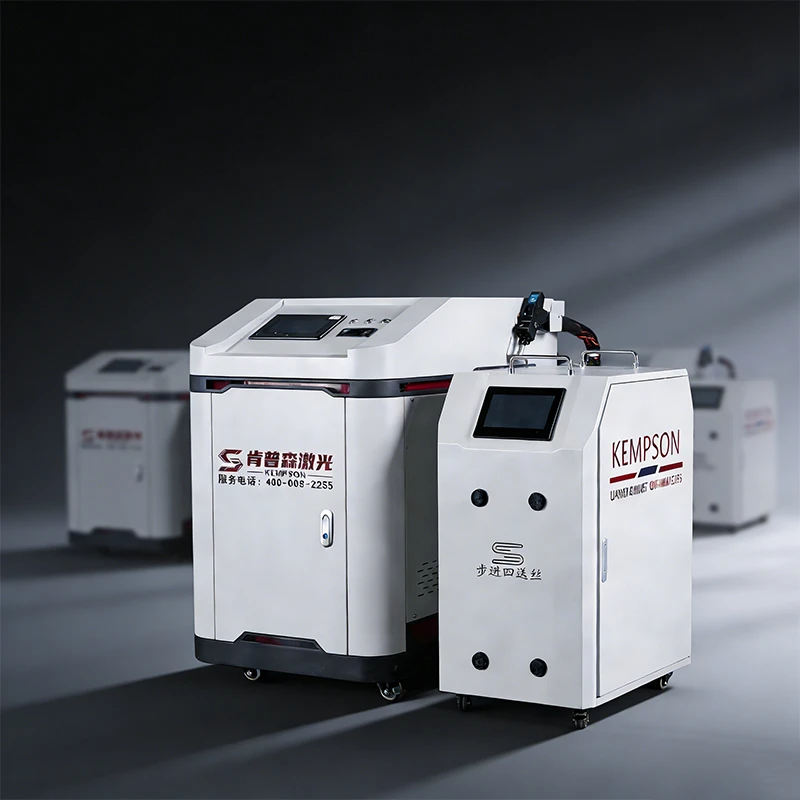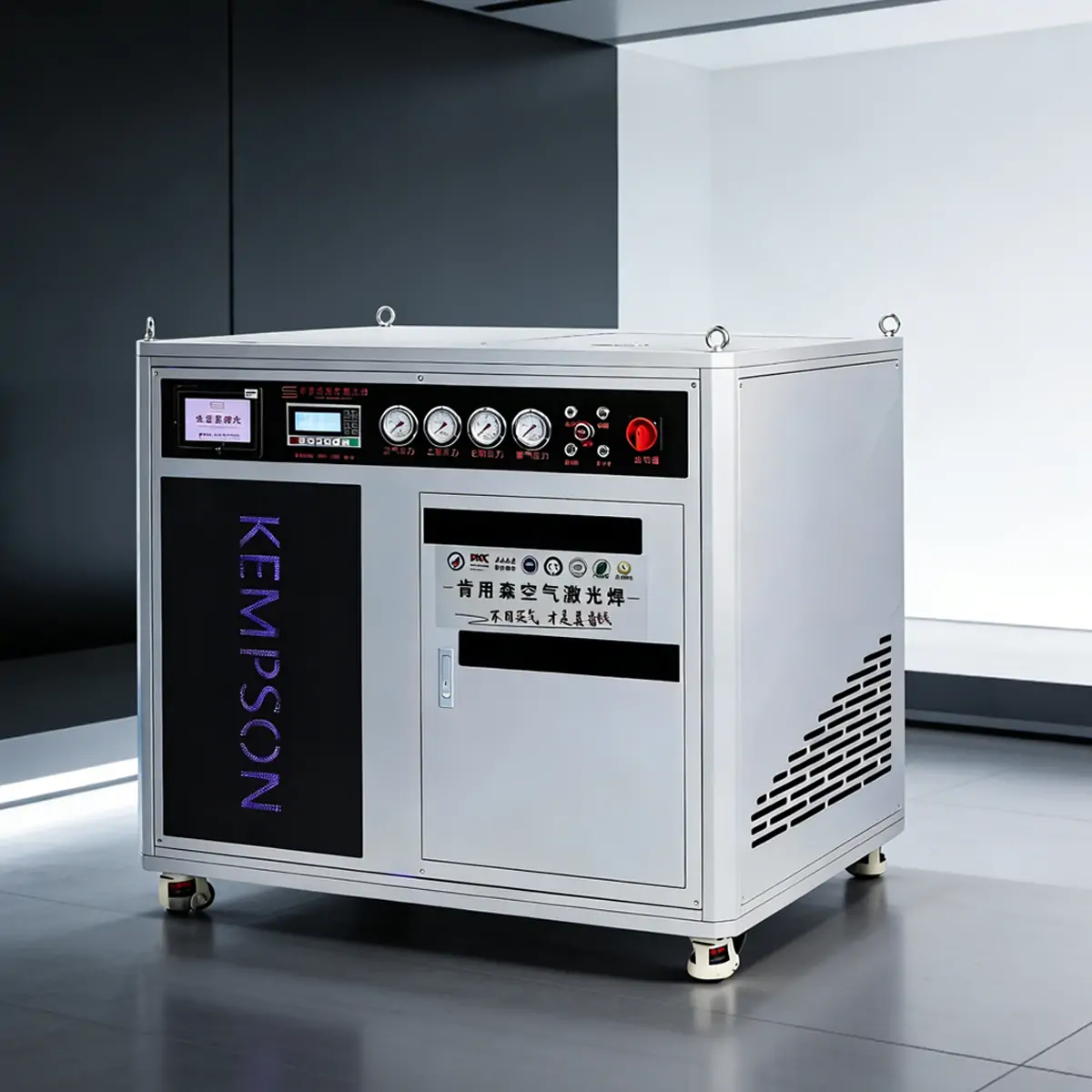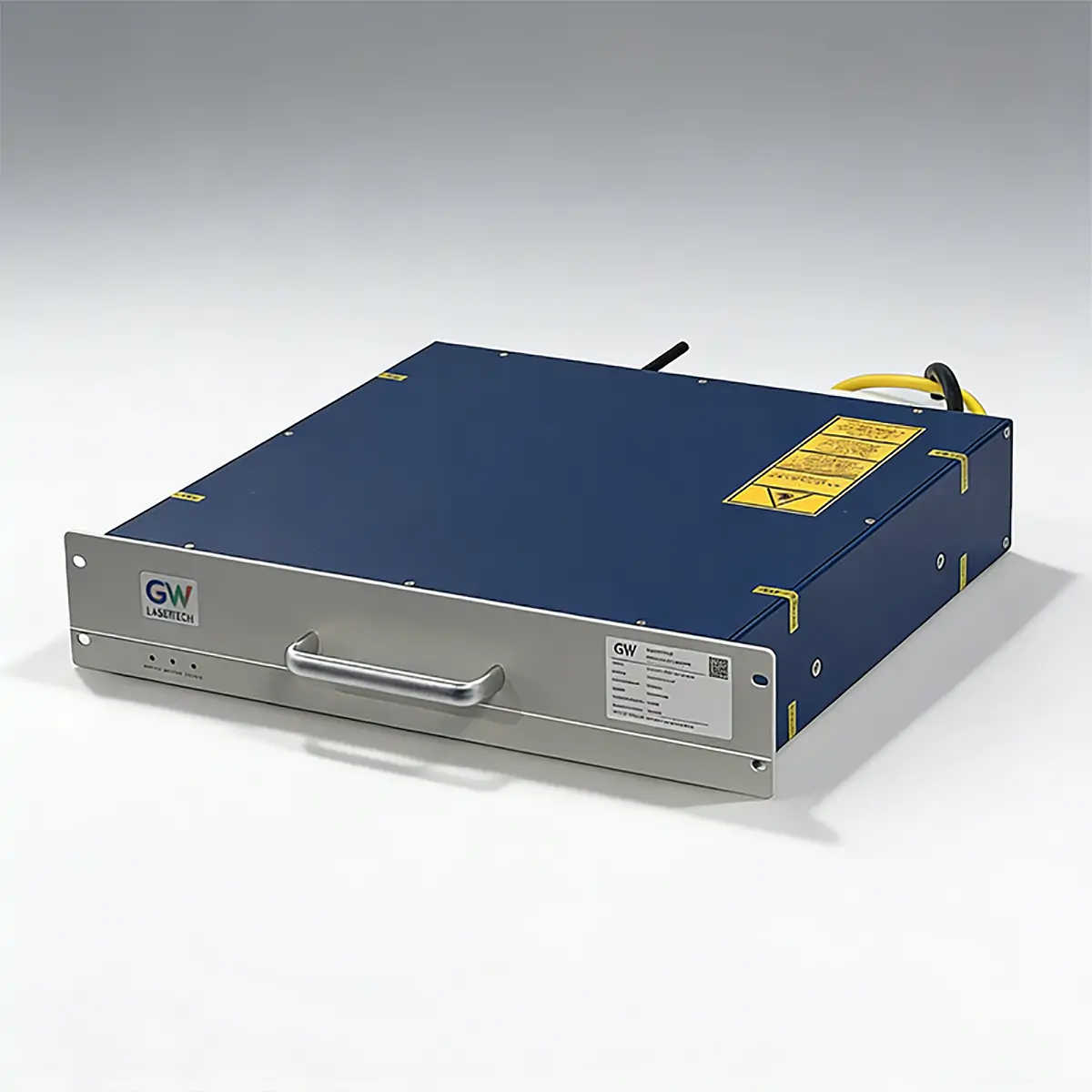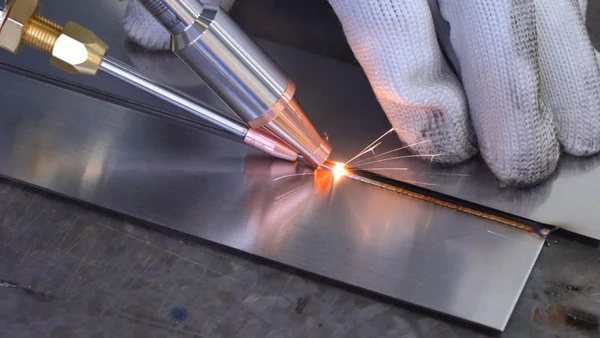
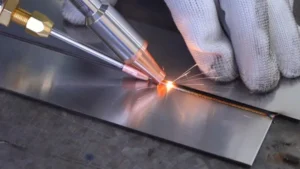
An aluminum laser welding machine is an industrial welding system that uses a high-energy laser beam to join aluminum and aluminum alloys. It processes materials with high reflectivity and high thermal conductivity, producing stable welds under concentrated energy input.
In industrial production, aluminum laser welding systems are used for material thicknesses from 0.5 mm to 8 mm, depending on the laser power configuration. Applications include EV battery structures, aluminum alloy frames, electrical enclosures, and architectural components. The process supports continuous operation with consistent weld quality in batch production.
Aluminum welding requires precise control of heat input and energy distribution. High thermal conductivity, strong reflectivity, and a stable oxide layer make it difficult to keep the molten pool stable, often leading to lack of fusion, porosity, or uneven weld seams when parameters are not properly set.
| Factor | Property | Impact on Welding |
|---|---|---|
| High thermal conductivity | approx. 200–235 W/m·K | Heat dissipates quickly, and unstable molten pool formation |
| High reflectivity | up to 90% in the infrared range | Low initial energy absorption, unstable arc, or keyhole start |
| Oxide layer | Al₂O₃ melting point >2000°C | Impairs fusion, increases risk of inclusions and porosity |
| Low melting point | approx. 660°C | Narrow process window, higher risk of deformation |
These characteristics require different levels of energy control, penetration depth, and process stability depending on material thickness and joint structure. As a result, aluminum welding systems are developed in multiple configurations to match varying production conditions and application demands.
Problems with aluminum welding have always existed, but they are not inevitable. For common issues and solutions in fiber laser welding, see the article: Fiber Laser Welding Aluminum: Challenges and Solutions
Aluminum is a highly reflective material, and various defects can occur during the welding process. For specific issues and how to prevent them, see the article: Aluminum Laser Welding Problems: Porosity, Cracks & Solutions
For detailed process parameters on laser welding of aluminum, see the article: “Laser Welding Aluminum: Process, Parameters & Best Practices”
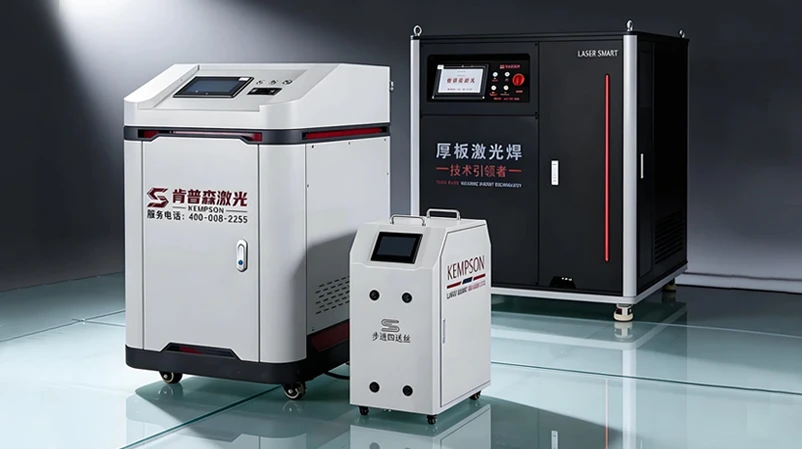
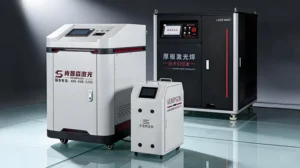
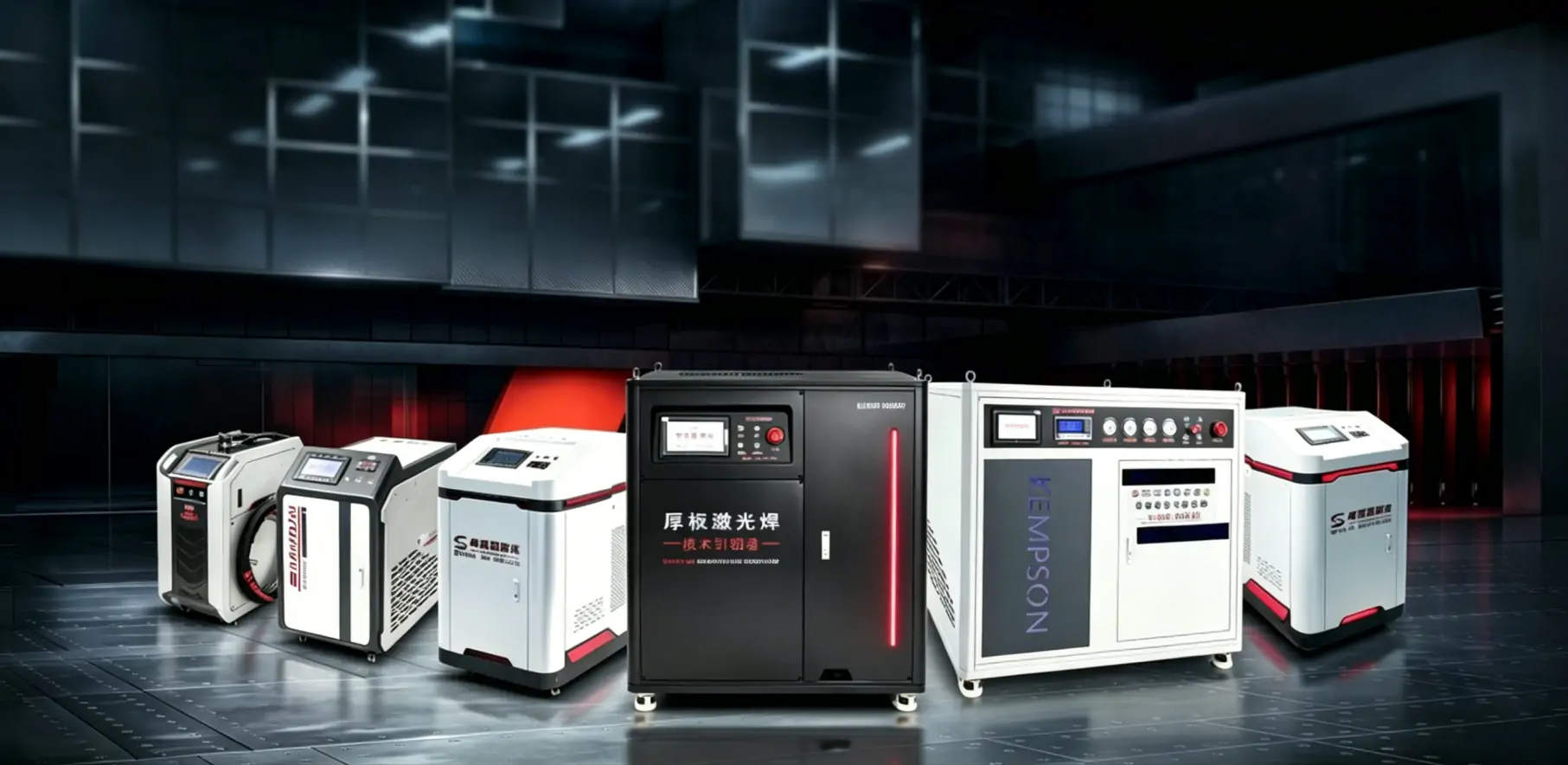
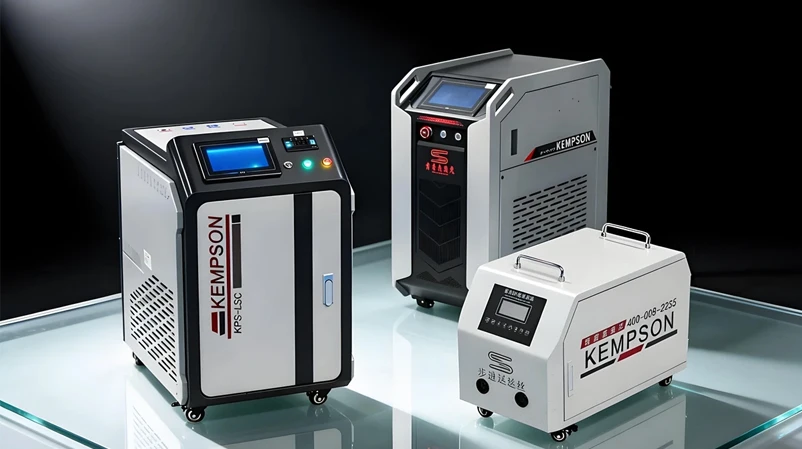
Kempson supplies aluminum laser welding machines for different production conditions and processing needs. For aluminum with high reflectivity and high thermal conductivity, system stability, wire feeding, and the welding process are adjusted to keep stable operation. The product range includes handheld and bench-top systems, with air-cooled and water-cooled options.
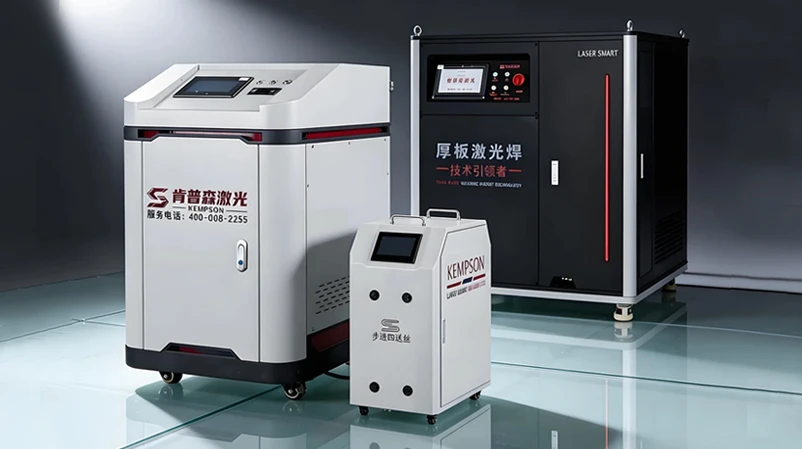
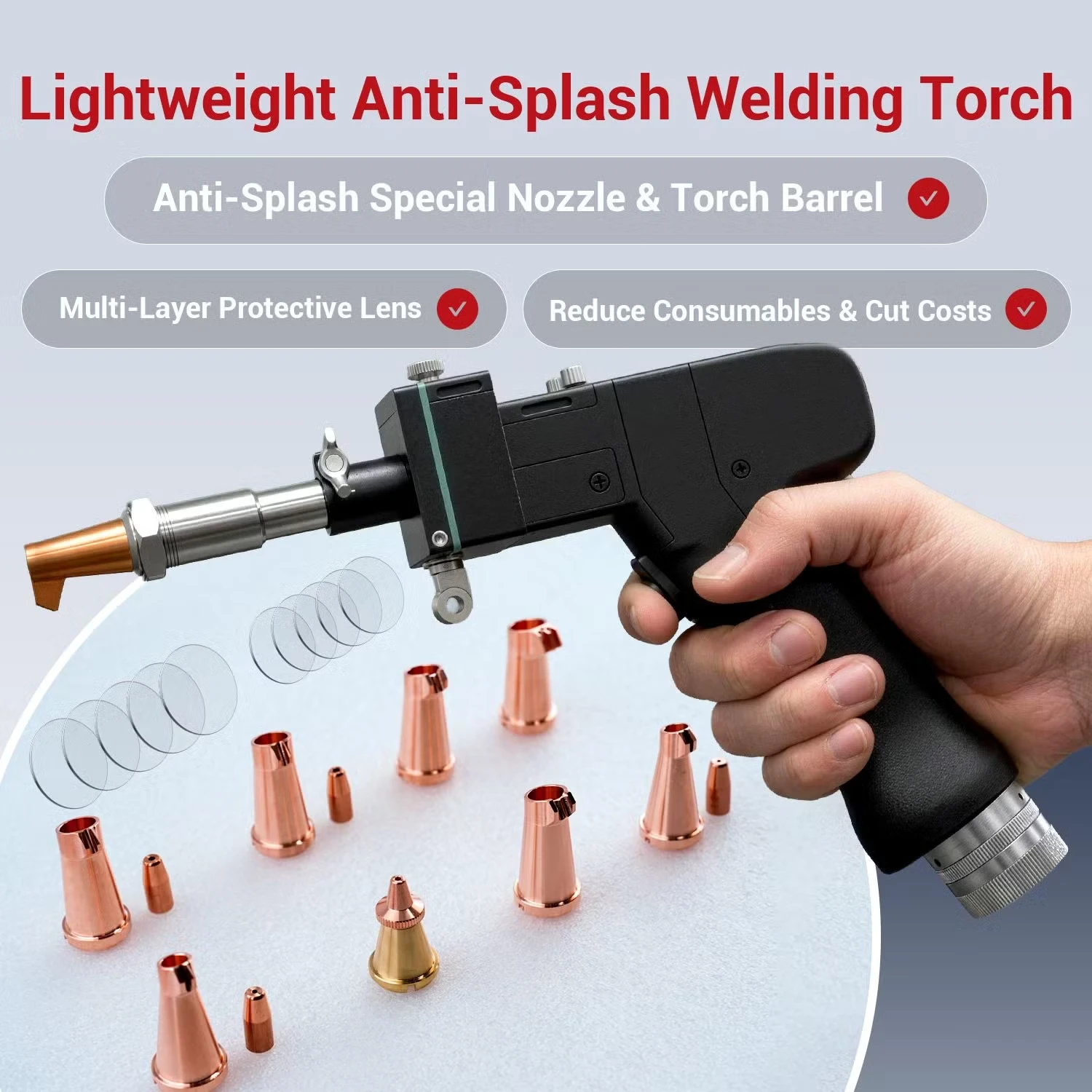
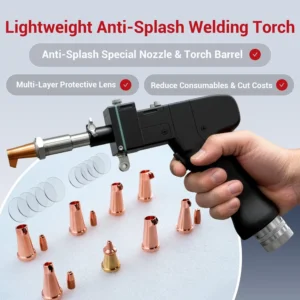
The handheld laser welder is currently the most widely used type of laser welding equipment. It offers flexible operation and requires no complex fixtures, making it suitable for welding aluminum sheets, profiles, and structural components. Common power configurations include 1500W, 2000W, and 3000W, covering the welding of aluminum materials ranging from 0.5 to 6 mm in thickness. These machines are widely used in door and window manufacturing, sheet metal fabrication, aluminum furniture production, and repair work.
Key Features: High flexibility, low investment cost, quick to learn
Applications: Small- to medium-volume production, on-site welding, processing of various specifications
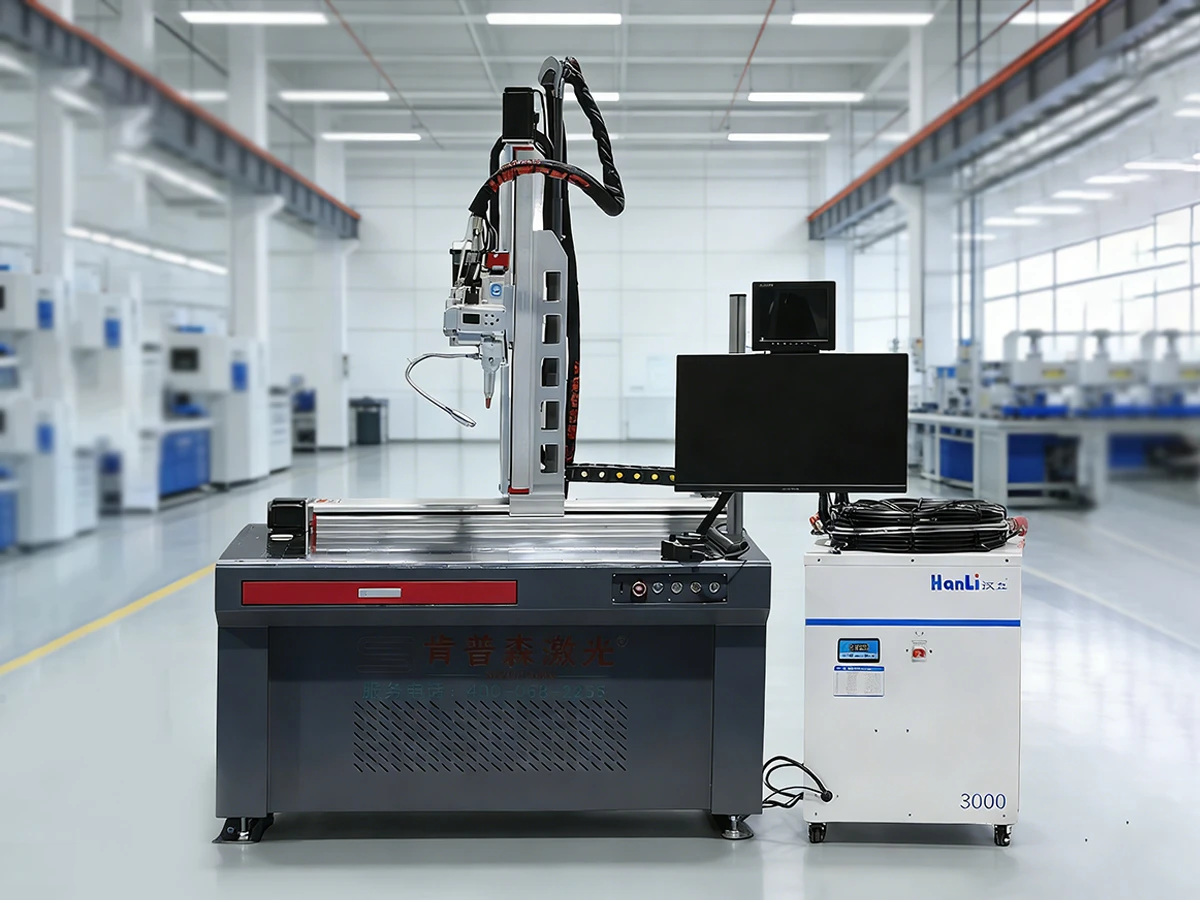
An automatic laser welding machine integrates a laser system with automated equipment. The equipment uses an XYZ-axis or CNC system to control the welding path and reduce manual operation, keeping weld quality stable and improving efficiency. Power ranges from 2000W to 4000W for medium and thick aluminum sheets. It is used for batch welding of aluminum structural parts, electronic enclosures, and standard components.
Key Features: High stability, excellent repeatability, low reliance on manual labor, suitable for large-scale production
Applications: Batch processing, industrial manufacturing, automated production lines
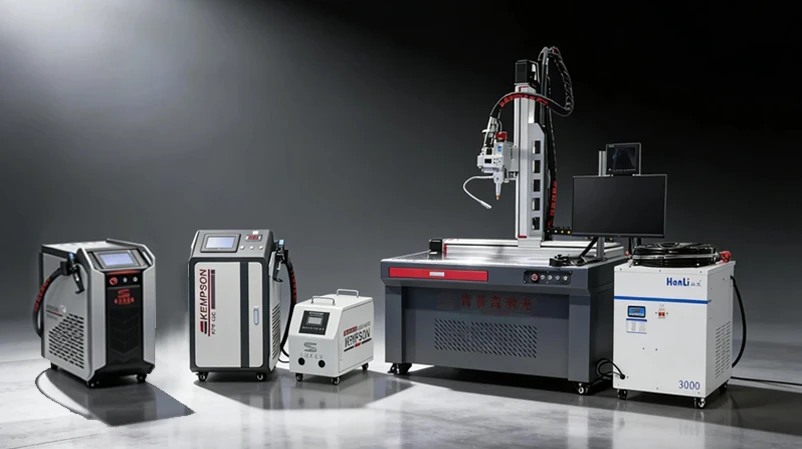
For welding thick aluminum sheets 6 mm or thicker, the equipment must meet higher power and stability requirements, typically requiring 3000 W or more. This is combined with a water-cooling system and wire feeding technology to enhance penetration depth and weld quality. Based on customer feedback, high-power laser welding machines for aluminum are particularly well-suited for applications such as industrial structural components, new energy battery trays, and thick-plate joining.
Key Features: Deep penetration, suitable for thick plates (6–10 mm), capable of continuous operation
Applications: Heavy industry, structural component welding, medium-to-thick plate processing
Aluminum laser welding machines typically come in two configurations: air-cooled and water-cooled. Air-cooled systems are compact and easy to install and are typically used for handheld devices in the 1000W–2000W range or for light-duty applications. Water-cooled systems offer superior heat dissipation and are typically used for higher-power equipment (1500W–4000W), maintaining stable operation even during long production cycles and in harsh industrial environments.
Air-Cooled Handheld Laser Welders: Suitable for thin aluminum sheets, commonly used in low-to-medium power handheld devices or for intermittent operations
Water-Cooled Handheld Laser Welders: Strong heat dissipation and high stability, suitable for high-power and long-duration continuous welding
Air-Cooled Laser Welders (Gas-Free Solution): Capable of generating inert gas internally, reducing reliance on external gas sources, and lowering operating costs
To learn about aluminum welding methods and characteristics, see the article: “How to Weld Aluminum: Methods, Parameters & Laser Welding Guide”
| Parameter | Typical Range | Description / Application |
|---|---|---|
| Laser Type | Fiber Laser | High-efficiency, stable output, suitable for highly reflective materials such as aluminum |
| Laser Power | 1500W – 4000W | 1500W: thin sheets (≤3mm); 2000W–3000W: medium thickness; 4000W: thick aluminum or high-efficiency production |
| Welding Thickness | 0.5 – 8 mm | Depends on laser power, welding method, and joint design |
| Welding Mode | Continuous / Pulse | Continuous: long weld seams and high-efficiency production; Pulse: thin sheets or precision parts |
| Cooling Method | Air Cooling / Water Cooling | Air cooling: below 2000W or intermittent use; Water cooling: high power or long continuous operation |
| Operation Type | Handheld / Automatic | Handheld: flexible operation; Automated: suitable for mass production |
| Wire Feeding System | Single / Dual / Four-drive wire feeding | Reduces porosity and cracking, improves weld strength |
| Shielding Gas | Argon / Nitrogen / No external gas required | Some machines can generate inert gas, reducing operating cost |
| Welding Speed | 0.5 – 5 m/min | Depends on material thickness and power configuration |
| Spot Size | 0.2 – 1.5 mm | Small spot: precision welding; Large spot: filler wire and thick plate welding |
| Power Supply | 220V / 380V, 50/60Hz | Customizable according to regional standards |
| Control System | Digital control system | Allows precise adjustment of power, frequency, and welding speed |
| Welding Quality | Low spatter / Low deformation / High density | Smooth weld seams with minimal post-processing required |
| Applicable Materials | Aluminum and aluminum alloys (e.g., 5052, 6061) | Suitable for sheets, profiles, and structural components |
| After-sales Support | 3-year warranty | Remote support, spare parts, and technical assistance available |
Due to the reflective properties of aluminum, for details on the thickness and power requirements for laser welding aluminum, please refer to: Laser Welding Aluminum Thickness Guide: Power Selection and Welding Limits
When welding aluminum with significant width and depth, it is necessary to use filler wire of the appropriate size. For information on how to select the type and size of filler wire, see: Aluminum Laser Welding Filler Wire: Alloy Selection and Diameter Guide
Aluminum laser welding machines are widely used in the processing of aluminum products where high standards for weld quality, structural strength, and appearance are required. Laser welding of aluminum features a small heat-affected zone, minimal distortion, and consistent welds, making it suitable for the precision processing of thin to medium-thickness aluminum sheets. It is a key choice for new energy vehicles, industrial manufacturing, and lightweight products.
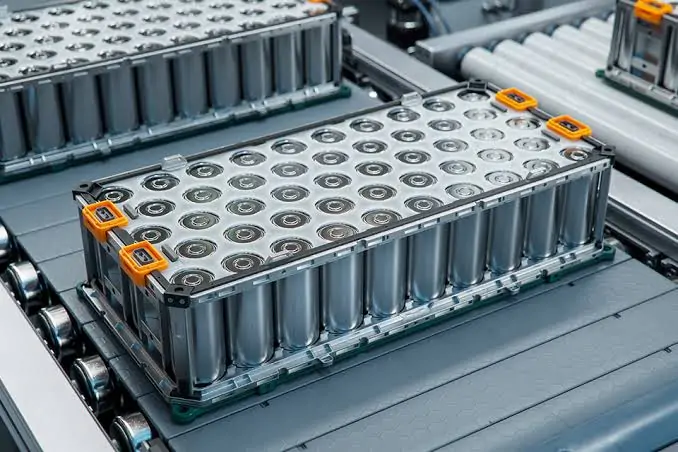
Battery trays, aluminum frames, and lightweight structural parts with controlled deformation and high-strength joints.
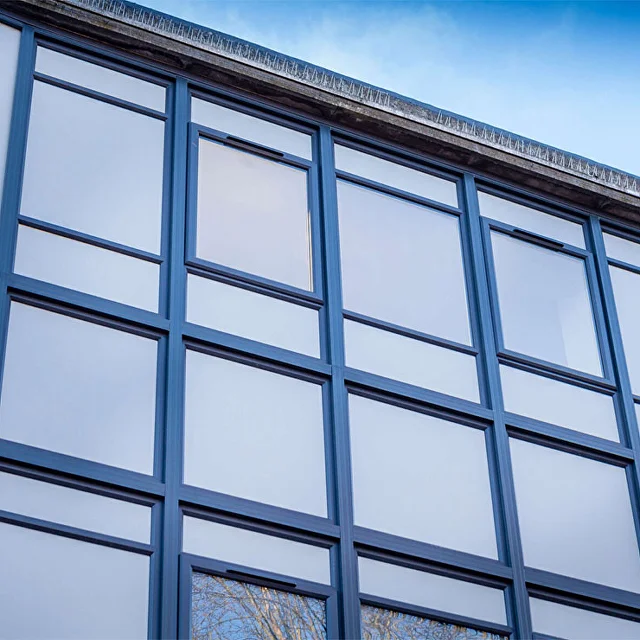
Aluminum doors, windows, curtain wall structures, and decorative profiles with smooth welds and reduced grinding work.
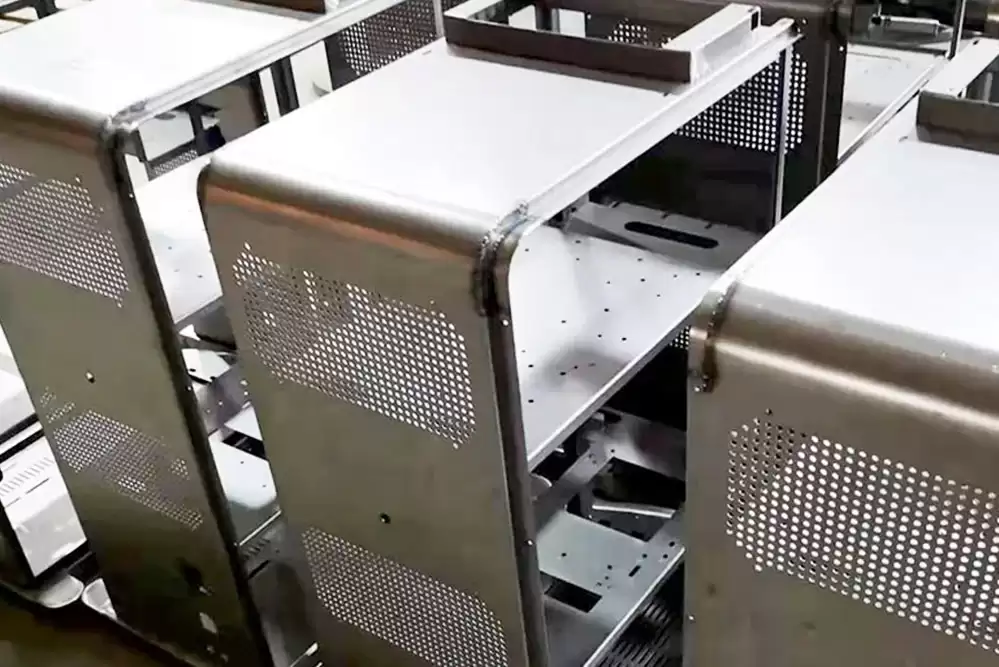
Electronic enclosures, heat sinks, and precision aluminum parts with stable welding and accurate dimensions.
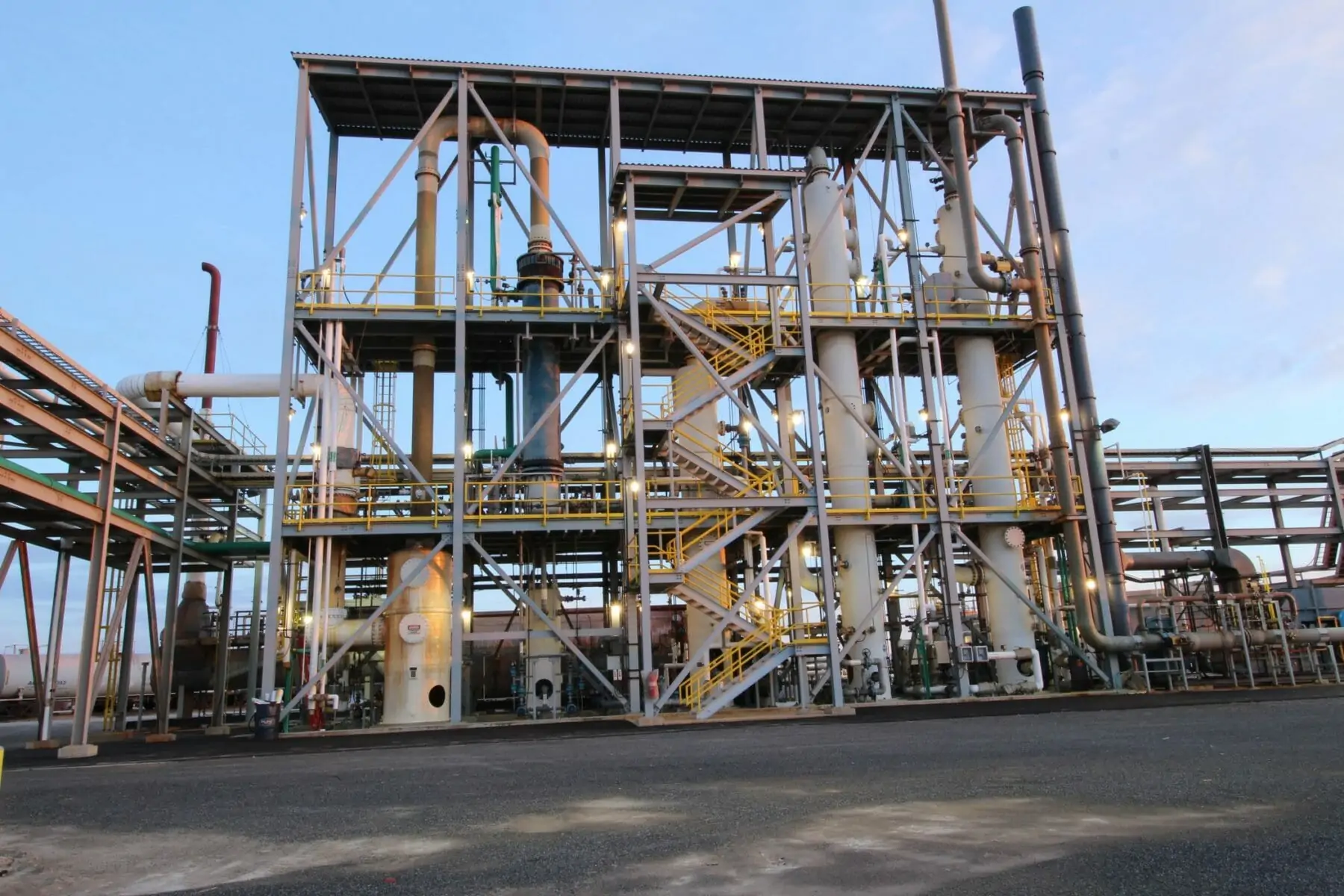
Mechanical parts, equipment housings, and structural components with reduced distortion and improved assembly accuracy.

Cookware, containers, and household aluminum products with smooth welds and low spatter.
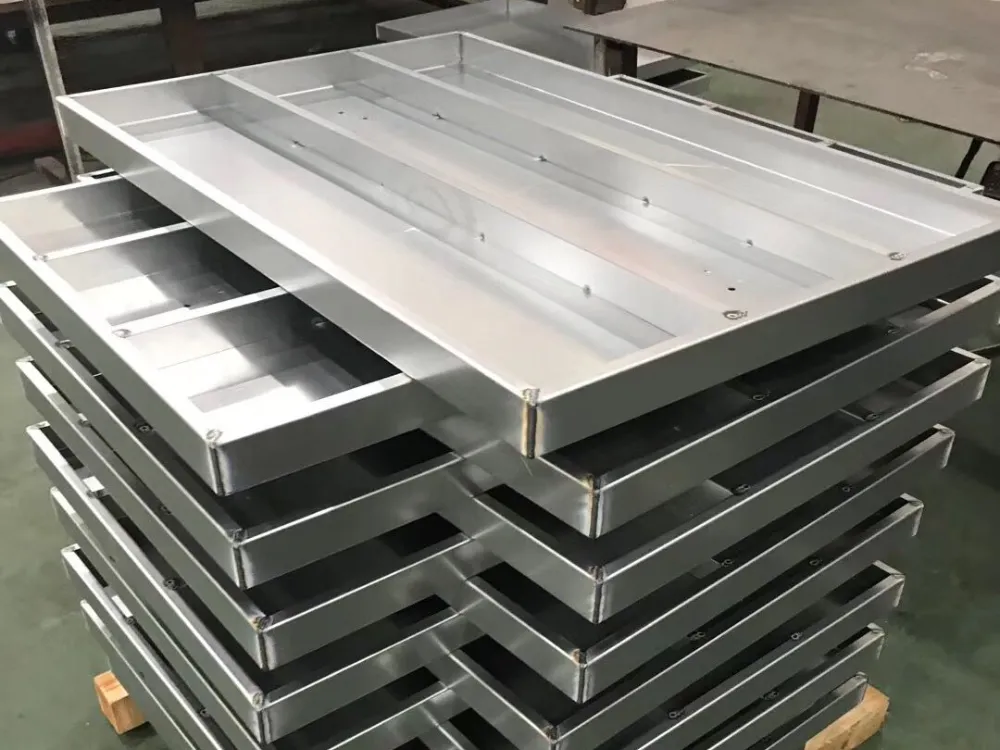
Aluminum sheet structures and custom metal products for high-variety, low-volume production.
Aluminum can be welded using laser, TIG, or MIG processes, but each method is suited to different material thicknesses, production volumes, and quality requirements. Laser welding is widely used where welding speed, heat control, and weld appearance are important, while TIG and MIG remain common for manual fabrication and heavy structural work.
| Item | Laser Welding | TIG Welding | MIG Welding |
|---|---|---|---|
| Heat Input | Low | High | Medium–High |
| Welding Speed | High | Low | Medium |
| Deformation | Low | High | Medium |
| Weld Appearance | Smooth, narrow weld | Clean but wider weld | Wider weld with more spatter |
| Post-Processing | Minimal | Moderate | More grinding is often required |
| Automation | Easy to integrate | Limited | Suitable for automated lines |
| Thin Aluminum | Excellent | Good | Fair |
| Medium-Thick Aluminum | Excellent | Good | Good |
| Production Volume | Medium to high | Low volume | Medium to high |
| Typical Applications | EV battery trays, precision parts, aluminum enclosures | Repair work, custom fabrication | Structural frames, large aluminum components |
The choice depends on material thickness, production volume, and weld quality requirements. Laser welding is commonly selected for precision aluminum parts and automated production, while TIG is preferred for repair and small-batch fabrication, and MIG remains a practical option for larger structural components and thicker materials.
Common methods for welding aluminum include TIG, MIG, and laser welding, each with its own advantages. For more details, see: TIG vs. MIG vs. Laser Welding for Aluminum: Which Is Better?
There is considerable debate regarding laser welding versus traditional welding. For specific differences, please refer to the article:
“Laser Welding vs. Traditional Welding: Differences, Advantages, Costs, and Applications”
“Handheld Laser Welding vs. MIG Welding: Which One Is Better?”
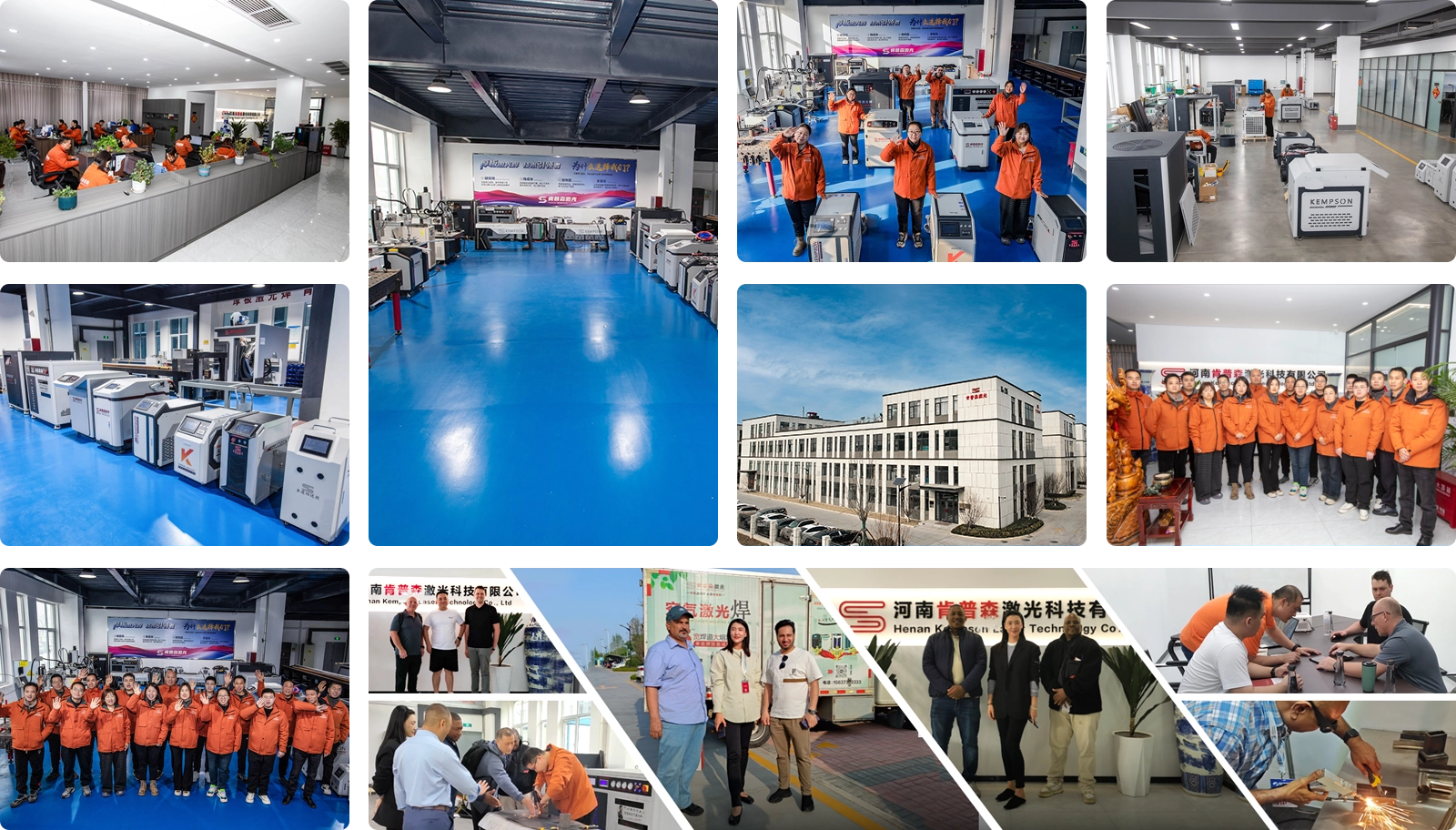
Kempson provides professional, customized aluminum laser-welding solutions. Our machines are designed to meet high industry standards, support global production needs, and offer flexible customization options for different applications. Below are the key advantages of choosing Kempson:
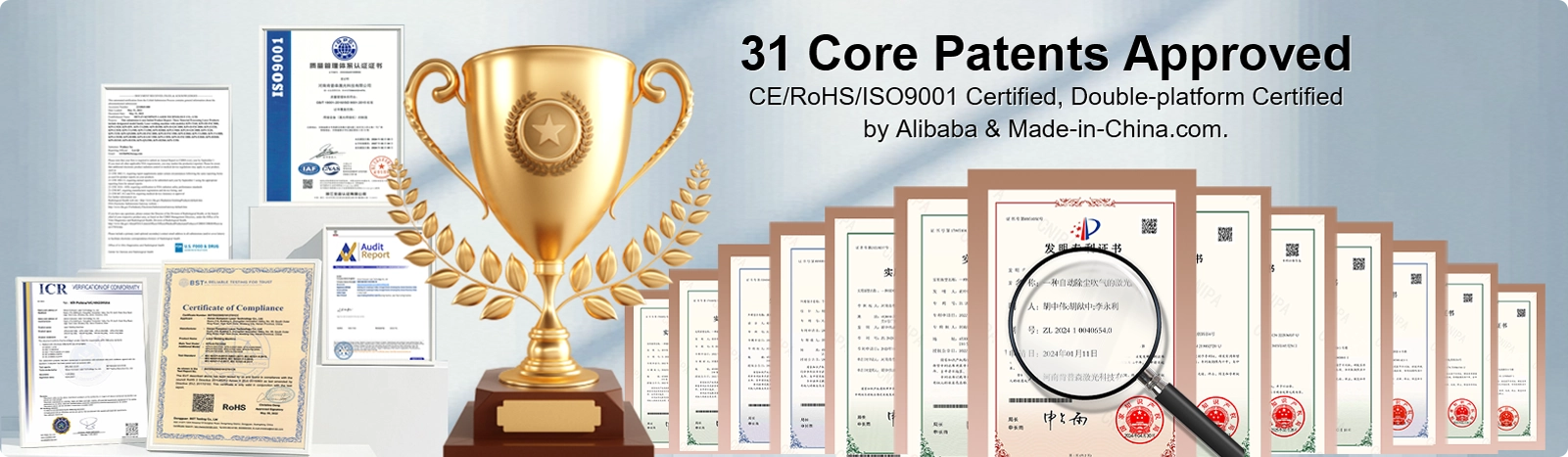
Quality Certifications (CE, ISO, CNAS)
All Kempson laser welding machines are CE, ISO, and CNAS certified, with reliable performance, safety, and compliance with international quality standards.
Global Supply and B2B Support
With export experience covering 117+ countries and regions, Kempson provides efficient logistics, technical support, and after-sales service for international manufacturers.
Customizable Solutions for OEM/ODM
Kempson offers OEM and ODM services, providing tailored configurations for handheld, automatic, air-cooled, or water-cooled systems.
Comprehensive Warranty and Global After-Sales Support
Kempson provides a 3-year full machine warranty, a service unmatched by most competitors, along with reliable after-sales support across 22 countries. Contact Kempson today to learn how our global service and warranty solutions can support your production needs.
An aluminum laser welding machine uses a focused laser beam to weld aluminum and aluminum alloys. It is used for applications requiring low deformation, high welding speed, and consistent weld quality.
Aluminum has high thermal conductivity, high reflectivity, and a hard oxide layer, making heat control and weld penetration more difficult than with many other metals.
Yes. Proper laser power, welding speed, shielding gas, and filler wire selection help reduce the risk of hot cracking and porosity.
Most fiber laser welding machines process aluminum from 0.5 mm to 8 mm, depending on laser power, joint design, and welding method.
Laser welding offers higher speed, lower heat input, and less deformation. TIG welding is more suitable for repair work and small-batch fabrication.
Laser welding is commonly used for 1xxx, 3xxx, 5xxx, and 6xxx aluminum alloys. Some 7xxx alloys can also be welded with suitable process parameters.
Not always. Thin aluminum can often be welded without filler wire, while medium and thick sections or larger joint gaps usually require wire feeding.
Selection depends on material thickness, production volume, welding method, laser power, cooling system, and whether wire feeding is required.
Looking for a high-efficiency Aluminum Laser Welding Machine solution?
Get in touch with our team today to discuss your requirements and find the right machine for your production.
What is Handheld Laser Welding Machine? The handheld fiber laser welding machine features a compact, portable design that enables precise, high-speed welding, revolutionizing the …
What Is a Water Cooled Laser Welding Machine? A water cooled laser welding machine uses an industrial chiller to regulate the temperature of the laser source and welding head. By c…
Laser welding machines are high-precision, efficient devices widely used in industries such as automotive manufacturing, electronics assembly, and metal processing. These machines …