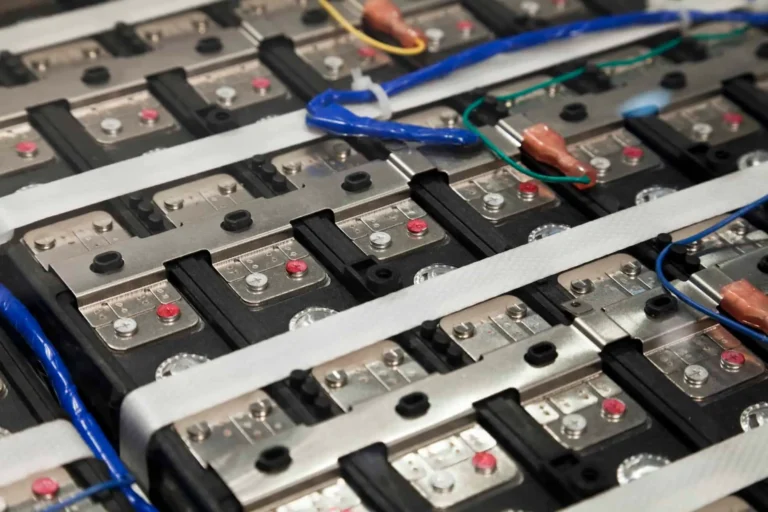
An automatic laser welding machine combines a laser source with programmed beam or workpiece movement to produce defined weld paths. KEMPSON offers XYZ-axis platforms, galvanometer scanning systems, gantry machines, and multi-axis configurations for precision parts, battery components, and liquid cooling assemblies.
Choose the system around the joint, material, weld access, and production target. Laser power alone does not establish weld quality or output. Fixtures, part tolerances, loading time, and inspection requirements also determine whether the proposed equipment fits the application.
KEMPSON provides standard models and project-specific OEM/ODM configurations. Send workpiece drawings, material grades, joint requirements, and production targets to request an application review, representative sample welding tests, and a configuration-specific quotation.

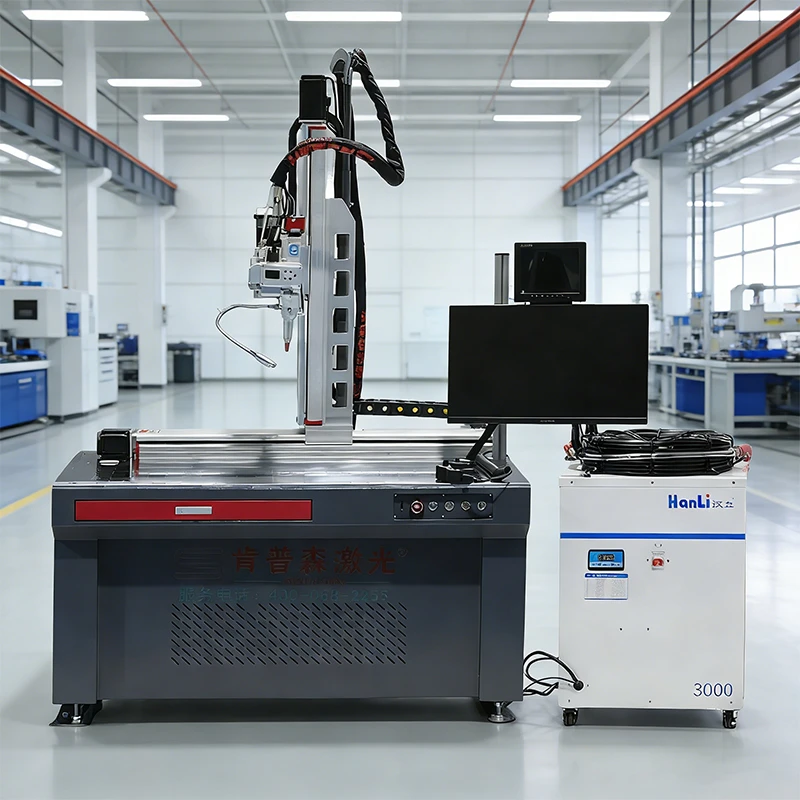
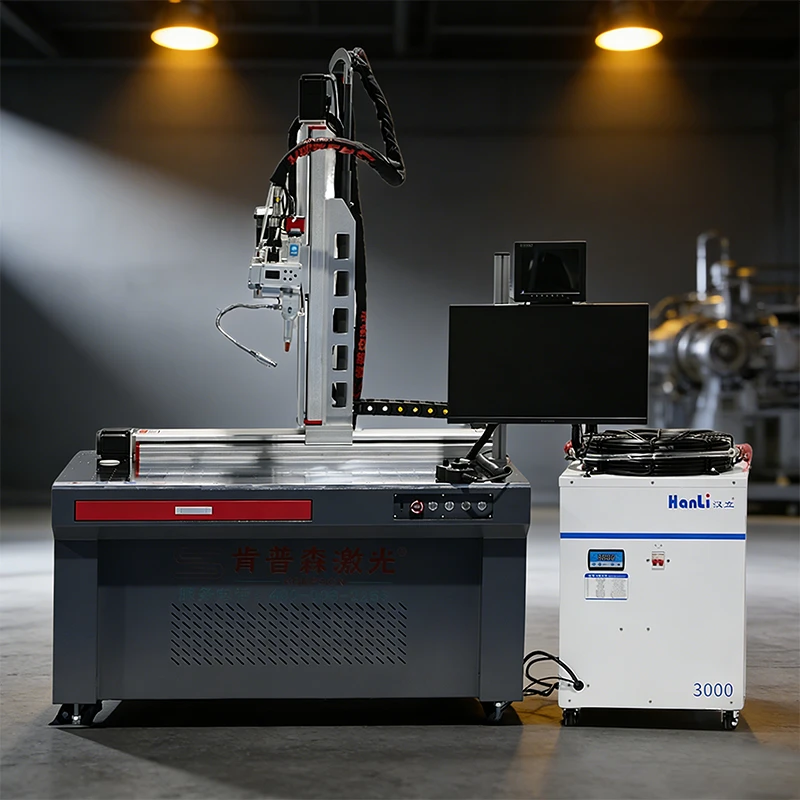
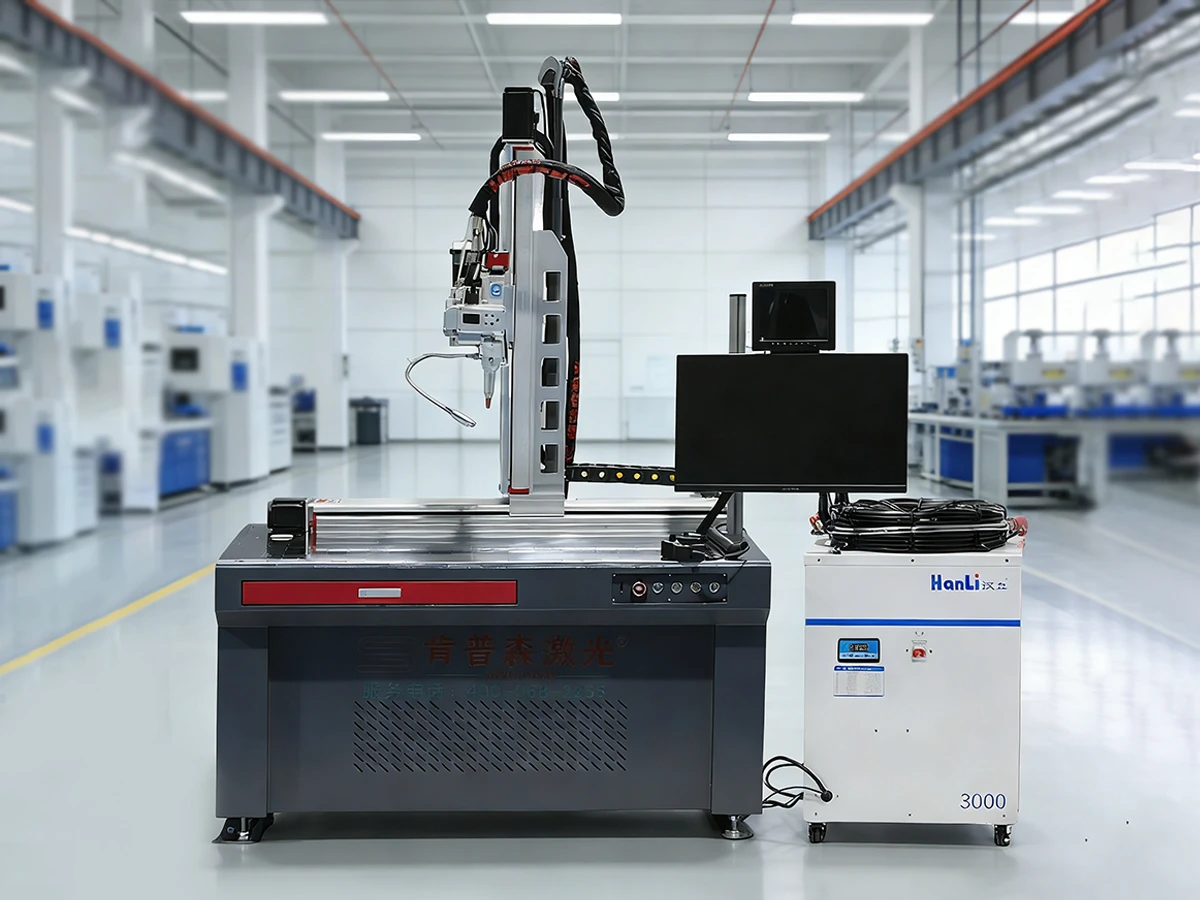
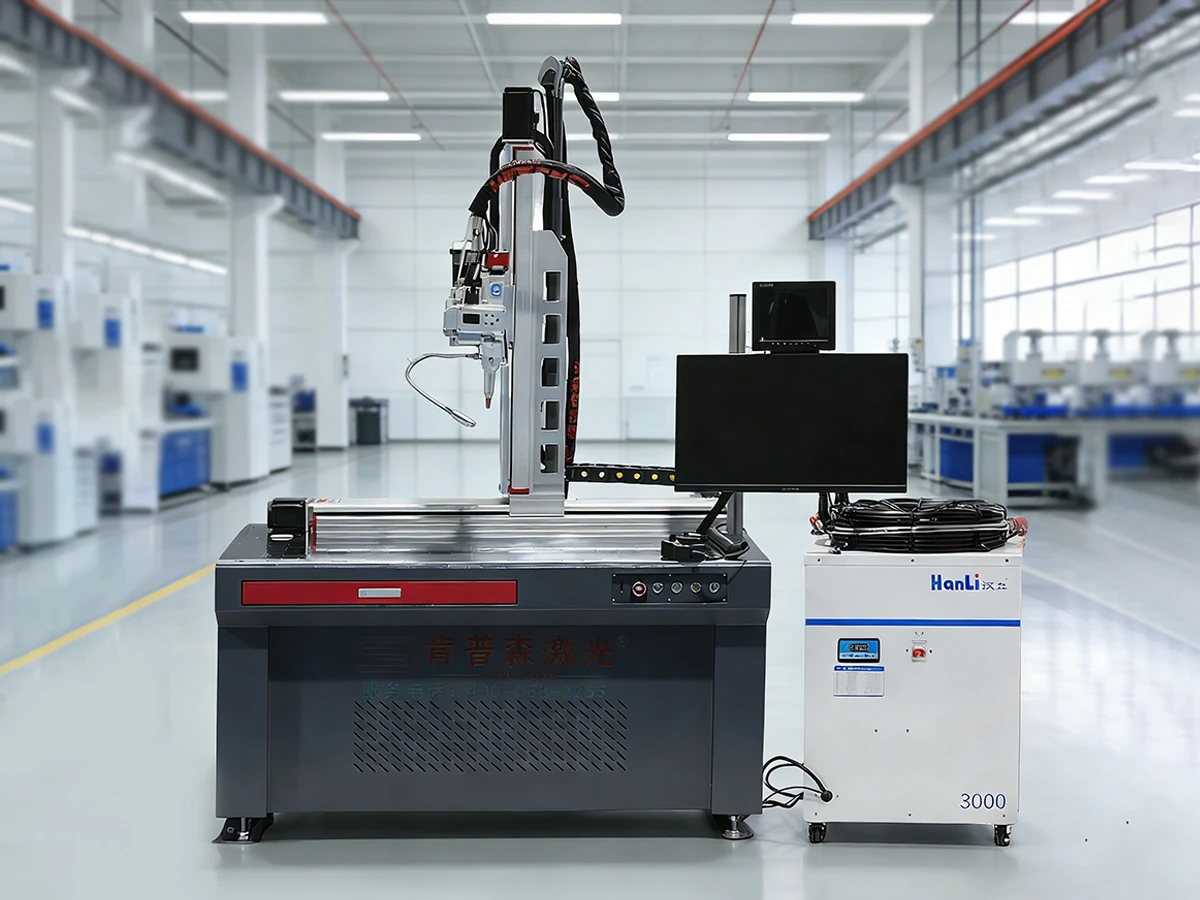
The listed 1000W automatic laser welding machine uses XYZ-axis positioning for small and medium-sized workpieces. Potential applications include electronic enclosures, stainless steel parts, and precision hardware with accessible, repeatable weld paths.
Positioning accuracy describes the motion system under defined test conditions. It is not a guarantee of weld seam accuracy, repeatability, penetration, or finished-part tolerance. Confirm axis travel, payload, fixture clearance, and the accuracy test method in the model documentation.

A galvanometer system steers the beam with scanning mirrors to follow programmed patterns within a defined scanning field. This automatic laser welding machine configuration can suit battery tabs and other small joints when material absorption, spot size, and energy input match the task.
Specify tab material, plating, thickness, overlap, and access to the joint. Confirm the laser source type, scan field, focal arrangement, and any required motion platform. Evaluate the complete production cycle; beam scanning speed alone does not establish throughput.

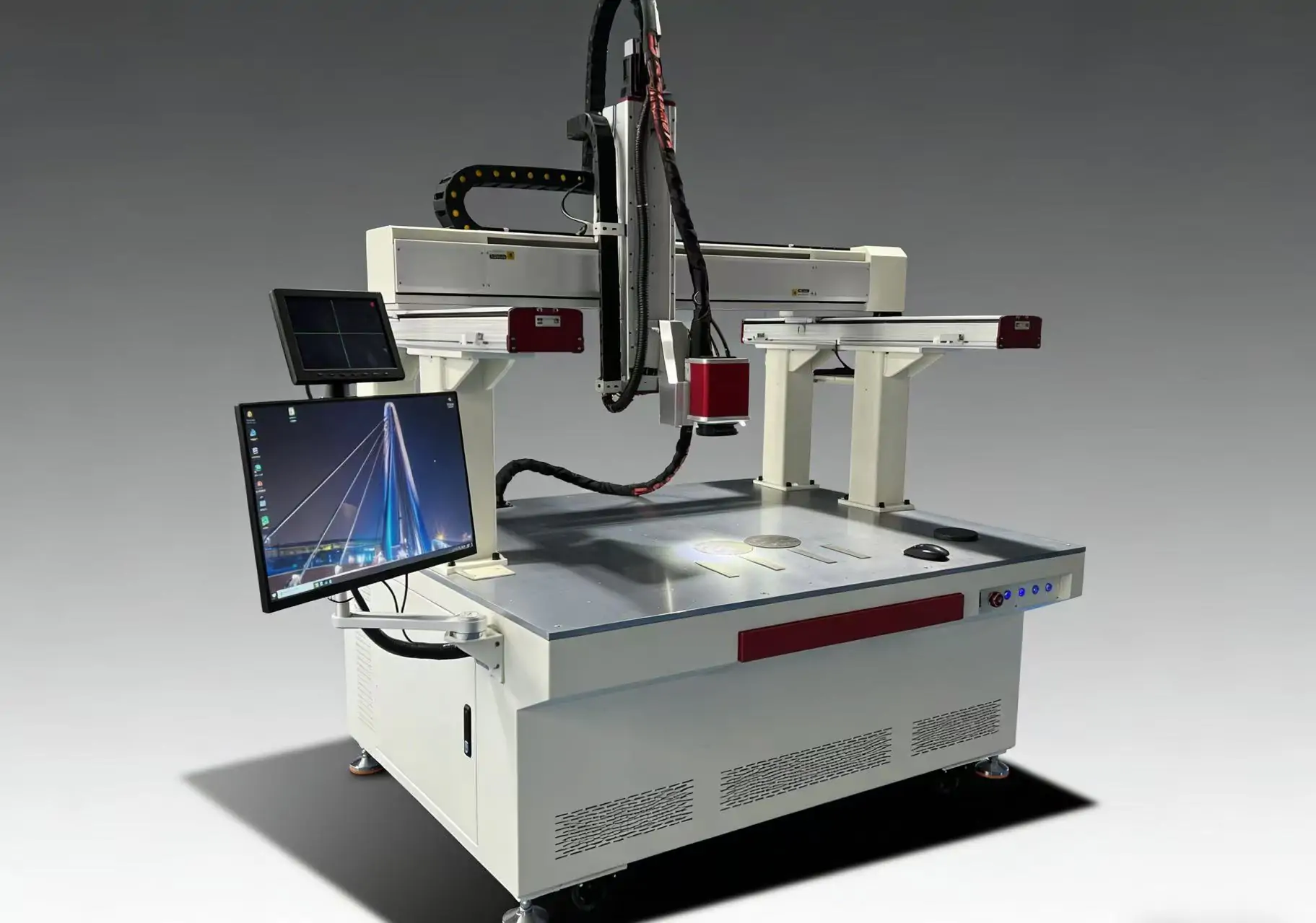
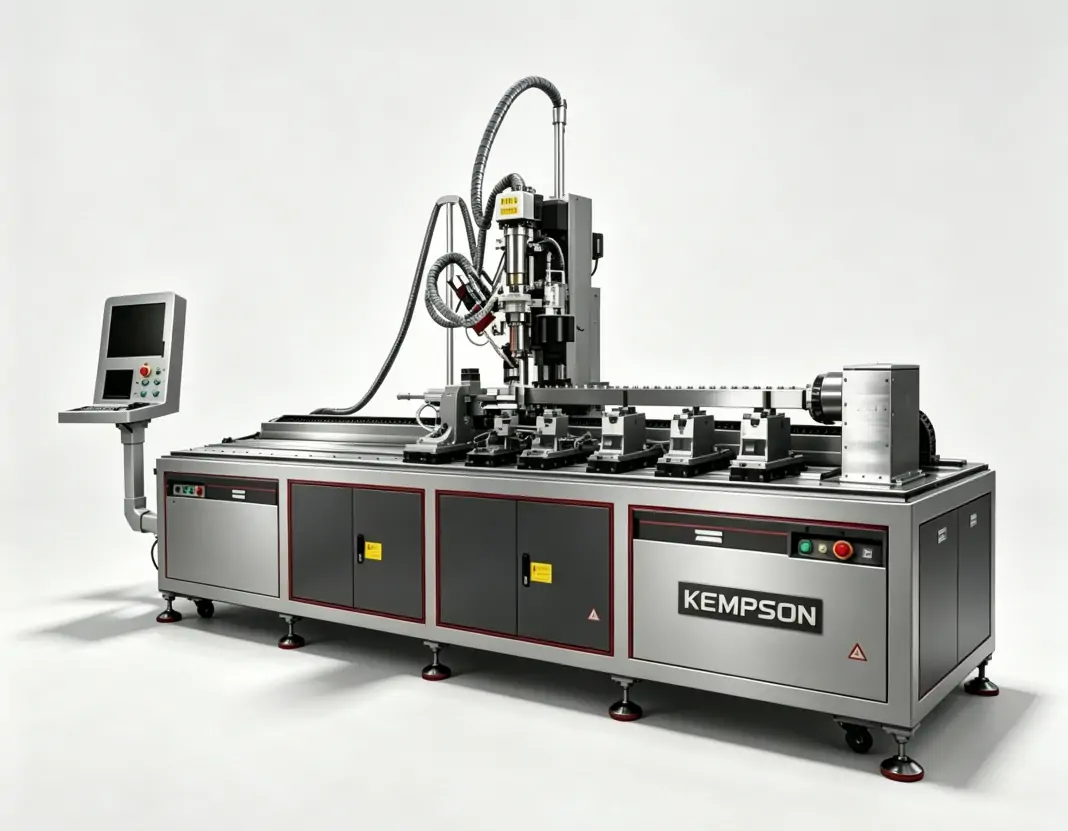
The listed gantry automatic laser welding machine has 1500W, 2000W, and 3000W laser output options. A gantry motion structure provides access across a working envelope for battery components and larger assemblies.
Confirm usable travel, payload, acceleration, fixture size, and weld head clearance. Workpiece loading, settling time, inspection, and changeover can limit output even when the welding path itself is fast. Select the source and optics through tests on the actual joint rather than by power rating alone.
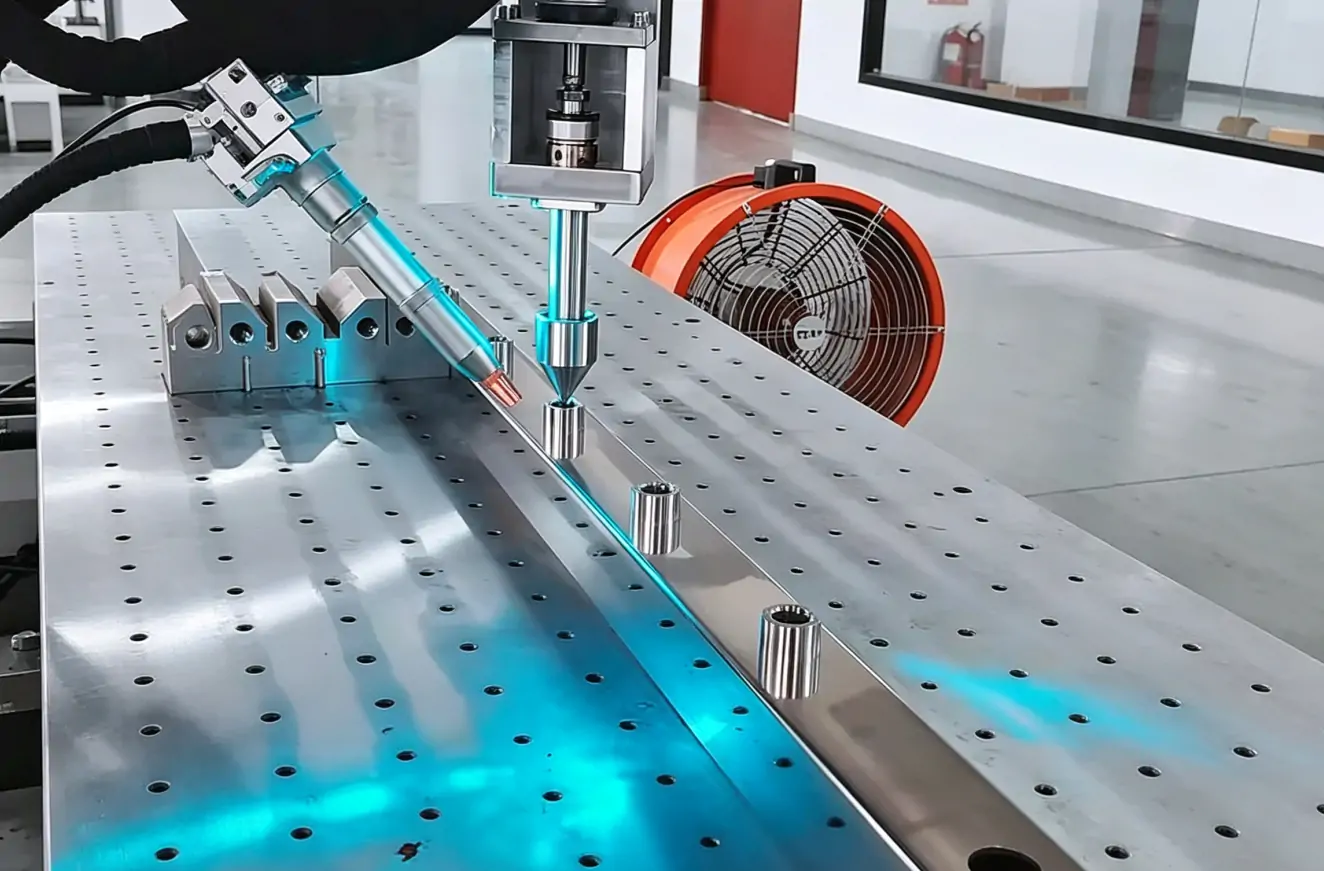
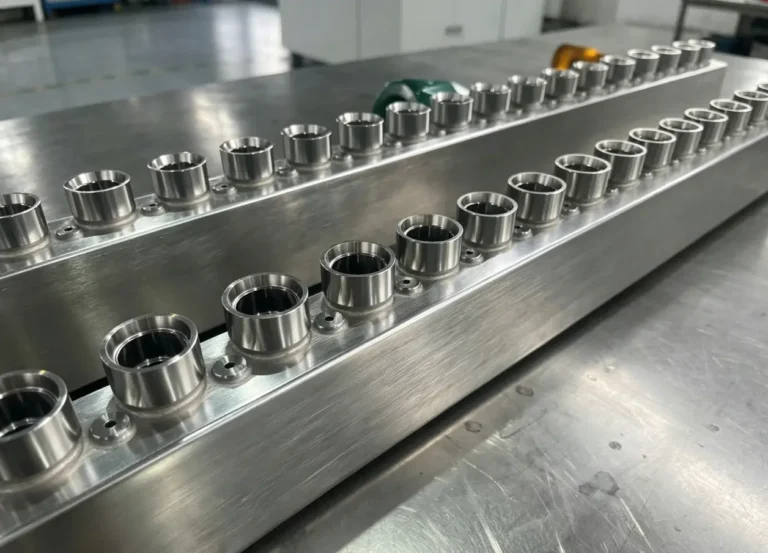
The water manifold automatic laser welding machine is listed with five-axis linkage, 1500W–3000W laser output, a 4000 × 1000 mm working area, and a Syntec CNC welding control system. Confirm these specifications against the selected model and quotation.
Applications may include stainless steel, aluminum alloy, or copper alloy manifolds and cooling assemblies. Each material and joint requires its own process assessment. Five-axis capability does not establish access to every seam; confirm axis arrangement, rotary travel, collision clearance, fixtures, and the effective welding envelope.
| Configuration | Listed laser output | Motion and selection checks |
|---|---|---|
| XYZ-axis platform | 1000W | XYZ positioning; listed accuracy ±0.015 mm for the specified platform; confirm travel and payload. |
| Galvo battery tab system | Model-dependent | Beam scanning within a defined field; confirm source, optics, spot size, and motion platform. |
| Gantry battery system | 1500W / 2000W / 3000W | Gantry motion; confirm usable envelope, fixture clearance, and complete cycle time. |
| Water manifold system | 1500W–3000W | Listed five-axis linkage, 4000 × 1000 mm working area, and Syntec CNC control; verify project configuration. |
These are configuration-specific figures, not universal limits for every automatic laser welding machine. Confirm laser output separately from total electrical input. Request voltage, phase, frequency, cooling demand, shielding gas requirements, and site installation conditions in the quotation.


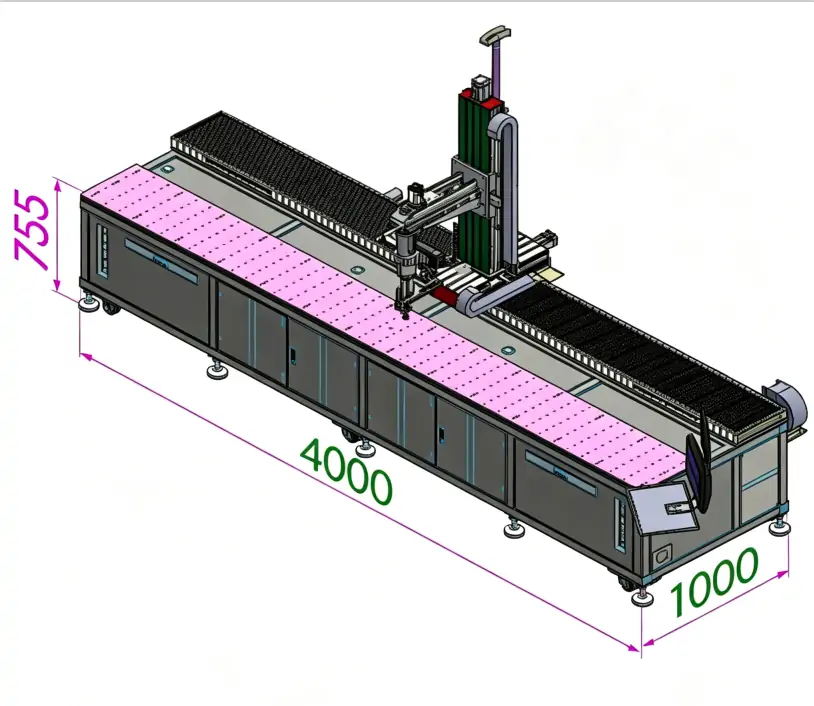
KEMPSON evaluates customization around drawings, weld paths, production targets, and site conditions. Options may include laser power, axis travel, worktable dimensions, dedicated fixtures, rotary mechanisms, vision positioning, loading equipment, monitoring, and production-line interfaces.
Confirm each option in the equipment specification. Vision positioning does not automatically provide seam tracking or closed-loop weld correction. Monitoring functions also need defined signals, detection limits, alarm actions, and data retention requirements. Ask which functions are standard, optional, or subject to application development.
Before ordering an automatic laser welding machine, agree on factory and site acceptance tests using representative parts. Record the weld quality criteria, sample quantity, cycle-time measurement, operating conditions, and documentation to be supplied. Define training, installation responsibilities, maintenance requirements, warranty scope, and technical support in the contract.
An automatic laser welding machine requires a safety assessment of the complete installed system. An integrated enclosure and interlocks may reduce accessible laser exposure when correctly designed and validated; the laser source classification alone does not describe the completed cell. Address access control, beam containment, fume extraction, emergency stops, and maintenance procedures under applicable local requirements.
Discuss your drawings and acceptance requirements with KEMPSON.
Consult an Expert
Kempson boasts an independent R&D team and a team of senior engineers, focusing on cutting-edge laser welding technology development and committed to providing high-performance and cost-effective customized solutions for various industrial applications.
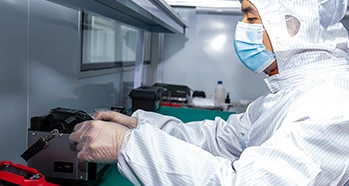
With 30+ patents, all machines are CE, ISO, and FDA certified. We offer a 3-year warranty, free sample welding tests, and lifetime after-sales support to ensure long-term reliability.
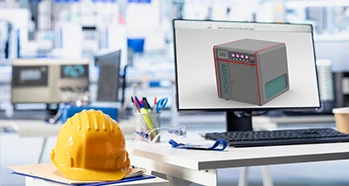
We support comprehensive OEM/ODM cooperation, providing personalized services such as system design, hardware and software integration, special accessory development, and brand logo customization, precisely tailored to different markets and application scenarios.
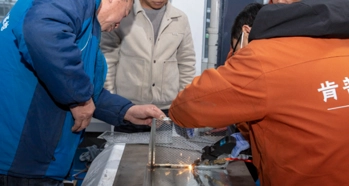
We offer free sample welding testing services: simply send us your materials or provide your process requirements, and we will perform welding tests, record process videos, and return the physical samples, providing you with objective and reliable purchasing information.
An automatic laser welding machine uses programmed motion or beam steering to follow specified weld paths. Fixtures, material fit-up, process settings, and inspection still determine whether the weld meets the part requirements.
XYZ systems move the head or workpiece along three linear axes. Galvo systems steer the beam through mirrors within a scanning field. Some installations combine beam scanning with a positioning platform for a larger overall working area.
A gantry describes a supporting motion structure; five-axis describes an axis configuration. These terms are not mutually exclusive. Confirm the actual linear and rotary axes, their travel, and whether motion is indexed or simultaneous.
Select an automatic laser welding machine by sample-tested material and joint requirements. The listed configurations include a 1000W XYZ platform and 1500W–3000W gantry and manifold options. Galvo power and source type must be confirmed separately; power alone does not establish capacity.
Suitable configurations may weld tabs, connectors, and other battery parts. Confirm the material stack, source, optics, fixtures, heat input limits, electrical performance, and inspection requirements through an agreed test plan.
A suitable automatic laser welding machine may weld manifold joints when access, material, fixtures, and the process are compatible. Confirm usable working area and axis travel, then validate the required leak tightness and mechanical performance on representative parts.
Project options may include the source, worktable, axis travel, fixtures, rotary mechanisms, vision, loading, monitoring, and interfaces. Ask for a scope that separates standard equipment from optional integration and application development.
Send drawings, material grades, thicknesses, joint details, weld acceptance criteria, target output, complete cycle-time requirements, loading method, and site utilities. Request an automatic laser welding machine recommendation with sample test arrangements and an itemized equipment scope.
Discuss Your Welding Application
Send KEMPSON your drawings and production requirements to discuss an automatic laser welding machine configuration, sample testing, and a project quotation. The final proposal should identify the equipment, fixtures, integration, acceptance tests, and support included.