Table of Contents
Introduction
A laser cleaning machine is an advanced surface treatment system that uses high-energy laser beams to remove contaminants such as rust, paint, oxide layers, oil, and coatings from material surfaces. In industrial environments, laser cleaning is widely applied in metal fabrication, automotive manufacturing, aerospace maintenance, mold processing, shipbuilding, and heavy equipment refurbishment. It improves surface preparation quality while reducing environmental impact and consumable costs.
In this article, we will provide a comprehensive analysis of laser cleaning machine advantages and disadvantages, explore key industrial applications, and offer practical selection guidance based on power range, material type, and production requirements. Please continue reading.
What Is a Laser Cleaning Machine?
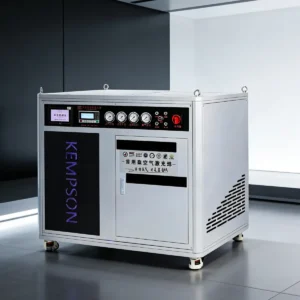
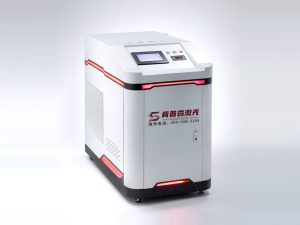
A laser cleaning machine is a non-contact surface treatment system that uses high-energy laser beams to remove contaminants from material surfaces. As an advanced industrial laser cleaning machine, it precisely eliminates unwanted layers such as rust, paint, oil, and residues without damaging the substrate.
The system typically adopts fiber laser technology, which generates short, high-intensity pulses to vaporize or detach contaminants through photothermal and photomechanical effects. Compared with traditional chemical or abrasive methods, laser cleaning offers higher precision, lower maintenance, and environmentally friendly operation.
Common applications include rust removal, paint removal, oil cleaning, and mold cleaning, making it widely used in manufacturing, automotive, aerospace, mold processing, and heavy equipment maintenance industries.
Advantages of Laser Cleaning Machines
1. Non-Contact Cleaning Process
Laser cleaning removes contaminants without physical contact, eliminating mechanical stress and preventing surface abrasion or tool wear.
2. High Precision for Delicate Components
The laser beam can be accurately controlled in terms of width, power, and frequency, making it ideal for cleaning precision parts, molds, and sensitive surfaces without damaging the substrate.
3. Minimal Substrate Damage
With optimized pulse parameters, laser cleaning selectively removes rust, paint, or oil while preserving the base material’s structural integrity.
4. Multiple Cleaning Modes
Adjustable scanning patterns and parameter settings allow the system to adapt to different surface geometries and contamination types, improving cleaning flexibility.
5. High Efficiency and Fast Processing Speed
Compared with traditional chemical or abrasive methods, industrial laser cleaning machines deliver faster cleaning cycles and improved production throughput.
Chemical-Free and Environmentally Friendly
Laser cleaning requires no solvents, blasting media, or consumables, reducing hazardous waste and supporting environmentally compliant manufacturing.
Lower Long-Term Operating Costs
Without consumable materials and with minimal maintenance requirements, laser systems help reduce ongoing operational and labor costs.
User-Friendly and Automation Ready
Modern systems feature digital control interfaces for precise parameter adjustment and can be integrated into automated production lines to improve consistency and productivity.
Wide Material and Industry Compatibility
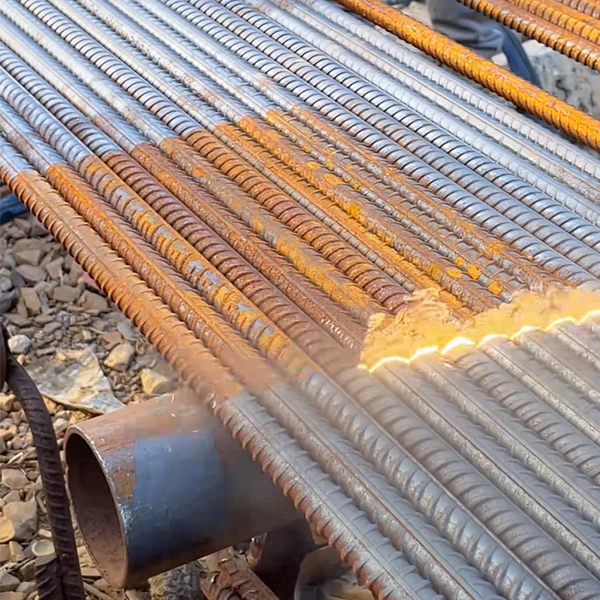
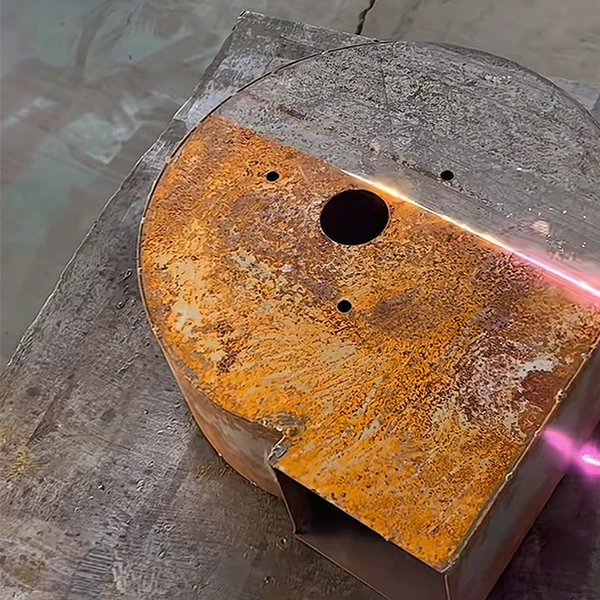
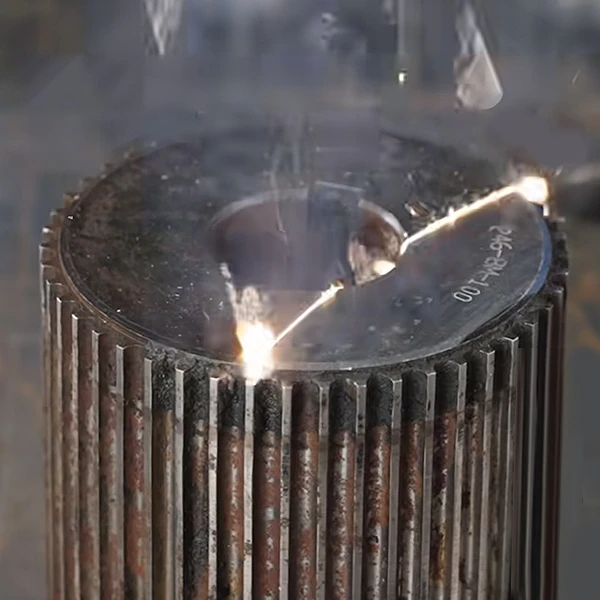
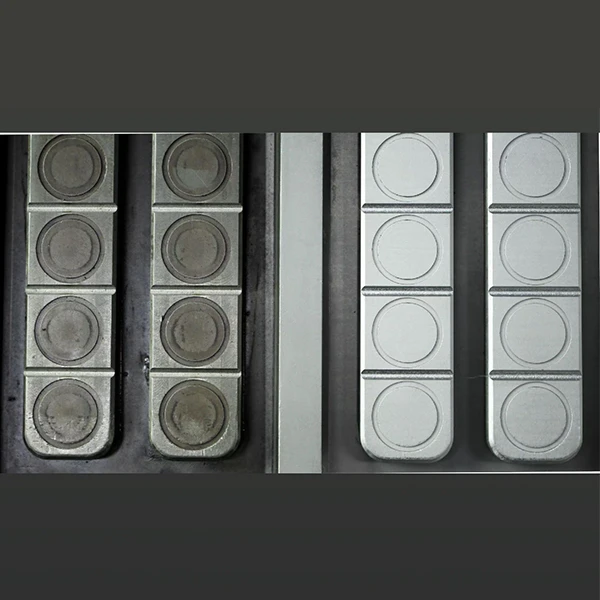
Suitable for metals and various industrial surfaces, laser cleaning is widely used for rust removal, paint stripping, oil cleaning, coating removal, and mold maintenance across multiple industries.
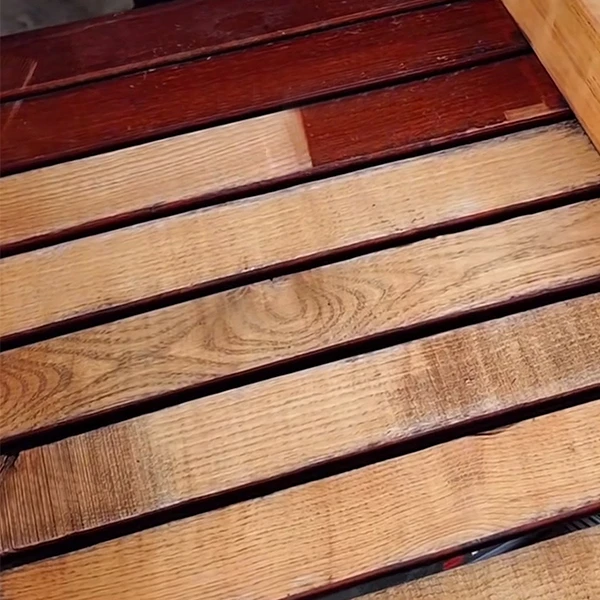
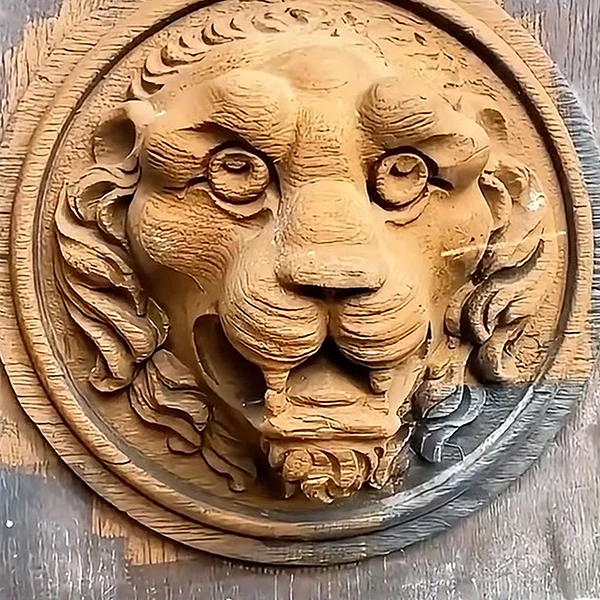
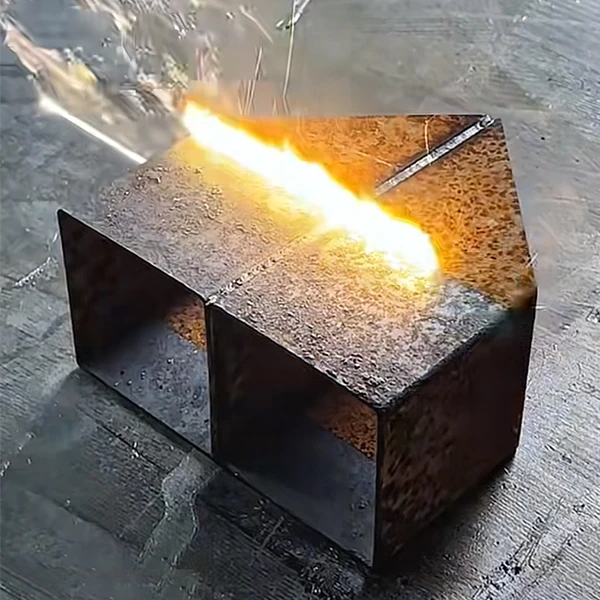
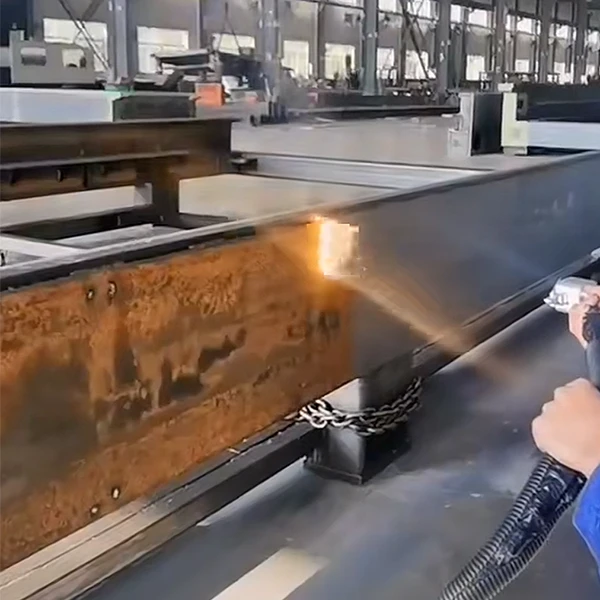
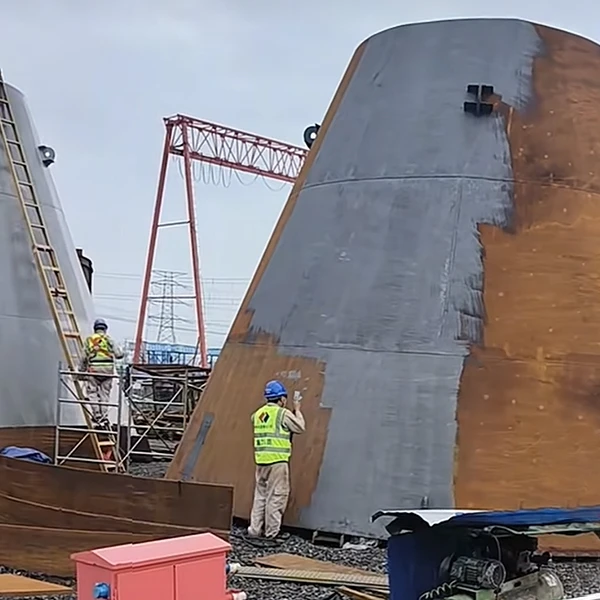
Cleaning Effect Show
Disadvantages of Laser Cleaning Machine
1. High Initial Investment Costs
The unit purchase price of laser cleaning equipment is significantly higher than that of traditional sandblasting or chemical cleaning equipment. Among these, pulsed laser cleaning machines, due to their precise physical characteristics and non-destructive cleaning advantages, typically command a higher market price than continuous laser cleaning machines, imposing greater demands on a company’s initial capital expenditure (CAPEX).
2. Strict Photocommunications Safety Requirements
Laser beams constitute high-energy radiation sources, posing safety hazards if mishandled.
- Vision Protection: Operators must wear specialized laser-protective goggles at all times and must never look directly at the laser beam, as this can cause irreversible eye damage. Kempson provides high-quality laser-protective goggles and accompanying tools free of charge to every customer purchasing a laser cleaning machine.
- Operational Standards: Machines must be operated in a controlled environment with strict adherence to safety protocols to prevent fires or personal injury caused by laser reflection or accidental discharge.
3. Substrate Compatibility and Cleaning Blind Spots
Despite its broad applicability, laser cleaning cannot address all materials and contaminants:
- Physical Thickness Limitations: Laser cleaning is less effective on thick, viscous heavy oil layers or layered deposits, often requiring multiple passes.
- Challenges with Biofouling: For calcified biological attachments like ship hull barnacles, lasers struggle to achieve complete removal while protecting the substrate.
- Thermosensitive Material Risks: Thermosensitive materials like plastics and rubber are highly susceptible to thermal deformation or surface scorching due to energy absorption.
- Topographical Limitations: Laser beams struggle to achieve full coverage in deep holes, complex grooves, or extremely rough surfaces, often leaving cleaning residues.

4. Environmental Temperature Control and Seasonal Maintenance
Equipment requires strict adherence to operating temperature ranges (recommended 10-35°C) and necessitates specific maintenance:
- Summer Heat Dissipation: Intermittent shutdowns are required in high-temperature environments to prevent laser overheating.
- Winter Freeze Protection: When ambient temperatures fall below 0°C, water-cooling systems must be supplemented with laser-specific antifreeze at the prescribed ratio (Automotive antifreeze is strictly prohibited). Strict adherence to mixing ratios based on ambient temperature is required (e.g., 4:6 antifreeze-to-water ratio at -22~-25°C), adding complexity to daily operations.
5. Micro-Damage to Substrates in Continuous Wave Models
While continuous laser cleaners offer high efficiency and cost advantages, their sustained thermal output can cause heat accumulation on substrate surfaces. When processing precision components, this may cause microscopic wear or fine scratches on the substrate. Achieving “zero-damage” processing necessitates the use of more expensive pulsed equipment.
6. Explosion-proof Restrictions in Special Conditions
Laser cleaning involves high-energy beams and potential sparks during operation, making its use strictly prohibited in environments containing flammable or explosive gases or liquids. This restricts its direct application in high-risk areas such as refineries, petrochemical warehouses, paint shops, and coal mines, where it poses a safety risk of triggering fires or explosions.
Could you provide specific cleaning requirements or operational scenarios? We can arrange a professional cleaning test with Kempson to help you evaluate equipment suitability and provide customized solutions.
Laser Cleaning vs Traditional Cleaning
When evaluating surface treatment solutions, common comparisons include laser cleaning versus sandblasting, and laser cleaning versus chemical cleaning. Each technology possesses distinct characteristics in terms of process principles, cost structure, and environmental impact. A comprehensive understanding of these differences will help you select a more suitable and cost-effective solution.
Below is a structured comparison of laser cleaning and traditional cleaning methods:
| Comparison Factor | Laser Cleaning | Sandblasting | Chemical Cleaning | Dry Ice Cleaning | Manual Grinding |
|---|---|---|---|---|---|
| Cleaning Principle | Laser ablation (non-contact) | Abrasive particle impact | Chemical reaction/dissolution | CO₂ pellet impact & sublimation | Mechanical friction |
| Surface Protection | High precision, minimal substrate impact | Can cause surface roughening | Risk of corrosion or residue | Generally gentle | High risk of scratches |
| Consumables | None | Sand/abrasive media | Acids/solvents | Dry ice pellets | Grinding discs |
| Environmental Impact | No chemicals, low waste | Dust pollution | Hazardous liquid waste | CO₂ ventilation required | Dust and debris |
| Automation Potential | Easily integrated into automated lines | Limited | Limited | Moderate | Difficult |
| Maintenance Requirements | Low | Media handling & equipment wear | Chemical storage & disposal | Pellet supply system | Frequent tool replacement |
| Operating Cleanliness | Clean process, minimal residue | High dust generation | Chemical residue possible | Minimal secondary waste | Metal debris produced |
| Suitable for Precision Parts | Excellent | Not recommended | Risk of surface reaction | Limited control | Poor suitability |
| Long-Term Operating Cost | Low (after investment) | Medium | High | Medium | Medium |
Compared with abrasive and chemical-based processes, laser cleaning offers superior precision, repeatability, and environmental compliance. While the upfront investment is higher, the absence of consumables, reduced waste management costs, and compatibility with automated production lines make laser systems a strategic long-term solution for modern manufacturing environments.
How to Choose the Right Laser Cleaning Machine
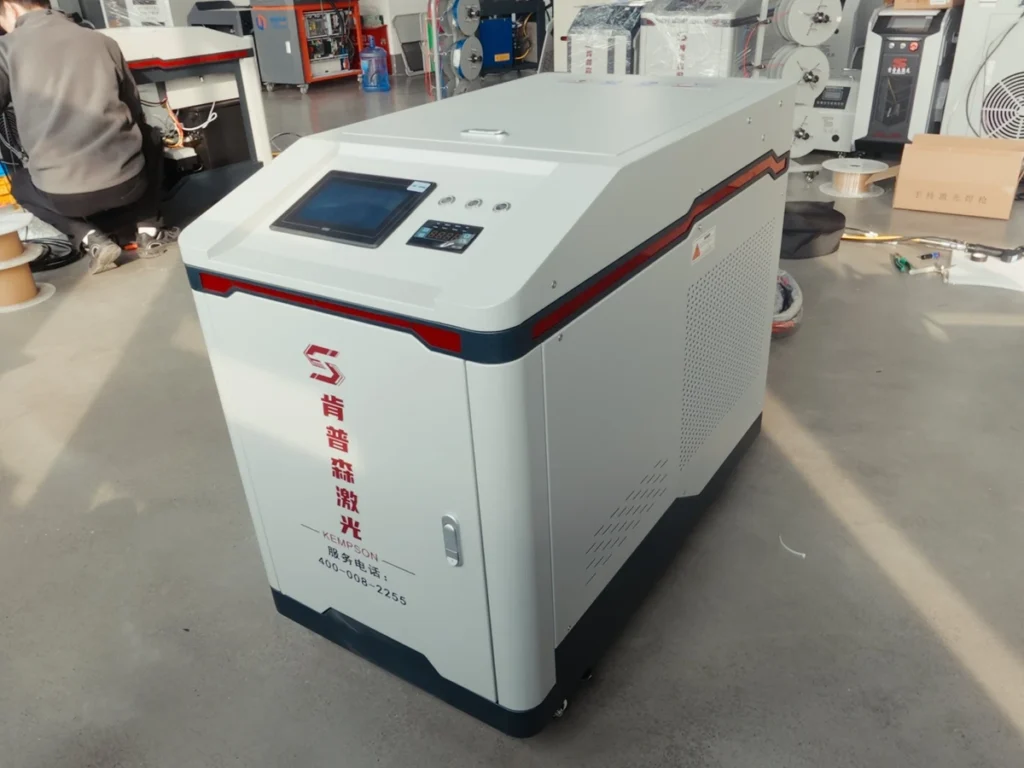
When selecting a laser cleaning solution, it is essential to consider application requirements, production scale, and long-term return on investment holistically, rather than focusing solely on price. Below are key factors typically prioritized when purchasing a fiber laser cleaning machine:
1. Power Selection (1000W / 2000W / 3000W / 4000W)
Laser power directly impacts cleaning speed and application range.
- 1000W: Suitable for light rust, thin paint layers, and precision parts.
- 2000W: Ideal for general industrial rust and coating removal.
- 3000W–4000W: Designed for heavy corrosion, thick coatings, and large-scale structural components.
Higher power improves efficiency but also increases investment and energy consumption, so matching power to actual workload is essential.
2. Continuous vs Pulsed Laser
- Pulsed lasers offer higher precision and minimal thermal impact, making them suitable for delicate substrates and applications requiring zero surface damage.
- Continuous lasers provide faster cleaning for heavy-duty rust removal and large-area processing but may generate more heat.
Selection depends on whether your priority is precision or throughput.
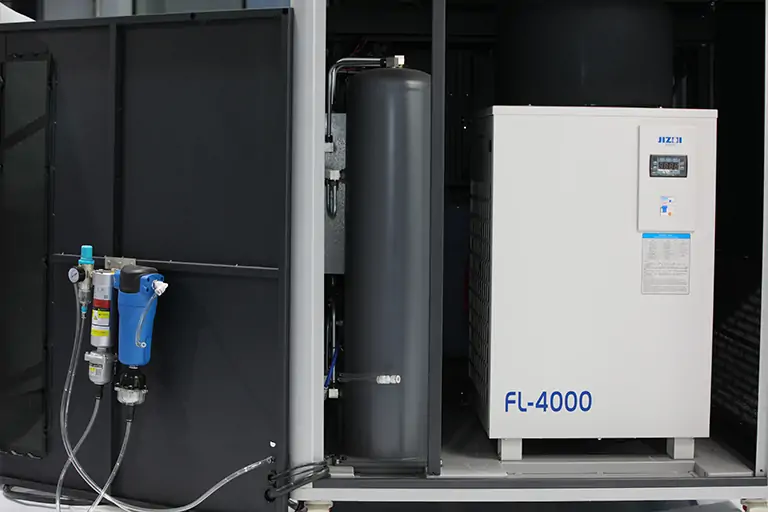
3. Cooling System
Most medium- to high-power systems use water cooling to ensure stable operation. Buyers should consider ambient temperature conditions and maintenance requirements, especially in cold or high-temperature environments.
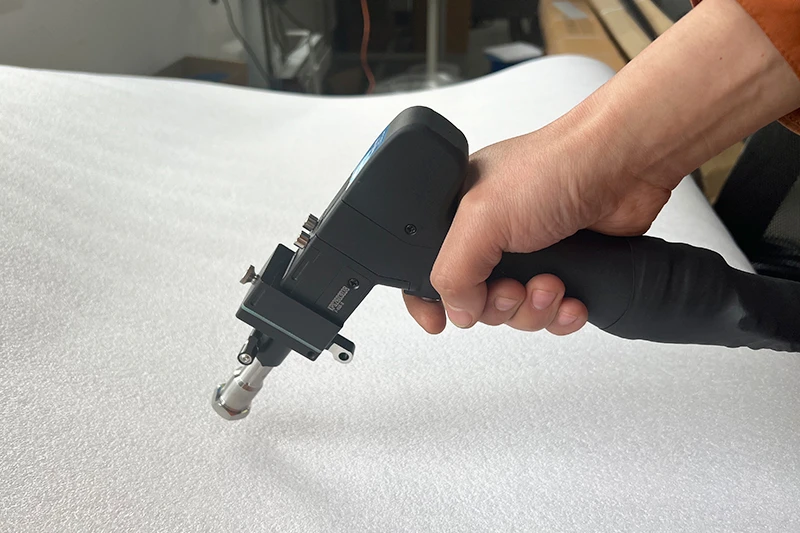
4. Portability and Design
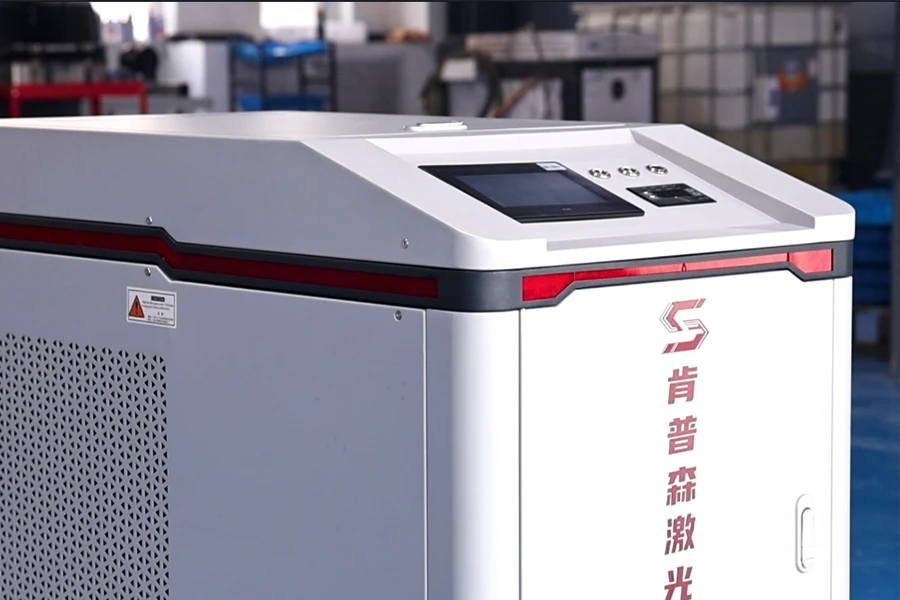
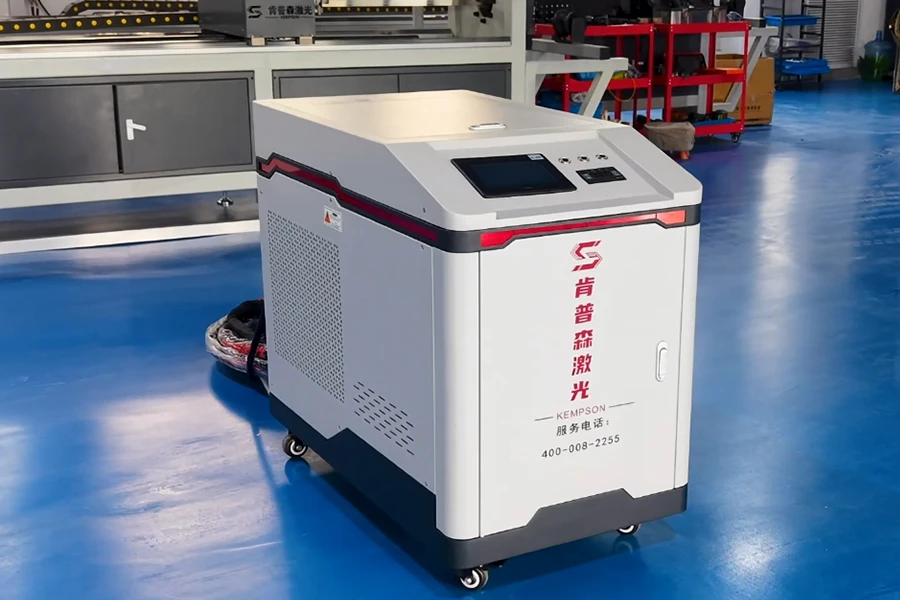
For on-site maintenance, shipyards, or large equipment servicing, portable or handheld laser cleaning machines improve flexibility and reduce downtime. Fixed cabinet systems are better suited for workshop-based operations.
About Kempson
Kempson is a globally leading manufacturer of industrial laser cleaning solutions. We provide not only equipment but also precise surface treatment solutions. View our brand story: Kempson “EverLens Weld 1 + n” Brand Story
- In-House R&D Capabilities: With our dedicated R&D team, we have deep expertise in laser applications. To date, Kempson has secured over 30 core technology patents, maintaining industry leadership in beam control, thermal management systems, and intelligent operating software.
- Multiple International Certifications: Our production processes strictly adhere to international quality standards. Our entire product line is certified by CE (European Union), ISO 9001 (Quality Management System), and FDA (U.S. Food and Drug Administration).
- Service Advantages: Kempson laboratories offer complimentary sample testing using customer-provided substrates and contamination samples, tailoring optimal power ratios and parameter configurations for your specific needs.
- Global After-Sales Support: All systems come with a 3-year warranty, complemented by remote technical guidance and rapid spare parts supply.
For detailed technical information on laser cleaning systems or to request complimentary sample testing, please contact our technical consultants at any time.
FAQ
How much does a laser cleaning machine cost?
The cost of a laser cleaning machine depends on power level (1000W–4000W), laser type (continuous or pulsed), cooling configuration, and automation options. The price of a Kempson laser cleaning machine generally ranges from $9,286 to $11,714.
Is laser cleaning safe for operators?
Yes, laser cleaning is safe when operated according to proper safety standards. Operators must wear certified laser safety goggles and follow operating procedures. Kempson laser cleaning machine equiped with protective enclosures, emergency stop functions, and safety interlocks to minimize risk. Proper training and compliance with laser safety regulations are essential.
Can laser cleaning remove heavy rust?
Yes, high-power fiber laser cleaning machines (2000W–4000W) are effective for removing heavy rust, thick oxide layers, and industrial coatings. For large-scale corrosion removal, continuous laser systems are often preferred for higher efficiency, while pulsed lasers are better suited for precision applications requiring minimal substrate impact.
What is the maintenance cost of a laser cleaning system?
Laser cleaning systems have relatively low maintenance costs compared to sandblasting or chemical cleaning because they do not require consumables such as abrasive media or solvents. Routine maintenance typically includes lens inspection, cooling system checks, and general equipment servicing. Fiber laser sources generally offer long service intervals.
How long does a laser cleaning machine last?
A high-quality fiber laser source typically has a service life of up to 100,000 operating hours under proper working conditions. Overall equipment lifespan depends on maintenance practices, operating environment, and cooling system management.
What materials can a laser cleaning machine process?
Laser cleaning machines are primarily used for metals such as carbon steel, stainless steel, and aluminum. They are suitable for rust removal, paint stripping, oil cleaning, and surface preparation.
Is laser cleaning better than sandblasting or chemical cleaning?
Laser cleaning offers advantages in precision, environmental compliance, and automation compatibility. Unlike sandblasting or chemical cleaning, it does not produce secondary waste or require consumable materials. However, the best solution depends on production scale, contamination type, and budget considerations.