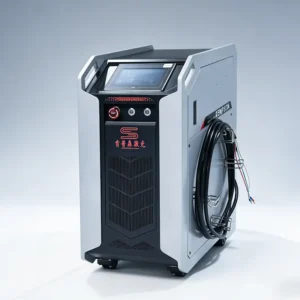
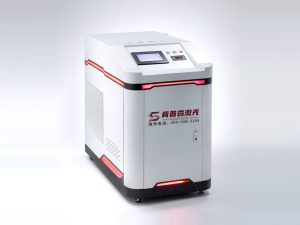
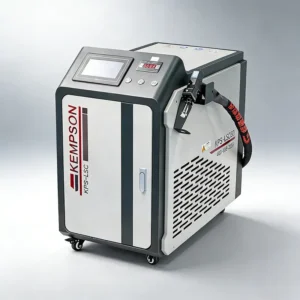
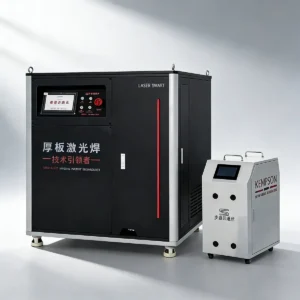
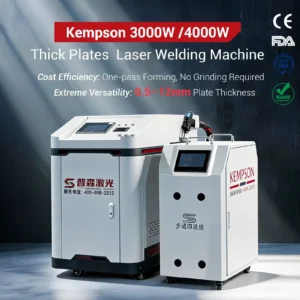
Laser welding machines are high-precision, efficient devices widely used in industries such as automotive manufacturing, electronics assembly, and metal processing. These machines utilize high-energy laser beams to precisely melt metals, providing fine welds and enabling the connection of various materials. Due to their unique advantages, laser welding technology has become the preferred solution in many industries.
In B2B procurement, the price of a laser welding machine is a crucial decision-making factor. A reasonable price ensures budget control while influencing the machine’s long-term performance and maintenance costs. Understanding the factors that affect pricing, such as brand, model, features, laser power, and market demand, is essential when choosing the right machine. This article provides an in-depth look at the pricing of laser welding machines and the key factors that influence costs, offering a purchasing guide to help you make informed decisions between budget and performance.
Factors Affecting Laser Welding Machine Price
We know that the cost of a laser welding machine is determined by multiple core configurations. Below are the primary factors that significantly impact pricing.
1. Machine Type: Manual, Automatic, and Robotic Integration
One of the primary factors affecting the cost of a laser welding machine is the machine type. There are several types of laser welding machines, each with its own unique features and price range:
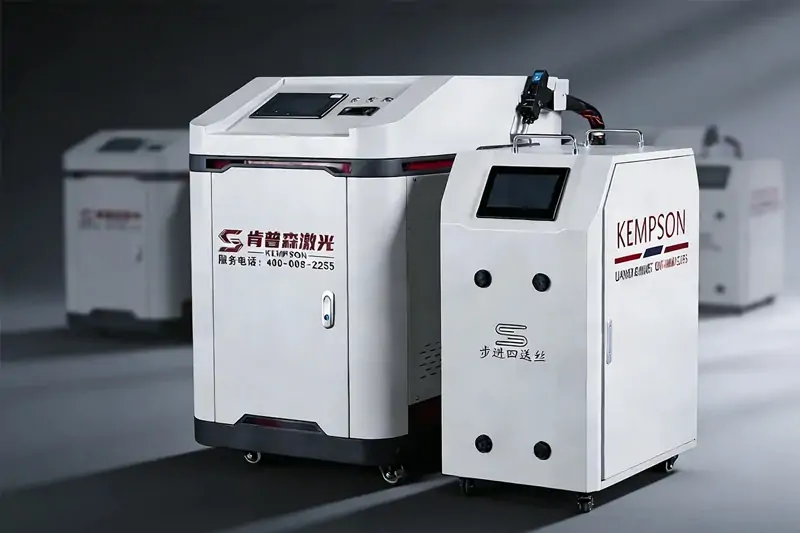
- Handheld Laser Welding Machines: These machines require the operator to manually guide the welding process. They are often more affordable due to their simpler design and fewer automation features.
- Automatic Laser Welding Machines: These machines perform welding tasks automatically with minimal human intervention. As a result, they tend to have higher prices, thanks to the automation technology that enhances productivity and precision.
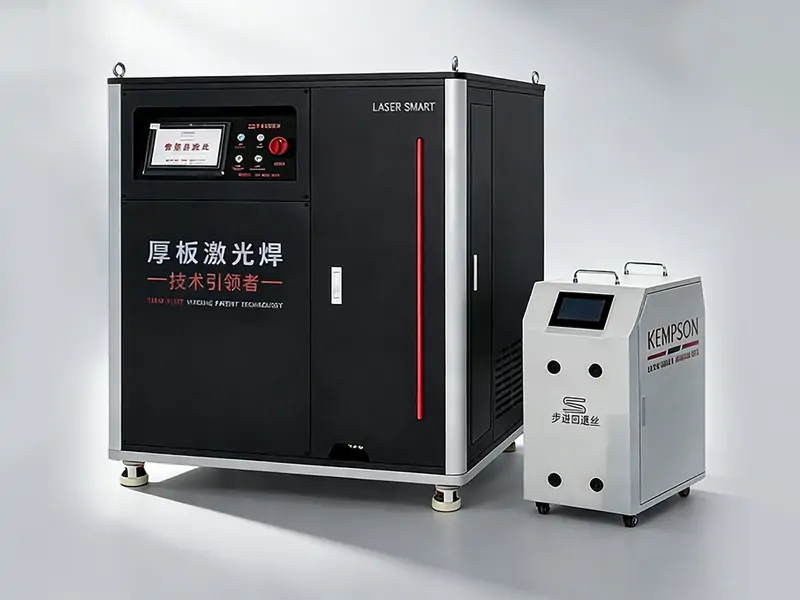
- Robotic Integrated Laser Welding Machines: These are the most advanced types, featuring robotic arms that allow for precise, automated welding with a high degree of flexibility. These machines are ideal for high-volume production lines but come with a premium price tag due to their complexity and capabilities.
Each machine type comes with its own set of benefits, and the choice of machine depends on production needs, complexity, and budget.
2. Laser Power: Impact of Different Power Levels on Pricing
The laser power of a welding machine significantly influences its price. The laser power of a welding machine directly impacts its cost; higher power (measured in watts or kilowatts) translates to greater welding capability and speed.
- Common power ratings: 1000W, 1500W, 2000W, 3000W, and 4000W+.
- Impact on price: Each doubling of power increases the price by 15%–35%.
- For example: Upgrading a 1500W system to 2000W typically increases total cost by approximately 15%–25%. Upgrading from 2000W to 3000W can raise costs by 25%–40%.
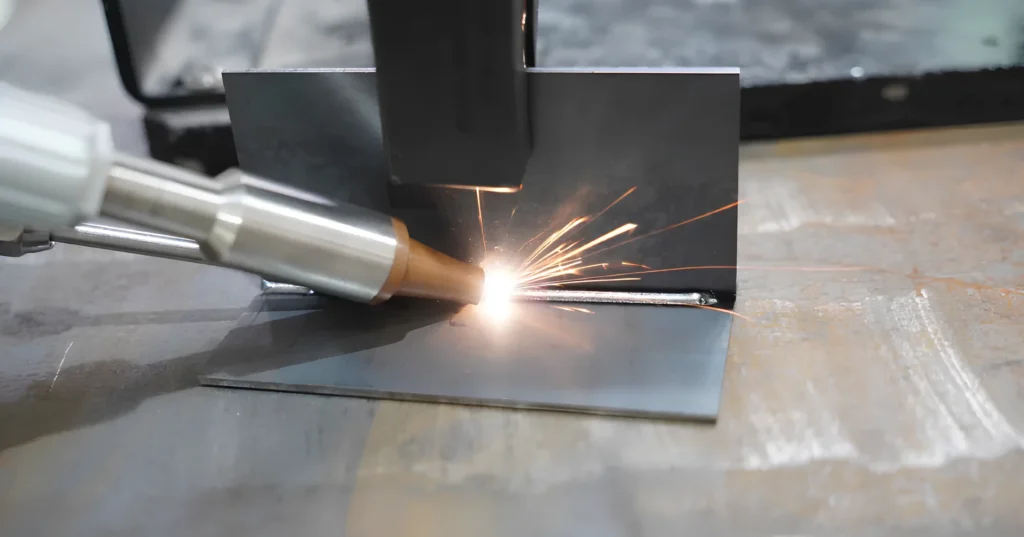
3. Brand & Configuration
- Premium brands may command prices 10% to 25% higher than lesser-known manufacturers, while high-precision systems can cost 20% to 40% more than standard models.
- Cooling system cost variations: Air-cooled < Water-cooled (20%-30% higher than air-cooled) < Integrated inert gas systems.
- Wire feeding system variations: Single-wire feeding systems are lower cost, while dual-wire or multi-wire feeding systems typically increase costs by 10%–20%.
- The laser source itself generally accounts for 30%–50% of the total machine cost. Price differences between brands and configurations can reach 20%–40%, requiring attention to warranty duration and coverage.
4. Technology and Features: How Additional Capabilities Affect Pricing
Modern laser welding machines incorporate various advanced technologies and features that influence their cost. Key technologies potentially impacting expenses include:
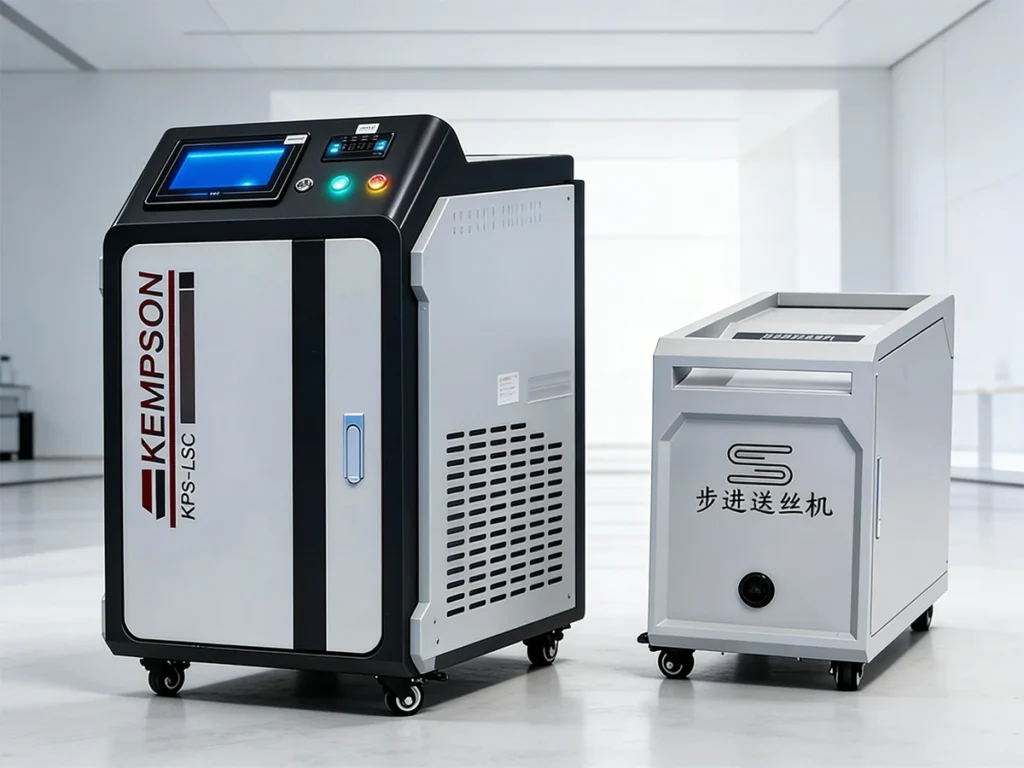
Cooling Systems: Machines equipped with advanced cooling systems (such as water-cooling) enable prolonged welding operations without overheating. While these systems increase costs, they are suitable for high-volume production and extend machine lifespan.
Control Systems: Higher-priced machines typically feature advanced control systems that precisely adjust welding parameters (e.g., speed, power, and focus). These systems enhance machine versatility and ease of use.
Laser Source: The quality and type of laser source—such as fiber lasers or CO₂ lasers—significantly impact cost. Fiber lasers are renowned for their efficiency, high precision, and lower maintenance costs, though they are generally more expensive than CO₂ lasers.
Additional features like auto-focus adjustment, multi-axis capabilities, and real-time monitoring systems also contribute to the machine’s overall coast.
5. Customization Requirements
- Pricing is primarily determined by specific application scenarios and material properties, with high upfront costs for design, testing, and debugging.
- Welding processes for non-standard workpiece dimensions or complex structures, as well as special materials (highly reflective materials like aluminum alloys and stainless steel)
- Custom production lines integrated with existing production lines or robotic systems.
Total Cost of Laser Welding Machine
When evaluating the laser welding machine cost, we must also consider the total cost of ownership, not just the purchase price.
Equipment Operating Expenses
Daily Operating Costs: Electricity, shielding gas, and routine consumables.
- Example: For a 1000W fiber laser welding system, the total operating power is typically 2–3 kW. Electricity costs approximately $1.5–$3 USD per hour. Operating 2000 hours annually, the corresponding electricity cost is about $3,000–$6,000 USD.
- Shielding gas (e.g., argon or nitrogen) costs vary by process and consumption, typically ranging from $500–$2,000 USD annually.
- Wear parts like nozzles and protective lenses require periodic replacement, with annual consumables costing approximately $1,000–$5,000 USD.
Maintenance and Spare Parts Costs
- Based on our experience, to maintain welding stability and optical performance, we recommend allocating an annual maintenance budget of 2%–5% of the equipment’s value.
- For example, for a $50,000 piece of equipment, annual maintenance expenses would be approximately $1,000–$2,500 USD, primarily covering optical cleaning, calibration, and critical component inspections.
Training and Labor Costs
- Laser welding machines are simple to operate and easy to learn. Initial training costs for operators range from $1,000 to $3,000 USD per person.
- Advanced training for technicians: $3,000 to $5,000 USD per person. Labor costs must be factored into long-term assessments.
Depreciation and Residual Value
- The annual depreciation rate for a laser welding machine typically ranges from 15% to 20%.
- Example: A $100,000 machine retains a residual value of approximately $40,000–$50,000 USD after five years, subject to maintenance condition and market trends.
When evaluating laser welding machine prices, it’s essential to conduct a comprehensive analysis of total cost of ownership, considering factors such as operational expenses, maintenance, training, and depreciation to assess long-term investment returns. Selecting welding equipment involves weighing multiple aspects—so what key factors should businesses prioritize during the purchasing process?
Laser Welding Machine Price List
| Equipment Type | Power | Price Range (USD) |
|---|---|---|
| Air-Cooled Integrated Laser Welding Machine | 1500W/2000W | $3,599 – $4,799 |
| Water-Cooled 1500W Laser Welding Machine | 1500W | $4,299 – $6,099 |
| Water-Cooled 2000W Laser Welding Machine | 2000W | $7,399 – $9,799 |
| Water-Cooled 3000W Laser Welding Machine | 3000W | $12,399 – $16,799 |
| Water-Cooled 4000W Laser Welding Machine | 4000W | $15,999 – $21,099 |
| Air Welding 1500W Laser Welding Machine | 1500W | $10,599 – $13,699 |
| Air Welding 2000W Laser Welding Machine | 2000W | $14,399 – $19,199 |
| Air Welding 3000W Laser Welding Machine | 3000W | $21,999 – $29,299 |
| Air Welding 4000W Laser Welding Machine | 4000W | $27,399 – $36,499 |
How to Choose the Right Laser Welding Machine?
When choosing a laser welding machine, we recommend that enterprises focus on the following key points:
Welding Materials and Plate Thickness Range: Material type and maximum weldable thickness influence laser power level selection. High-power equipment carries higher procurement costs but reduces unit welding time and per-part manufacturing expenses.
Production Cycle and Output Requirements: Handheld solutions suit small-batch or multi-variety production, while automated equipment is recommended for continuous, stable production lines to balance initial investment and long-term costs.
Automation Level and Labor Costs: Automated configurations increase equipment price but reduce reliance on skilled welders, helping control labor costs and quality fluctuations.
Core Configuration and Scalability: Differences in cooling systems, wire feeding mechanisms, and control system configurations impact equipment stability. Machines with upgrade potential facilitate long-term use.
Choosing a Reliable Laser Welding Machine Manufacturer: Suppliers with proven manufacturing experience, comprehensive technical support, and stable after-sales systems minimize risks of equipment downtime, maintenance, and hidden costs.
Making a rational selection is often more critical than solely pursuing low prices. When purchasing, we must holistically evaluate the long-term costs and return on investment of welding equipment to choose the laser welding system and supplier that best suits our needs.
Laser Welding Machine Manufacturer & Supplier
Kempson specializes in the R&D and manufacturing of laser welding equipment, offering a comprehensive product portfolio that includes handheld laser welders, automated laser welding systems, and various modular and customized solutions. Its products hold international certifications such as CE, ISO, and FDA, and the company holds over 30 patents.
Conclusion
By considering these factors, businesses can make more informed decisions when purchasing laser welding machines, balancing costs and benefits effectively. If you have any questions during the purchasing process, feel free to contact Kempson. We will provide you with competitive pricing and tailored solutions.
FAQ
How much does a laser welding machine cost?
The price of a laser welding machine varies significantly based on power and configuration. Handheld laser welders (1000W-4000W) typically range from $2,857 to $11,429. Industrial automated systems can cost much more depending on complexity.
What factors influence the price of a laser welding machine?
Key factors include laser power (higher power increases cost), cooling system (air-cooled vs water-cooled), automation features, and the type of laser source used (fiber lasers being the industrial standard).”
Is a laser welding machine a good investment for small businesses?
Yes. While the initial investment is higher than traditional welding, the long-term ROI is high due to faster processing speeds, lower labor costs (one laser welder can replace 3-5 manual welders), and reduced post-processing requirements.