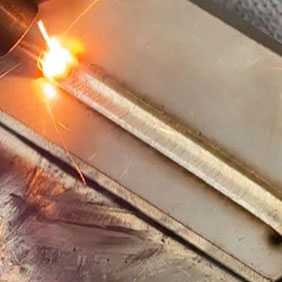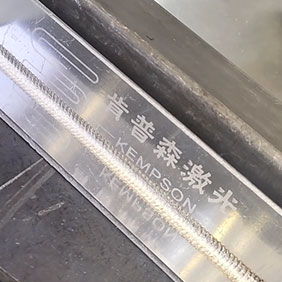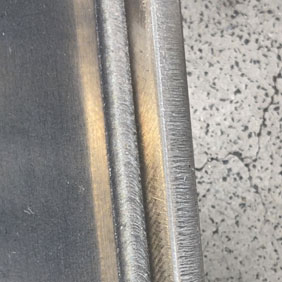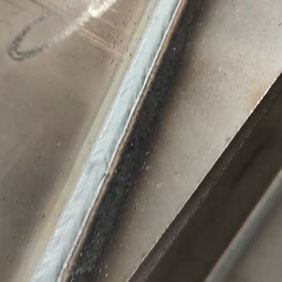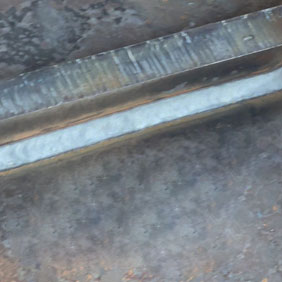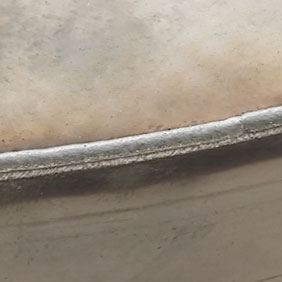
In the industrial machinery manufacturing and components sector, manufacturers face diverse part designs, frequent changes, and stringent quality requirements while needing to control production costs and delivery cycles. Small-batch production and varied specifications demand fast, flexible welding solutions that avoid lengthy setup or changeover times.
Traditional welding methods rely heavily on skilled operators, making consistent weld quality difficult to guarantee. They also require extensive pre- and post-processing, which reduces production efficiency and increases rework rates. To address these challenges, Kempson offers flexible and efficient laser welding solutions that enable quick changeovers, consistent quality, and minimal manual intervention, thereby enhancing production efficiency.
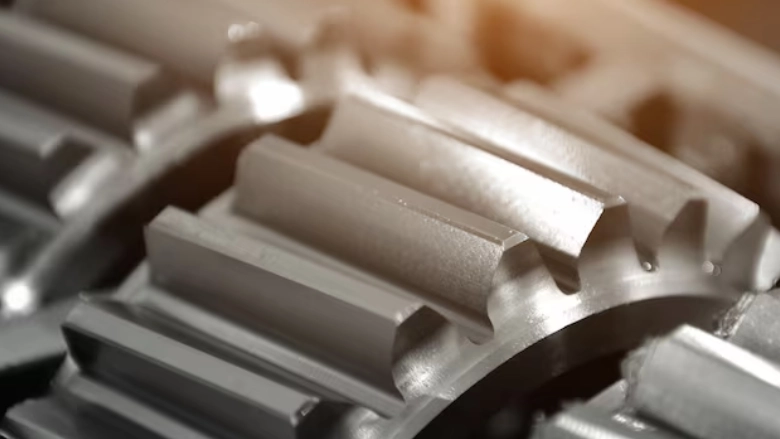
In the fields of industrial machinery manufacturing and component processing, production processes are often constrained by multiple factors including structural complexity, process coordination, and production line efficiency. Key industry challenges and issues include:
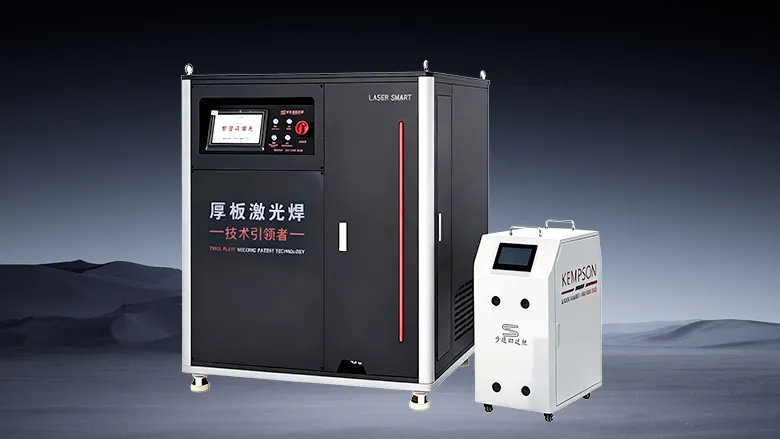
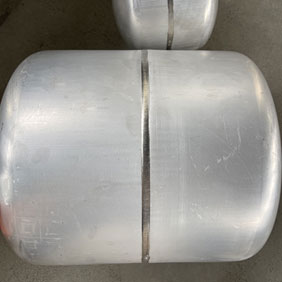
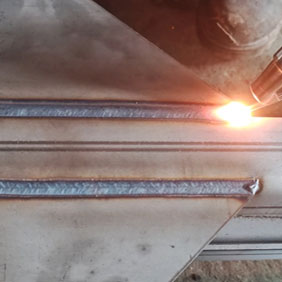
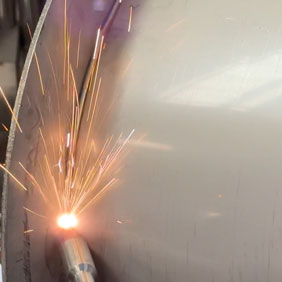
Enables efficient welding of metal plates 0.5–12mm thick without external gas supply, minimal spatter, reduced grinding, low consumables, and wide weld beads with negligible spatter. Compared to water-cooled welding, it features simpler structure and lower investment/maintenance costs.
Core Advantages:
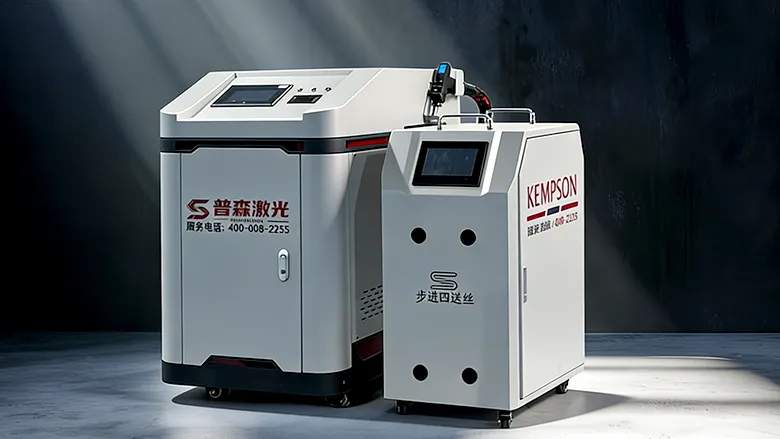
Water-cooled system designed for high-load environments, enabling prolonged continuous stable welding and high-width weld output (up to 8mm). Ideal for mass production of heavy-duty structural components. Initial investment is slightly higher, but unit welding costs decrease under batch and high-load conditions.
Core Advantages:
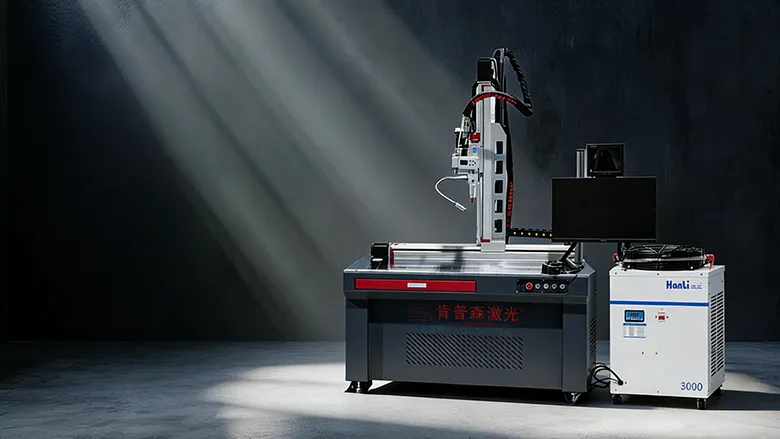
Ideal for automated production lines welding standardized components in small-to-medium batches, achieving one-pass weld formation with high consistency.
Core Advantages:
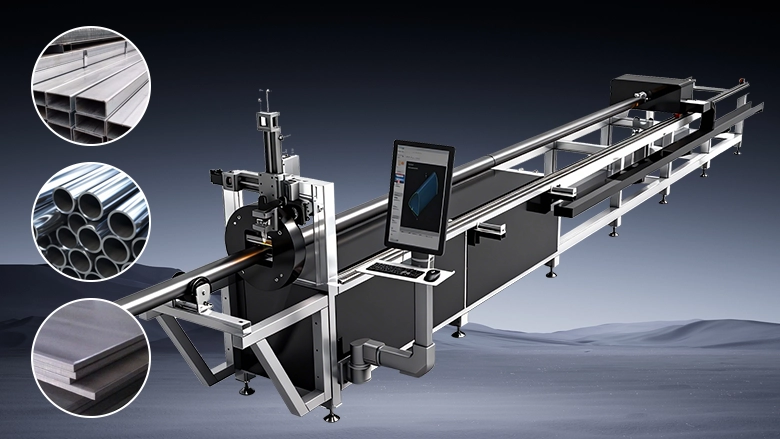
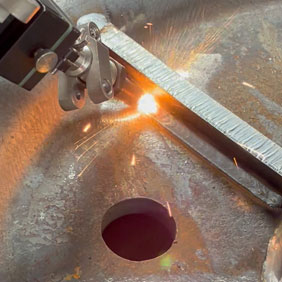
Delivers high precision and cutting efficiency for rapid blanking and precise positioning of mechanical frames and structural tubing. Minimal thermal deformation ensures higher yield rates. Eliminates extensive post-grinding and trimming, saving labor and time.
Core Advantages:
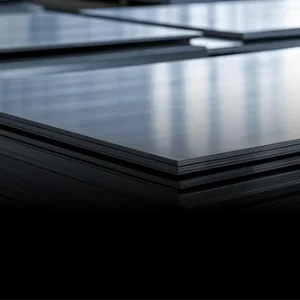
Carbon steel
3–12 mm
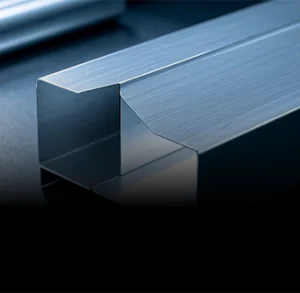
Stainless steel
2–10 mm
Aluminum alloy
2–8 mm