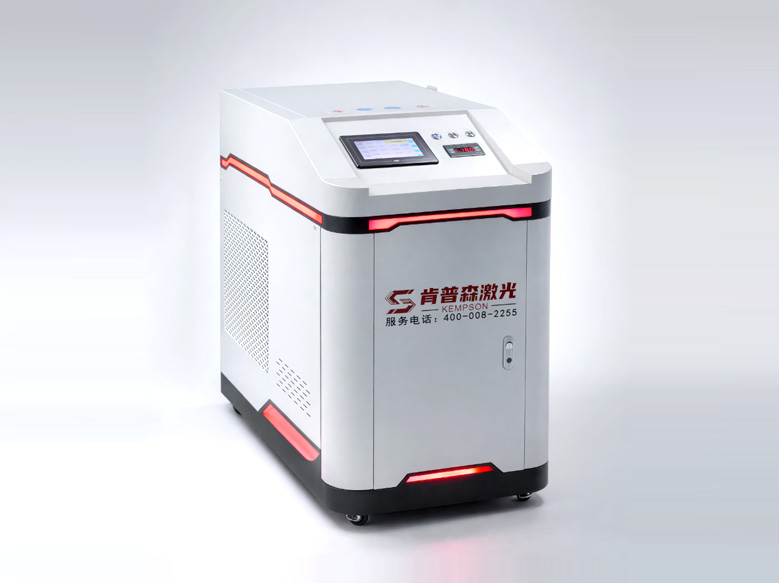
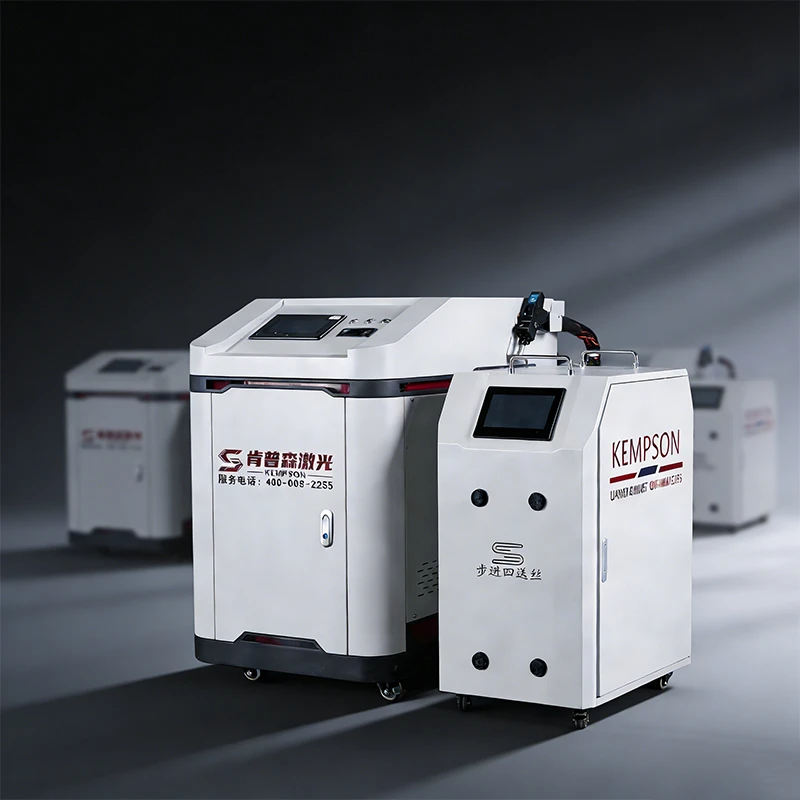
The laser cleaning machine for metal features a modular, versatile design, offering high-efficiency cleaning and a flexible user experience. It is an ideal choice for industrial applications such as rust removal from metal, paint stripping, degreasing, and oxide-layer treatment. The equipment supports both handheld and automated operation modes, enabling precise cleaning of complex structural areas to achieve highly efficient, non-destructive, and pollution-free results.
The product offers a variety of power and configuration options, including 1000W–2500W pulsed precision cleaning equipment and 2000W/3000W laser cleaning systems, covering all scenarios from fine cleaning to heavy-duty contamination removal. It is suitable for surface treatment of various metal materials with a thickness of 0.5mm or greater and supports a wide range of application environments, from small-batch operations to industrial-scale continuous production.
As a professional laser cleaning equipment manufacturer in China, Kempson specializes in the R&D and production of metal laser cleaners and provides OEM/ODM customization solutions. We support a wide range of power levels, structural configurations, and control systems, helping customers quickly identify the most suitable laser rust removal machine or handheld laser cleaner based on their specific operational conditions.
Click to inquire or contact us directly to receive free cleaning test samples, personalized equipment selection plans, and detailed product quotes.
A laser cleaning machine for metal, also known as a laser rust removal machine, is a highly efficient and environmentally friendly laser surface cleaning system designed specifically to remove rust, oil, coatings, and oxide layers from metal surfaces. Unlike traditional sandblasting or chemical cleaning, this equipment achieves non-contact cleaning using a high-energy-density laser beam, requiring no consumables and causing no damage to the substrate, while offering higher cleaning precision and stability.
Unlike single-purpose cleaning solutions, the system typically integrates a fiber laser, control system, and handheld cleaning head, supporting both portable operation and automated applications. It offers a variety of configurations ranging from pulsed to continuous-wave industrial laser cleaning systems, making it suitable for both precision cleaning and large-area, high-efficiency rust removal. For details, please refer to this article: What Is a Laser Cleaning Machine?
The laser cleaning machine for metal provides stable and efficient surface cleaning for a wide range of metal materials without damaging the substrate. It is suitable for common metals such as stainless steel, carbon steel, aluminum, copper, and various alloys, effectively removing contaminants such as rust, oxide layers, oil stains, and coatings. The specific cleaning results depend on the equipment’s power, process parameters, and the type of metal; customers should select the appropriate cleaning equipment based on their actual production needs.
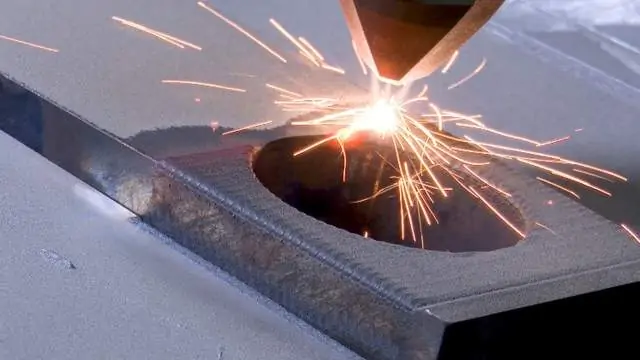
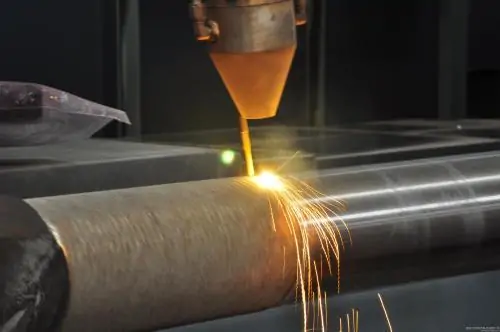
| Specification | General Range / Options |
|---|---|
| Laser Power | 50W – 3000W |
| Laser Type | Fiber Laser (Single-mode / Multi-mode) |
| Laser Source Lifetime | Up to 100,000 hours |
| Applicable Materials | Stainless Steel, Carbon Steel, Aluminum Alloy, Copper |
| Cleaning Types | Rust, Oil, Oxide Layer, Coating, Paint, Dust |
| Cleaning Efficiency | 1–1.8 ㎡/min |
| Scanning Speed | 12,000 – 30,000 mm/s |
| Cleaning Width | 0 – 300 mm (Adjustable) |
| Scanning Modes | Multiple scanning modes (9+ supported) |
| Fiber Length | 5m / 10m (Standard) / Customizable |
| Cooling System | Air Cooling / Water Cooling |
| Operation Mode | Continuous / Pulsed |
| Power Supply | AC 220V / 380V ±10%, 50/60Hz |
| Control System | Touchscreen Intelligent Control, Multi-language Support |
| Operation Method | Handheld / Automated |
| Machine Structure | Backpack / Trolley Case / Cabinet Type |
| Machine Weight | Approx. 7kg – 300kg |
The Metal Laser Cleaner uses high-energy lasers to perform non-contact cleaning, efficiently removing various metal contaminants without damaging the substrate. It simplifies process flows, reduces labor costs, and improves cleaning efficiency and environmental performance, making it suitable for a wide range of industrial metal surface treatments.
High-Efficiency Cleaning
The laser acts instantly on contaminants, rapidly removing rust, oil, and coatings. Cleaning efficiency is 3 to 5 times higher than that of traditional mechanical or chemical cleaning methods.
No Damage to Substrates
With no physical contact required, wear and tear are minimized. The laser primarily targets the contaminated layer, causing minimal thermal impact on the metal and preventing deformation or damage.
Eco-Friendly and Pollution-Free
No chemical agents are required, and there is no discharge of wastewater or waste liquids. Only solid dust is generated, which is easy to collect and dispose of. The system operates quietly and complies with environmental standards.
Versatile Design
Handheld and backpack-style models offer portability; suitcase-style models are suitable for checked baggage; and cabinet-style models provide stable, mass-production capabilities. These designs cover both outdoor and workshop operations, adapting to a wide range of scenarios.
Water-Cooling System
High-efficiency water cooling enables the equipment to operate continuously around the clock, ensuring 24/7 uptime and stable performance.
Intelligent Control System
Simple to operate with real-time visibility of operating parameters, enabling full-process monitoring to proactively mitigate the risk of malfunctions. Supports switching between eight languages, including Chinese, English, and Japanese, or customization for other language versions.
Low Operating Costs
The equipment is easy to disassemble and inspect, features a stable structural design, requires no consumables, is simple to maintain, and has a long service life, resulting in low long-term operating costs.
If you would like to learn more about the advantages or disadvantages of laser cleaning machines, please visit: Advantages and Disadvantages of Laser Cleaning Machines
Due to its high efficiency, non-destructive nature, and flexibility, the laser cleaning machine is widely used in various applications, including industrial production, on-site maintenance, and precision component processing. It can quickly remove rust, oxidation layers, oil stains, and coatings while preserving the substrate’s structure, thereby improving work efficiency and reducing labor costs.
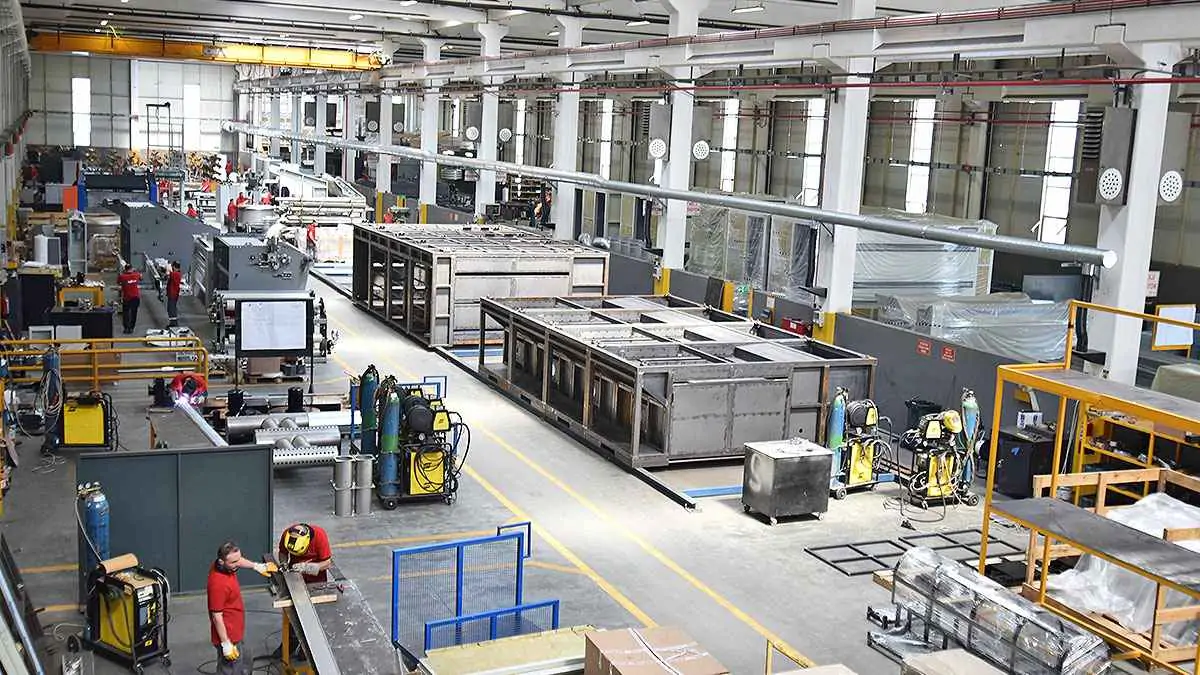
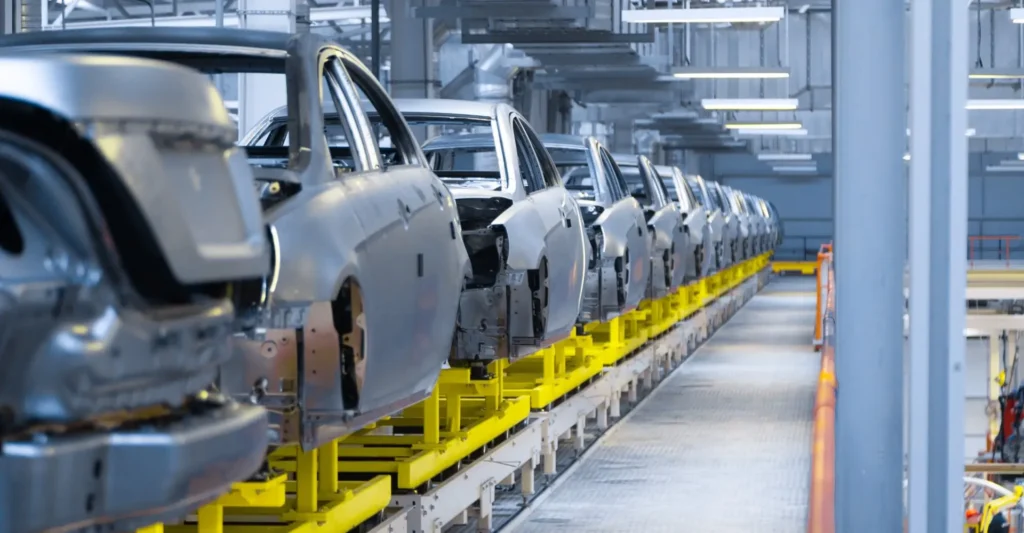
From the perspective of practical application and procurement decisions, the choice between a laser cleaning machine for metal and traditional cleaning methods (such as sandblasting or chemical cleaning) depends on environmental requirements, cleaning precision, the work environment, and long-term costs. Laser cleaning is suitable for scenarios requiring high standards, environmental compliance, and precision processing, while traditional methods are better suited for low-cost or less demanding applications.
| Selection Factor | Laser Cleaning Machine for Metal | Traditional Cleaning (Sandblasting / Chemical Cleaning) |
|---|---|---|
| Working Environment | Precision parts, complex structures, and metal surface treatment | Mostly fixed locations or dedicated cleaning areas |
| Cleaning Objects | Precision parts, complex structures, metal surface treatment | Large-scale rough cleaning, simple structured workpieces |
| Cleaning Effect | High precision, strong controllability | Lower precision, prone to residue or unevenness |
| Substrate Damage | Non-contact, no damage | Risk of wear or chemical corrosion |
| Environmental Friendliness | No chemical agents, zero pollution emissions | Wastewater, exhaust gas, or dust pollution |
| Cleaning Speed | High efficiency, suitable for continuous operation | Moderate, depends on labor or consumables |
| Operation Difficulty | Easy to learn, parameters controllable | On-site workshop, automated production line |
| Equipment Deployment | Depends on experience, operation is unstable | Complex preparation (sandblasting/chemicals) |
| Maintenance Cost | No consumables, simple maintenance | High consumable cost, frequent maintenance |
| Long-term Cost | Low (saves labor and consumables) | High (continuous consumables + labor) |
| Safety | Safe, no chemical hazards | Dust, corrosion, and pollution risks |
| Typical Applications | Heavy dirt, rough processing, large-area cleaning | Ready to use, flexible, and mobile |
To make the selection even clearer, you can evaluate your specific application against the following typical use cases and decision factors:
If your project prioritizes environmental compliance, cleaning precision, operational flexibility, or long-term cost control, choosing a laser cleaning machine for metal will deliver greater efficiency and more consistent cleaning results; however, for rough-processing applications that require low precision, high-volume production, and have budget constraints, traditional cleaning methods remain a cost-effective option.
Looking for more detailed specifications? Check our Handheld Laser Cleaning Machine solutions.
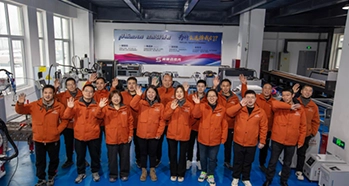
Kempson boasts an independent R&D team and a team of senior engineers, focusing on cutting-edge laser welding technology development and committed to providing high-performance and cost-effective customized solutions for various industrial applications.
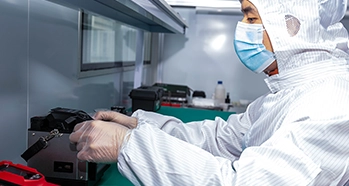
With 30+ patents, all machines are CE, ISO, and FDA certified. We offer a 3-year warranty, free sample welding tests, and lifetime after-sales support to ensure long-term reliability.
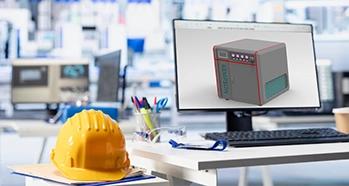
We support comprehensive OEM/ODM cooperation, providing personalized services such as system design, hardware and software integration, special accessory development, and brand logo customization, precisely tailored to different markets and application scenarios.
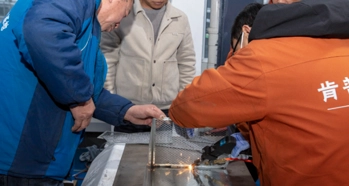
We offer free sample welding testing services: simply send us your materials or provide your process requirements, and we will perform welding tests, record process videos, and return the physical samples, providing you with objective and reliable purchasing information.
Yes. A handheld laser cleaning machine can efficiently remove paint, coatings, oil stains, and oxide layers from metal surfaces without damaging the base material.
The price of a laser cleaning machine depends on its power, laser type (continuous or pulsed), cooling configuration, and automation options. Our prices typically range from $6,186 to $12,615.
No. When properly configured, laser cleaning machines for metal use non-contact cleaning, targeting only the contaminated layer without affecting the substrate’s structure or performance.
Yes. Industrial laser cleaning systems can be integrated with robots or automated platforms to achieve continuous, efficient cleaning.
This primarily depends on the required cleaning precision, degree of contamination, and operational efficiency. Pulsed systems are better suited for precision cleaning and applications requiring high substrate protection, such as molds, thin sheets, or light rust removal. They offer finer energy control and a smaller heat-affected zone, enabling non-destructive cleaning.
Continuous systems are more suitable for heavy rust, thick coatings, and large-area applications, such as steel structures or industrial production line cleaning. They feature higher power and faster processing speeds, prioritizing efficiency and coverage.
Tell us your material, thickness, and application scenario.
Our engineers will recommend the most suitable portable laser cleaning solution for you.