Table of Contents
Introduction
Laser cleaning technology is rapidly becoming a preferred solution for industrial surface treatment. A laser cleaning machine uses a high-energy laser beam to remove contaminants such as rust, paint, oil, oxide layers, and coatings from metal and other materials without damaging the base surface. Compared with traditional cleaning methods like chemical cleaning, sandblasting, or mechanical grinding, laser cleaning offers significant advantages in precision, efficiency, and environmental safety.
Today, laser cleaning machines are widely used in industries such as automotive manufacturing, mold maintenance, shipbuilding, aerospace, and metal fabrication. Their ability to deliver contact-free, non-abrasive, and highly controllable cleaning makes them ideal for modern manufacturing environments where surface quality and sustainability are critical.
In this article, we will explain what a laser cleaning machine is, how it works, the key types of laser cleaning systems, and the main industrial applications and benefits, helping you determine whether laser cleaning is the right solution for your production needs.
What Is a Laser Cleaning Machine?
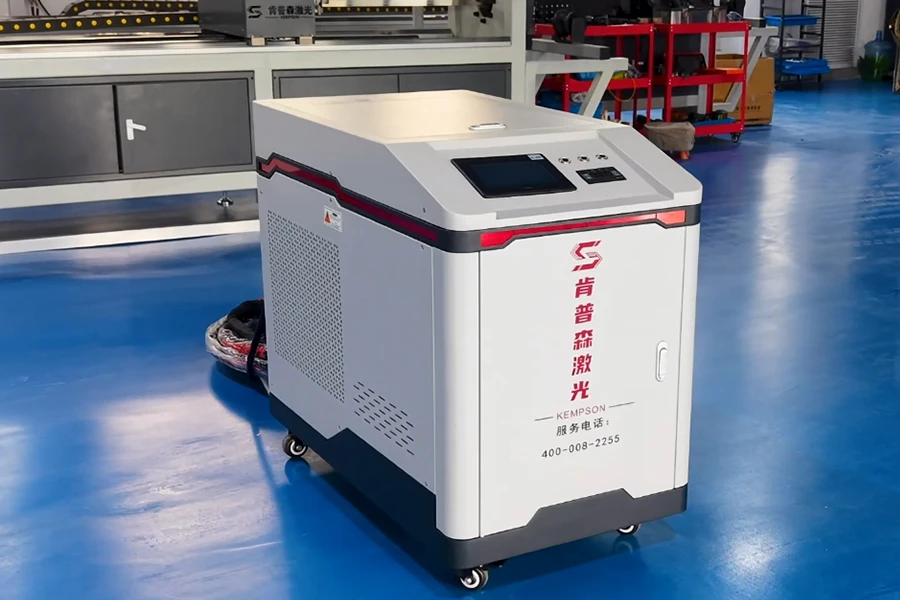
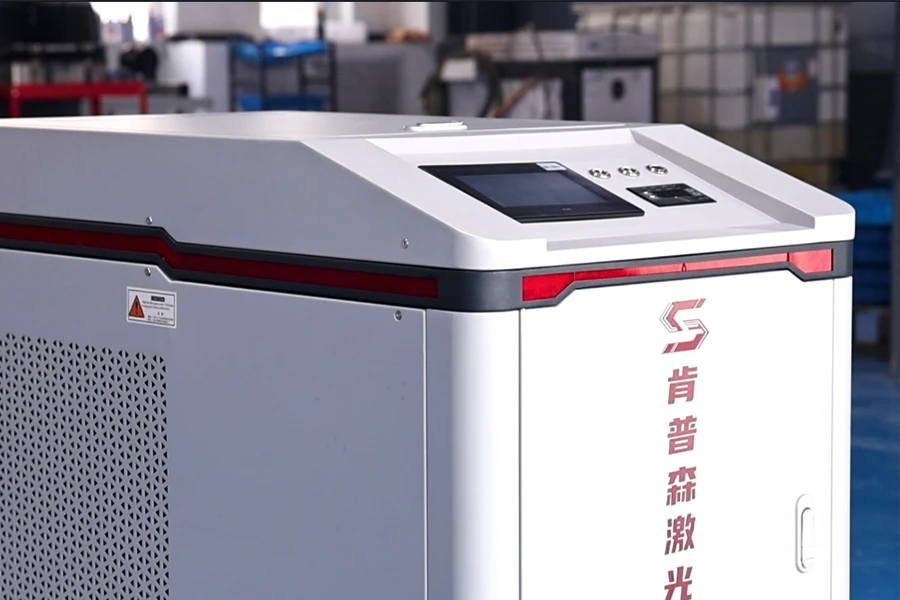
A laser cleaning machine is a surface treatment system that uses a focused laser beam to remove unwanted materials from metal surfaces without damaging the base material. It is mainly used for rust removal, paint stripping, oil removal, oxide layer cleaning, and surface preparation before welding, coating, or further processing.
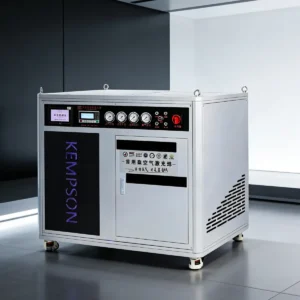
Kempson laser cleaning equipment applies high-energy laser pulses to break the bond between contaminants and the substrate, allowing rust, paint, oil, and oxide layers to be removed through vaporization or separation. It is widely used in automotive manufacturing, aerospace, shipbuilding, electronics, and metal fabrication for precision surface cleaning and industrial maintenance.
How Does a Laser Cleaning Machine Work?
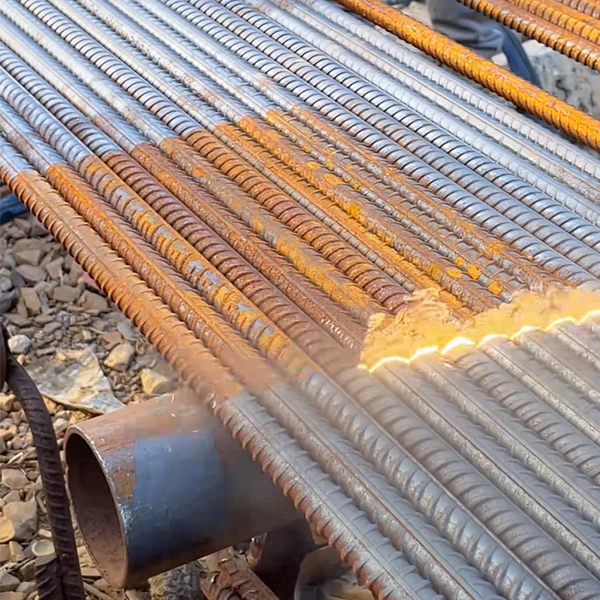
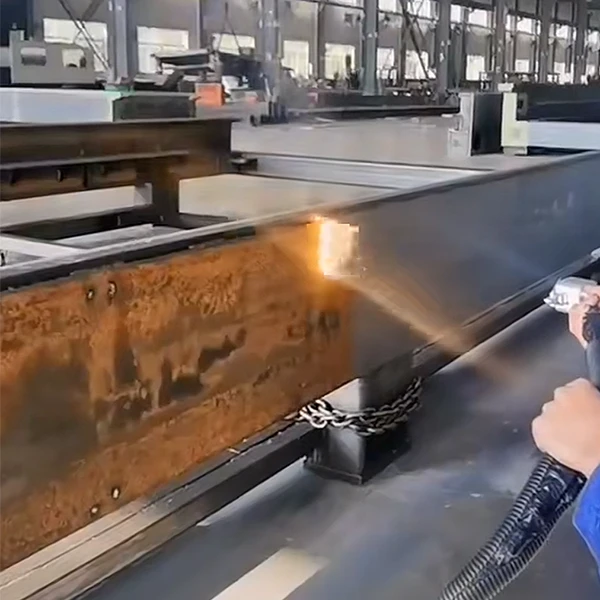
A fiber laser cleaning machine removes surface contaminants by using a focused laser beam. The cleaning process relies on the difference in energy absorption between the contaminant layer and the base material.
- Laser Energy: The laser generates high-energy pulses and directs them onto the contaminated surface.
- Contaminants Absorb Energy: Rust, paint, oil, and oxide layers absorb the laser energy faster than the metal substrate.
- Expansion and Vaporization: The absorbed energy causes rapid heating, expansion, or vaporization of the contaminants, separating them from the surface.
- Surface Cleaning: The removed particles are detached from the substrate, leaving a clean metal surface without mechanical contact or surface damage.
For details on how it works, see the article: How Does a Laser Cleaning Machine Work?
Depending on the application and power, laser cleaning can be performed using either pulsed or continuous-wave methods; however, there are significant differences between the two. For more details, see: Pulsed Laser Cleaning Machine vs. Continuous Laser Cleaning Machine: Differences and Selection Guide
Parts
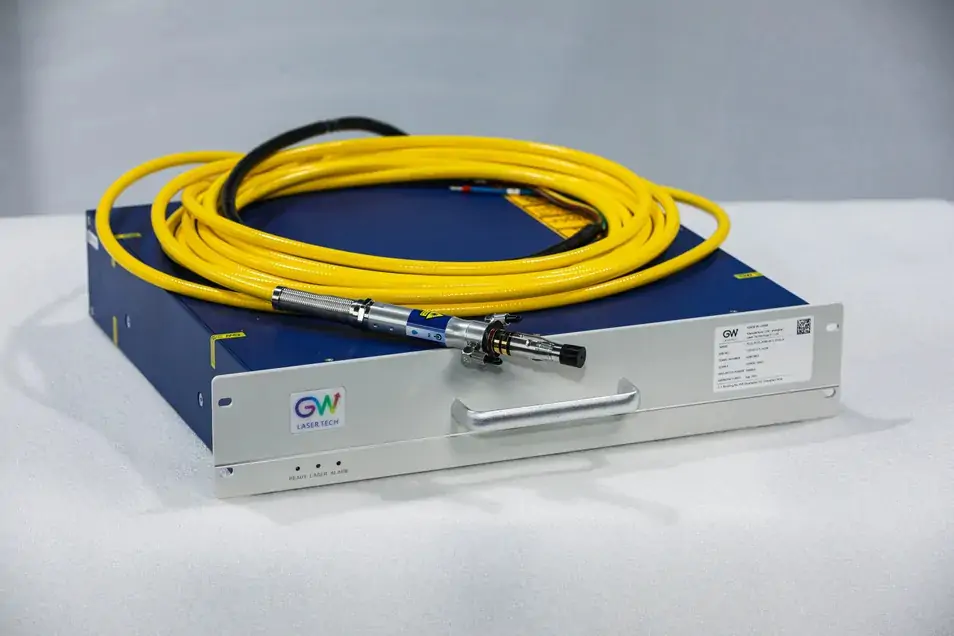
A laser cleaning machine is composed of several critical components, including a laser source, a cleaning head, control system, which focuses and guides the laser beam onto the workpiece surface for precise cleaning. cooling system, and safety protection mechanisms. They work together to deliver precise, efficient, and safe surface cleaning.
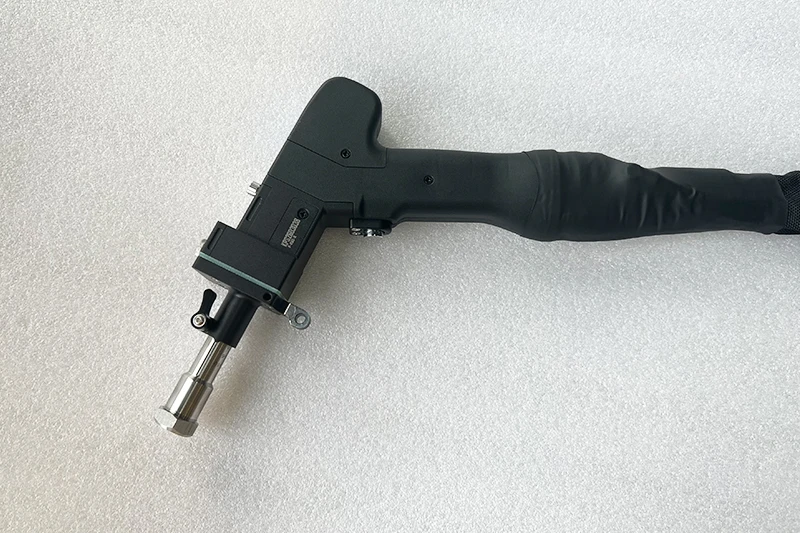
Laser Cleaning Head
Focuses and guides the laser beam onto the workpiece surface for precise cleaning.
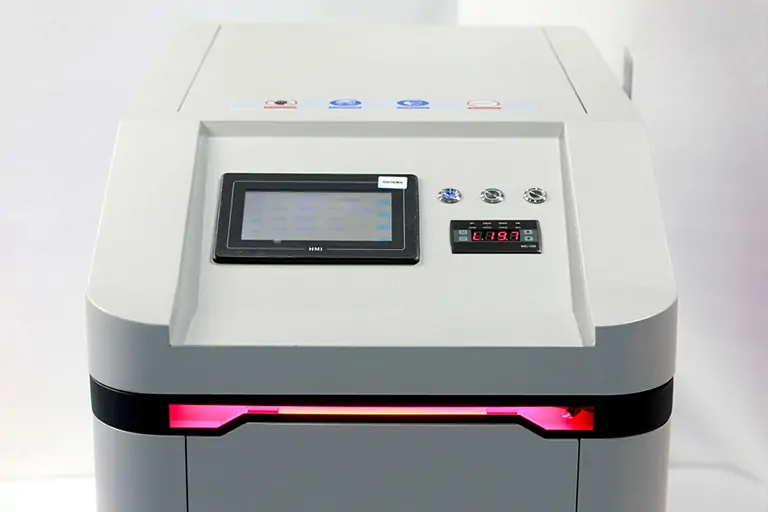
Control System
Controls laser parameters, scanning paths, and machine operation.
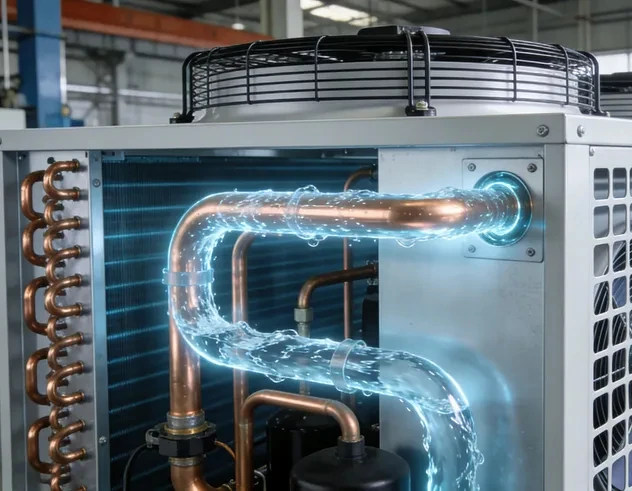
Cooling System
Maintains a stable temperature during continuous machine operation.
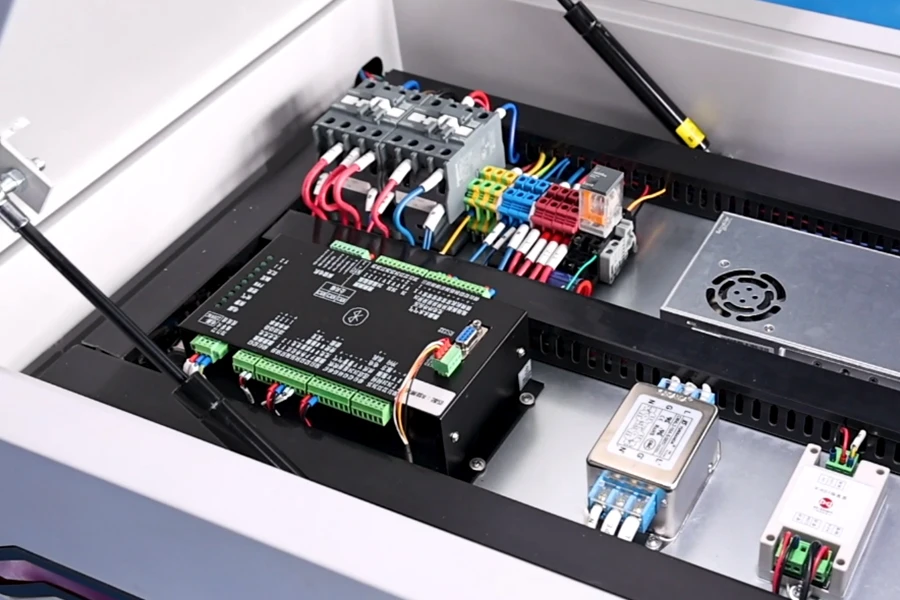
Safety Protection System
Uses protective devices and sensors to reduce laser exposure risks during operation.
Types of Laser Cleaning Machines
Laser cleaning machines are available in different configurations based on cleaning precision, operating environment, and contamination level. Kempson provides handheld, pulsed, continuous-wave, and multifunction laser cleaning solutions for rust removal, paint stripping, oxide cleaning, and industrial surface treatment.
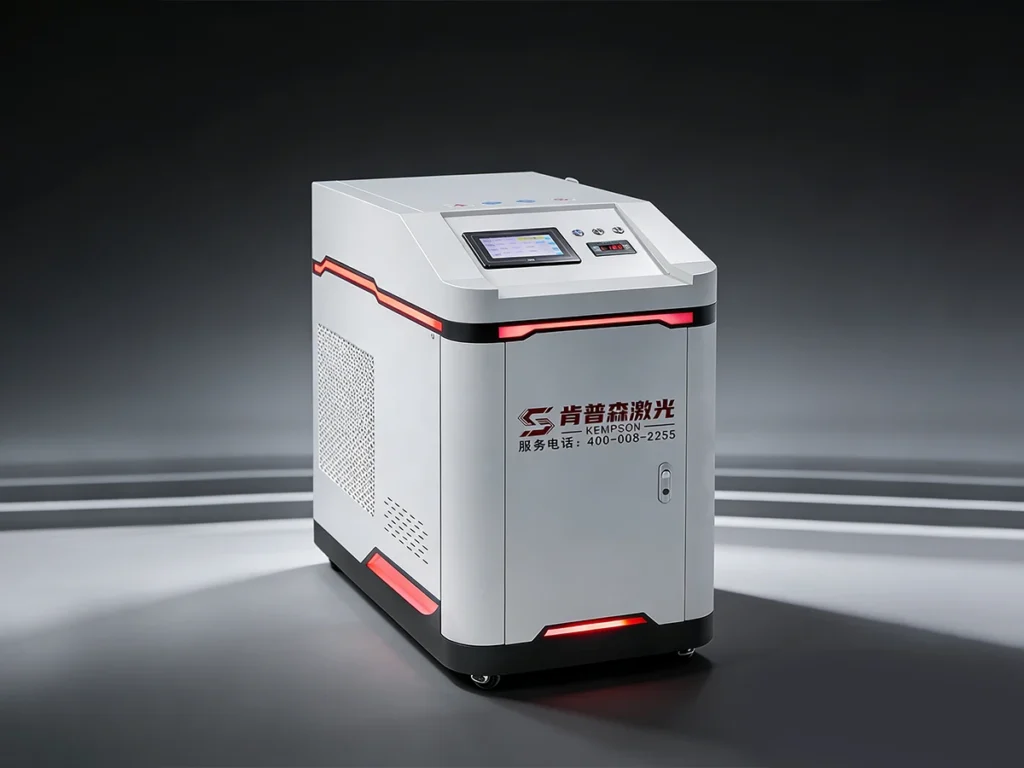
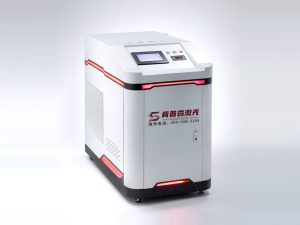
Continuous-Wave Handheld Laser Cleaning Machine (2000W–3000W)
Designed for large-area industrial cleaning, this type uses continuous laser output for fast removal of heavy rust, coatings, and surface contaminants. It is suitable for ship maintenance, steel structures, automotive molds, and metal fabrication.
- Laser Power: 2000W / 3000W
- Cleaning Width: 50–300 mm
- Cleaning Speed: 1.2 m²/min
- Cooling System: Water Cooling
Laser Welding & Cleaning Machine (4000W)
This multifunction system combines laser cleaning and welding functions in one machine. It is used for pre-welding surface cleaning, rust removal, and metal fabrication applications where both processes are required.
- Laser Power:4000W
- Cleaning Width: 50–300 mm
- Operation Mode: Handheld
- Cooling System: Water Cooling
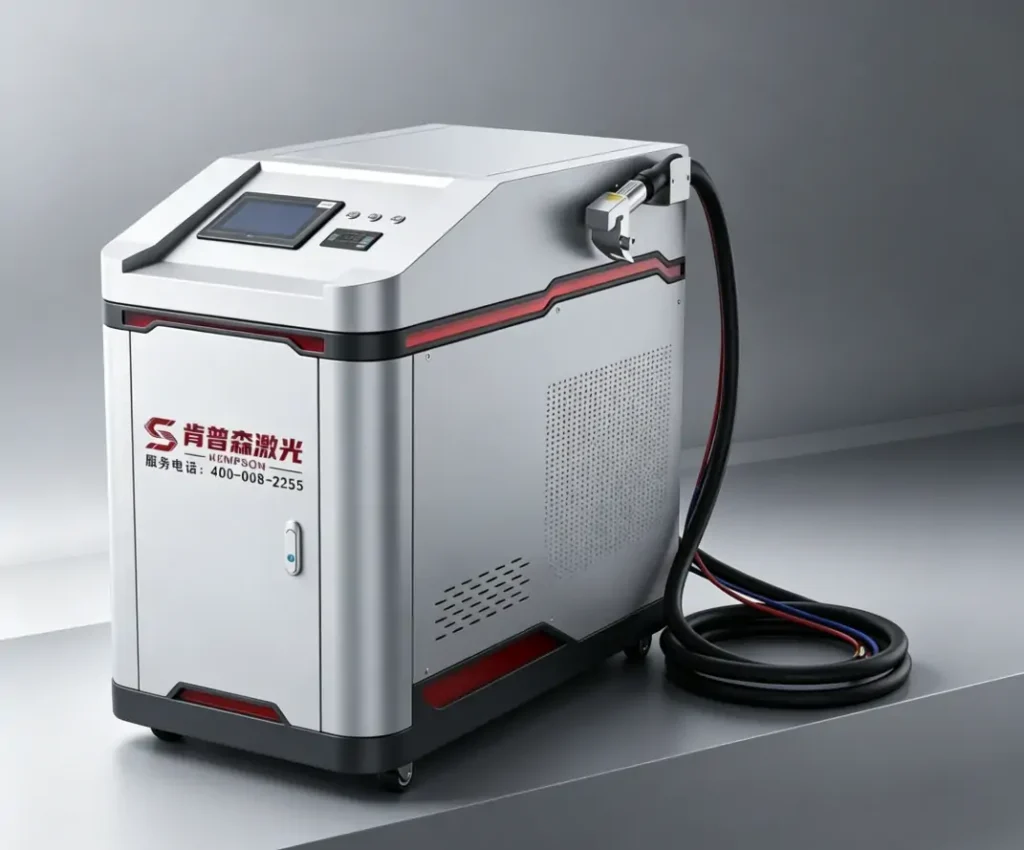
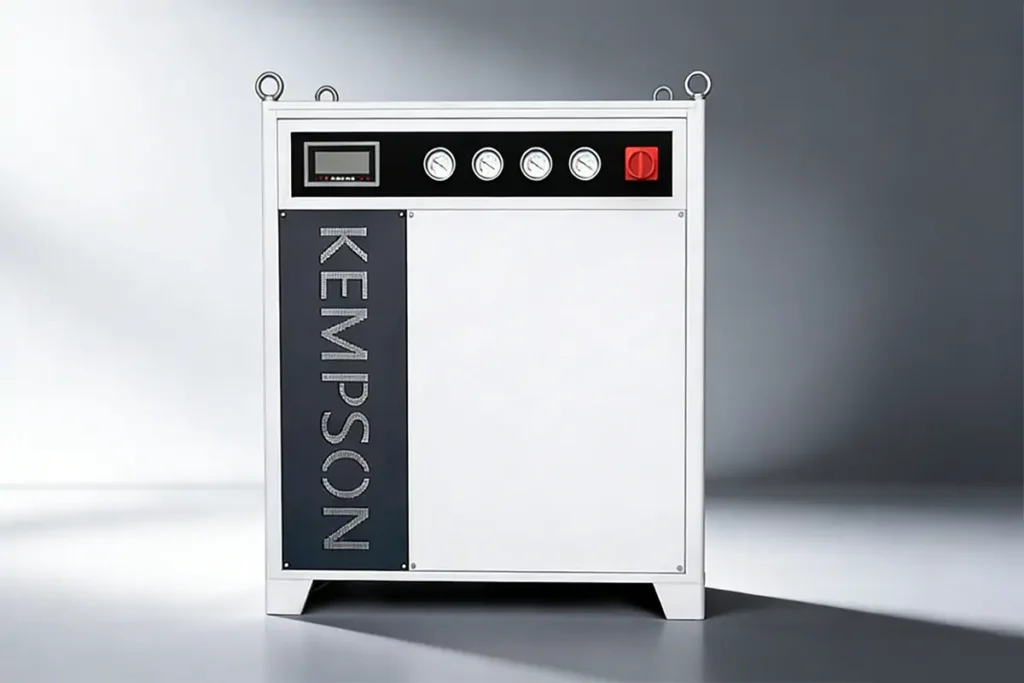
3-in-1 Laser Welding Cleaning Cutting Machine (1500W–3000W)
This system integrates laser welding, cleaning, and cutting functions for workshops requiring multiple metal processing operations in one machine.
- Laser Power: 1500W / 2000W / 3000W
- Functions: Welding / Cleaning / Cutting
- Welding Thickness: 0.5–10 mm
- Weld Bead Width: 1.5–8 mm
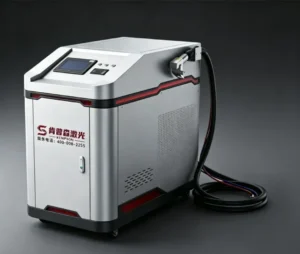
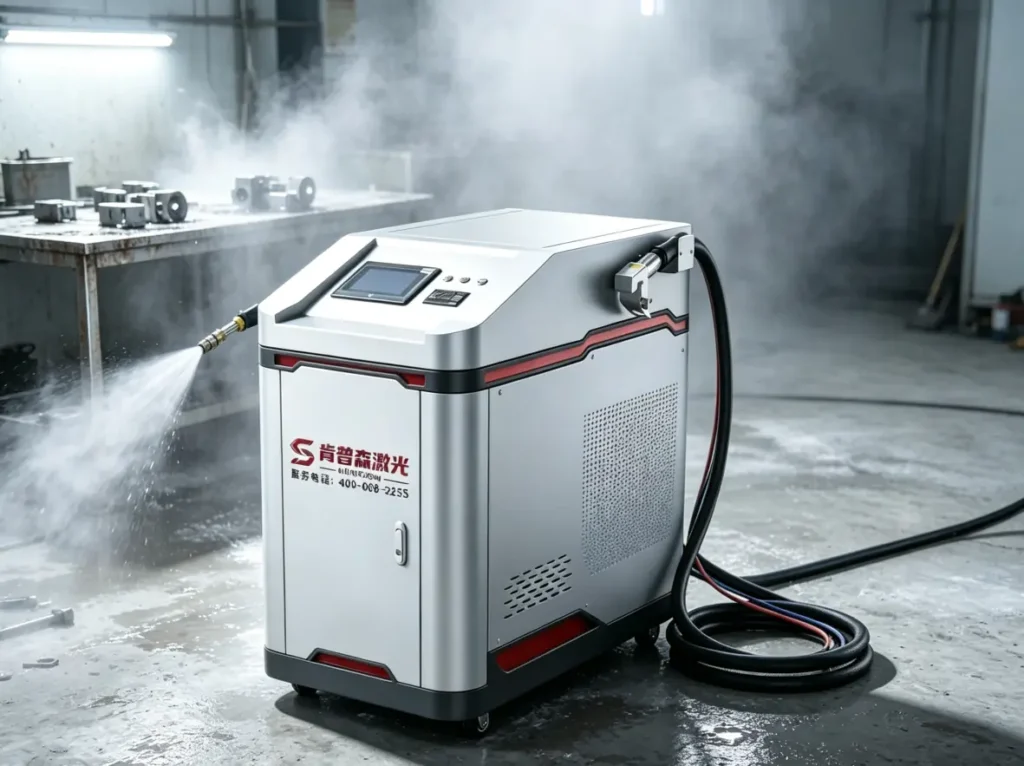
Portable Laser Rust Removal Machine
This high-power laser rust removal machine is designed for large-area metal cleaning, removing rust, paint, oil, and oxide layers from steel structures, ships, and industrial equipment. The handheld system supports flexible operation with water cooling for continuous industrial use.
- Laser Power: 2000W / 3000W / 4000W
- Cleaning Speed: 1.2-1.8㎡/min
- Cleaning Width: 50-300 mm
- Cooling System: Water Cooling
What Materials Can Laser Cleaning Machines Clean?
Kempson laser cleaning machine is highly versatile and can clean a wide range of materials without causing damage to the base surface. Using precise, non-contact laser pulses, it efficiently removes rust, paint, oil, oxide layers, and other contaminants from metals and molds, making it ideal for industrial maintenance and surface preparation.
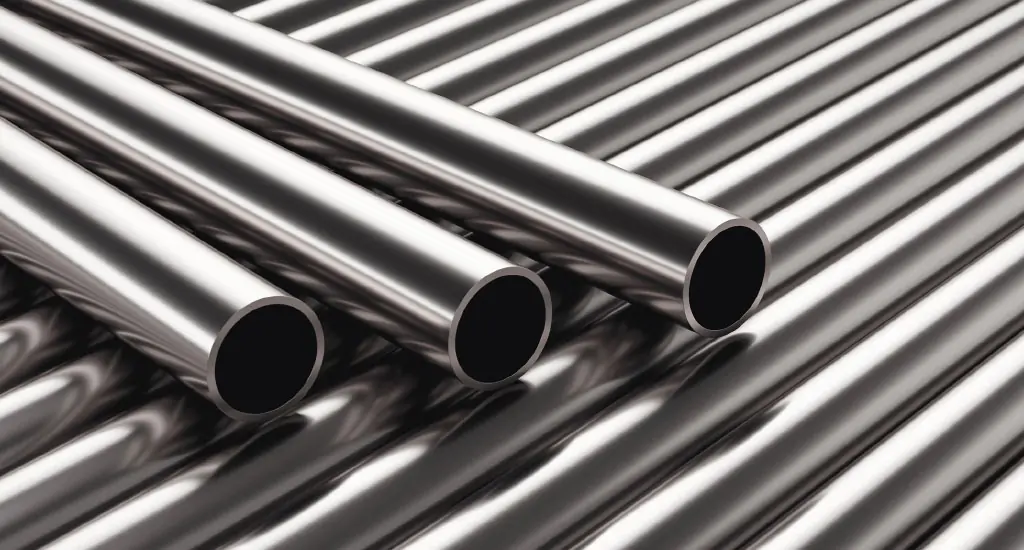
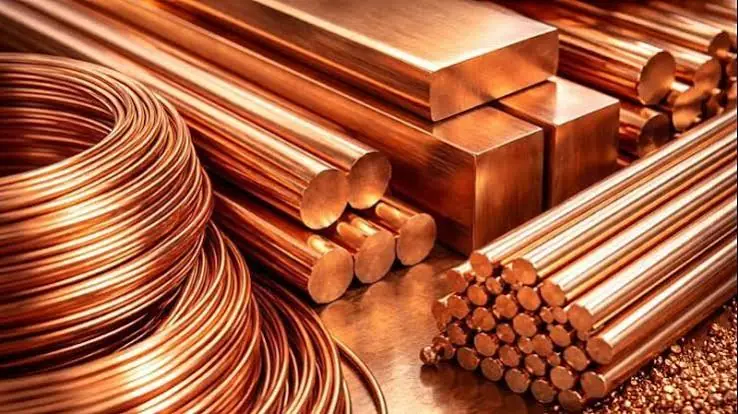
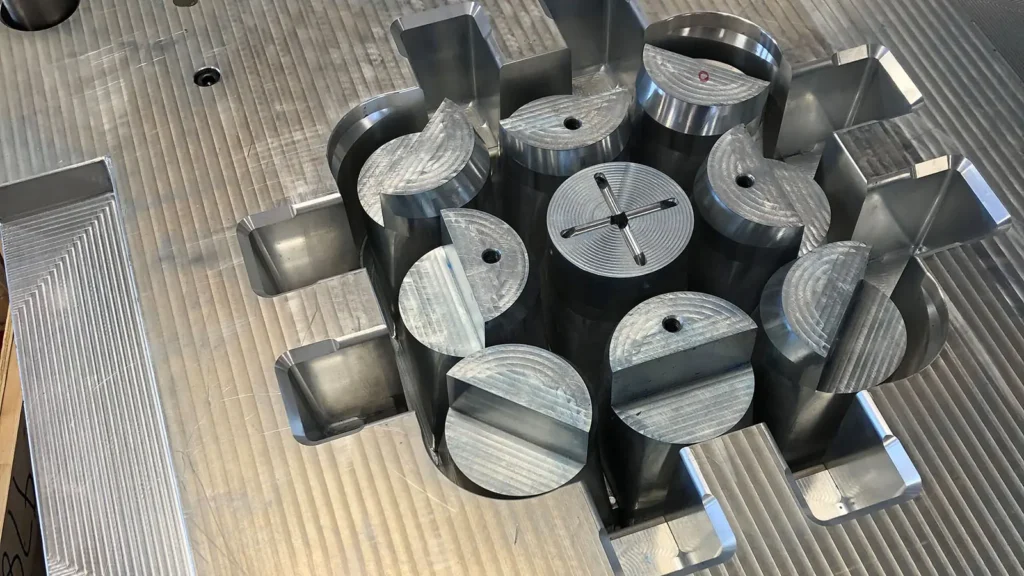
- Stainless Steel – Removes rust, scale, and paint coatings while preserving the polished surface.
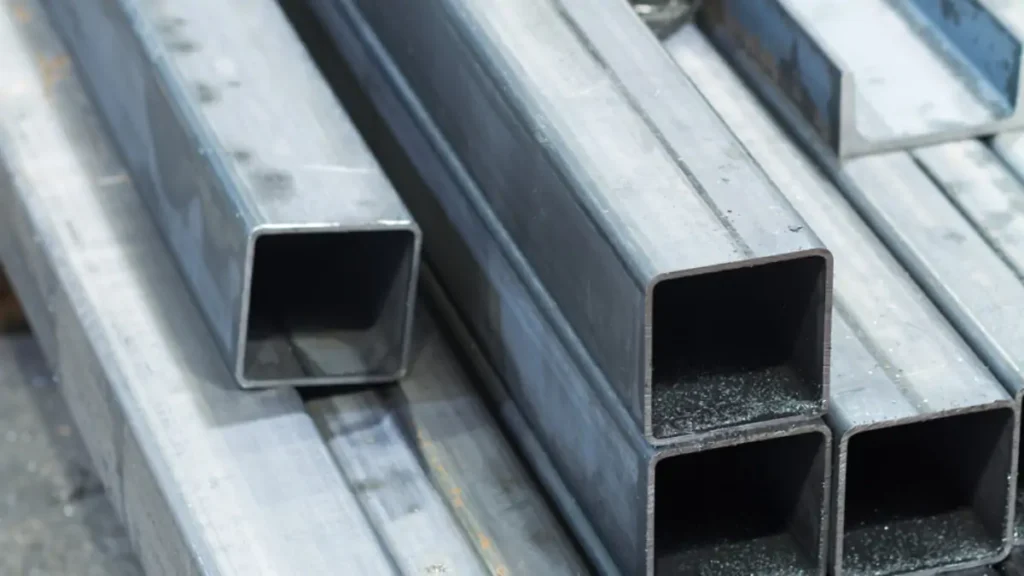
- Carbon Steel – Efficiently eliminates rust, mill scale, and oil residues for industrial processing.
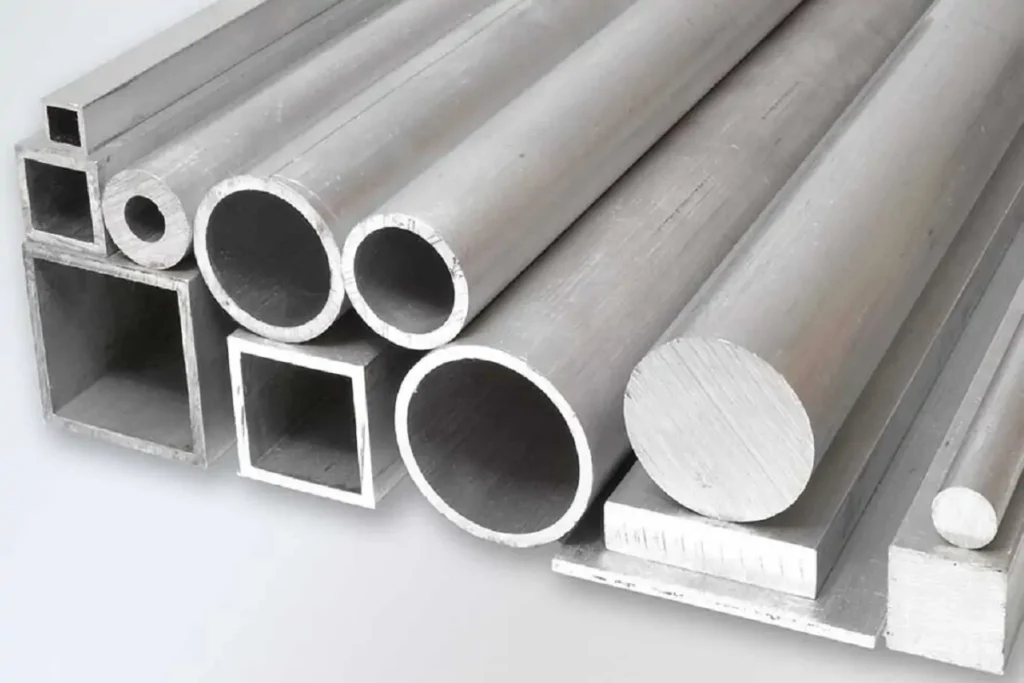
- Aluminum – Cleans oxidation layers and surface coatings without deforming the soft metal.
- Copper – Removes oxide and discoloration layers, preparing the surface for plating or finishing.
- Molds – Cleans plastic, rubber, or metal molds from residue, improving mold life and production quality.
For more detailed information on suitable materials, please refer to the article: “What Materials Can Be Laser Cleaned? A Complete Guide to Laser Cleaning Materials”
Applications
Laser cleaning machines are used for removing rust, paint, oil, oxide layers, and surface contaminants from different materials. The non-contact cleaning process is suitable for industries that require surface preparation, maintenance, and precision cleaning without damaging the base material.
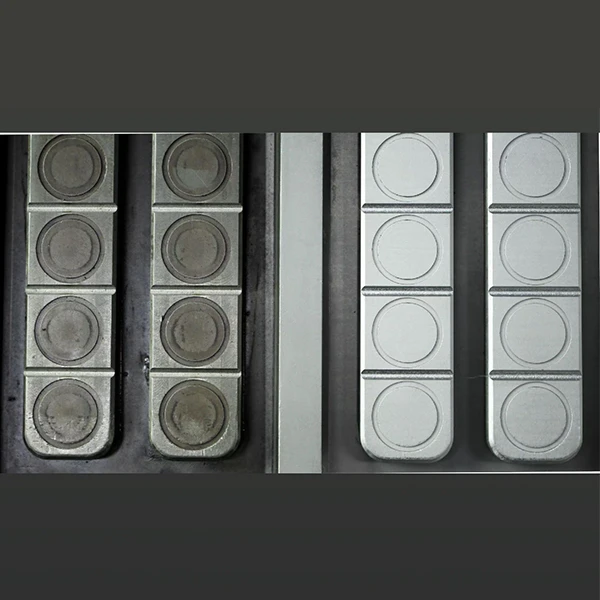
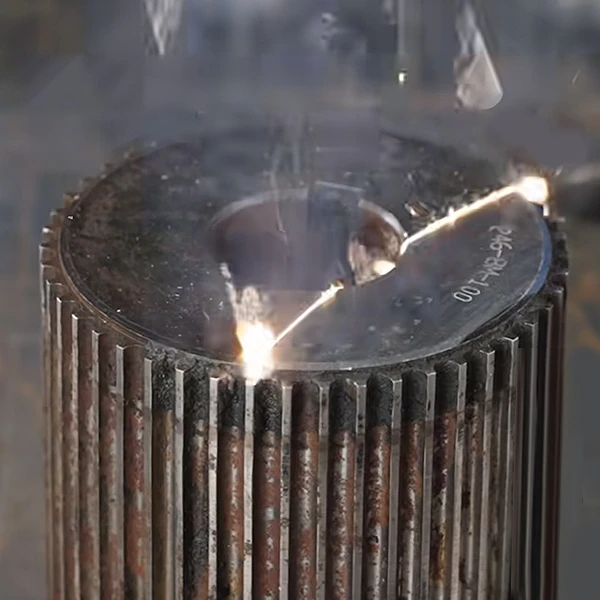
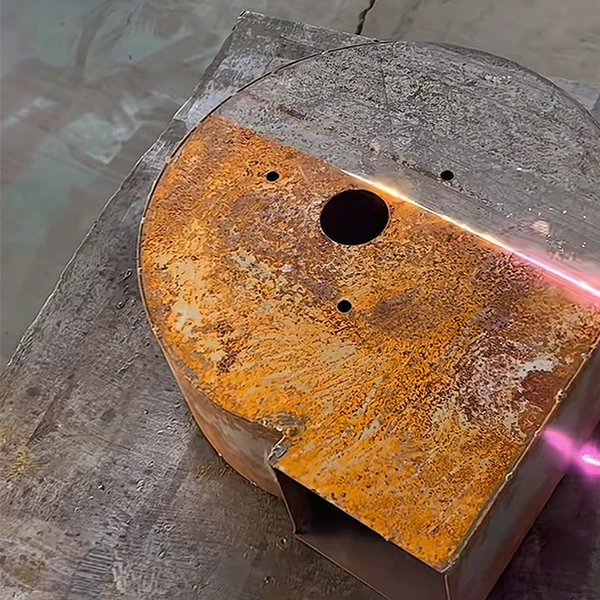
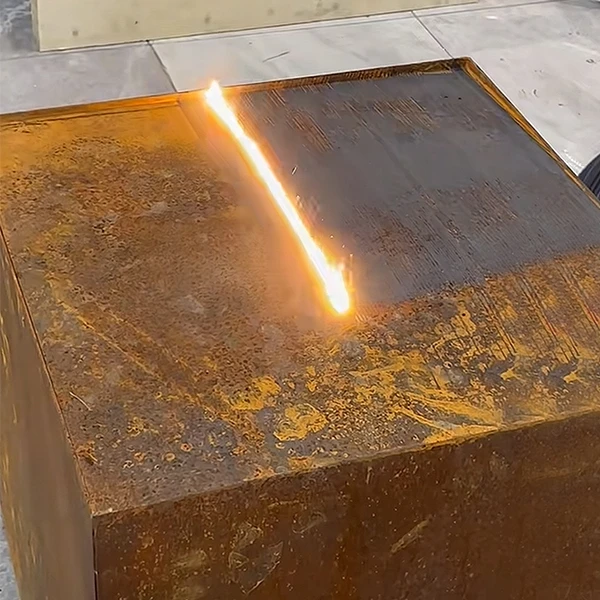
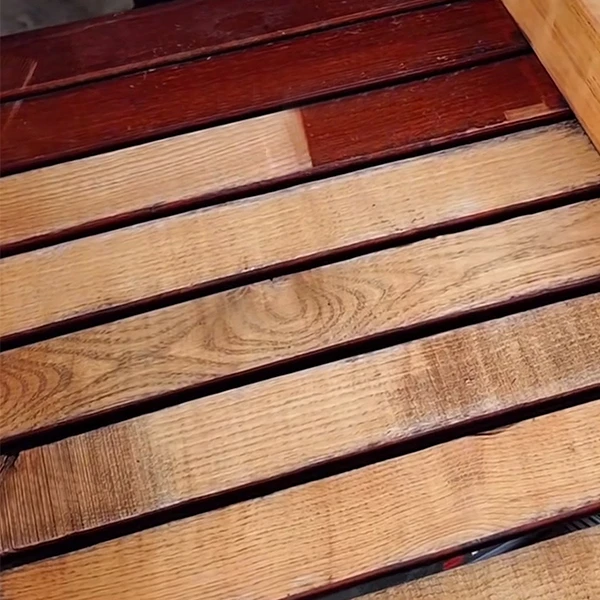
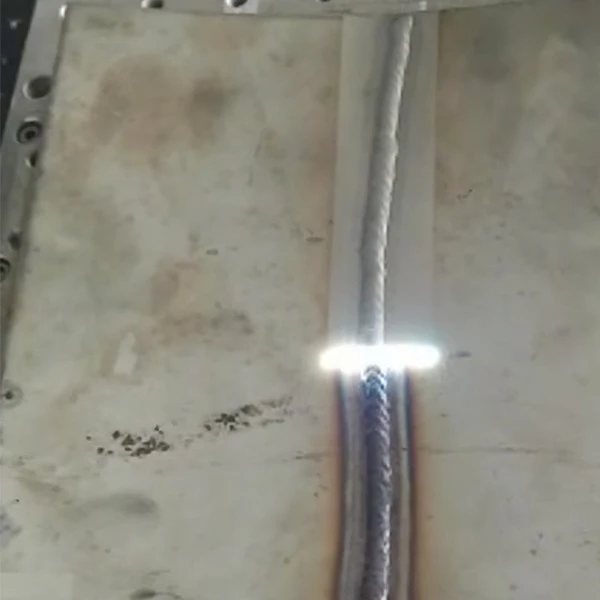
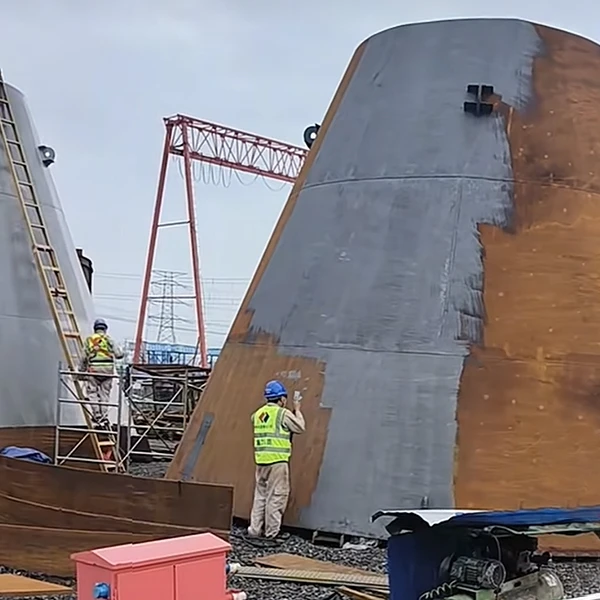
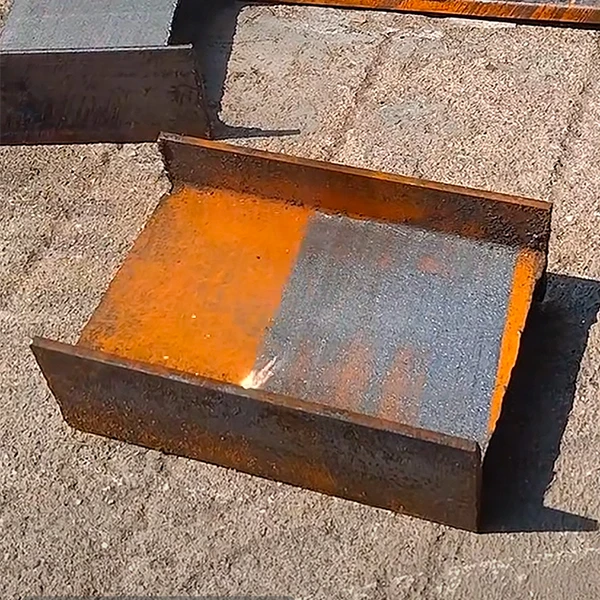
- 1. Metal Rust Removal: Used for removing rust from steel structures, equipment parts, pipelines, and metal components before further processing or coating.
- 2. Automotive Manufacturing: Used for cleaning molds, engine parts, welding areas, brake components, and automotive production parts.
- 3. Shipbuilding and Marine Maintenance: Used for removing rust, paint, and coatings from ship surfaces, steel structures, and marine equipment.
- 4. Aerospace Components: Used for precision cleaning of aircraft parts, turbine components, and metal surfaces before repair or inspection.
- 5. Mold Cleaning: Used for removing oil, residues, and buildup from injection molds, casting molds, and rubber molds.
- 6. Welding Surface Preparation: Used for cleaning oxide layers, rust, and contaminants before laser welding or traditional welding processes.
- 7. Metal Fabrication: Used for surface treatment of steel plates, stainless steel products, frames, and fabricated metal parts.
- 8. Electronics Industry: Used for cleaning oxidation, dirt, and residues from precision components and electronic parts.
- 9. Industrial Equipment Maintenance: Used for cleaning machinery parts, gears, bearings, and production equipment during maintenance operations.
- 10. Coating and Paint Removal: Used for removing old coatings, paint layers, and surface contamination before repainting or surface treatment.
Advantages
Laser cleaning machines, as an advanced “green” cleaning technology, are gradually replacing traditional cleaning methods due to their high efficiency, environmental friendliness, non-destructive nature, precision, and automation.
1. Environmentally Friendly — No chemicals are used, generating minimal waste; removed contaminants are easy to collect and recycle, and the process produces low noise, dust, and VOC emissions.
2. Non-Contact Cleaning — The laser beam does not touch the surface, avoiding mechanical wear, scratches, or stress damage, making it ideal for precision parts, molds, and cultural artifacts.
3. High Precision and Selectivity — Laser parameters can be precisely adjusted to remove contaminants such as rust or paint while leaving the base material intact, with minimal heat-affected zones.
4. High Efficiency — Rapid cleaning speed allows large-scale processing in a short time, improving productivity compared with traditional methods.
5. Versatile Applications — Suitable for metals, non-metals, coated surfaces, molds, and electronic components, including complex geometries, deep holes, and hard-to-reach areas.
6. Cost-Effective and Automation-Ready — Low long-term running costs, reduced maintenance, extended equipment lifespan, and easy integration with robots or CNC systems for automated cleaning.
Laser Cleaning vs Traditional Cleaning Methods
Laser cleaning uses a focused laser beam to remove rust, paint, oil, and surface contaminants without direct contact. Compared with sandblasting, chemical cleaning, and grinding, laser cleaning reduces surface damage and provides a cleaner process for precision metal treatment.
| Comparison | Laser Cleaning | Sandblasting | Chemical Cleaning | Grinding |
|---|---|---|---|---|
| Cleaning Method | Laser energy removes surface contaminants | Abrasive particles impact the surface | Chemical agents dissolve contaminants | Mechanical friction removes material |
| Surface Damage | Low risk of substrate damage | May cause surface wear | Possible chemical corrosion | May remove the base material |
| Contact Process | Non-contact cleaning | Contact cleaning | Contact with chemicals | Direct mechanical contact |
| Rust Removal | Suitable for precise rust removal | Effective for large rust areas | Effective, but requires chemical handling | Suitable for heavy rust removal |
| Paint Removal | Removes coatings with controlled laser energy | Removes paint quickly but affects surface texture | Requires chemical agents | Removes paint through abrasion |
| Precision | High precision for detailed parts | Lower precision | Medium precision | Limited precision |
| Waste Generation | Minimal solid waste | Produces abrasive waste and dust | Generates chemical waste | Produces metal dust and debris |
| Material Compatibility | Suitable for steel, stainless steel, aluminum, copper, and alloys | Mainly used for steel and hard materials | Depends on chemical compatibility | Suitable for hard metal surfaces |
| Maintenance Requirements | Low consumable usage | Requires abrasive materials and dust control | Requires chemical storage and disposal | Requires grinding tools and consumables |
| Typical Applications | Precision parts, molds, welding preparation, and industrial maintenance | Steel structures, ship surfaces, and large-area cleaning | Industrial parts cleaning, degreasing | Heavy rust removal, surface polishing |
- Laser cleaning is suitable for precision surface treatment where low damage and clean processing are required.
- Sandblasting is commonly used for large-area rust and coating removal.
- Chemical cleaning is suitable for removing oil and contaminants but requires chemical management.
- Grinding is effective for heavy surface removal but may change the original surface shape.
To see the differences between Laser Cleaning and Sandblasting, please refer to: Laser Cleaning Vs Sandblasting: Cost, Efficiency & Best Industrial Cleaning Method (2026 Guide)
Laser Cleaning Machine Price
The price of a laser cleaning machine depends on laser power, laser source, cooling system, and machine configuration. Higher-power models provide faster cleaning speed and deeper processing capability, while lower-power models are suitable for general surface cleaning tasks.
| Laser Power | Price Range | Applications |
|---|---|---|
| 2000W Laser Cleaning Machine | USD $8,000–$18,000 | Rust removal, paint stripping, welding preparation, and metal surface cleaning |
| 3000W Laser Cleaning Machine | USD $12,000–$25,000 | Heavy rust removal, industrial equipment cleaning, and large metal parts |
| 4000W Laser Cleaning Machine | USD $20,000–$40,000+ | Shipbuilding, steel structures, and heavy machinery maintenance |
Factors Affecting Laser Cleaning Machine Price
- Laser Power
Higher laser power increases cleaning speed and supports thicker rust or coating removal. - Laser Source
The laser source brand affects equipment stability, service life, and maintenance requirements. - Cooling System
Air-cooled systems are suitable for lower-power machines, while water-cooled systems are used for continuous industrial operation. - Automation Level
Manual handheld models have lower costs, while automated cleaning systems with scanning platforms or robot integration require a higher investment.
How to Choose the Right Laser Cleaning Machine?
Selecting the right laser cleaning machine is crucial to ensure optimal cleaning efficiency, surface quality, and long-term cost-effectiveness. Factors such as material type, contamination, production scale, and desired automation level all influence the best choice. Kempson laser cleaning machines offer a wide range of options to meet different industrial needs, from handheld systems for small-scale cleaning to fully automated robotic solutions for high-volume production.
Material Type & Surface Condition – Identify the materials (e.g., stainless steel, aluminum, molds) and the type of contamination (rust, paint, oil) to choose the appropriate laser power and wavelength.
Laser Power – Higher-power lasers clean faster and handle larger or tougher surfaces; smaller laser systems are ideal for precision cleaning.
Machine Type – Decide between handheld units for flexibility and automated/robotic systems for repetitive industrial applications.
Cooling System – Choose between air-cooled (cost-effective, lighter) and water-cooled (stable, suitable for high-power lasers) systems.
Application Requirements – Consider whether selective cleaning, high precision, or large-area cleaning is needed.
Budget & Brand Reliability – Trusted brands like Kempson provide proven performance, service support, and long-term reliability.
Conclusion
In summary, a laser cleaning machine is a precise, efficient, and environmentally friendly solution for removing rust, paint, oil, and other contaminants from a wide range of materials. Its non-contact operation, high accuracy, and versatility make it ideal for industries such as automotive, aerospace, mold maintenance, and cultural heritage restoration. Whether you need a handheld unit for small-scale cleaning or an automated system for industrial production, Kempson laser cleaning machines offer reliable performance and tailored solutions.
If you have any questions or need assistance selecting the right laser cleaning equipment for your application, contact our team today for professional guidance and a customized solution.
FAQ
What is a laser cleaning machine?
A laser cleaning machine uses a focused laser beam to remove rust, paint, oil, oxide layers, and other contaminants from metal surfaces without direct contact.
How does laser cleaning work?
The laser beam transfers energy to surface contaminants, causing them to expand, vaporize, or separate from the base material for removal.
Can laser cleaning remove rust?
Yes. Laser cleaning machines can remove rust from steel, iron, and other metal surfaces without damaging the original substrate.
Does laser cleaning damage metal?
No. With proper laser parameters, the process removes contaminants while keeping the base material intact.
How much does a laser cleaning machine cost?
The price usually ranges from USD $5,000 to $40,000+, depending on laser power, laser source, cooling system, and machine configuration.
What materials can the laser cleaning process?
Laser cleaning can process stainless steel, carbon steel, aluminum, copper, and other metal materials.
What is the difference between laser cleaning and sandblasting?
Laser cleaning is a non-contact process with less surface wear and less waste, while sandblasting uses abrasive media to remove contaminants.
How to choose a laser cleaning machine?
Select the machine based on cleaning material, contamination type, surface area, required cleaning speed, and suitable laser power.