When comparing fiber laser vs CO2 laser, the key distinction lies in laser generation method, wavelength, and how each interacts with different materials. In general, fiber lasers deliver higher efficiency, faster processing speeds, and superior performance on metals, while CO2 lasers offer broader compatibility with non-metal materials and established versatility. For manufacturers, understanding these differences is essential not only for equipment selection but also for optimizing long-term production efficiency and cost control.
Fiber Laser vs CO2 Laser: Quick Overview
Both fiber and CO2 laser technologies are widely used in industrial processing, but they are designed for fundamentally different application scenarios. Fiber lasers are optimized for precision metal processing with high energy density and low operating cost, whereas CO2 lasers are better suited for cutting and engraving non-metal materials due to their longer wavelength and material absorption characteristics.
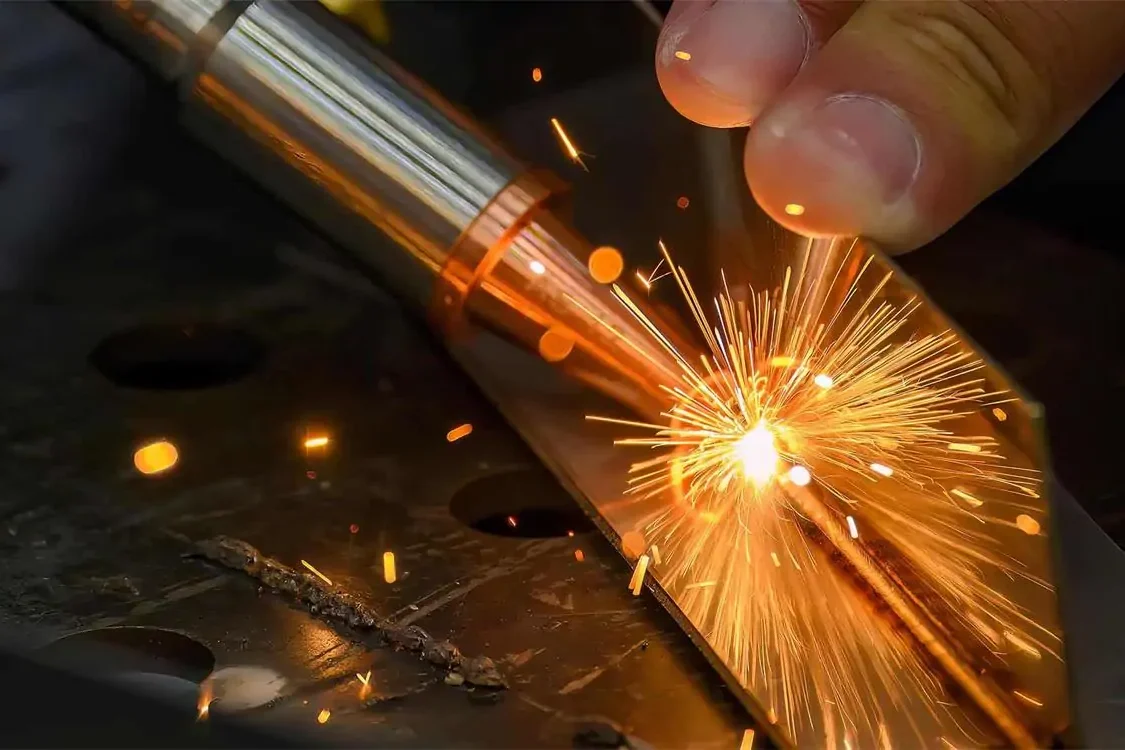
Fiber Laser
Ideal for metal cutting, welding, and cleaning with high speed and efficiency
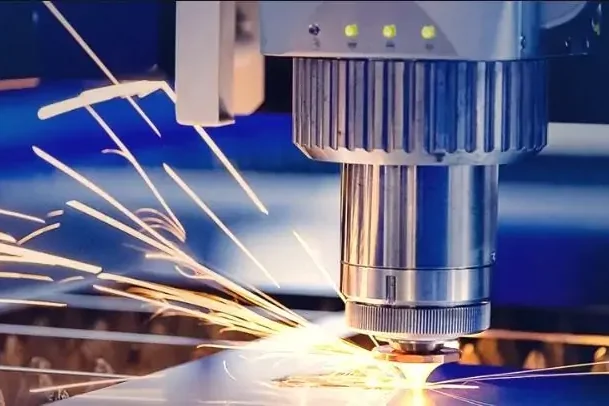
CO2 Laser
Best for wood, acrylic, plastics, and other non-metal materials with smooth cutting results
What Is a Fiber Laser?
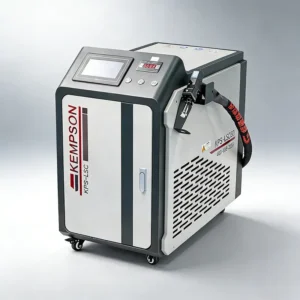
A fiber laser is a solid-state laser system that uses optical fiber doped with rare-earth elements to generate and amplify the laser beam. Its design allows for highly efficient energy conversion and stable beam quality, making it a preferred choice in modern metal processing industries.
- Working Principle: Laser light is generated within fiber optics and transmitted directly without complex mirror systems
- Key Advantages: High electrical efficiency, compact structure, minimal maintenance, long service life
- Typical Applications: Precision metal cutting, handheld and automated welding, rust and coating removal
Related Solutions:
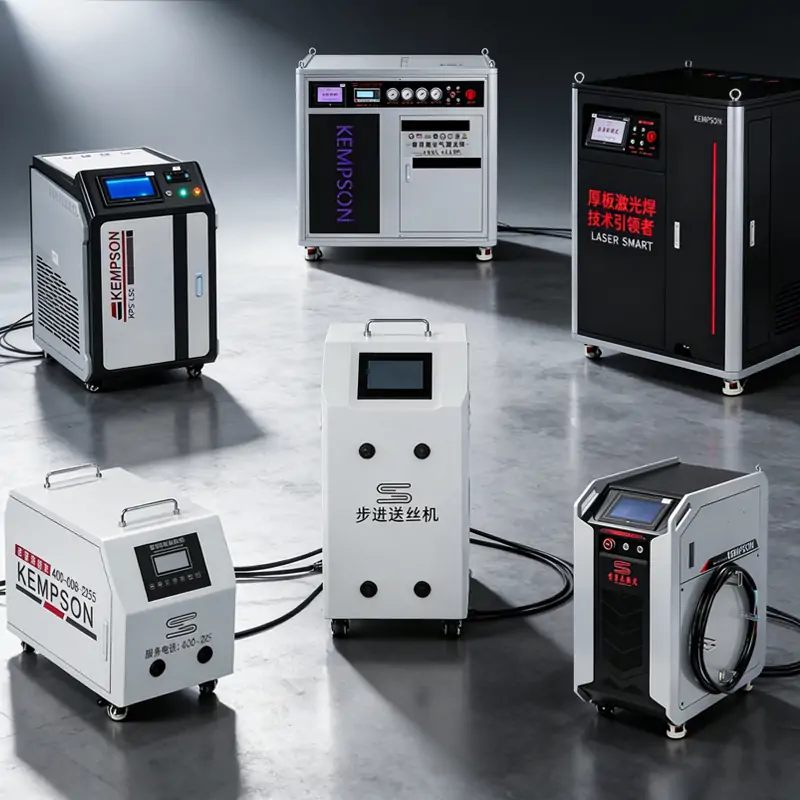
Fiber Laser Welding Machine
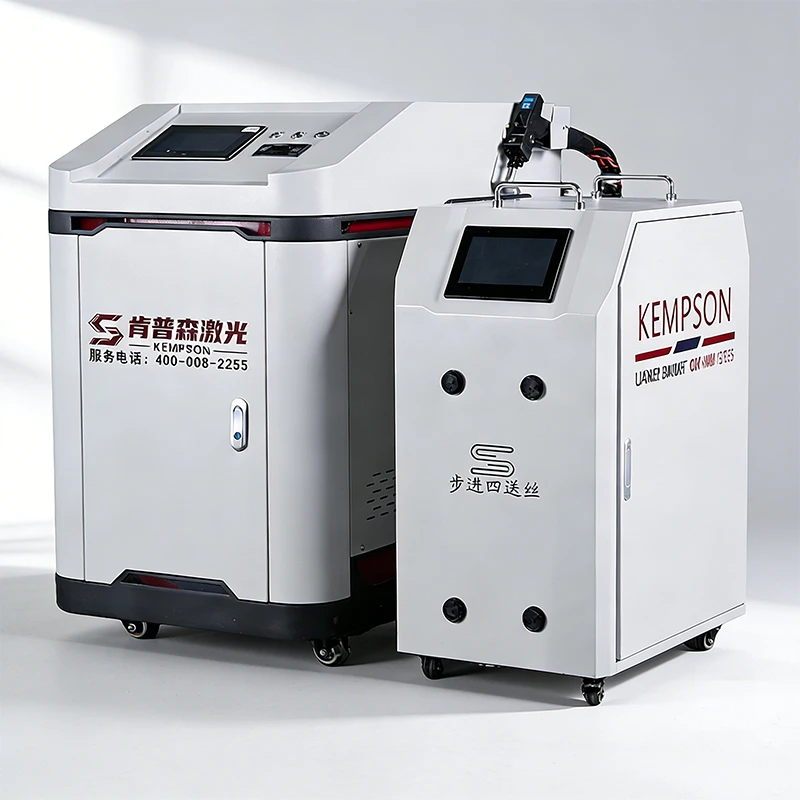
Laser Cleaning Machine
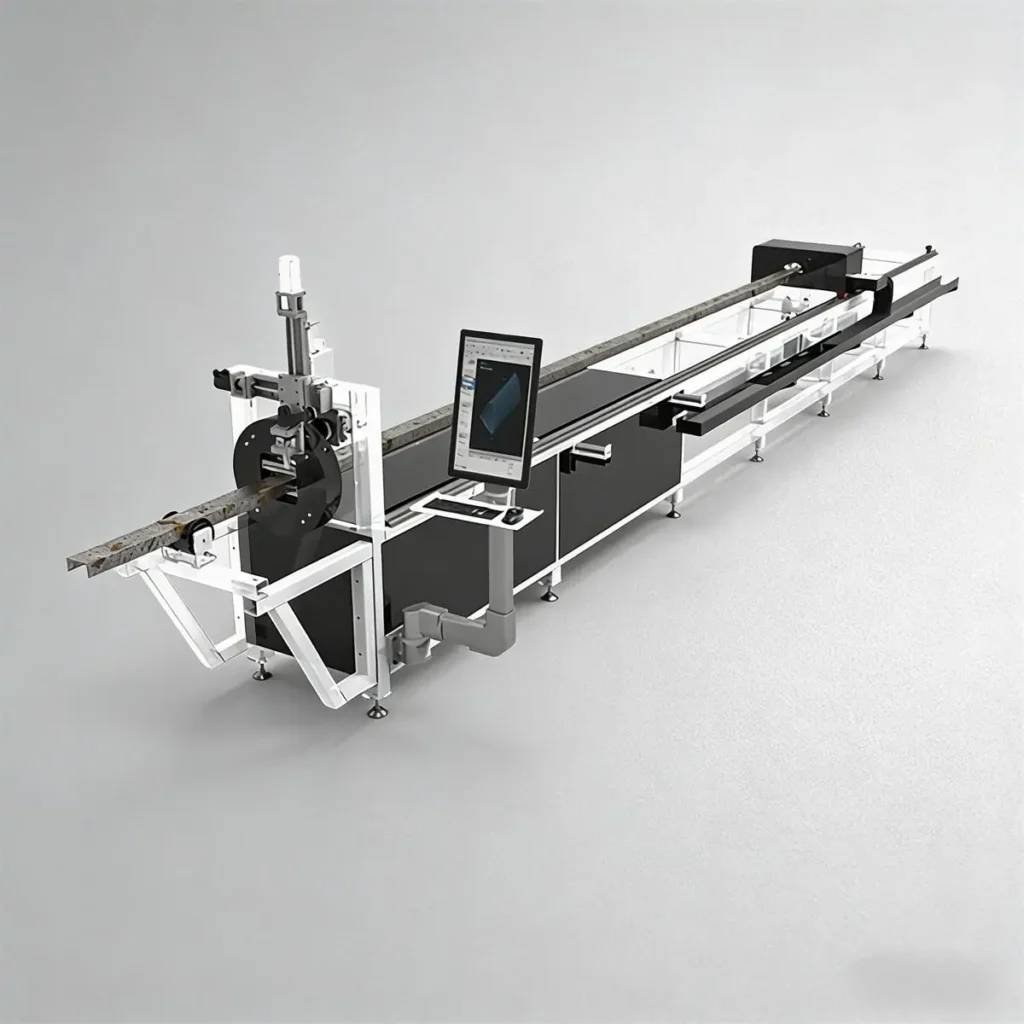
Laser Cutting Machine
What Is a CO2 Laser?
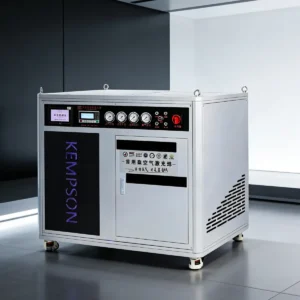
A CO2 laser is a gas laser system that produces a laser beam through electrical excitation of a gas mixture, typically carbon dioxide, nitrogen, and helium. It has been widely used for decades and remains a reliable solution for non-metal processing.
- Working Principle: Gas molecules are excited to emit infrared laser light, guided by mirrors to the work surface
- Key Advantages: Strong absorption of organic materials, smooth cutting edges, mature and stable technology
- Typical Applications: Woodworking, acrylic cutting, textile processing, engraving, and signage production
Fiber Laser vs CO2 Laser: Key Differences
The core differences between fiber and CO2 lasers directly influence their performance, operating cost, and suitability for different industries. Fiber lasers excel in efficiency, precision, and metal processing capability, while CO2 lasers maintain advantages in non-metal versatility and lower entry cost.
| Feature | Fiber Laser | CO2 Laser |
|---|---|---|
| Laser Medium | Optical fiber | CO2 gas mixture |
| Wavelength | ~1.06 μm | ~10.6 μm |
| Best Materials | Metals | Non-metals |
| Cutting Speed | Faster (metal) | Slower (metal) |
| Energy Efficiency | High | Lower |
| Maintenance | Low | Higher |
| Lifespan | Long | Moderate |
Material Compatibility Comparison
Material compatibility is one of the most critical decision factors when selecting a laser system, as it directly determines processing quality and efficiency. Fiber lasers and CO2 lasers differ significantly in how their wavelengths interact with materials, leading to distinct application strengths.
Metals
Fiber lasers are highly effective for metal processing due to their shorter wavelength, which allows better absorption and higher energy concentration on metallic surfaces.
- Suitable for stainless steel, carbon steel, aluminum, copper, and alloys
- Enables high-speed cutting and deep penetration welding
- Produces clean edges with minimal post-processing
For information regarding stainless steel laser welding, please visit: Laser Welding Machine for Stainless Steel
Non-Metals
CO2 lasers perform better on non-metal materials because their longer wavelength is easily absorbed by organic and composite materials.
- Ideal for wood, acrylic, plastics, rubber, and leather
- Provides smooth cutting edges and high-quality engraving
- Widely used in signage, decoration, and craft industries
Cost Comparison: Fiber vs CO2 Laser
Cost evaluation should consider both initial investment and total cost of ownership over time. While fiber lasers generally require higher upfront investment, they offer significant savings in operation and maintenance.
Initial Investment
- Fiber Laser: Higher due to advanced components and technology integration
- CO2 Laser: Lower entry cost, suitable for startups and small workshops
Operating Cost
- Fiber Laser: Lower energy consumption, no gas requirement, minimal consumables
- CO2 Laser: Ongoing costs for gas, mirrors, lenses, and maintenance
Conclusion: Fiber lasers deliver better long-term ROI, especially for high-volume industrial production.
Performance in Real Applications
In real-world production environments, the performance gap between fiber and CO2 lasers becomes more apparent depending on industry requirements. Each technology is optimized for specific workflows and material types.
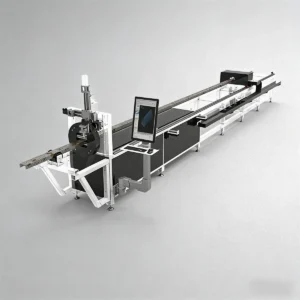
- Metal fabrication: Fiber lasers provide speed, precision, and automation compatibility
- Automotive manufacturing: Fiber lasers ensure strong, consistent welds and cuts
- Advertising & signage: CO2 lasers excel in acrylic cutting and engraving
- Furniture & crafts: CO2 lasers enable flexible processing of wood and decorative materials
Advantages of Fiber Laser
Fiber lasers are designed for high-efficiency industrial applications where productivity, consistency, and automation are key priorities. Their advantages are particularly significant in metal processing industries.
- High processing speed improves production throughput
- Low maintenance reduces downtime and service costs
- Excellent beam quality ensures precision and repeatability
- Easy integration with robotic and automated systems
Explore more: Fiber Laser Welding Machine for precision metal joining
Advantages of CO2 Laser
CO2 lasers remain a practical and cost-effective solution for businesses working with non-metal materials. Their flexibility and mature technology make them suitable for a wide range of applications.
- Broad compatibility with non-metal materials
- Lower initial investment for small-scale operations
- High-quality engraving and smooth cutting performance
- Proven reliability with established industry usage
How to Choose: Fiber Laser vs CO2 Laser
Selecting the right laser system requires aligning your equipment choice with your materials, production goals, and budget constraints. A clear evaluation of your application scenarios will ensure optimal performance and cost efficiency.
Choose Fiber Laser If:
- Your primary materials are metals
- You require high-speed and high-precision processing
- You aim to reduce long-term operating costs
- You plan to implement automation or large-scale production
Choose CO2 Laser If:
- Your main materials are non-metals
- You focus on engraving, signage, or decorative products
- You have a limited initial investment budget
- Your production is workshop-based and less automated
Integrated Solutions for Modern Manufacturing
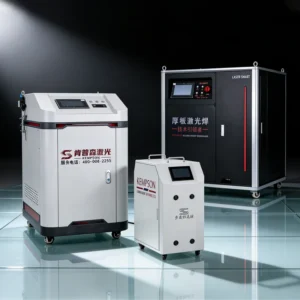
As manufacturing demands evolve, many businesses are shifting toward multifunctional laser systems to improve flexibility and reduce equipment redundancy. Integrated solutions allow multiple processes to be completed with a single machine, improving overall efficiency.
Recommended solution:
3-in-1 Laser Machine (Welding + Cleaning + Cutting)
- Combines multiple functions in one compact system
- Reduces workspace requirements and equipment cost
- Ideal for maintenance, fabrication, and flexible production
FAQs
Which laser is better for metal processing?
Fiber laser is the superior choice due to higher absorption efficiency and faster processing speed.
Is a fiber laser more expensive?
It has a higher initial cost but offers lower operating expenses and better long-term value.
Can a CO2 laser cut metal effectively?
It can, but with lower efficiency and limitations compared to fiber lasers.
Which system requires less maintenance?
Fiber lasers require less maintenance due to fewer consumable components.
Conclusion:
Fiber laser and CO2 laser technologies each offer distinct advantages depending on application requirements. Fiber lasers are the preferred solution for metal processing, delivering higher efficiency, precision, and long-term cost savings, while CO2 lasers remain ideal for non-metal applications and creative industries.
Not sure which solution fits your needs?
Contact our team today for expert guidance and customized laser solutions tailored to your materials, production goals, and budget.