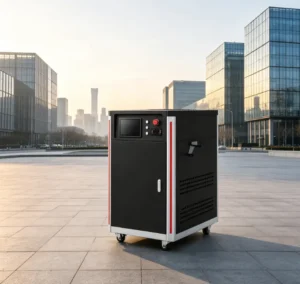
Table of Contents
Introduction
With the growing demand for high-precision metal fabrication, the fiber laser welding machine has become an essential tool in modern industrial laser welding. Using a concentrated laser beam transmitted through optical fiber, this technology enables fast, stable, and highly accurate welding for materials such as stainless steel, carbon steel, and aluminum. Compared with traditional TIG and MIG welding, laser welding provides higher efficiency, lower heat input, and better overall weld quality. Today, systems like the handheld laser welder are widely used in manufacturing, sheet metal fabrication, and equipment production.
This article provides a comprehensive analysis of fiber laser welding machines, covering their operating principles, types, applications, comparisons with traditional welding methods, and selection criteria, with the aim of giving you a more thorough understanding of laser welding equipment.
What is Fiber Laser Welding Machine?
A fiber laser welding machine is an advanced industrial laser welding system that uses a fiber laser source to generate a high-energy laser beam for precise metal fusion. The laser beam is transmitted through optical fiber and focused onto the welding area, rapidly melting the metal surfaces and forming a strong, clean weld after solidification. As a modern precision welding technology, a fiber laser welder is widely used for stainless steel, carbon steel, aluminum, and other metal materials that require high welding accuracy and minimal heat distortion.
Compared with traditional CO₂ laser systems, a fiber laser welding machine offers higher energy efficiency, better beam quality, and lower maintenance requirements, making it a more advanced and reliable solution for modern industrial manufacturing.
Working Principle
A fiber laser welding machine joins metals by generating a high-energy laser beam and precisely directing it to the welding area. The concentrated energy rapidly melts the metal surfaces, forming a weld pool that solidifies into a strong joint.
- 1. Laser Beam Generation — A fiber laser source produces a high-energy, stable laser beam that provides the power required for metal welding.
- 2. Beam Transmission Through Fiber Optics — The laser beam is transmitted through fiber optic cables, ensuring efficient energy delivery and flexible positioning of the welding head.
- 3. Focusing and Metal Fusion — A focusing lens concentrates the beam onto the joint area, instantly melting the metal and creating a molten weld pool for fusion.
- 4. Cooling and Solidification — After welding, the molten metal cools and solidifies quickly, forming a clean, strong weld seam with minimal distortion.
For a more detailed explanation of how it works and the functions of its components, see the article: How Does a Laser Welding Machine Work
Parts
The main structure of an industrial laser welding system typically includes the fiber laser source, welding head, cooling system, and control system. The following are core parts:
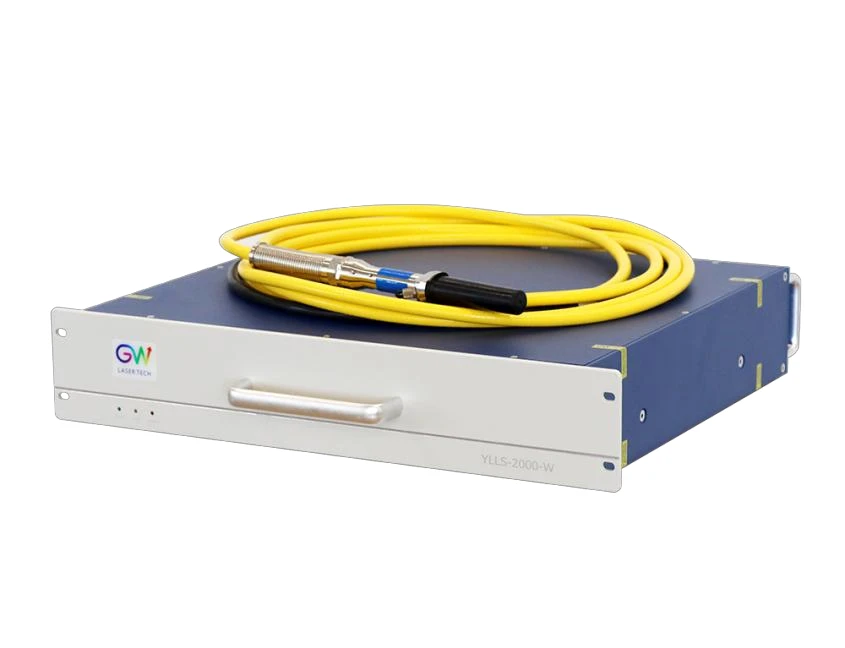
Laser Nitrogen Generator System
The Laser Nitrogen Generator System is the core of the machine, generating a high-energy laser beam for welding, with common brands including Raycus, IPG, GW, and Max.
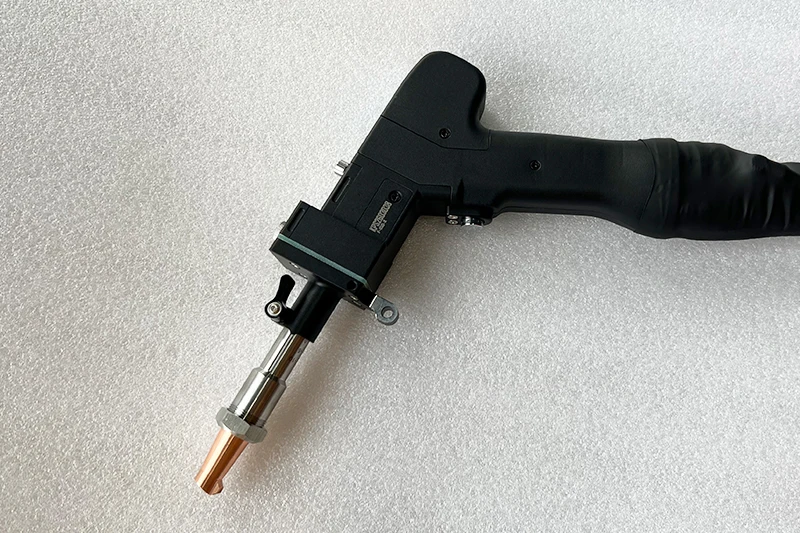
Laser Welding Gun
The laser welding gun features a multi-rotation anti-spatter design with reusable protective lenses and specialized nozzles. A built-in high-temperature alarm improves safety while reducing lens damage and consumable replacement, helping lower operating costs.
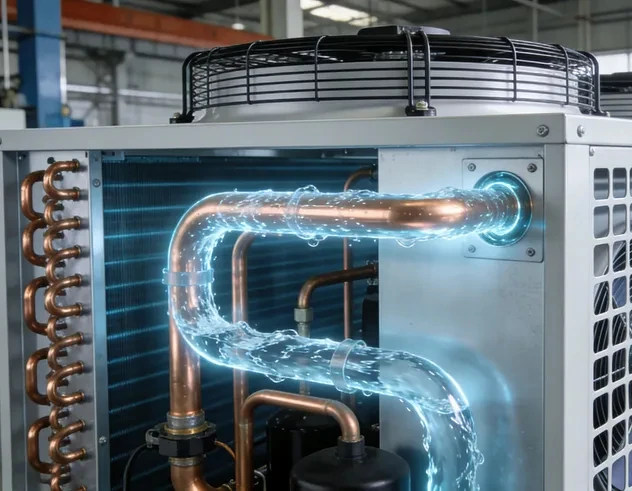
Laser Cooling System
The laser cooling system—either air cooling or water cooling- maintains stable operating temperatures to protect the laser source and ensure consistent welding performance.
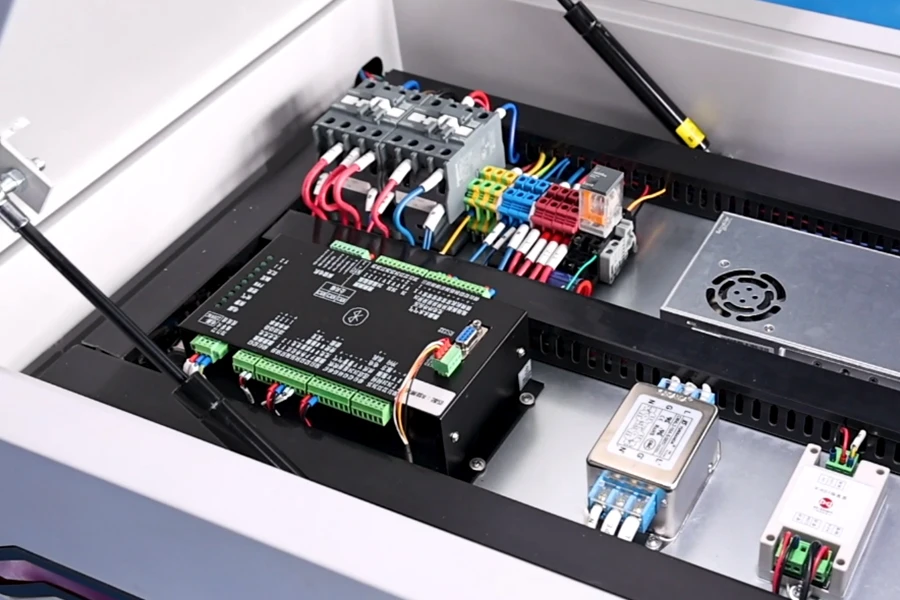
Control System
The control system, typically equipped with CNC control, a touch screen interface, and parameter adjustment functions, allows operators to easily manage welding settings and maintain precise process control.
Types of Fiber Laser Welding Machines
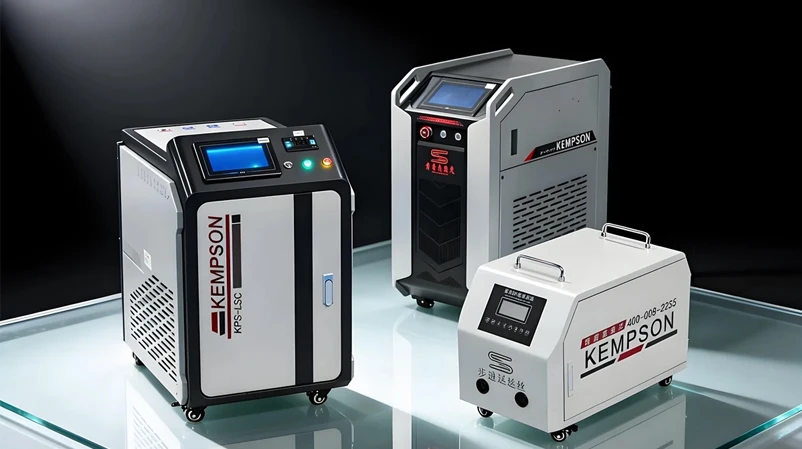
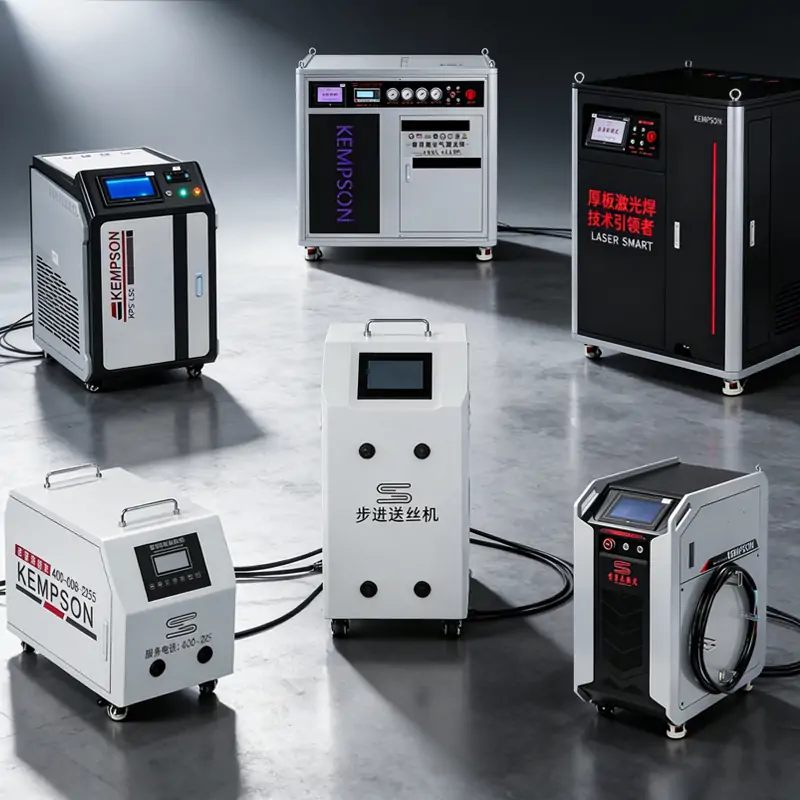
Different industrial applications require different types of fiber laser welding machines. Depending on production scale, cooling requirements, and welding flexibility, you can choose from handheld systems, automated platforms, or machines with different cooling methods. The main types of Kempson fiber laser welding machines are as follows:
Handheld Fiber Laser Welding Machine
Portable and easy to operate, the handheld fiber laser welder is widely used for flexible welding tasks in small and medium fabrication workshops. It is ideal for replacing traditional TIG welding in sheet metal processing.
- Power Range: 1000W – 2000W
- Welding Thickness: 0.5 – 5 mm (depending on material and power)
- Applicable Materials: Stainless steel, carbon steel, galvanized steel, aluminum
- Typical Applications: Sheet metal fabrication, stainless steel products, small metal workshops
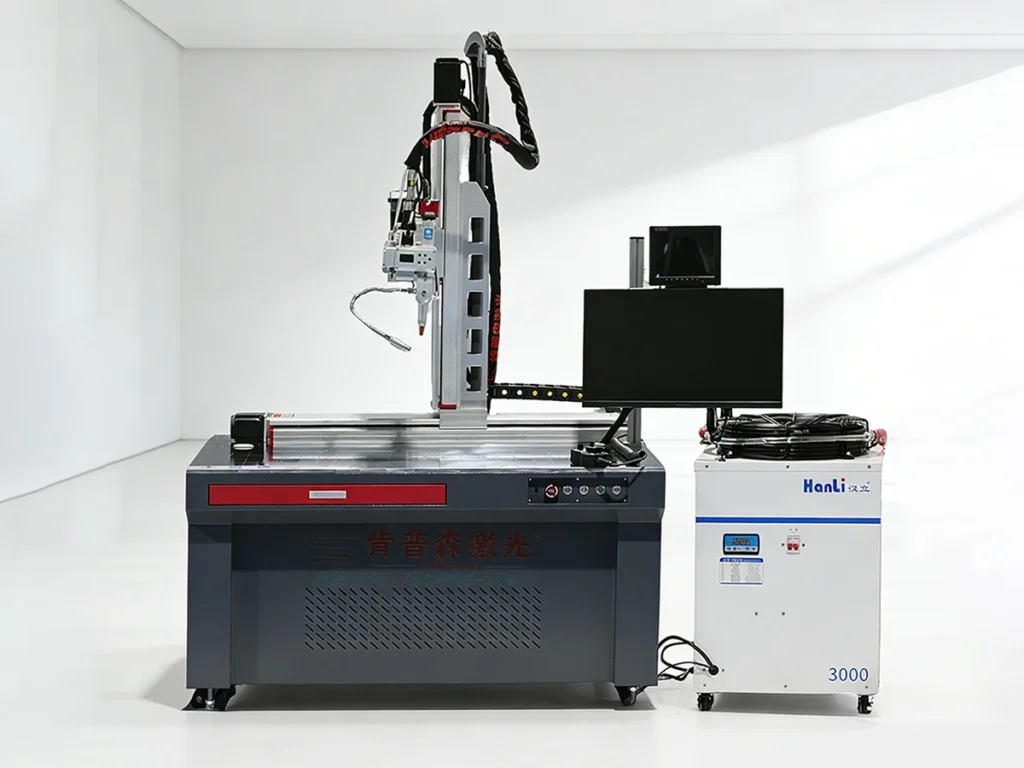
Platform Automatic Laser Welding Machine
The platform automatic laser welding machine features an XYZ-axis platform for precise movement and high positioning accuracy, accommodating workpieces of various sizes. Its HD LCD control panel allows intuitive operation, parameter storage, and one-key recall. Multi-mode control, including panel operation, APP control, and remote diagnostics, makes it easy to operate. With a compact, all-in-one design, this fiber laser welding machine integrates seamlessly with automated platforms, making it ideal for medium- to small-batch standardized production.
- Power Range: 1100W / 1500W / 2000W
- Welding Thickness: 0.5 – 5 mm
- Applicable Materials: Stainless steel, carbon steel, aluminum
- Typical Applications: Electronics, precision components, medical devices, small-to-medium batch industrial fabrication
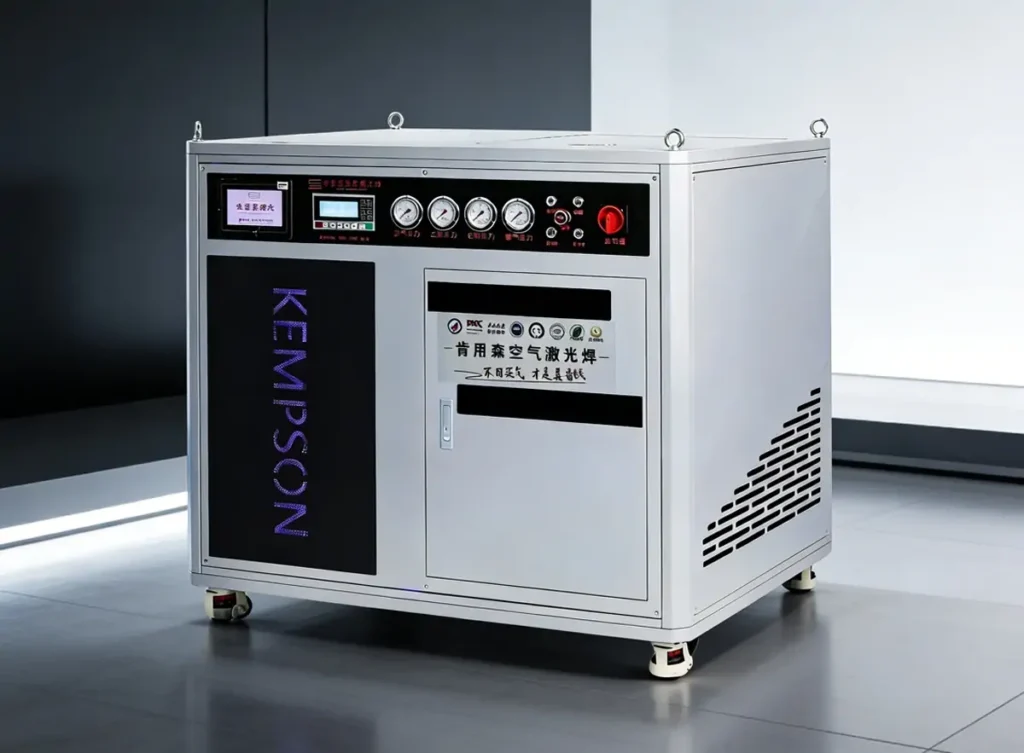
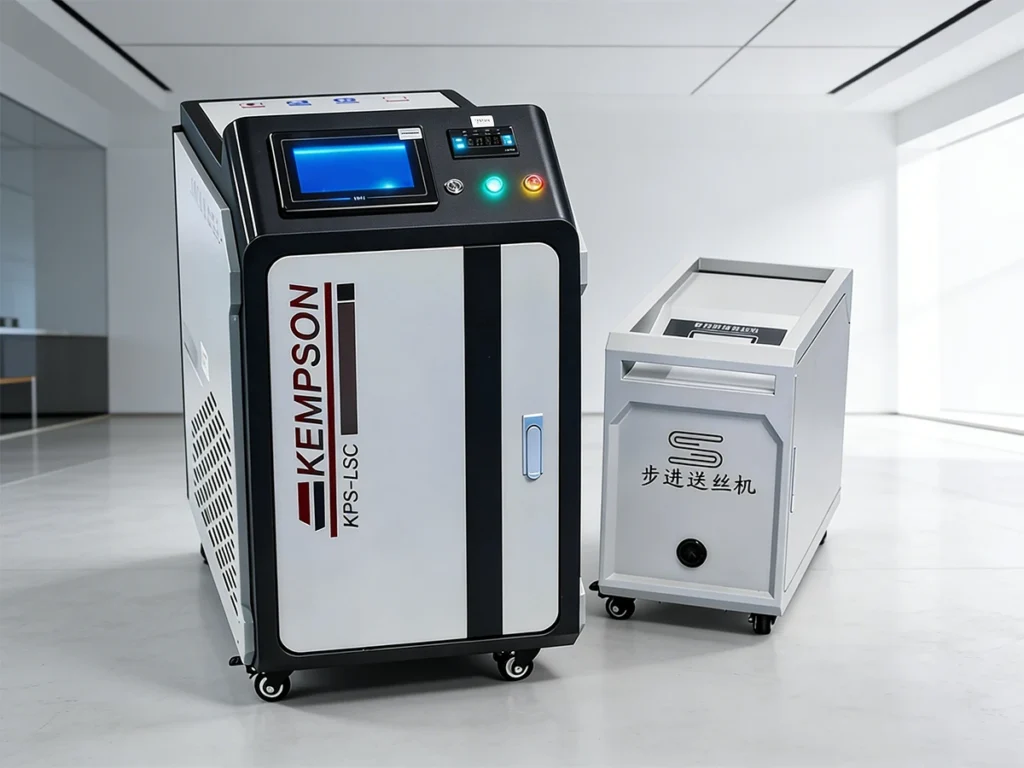
Water-Cooled Fiber Laser Welding Machine
A water-cooled fiber laser welding machine uses a water chiller to maintain stable operating temperatures, making it suitable for high-power and continuous industrial welding applications.
- Power Range: 1500W – 4000W
- Welding Thickness: 0.5 – 12 mm
- Applicable Materials: Stainless steel, carbon steel, aluminum, thick metal plates
- Typical Applications: Heavy metal fabrication, automotive manufacturing, industrial equipment production
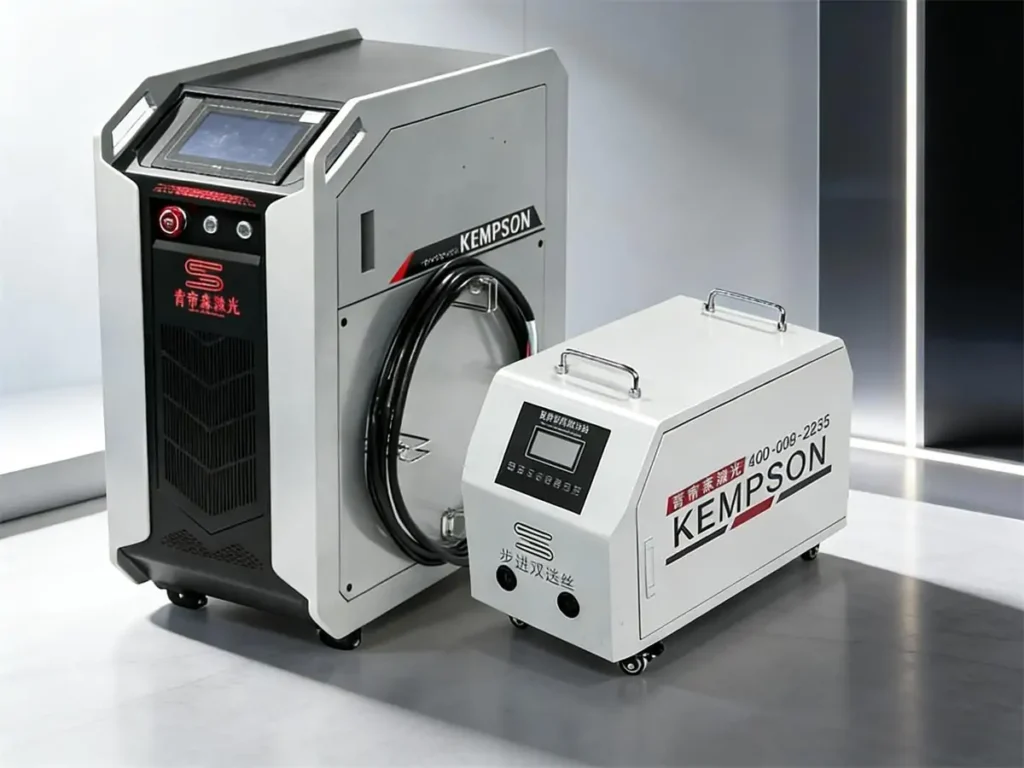
Air-Cooled Laser Welding Machine
An air-cooled fiber laser welding machine relies on an integrated air cooling system, offering a simpler structure and easier maintenance. It is commonly used for light-duty welding and mobile applications.
Power Range: 1100W / 1500W / 2000W
Welding Thickness: 0.5 – 5.5 mm
Applicable Materials: Stainless steel, carbon steel, thin aluminum sheets
Typical Applications: Light fabrication, on-site welding, small production workshops
Types of Laser Welding Machines with Different Power Ratings
KEMPSON offers fiber laser welding machines that are available in different power levels to match various material thicknesses, welding speeds, and production requirements. Lower power models are mainly used for thin metal welding, while higher power systems are designed for thicker materials and heavy-duty fabrication.
| Laser Power | Suitable Materials | Applications |
|---|---|---|
| 1500W Fiber Laser Welding Machine | Stainless steel, carbon steel, and aluminum sheets | Sheet metal fabrication, doors and windows, cabinets, metal products |
| 2000W Fiber Laser Welding Machine | Stainless steel, carbon steel, aluminum, medium-thickness plates | Machinery parts, automotive components, industrial fabrication |
| 3000W Fiber Laser Welding Machine | Medium and thick metal plates | Heavy sheet metal, equipment frames, engineering components |
| 4000W Fiber Laser Welding Machine | Thick stainless steel, carbon steel, aluminum, and highly reflective metals | Structural parts, large equipment, and industrial welding |
| 6000W Fiber Laser Welding Machine | Thick plates, aluminum, copper, and high-strength alloys | Heavy machinery, shipbuilding, and large metal structures |
Different machine types are designed for specific welding processes, material thicknesses, and production needs. Handheld models are widely used for flexible metal fabrication, while automated systems are suitable for high-volume and precision welding. Power selection depends on material thickness, penetration requirements, and application conditions.
Applications
Fiber laser welding machines are used for precision metal joining where traditional welding methods may cause high heat input, deformation, slow processing speed, or inconsistent weld quality. They are mainly applied for welding thin to medium metal parts, highly reflective materials, complex components, and industrial products that require clean and stable welds.
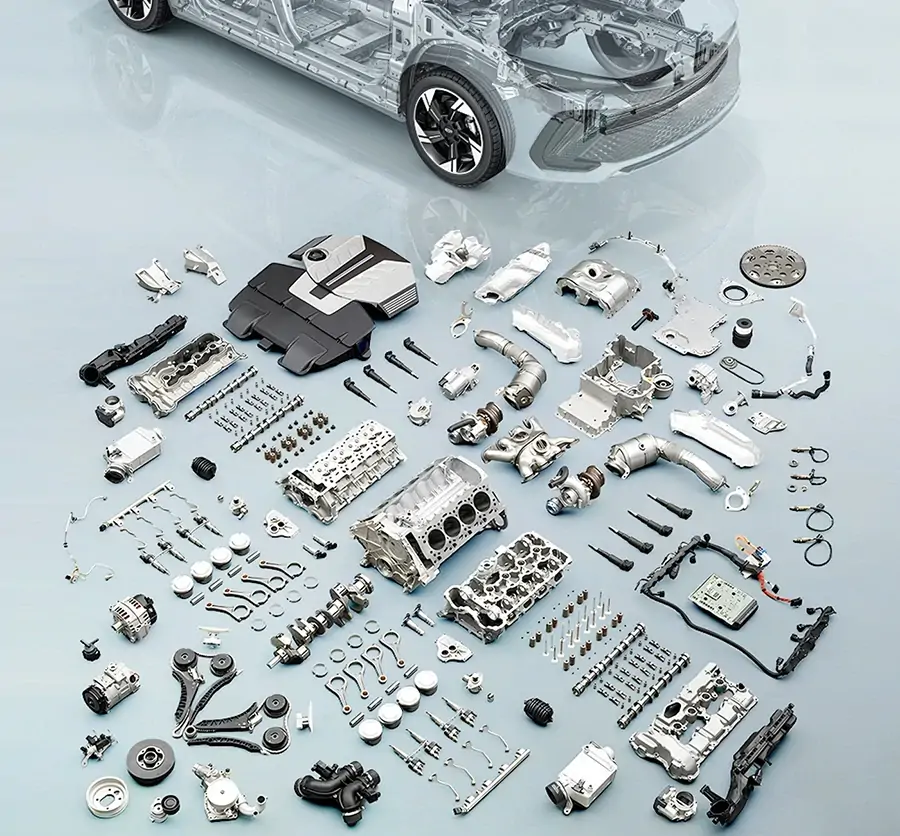
Automotive Parts
Used for welding battery trays, body panels, exhaust components, gears, and precision automotive parts.
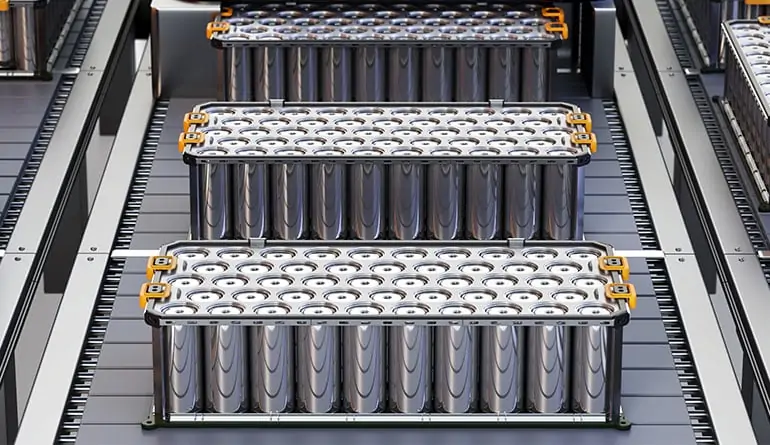
Battery Manufacturing
Used for welding battery cells, busbars, tabs, battery housings, and energy storage components.
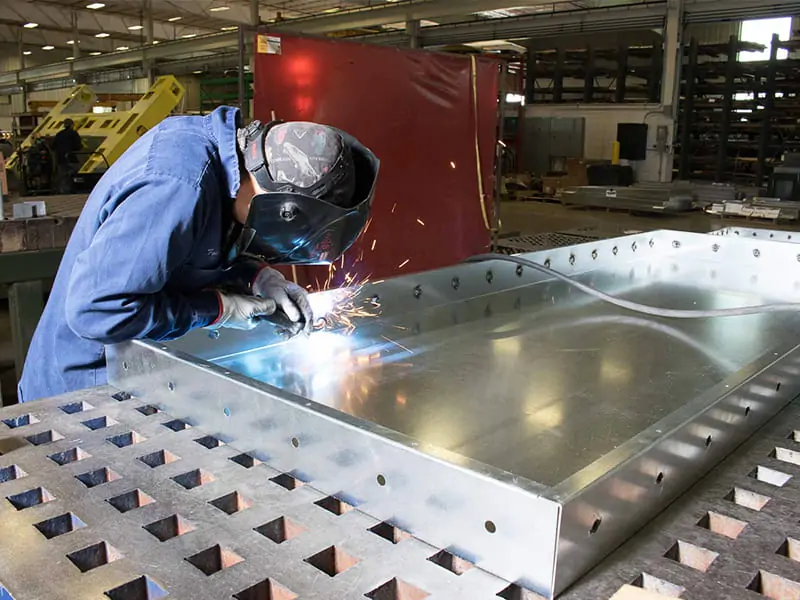
Sheet Metal Fabrication
Used for welding stainless steel cabinets, enclosures, panels, frames, and custom metal structures.
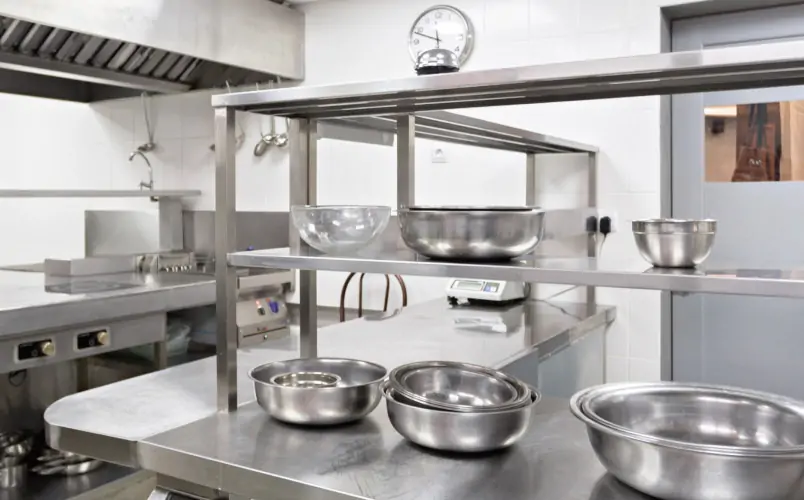
Stainless Steel Products
Used for welding kitchen equipment, medical devices, tanks, pipes, and stainless steel assemblies.
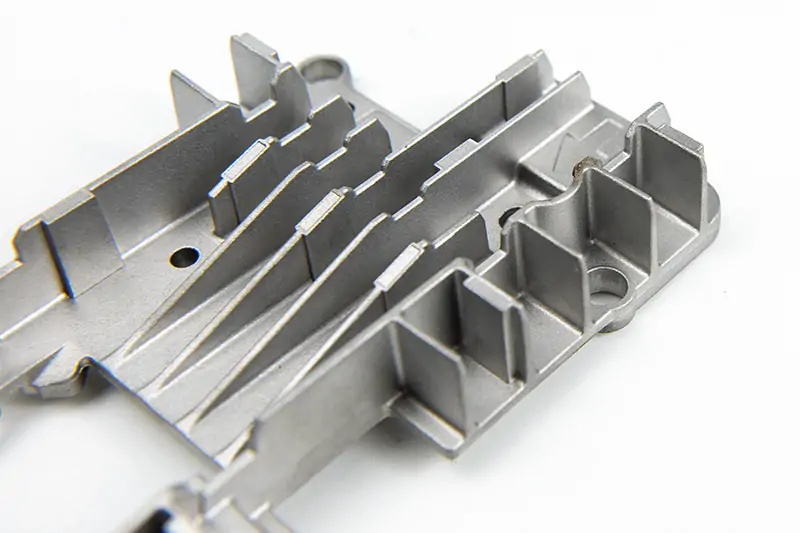
Aluminum Components
Used for welding aluminum frames, automotive parts, battery housings, and lightweight structures.
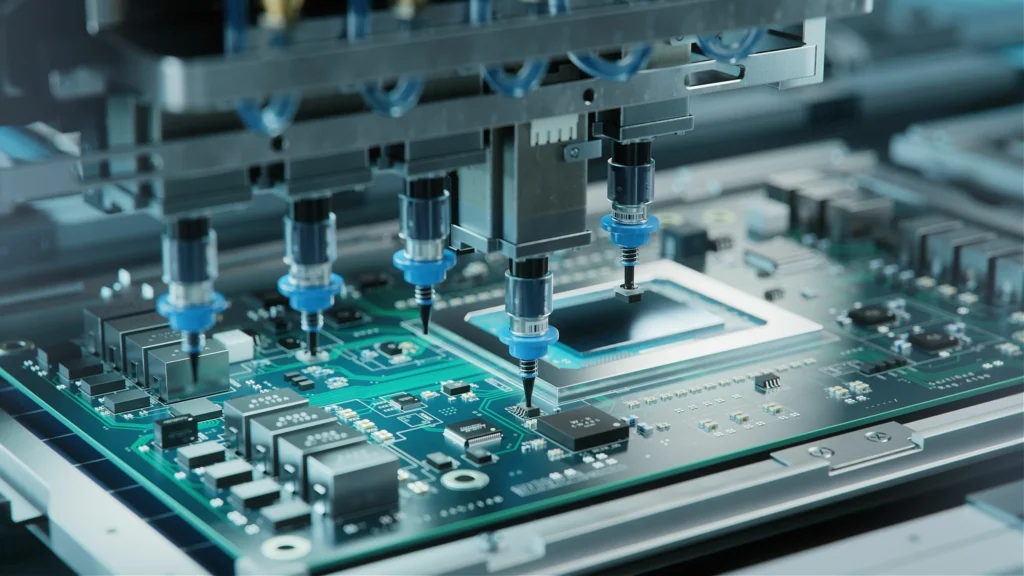
Electronics Industry
Used for welding small precision parts, sensors, connectors, and electronic component assemblies.
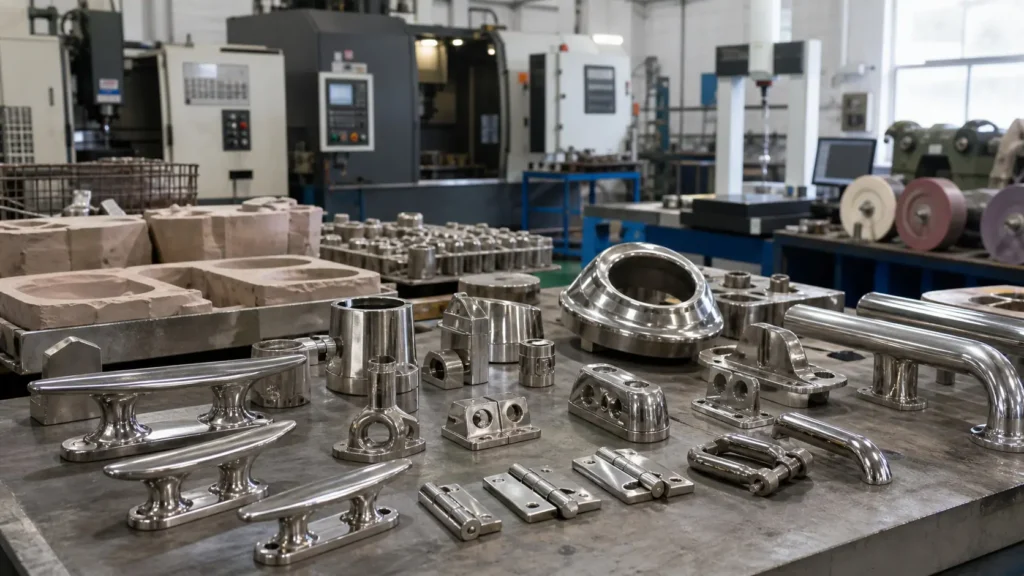
Hardware Manufacturing
Used for welding metal tools, locks, handles, fittings, and decorative hardware products.
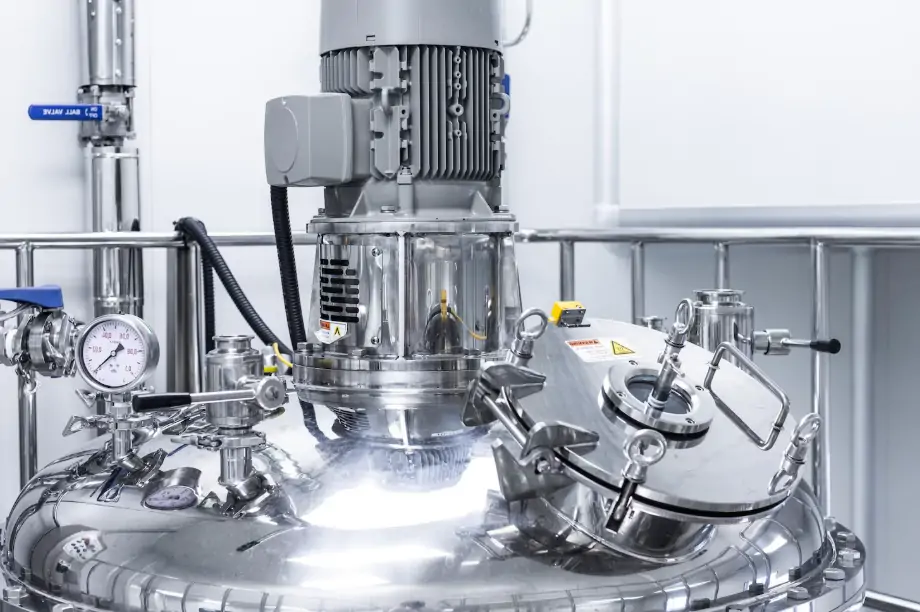
Machinery Manufacturing
Used for welding machine frames, mechanical parts, hydraulic components, and industrial equipment.
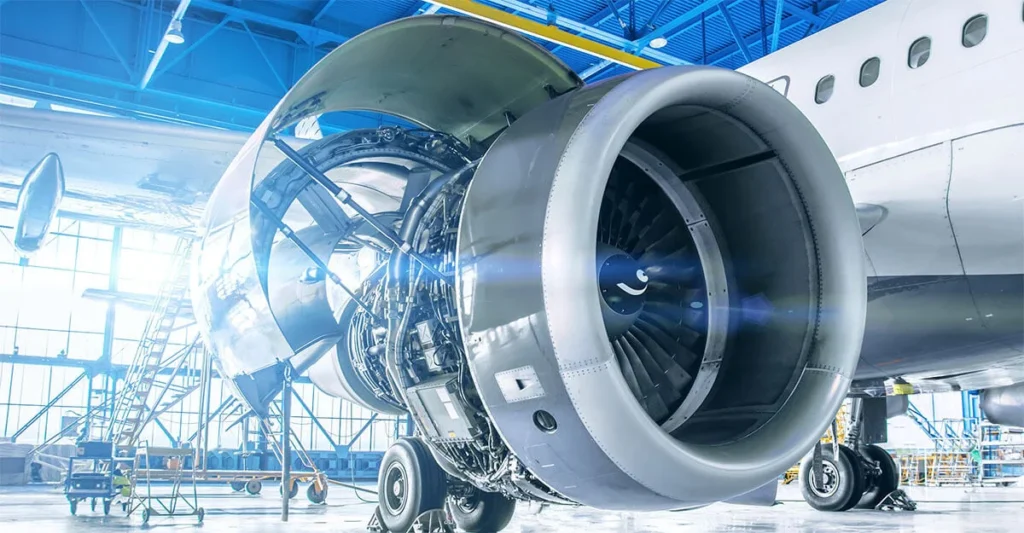
Aerospace Components
Used for welding lightweight alloys, precision parts, and components requiring low deformation.
Metal Furniture and Fixtures
Used for welding metal frames, chairs, shelves, doors, and customized furniture structures.
Advantages
Fiber laser welding machines use a focused laser beam to join metal parts with high accuracy and controlled heat input. They are widely used for metal fabrication where smooth weld seams, low distortion, and reliable welding performance are required.
- High Welding Speed — Fast laser energy transfer reduces welding time and improves production efficiency.
- Low Heat Deformation — The focused laser beam creates a small heat-affected zone, reducing distortion on metal parts.
- High Welding Precision — Accurate beam control allows fine welding on thin sheets and complex components.
- Clean Weld Appearance — The concentrated heat source produces smooth weld seams with less grinding and finishing work.
- Wide Material Compatibility — Suitable for stainless steel, carbon steel, aluminum, copper, and other metal materials.
- Deep Penetration Welding — High laser power enables strong weld penetration for thicker metal components.
- Lower Consumable Cost — Reduced use of filler materials and fewer post-welding processes lower operating costs.
- Easy Operation — Handheld fiber laser welders feature simple controls and require less welding skill compared with traditional methods.
Fiber Laser Welding Machine vs TIG & MIG Welding
Different welding methods have different performance characteristics. Fiber laser welding uses a concentrated laser beam for fast and precise metal joining, while TIG and MIG welding rely on arc heat and filler wire for traditional welding processes.
| Comparison | Fiber Laser Welding Machine | TIG Welding | MIG Welding |
|---|---|---|---|
| Welding Speed | High speed, suitable for continuous production | Slow speed, suitable for precision repair and small batches | Medium speed, suitable for general fabrication |
| Heat Input | Low heat input, smaller heat-affected zone | Higher heat input, more thermal impact | Higher heat input than laser welding |
| Weld Deformation | Low deformation on thin materials | Higher risk of deformation | Moderate deformation |
| Weld Appearance | Smooth weld seam with less finishing work | Clean the weld surface, but it requires a skilled operation | Good weld appearance with proper settings |
| Material Compatibility | Stainless steel, carbon steel, aluminum, copper, and other metals | Wide range of metals, including stainless steel and aluminum | Mainly steel, stainless steel, and aluminum |
| Welding Thickness | Thin to medium thickness, higher power models handle thicker plates | Thin to medium thickness | Thin-to-thick metal fabrication |
| Operation Skill | Easier operation, short learning curve for handheld models | Requires experienced welders | Requires welding parameter control |
| Production Efficiency | High efficiency for batch production | Lower efficiency | Medium to high efficiency |
| Consumables | Low consumable use | Requires tungsten electrode and filler rod | Requires welding wire and shielding gas |
| Typical Applications | Sheet metal, automotive parts, batteries, precision components | Aerospace parts, stainless steel fabrication, repair work | Steel structures, machinery, and general fabrication |
Fiber laser welding focuses on speed, precision, and low heat distortion. TIG welding is preferred for high-quality manual welds, while MIG welding is commonly used for larger metal fabrication projects.
You may also want to read this article, which provides an in-depth analysis of the differences between laser welding machines and traditional welding:
- Laser Welding vs Traditional Welding: Differences, Advantages, Costs, and Applications
- Handheld Laser Welding vs MIG Welding: Which One Is Better?
How Much Does a Fiber Laser Welding Machine Cost?
The cost of a fiber laser welding machine is mainly determined by laser power, laser source, welding head, cooling system, machine structure, and automation level. A 1500W–3000W machine is commonly used for general metal fabrication, while 4000W–6000W models are used for thicker materials and heavy-duty welding.
| Machine Type | Power Range | Price Range | Applications |
| Handheld Fiber Laser Welding Machine | 1000W–1500W | USD $3,000–$8,000 | Stainless steel products, sheet metal, small metal parts |
| Industrial Fiber Laser Welding Machine | 2000W–3000W | USD $8,000–$20,000 | Machinery parts, automotive components, metal fabrication |
| High Power Fiber Laser Welding Machine | 4000W–6000W | USD $20,000–$60,000+ | Heavy equipment, thick plates, large structures |
Factors Affecting Fiber Laser Welding Machine Price
- Laser Power
Higher-power machines weld thicker materials and provide faster processing speeds. - Laser Source
Different laser source brands have differences in stability, service life, and maintenance cost. - Welding Head
Standard handheld welding heads are lower cost, while wobble welding heads and multi-function systems require a higher investment. - Cooling System
Air cooling is used for lower-power machines, while water cooling is common for high-power continuous welding. - Automation System
Automatic platforms, robot integration, and production line connections increase equipment cost. - Machine Configuration
Fixtures, wire feeders, safety systems, and customized designs affect the final price.
For most industrial metal welding applications, 1500W, 2000W, and 3000W fiber laser welding machines are widely selected. 4000W and 6000W models are mainly used for thick metal welding and large-scale production.
For a more in-depth analysis of laser welding machine prices, read the article: “Laser Welding Machine Price: A Comprehensive Guide for Business Buyers”
How to Choose the Right Fiber Laser Welding Machine?
Choosing a fiber laser welding machine depends on material type, thickness, welding requirements, and production conditions. The right configuration helps match welding quality, processing speed, and operating costs.
1. Check Material Type
Confirm the metals to be welded, such as stainless steel, carbon steel, aluminum, copper, or alloys, as different materials require different laser parameters.
2. Consider Material Thickness
Select laser power based on welding thickness. Thin sheets usually use 1500W–2000W machines, while thicker plates require 3000W or higher power.
3. Define Welding Application
Choose the machine according to the product type, such as sheet metal, automotive parts, battery components, machinery parts, or structural welding.
4. Select Suitable Laser Power
Higher power provides deeper penetration and faster welding speed, but requires higher equipment investment and cooling capacity.
5. Choose Cooling System
Air-cooled models are suitable for light-duty welding, while water-cooled systems are preferred for continuous industrial production.
6. Check Welding Head Configuration
Different welding heads affect weld width, operation method, and application range. Handheld heads are suitable for flexible welding tasks, while automated heads fit production lines.
7. Consider Production Volume
For occasional repair or small-batch work, a standard handheld laser welder is suitable. For continuous production, consider higher power models or automated systems.
8. Evaluate After-Sales Support
Check technical support, spare parts supply, training, and maintenance service before purchasing the machine.
Conclusion
Fiber laser welding machines are widely used in metal fabrication due to their high welding speed, precise control, and low heat impact. Different power ranges and machine configurations meet the needs of sheet metal welding, industrial parts, and heavy metal fabrication.
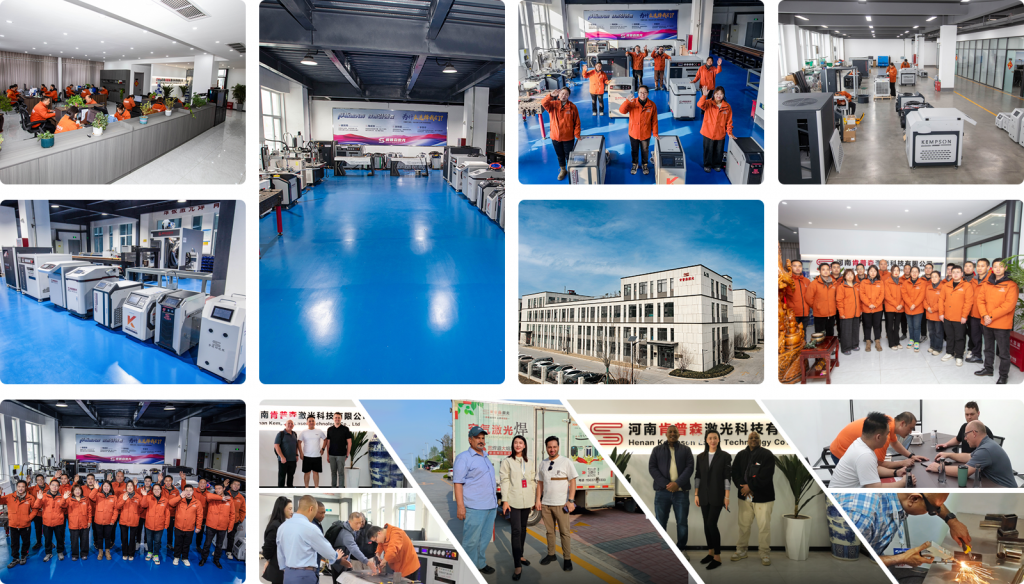
KEMPSON offers fiber laser welding machines from 1500W to 6000W, including handheld and industrial models for stainless steel, carbon steel, aluminum, copper, and other metal materials. Contact us to discuss the right laser welding solution for your application.
FAQ
What is a fiber laser welding machine?
A fiber laser welding machine uses a high-energy laser beam to melt and join metal parts with precise heat control.
What materials can a fiber laser welding machine weld?
It can weld stainless steel, carbon steel, aluminum, copper, and other metal alloys.
What is the difference between fiber laser welding and TIG welding?
Fiber laser welding offers higher speed, lower heat input, and less deformation, while TIG welding is mainly used for manual precision welding.
What laser power do I need for fiber laser welding?
The required power depends on material thickness. 1500W–2000W models are common for sheet metal, while 3000W and above are used for thicker materials.
Can a fiber laser welding machine weld aluminum?
Yes. With suitable laser power and parameters, fiber laser welding machines can weld aluminum parts used in automotive, battery, and industrial applications.
Is a fiber laser welding machine easy to operate?
Handheld fiber laser welders have a simple operation process and require less training compared with traditional welding methods.
How much does a fiber laser welding machine cost?
The price usually ranges from several thousand to tens of thousands of US dollars, depending on power, configuration, and automation requirements.
How do I choose a fiber laser welding machine manufacturer?
Choose a manufacturer based on machine quality, laser technology, application experience, technical support, and after-sales service.