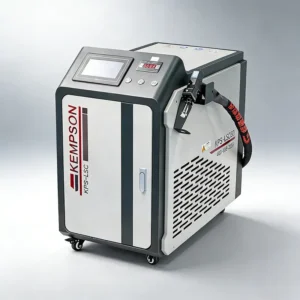
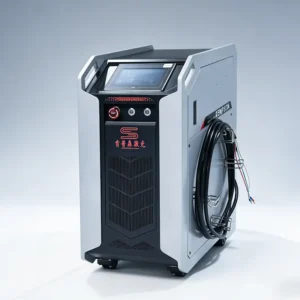
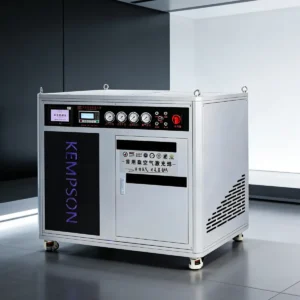
Choosing the right fiber laser wattage is one of the most critical decisions in metal processing, directly affecting cutting quality, welding strength, production efficiency, and overall operating costs. Whether you are working with stainless steel, aluminum, or carbon steel, selecting between a 1500W and 3000W fiber laser is not simply about higher power; it’s about matching the right power to the right material thickness and application.
In this guide, we will break down the key differences between 1500W and 3000W fiber lasers, provide clear thickness and penetration depth data for different metals, and offer practical selection steps to help you make the most cost-effective decision. Keep reading to discover how to optimize your laser performance and choose the ideal wattage for your specific production needs.
Why Fiber Laser Wattage Matters in Metal Processing
The power wattage of a fiber laser is one of the most critical parameters in metal processing because it directly determines cutting speed, penetration capability, and overall production efficiency. Higher power means more energy is delivered to the material, enabling the laser to cut thicker metals or process materials of the same thickness at faster speeds.
However, power is not simply a case of “the higher, the better.” It must be matched to the material type (stainless steel, aluminum, carbon steel), thickness, and production goals. Low-power systems (e.g., 1500W) are ideal for processing thin sheets (0.5–2.5 mm) and cost-sensitive operations, while high-power systems (e.g., 3000W) offer better performance for materials 0.5–8 mm thick and higher throughput.
From a production perspective, laser power affects three key dimensions:
- Speed: Higher power means faster cutting speeds for the same material thickness.
- Penetration: Higher power enables deeper cutting and welding depths.
- Efficiency: Higher power can increase throughput but also raise initial and operating costs.
Power Impact on Cutting / Welding Performance (Summary)
Cutting Speed:
Laser power directly influences cutting speed, with higher wattage enabling significantly faster processing, especially as material thickness increases. While both low- and high-power lasers perform well on thin sheets, higher-power systems can dramatically boost productivity by reducing cutting time and maintaining speed across a wider thickness range.
Penetration Capability:
Higher laser wattage provides stronger energy density, allowing the beam to penetrate deeper into the material. This means higher power lasers can cut and weld thicker metals more effectively, while lower power systems are better suited for thin sheet applications where deep penetration is not required.
Processing Efficiency:
In terms of overall efficiency, higher power lasers improve throughput by shortening cycle times and enabling continuous, high-volume production. However, for thin materials, excessively high power may lead to unnecessary energy consumption, so selecting the right wattage ensures the best balance between performance and operating cost.
| Parameter | 1500W Fiber Laser | 3000W Fiber Laser |
|---|---|---|
| Recommended Thickness (Efficient Range) | 0.5–2.5 mm | 0.5–8 mm |
| Suitable Materials | Stainless steel, carbon steel, aluminum (thin sheets) | Stainless steel, carbon steel, aluminum (thin + medium-thin sheets) |
| Cutting Speed (≤2 mm) | Fast | Faster (approx. 20–40% increase) |
| Cutting Speed (3–5 mm) | Slows down significantly | Remains efficient and stable |
| Penetration Capability | Optimized for thin sheet cutting | Handles thicker materials more reliably |
| Processing Stability | Stable for thin sheets | Stable for both thin and medium-thin sheets |
| Production Efficiency | Suitable for small to medium batches | Ideal for medium to high-volume production |
| Machine Cost | Lower (entry-level) | Higher |
| Energy Consumption | Lower | Medium to higher |
| Overall Cost Performance | High ROI for thin sheet processing | Higher output efficiency and broader application range |
Recommended Fiber Laser Wattage for Different Metals
Selecting the appropriate fiber laser wattage depends largely on the material type, thickness, and required processing performance. Different metals have unique physical properties, such as reflectivity and thermal conductivity, which directly affect laser absorption and cutting or welding efficiency. Therefore, a one-size-fits-all power choice does not work in real production.
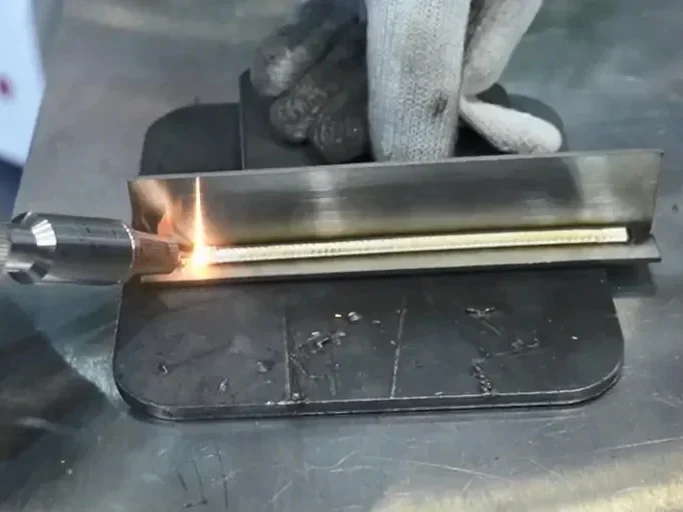
Stainless Steel Laser Welding
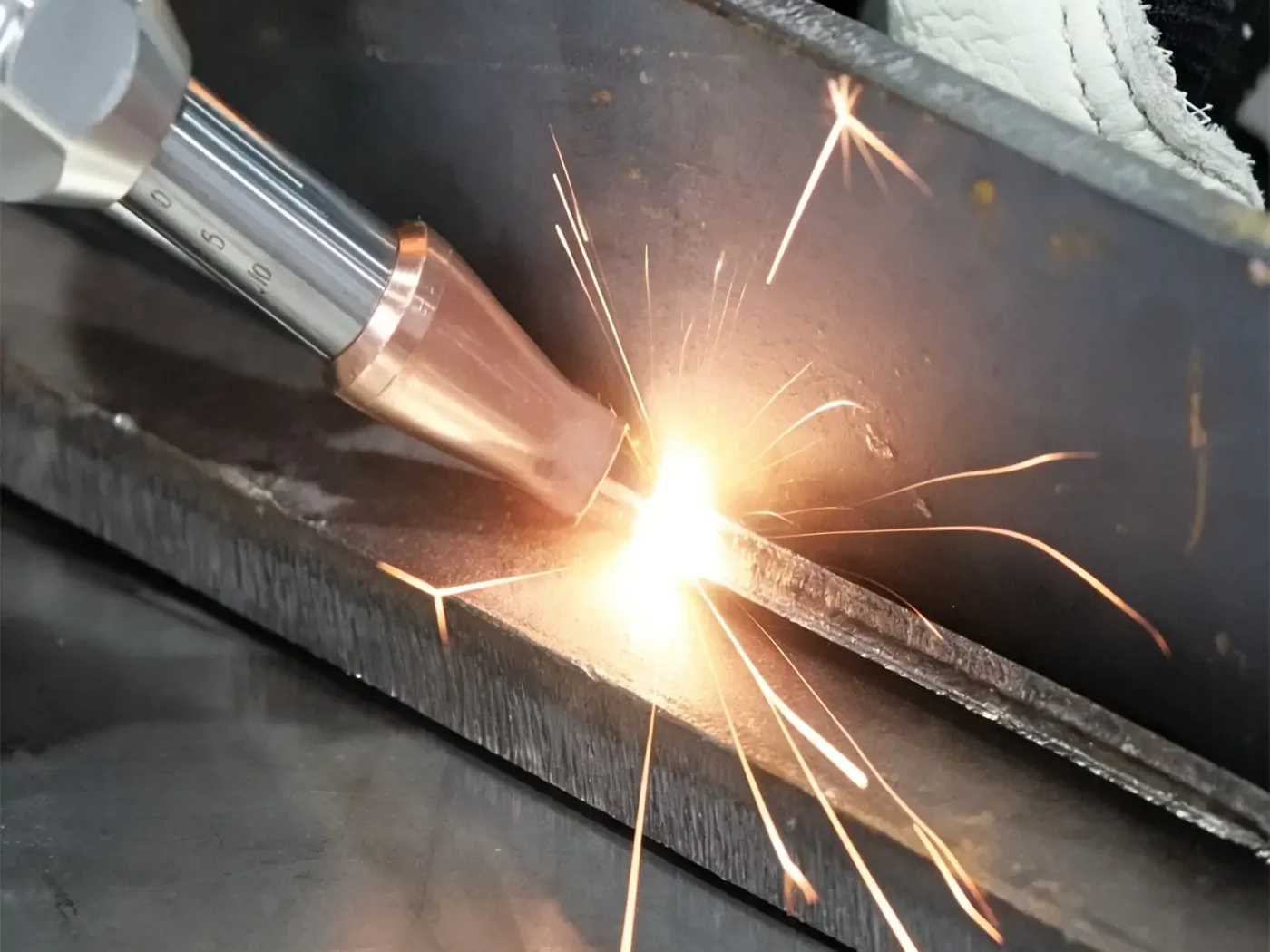
Carbon Steel Laser Welding
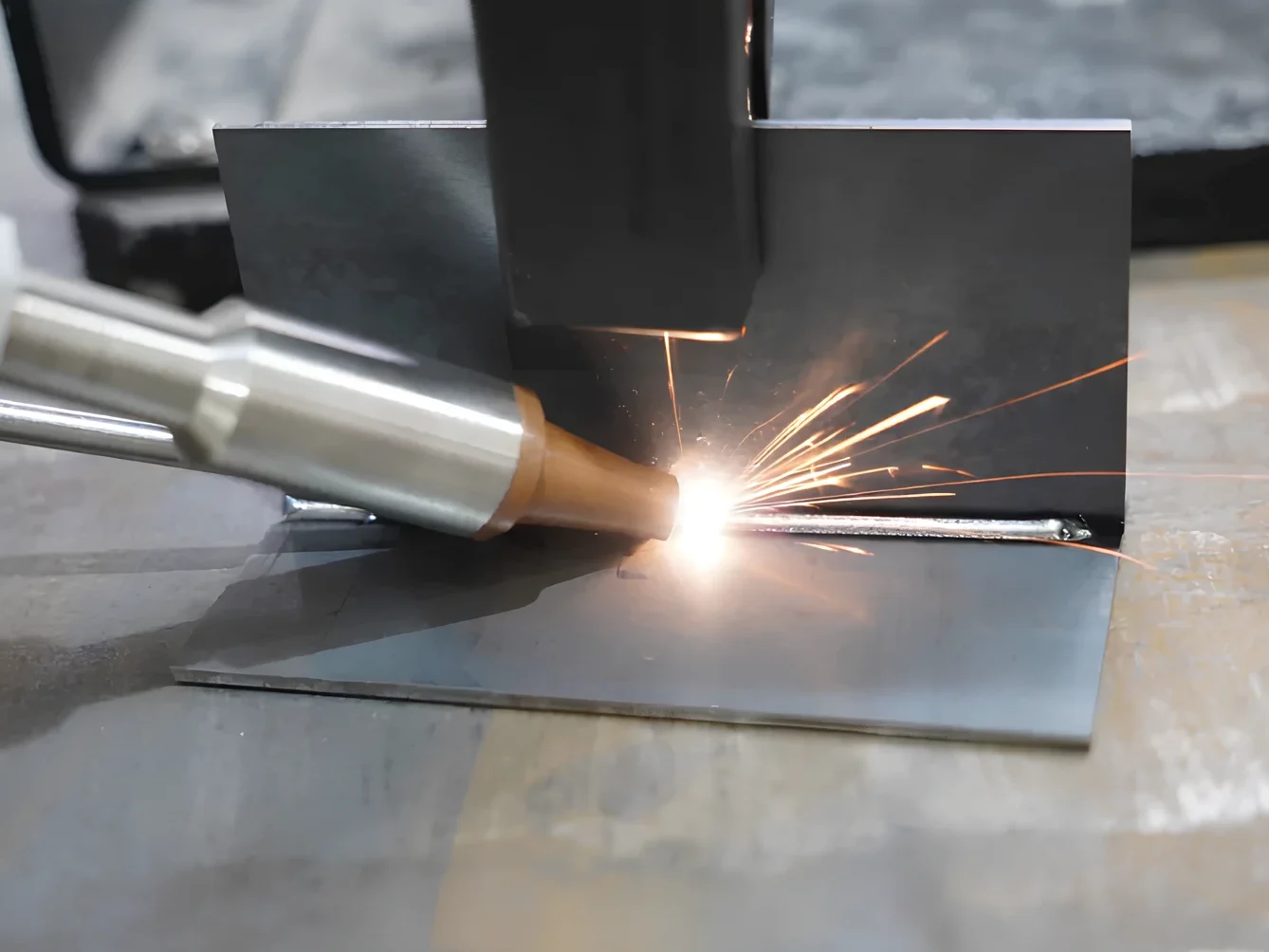
Aluminum Laser Welding
Stainless Steel
Stainless steel offers good laser absorption and stable processing performance, making it suitable for both 1500W and 3000W fiber lasers depending on thickness requirements.
Aluminum
Aluminum has high reflectivity and thermal conductivity, which makes it more challenging to process and typically requires higher laser power.
Carbon Steel
Carbon steel is easier to process compared to aluminum and supports thicker cutting ranges, especially with higher power lasers.
Step-by-Step Guide: How to Choose the Right Fiber Laser Wattage
Choosing the right fiber laser wattage comes down to one principle: match the machine’s effective power range to your real production needs, not the extreme limits. The following is the Fiber Laser Wattage selection guide:
Step 1 – Identify Material Type
Material type determines the baseline power requirement, especially for reflective metals.
- Stainless steel: stable processing, moderate power demand
- Carbon steel: easiest to cut, wide compatibility across wattages
- Aluminum: high reflectivity → requires higher power for stable cutting and better efficiency
Step 2 – Determine Required Thickness
Always select wattage based on your most frequently processed thickness, not the maximum limit.
Define maximum thickness (machine capability threshold)
Focus on common thickness range (real production efficiency)
Typical selection logic:
- 0.5–2.5 mm → 1500W is sufficient
- 0.5–8 mm → 3000W is more efficient
Step 3 – Define Processing Type
Cutting generally requires higher power for speed, while welding prioritizes stable penetration.
- Laser cutting: speed + thickness capacity are critical → higher wattage preferred
- Laser welding: penetration depth and consistency matter more than extreme power
- Mixed applications: choose a balanced power level (e.g., 3000W)
Step 4 – Evaluate Production Volume
The higher your production volume, the more valuable higher wattage becomes.
- Small batch / job shop: lower power reduces investment risk
- Medium to large production: higher power improves throughput and reduces cycle time
- Output logic: higher wattage = more parts per hour
Step 5 – Balance Budget and Efficiency
The best choice is the one with the lowest long-term cost per part, not the lowest purchase price.
- Initial cost: 1500W is more affordable
- Operating cost: higher wattage consumes more energy
- Long-term ROI:
- Lower power → cost control for simple jobs
- Higher power → higher efficiency and broader application range
Final Decision Rule
Choose 1500W for thin materials + cost-sensitive operations
Choose 3000W for higher efficiency + wider thickness coverage + scalable production
Common Mistakes When Selecting Laser Wattage
Choosing the right fiber laser wattage is not only about comparing power levels, but it is also about avoiding common selection mistakes that can directly affect cutting quality, efficiency, and equipment lifespan. Many users focus only on “can it cut” instead of “how efficiently it can cut,” which often leads to poor production performance and higher long-term costs. Below are three frequent laser power selection errors that should be avoided.
1. Only Focusing on Maximum Cutting Thickness (Ignoring Efficiency)
A common mistake is selecting a laser based solely on its maximum cutting thickness, without considering daily processing efficiency. While a machine may technically cut thick materials, it may operate very slowly and inefficiently near its limit, reducing overall productivity and increasing cost per part.
2. Ignoring Material Reflectivity (Especially Aluminum)
Another key error in laser cutting mistakes is underestimating material reflectivity, especially when processing aluminum or other highly reflective metals. These materials require higher and more stable laser power to ensure consistent absorption, cutting stability, and edge quality. Choosing insufficient wattage can lead to unstable cutting or repeated processing.
3. Using Low Power to Force Thick Plate Cutting
Trying to process thick materials with low wattage fiber lasers is a serious fiber laser power selection error. Although cutting may still be possible, it significantly increases thermal load on the machine, reduces cutting quality, slows production speed, and can shorten the lifespan of key components such as the laser source and cutting head.
1500W or 3000W – Which One Should You Choose?
Choosing between 1500W and 3000W fiber laser depends on your material thickness, production demand, and efficiency expectations. If your main work involves materials up to 4mm, you have a limited budget, and your production is light or small-scale, then a 1500W fiber laser welding machine is a cost-effective and practical choice for stable thin-sheet processing.
However, if you regularly process 6mm or thicker materials, prioritize higher cutting speed and productivity, and operate in an industrial or mass-production environment, then a 3000W fiber laser welding machine is the better investment, offering wider application range and significantly higher efficiency.
Kempson Cases Show
Conclusion
Selecting between a 1500W and 3000W fiber laser is not just a technical choice—it is a strategic decision that directly impacts your production efficiency, processing quality, and long-term operating cost. As we have discussed, different materials such as stainless steel, aluminum, and carbon steel require different power levels depending on thickness and application demands. By carefully matching laser wattage to your real production needs, you can significantly improve cutting speed, welding stability, and overall output performance while avoiding unnecessary investment.
If you are still unsure which fiber laser power is best for your specific materials and production requirements, Kempson engineering team is here to help. We provide tailored laser selection solutions based on your material type, thickness range, and processing goals to ensure you get the most efficient and cost-effective setup.