Table of Contents
Introduction
With the growing demand for high-precision metal fabrication, the fiber laser welding machine has become an essential tool in modern industrial laser welding. Using a concentrated laser beam transmitted through optical fiber, this technology enables fast, stable, and highly accurate welding for materials such as stainless steel, carbon steel, and aluminum. Compared with traditional TIG and MIG welding, laser welding provides higher efficiency, lower heat input, and better overall weld quality. Today, systems like the handheld laser welder are widely used in manufacturing, sheet metal fabrication, and equipment production.
This article will provide a clear overview of fiber laser welding machines, including their working principles, main types, and the benefits they bring to industrial welding applications.
What is Fiber Laser Welding Machine?
A fiber laser welding machine is an advanced industrial laser welding system that uses a fiber laser source to generate a high-energy laser beam for precise metal fusion. The laser beam is transmitted through optical fiber and focused onto the welding area, rapidly melting the metal surfaces and forming a strong, clean weld after solidification. As a modern precision welding technology, a fiber laser welder is widely used for stainless steel, carbon steel, aluminum, and other metal materials that require high welding accuracy and minimal heat distortion.
Compared with traditional CO₂ laser systems, a fiber laser welding machine offers higher energy efficiency, better beam quality, and lower maintenance requirements, making it a more advanced and reliable solution for modern industrial manufacturing.
How a Fiber Laser Welding Machine Works?
A fiber laser welding machine joins metals by generating a high-energy laser beam and precisely directing it to the welding area. The concentrated energy rapidly melts the metal surfaces, forming a weld pool that solidifies into a strong joint. In a typical industrial laser welding system, the process follows a simple sequence:
Laser source → fiber transmission → focusing lens → welding pool → solidification.
Laser Beam Generation
A fiber laser source produces a high-energy, stable laser beam that provides the power required for metal welding.
Beam Transmission Through Fiber Optics
The laser beam is transmitted through fiber optic cables, ensuring efficient energy delivery and flexible positioning of the welding head.
Focusing and Metal Fusion
A focusing lens concentrates the beam onto the joint area, instantly melting the metal and creating a molten weld pool for fusion.
Cooling and Solidification
After welding, the molten metal cools and solidifies quickly, forming a clean, strong weld seam with minimal distortion.
Main Types of Fiber Laser Welding Machines
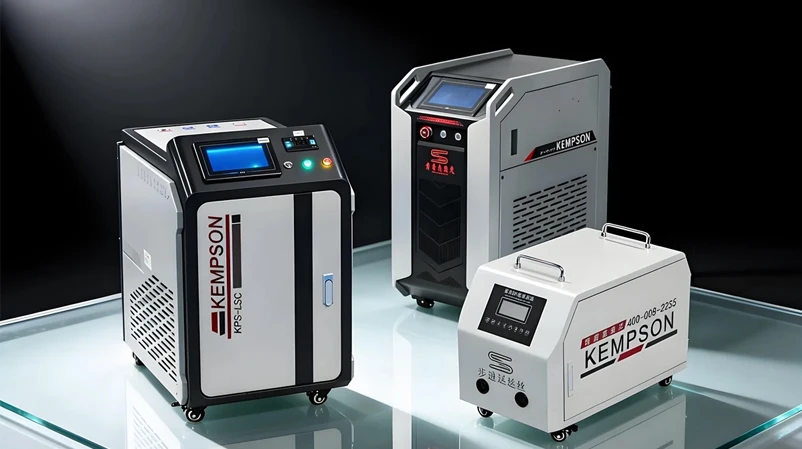
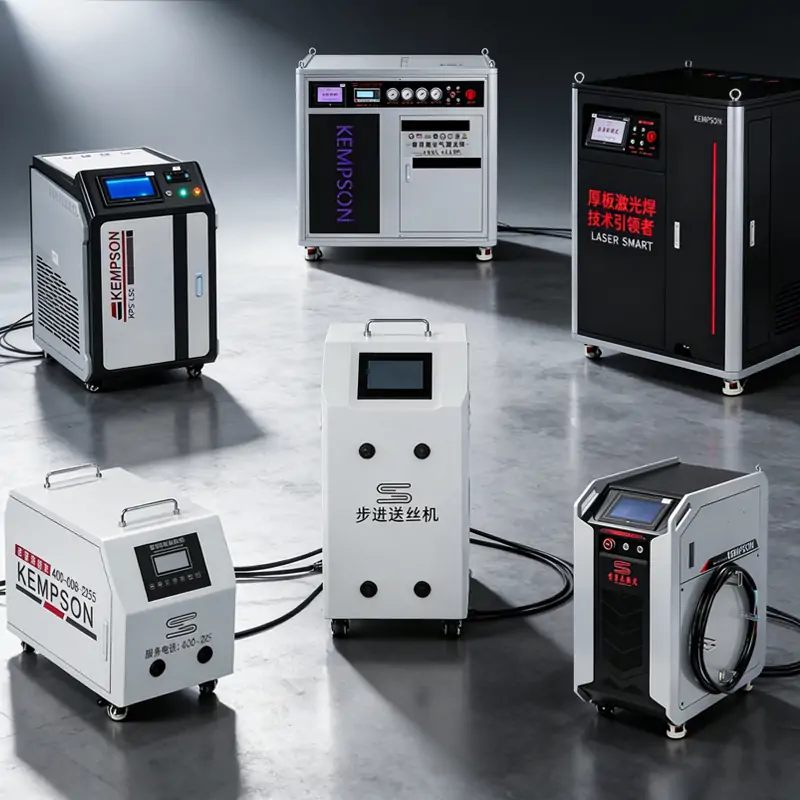
Different industrial applications require different types of fiber laser welding machines. Depending on production scale, cooling requirements, and welding flexibility, you can choose from handheld systems, automated platforms, or machines with different cooling methods. The main types of Kempson fiber laser welding machines are as follows:
Handheld Fiber Laser Welding Machine
Portable and easy to operate, the handheld fiber laser welder is widely used for flexible welding tasks in small and medium fabrication workshops. It is ideal for replacing traditional TIG welding in sheet metal processing.
- Power Range: 1000W – 2000W
- Welding Thickness: 0.5 – 5 mm (depending on material and power)
- Applicable Materials: Stainless steel, carbon steel, galvanized steel, aluminum
- Typical Applications: Sheet metal fabrication, stainless steel products, small metal workshops
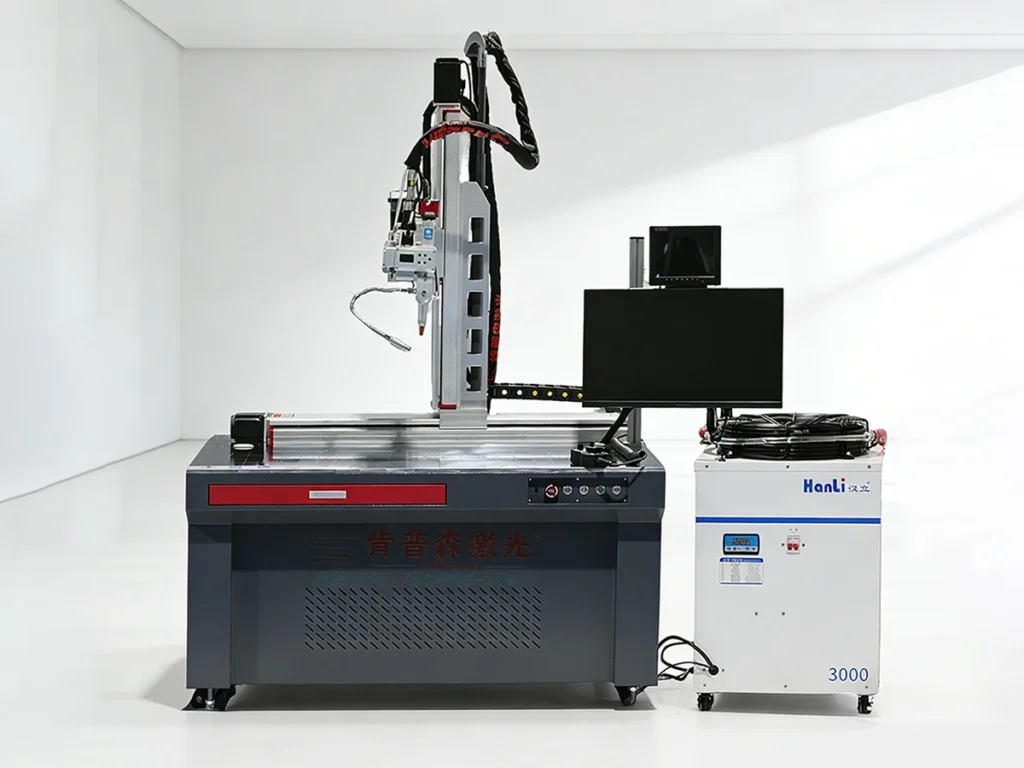
Platform Automatic Laser Welding Machine
The platform automatic laser welding machine features an XYZ-axis platform for precise movement and high positioning accuracy, accommodating workpieces of various sizes. Its HD LCD control panel allows intuitive operation, parameter storage, and one-key recall. Multi-mode control, including panel operation, APP control, and remote diagnostics, makes it easy to operate. With a compact, all-in-one design, this fiber laser welding machine integrates seamlessly with automated platforms, ideal for medium-to-small batch standardized production.
- Power Range: 1100W / 1500W / 2000W
- Welding Thickness: 0.5 – 5 mm
- Applicable Materials: Stainless steel, carbon steel, aluminum
- Typical Applications: Electronics, precision components, medical devices, small-to-medium batch industrial fabrication
Water-Cooled Fiber Laser Welding Machine
A water-cooled fiber laser welding machine uses a water chiller to maintain stable operating temperatures, making it suitable for high-power and continuous industrial welding applications.
- Power Range: 1500W – 4000W
- Welding Thickness: 0.5 – 12 mm
- Applicable Materials: Stainless steel, carbon steel, aluminum, thick metal plates
- Typical Applications: Heavy metal fabrication, automotive manufacturing, industrial equipment production
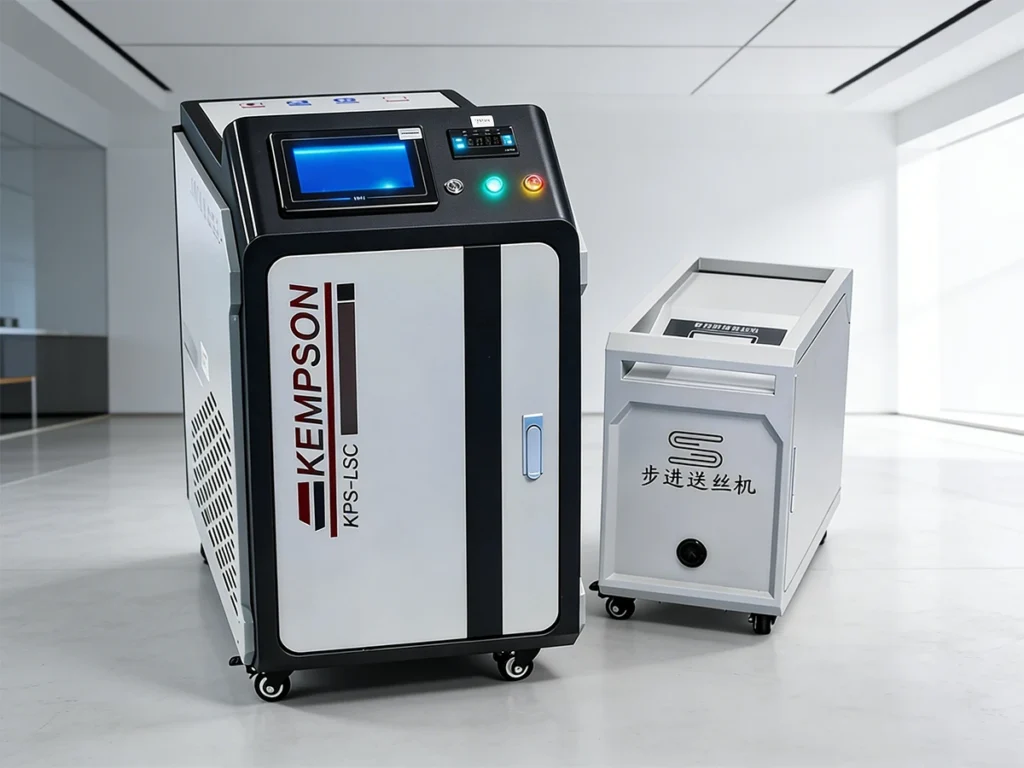
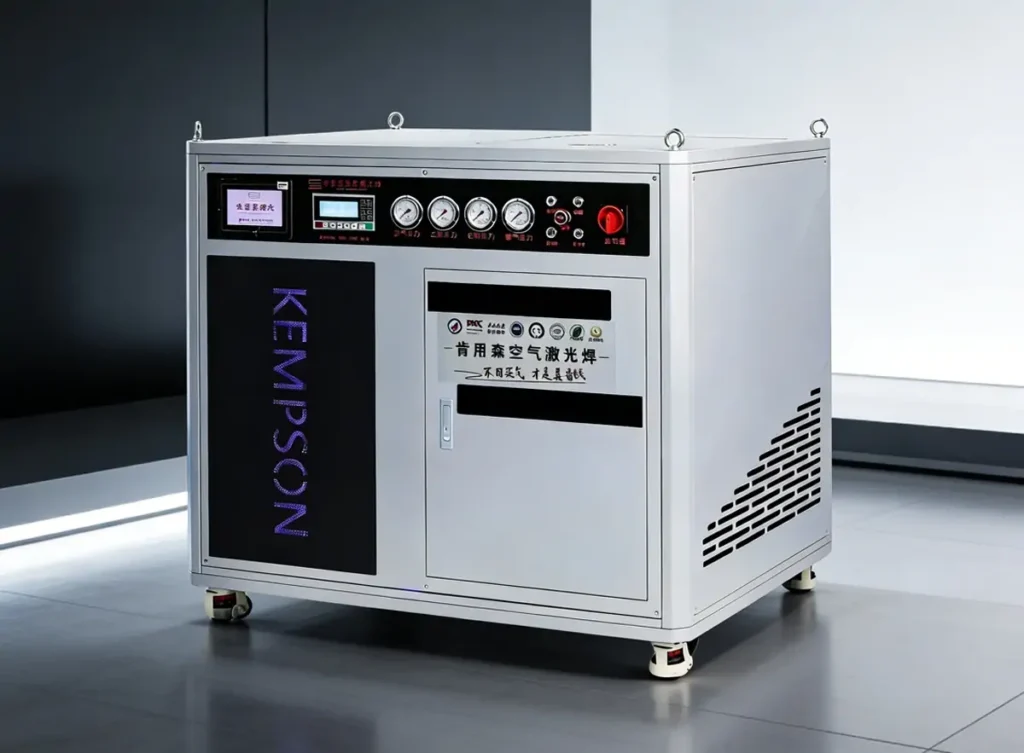
Air-Cooled Laser Welding Machine
An air-cooled fiber laser welding machine relies on an integrated air cooling system, offering a simpler structure and easier maintenance. It is commonly used for light-duty welding and mobile applications.
Power Range: 1100W / 1500W / 2000W
Welding Thickness: 0.5 – 5.5 mm
Applicable Materials: Stainless steel, carbon steel, thin aluminum sheets
Typical Applications: Light fabrication, on-site welding, small production workshops
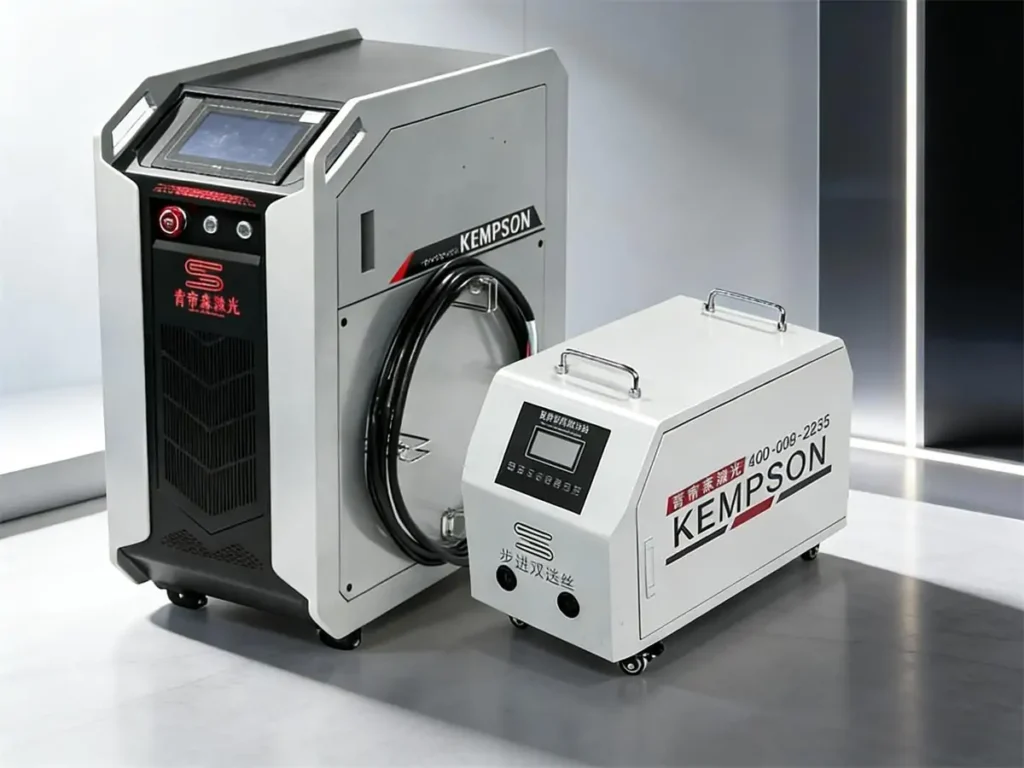
Components of a Fiber Laser Welding Machine
The main structure of an industrial laser welding system typically includes the fiber laser source, welding head, cooling system, and control system. The following is core parts:
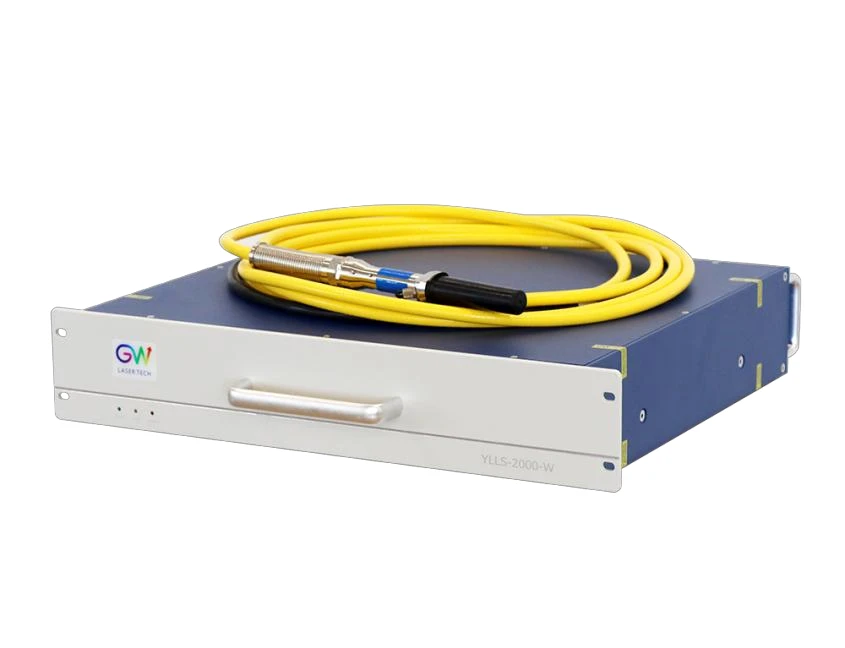
Laser Nitrogen Generator System
The Laser Nitrogen Generator System is the core of the machine, generating a high-energy laser beam for welding, with common brands including Raycus, IPG, GW, and Max.
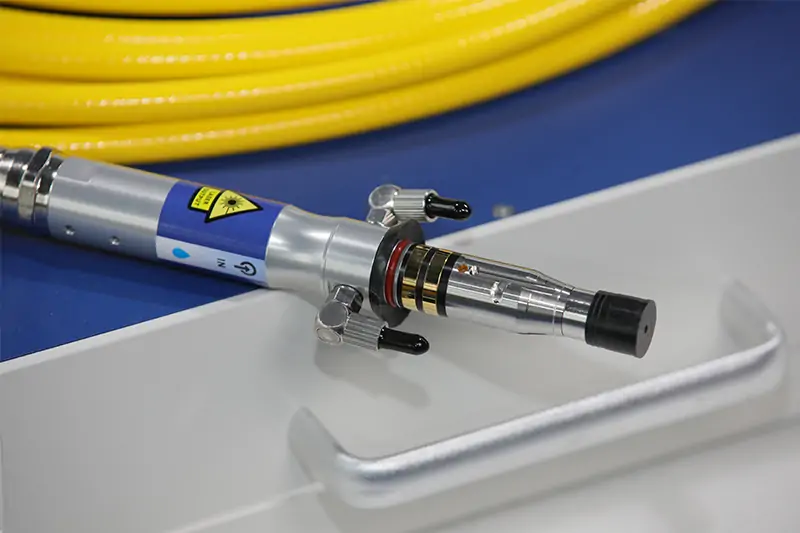
Laser Welding Gun
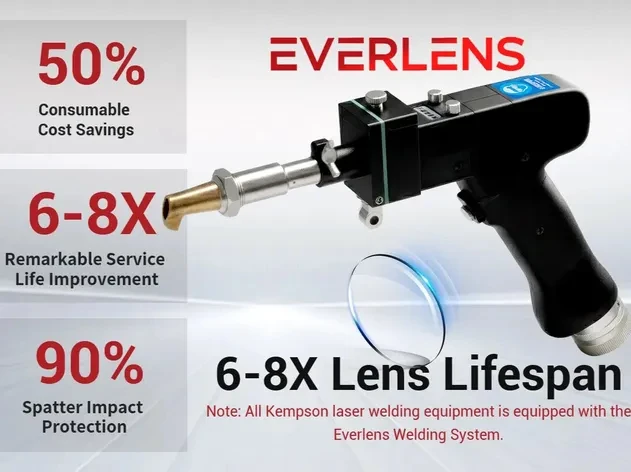
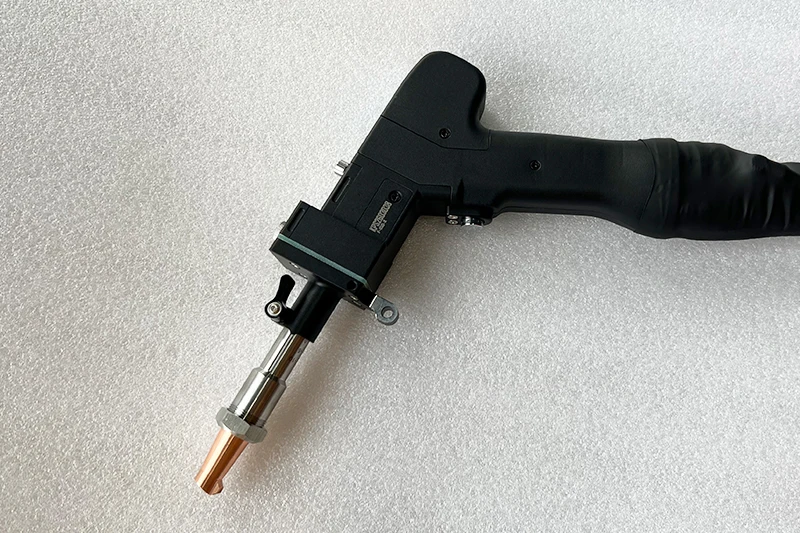
The laser welding gun features a multi-rotation anti-spatter design with reusable protective lenses and specialized nozzles. A built-in high-temperature alarm improves safety while reducing lens damage and consumable replacement, helping lower operating costs.
Laser Cooling System
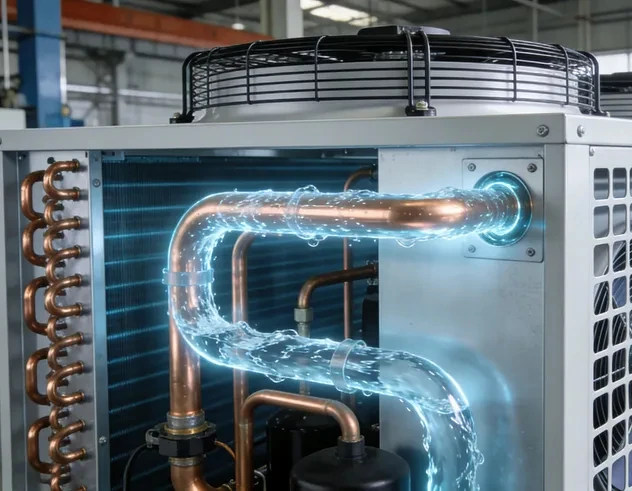
The laser cooling system—either air cooling or water cooling, maintains stable operating temperatures to protect the laser source and ensure consistent welding performance.
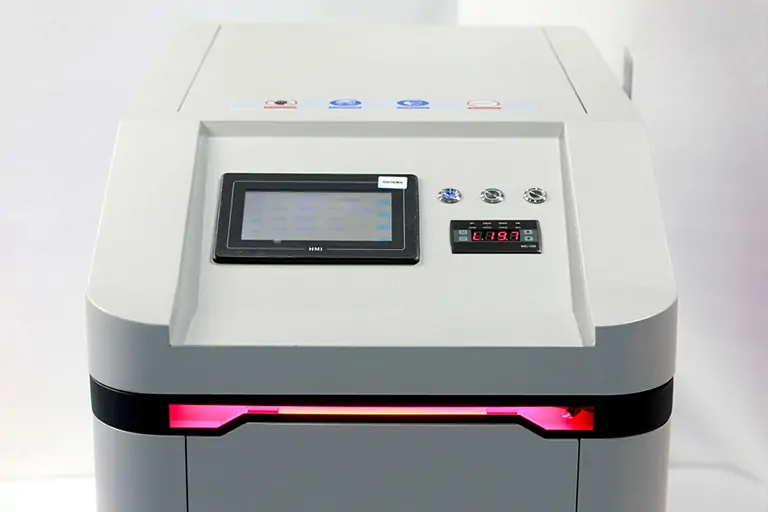
Control System
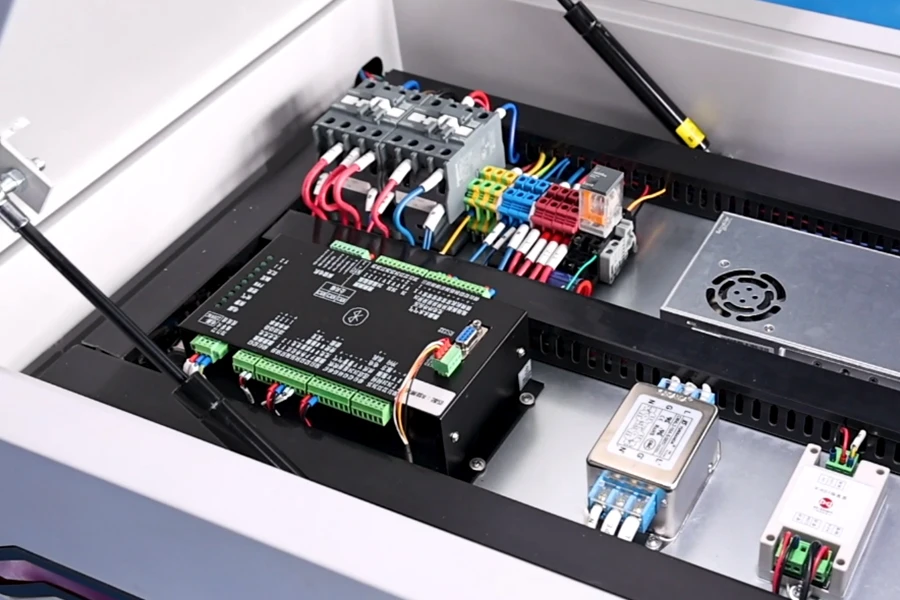
The control system, typically equipped with CNC control, a touch screen interface, and parameter adjustment functions, allows operators to easily manage welding settings and maintain precise process control.
Applications of Fiber Laser Welding Machines
Fiber laser welding machines are widely used across various industries due to their high precision, fast welding speed, and stable performance. This advanced metal laser welding technology is suitable for a wide range of materials, including laser welding stainless steel and laser welding aluminum, making it an ideal solution for modern manufacturing that requires strong, clean, and accurate welds.
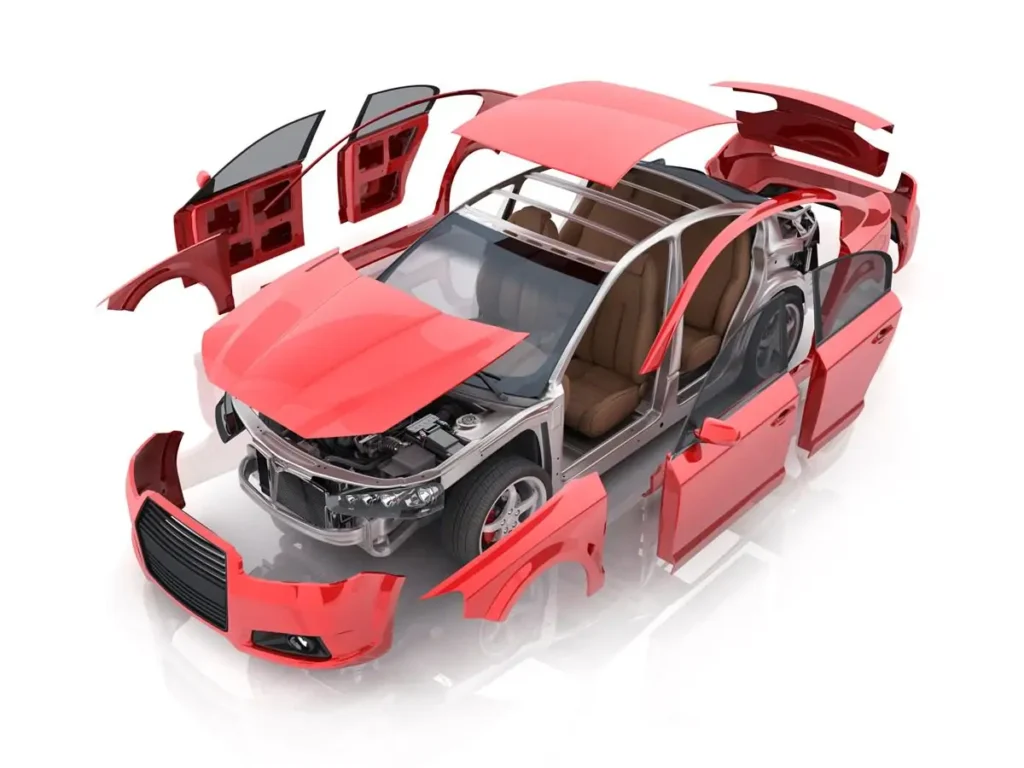
Automotive Manufacturing
Fiber laser welding is commonly used for welding battery trays, automotive structural parts, and precision components, offering strong joints and high production efficiency.
Stainless Steel Fabrication
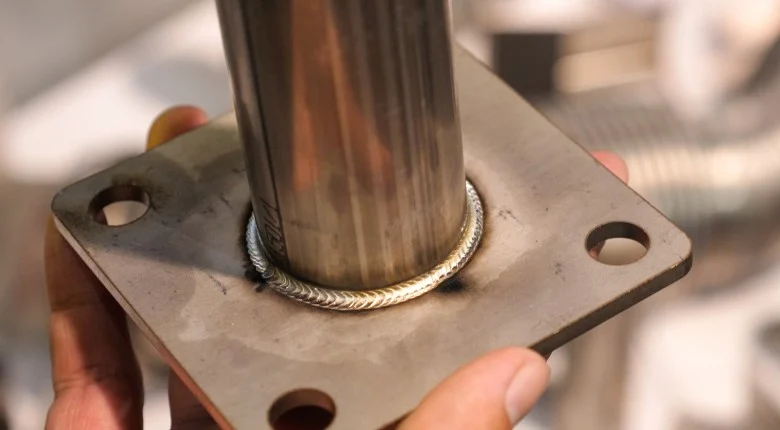
In stainless steel product manufacturing, laser welding is widely applied to produce kitchen cabinets, stainless steel furniture, and decorative metal products with smooth and clean weld seams.
Electronics Industry
Laser welding provides high-precision welding for small and delicate components, making it ideal for electronic devices and precision metal parts.
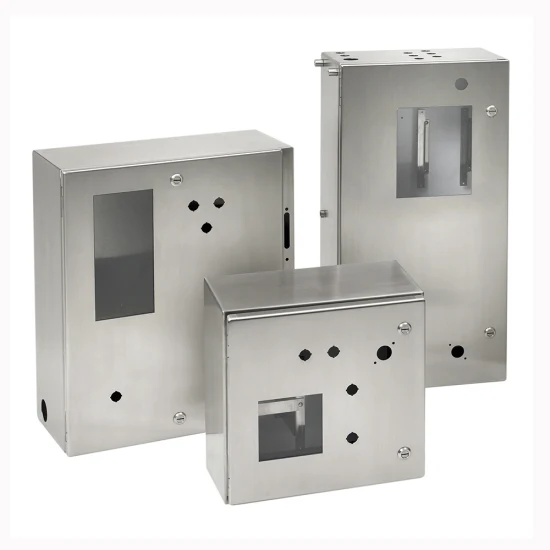
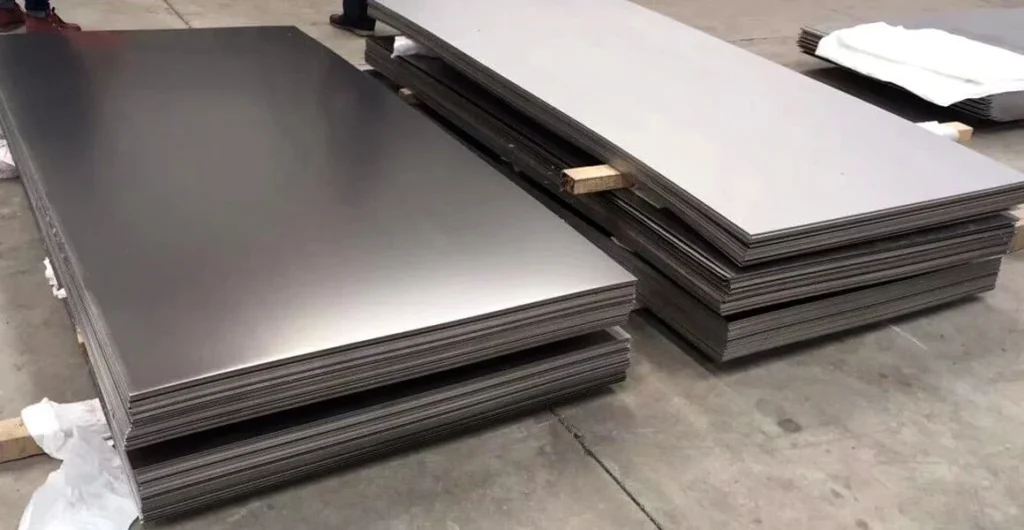
For sheet metal fabrication, fiber laser welding machines are used in welding thin plates, metal enclosures, and industrial parts, delivering fast and accurate welding results.
Advantages of Fiber Laser Welding Machines
Fiber laser welding technology is widely adopted in modern manufacturing. Key benefits of fiber laser welding include higher efficiency, superior weld quality, and lower operating costs. Below are five advantages of laser welding:
High-Speed Welding
Fiber laser welding operates 3-5 times faster than traditional TIG welding, significantly boosting production efficiency.
High Precision
The focused laser beam creates narrow, clean welds, making it ideal for high-precision welding applications.
Low Thermal Deformation
Fiber laser welding produces a minimal heat-affected zone, minimizing material distortion and improving overall weld quality.
Easy Automation
Fiber laser systems integrate seamlessly with CNC systems, robotic arms, and automated production lines.
Lower Maintenance Costs
Fiber lasers feature extended lifespans and minimal consumables, contributing to reduced maintenance and operational expenses.
How to Choose the Right Fiber Laser Welding Machine?
The right fiber laser welding machine depends on your material type, thickness, required welding speed, and automation needs. Selecting the appropriate power and configuration ensures high-quality welds, efficient production, and lower long-term costs.
1. Material Type
Different metals require different power and welding parameters. Stainless steel and carbon steel are easier to weld, while aluminum and copper alloys need higher laser power and precise control.
2. Material Thickness
Thicker materials require higher-power lasers to achieve full penetration and strong welds.
3. Welding Speed Requirement
High-speed production demands machines with higher power and stable output to maintain efficiency without sacrificing quality.
4. Automation Level
- Handheld systems are suitable for flexible, small-scale welding.
- Platform automatic or robotic systems are ideal for batch production and repetitive tasks.
5. Power Selection Guide
| Laser Power | Recommended Welding Thickness | Typical Applications |
|---|---|---|
| 1000W | 0.5 – 3 mm | Thin sheet metal, stainless steel products |
| 1500W | 0.5 – 5 mm | Furniture, cabinets, general metal fabrication |
| 2000W | 1 – 6 mm | Industrial sheet metal processing |
| 3000W+ | 2 – 10 mm | Heavy metal fabrication, automated production lines |
Choosing the right fiber laser welding machine ensures optimal welding quality, efficiency, and long-term reliability. For tailored recommendations, please contact Kempson team.
Why Choose Kempson?
Henan Kempson Laser Technology Co., Ltd. is a national high-tech enterprise guided by the “EverLens Welding 1+n” philosophy. We specialize in the R&D, production, sales, and after-sales service of laser welding equipment, dedicated to solving thick-plate laser welding challenges and providing global manufacturers with efficient, high-value industrial laser welding systems.
With over 30 core patents and R&D investments exceeding 30% of annual revenue, Kempson has developed multiple innovative products. These include the Multi-Rotation Anti-Splatter Black Gold Welding Gun, featuring protective lenses with an 8x longer lifespan than industry averages. This significantly reduces consumable costs, boosts efficiency, and ensures stable, high-quality welds.
Our products hold ISO9001, CE, and FDA certifications, backed by 3-year warranties and after-sales service in 22 countries. Exported to Japan, South Korea, Australia, Europe, and the Americas, we stand as a trusted global partner.
Contact our team today to obtain professional solutions and elevate your production capabilities.
Conclusion
Fiber laser welding machines are advanced industrial laser welding systems that provide high-precision, high-speed, and low-deformation metal fusion. They combine efficiency, automation, and reliability, making them ideal for applications in automotive, electronics, medical, and metal fabrication sectors.
For manufacturers seeking better productivity and consistent weld quality, the right fiber laser welding machine can transform operations. Contact Kempson today to explore the best solution for your specific production requirements.