Table of Contents
To meet the demands of industrial development, laser welding equipment is constantly evolving. Common types of laser welding equipment include handheld laser welding and CNC laser welding. This article primarily discusses the applications of laser welding used.
Laser welding applications are precision welding methods that use a high-energy-density laser beam as a heat source. It utilizes an optical system to focus the laser beam onto an extremely small area, instantly forming a highly concentrated energy heat source zone to melt the material and form a solid weld spot or seam. Laser welding results in beautiful weld beads, offers strong flexibility, high efficiency at low cost, precisely controllable heat input, and an extremely small heat-affected zone (HAZ), which prevents workpiece deformation. This fiber laser welding technology can be divided into heat conduction welding and deep penetration welding based on welding depth, and into pulse welding and continuous welding based on laser mode. Read “What Is the Difference Between Continuous Laser Welding and Pulsed Laser Welding?”
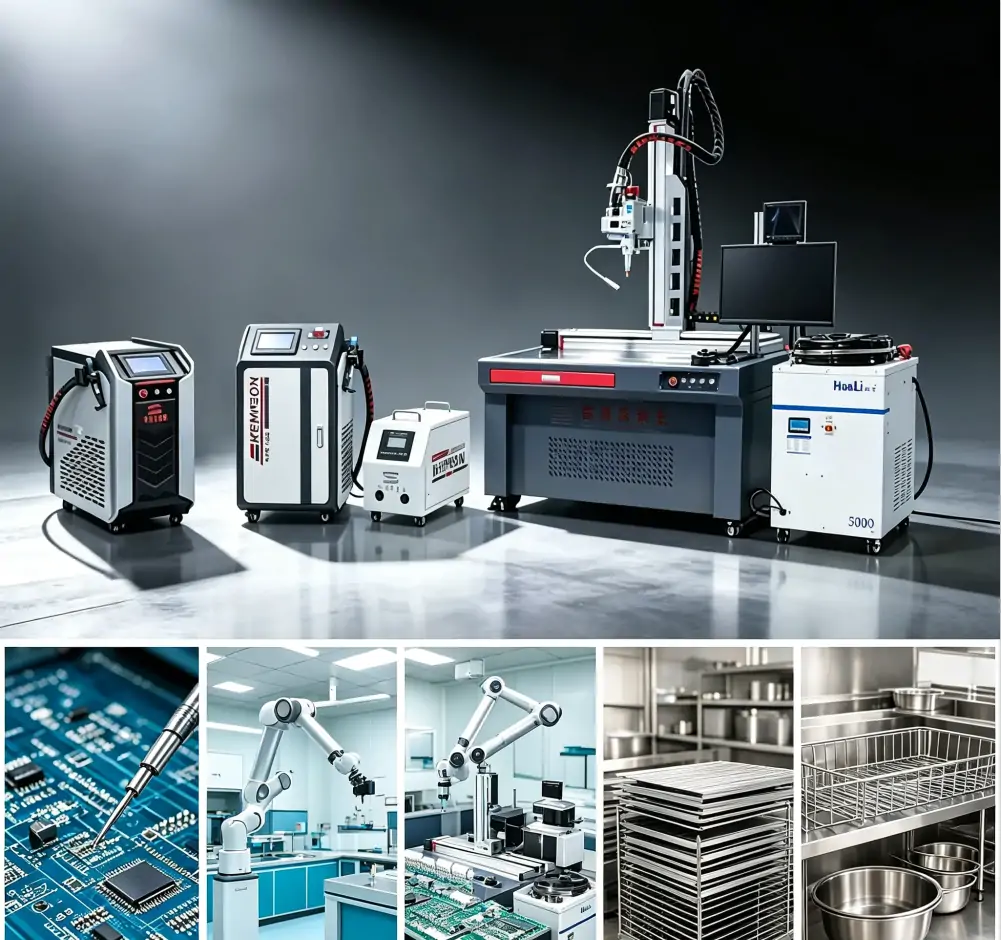
Laser welding is widely used in industries such as automotive, new energy, electronics, precision manufacturing, aerospace, high-end equipment, shipbuilding, and precision components. Why are more and more enterprises choosing industrial laser welding? This article will analyze the advantages, types, specific application scenarios, and selection criteria of laser welding.
Why Are More and More Enterprises Choosing Laser Welding?
Laser welding has become a core technology for the transformation and upgrading of the manufacturing industry. Its high energy density and precise temperature control capabilities make enterprise production more efficient and stable.
| Category | Advantage Description | Technical Indicators / Performance |
| Precision | Achieving a high depth-to-width ratio with narrow, deep, and aesthetically pleasing weld beads. | Depth-to-width ratio of 5:1 or 10:1; heat-affected zone controlled within 0.1mm. |
| Quality | Eliminates reliance on manual labor to ensure consistent weld seam quality. | Weld defect rate as low as 0.8%. |
| Flexibility | No electrodes or filler materials required; the system provides its own welding wire. | Capable of reaching difficult-to-access areas inaccessible to traditional methods. |
| Compatibility | Laser Welding Machine for Hybrid Structure joining dissimilar materials and various metals. | Applicable to stainless steel, carbon steel, zinc alloys, and more. |
| Automation | Composed of robots and CNC systems for simple, continuous operation. | Supports 24-hour continuous, uninterrupted operation. |
| Cost | Significantly reduces long-term operating expenses and energy use. | Energy consumption is 84% lower than that of manual welding. |
| High Efficiency | Integrated with automatic loading systems for maximum output. | Output is 3 times higher than manual labor, ideal for mass production. |
| Environment | Minimal smoke and dust with no harmful gas emissions. | Energy consumption is 84% lower than that of manual welding. |
The precision, efficiency, and environmental friendliness of laser welding used are important reasons attracting enterprises. It pushes the manufacturing industry toward high-quality, low-cost development and will create greater value for enterprises in the future.
What Is Laser Welding Used For
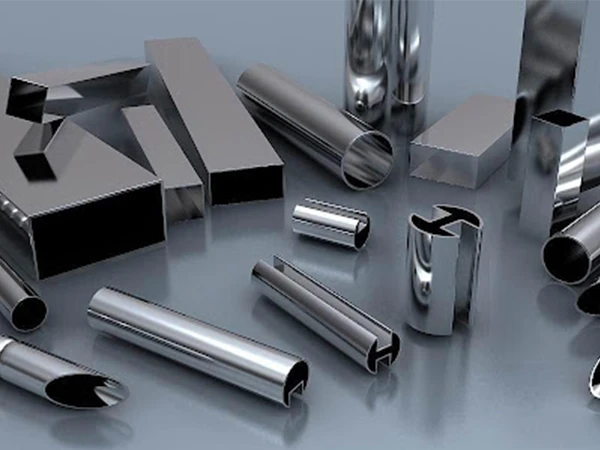
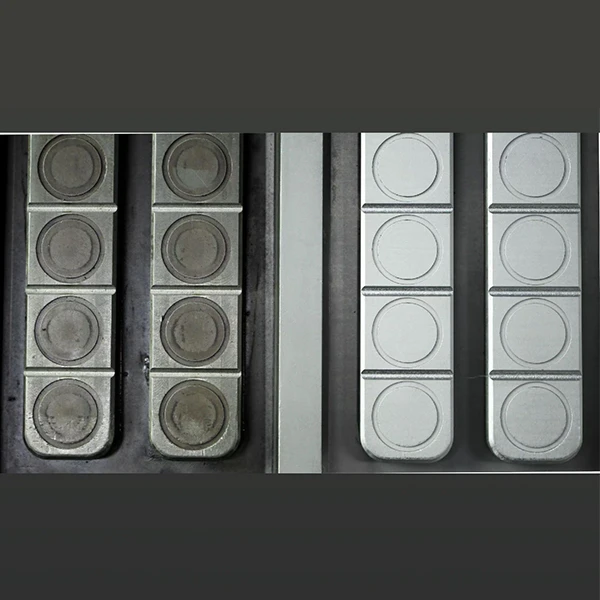
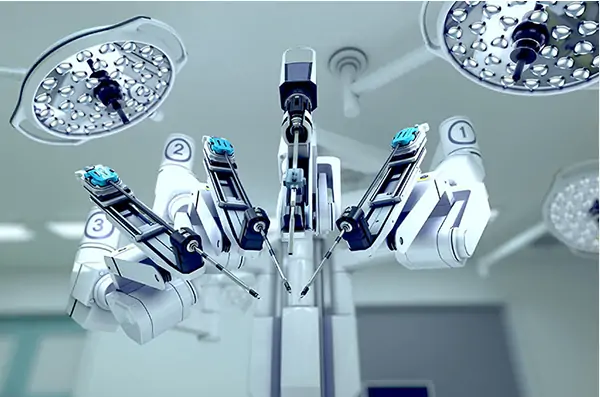
Laser welding applications have expanded from the initial processing of precision components to multiple fields such as automotive manufacturing, new energy, and medical devices. Application scenarios require matching technical characteristics with industry needs.
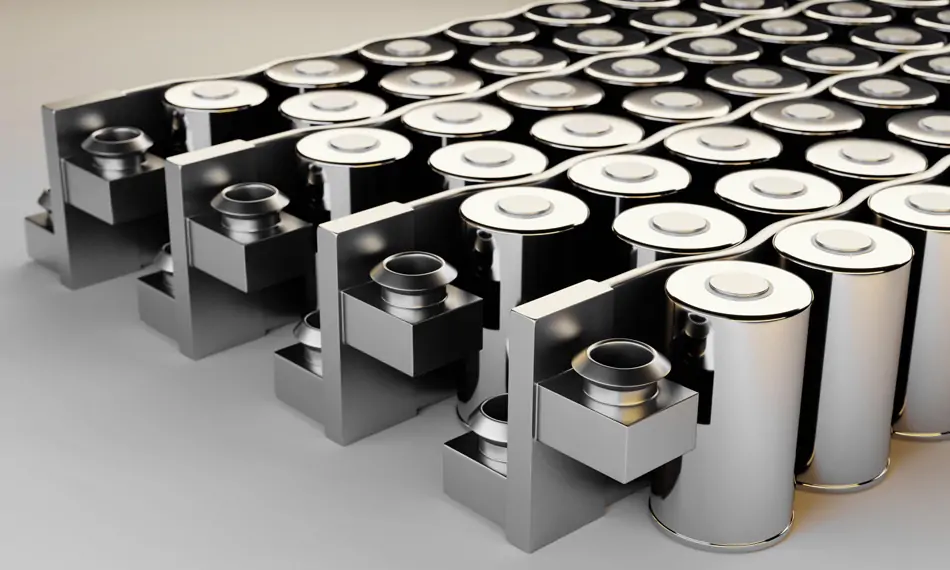


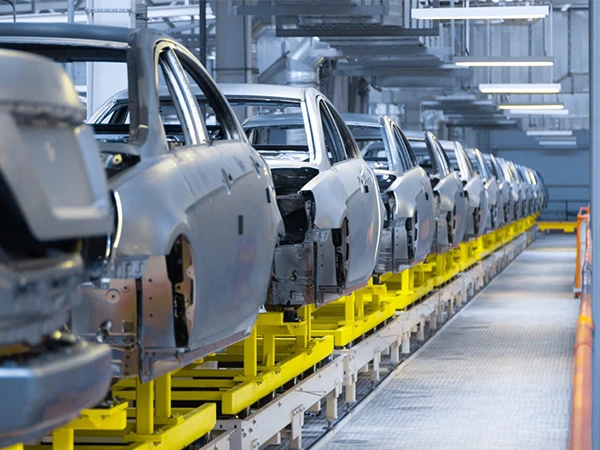
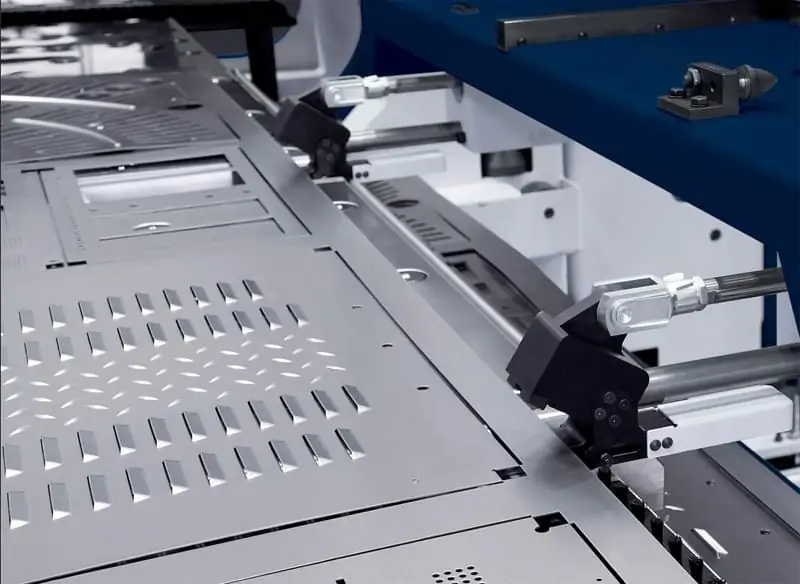
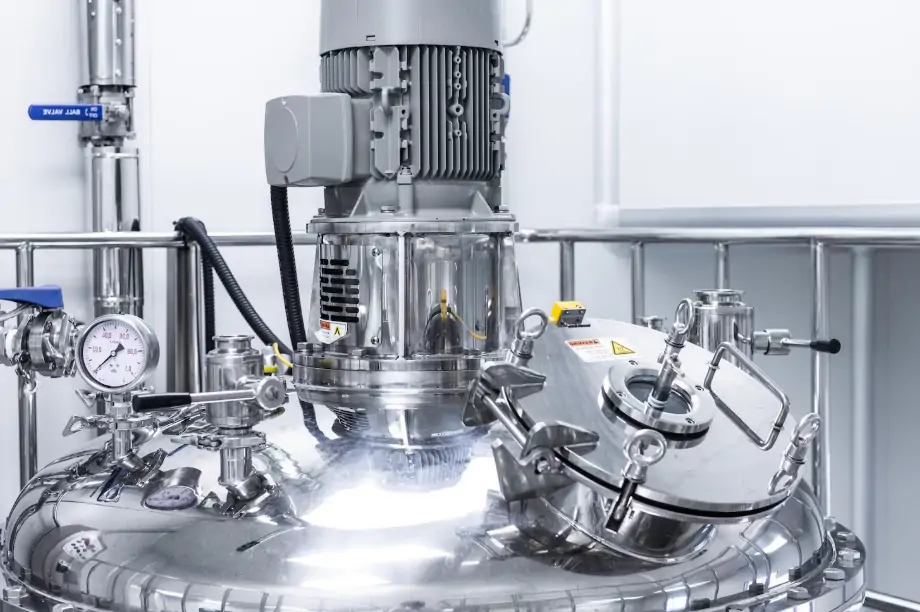
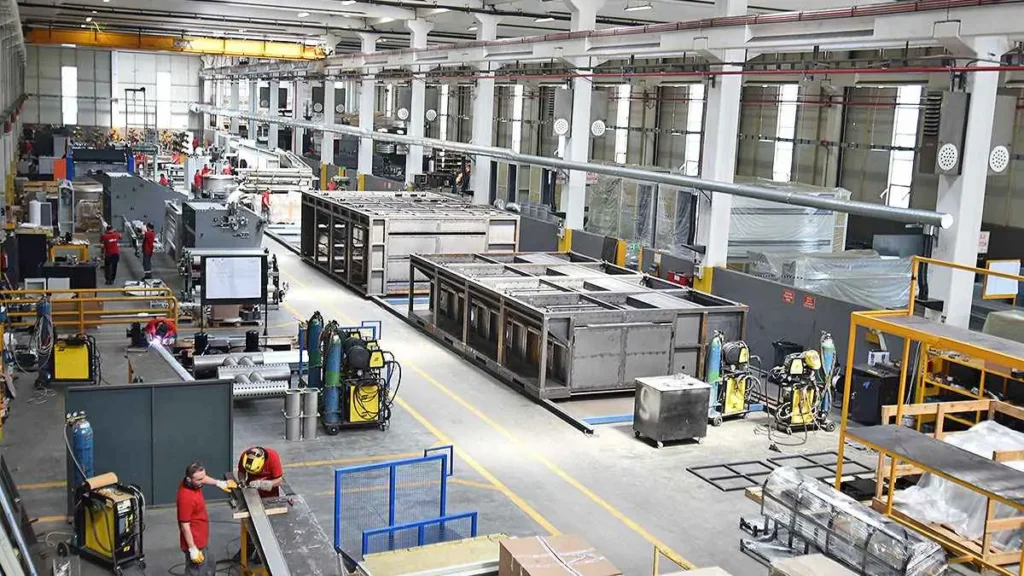

- Power Batteries: Tab welding, module PACK sealing, improving energy density and safety.
- Body Manufacturing: Replacing traditional spot welding to improve body rigidity and lightweighting.
- Motors and Electronic Control: Stator and rotor welding, wire harness connections for efficient conduction.
- Mobile Phones/Computers: Seamless shell welding, camera module sealing, and achieving micron-level precision.
- Semiconductors: Chip packaging, sensor welding, and protecting internal precision components.
- Medical Devices: Surgical instruments, implant welding, meeting biocompatibility and sterile requirements.
- Titanium/High-Temperature Alloys: Engine components, spacecraft structural welding, and withstanding extreme conditions.
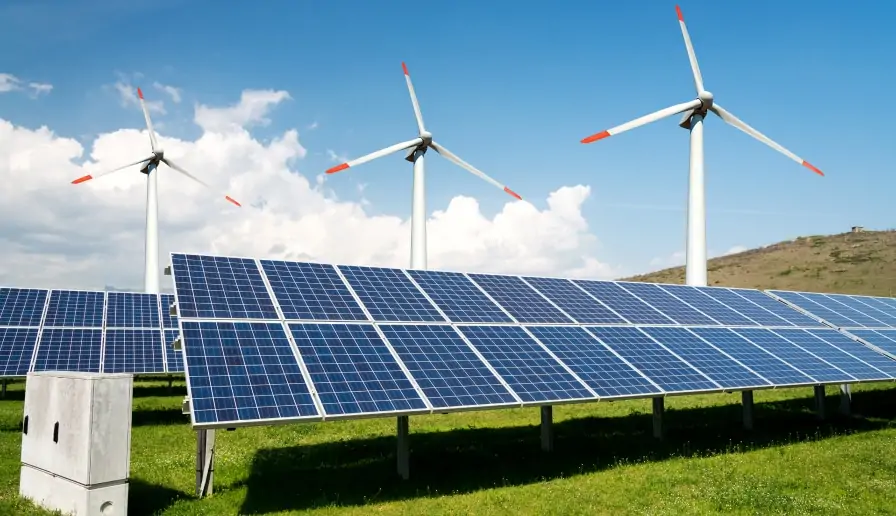
- Photovoltaic Modules: Low-temperature welding of perovskite cells to avoid thermal damage to materials.
- Kitchen and Bathroom Appliances: Stainless steel sinks, water heater liner welding, beautiful and leak-proof.
- Shipbuilding: Hull structural welding, reducing deformation and material consumption.
- Luxury Goods: Fine welding of watches and jewelry, ensuring a flawless appearance.
- Intelligent Upgrading: Equipment is developing toward digitalization and automation, supporting welding process data traceability and quality control.
- Cost Note: Equipment costs are relatively high, with strict requirements for assembly precision and surface cleanliness, requiring supporting fixtures and process development.
With its high precision, high efficiency, and flexibility, industrial laser welding uses have become a core technology for manufacturing upgrades. From mobile phones to rockets, and from batteries to medical devices, it has redefined production standards. In the future, with the development of new types of fiber laser welding technology, equipment will continue to improve according to industrial needs, and its range of applications will become even broader.
Common Types and Application Scenarios
Common laser welding equipment on the market is mainly classified by laser type, power range, operation mode, and application scenario. Different types of equipment show significant differences in efficiency, precision, and applicable materials. Commonly used for welding medium- and thin-gauge sheets: High-Speed Laser Welding Machines (1500W, 2000W, 3000W). Kempston is a Chinese laser welding manufacturer. In terms of laser welding used, we offer:
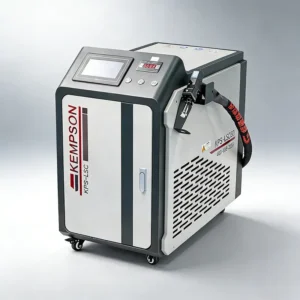
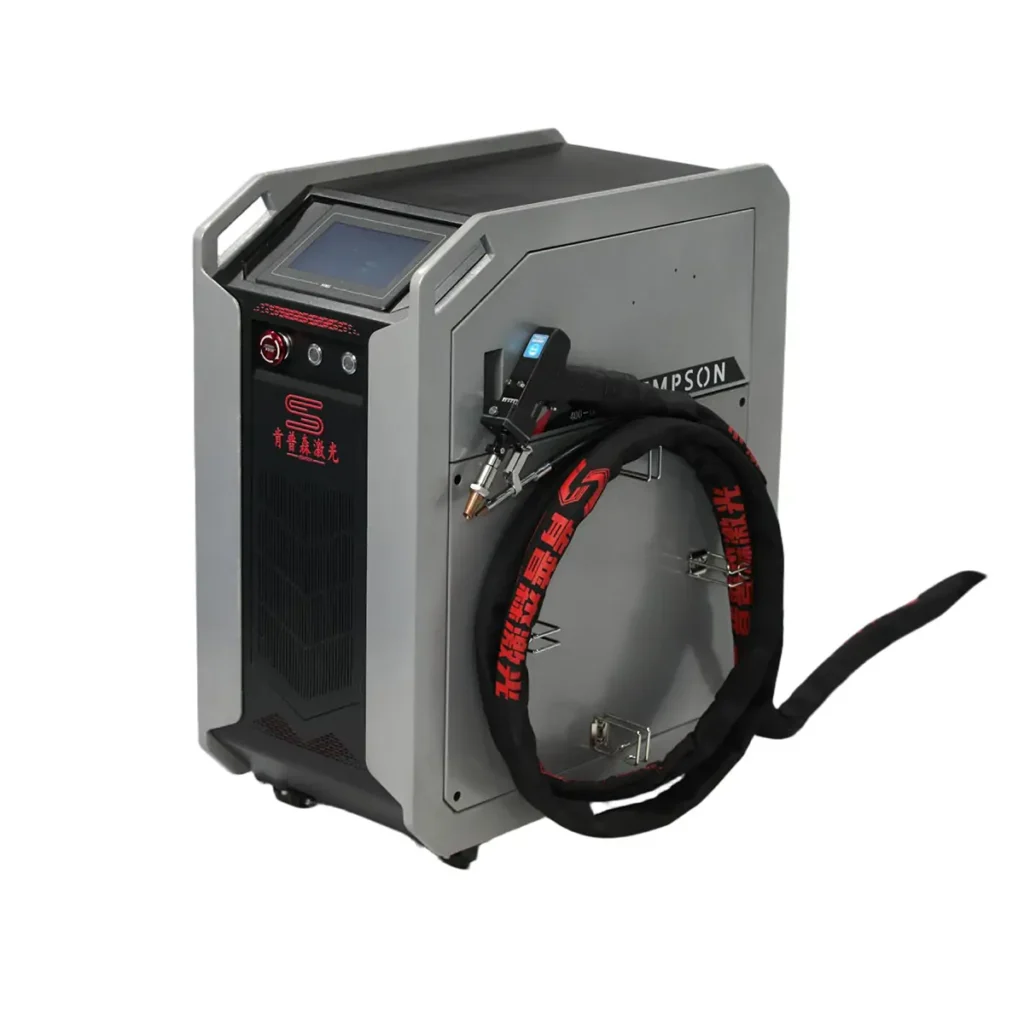
Air Cooled Handheld Laser Welding Machine
This air-cooled handheld laser welding machine is designed specifically for welding medium and thin-metal plates. It requires no external water cooling, is compact in structure, easy to move, and simple to operate.
It is widely used in kitchen and bathroom hardware processing, outdoor signage installation, household appliance sheet metal welding, metal door and window guardrail manufacturing, small hardware part production, auto parts processing, and warehouse shelf construction for small to medium batch welding scenarios.
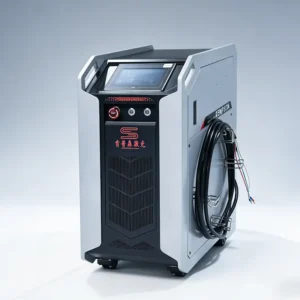
Water Cooled Portable Fiber Laser Welding
The water-cooled portable fiber laser welding machine integrates the laser source, water cooling system, wire feeder, and control system into a compact body, achieving continuous, stable, and high-quality welding performance. It produces fine weld spots, uniform seams, and a minimal heat-affected zone, effectively avoiding metal deformation and burn-through issues.
It is applied in electronic component processing, medical device component production, automotive sheet metal parts, precision instrument manufacturing, kitchen and bathroom appliance welding, and machine metal plate shells.
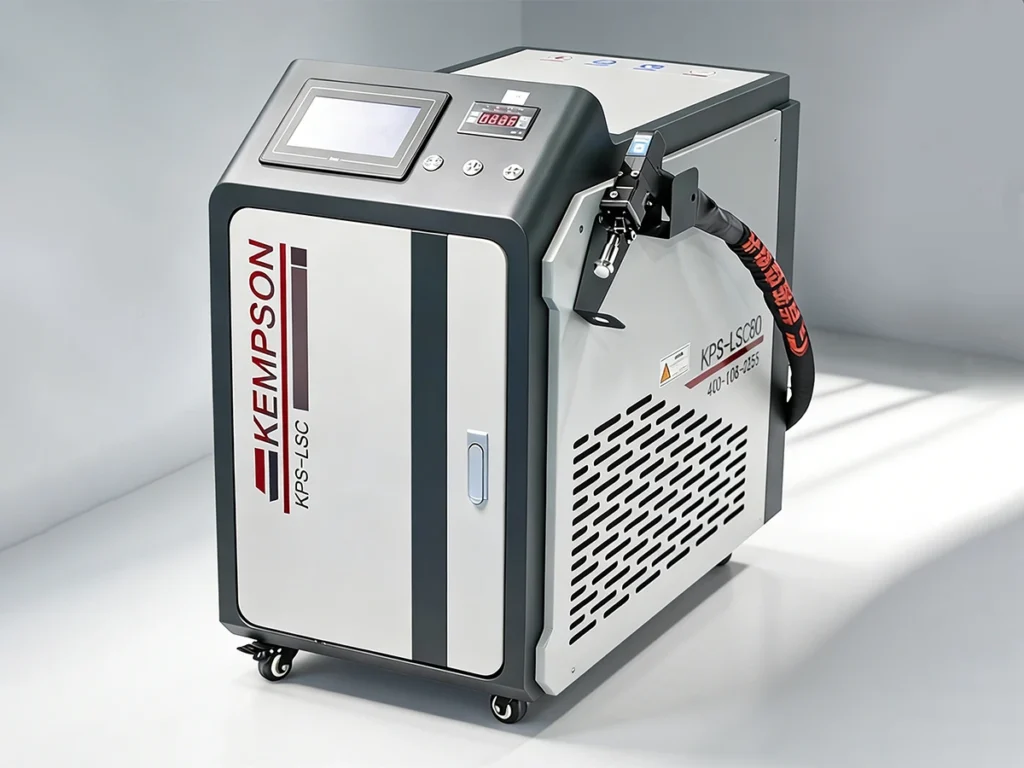
Water Cooling Industrial Laser Weld
The equipment uses a customized GW anti-high-reflection chip laser and a French Schneider Electric control system, featuring multiple isolation protections to effectively reduce the risk of equipment damage and extend service life. Its turbine worm four-wheel drive stepper wire feeding device supports seamless switching between single-wire, double-wire, and triple-wire welding modes. This device provides precise and stable wire feeding with an automatic straightening function for smooth, efficient, and high-quality welding.
It is used in heavy machinery manufacturing, bridge steel structures, mining equipment processing, shipbuilding and marine engineering, pressure vessel production, and wind turbine tower welding.
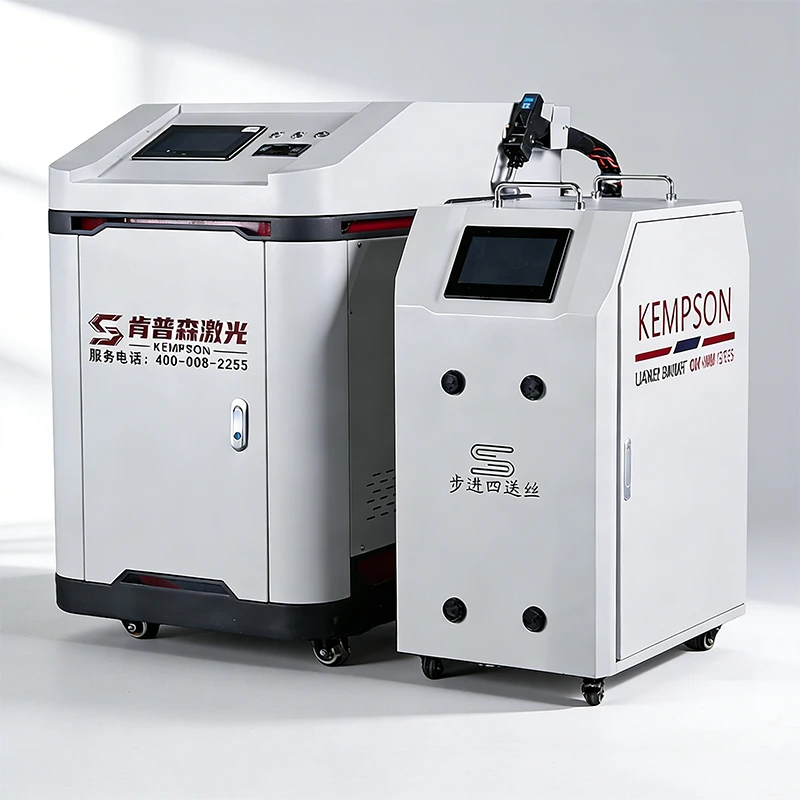
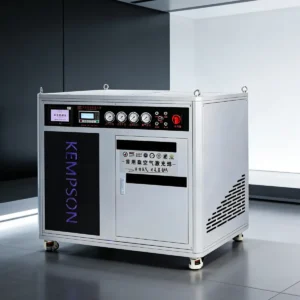
Air Laser Welding Machine
The air laser welding machine uses self-produced 99.99% argon-nitrogen mixed gas. The gas generator adopts a multi-stage vortex collision separation filtration system imported from South Korea, equipped with a high-precision gas generation unit. This ensures a pure and stable gas supply while significantly reducing operating costs. The handheld welding head comes standard with a 10-meter fiber optic cable, allowing for flexible and convenient long-distance outdoor welding. In addition to single-wire and double-wire modes, this air laser welding machine can use a stepper four-wire feeder to achieve triple-wire stack welding.
It is used in kitchen and bathroom hardware, door and window railings, metal tools, light steel structures, medical device components, and household appliance metal parts.
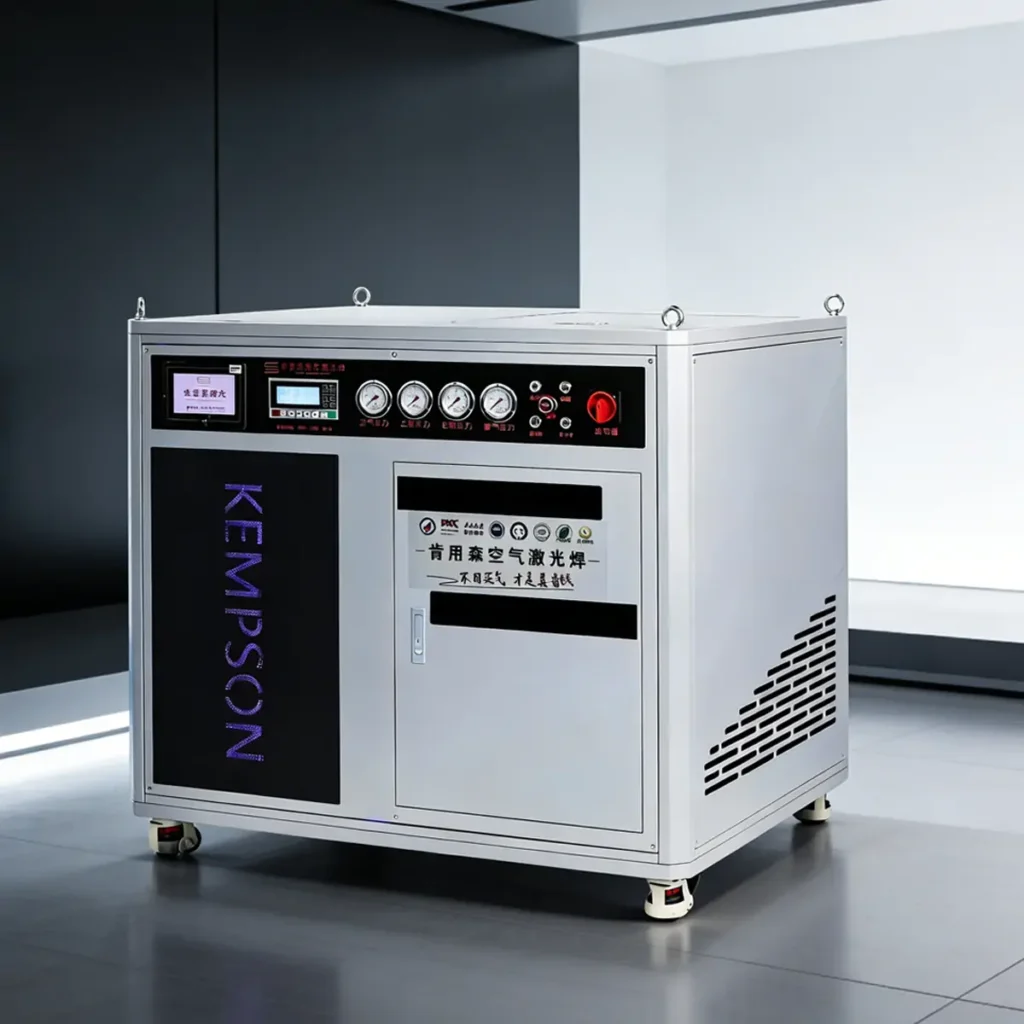
4000W Air Laser Welding Machine
This is a thick metal laser welding machine equipped with an anti-spatter black gold welding gun and dual protective lenses to minimize pollution and wear during operation. Its stepper four-drive wire feeder supports seamless switching between single-wire, double-wire, and triple-wire modes, thereby increasing weld width and fullness. It can even achieve weld buildup, providing more stable and accurate welding quality.
It is used in heavy machinery, large steel structures, ship structural parts, high-strength pressure vessels, heavy automotive and truck components, and metal processing.
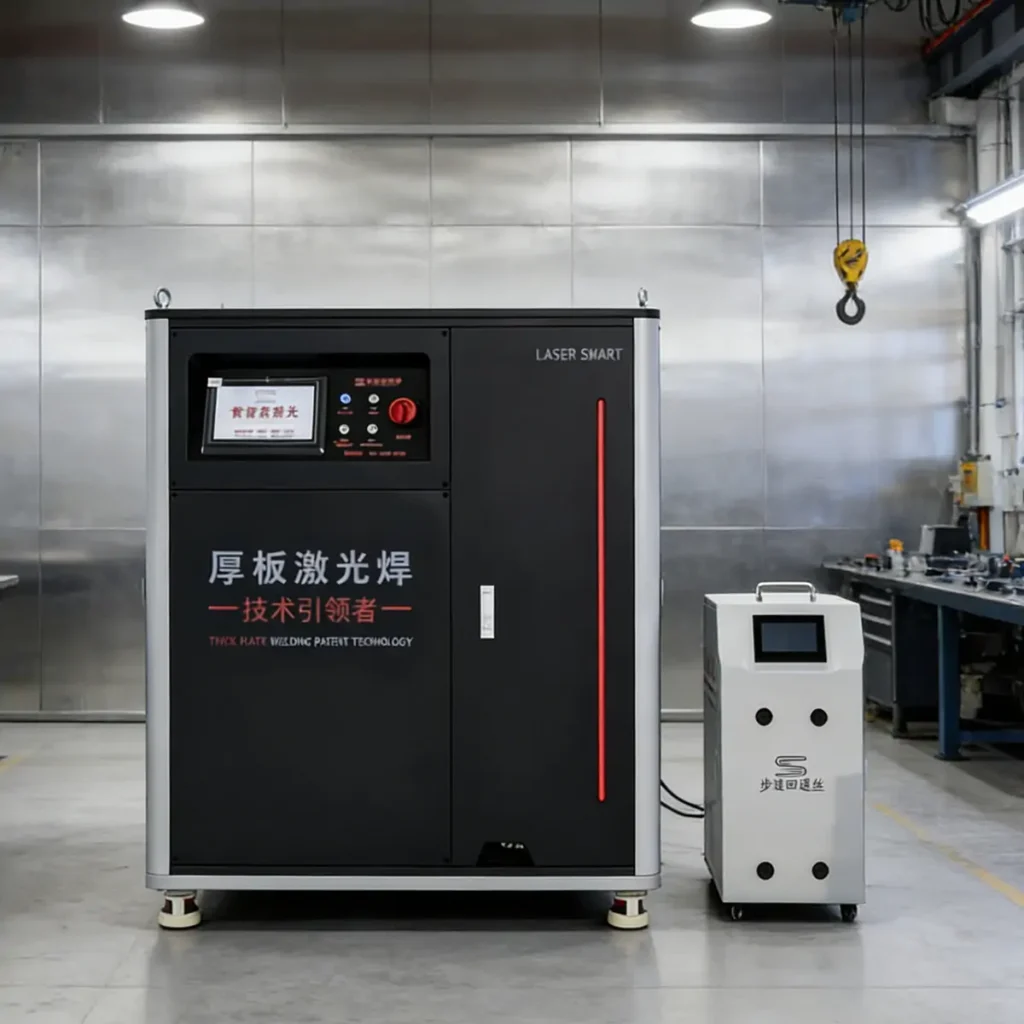
Battery Laser Welding Machine
Specifically designed for lithium-ion battery manufacturing, this high-power laser welding machine (1500W–3000W) provides reliable and precise welding results. Featuring low heat generation and high power output, it ensures welding safety and durability.
It is mainly used for welding battery terminals, USB interfaces, microelectronic components, and precision parts.
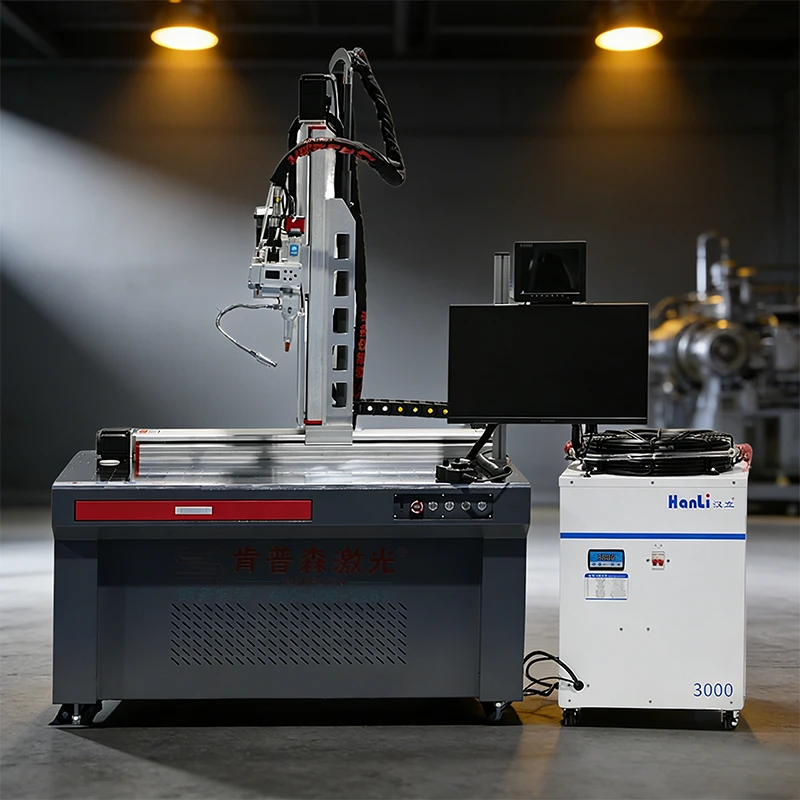
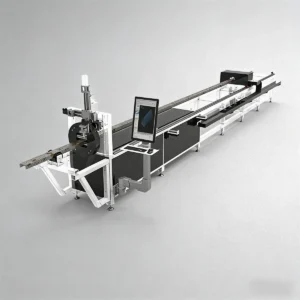
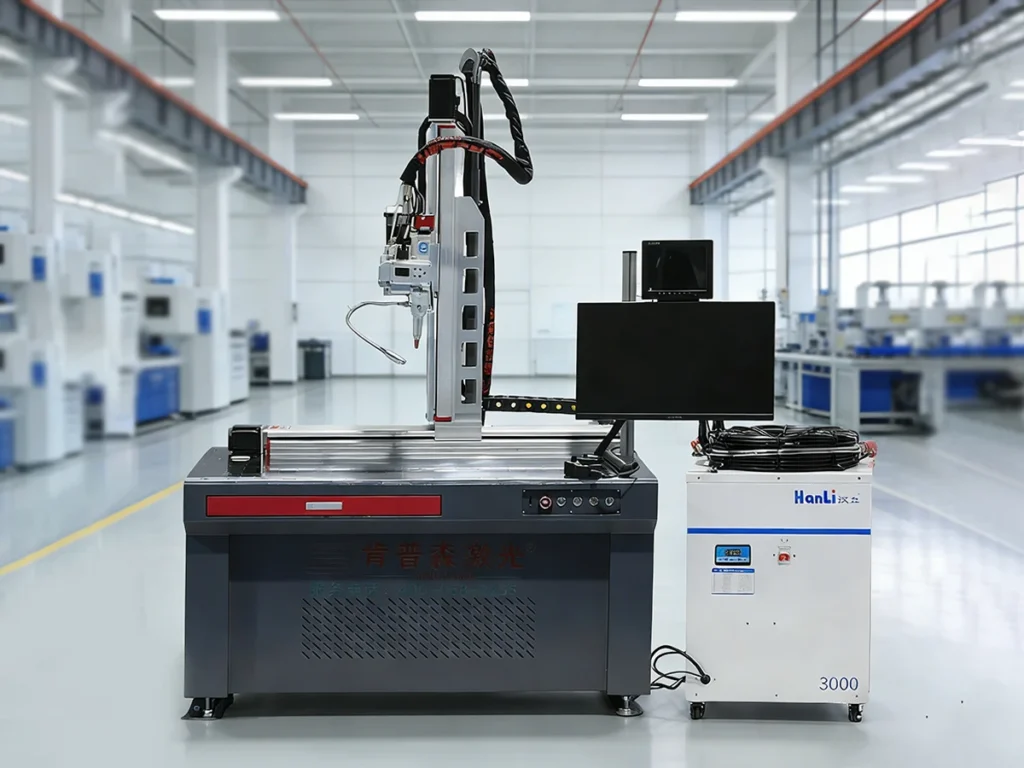
CNC Laser Welding Machine
Utilizing an independently developed core welding system and an integrated design, it offers positioning accuracy up to ±0.015mm and is equipped with four-drive precision wire feeding technology. With one-time welding molding that requires no grinding, it is an industrial-grade laser welding device designed for small and medium-batch standardized production.
It is mainly used for kitchen and bathroom hardware, household appliance metal plates, automotive precision parts, electronic components, and medical devices.
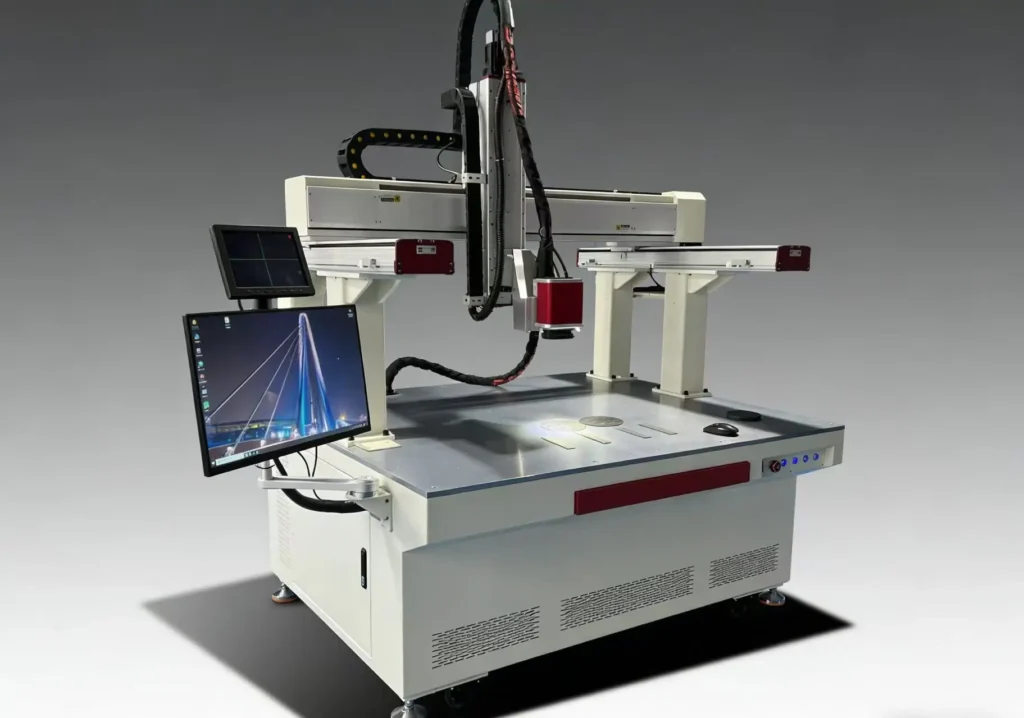
Galvanometer Scan XY Platform Laser Welding Machine
This galvanometer scan XY platform laser welding machine is equipped with a high-definition LCD control panel and continuous/pulse dual working modes. It utilizes a Schneider Electric control system and a four-axis stepper wire feeder to achieve single-pass welding, minimizing spatter and deformation without the need for secondary grinding.
It is applied in electronic components, kitchen and bathroom hardware, household appliance metal plates, automotive precision parts, and warehouse shelves.
How to Choose?
Choosing laser welding equipment must match material characteristics, thickness requirements, and production scenarios; do not blindly pursue high power or brands. From matching material with wavelength to power with thickness, and then to the combination of equipment type and scenario, every step must correspond precisely.
Material: The reflectivity, melting point, and thermal conductivity of the material directly determine the laser type and wavelength selection.
Power and Thickness: Power selection should follow “Material thickness × 50W/mm.” Insufficient power leads to insufficient penetration, while excessive power easily causes burn-through and deformation.
Equipment Type Adaptation to Production Scenario: The equipment type should be selected based on workpiece size, automation requirements, and operational flexibility.
Cooling Method and Smart Functions: Water-cooled machines are suitable for thick plate welding and can operate 24 hours a day; air-cooled machines are suitable for thin plates and small-batch production.
Selection Tip: When choosing equipment, it is recommended to bring samples for on-site testing to inspect weld spot consistency and the richness of the process parameter library under continuous operation. Remember, the core of equipment is stability and peace of mind, not a pile of functions.
Conclusion
Whether in automotive manufacturing or precision electronics, industrial laser welding uses are becoming essential in modern manufacturing. Kempston provides high-performance fiber laser welding technology solutions to global customers. If you are looking for used equipment for laser welding, please contact us.
FAQs
What materials are suitable for laser welding?
Laser welding is widely applicable to various metal materials such as stainless steel, carbon steel, aluminum alloy, copper, and titanium alloy, especially for scenarios with high requirements for precision and weld quality.
How thick can laser welding weld?
Generally, laser welding is suitable for metal materials from 0.5mm to 6mm. The specific thickness depends on equipment power and welding process parameters; high-power equipment can achieve welding of thicker materials.
What is the difference between laser welding and Argon Arc Welding (TIG)?
Compared to Argon Arc Welding, laser welding has the advantages of faster welding speed, smaller heat-affected zone, lower deformation, and a higher degree of automation, making it more suitable for precision manufacturing and mass production.
What scenarios is the handheld laser welding machine suitable for?
The handheld laser welding machine is suitable for stainless steel products, sheet metal processing, small structural parts, and repair work, especially for SMEs and flexible production needs.
Is laser welding equipment suitable for automated production lines?
Yes, automatic laser welding systems and robotic laser welding equipment can be seamlessly integrated into production lines, greatly improving production efficiency and welding consistency.
What are the applications of laser welding in the battery industry?
In the battery industry, laser welding is mainly used for battery tab welding, module connection, and sealing welding, offering significant advantages in high precision and low thermal impact.
Is the cost of laser welding equipment high?
The initial investment for laser welding equipment is relatively high, but due to its high efficiency, low rework rate, and strong automation capability, it can significantly reduce comprehensive production costs in the long run.
How to choose the right laser welding equipment?
When choosing, factors such as material type, thickness, welding precision, output demand, and whether automation is required should be considered. It is recommended to communicate with professional manufacturers to obtain customized solutions.
Does laser welding require professional operators?
Handheld equipment is relatively simple to operate and can be picked up after basic training; however, automated or robotic systems require personnel with a certain technical background for programming and maintenance.
Can laser welding equipment be customized?
Most laser welding equipment supports customization, including power configuration, workbench structure, automation integration, etc., to meet the needs of different industrial scenarios.