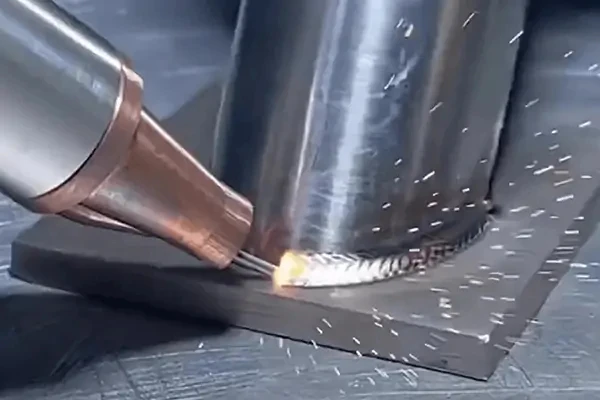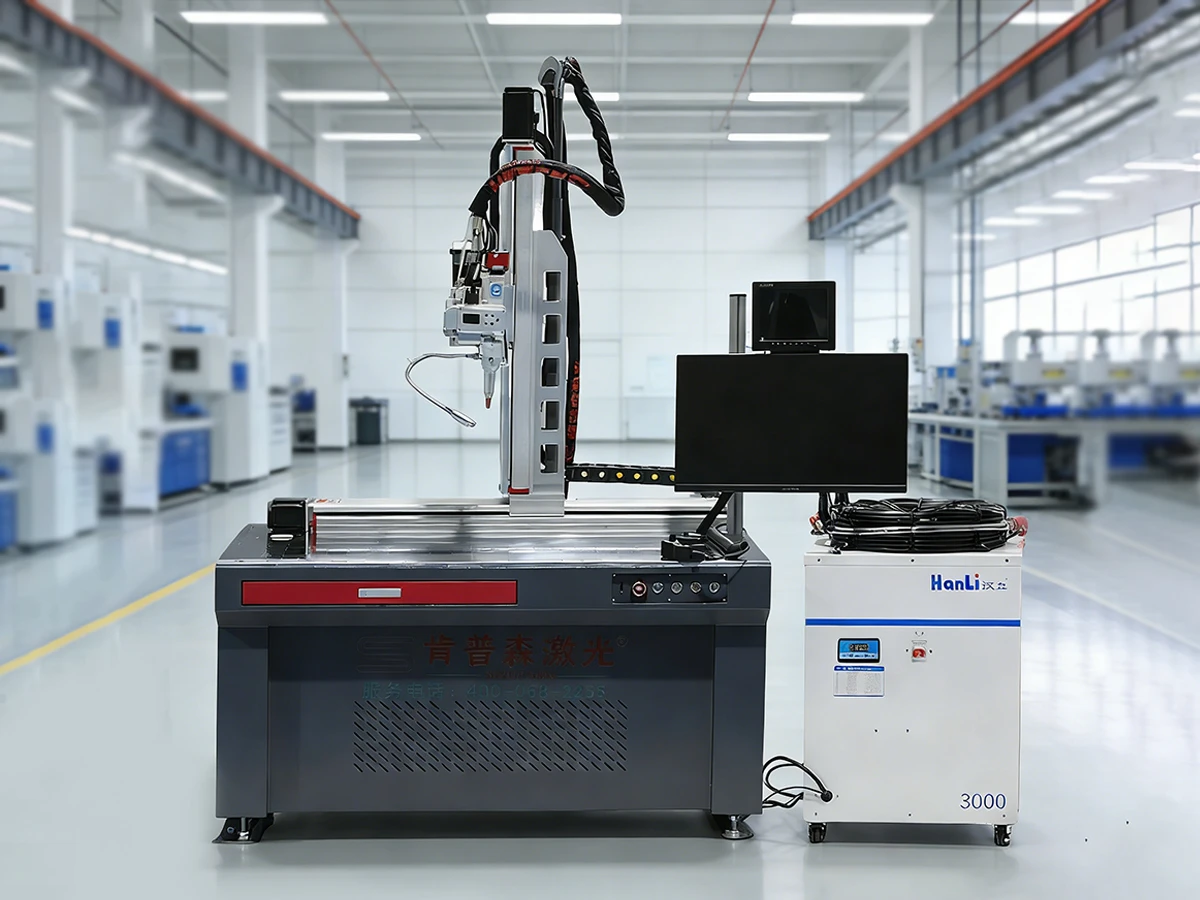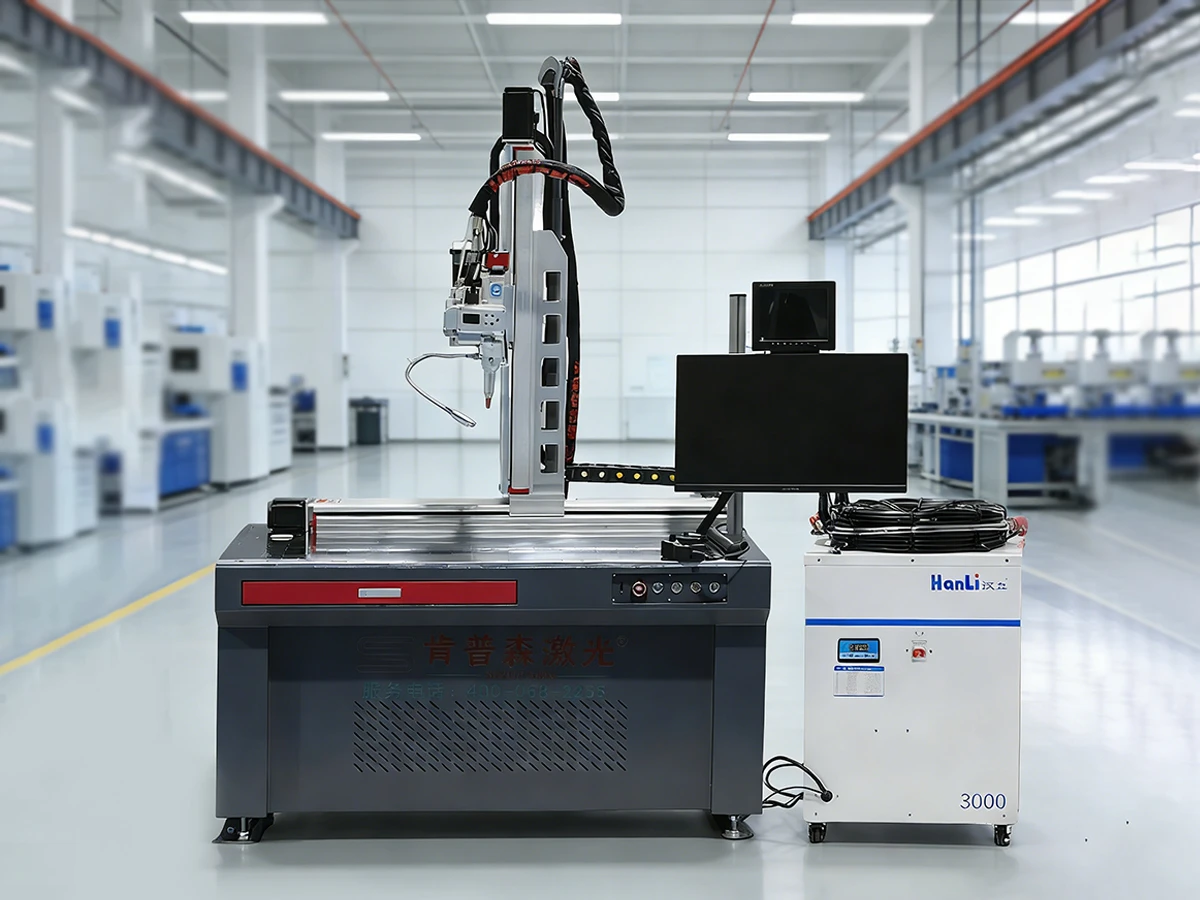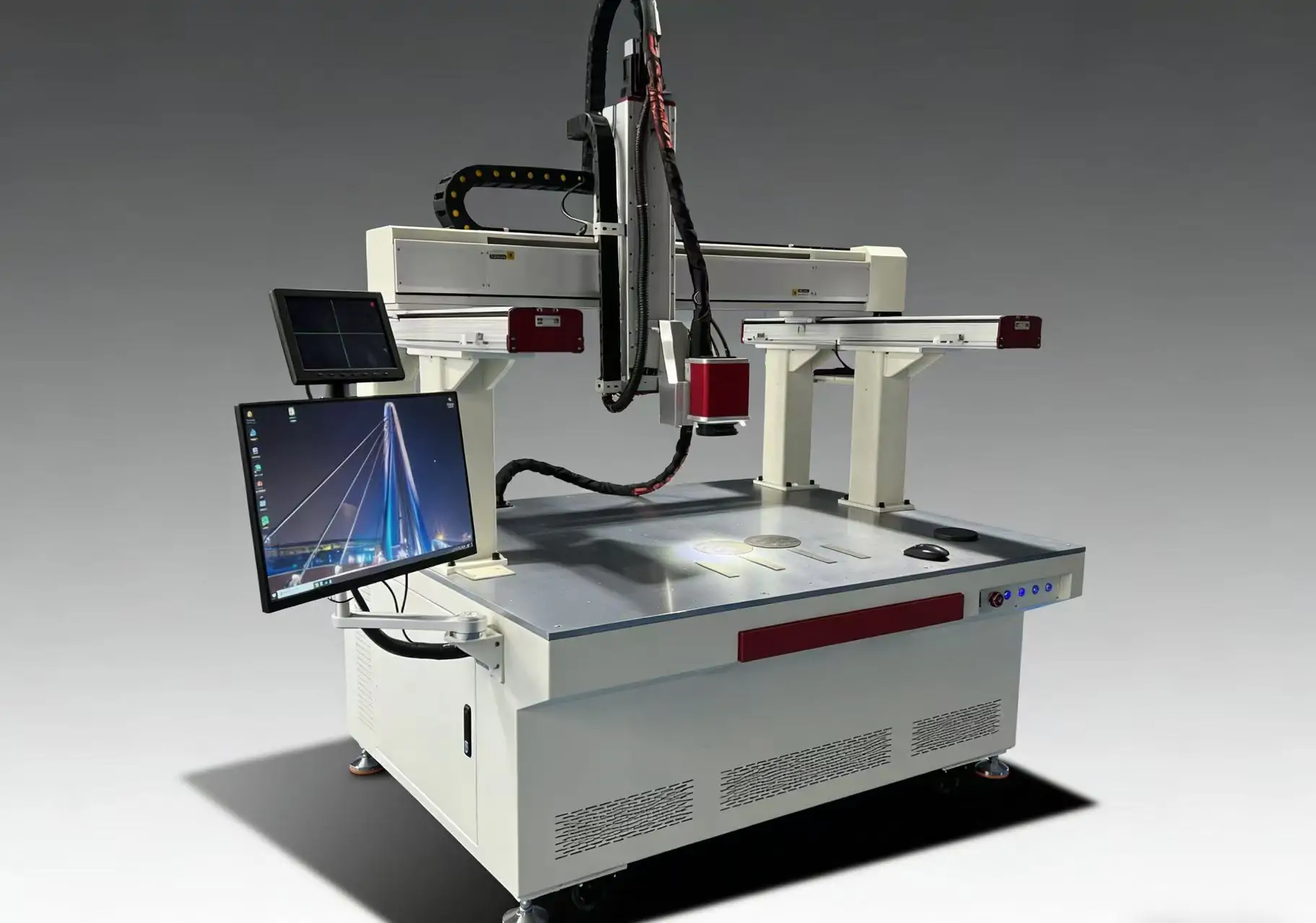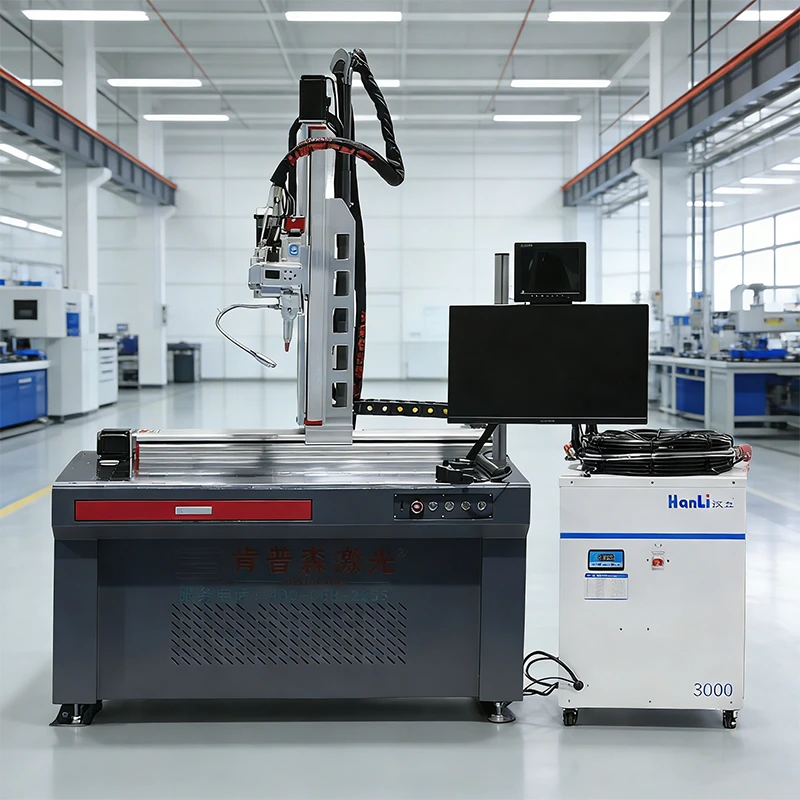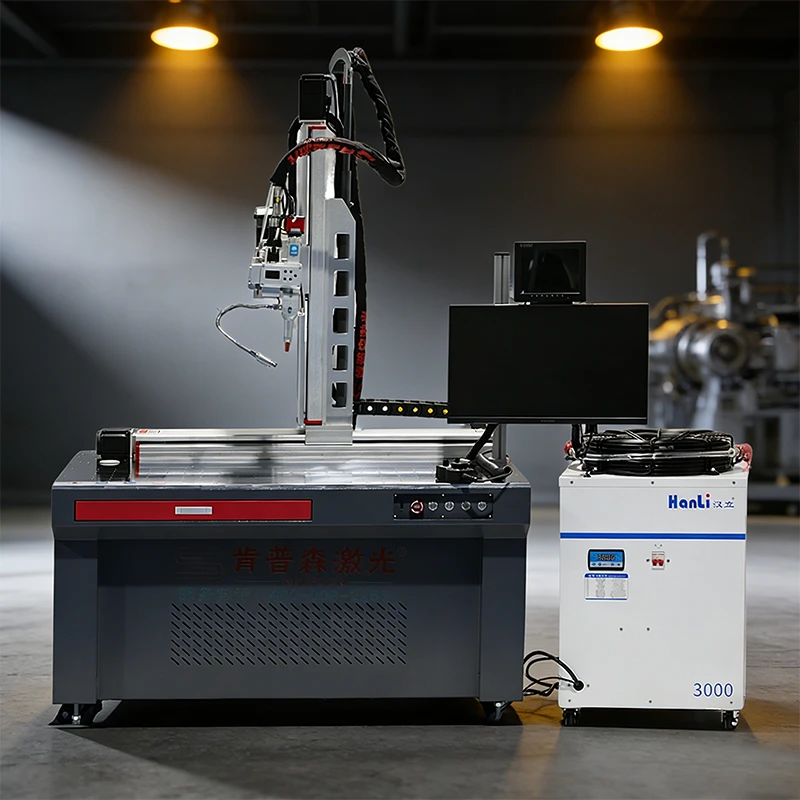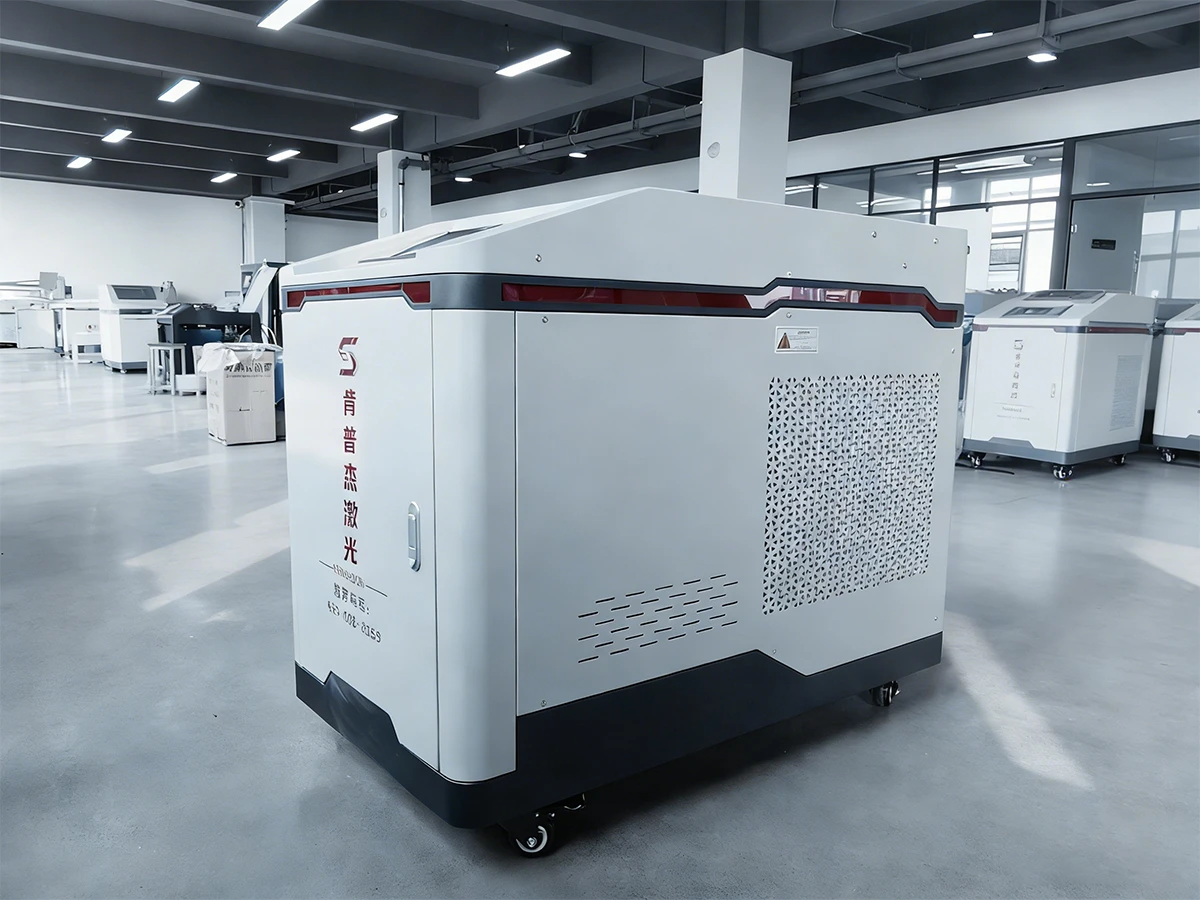
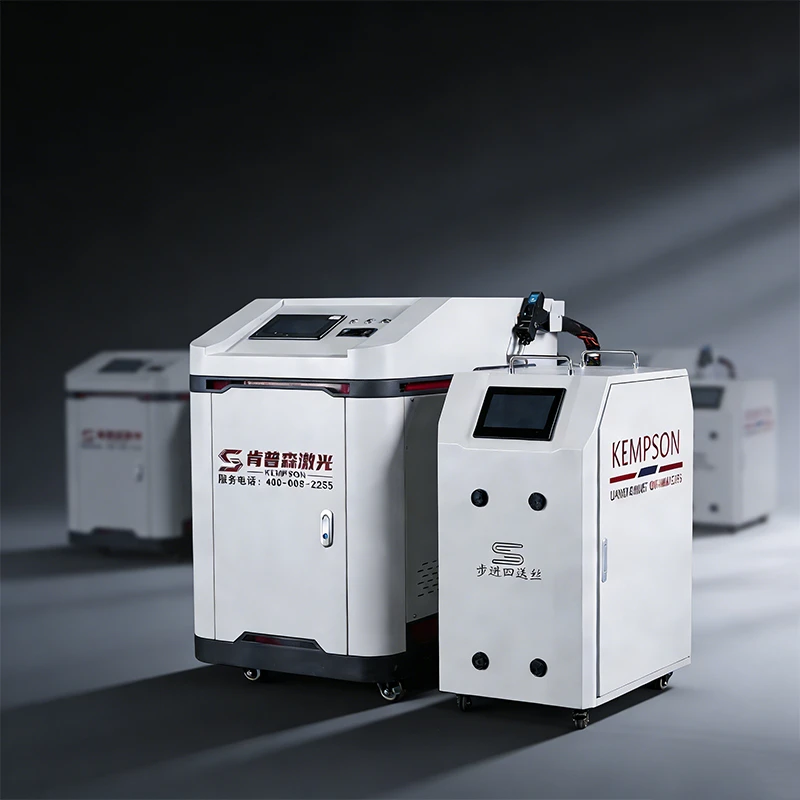
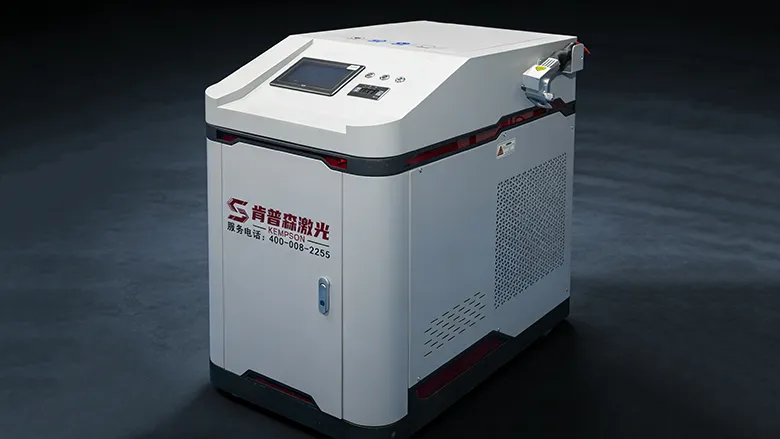
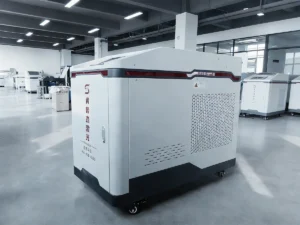
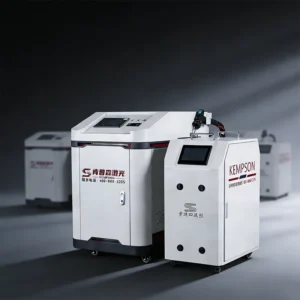
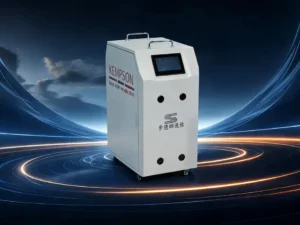
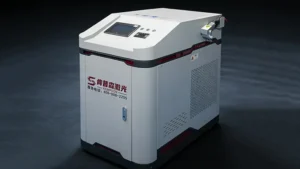
An aluminum-steel hybrid structure combines aluminum alloys and steel to reduce weight while maintaining structural strength. A Laser Welding Machine For Aluminum-Steel Hybrid Structure is used to join these dissimilar metals with stable weld quality and controlled heat input, making it suitable for manufacturing lightweight multi-material assemblies.
Aluminum-steel hybrid structures are widely used in electric vehicles, battery enclosures, rail transit, aerospace, and other industries where weight reduction, structural performance, and production efficiency are equally important.
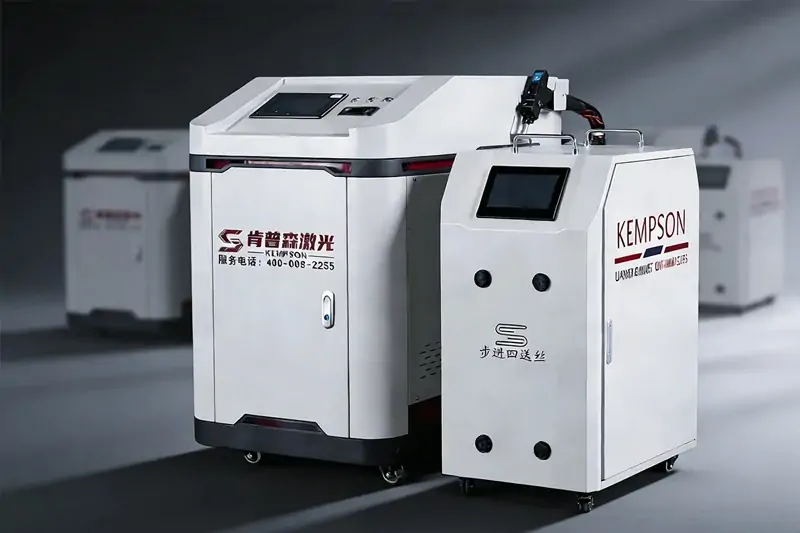
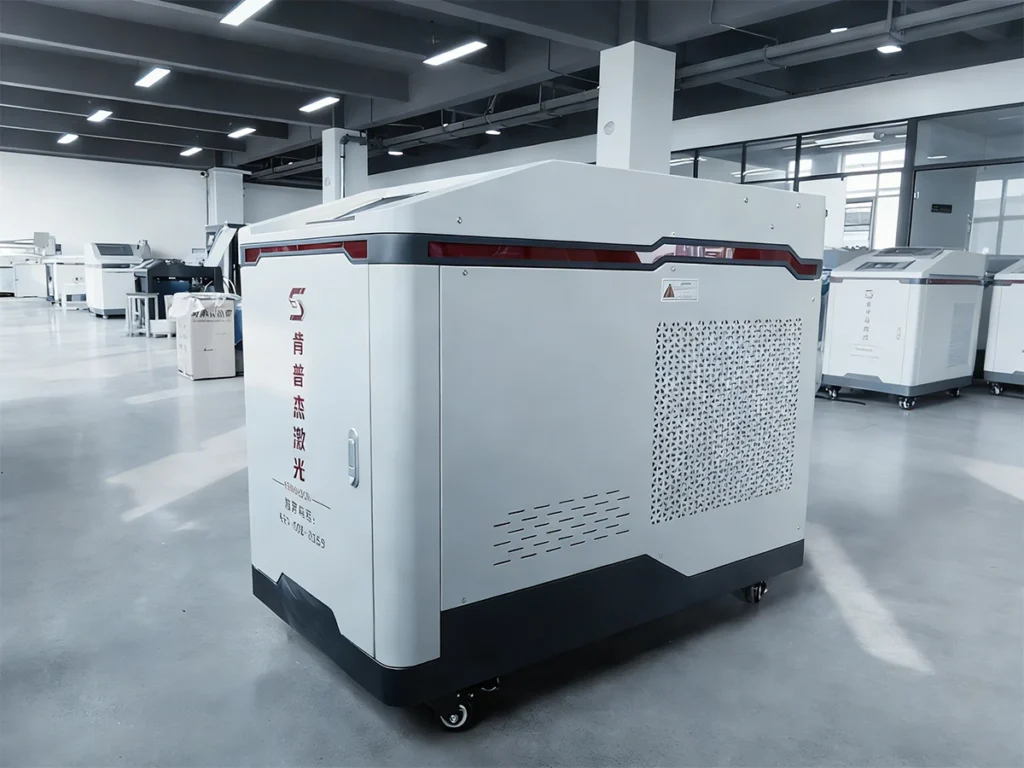
A Laser Welding Machine for Aluminum-Steel Hybrid Structures is used for joining aluminum and steel in lightweight multi-material assemblies. Aluminum and steel have different melting points, thermal conductivity, and thermal expansion properties, which makes stable joint formation difficult with conventional welding methods. Laser welding uses controlled heat input and stable energy delivery for dissimilar metal joining in industrial production.
| Welding Challenges | Laser Welding Solution |
|---|---|
| Different melting points, thermal conductivities, and thermal expansion of aluminum and steel | Stable heat input with a water-cooling system reduces overheating and deformation |
| Formation of brittle intermetallic compounds (FeAl₃, Fe₂Al₅) | Controlled energy input helps limit excessive IMC growth at the joint |
| Low joint strength and cracking in conventional welding | Provides a stable molten pool and consistent penetration for improved joint strength |
| Difficult welding of different thicknesses and assembly gaps | Adjustable power and wire feeding support flexible operation on-site |
| Low efficiency in manual welding processes | High welding speed compared with traditional TIG/MIG welding |
| Heat accumulation in continuous handheld operation | The water-cooling system maintains stable operation and reduces thermal fatigue of the torch |
| Surface oxidation and corrosion risk in aluminum-steel joints | Shielding gas protection and stable weld formation improve joint quality |
Laser welding is used for aluminum-steel hybrid structures to address heat control, brittle phase formation, and structural instability in dissimilar metal joining. It is applied in automotive lightweight structures, battery systems, rail transit, and aerospace applications.
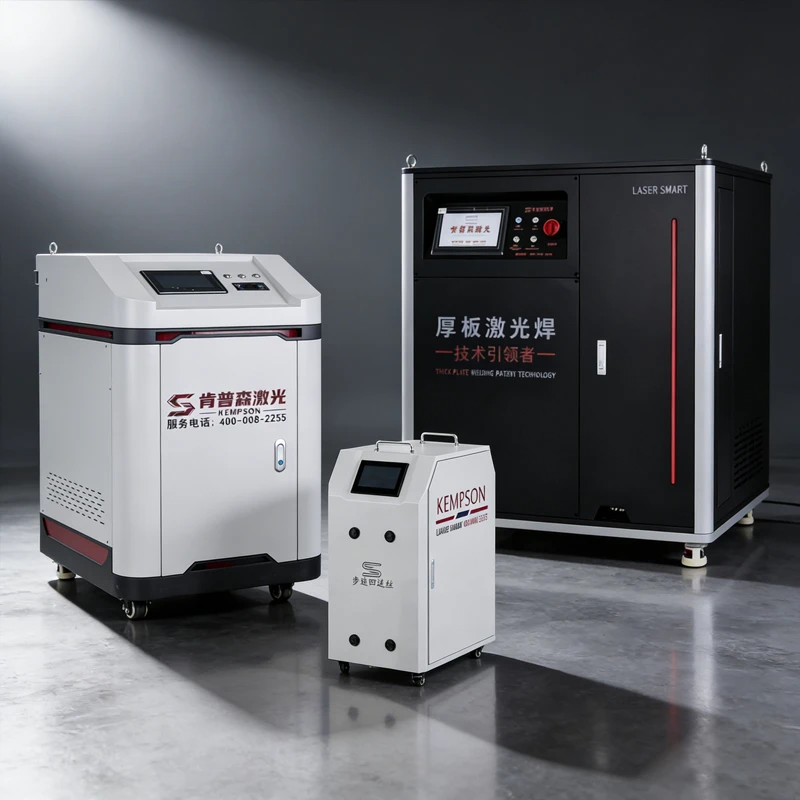
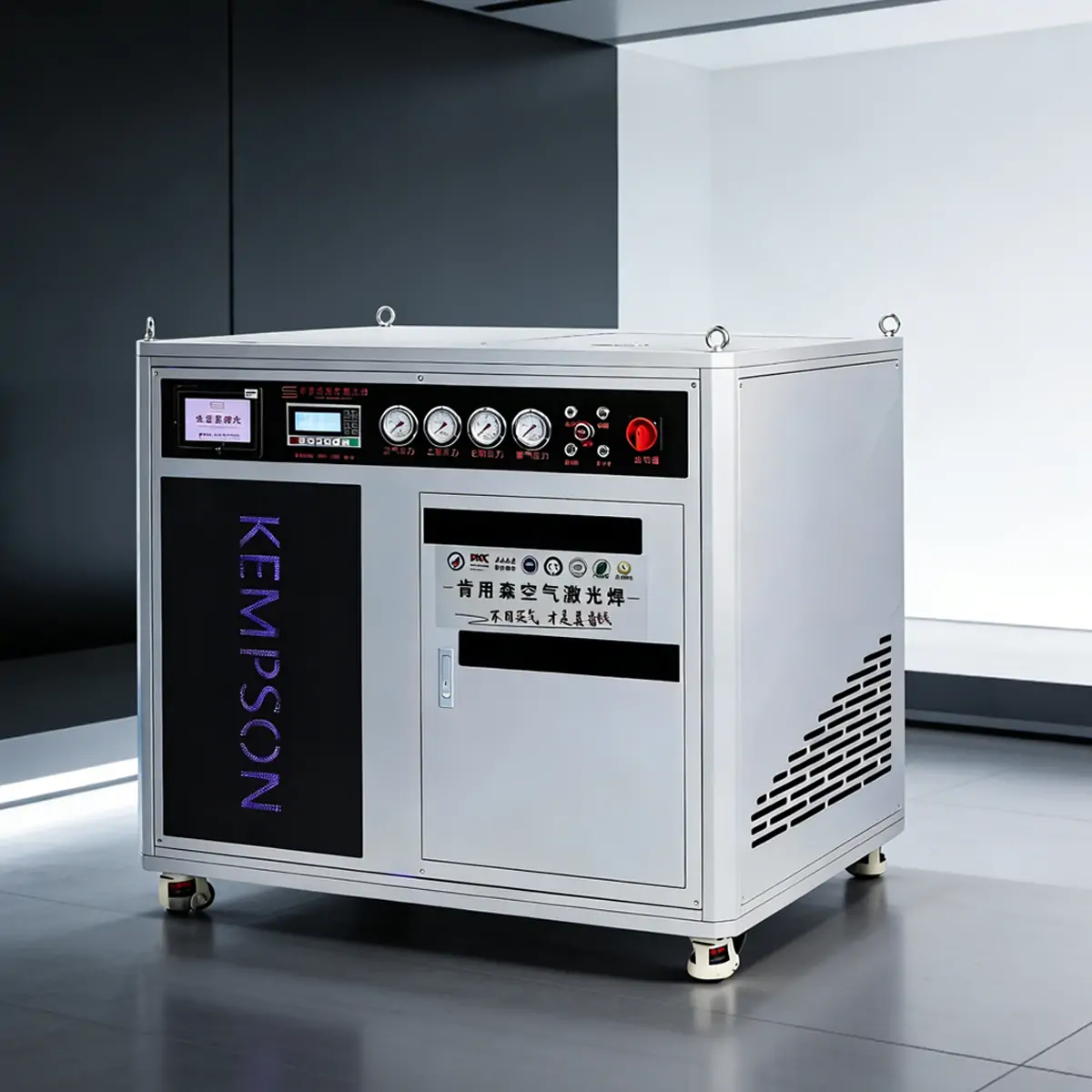
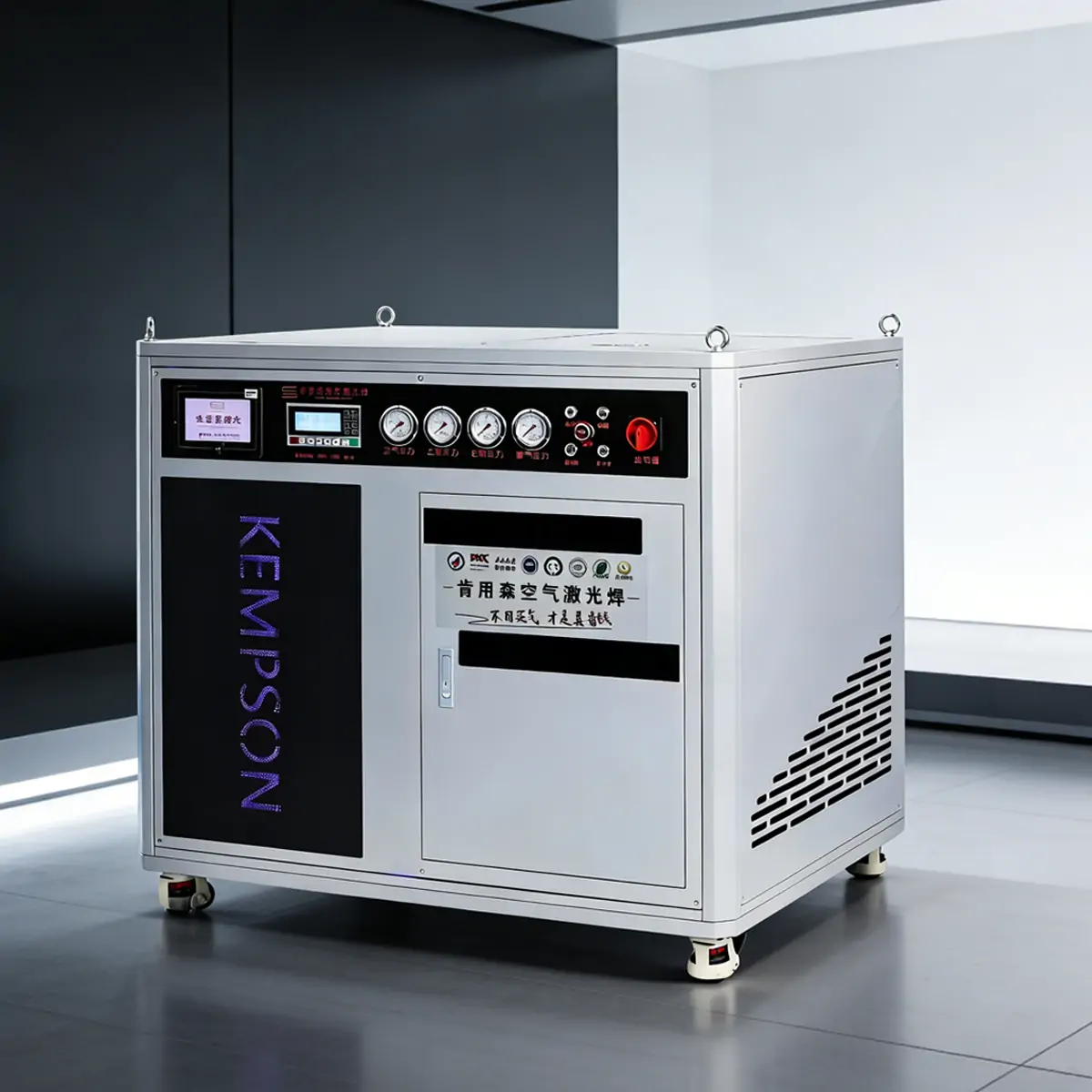
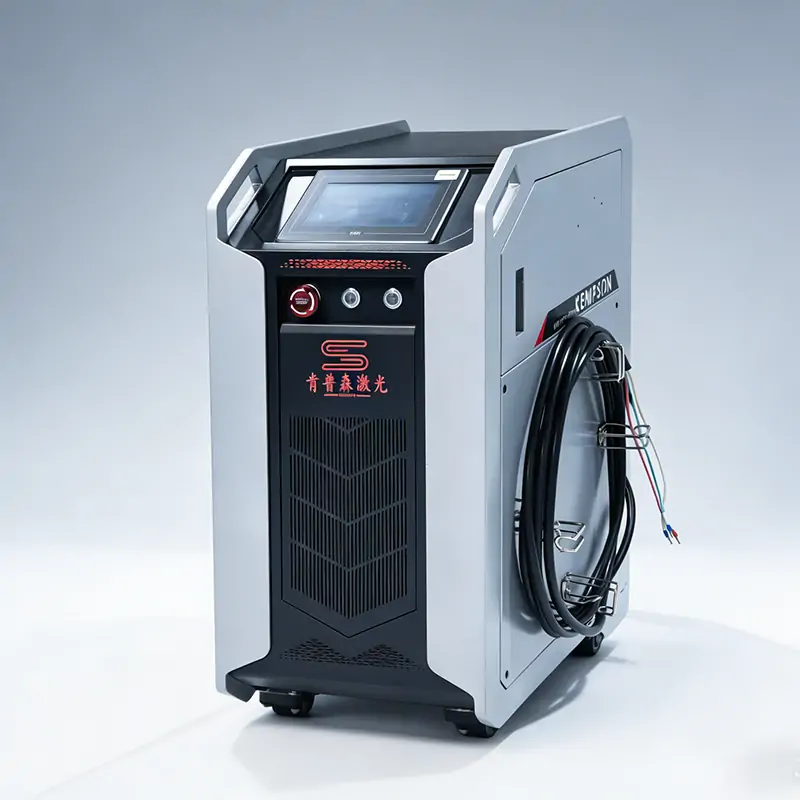
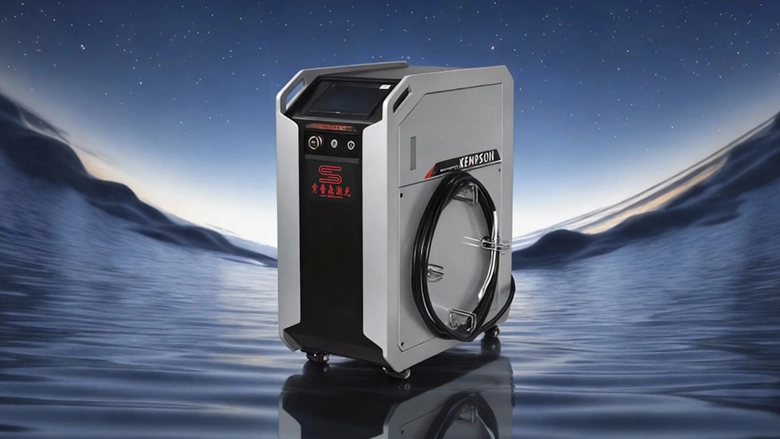
For thicker aluminum-steel hybrid structures, Kempson offers the Water-Cooled Industrial Laser Welding Machine 3000/4000w, which is specifically designed to maintain consistent welding performance under continuous industrial operating conditions.
Aluminum is a highly reflective material, and various defects can occur during the welding process. For specific issues and how to prevent them, see the article: Aluminum Laser Welding Problems: Porosity, Cracks & Solutions
A laser welding machine is specialized equipment used to join aluminum-steel hybrid structures. It employs a precision brazing or hybrid welding process in which high-energy-density laser pulses are used to locally heat the material, causing it to melt and form a specific molten pool, thereby joining dissimilar metals. The Laser Welding Machine for Aluminum-Steel Hybrid Structures offers high strength, minimal deformation, and high production efficiency.
It is commonly applied in automotive lightweight manufacturing, battery enclosure production, rail transit structures, and aerospace component assembly, where stable dissimilar metal joining is required.
For detailed process parameters on laser welding of aluminum, see the article: “Laser Welding Aluminum: Process, Parameters & Best Practices”
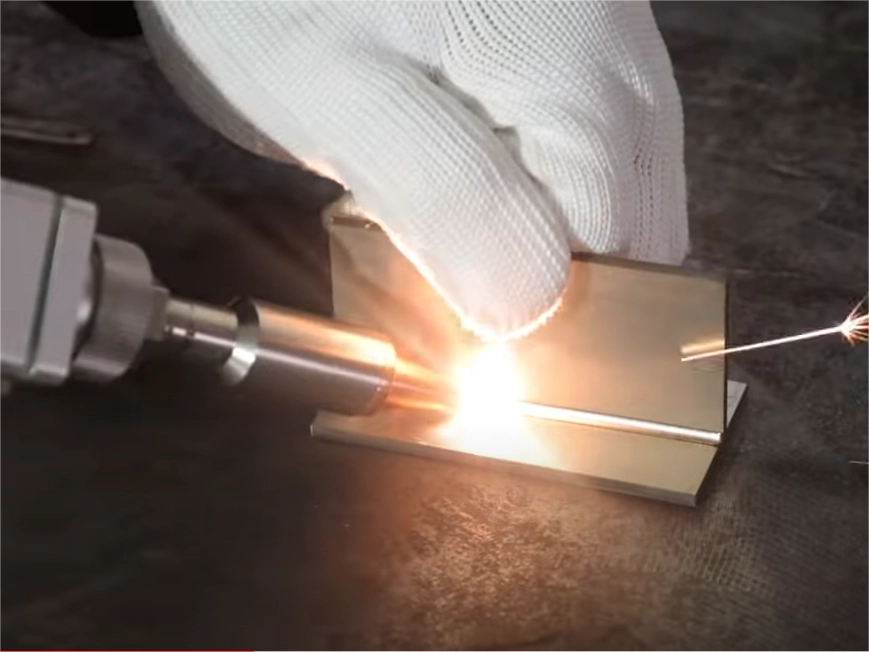
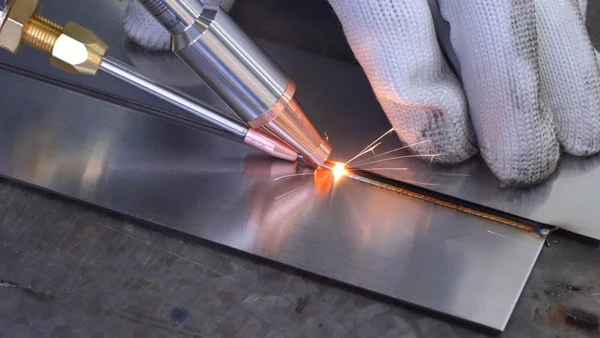
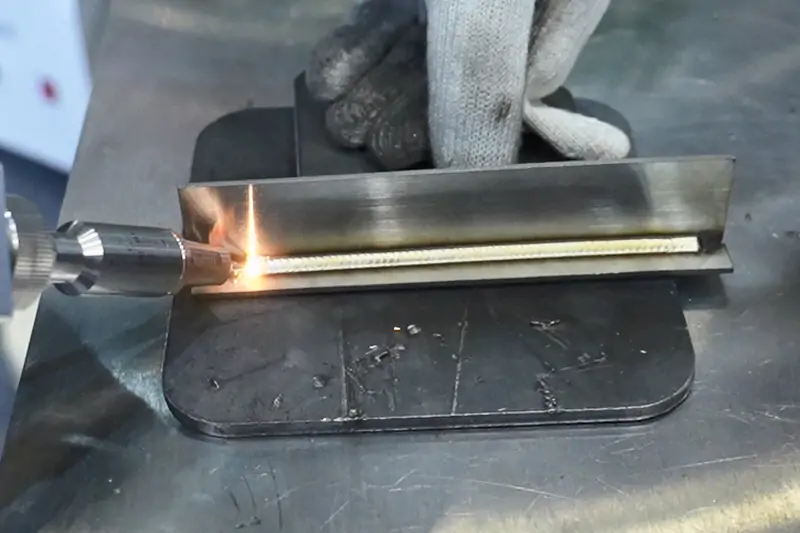
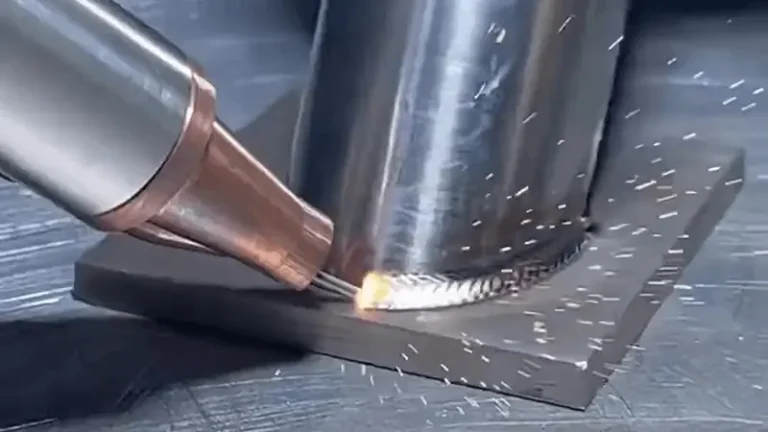
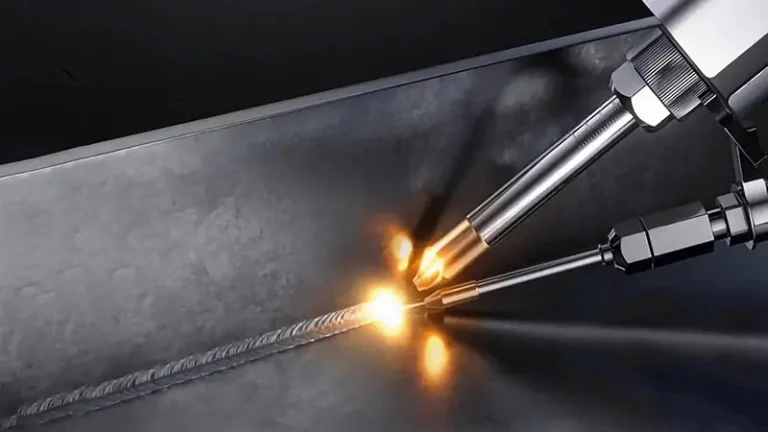
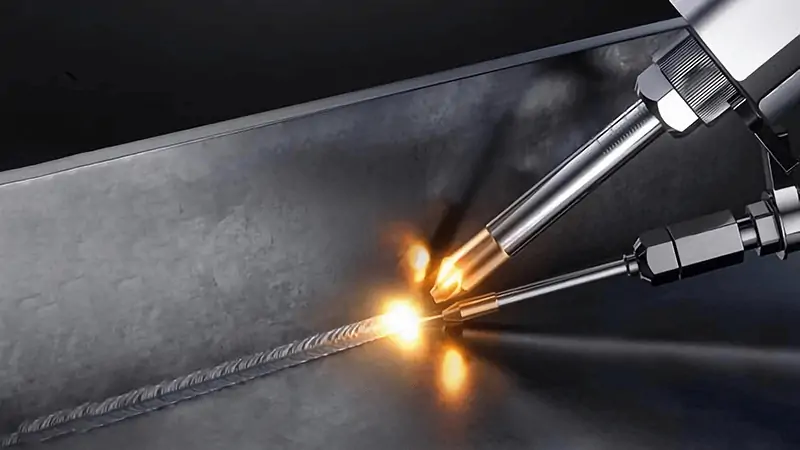
The Kempson 3000/4000W water-cooled laser welding system is an intelligent, optically controlled system. First, a high-performance laser generates highly concentrated energy, which is directed to a patented welding torch after intelligent parameter adjustment, instantly melting the base material and filler wire to rapidly form a strong weld under gas shielding.
During welding, the equipment features a built-in water-cooling circulation system that functions like a “precision central air conditioning” unit. A water pump drives the coolant through the laser core to absorb heat, which is then expelled via a high-capacity heat exchanger, ensuring the equipment maintains a constant temperature even during 24-hour high-load operation.
The machine can easily penetrate and weld plates up to 12 mm thick. When processing dissimilar metals such as aluminum and steel, it precisely controls the molten pool through stable energy output to achieve high-strength, loss-free industrial-grade joints.
To learn about the working principles, parameters, and applications of laser welding for stainless steel and various types of steel, see the article: “Laser Welding Stainless Steel: A Complete Guide for Beginners and Professionals”
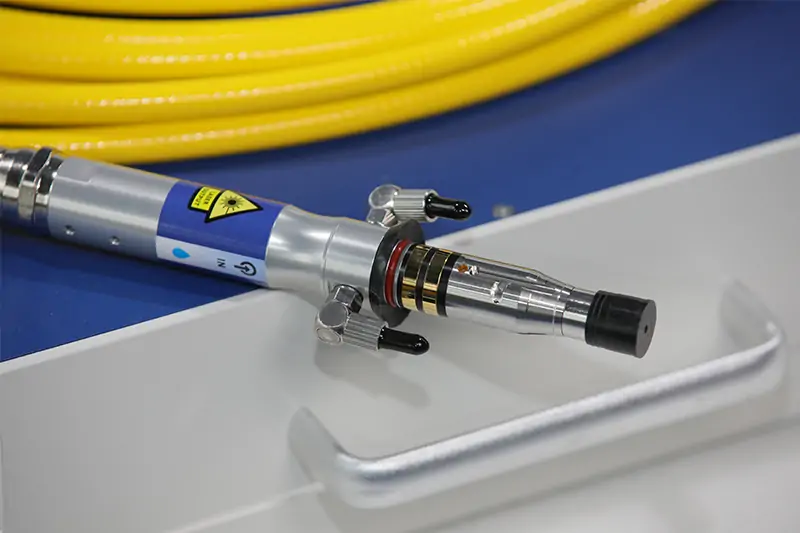
Professionally customized industrial-grade light source with built-in anti-reflection chips, supporting parameter storage and smart system upgrades.
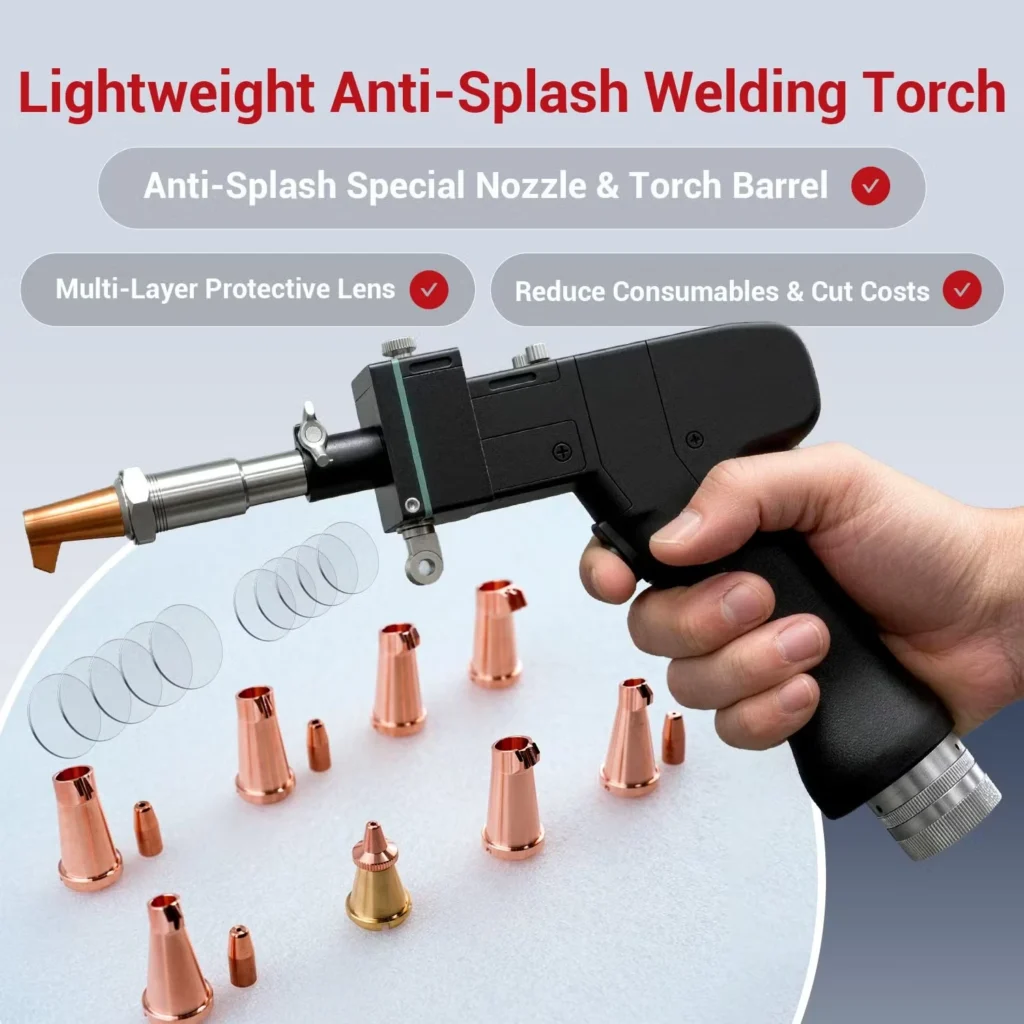
Uses a patented anti-spatter design and multi-rotation replaceable protective lenses, significantly reducing consumable loss and improving precision.
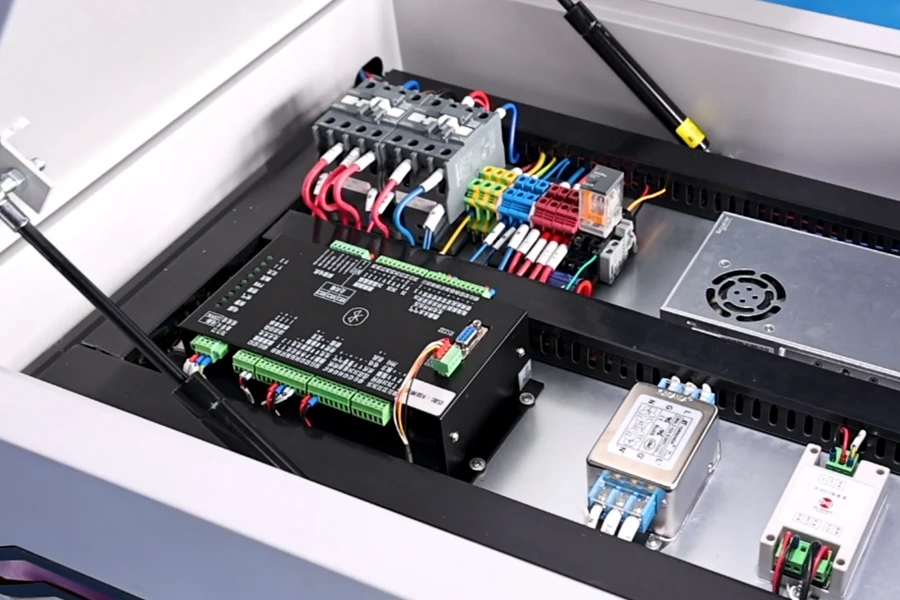
Schneider Electrical System
Features French Schneider core components with current filters and isolators to ensure circuit safety and stability under extreme conditions.
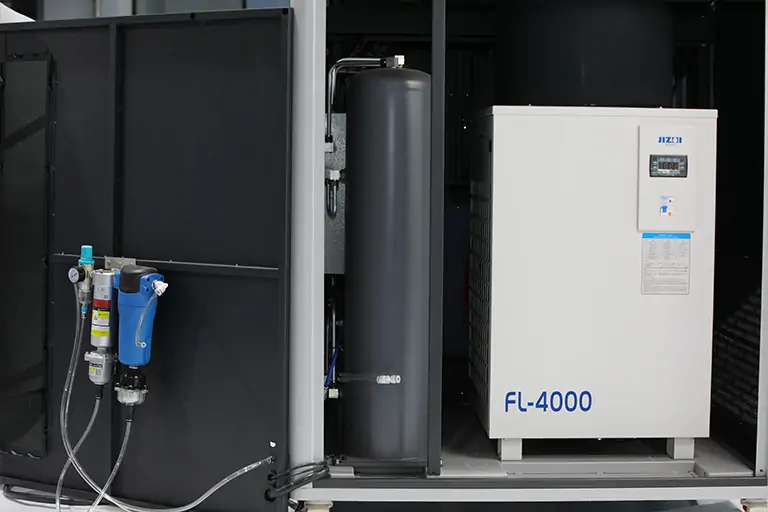
S&A Customized Chiller
Equipped with an 18,000W large-capacity S&A all-copper-tube water cooling system for precision temperature control during high-power continuous work.
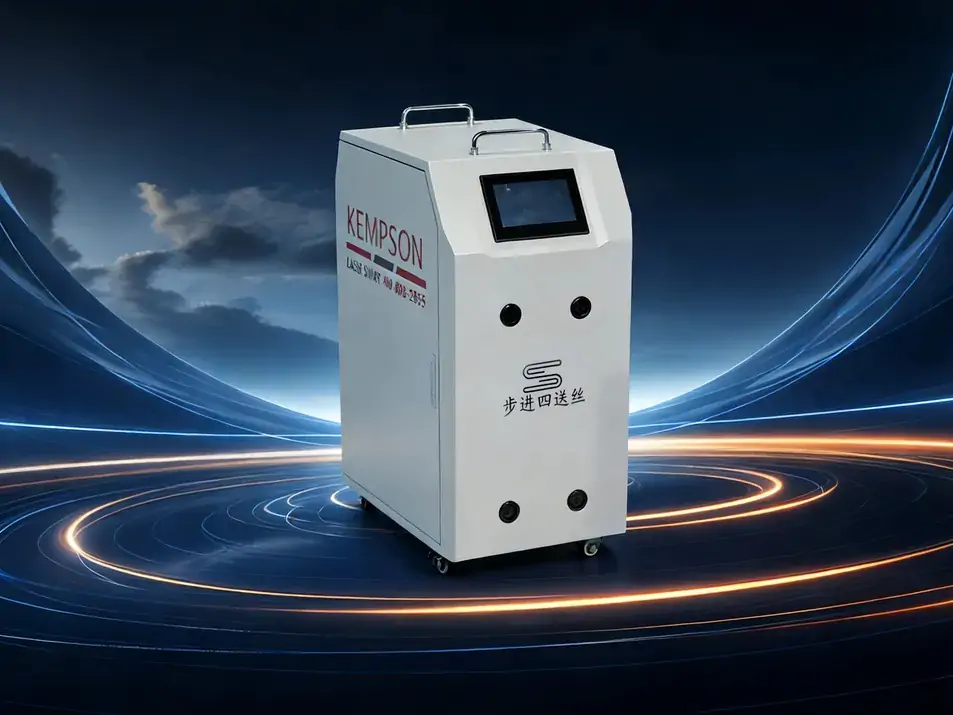
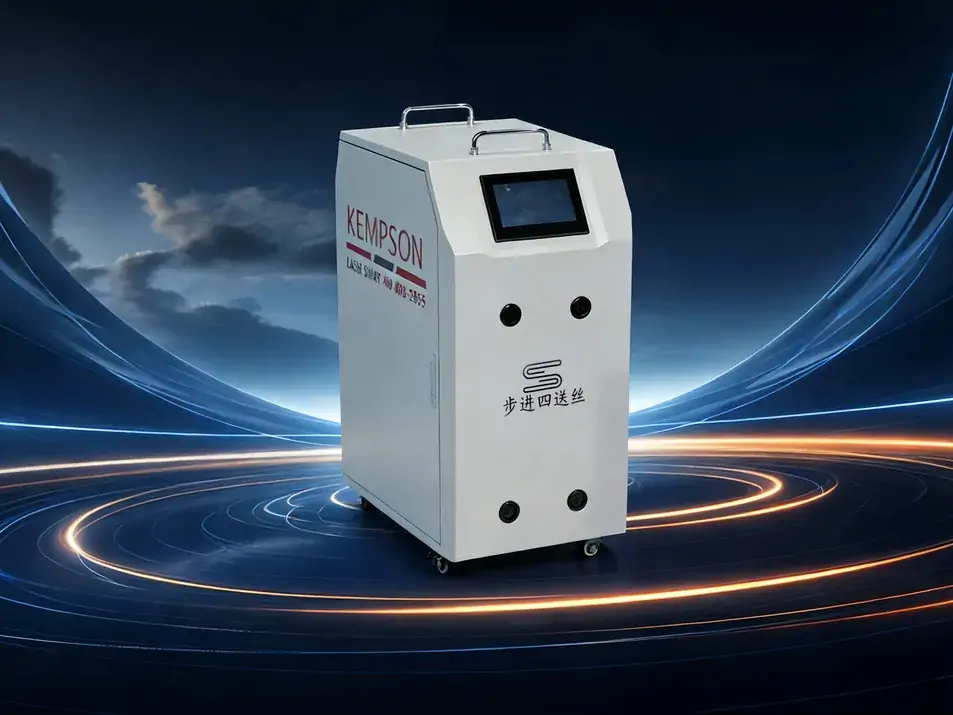
Four-wheel Drive Stepper Wire Feeder
A worm-gear four-wheel drive design supporting precise switching between single, double, and triple wires to ensure smooth feeding without jams.
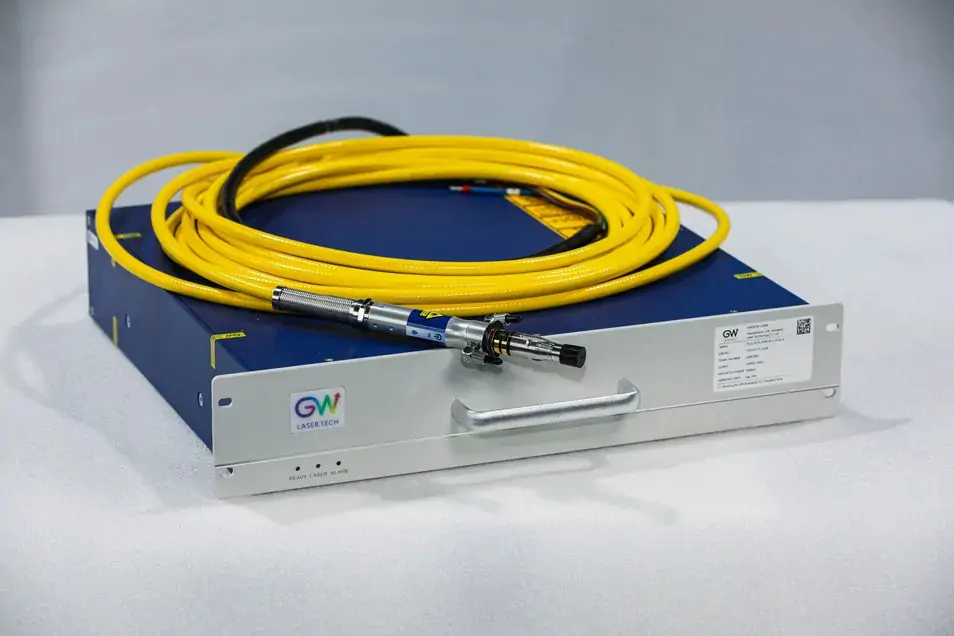
Standard 10-meter industrial fiber cable and universal wheels break space limits for flexible, large-range, long-distance operations.
| Parameter | KPS-XLHW3000 | KPS-XLHW4000 |
| Laser Power | 3000W | 4000W |
| Cooling Method | S&A Customized Chiller (7500W) | S&A Customized Chiller (18000W) |
| Plate Range | 0.5 — 12mm | 0.5 — 12mm |
| Fillet Weld (Stainless) | 9mm | 11mm |
| Fillet Weld (Carbon Steel) | 10mm | 12mm |
| Fillet Weld (Aluminum) | 8.5mm | 10.5mm |
| Weld Bead | Width 8mm / Reinforcement 4.5mm | Width 8mm / Reinforcement 4.5mm |
| Wire Mode | Single / Double / Triple switching | Single / Double / Triple switching |
| Wire Diameter | Φ0.8 — 2.0mm | Φ0.8 — 2.0mm |
| Power Consumption | ≤ 3kW | ≤ 3.5kW |
| Power Demand | 380V | 380V |
| Fiber Length | 10m (Supports long distance) | 10m (Supports long distance) |
| Dimensions | 0.7 * 1.1 * 1.3m | 0.7 * 1.1 * 1.3m |
| Weight | ~235kg | ~250kg |
| Core Configuration | GW Anti-reflection / Schneider | GW Anti-reflection / Schneider |
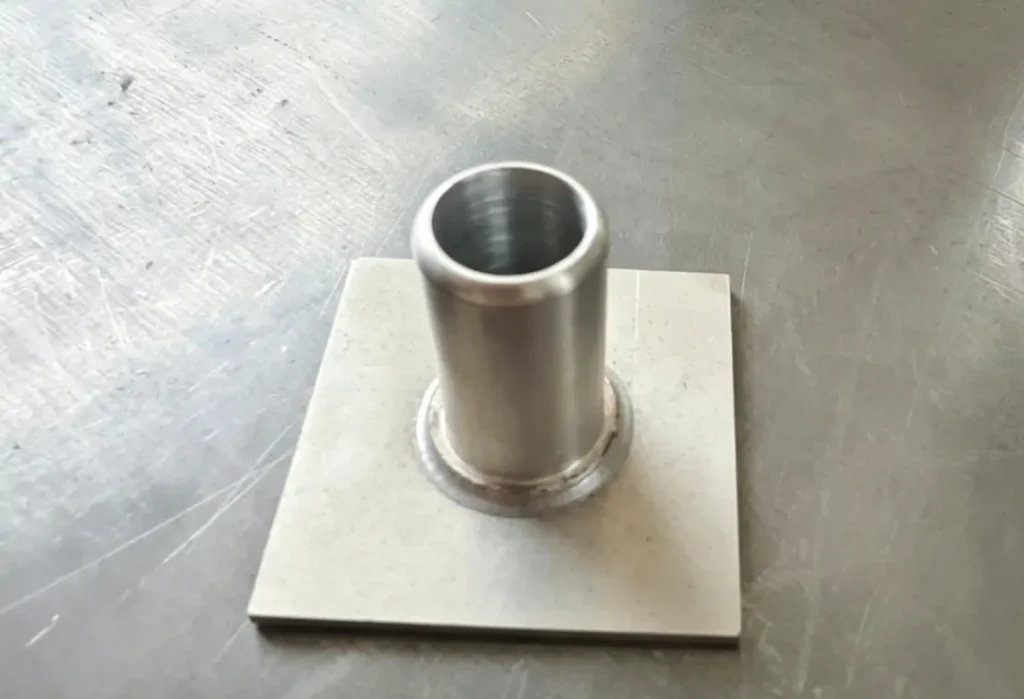
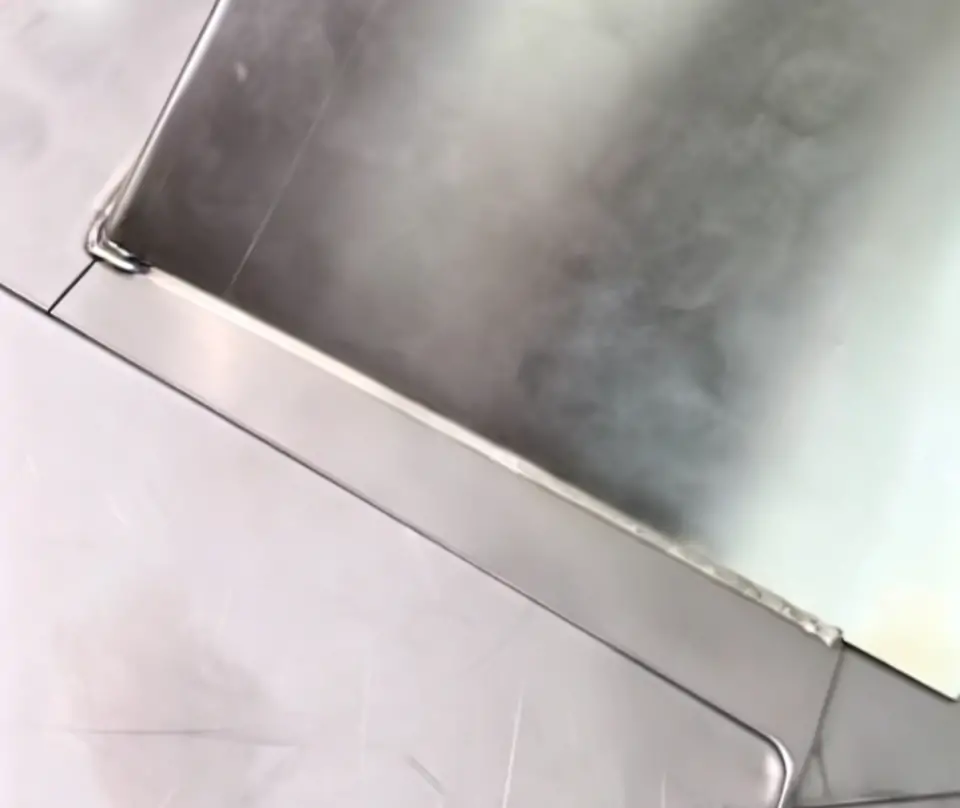
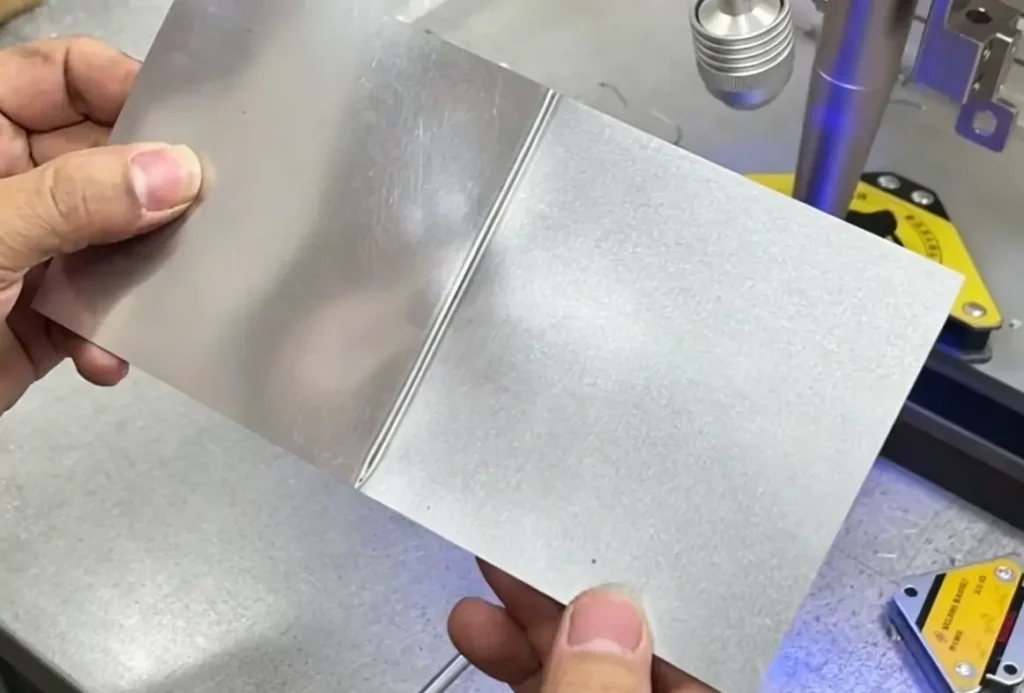
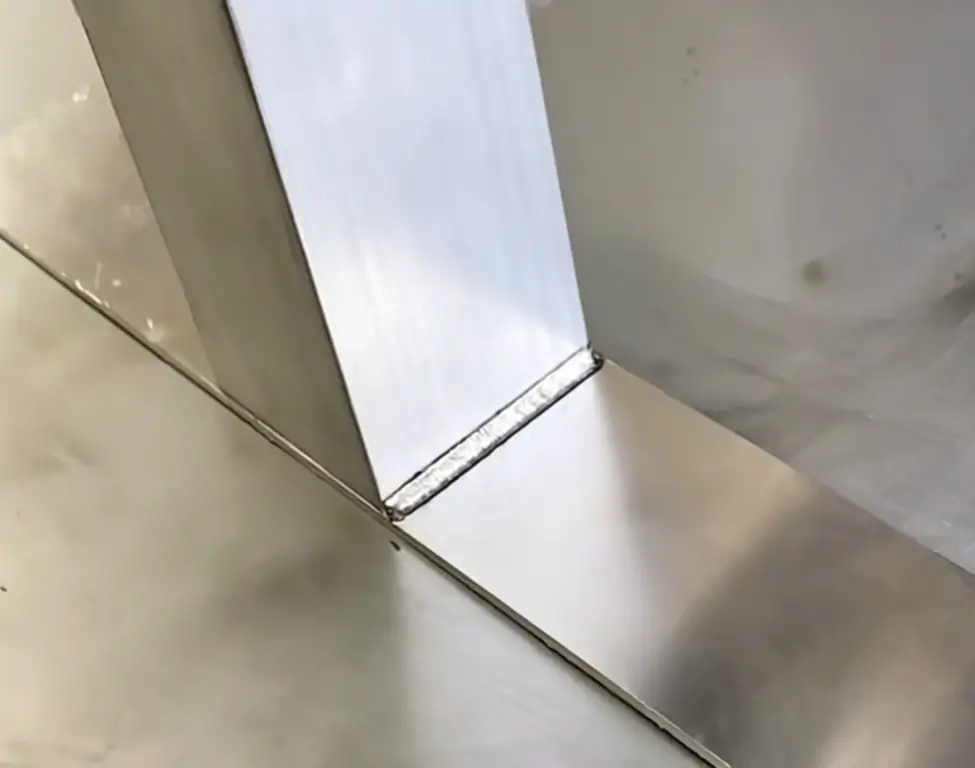
Kempson’s 3000W/4000W thick plate water-cooled laser welder has excellent deep penetration and high stability, widely applied in high-strength industrial fields.
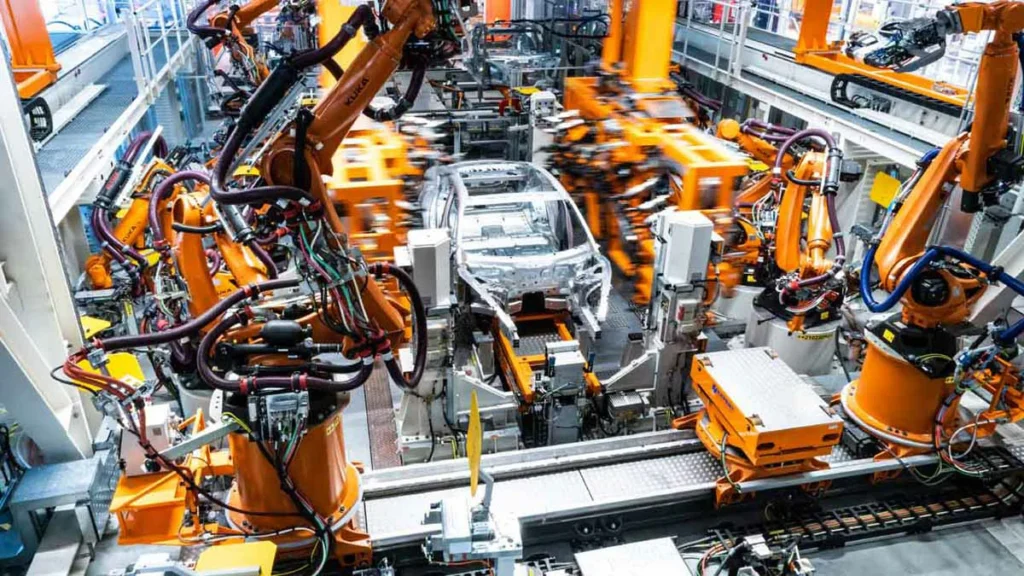
Used for Aluminum-steel hybrid structure welding, such as composite connections between aluminum alloy body frames and high-strength steel brackets.
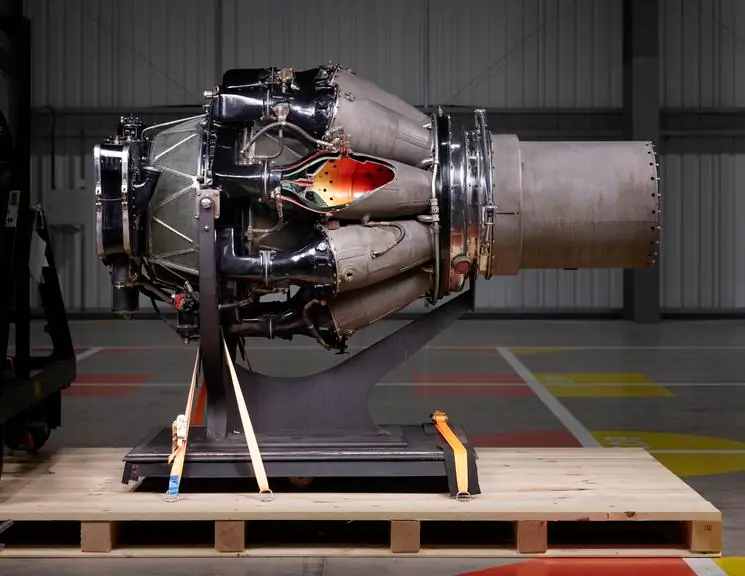
Suitable for high-strength deep penetration welding of thick-walled metal plates like mining equipment and excavator booms.
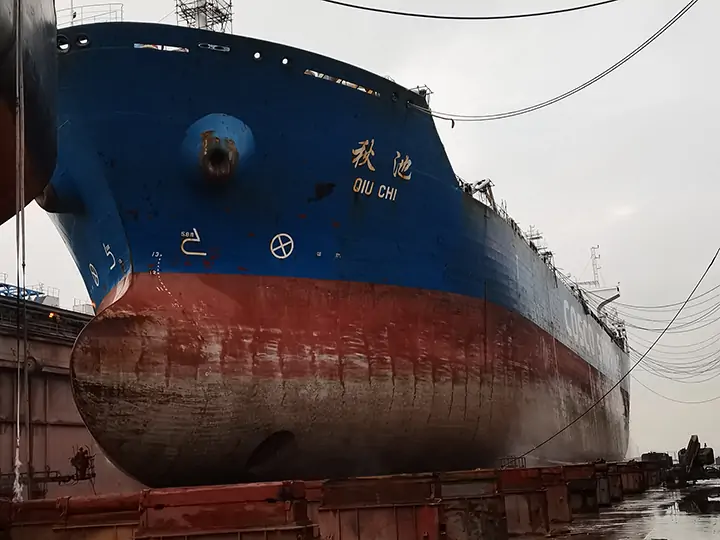
Handles 24-hour uninterrupted high-quality welding of thick hull plates and offshore platform structures.
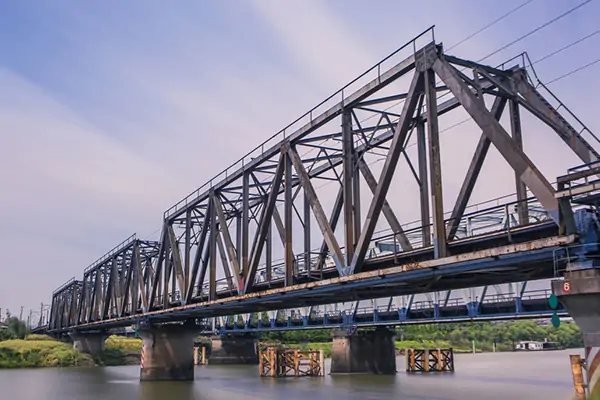
Achieves deep penetration, no-deformation one-pass welding for bridge main beams and supporting components.
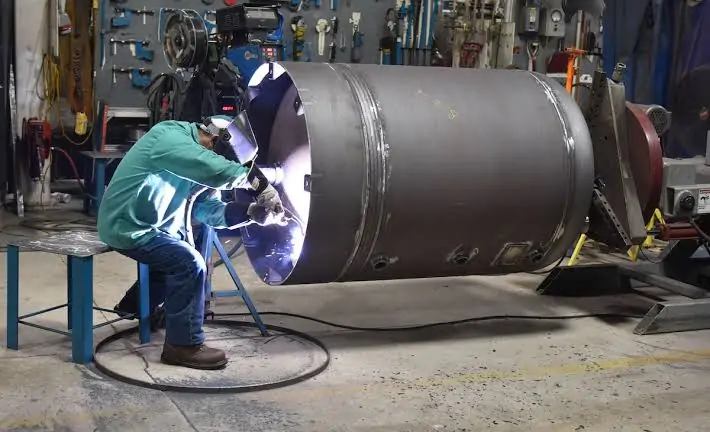
Meets strict requirements for weld density and pressure resistance in chemical tanks, boilers, and other special equipment.
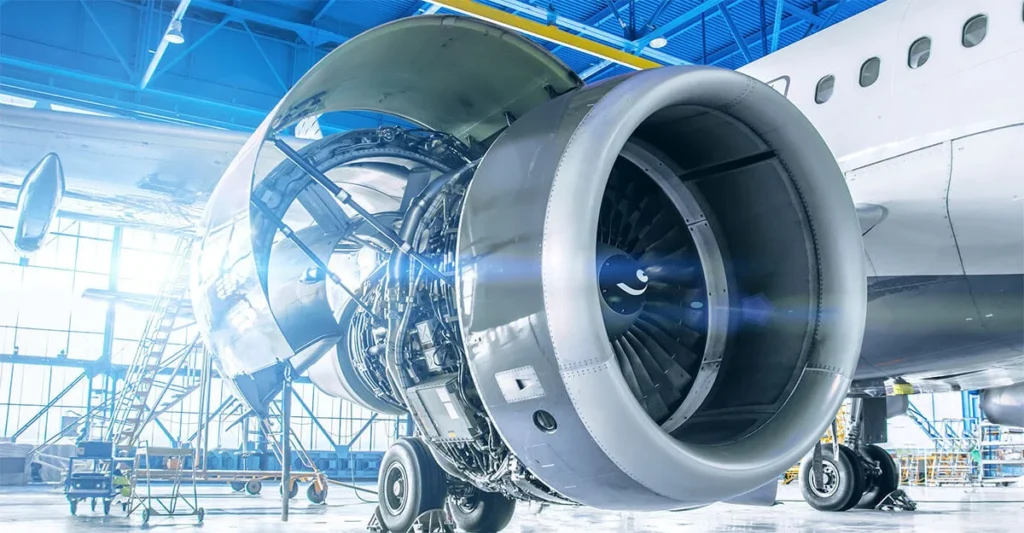
Widely used for automated welding of wind turbine tower flanges and thick-walled pipes to improve fatigue life.
Whether it is for the pursuit of a lightweight Aluminum to steel laser welding machine or thick plate processing in heavy industry, Kempson provides high-efficiency and high-quality solutions.
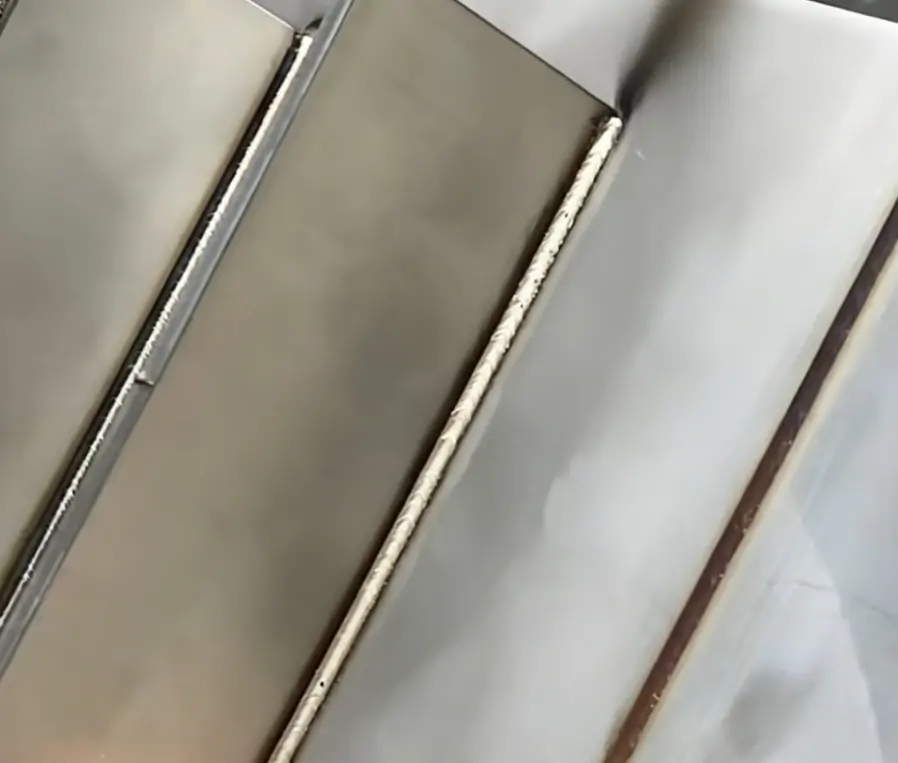
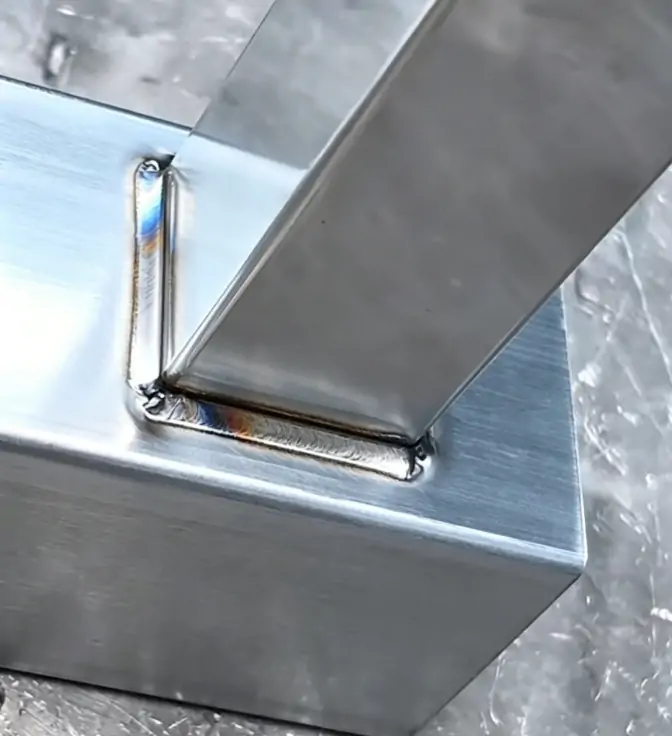
To learn about aluminum welding methods and characteristics, see the article: “How to Weld Aluminum: Methods, Parameters & Laser Welding Guide”
When welding aluminum with significant width and depth, it is necessary to use filler wire of the appropriate size. For information on how to select the type and size of filler wire, see: Aluminum Laser Welding Filler Wire: Alloy Selection and Diameter Guide
The Laser Welding Machine for Aluminum-Steel Hybrid Structures is designed for stable, high-load metal joining in continuous production environments. Compared with traditional welding methods such as TIG, MIG, and arc welding, it uses concentrated laser energy and water-cooling temperature control to maintain consistent welding performance on different metal thicknesses and materials.
| Item | Traditional Welding (TIG / MIG / Arc) | Laser Welding Machine for Aluminum-Steel Hybrid Structures |
|---|---|---|
| Heat input | High and less controlled | Focused and precisely controlled |
| Heat-affected zone | Large, higher deformation risk | Small, low deformation |
| Welding speed | Moderate to low | High welding speed |
| Joint accuracy | Depends on operator skill | Consistent and repeatable |
| Material compatibility | Limited for dissimilar metals | Suitable for steel, stainless steel, aluminum, and hybrid materials |
| Weld quality | Variable, affected by manual operation | Stable weld bead and uniform penetration |
| Post-processing | Often required (grinding, correction) | Minimal post-processing |
| Continuous operation | Limited by heat buildup | Water-cooling system supports long-term stable operation |
| Automation capability | Low or semi-automatic | Easily integrated with automated systems |
| Maintenance cost | Higher consumable and electrode cost | Lower consumables, reduced electrode usage |
Compared to TIG, MIG, and laser welding machines for aluminum-steel hybrid structures, which use focused laser energy to control heat input. They produce a smaller heat-affected zone and result in less distortion. This equipment supports higher welding speeds and maintains consistent weld quality across different materials and thicknesses.
Due to the reflective properties of aluminum, for details on the thickness and power requirements for laser welding aluminum, please refer to: Laser Welding Aluminum Thickness Guide: Power Selection and Welding Limits
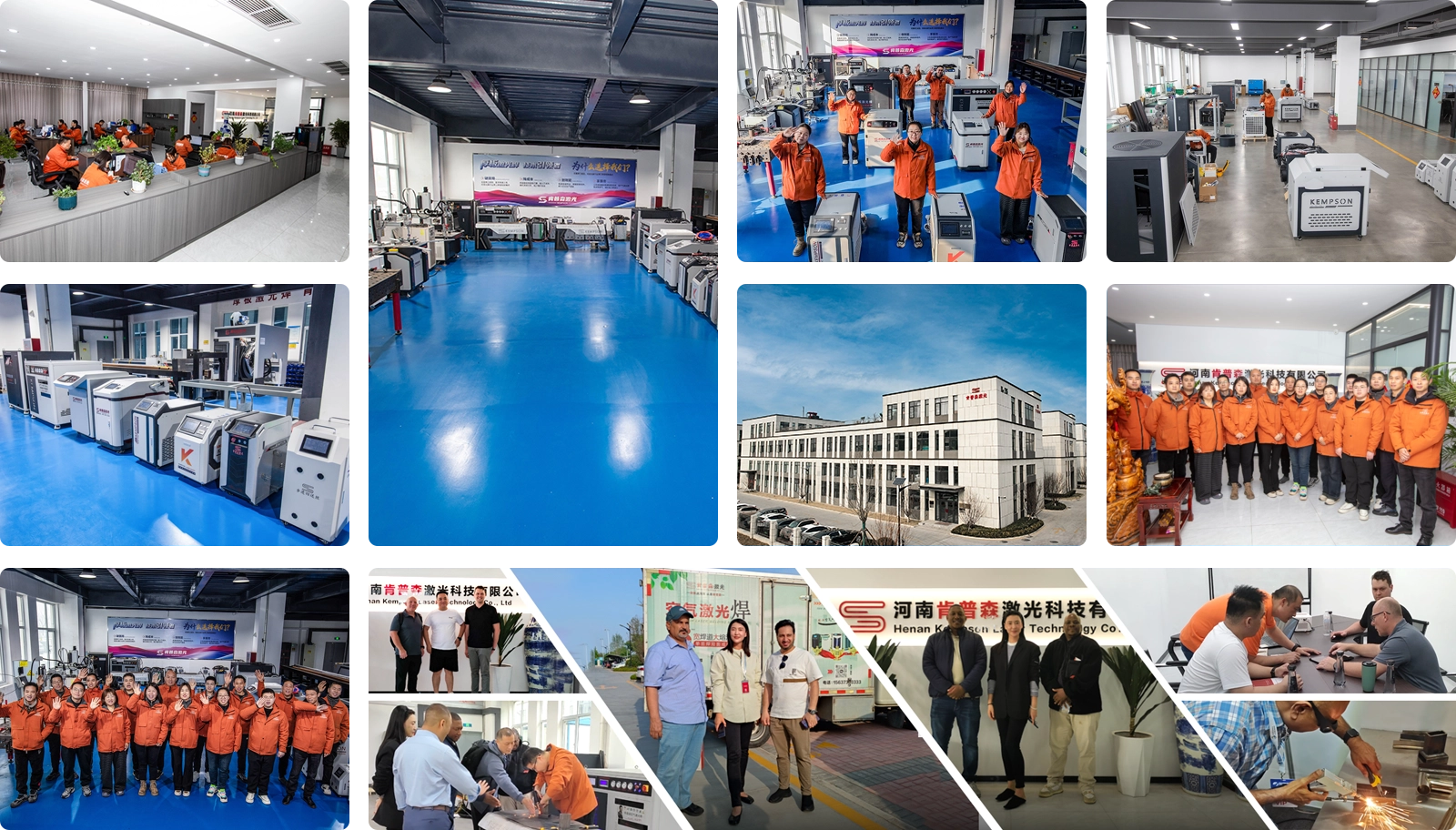
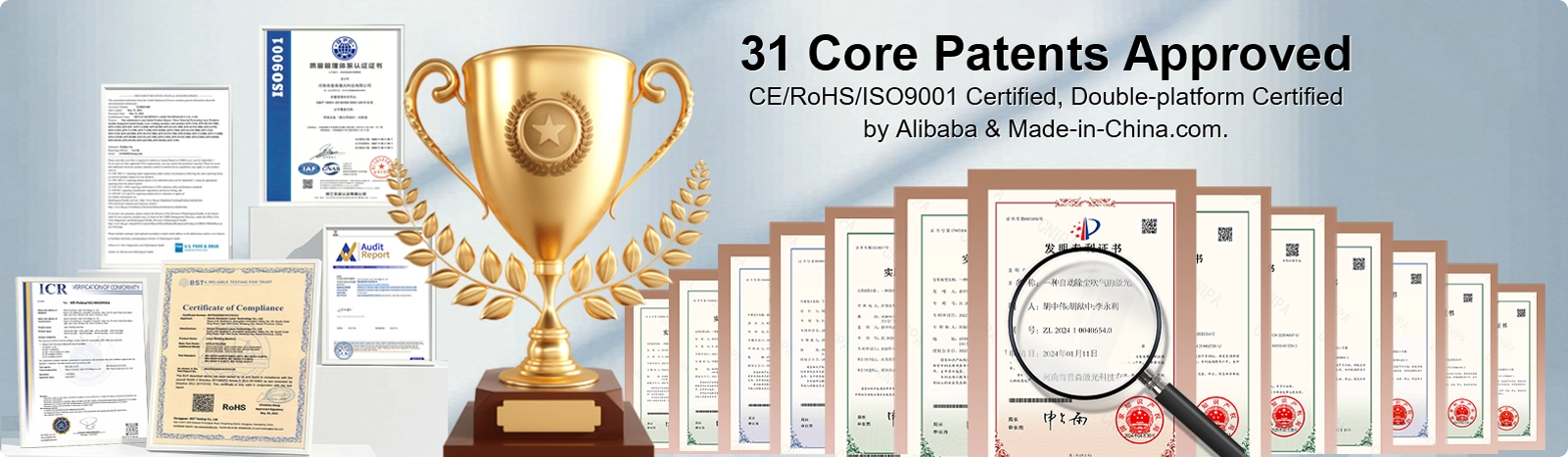
In the journey toward lightweight and high-strength modern manufacturing, choosing a professional Aluminum-steel hybrid structure welding manufacturer is critical. Kempson has deep industry experience and is a leading global aluminum-to-steel laser welding machine supplier, dedicated to solving dissimilar metal connection problems for customers worldwide. Choosing Kempson means choosing a partner with over 30 core patents and services covering more than 50 countries. Contact us for a tailored industrial-grade solution.
1500W is suitable for precision welding of thin plates under 3mm, while the 3000W/4000W levels are designed for thick plates and dissimilar metals. They have stronger energy penetration to balance the melting point difference between aluminum and steel, which is key to achieving deep penetration in Aluminum-steel hybrid structure welding.
The biggest fear in aluminum-steel welding is the brittle intermetallic compound layer. Kempson uses smart wobble technology and precise heat input control to keep this layer thickness within a tiny range, ensuring high tensile strength and toughness in the joint.
Normal lasers indeed risk return-light damage. However, Kempson equipment is equipped with professionally customized GW anti-reflection chip lasers that effectively absorb and resist the return light from high-reflection materials like aluminum and copper.
It is highly recommended. Due to the massive difference in properties, using Kempson’s single/double/triple wire-feeding modes to fill specific alloy elements can bridge gaps and improve the metallurgical composition of the weld, preventing hot cracks.
Yes. This series is specifically for heavy industry scenarios, equipped with an 18,000W large-capacity cooling system to ensure constant temperature and no power attenuation under full-load, all-day operation.
With proper parameters and wire compensation, the joint strength can reach over 80%-90% of the base metal. Compared to traditional riveting or bonding, laser welding significantly reduces weight and improves the mechanical performance of the connection.
Are you looking for a hybrid fiber-laser welding machine for aluminum and steel structures?
Request a quote today, and our experts will help you choose the right model.
Discover how KPS 2000W/3000W laser cleaning machine work via photovaporization. High-efficiency, eco-friendly rust removal for metals with zero damage to substrate.
A complete buyer’s guide to choosing a tube laser cutting machine based on tube shape, material thickness, power requirements, production volume, and automation needs.
How does a Max 1500W Laser Welding Machine perform in a real workshop? From stainless cabinets to auto repair, see how this 1500W power levels up your High Speed Laser Welding results without the grind.
Discover what laser welding used for across industries like automotive, electronics, and medical. Learn about its precision, types, and benefits for your business.