Table of Contents
Introduction
In the field of modern industrial manufacturing, laser welding equipment offers the advantages of high efficiency, high precision, and low reliance on manual labor, making it an essential processing tool for most companies. However, the continuous and stable operation of such equipment depends not only on the configuration level at the time of purchase but, more importantly, on subsequent maintenance management.
A fiber laser welding machine maintained according to standard procedures typically has a fiber laser lifespan of over 10 years. In contrast, equipment lacking systematic maintenance is prone to power degradation, unstable welding, or even shutdown failures within 3–5 years, thereby increasing operational costs.
This article on fiber laser welder maintenance covers key components such as laser welding nozzles, the laser source, cooling system, and optical system, providing practical daily and periodic maintenance guidelines. These help enterprises maximize uptime, reduce operating costs, and support stable, controllable production.
Why Laser Welder Maintenance is Essential for Long-Term Performance?
Laser welding equipment is commonly used in industrial production and is often subjected to prolonged, high-load operation. Without systematic, standardized maintenance management, welding performance can be compromised, welding quality can deteriorate, and hidden costs and production risks can increase. Preventive, regular maintenance ensures that the welding system remains stable, precise, and safe over the long term, thereby extending the equipment’s service life. For specific maintenance procedures, please refer to “Best Practices for Maintaining Laser Welding Equipment”
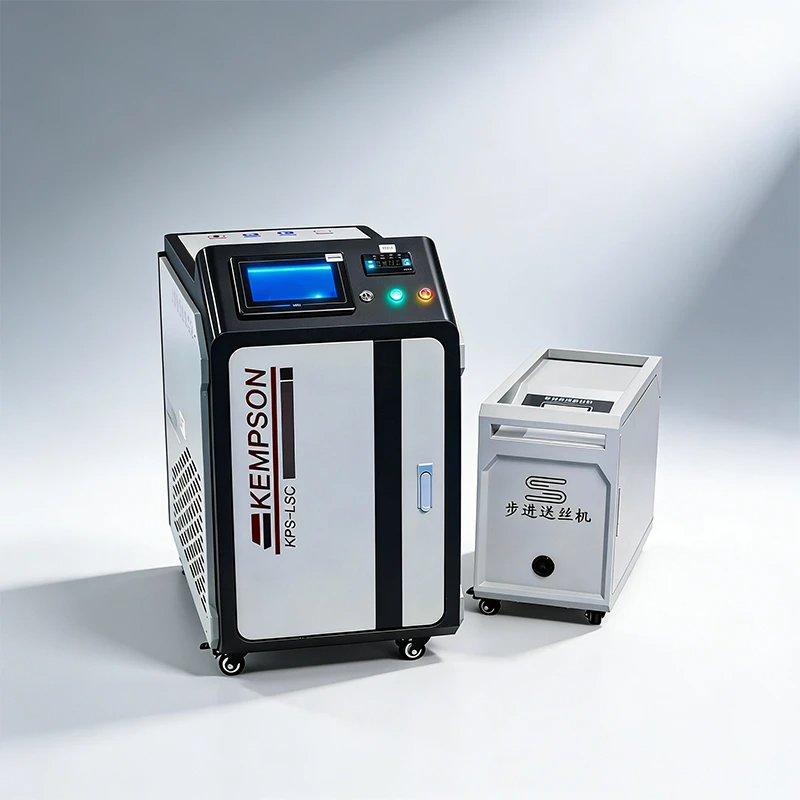
Key Benefits of Regular Maintenance for Laser Welding Machines:
- Consistent Weld Penetration and Quality: Maintaining the stable condition of the nozzle, lenses, and gas system effectively prevents defects such as porosity and uneven fusion.
- Extended Equipment Lifespan: Proper maintenance reduces component wear, particularly in the laser source and optical system, extending the overall equipment lifespan to over 10 years.
- Reduced risk of downtime: Regular maintenance allows for the timely detection of potential issues (such as nozzle clogging, lens contamination, or cooling abnormalities), preventing sudden failures that cause downtime and ensuring production continuity.
- Improved production efficiency: Preventive maintenance monitors equipment condition; when the equipment is in good overall condition, welding speed and stability are higher, reducing rework rates and improving overall production line efficiency.
- Improve Operational Safety: Regular inspections of electrical and cooling systems effectively prevent safety hazards such as overheating and electrical failures, ensuring the safety of both personnel and equipment.
- Reduce Long-Term Operating Costs: Through standardized maintenance, the frequency of unplanned repairs and replacements of high-cost components is reduced, lowering overall maintenance costs by 15–30%.
Main Components of a Laser Welding Machine
Before delving into the maintenance guide, let’s first gain a clear understanding of the core components of a fiber laser welding machine and the functions of each part.
| Component Name | Function Description |
|---|---|
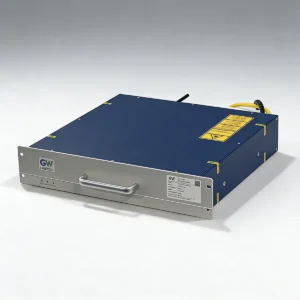
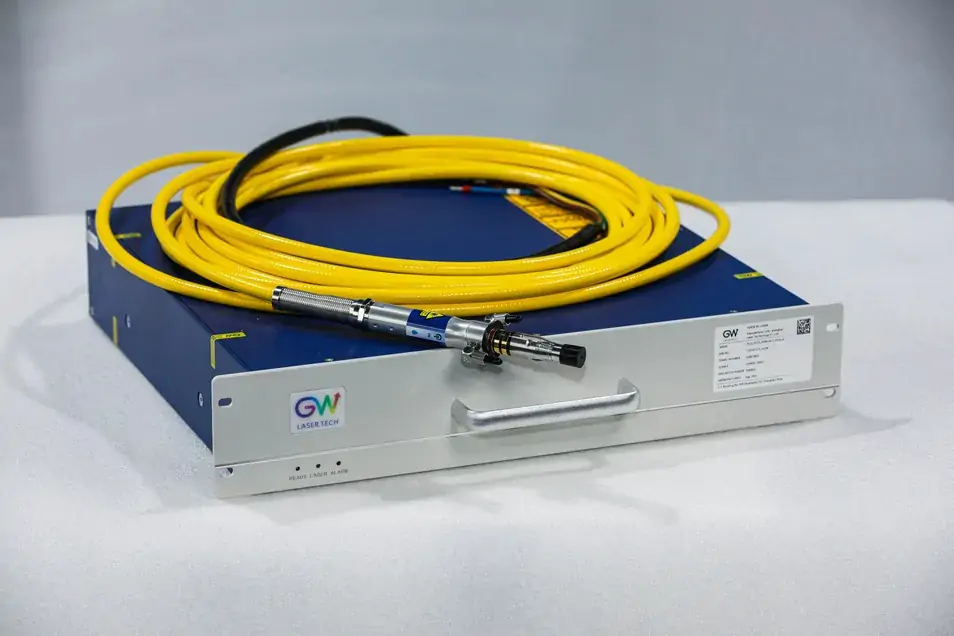
| Fiber Laser Source | Generates a high-energy laser, serving as the core component of welding, and determines power and processing capability |
| Laser Welding Head | Focuses the laser and delivers it to the workpiece surface, controlling welding precision and stability |
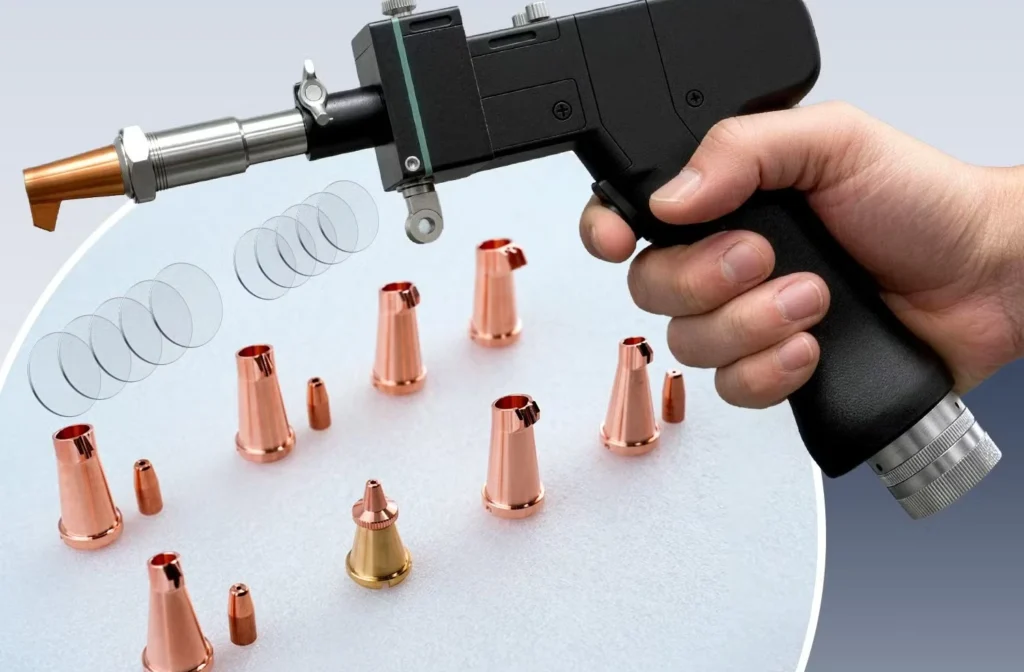
| Laser Welding Nozzles | Directs shielding gas to prevent oxidation and stabilize weld formation |
| Protective Lens | Prevents spatter contamination of internal optical components and ensures efficient laser transmission |
| Chiller | Controls the temperature of the laser source and welding head to prevent overheating and equipment damage |
| Control System | Sets welding parameters (power, frequency, speed, etc.) for precise control |
| Wire Feeding System | Supplies and feeds welding wire steadily, affecting weld uniformity |
| Fiber Cable | Transmits the laser from the source to the welding head, ensuring stable energy output |
| Shielding Gas System | Provides shielding gas (such as argon or self-generated gas) to prevent oxidation during welding |
| Motion System (e.g., XYZ Platform) | Controls the welding path to enable automated welding (applicable to automated equipment) |
How to Perform Regular Maintenance on Laser Welding Machines: Cleaning and Inspection
Proper cleaning and inspection form the foundation of laser welder maintenance and directly impact equipment stability and weld quality. Regular maintenance of key components can effectively reduce failure rates and extend the equipment’s service life. The following are clear, easy-to-understand, and practical maintenance steps to ensure the equipment’s stable daily operation.
Daily Maintenance Checklists
Daily inspections guarantee the laser welder is in optimal condition at the start of each shift. This is particularly important for handheld laser equipment, which is used frequently and operates under highly variable conditions; standardized daily maintenance can effectively prevent welding defects and unexpected downtime.
Laser Welding Nozzles: Inspect the nozzles daily for residue or spatter buildup, and check whether the nozzle orifices are deformed. If airflow becomes unstable, replace the nozzle immediately.
Protective Lens: Inspect the lens for oil, dust, ablation, contamination, or reduced light transmittance, as these issues can affect laser transmission efficiency.
Laser Chiller Maintenance: Routinely check the water temperature, which should be maintained between 20–25°C. Verify that water flow is adequate and monitor for any alarm notifications.
Wire Feeding System: Check whether the four-drive wire feeding system operates stably, and inspect for wire jams or slippage. Ensure that multi-wire systems operate in sync, as feeding stability affects weld bead uniformity.
Shielding Gas: Check the pressure and flow of the shielding gas (argon, nitrogen, or mixed gas), ensure there are no leaks in the gas lines, and prevent weld bead oxidation and blackening.
Visual and Connection Inspection: Check whether optical fibers and cables are loose or damaged, and ensure all connections are secure to reduce the risk of equipment failure.
Laser Source: Test the laser output with short pulses to confirm stable intensity.
Routine inspections should quickly identify issues, with a focus on the three key components—the nozzle, lenses, and cooling system—to enhance equipment stability and production efficiency.
Monthly Deep Cleaning
Performing a thorough cleaning and inspection once a month can effectively extend the service life of the fiber laser welding machine and reduce the risk of unplanned downtime. Focus maintenance on the following key components:
Laser Source and Optical System
- Clean the laser output port and lenses, and check for contamination or damage
- Test the laser output power to ensure welding stability
Welding Head and Nozzle
- Disassemble and clean the nozzle and internal gas passages
- Check the orifice diameter and coaxiality; replace if necessary
Cooling System
- Replace or replenish coolant; clean filters and heat dissipation pipes
- Ensure the water pump and circulation system are operating normally
Wire Feeding and Gas System
- Clean the wire feed rollers and wire guide channels; check multi-wire synchronization
- Check the shielding gas flow rate and the condition of the piping
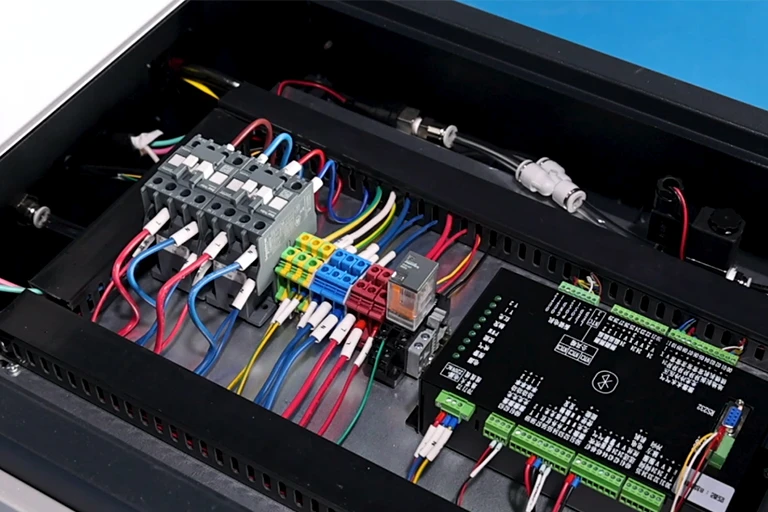
Electrical and Control Systems
- Inspect cables, connectors, and safety protection functions
- Clean dust from the control cabinet to ensure safe operation
Environmental and exterior cleaning
- Clean the equipment housing and the surrounding area
- Remove dust, metal shavings, and oil stains to keep the workspace tidy and reduce contamination risks
Systematic monthly maintenance ensures stable and efficient welding every time, while reducing long-term equipment operating costs.
Laser Welder Maintenance Guide: Key Components & Replacement Cycles
Proper laser welder maintenance essentially involves the periodic management of key components. The condition of consumables, optical systems, mechanical structures, and cooling systems directly affects equipment stability, weld quality, and the lifespan of the fiber laser.
Replacement of Consumables and Components
Nozzles, protective lenses, focusing lenses, and ceramic rings are high-frequency consumables that are prone to contamination or damage due to prolonged exposure to high temperatures and spatter. Failure to replace them on a regular schedule can lead to energy loss (approximately 10%–30%), unstable penetration depth, and an increase in weld defects, making them the most direct risks to quality and cost.
Optical System Maintenance
Optical components determine beam quality; dust accumulation or micro-scratches can cause beam scattering and power attenuation. Even mild contamination can result in a 5%–10% power drop, while severe cases significantly impact welding stability. Components should be cleaned whenever possible and replaced immediately if damaged.
Mechanical System Inspection
Looseness or wear in guide rails, sliders, and connecting structures can cause vibration and positioning errors, leading to inconsistent welds and reduced precision. Regular tightening and lubrication are essential for ensuring stable equipment operation and consistent welding results.
Cooling System Maintenance
The cooling system directly affects the laser’s temperature and output stability. Contaminated coolant or circulation issues can cause power fluctuations (approximately 5%–15%) and accelerate the aging of the laser source. Prolonged operation at high temperatures can shorten the equipment’s lifespan by more than 30%.
Recommended Replacement Intervals
Establish standard replacement intervals for each component to reduce failure rates: nozzle 1–7 days, protective lens 1–2 weeks, focusing lens 3–6 months, coolant 1–3 months. Standardized management can effectively reduce the risk of unplanned downtime by 20%–30%.
Hidden Costs of Poor Laser Welder Maintenance
A lack of standardized maintenance will directly lead to an increase in welding defects, a rise in rework rates (approximately 15%–25%), unplanned downtime, and damage to high-value components; the long-term costs of these issues far exceed the investment in routine maintenance.
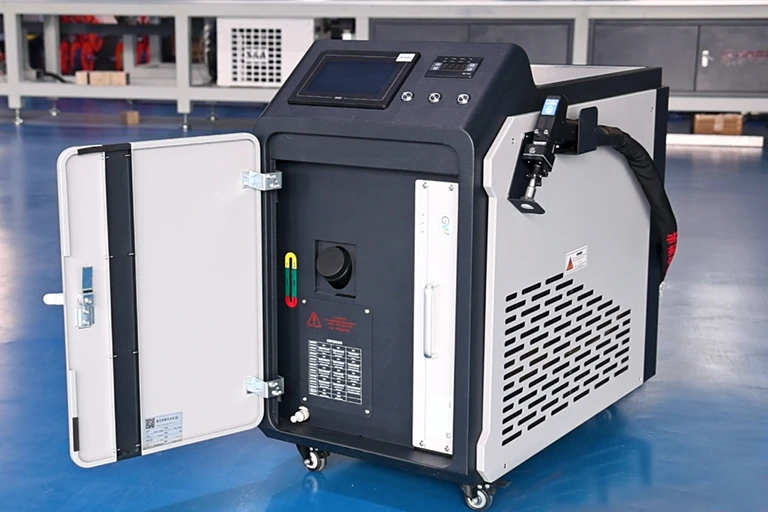
Choosing and Maintaining Laser Welding Nozzles
When choosing nozzles, consider the material, power, and process requirements:
- Stainless steel welding: Standard coaxial nozzles are the preferred choice due to their stable gas flow, making them suitable for conventional welding.
- Aluminum welding: We recommend using large-bore nozzles to enhance gas coverage and reduce porosity and oxidation.
- High-power welding (3000W+): Select high-temperature-resistant nozzles to prevent deformation that could affect the gas flow.
- Precision welding: Use small-bore nozzles to improve gas flow concentration and welding precision.
Common Nozzle Issues
- Nozzle clogging → Uneven gas flow, prone to porosity
- Nozzle deformation → Inadequate gas shielding, resulting in dark welds
- Nozzle contamination → Spatter buildup, affecting welding stability
Nozzle Maintenance Tips
- Daily Inspection: Check for spatter, blockages, or wear
- Laser Nozzle Cleaning: Use a lint-free cloth or specialized tools to remove deposits
- Regular Welding Nozzle Replacement: In high-intensity production environments, treat as a consumable part
- Avoid Reusing Damaged Nozzles: Prevent adverse effects on weld quality
Recommendation: Laser welding nozzles are the most frequently replaced consumables in laser welder maintenance. Establish a nozzle replacement cycle (e.g., 1–7 days) and ensure a stable gas supply to improve overall welding performance. Additionally, keep spare nozzles of various specifications on hand to accommodate different process requirements.
Common Welding Issues and Maintenance
Blackened welds / severe oxidation: This is often caused by a clogged nozzle, insufficient shielding gas, or unstable gas flow. Check whether the laser welding nozzles are contaminated or deformed, and ensure that the gas pressure and flow rate are stable.
Pores/lack of weld density: This is typically related to surface contamination of the material, insufficient gas shielding, or uneven gas flow distribution from the nozzle. Clean the workpiece surface and inspect the nozzle and gas delivery system to prevent air ingress.
Unstable Penetration Depth: Often caused by fluctuations in laser energy due to contaminated optical components or aged consumables. Focus on inspecting the condition of the protective lenses and focusing lenses, replacing them promptly if necessary.
Weld Bead Offset / Inconsistent Shape: Primarily caused by loose mechanical structures or reduced positioning accuracy. Inspect the guide rails, fixtures, and motion systems to ensure stable, vibration-free equipment operation.
Decreased laser power / weak welding: This may be caused by contamination of the optical system, cooling abnormalities, or instability in the laser source. Conduct a comprehensive inspection of the lenses, cooling system, and equipment operating parameters.
Frequent equipment alarms or shutdowns: These are often related to cooling system abnormalities, electrical connections, or prolonged lack of maintenance. It is recommended to prioritize checking the coolant, circulation status, and the operational condition of key components.
How Does Kempson Reduce Maintenance Costs for Fiber Laser Welding Machines?
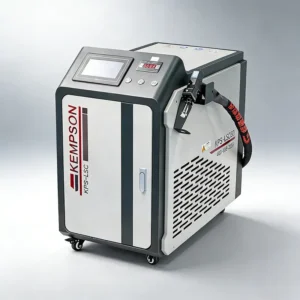
In industrial applications, maintenance costs often determine the long-term ROI of equipment. Based on real-world application scenarios, Kempson optimizes both structural design and system configuration to help users reduce laser welder maintenance costs while ensuring performance.
Modular Design Reduces Downtime: Kempson equipment features a modular optical structure, allowing for quick disassembly and replacement of critical consumables such as protective lenses and nozzles. Maintenance requires no complex procedures and can be completed in a short time, effectively reducing downtime losses.
Air-Laser Welding Technology Reduces Dependence on Consumables: To address gas costs and nozzle contamination issues, Kempson’s handheld air-laser welding machines can generate approximately 99.99% of the required inert gas internally, reducing reliance on external gas sources. This also lowers the risk of nozzle clogging and oxidation, thereby reducing maintenance frequency at the source.
High-stability cooling system extends the lifespan of core components: Featuring an optimized water-cooling system design, it supports long-term continuous operation, maintains stable laser output, and reduces power decay and laser source wear caused by temperature fluctuations, thereby extending the overall service life of the machine.
Multi-wire feeding system reduces welding defect rates: Some models are equipped with a four-drive multi-wire feeding structure, which improves wire feeding stability, reduces spatter and welding defects, and lowers hidden maintenance costs associated with rework.
Optimized for industrial applications, reducing total cost of ownership: Kempson equipment is optimized for welding medium-to-thin sheets ranging from 0.5 to 12 mm, balancing efficiency and stability. In actual production, it can reduce unplanned downtime and maintenance frequency by over 30%, thereby improving overall production efficiency.
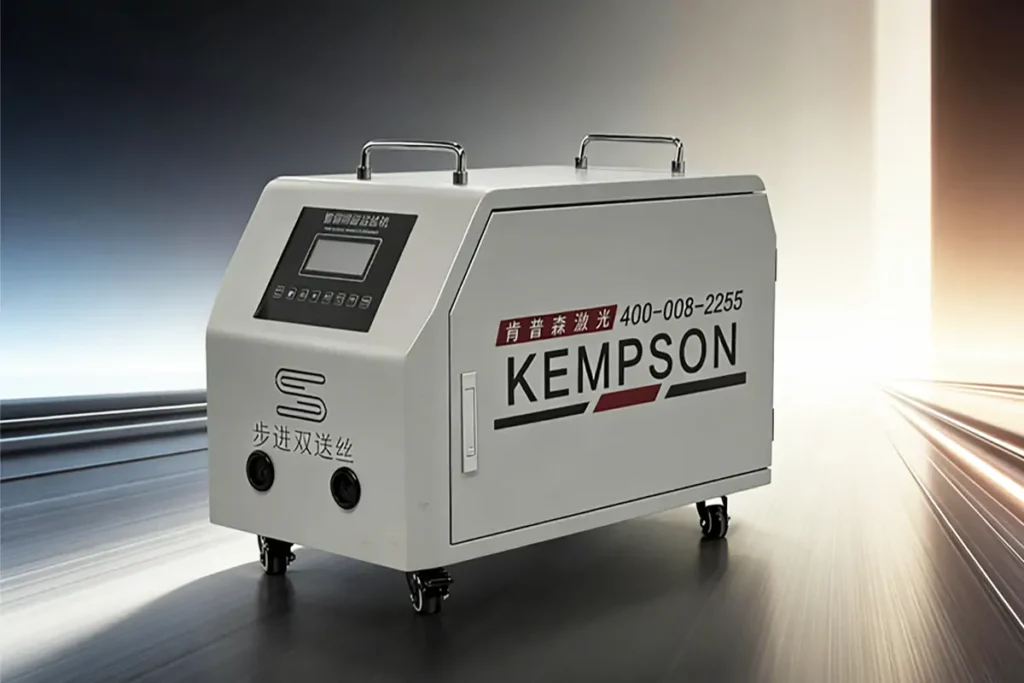
Case Study
A manufacturer specializing in agricultural and livestock food processing machinery introduced a high-efficiency, stable 4000W thick-sheet laser welding machine from Kempson to address the stringent requirements for hygiene, corrosion resistance, product quality, and structural stability during the operation of food processing equipment. This solution extended the service life of protective lenses (to eight times the industry standard), reduced the frequency of lens replacements, cut monthly consumable costs by more than 60%, and significantly lowered daily maintenance expenses.
Conclusion
Proper and systematic laser welder maintenance is essential for ensuring the long-term and stable operation of equipment. By regularly cleaning and inspecting core components, companies can extend service life, reduce operating costs, and improve overall production efficiency.
FAQS
Q: How often does a laser welding machine require maintenance?
A: Simple daily inspections (per shift/daily) are required. Key components should be maintained weekly or monthly. Consumables such as nozzles and protective lenses should be replaced regularly based on usage frequency.
Q: How often should laser welding nozzles be replaced?
A: Laser welding nozzles are high-frequency consumables; it is generally recommended to replace them every 1–7 days. For high-intensity production, more frequent inspections and replacements are advised to ensure effective gas shielding.
Q: What is the lifespan of a fiber laser?
A: Under standard fiber laser maintenance conditions, the laser source typically lasts 8–10 years or more, with a lifespan of approximately 100,000 hours. Proper maintenance can further extend its service life.
Q: What problems can result from improper maintenance?
A: Common issues include darkened welds, increased porosity, unstable penetration depth, equipment alarms, and even damage to the laser source. This can also lead to increased downtime and reduced production efficiency.
Q: How often should the coolant in the cooling system be replaced?
A: It is generally recommended to replace the coolant every 1–3 months, depending on the operating environment and frequency of use. Keeping the coolant clean effectively prevents overheating and power fluctuations.
Q: How much does regular maintenance reduce costs?
A: For purchasers, maintenance directly impacts long-term returns:
Downtime reduced by approximately 20–40%
Cost of wear-and-tear parts reduced by approximately 15–25%
Equipment lifespan extended by 2–3 times
In the long run, the investment in proper laser welding machine maintenance is significantly lower than the losses caused by malfunctions and downtime.
Q: How can I determine when optical components need to be replaced?
A: When power output decreases, welding becomes unstable, or weld quality deteriorates, you should first inspect the protective lenses and focusing lenses. If contamination or damage is found, replace them immediately.