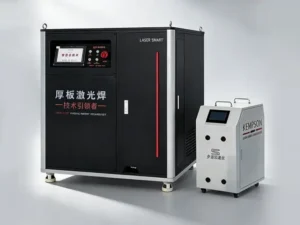
Table of Contents
Introduction
Due to its high precision, high efficiency, and low heat-affected zone, laser welding is widely used in fields such as stainless steel processing, automotive manufacturing, sheet metal fabrication, and industrial equipment manufacturing. With the popularization of handheld laser welding machines, more and more users are beginning to focus on a common question: Do Laser Welders Need Gas?
The answer is yes. Most laser welding applications require shielding gas to ensure welding quality. Shielding gas can prevent weld oxidation, improve welding stability, reduce spatter, and enhance the surface finish of the weld. Different materials and welding processes have different requirements for gas types and flow rates. In this article, we will analyze in detail why laser welding needs shielding gas, the types of common shielding gases and their pros and cons, and how to choose the right gas solution based on different materials and application scenarios to help you improve laser welding efficiency and quality.
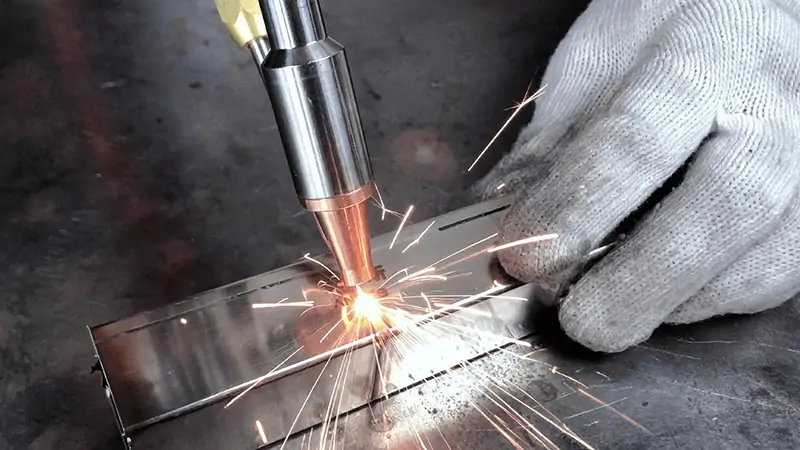
Why Do Laser Welders Need Gas?
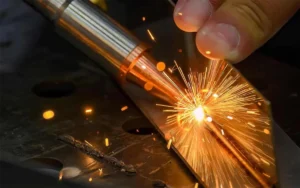
During the laser welding process, metal melts rapidly under high temperatures. Without shielding gas protection, the weld is prone to oxidation, porosity, increased spatter, and unstable formation. Laser welding gas is not just an auxiliary configuration; it is a key factor affecting welding quality, weld appearance, and equipment stability. Especially in the welding of stainless steel, aluminum, and galvanized steel, the appropriate shielding gas for laser welding can significantly improve the welding effect.
- Prevent Oxidation and Protect the Weld Pool: During laser welding, the molten pool is exposed to air and oxidizes easily, causing the weld to blacken, discolor, or even lose strength. Using the right laser welding gas can isolate oxygen, stabilize the molten pool, and improve weld surface quality. For stainless steel welding, choosing the best gas for laser welding stainless steel is particularly important.
- Improve Weld Stability and Penetration: Shielding gas stabilizes the molten pool state, making the weld penetration more uniform and reducing problems such as porosity, collapse, and welding discontinuities.
- Reduce Spatter and Post-Processing: When gas protection is lacking, welding spatter increases significantly, weld edges become rough, and subsequent cleaning costs are high.
Different Gases Suit Different Materials
- Argon: Stable protection effect, suitable for stainless steel and aluminum.
- Nitrogen: Lower cost, applicable to some stainless steel and carbon steel.
- Helium: Stronger penetration but higher cost.
When choosing what gas is used for laser welding, a comprehensive judgment is needed based on material, thickness, and welding requirements.
Handheld Laser Welders Also Require Gas: Handheld laser welders also rely on shielding gas to protect the molten pool, to reduce oxidation, and improve weld formation. The advantages are even more obvious in continuous welding and high-reflection metal processing.
Types of Shielding Gas for Laser Welding
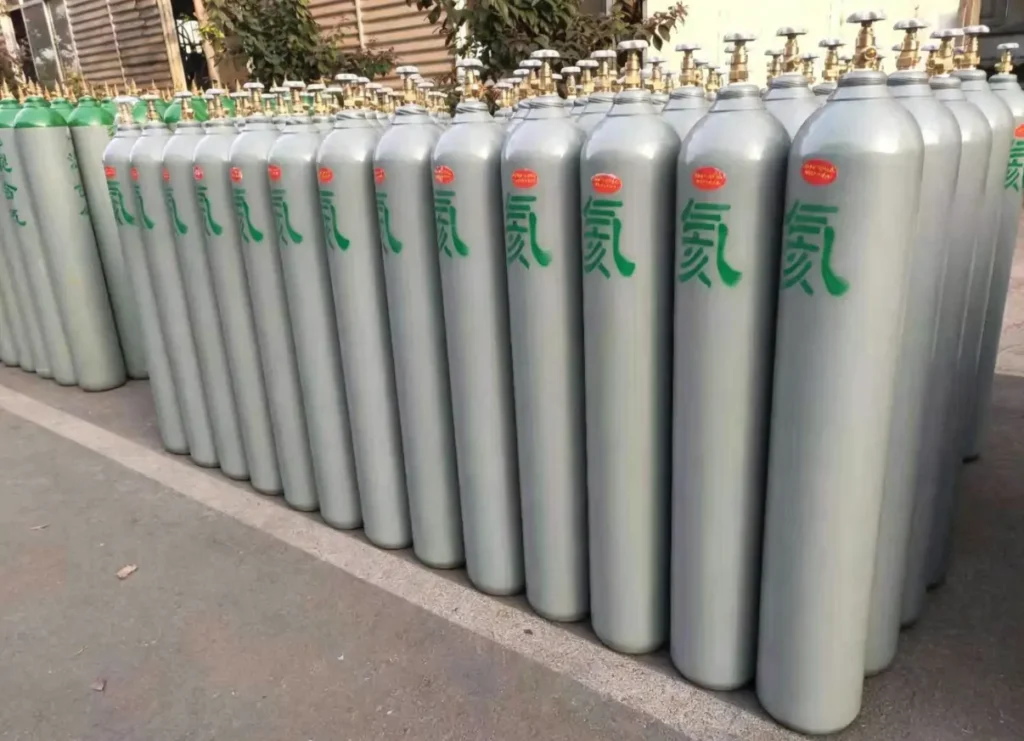
In laser welding, different shielding gases will directly affect weld quality, penetration, spatter control, and welding costs. Common shielding gases mainly include the following types.
Argon
Argon is one of the most widely used laser welding gas types. It has stable chemical properties and a good protection effect, which can reduce weld oxidation and porosity. Often used for high-quality welding and is the first choice for users looking for the best gas for laser welding stainless steel.
Advantages:
- Stable weld formation
- Good oxidation control effect
- Suitable for high-requirement welding, such as stainless steel and aluminum
Disadvantages:
- The cost is higher than the nitrogen
- Penetration is relatively shallow for some thick plate welding
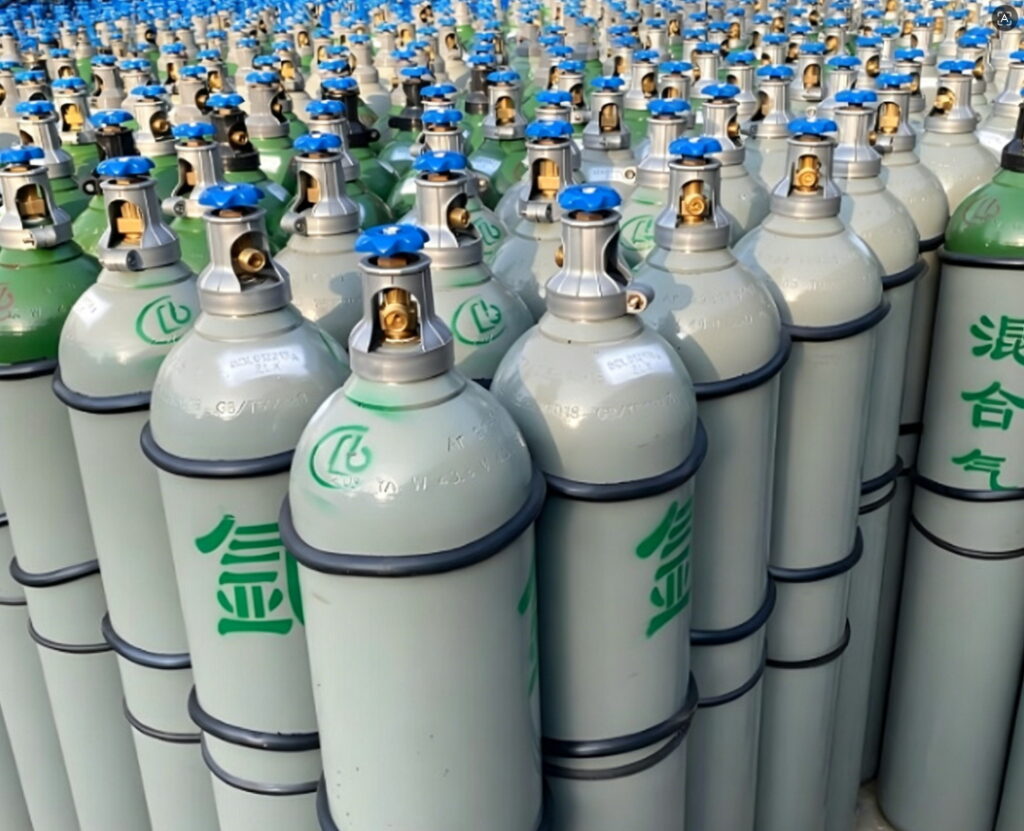
Nitrogen
Nitrogen has a lower cost and is widely used in the welding of some stainless steel and carbon steel. Compared to argon, nitrogen can improve welding efficiency for certain materials. In practical applications, many users compare laser welding argon vs nitrogen to balance welding quality and cost.
Advantages:
- Lower usage cost
- Faster welding speed
- Suitable for some stainless steel and carbon steel processing
Disadvantages:
- Porosity may occur in certain materials
- Not suitable for some aluminum welding
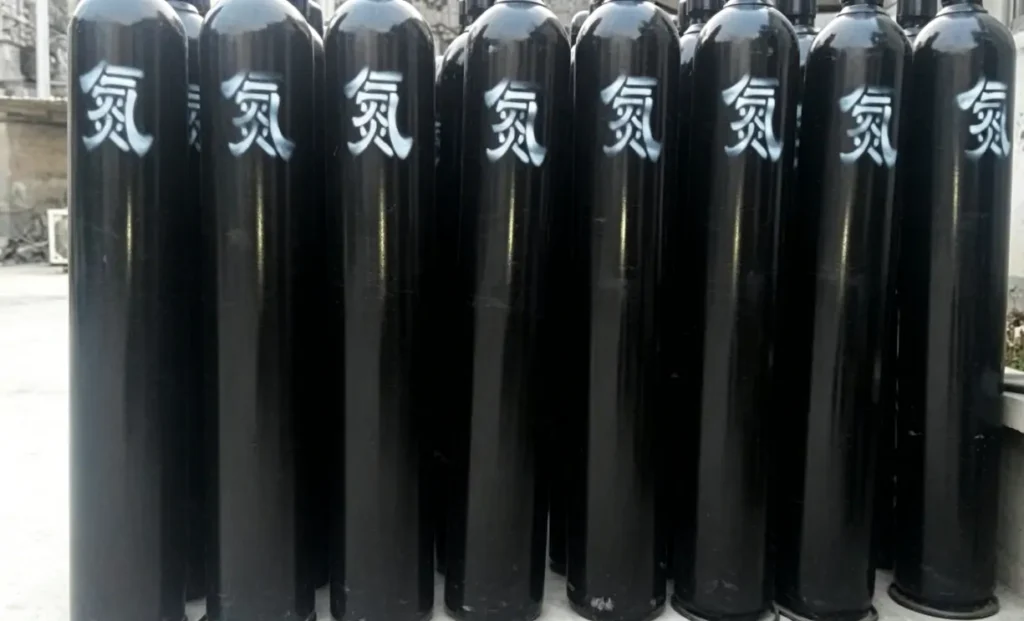
Helium
Helium has high thermal conductivity, which can improve laser energy transfer efficiency. It is suitable for high-reflection materials and deep penetration welding. It is typically used for high-end industrial welding or special material processing.
Advantages:
- Stronger penetration
- More uniform weld seams
- Suitable for high-power laser welding
Disadvantages:
- High gas cost
- Usage fees are significantly higher than argon and nitrogen
Mixed Gas
Some industrial applications use mixed gases, such as Argon + Helium or Argon + Nitrogen, to balance welding quality, penetration, and cost.
Advantages:
- Balances welding performance
- Improves process adaptability
- Parameters can be optimized for different materials
Disadvantages:
- High requirements for gas mixing ratios
- Process debugging is more complex
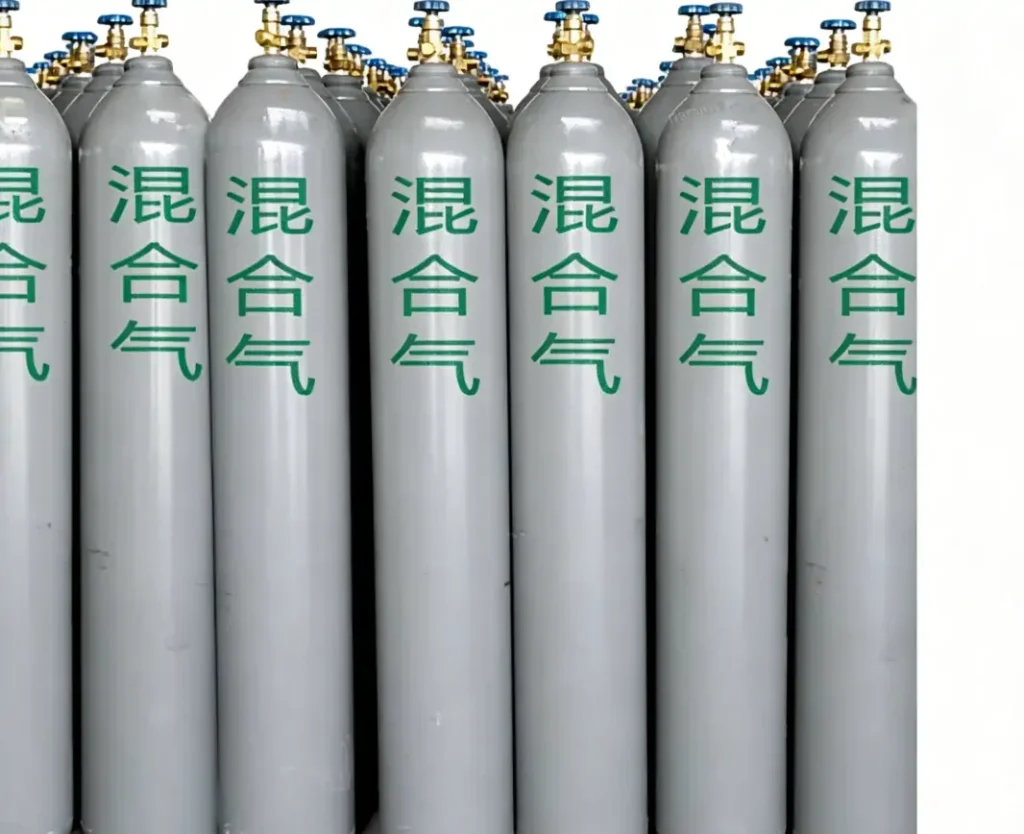
When choosing what gas is used for laser welding, a comprehensive evaluation is required based on material type, welding thickness, and production needs.
Risks of Laser Welding Without Shielding Gas
Although it is possible to perform laser welding without shielding gas under some working conditions, the lack of shielding gas for laser welding usually leads to the following problems.
- Weld Oxidation: The molten pool directly contacts the air and easily oxidizes under high temperatures, causing the weld to blacken and discolor, affecting surface quality. This is more pronounced for stainless steel and aluminum.
- Increased Spatter: Lacking stable laser welding gas protection, the molten pool fluctuates significantly, and spatter is more likely to be generated during the welding process, affecting appearance and increasing subsequent cleaning and grinding costs.
- Porosity and Cracks: When oxygen and impurities in the air enter the molten pool, they easily form pores, inclusions, and even micro-cracks, reducing weld strength and sealing.
- Unstable Weld Quality: The weld formation is uneven, resulting in problems such as unstable penetration and discontinuous welds.
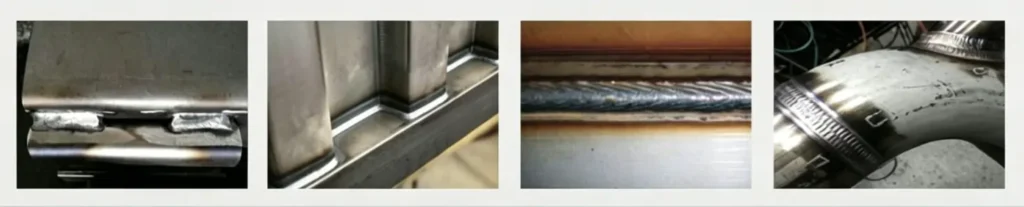
Welding Comparison

How to Choose the Right Shielding Gas for Laser Welding
Choosing the right shielding gas for laser welding requires careful consideration of the base material type, welding thickness, weld quality requirements, and cost. Different materials have different requirements for gas stability, oxidation protection, and penetration capability.
| Base Material | Recommended Gas | Characteristics | Application Notes |
| Stainless Steel | Argon / Nitrogen | Argon provides stable protection; Nitrogen is lower cost | Use Argon preferentially when requirements for weld color and surface are high; it is a common best gas for laser welding stainless steel solution. |
| Carbon Steel | Nitrogen / Argon | Nitrogen welding efficiency is high; Argon stability is better | Nitrogen is usually used in mass production to reduce costs. |
| Aluminum | Argon | Strong anti-oxidation ability, more stable weld | Aluminum is sensitive to oxidation; Nitrogen is generally not recommended. |
| Galvanized Steel | Argon | Reduces zinc layer burning and spatter | Helps improve weld formation and surface quality. |
| Thin Sheet Metal | Nitrogen | Fast welding speed, lower cost | Suitable for high-speed thin plate welding. |
| Thick Metal Plates | Helium / Mixed Gas | Stronger penetration capability | Suitable for high-power deep penetration welding. |
Self-Generated Shielding Gas Technology
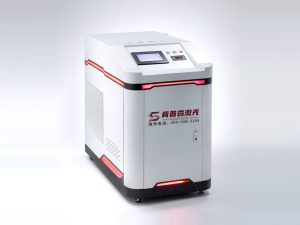
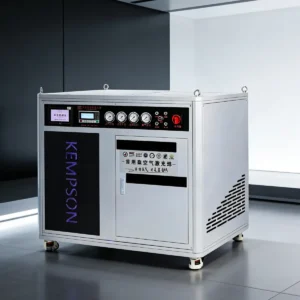
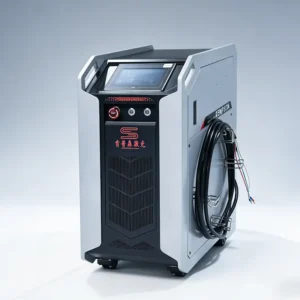
Laser welding usually requires external argon or nitrogen, which means enterprises need to continuously purchase gas cylinders and increase costs for transportation, storage, and gas supply management. With process upgrades, some new types of equipment have emerged. Kempson has launched the Air Laser Welding Machine 1500W/2000W/3000W and 4000W Air Laser Welding Machine, equipped with a high-purity inert gas generation system that can generate shielding gas directly from the air, reducing dependence on external gas sources.
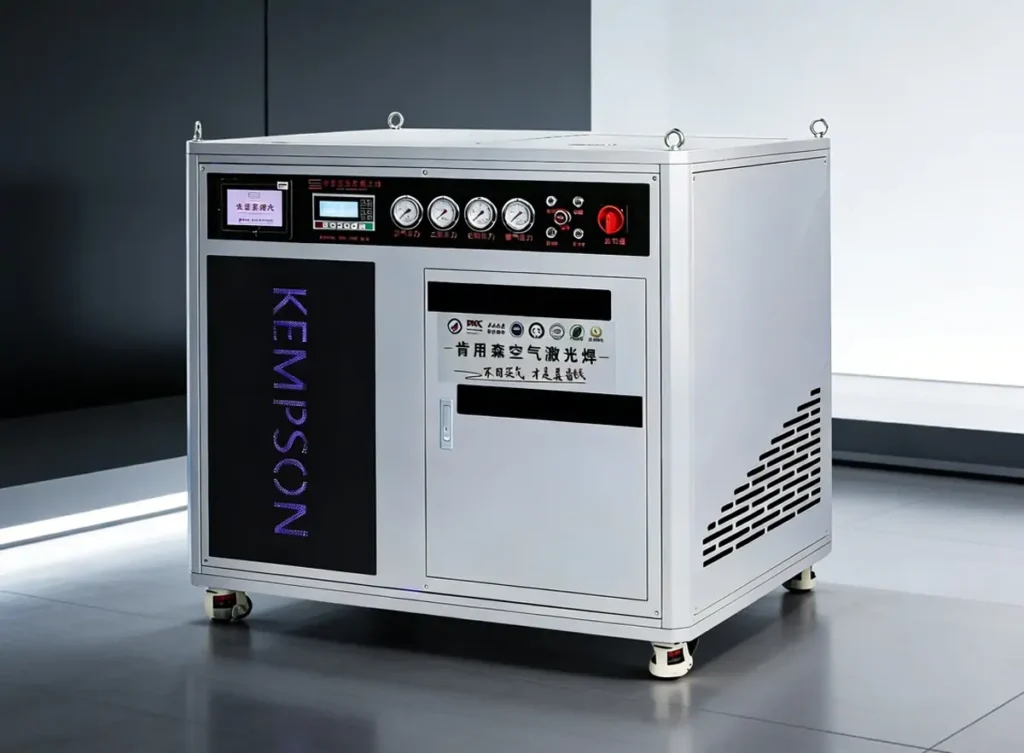
Air Laser Welding Machine 1500W/2000W/3000W
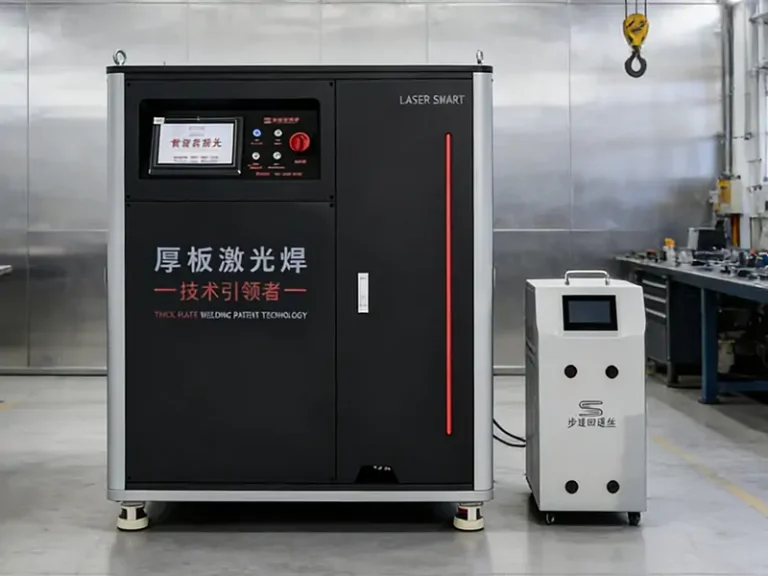
4000W Air Laser Welding Machine
This design can reduce long-term gas costs and facilitate outdoor construction and mobile welding. It is suitable for scenarios such as door and window processing, sheet metal manufacturing, light steel structures, and on-site maintenance. For enterprises concerned about laser welding machine gas costs and gas supply stability, self-generated shielding gas solutions are becoming a new application direction.
Conclusion
In laser welding, whether there is auxiliary gas directly affects weld quality, welding stability, and production efficiency. Choosing the appropriate shielding gas for laser welding for different materials can effectively reduce oxidation, lower spatter, and improve weld formation.
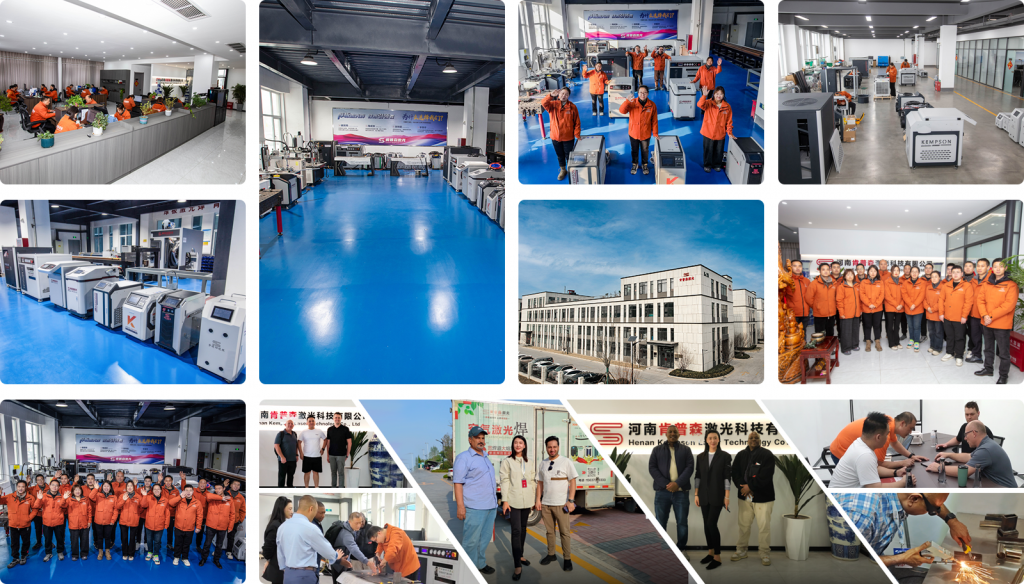
If you are looking for a laser welding solution that suits your production needs, Kempson can provide professional laser welding equipment and process support, including handheld laser welders, self-generated shielding gas laser welding systems, and customized welding solutions. Welcome to contact us for more product information and application suggestions.
FAQ
Do laser welders need gas?
Yes. Most laser welding applications require shielding gas to protect the weld pool, reduce oxidation, and improve weld quality.
Can laser welding be done without gas?
Some materials can be welded without gas for short periods, but the weld appearance, stability, and strength are usually reduced.
What gas is used for laser welding?
Common gases include Argon, Nitrogen, and Helium. The choice depends on material type and welding requirements.
What is the best gas for laser welding stainless steel?
Argon is widely used for high-quality stainless steel welding, while Nitrogen is often selected for faster and lower-cost production.
Does a handheld laser welder need gas?
Yes. Most handheld laser welders use shielding gas to reduce oxidation and improve weld consistency.
What happens if no shielding gas is used?
Without shielding gas, welds may develop oxidation, porosity, excessive spatter, and unstable penetration.
Laser welding argon vs nitrogen: which is better?
Argon offers better weld protection and appearance, while Nitrogen is more economical and suitable for some stainless steel and carbon steel applications.
How important is laser welder shielding gas pressure?
Proper gas pressure helps stabilize the weld pool and reduce defects. Excessive or insufficient pressure can affect weld quality and surface finish.