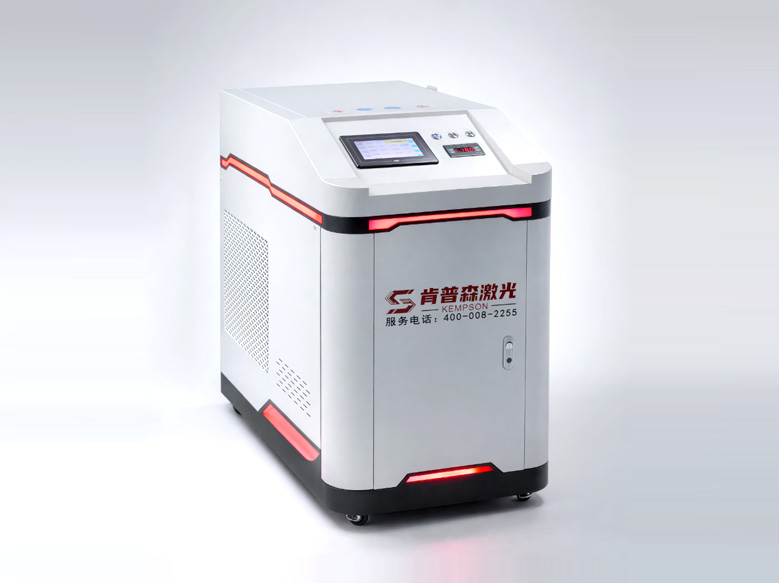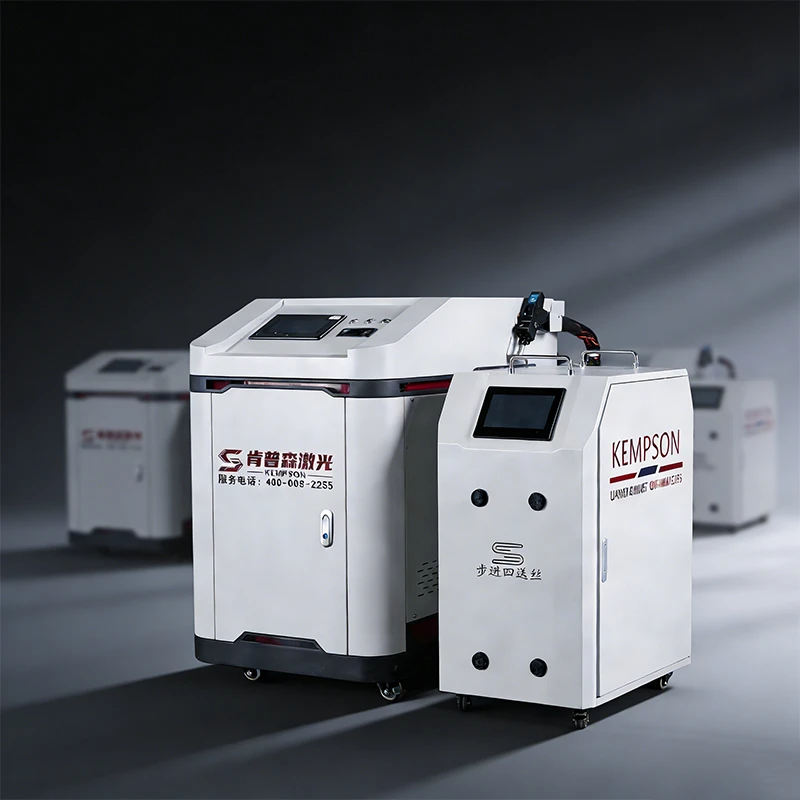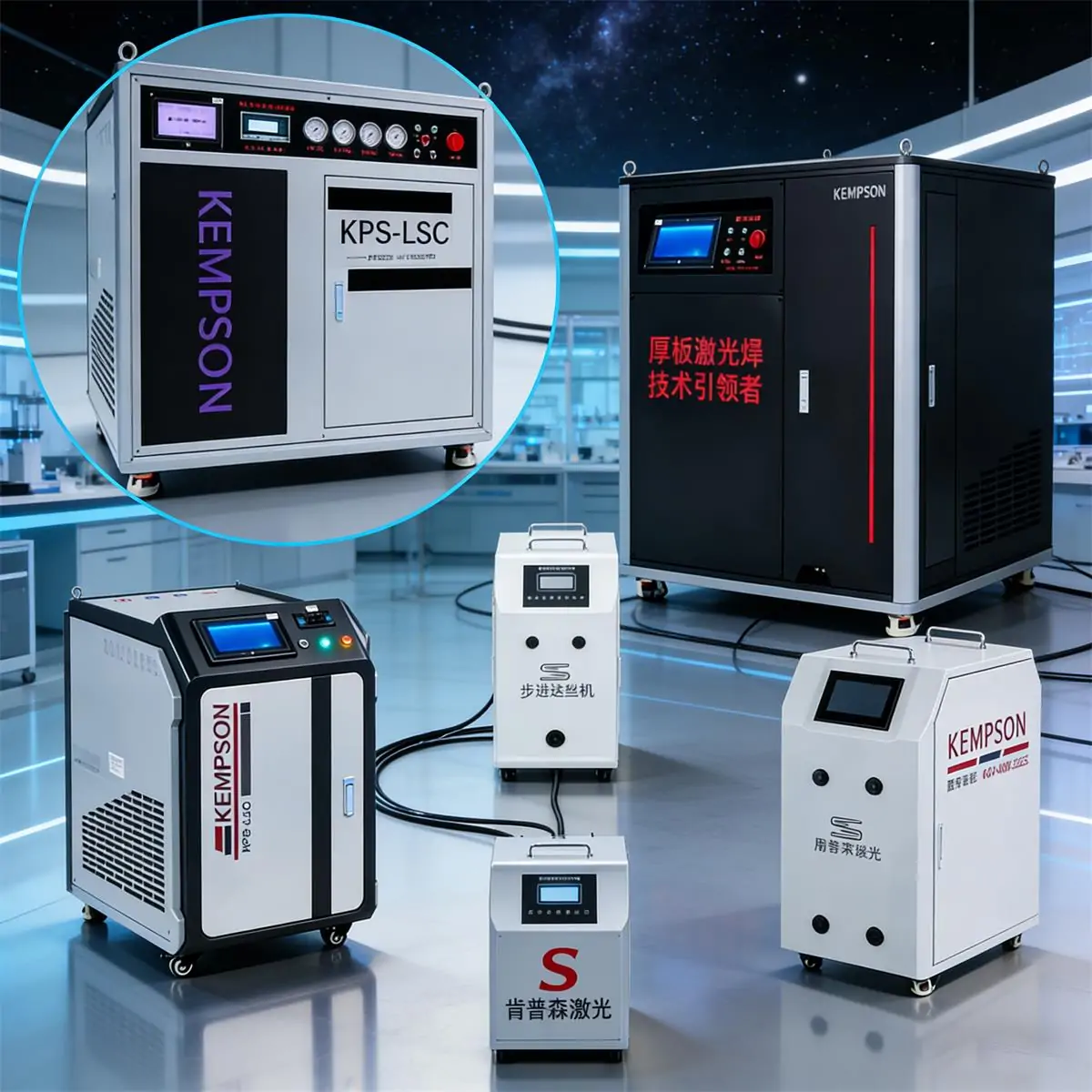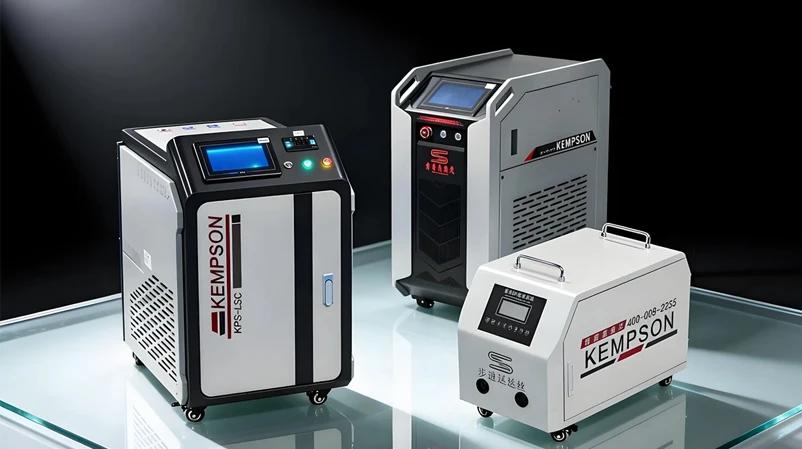
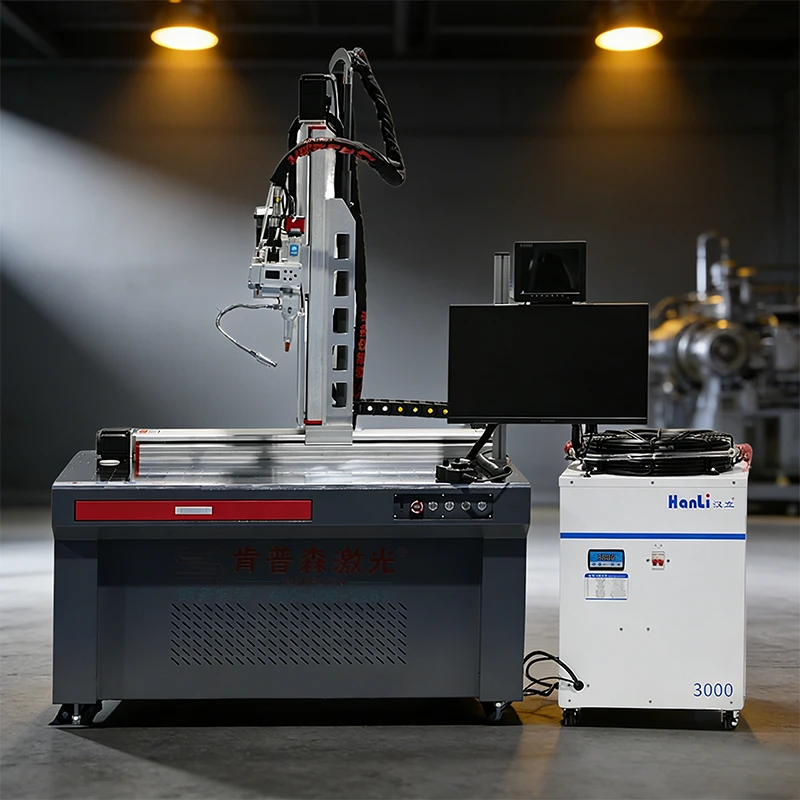
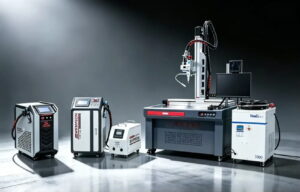
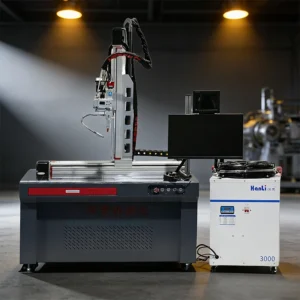
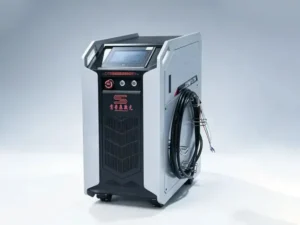
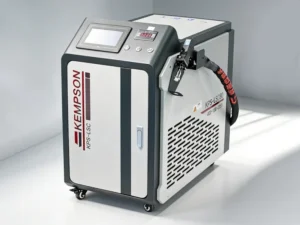
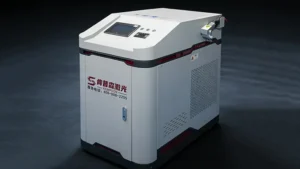
Laser Power:1100W-3000W
Applicable Materials: Stainless Steel, Carbon Steel, Aluminum, Alloys
Welding Thickness: 0.2–6 mm (Depending on material and power)
Application Industries: Battery Manufacturing, Electronics, Mold Repair, Hardware & Precision Parts
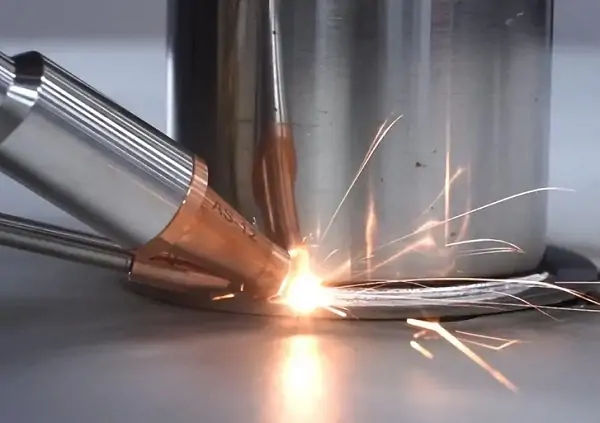
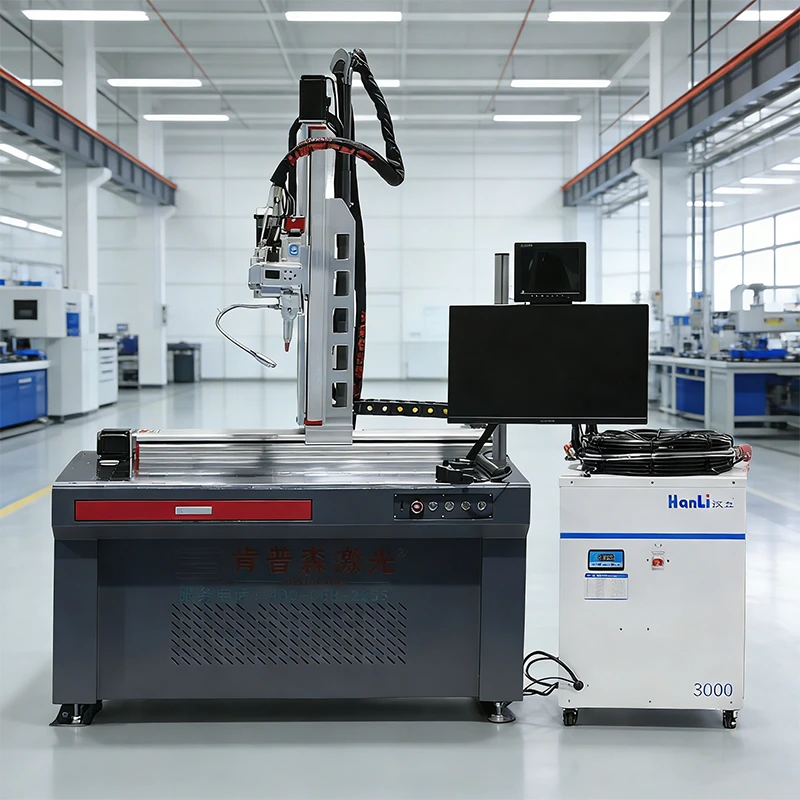
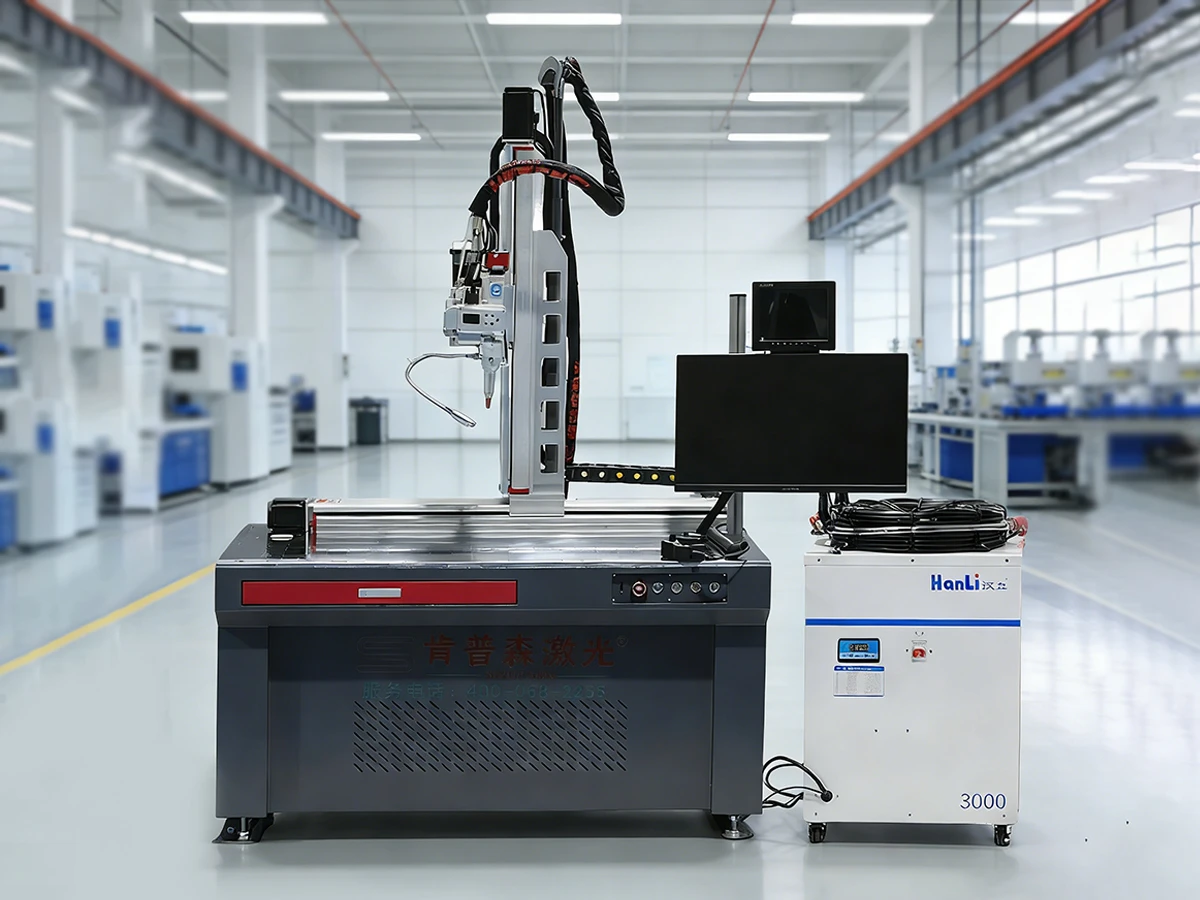
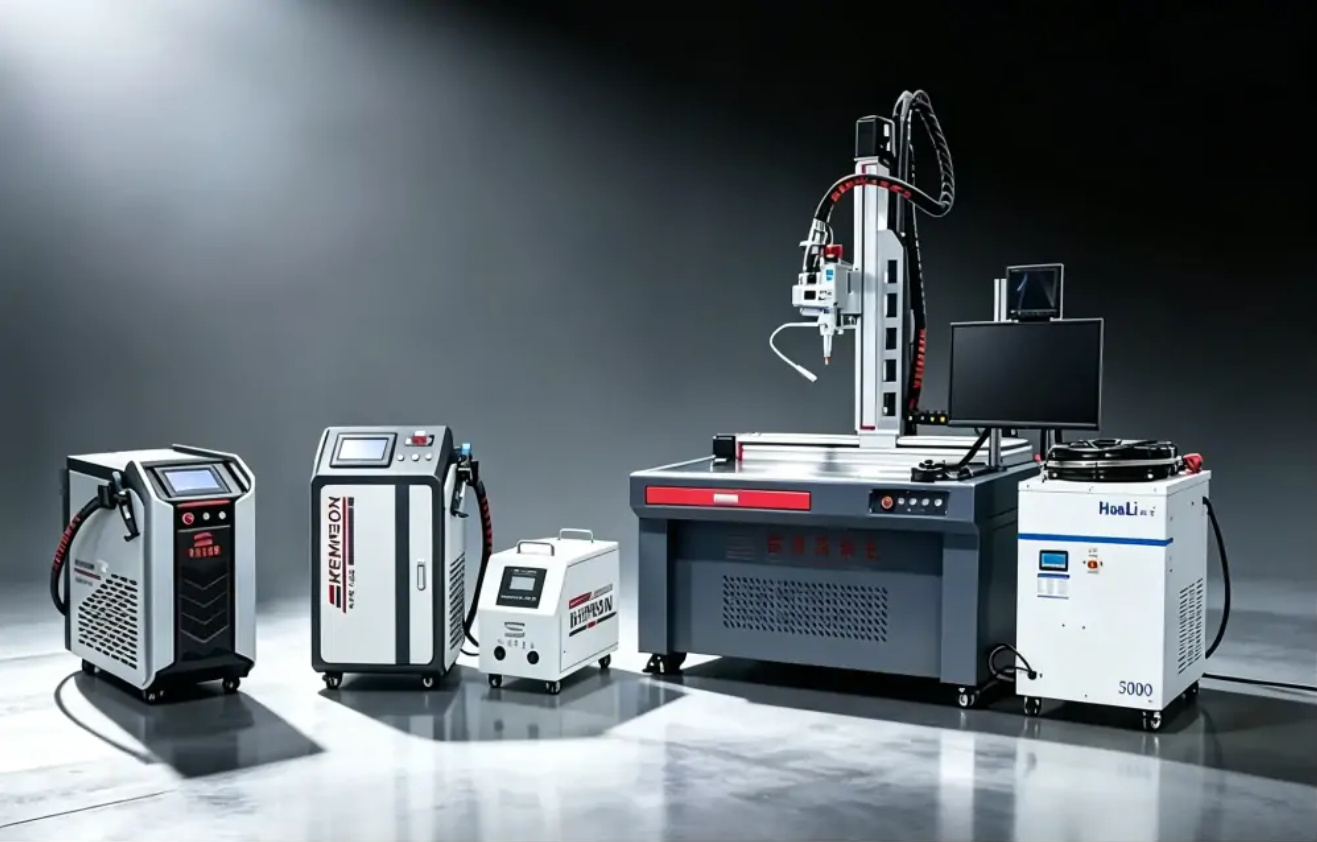
Designed for high-precision spot welding of stainless steel and thin metal components with stable weld quality and minimal thermal deformation.
Applications: Widely used in stainless steel products, kitchenware, medical parts, precision hardware, and sheet metal fabrication.
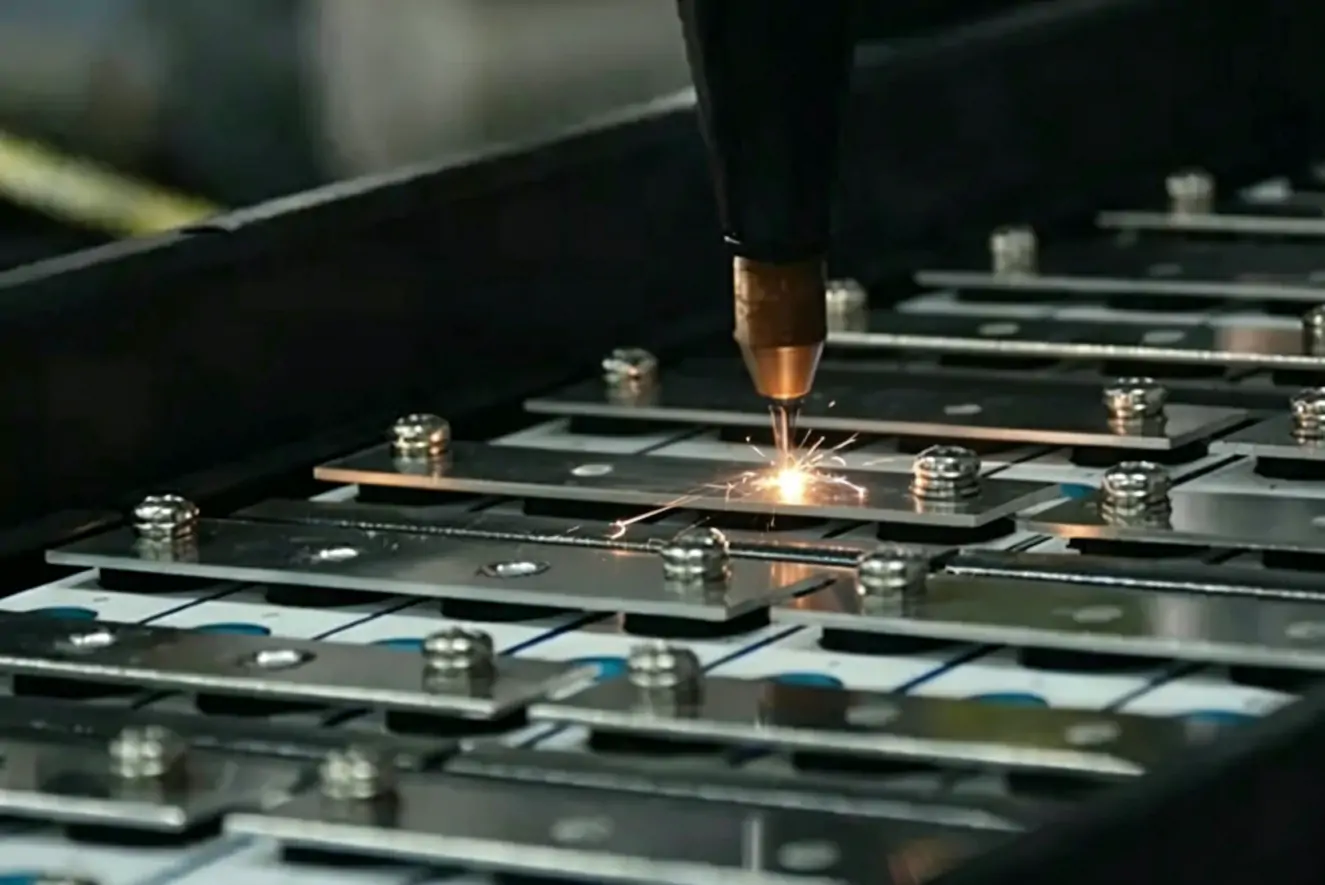
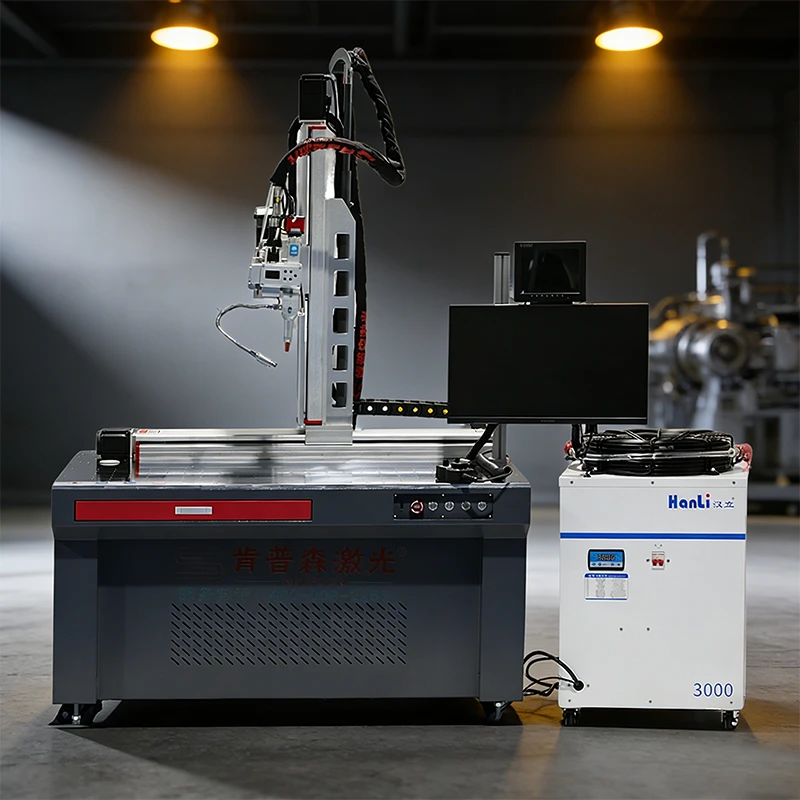
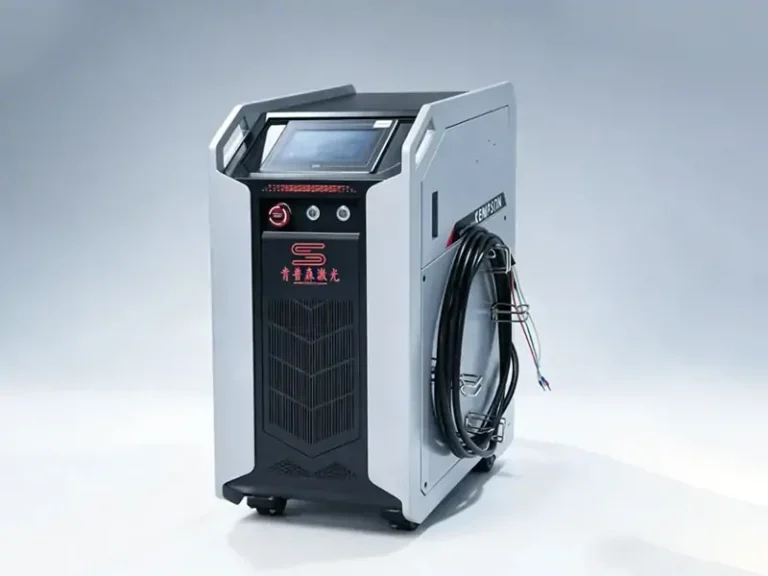
Specially designed for precision welding of battery tabs, cells, and battery pack components with high repeatability.
Applications: Ideal for lithium batteries, battery packs, energy storage systems, and EV battery manufacturing.
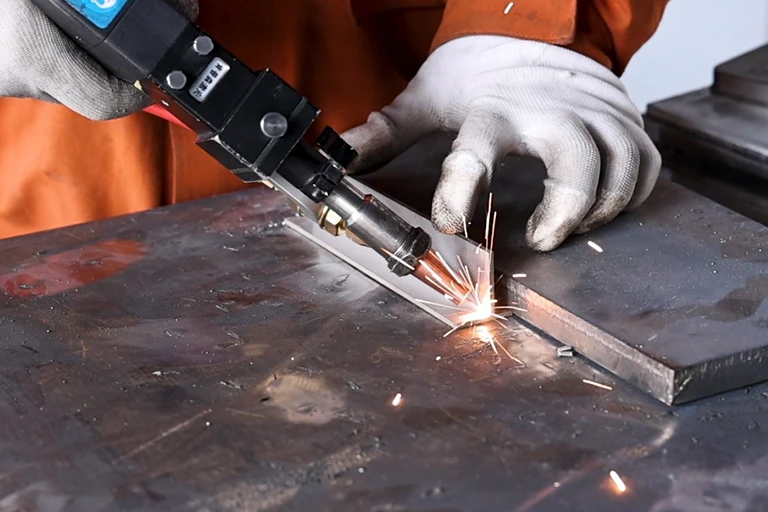
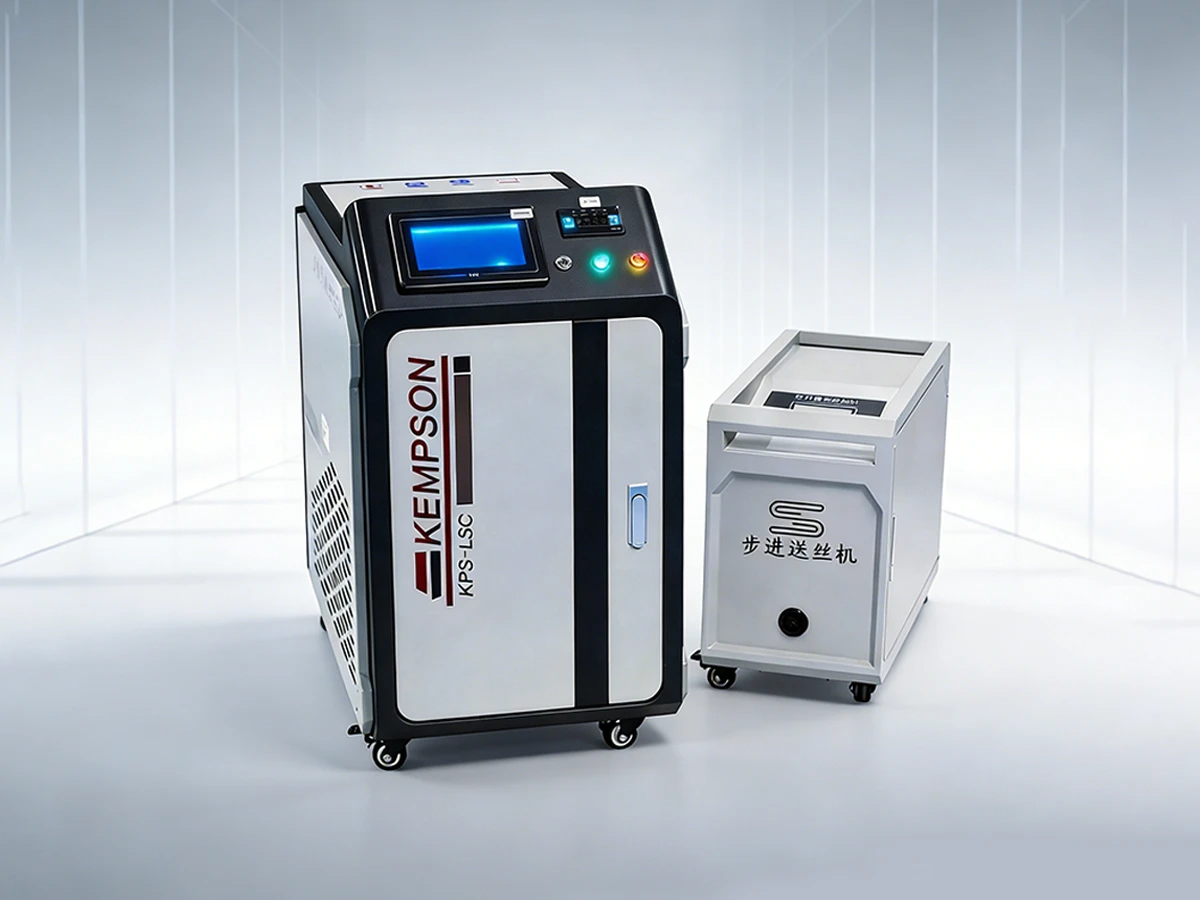
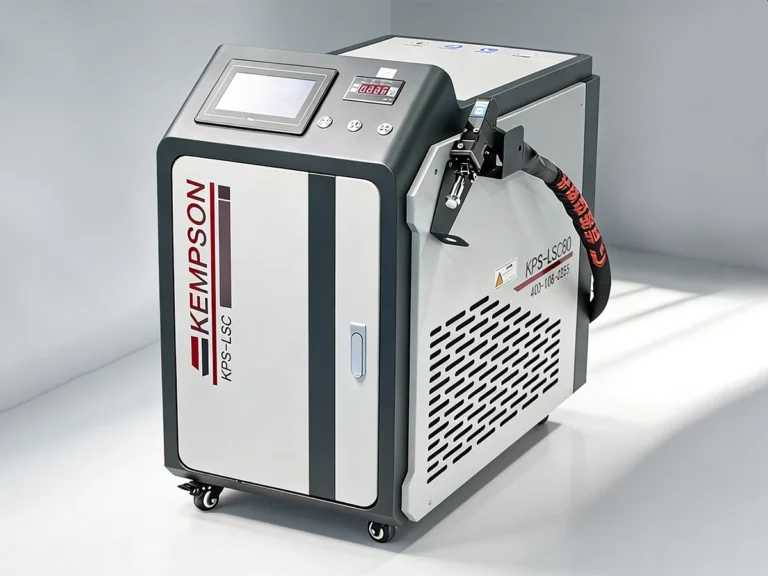
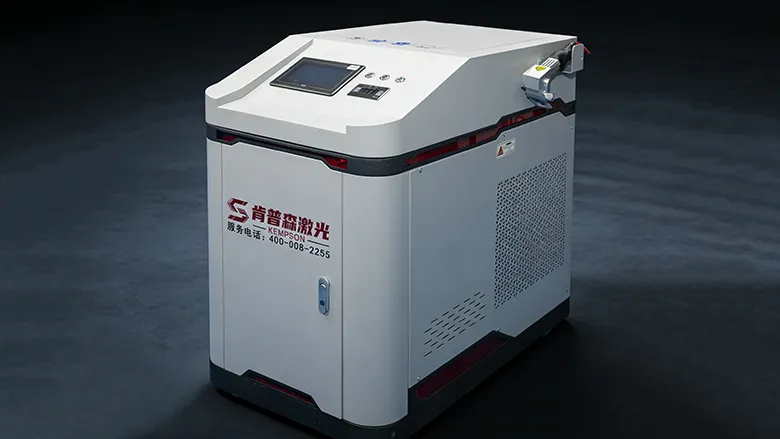
A handheld laser welding solution designed for flexible spot welding with simple operation and fast setup.
Applications: Widely used in metal furniture, sheet metal processing, home appliances, molds, and repair applications.
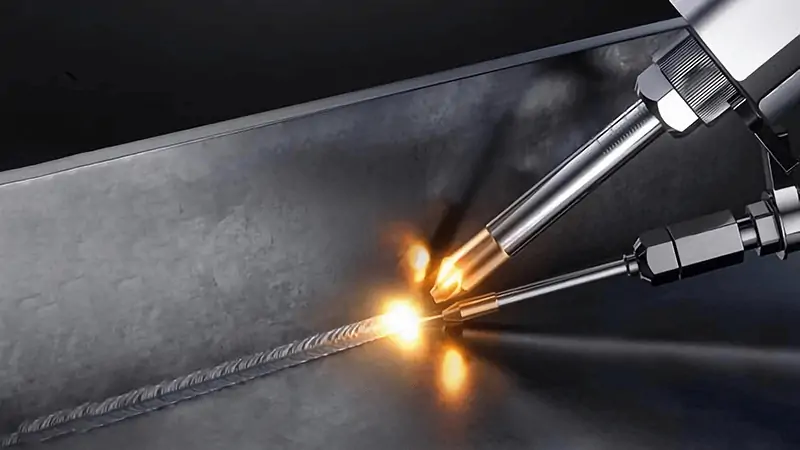
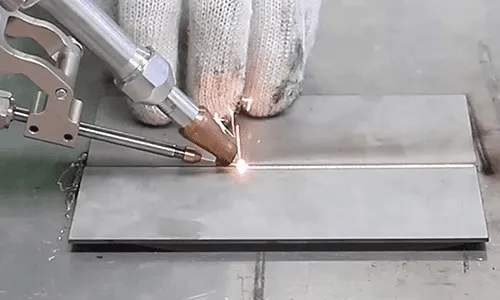
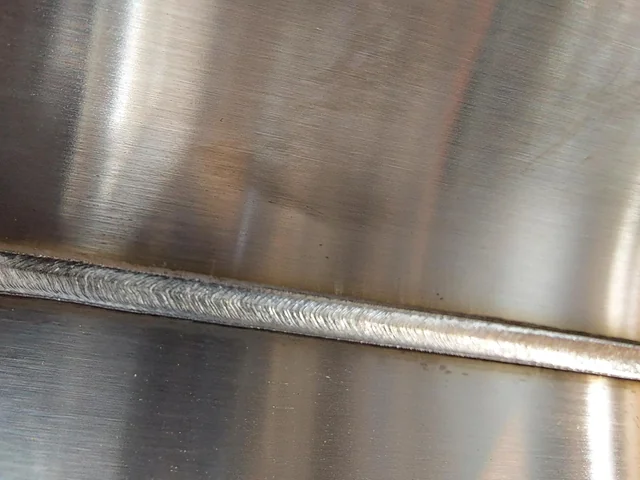
Laser Spot Welding Machine is a precision welding system that uses a focused laser beam to create localized weld points on metal surfaces. By concentrating high energy into a small area, it produces strong and accurate welds with minimal heat input, reduced material deformation, and a small heat-affected zone. It is widely used for welding stainless steel, battery components, electronics, precision hardware, and other applications requiring high-quality and repeatable welding results, suitable for micro welding tasks.
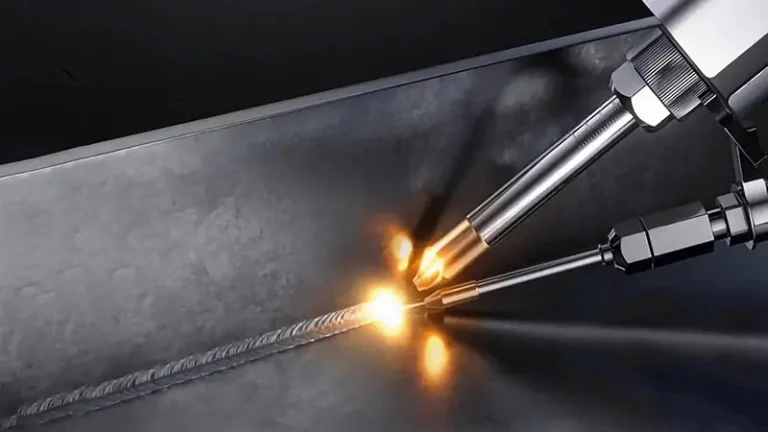
Laser Spot Welding Machine works by focusing a high-energy laser beam onto a small area of the material surface, rapidly heating and melting the metal at the target point. The molten material fuses together and quickly solidifies to form a precise weld spot. The process delivers concentrated energy with minimal heat spread, enabling accurate welding with reduced distortion and stable weld quality, suitable for micro welding tasks.
Laser spot welding provides a precise and efficient solution for micro and localized metal joining, with stable performance across various industrial applications.
Overall, laser spot welding offers a reliable balance of precision, efficiency, and stability for modern industrial manufacturing needs.
| Parameter | Specification |
| Laser Power | 1100W / 1500W / 2000W / 3000W (Optional) |
| Laser Type | Fiber Laser |
| Welding Mode | Spot Welding / Continuous Welding (Optional) |
| Welding Thickness | 0.2 – 6.0 mm (Depending on material & power) |
| Positioning Accuracy | ±0.02 – 0.05 mm |
| Cooling System | Air-Cooled / Water-Cooled |
| Control System | CNC / PLC / Industrial Control System |
| Laser Wavelength | 1064 nm |
| Power Supply | 220V / 380V, 50/60Hz |
| Applicable Materials | Stainless Steel, Carbon Steel, Aluminum, Copper, Nickel Alloy |
| Working Environment | Clean, dry industrial environment |
| Optional Configuration | Rotary table, CCD monitoring, automatic fixture system |
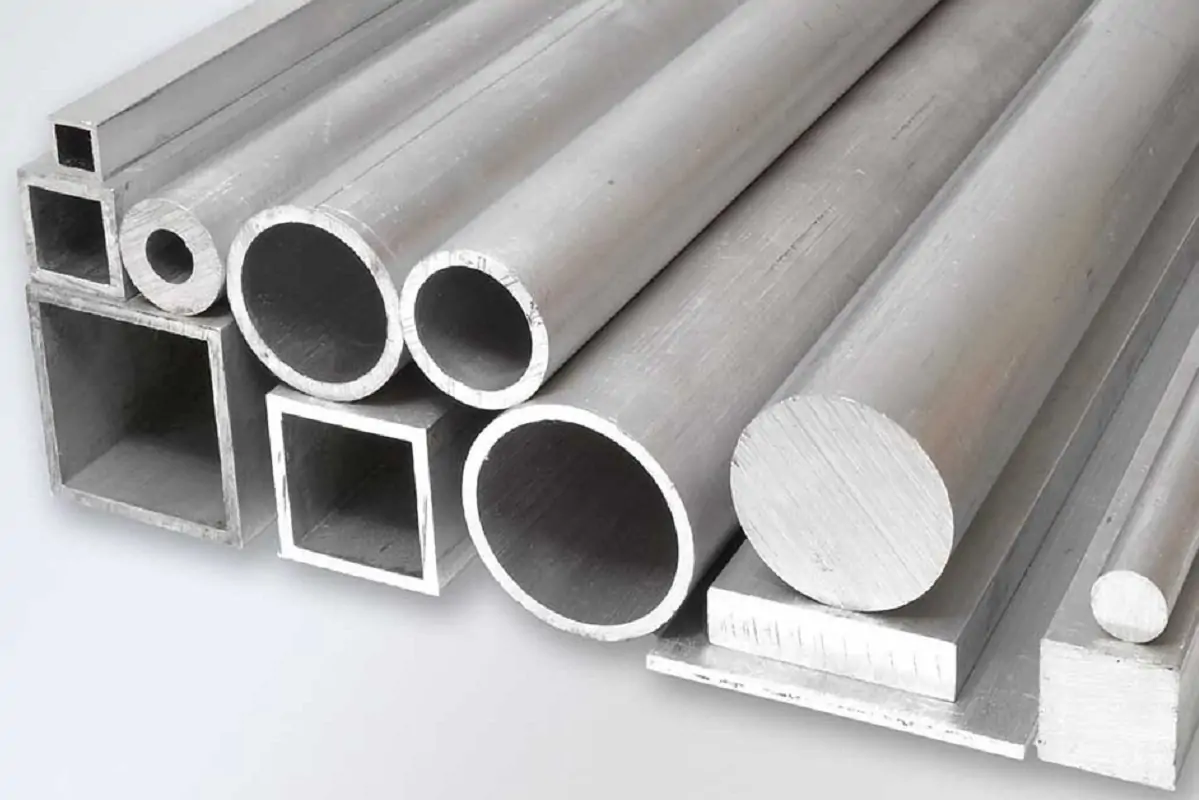
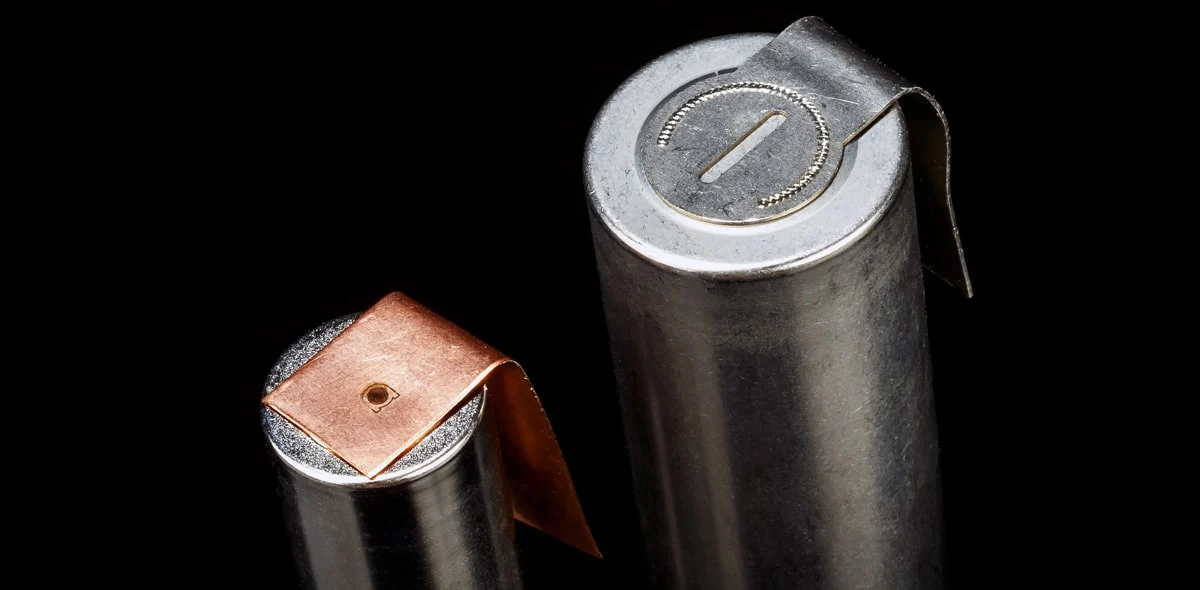
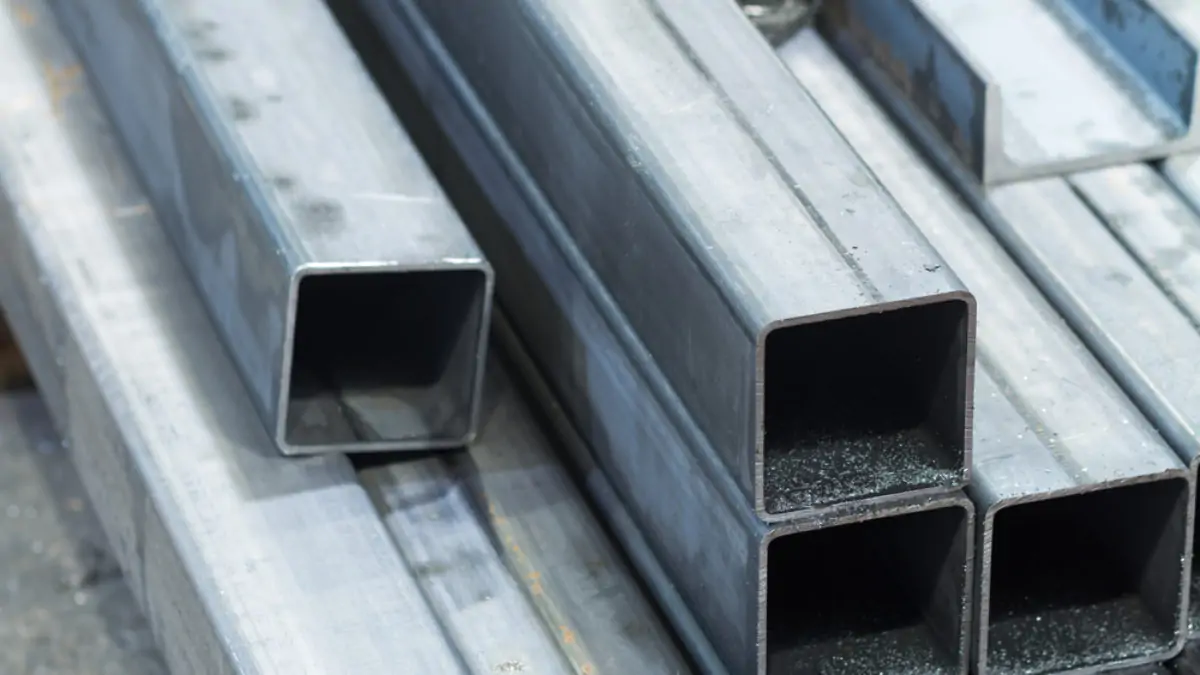
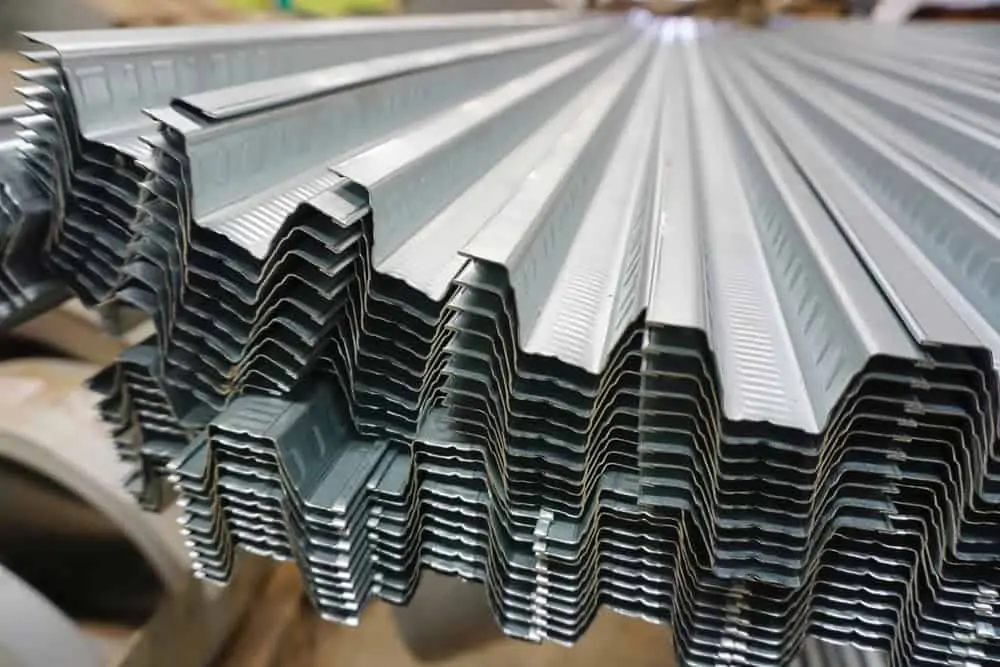
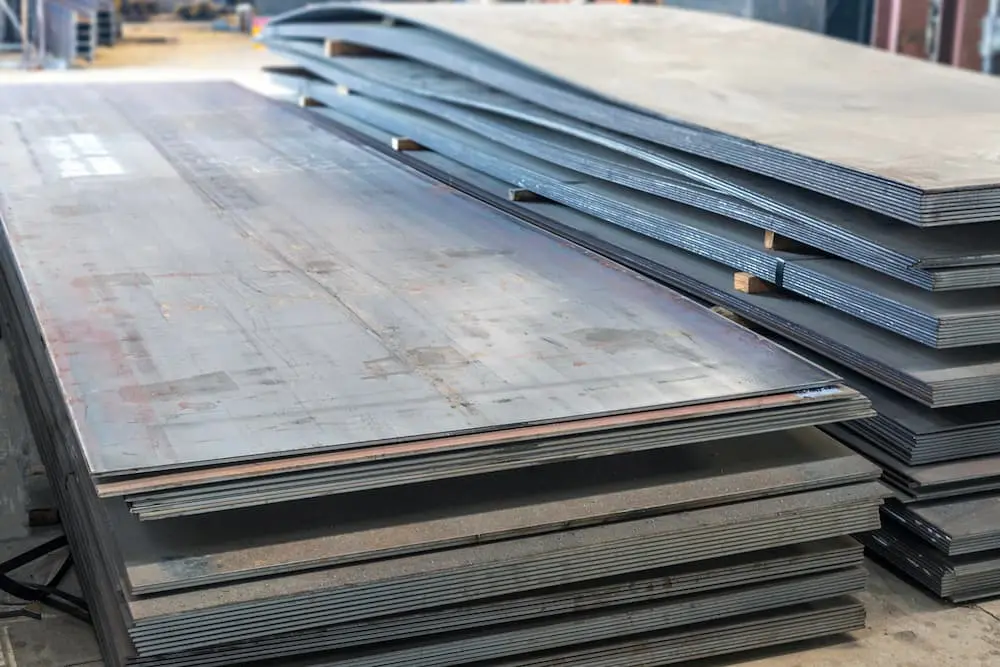
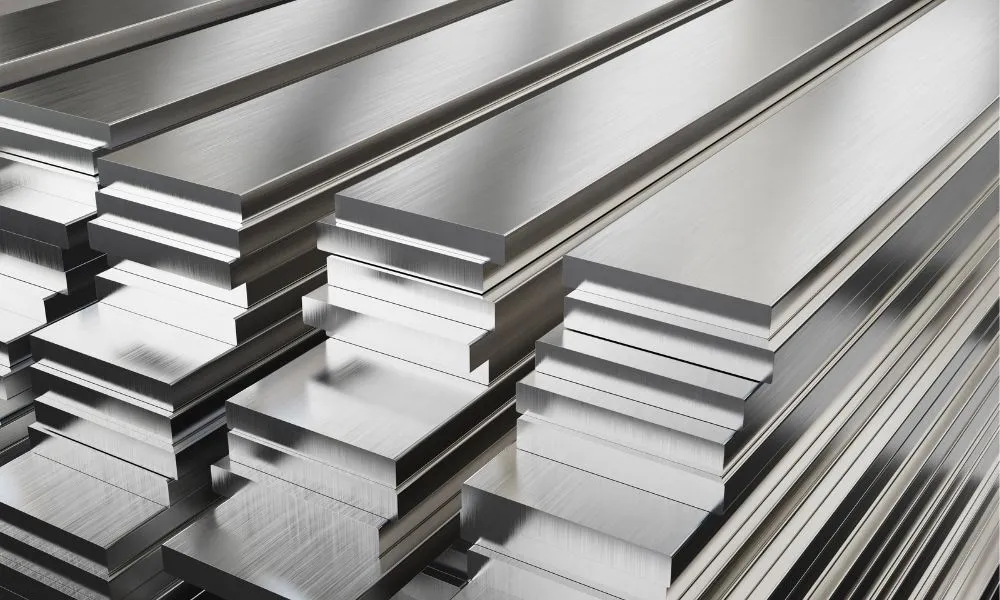
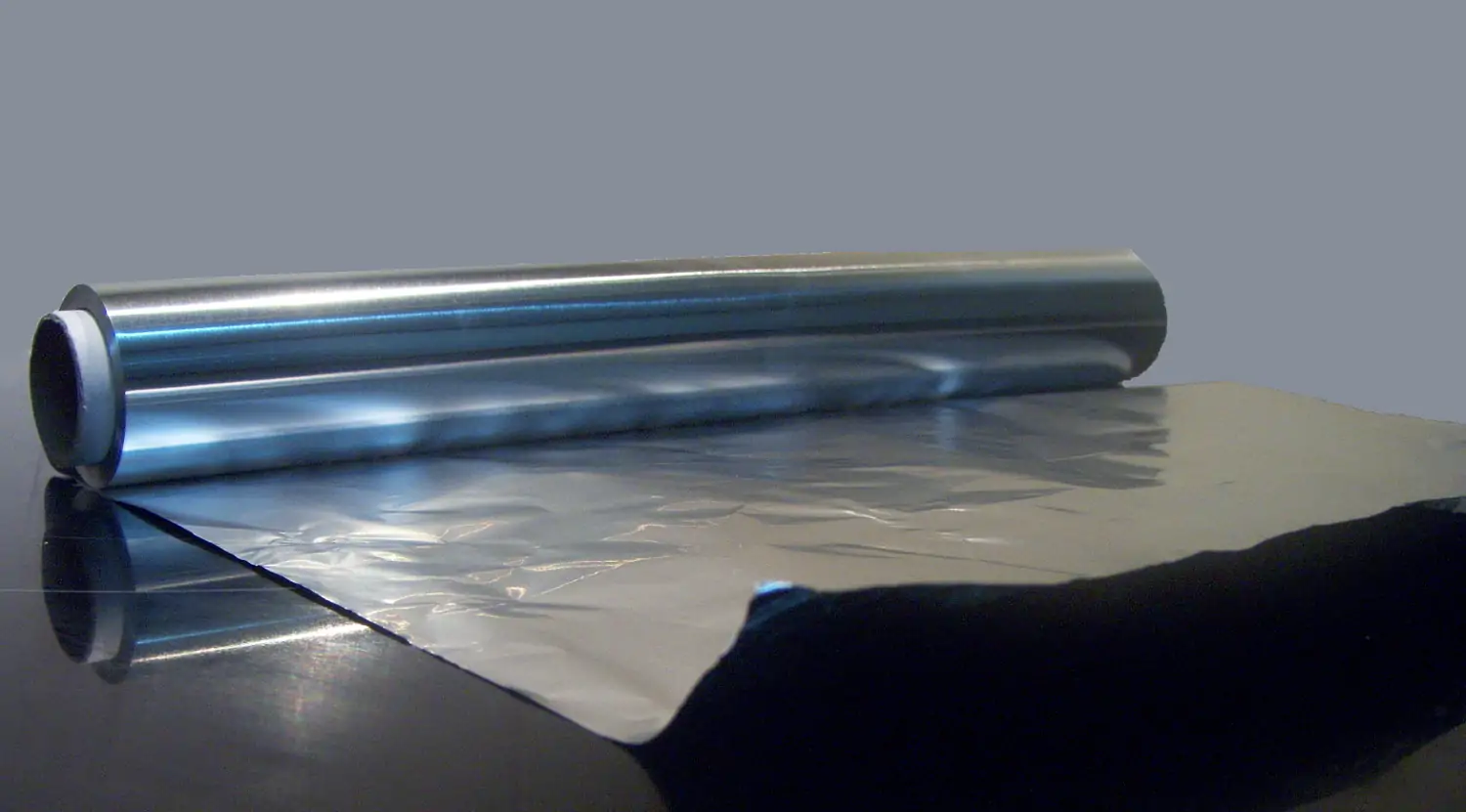
Laser spot welding is widely used in industries that require precise, clean, and reliable metal joining with minimal thermal impact.
Overall, it is suitable for any application requiring high-precision localized welding and stable production quality.
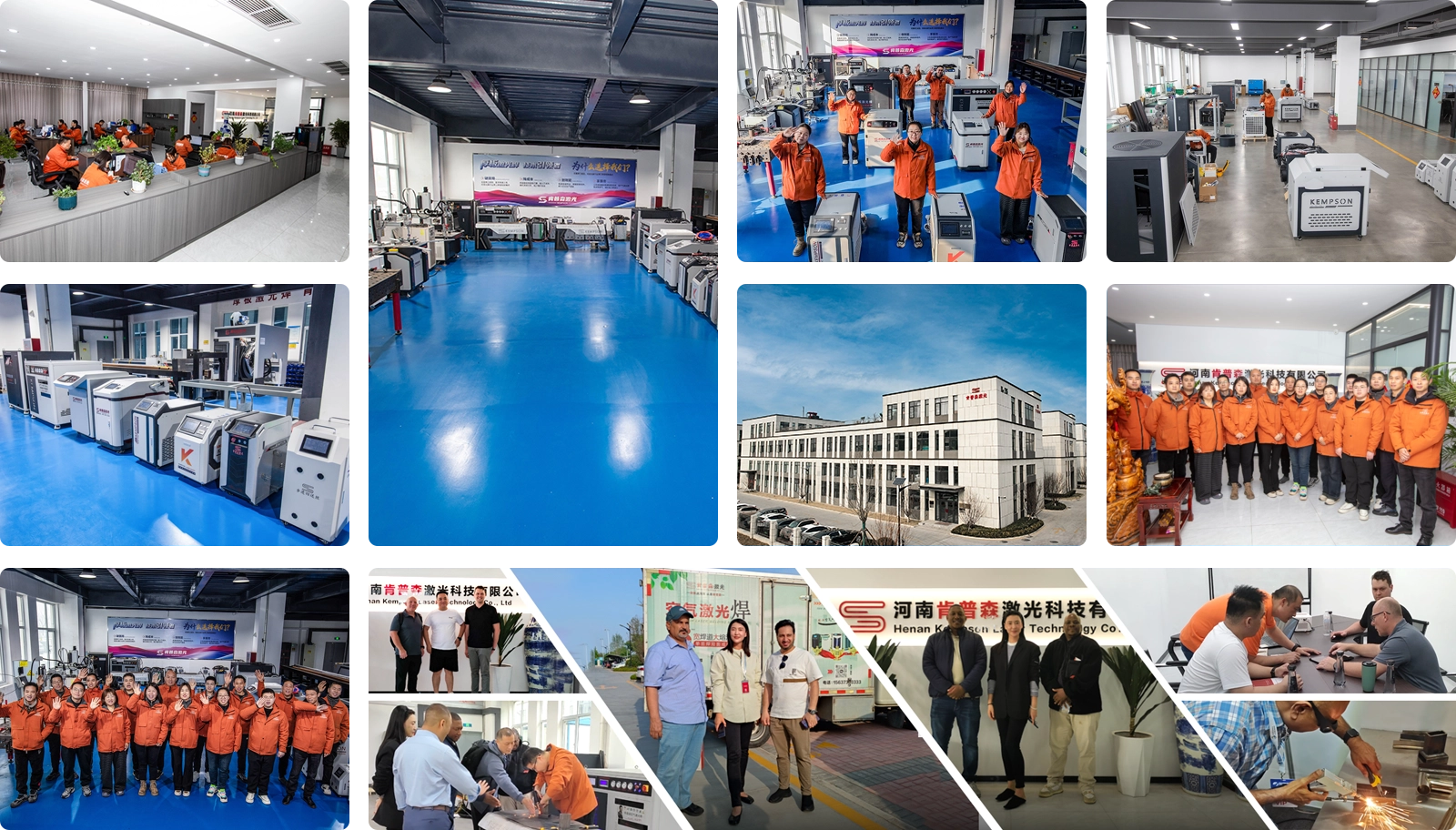
Kempson is committed to delivering high-performance laser welding solutions designed for industrial efficiency, precision, and long-term cost effectiveness. With strong R&D capability and strict quality control, we ensure stable equipment performance and reliable production support for global customers.
Overall, Kempson provides reliable laser welding systems focused on performance stability, production efficiency, and long-term value for industrial manufacturing.
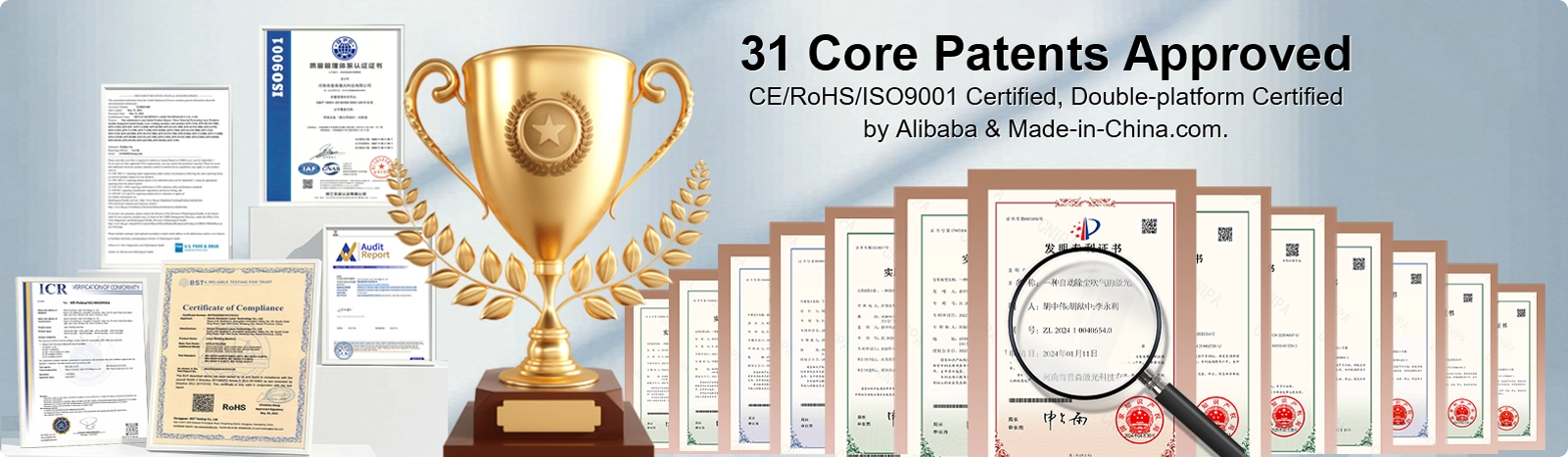
KEMPSON is a professional manufacturer and supplier of Laser Spot Welding Machines. We focus on the development, production, and global supply of high-precision laser welding equipment. With a strong engineering team, advanced manufacturing facilities, and a strict quality control system, we maintain stable machine performance and consistent welding results. Our products are supported by international certifications, patented technologies, and continuous R&D investment, enabling us to deliver reliable solutions for industrial applications such as battery manufacturing, electronics, precision hardware, and metal fabrication.
We welcome global customers, distributors, and industrial partners to contact us for more information about Laser Spot Welding Machine solutions. Whether you need standard models or customized configurations, our technical team is ready to provide professional support, tailored solutions, and competitive quotations to help improve your production efficiency and welding quality.
It is used for precision welding of small metal parts by creating localized weld points with high laser energy and minimal thermal distortion.
It can weld stainless steel, carbon steel, aluminum, copper, nickel alloys, and thin metal foils.
Yes. It provides deeper fusion, higher weld strength, and better consistency with less material damage.
It is widely used in battery manufacturing, electronics, precision hardware, jewelry, medical devices, and automotive components.
It generally supports 0.2mm to 6.0mm, depending on material type and machine power.
It offers high precision, fast welding speed, low heat impact, clean welds, and reduced maintenance cost.
Looking for a Laser Spot Welding Machine?
Check our Thin Sheet Handheld Laser Welding Machine
(1100–3000W).
Learn the key differences between laser cladding vs welding
, including working principles, applications, materials, advantages, and how to choose the right laser process for your industry.
Discover what laser welding used for across industries like automotive, electronics, and medical. Learn about its precision, types, and benefits for your business.
How does a Max 1500W Laser Welding Machine perform in a real workshop? From stainless cabinets to auto repair, see how this 1500W power levels up your High Speed Laser Welding results without the grind.
A keyhole in laser welding is a vapor-filled cavity created when a high-energy laser beam melts and vaporizes material. This process enables deep penetration and efficient energy absorption, making it essential for high-strength and precision welding applications. In this guide, we explain how keyholes form, why they matter, key factors affecting stability, common welding defects, and the differences between keyhole and conduction welding.