Table of Contents
Introduction
The rapid expansion of electric vehicles and energy storage systems is increasing the demand for battery pack manufacturing. Inside a battery pack, small connection parts made from copper, aluminum, and nickel require precise welding control to maintain joint strength, electrical conductivity, and proper heat distribution. A Laser Welding Machine for Battery Pack is commonly used for welding battery tabs, busbars, terminals, and module connections.
This article covers the main applications of battery pack laser welding, suitable welding materials, common process issues, and key factors for machine selection. We will also share practical experience from laser welding applications to help manufacturers understand different welding requirements.
What Is a Laser Welding Machine for a Battery Pack?
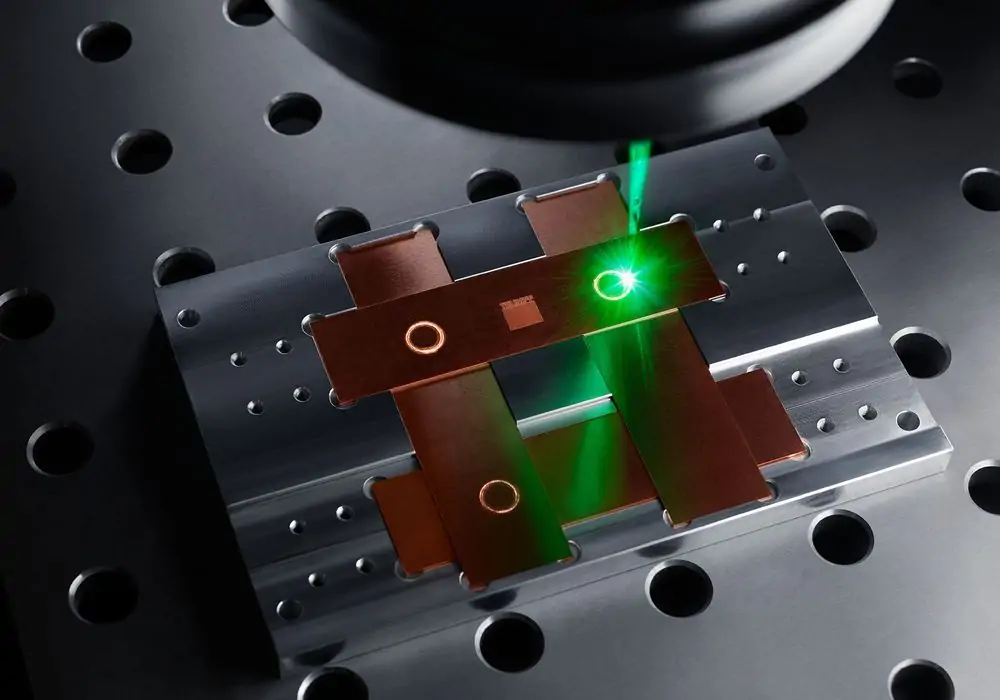
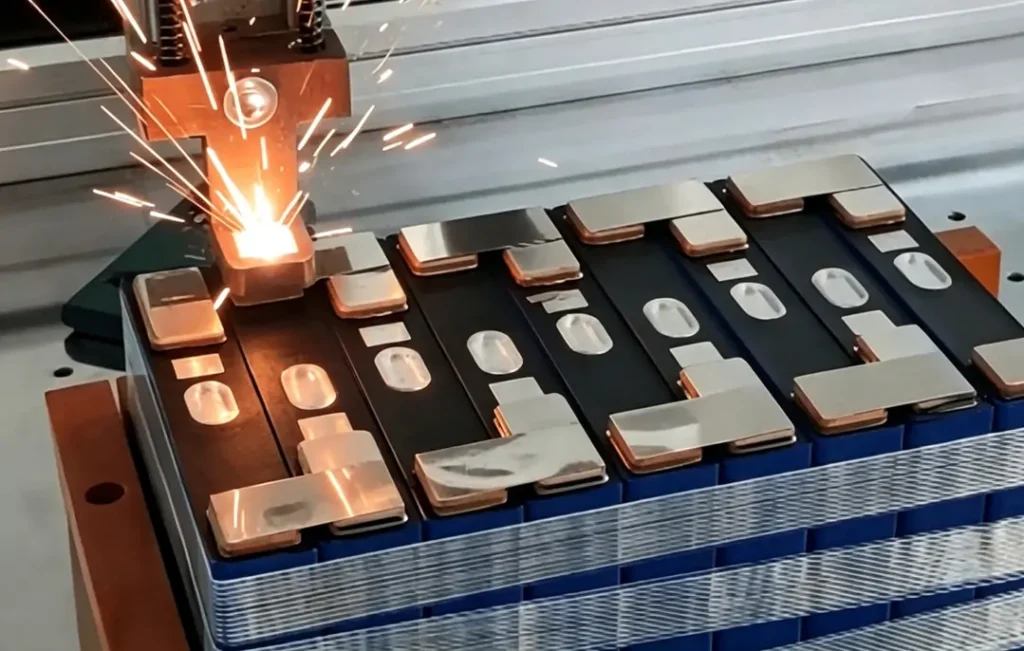
A Laser Welding Machine for Battery Pack is a welding system that uses a high-energy laser beam to join metal parts inside battery packs. The laser melts the connection area and forms a direct metal joint without physical contact between the tool and the workpiece.
It is mainly used for welding battery cells, tabs, busbars, terminals, and module connections. Common materials include copper, aluminum, and nickel, which are widely used in lithium battery manufacturing.
The basic welding process includes four steps: joint positioning, laser energy input, metal melting, and weld formation. The laser beam is directed to the designed welding point, where the material melts and cools into a solid weld joint.
Where Is Laser Welding Used in Battery Pack Manufacturing?
Laser welding is mainly used for metal connections inside battery packs. Common applications include battery tabs, busbars, and module assembly, where weld strength, electrical performance, and heat control need to be considered.
Battery Tab Welding
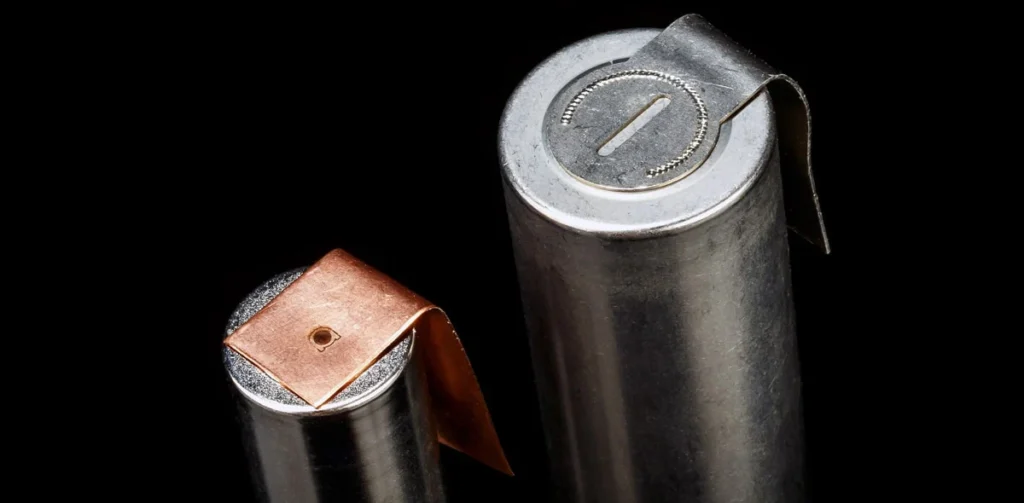
Battery tabs connect battery cells with external circuits. Laser welding is used for copper tabs, aluminum tabs, and nickel tabs in lithium battery production.
include:
- Low electrical resistance
- Stable connection
- Controlled heat input
Busbar Welding
Busbars transfer current between battery cells and modules. Laser welding is commonly used for copper busbars and aluminum busbars.
include:
- Good electrical conductivity
- Strong weld joints
- Consistent weld quality
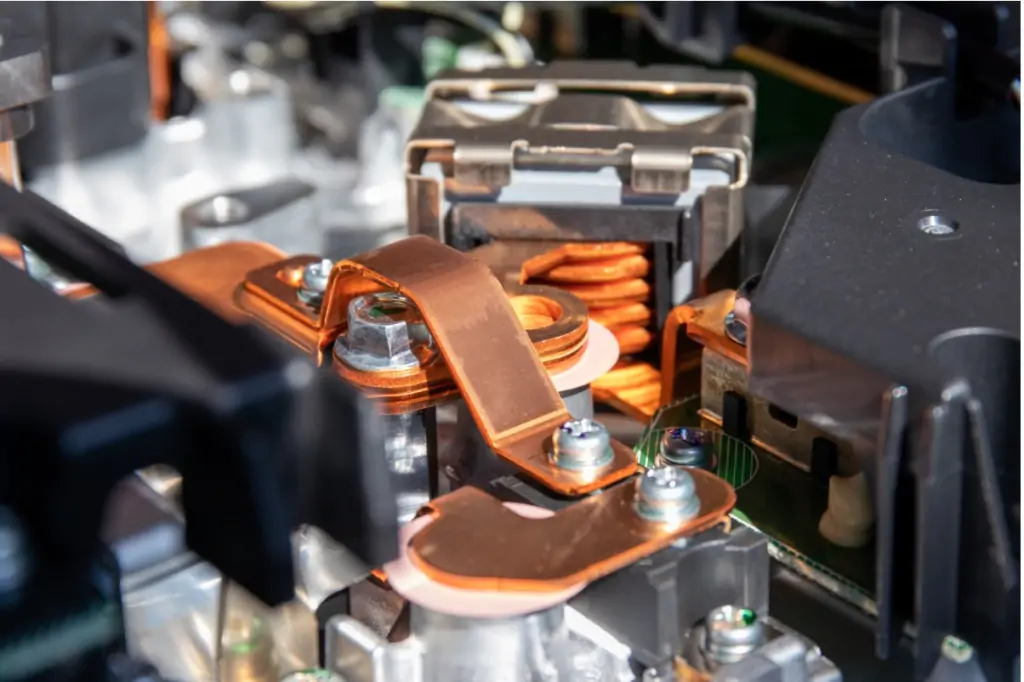
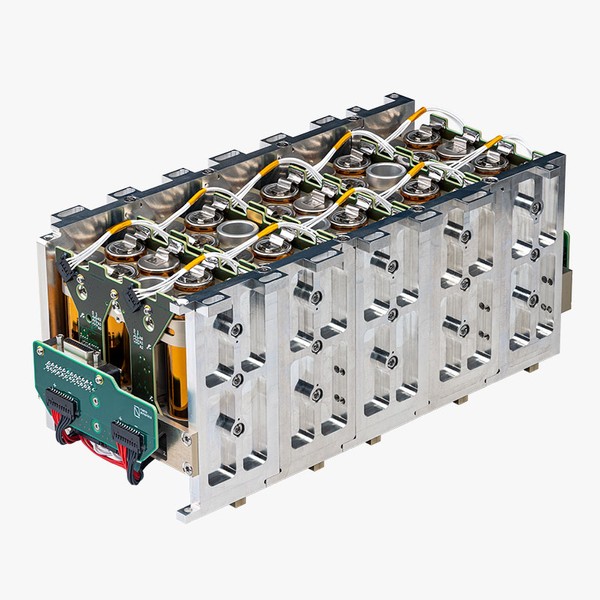
Battery Module and Pack Assembly
Laser welding is used for cell-to-cell connections, module terminals, and pack electrical connections during battery assembly.
Battery pack production involves multiple welding points between cells, modules, and electrical components. The welding process requires consistent parameters and repeatable results to maintain uniform joint quality throughout production.
Battery Terminal Welding
Battery terminals connect the battery pack with external electrical systems. Laser welding is used for terminal joints that require stable electrical contact and strong mechanical connections.
include:
- Stable current transmission
- Strong weld joints
- Controlled welding heat
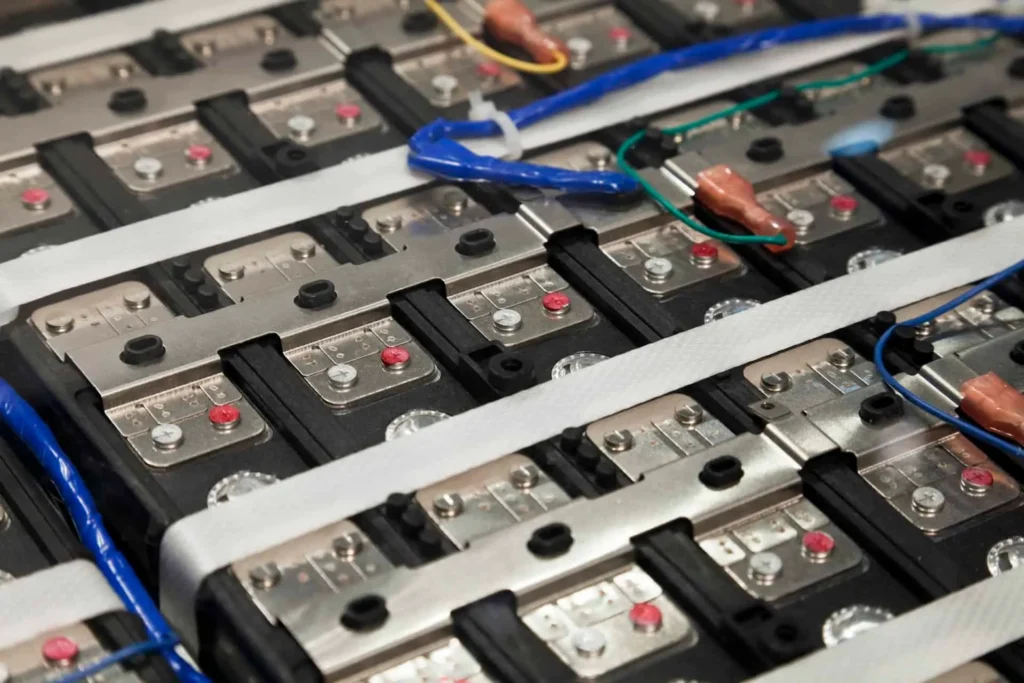
Laser welding is used throughout battery pack assembly, from cell connections to module and pack-level electrical joints, with welding parameters adjusted according to different materials and part designs. Battery pack welding involves many small metal joints, including tabs, busbars, and terminals. These connections require accurate positioning, proper heat control, and stable weld quality.
- Low Heat Input: Battery cells are sensitive to welding heat. Laser welding focuses energy on the joint area and limits heat transfer to nearby parts.
- Reliable Electrical Connections: Battery connections need low electrical resistance and strong weld joints. Laser welding creates direct metal connections for current-carrying parts such as tabs and busbars.
- Welding of Small and Thin Parts: Battery components often have thin materials and limited welding space. The focused laser beam allows precise welding of small joints with controlled penetration.
- Consistent Production: Battery pack assembly includes many repeated weld points. Laser welding maintains the same welding parameters across production, which is suitable for high-volume manufacturing.
Laser welding is widely used for battery packs that require precise connections, controlled heat input, and stable weld performance in different production applications.
What Materials Can Battery Pack Laser Welding Machines Weld?
Battery pack laser welding machines are mainly used for welding conductive metals found in battery cells, modules, and pack structures. Common materials include copper, aluminum, nickel, and stainless steel.

Copper
Copper is widely used in battery tabs, busbars, and terminals due to its high electrical conductivity. Its high thermal conductivity and laser reflectivity require proper laser power and welding parameter control.
Aluminum
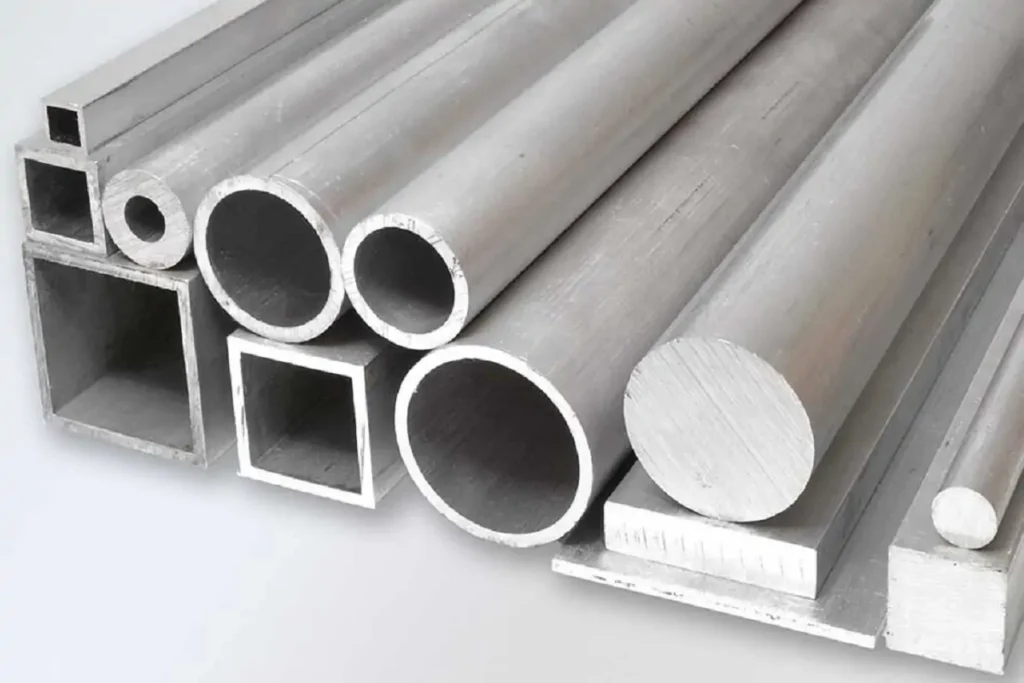
Aluminum is commonly used in battery tabs, busbars, and lightweight battery structures. Laser welding is used for aluminum parts where controlled heat input and stable weld penetration are required.
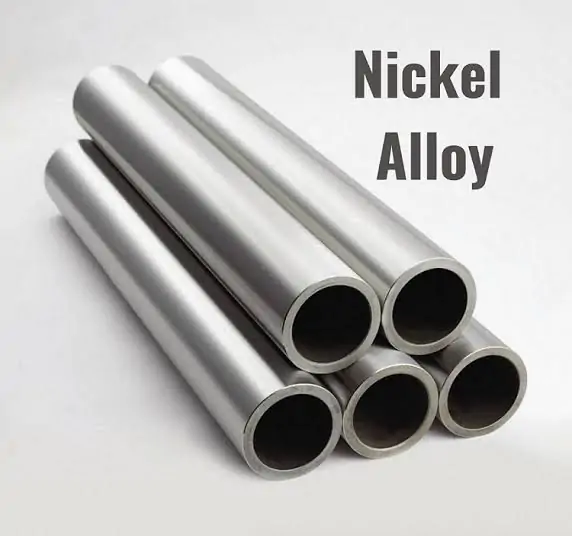
Nickel
Nickel is often used for battery tabs, nickel strips, and electrical connections. It is suitable for thin metal parts that require accurate welding control.
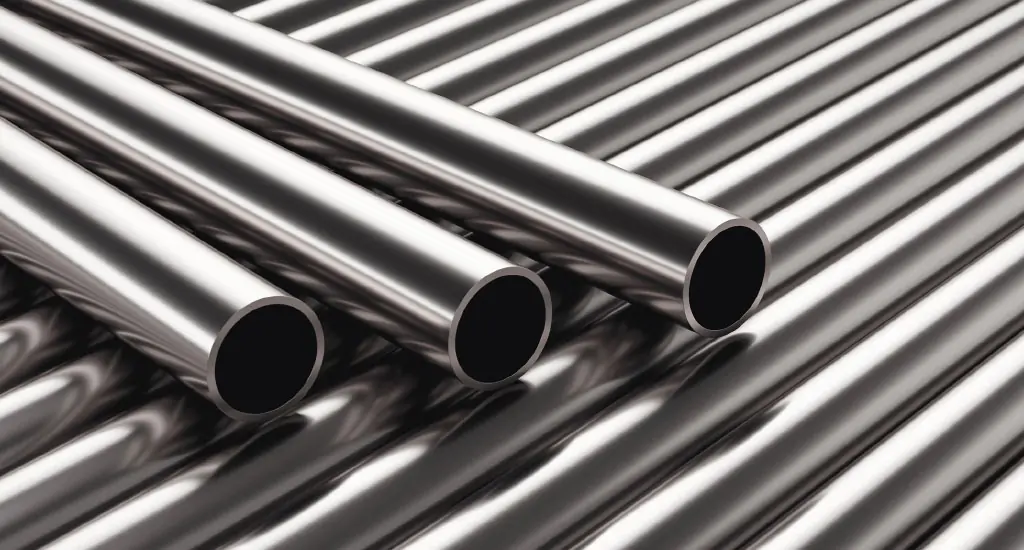
Stainless Steel
Stainless steel is used in battery housings, structural parts, and protective components. It offers good weldability for battery pack structures that require corrosion resistance.
The suitable welding parameters depend on material type, thickness, joint design, and battery pack structure.
Common Challenges in Battery Pack Laser Welding
Battery pack laser welding involves different metals, thin components, and many welding points. Material properties and process settings can affect weld quality, especially when working with copper, aluminum, and heat-sensitive battery parts.
Welding Copper and Aluminum
Problem: Copper and aluminum have high thermal conductivity and different melting characteristics, which can make welding control more difficult.
Solution: Adjust laser power, welding speed, and focus position based on material type and joint design to control weld penetration.
Heat Impact on Battery Cells
Problem: Battery cells are sensitive to excessive heat during welding. High heat input may affect nearby cell areas.
Solution: Use proper laser parameters and control the welding area to reduce heat transfer during processing.
Weld Consistency in Mass Production
Problem: Battery pack production involves many repeated weld points. Parameter changes or positioning errors may cause differences in weld quality.
Solution: Maintain consistent welding parameters and use accurate positioning systems during production.
Proper material selection and process control are important parts of battery pack laser welding.
How to Choose a Laser Welding Machine for Battery Packs?
Choosing a laser welding machine for battery packs depends on the battery structure, welding materials, production volume, and process requirements.
- Welding Material: Check the materials used in the battery pack, such as copper, aluminum, nickel, and stainless steel. Different materials require different laser power and welding parameters.
- Laser Power: Select laser power based on material thickness, weld depth, and production speed. Lower power systems are used for thin tabs and small components, while higher power machines are used for thicker busbars and larger battery structures.
- Welding Accuracy: Consider beam quality, positioning accuracy, and weld repeatability. Small battery parts require precise control of the welding position and energy input.
- Production Requirements: Choose the machine configuration based on production volume and process flow. Manual systems suit small-batch work, while automated equipment is used for continuous battery pack production.
- Cooling System: Check the cooling method for long-duration operation. A suitable cooling system helps maintain stable machine performance during continuous welding.
The right laser welding machine depends on battery design, material type, weld requirements, and production conditions. A suitable configuration helps maintain consistent weld quality and stable operation during battery pack manufacturing.
Recommended Laser Welding Machines
KEMPSON offers laser welding machines for different materials, thicknesses, and production needs. Choose the right configuration based on welding application and working requirements.
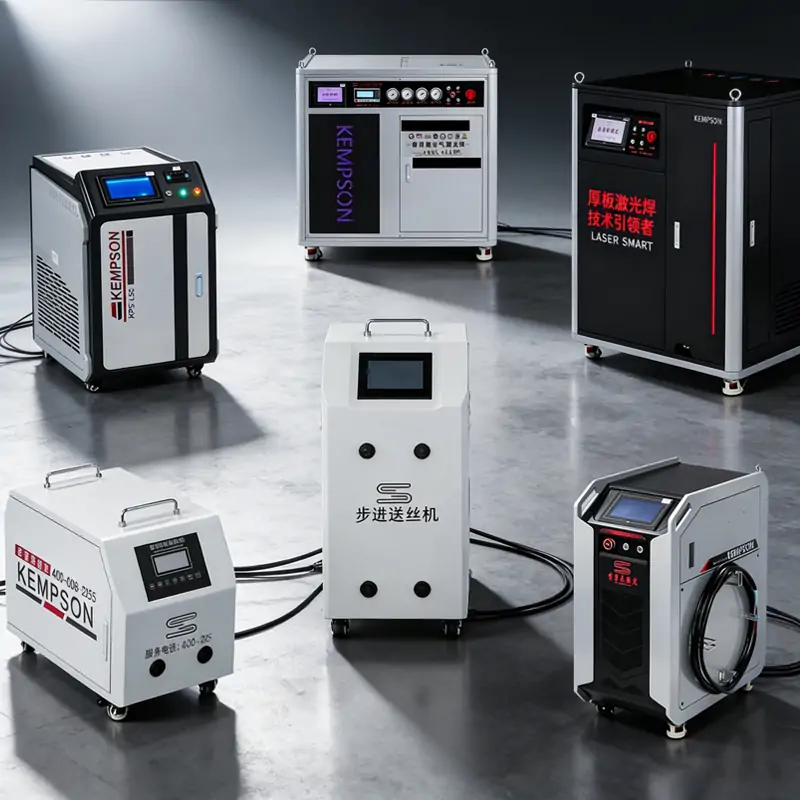
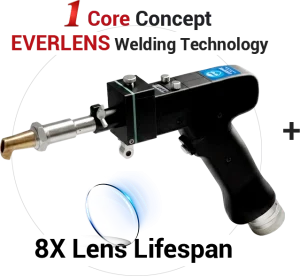
Handheld Laser Welding Machine
Flexible laser welding equipment for general metal fabrication and small to medium welding tasks
Suitable For:
- Stainless steel products
- Aluminum parts
- Sheet metal fabrication
- Repair welding
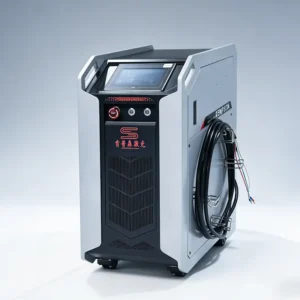
Air-Cooled Laser Welding Machine
Compact laser welding solution with integrated cooling design, suitable for workshops and flexible welding applications.
Suitable For:
- Thin and medium metal plates
- Stainless steel welding
- Aluminum welding
- Small batch production
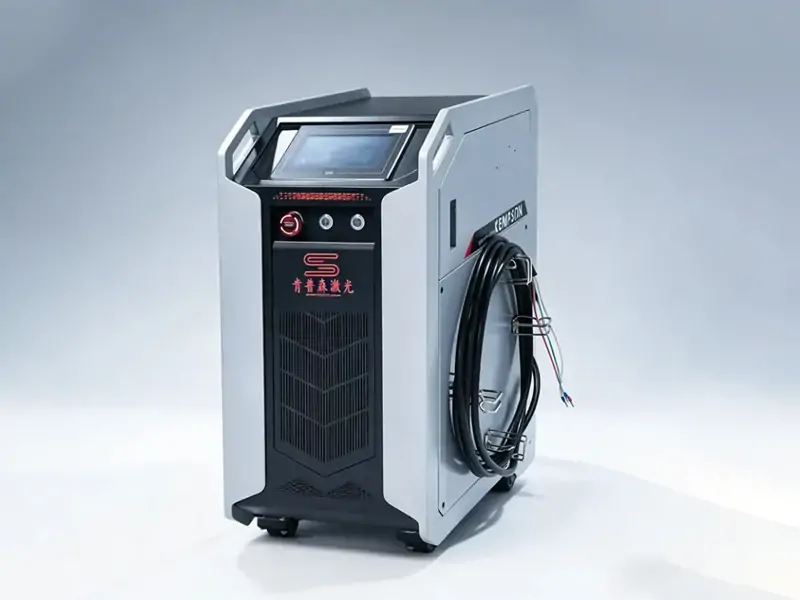
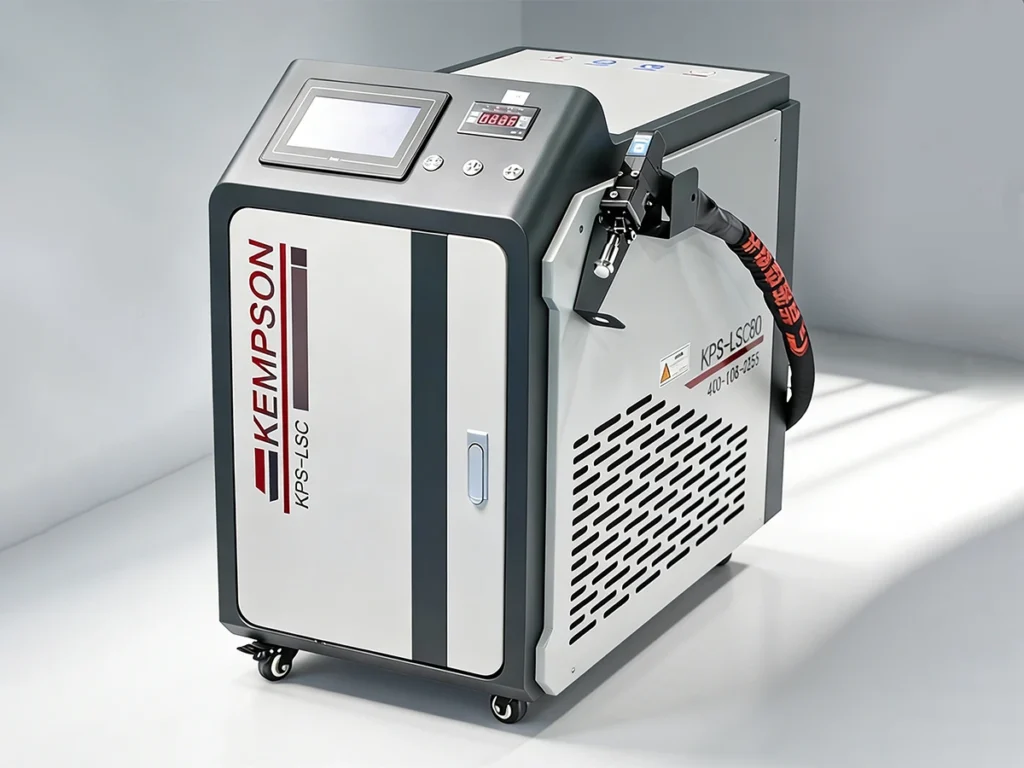
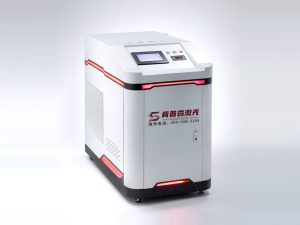
Water-Cooled Laser Welding Machine
Designed for continuous welding operations with higher power requirements and longer working cycles.
Suitable For:
- Industrial metal parts
- Medium-thickness materials
- Automotive components
- Continuous production
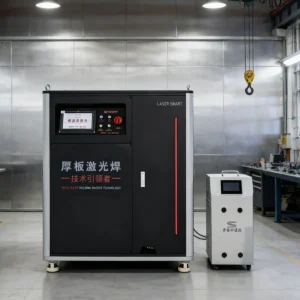
High-Power Laser Welding Machine
High-power laser welding equipment for thicker materials and demanding industrial applications.
Suitable For:
- Carbon steel structures
- Stainless steel fabrication
- Heavy metal components
- Large-scale production
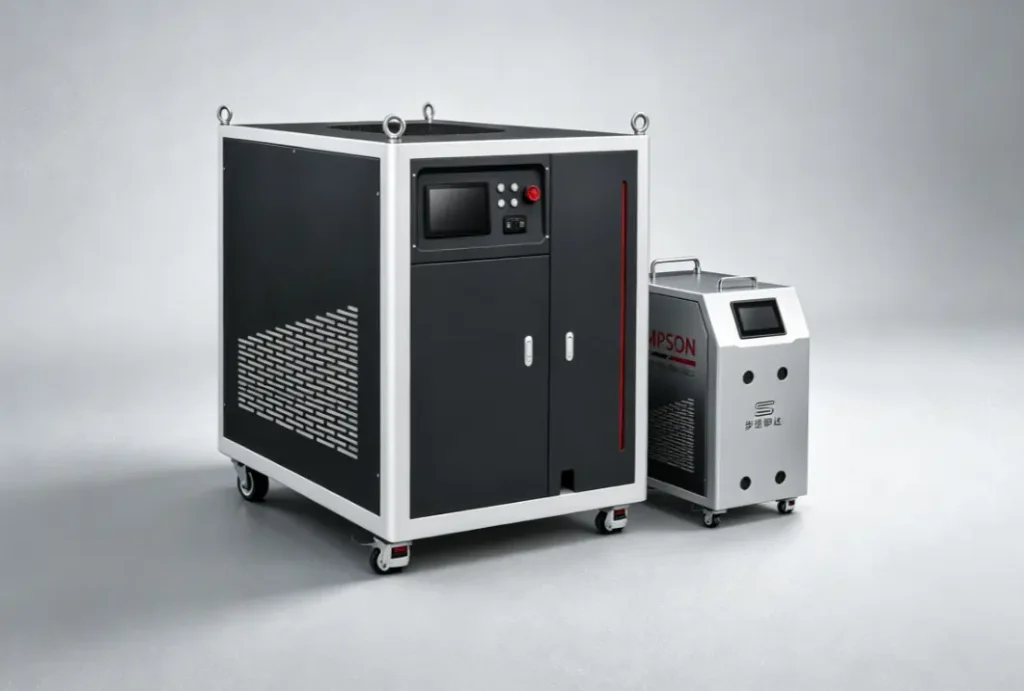
Laser Welding Machine for Battery Pack vs. Traditional Welding Methods
Battery pack welding involves materials such as copper, aluminum, and nickel, which require proper heat control and stable connections. Different welding methods have different performance in terms of material compatibility, heat input, and production requirements.
| Welding Method | Common Applications | Limitations | Laser Welding Comparison |
|---|---|---|---|
| Resistance Welding | Battery tabs, nickel strips, simple metal connections | Limited welding range for copper and aluminum; electrode wear may affect consistency | Laser welding supports copper, aluminum, and complex joints with non-contact processing |
| Ultrasonic Welding | Battery tabs and foil connections | Limited by material thickness and joint design | Laser welding is suitable for more metal structures and different welding positions |
| Soldering | Small electronic connections and low-temperature applications | Requires solder materials; lower heat resistance for some applications | Laser welding creates direct metal joints with higher mechanical strength |
| Laser Welding | Battery tabs, busbars, terminals, module connections | Requires proper parameter adjustment for different materials | Provides precise welding control, small weld area, and stable production quality |
Laser welding is widely used in battery pack manufacturing where copper, aluminum, and nickel parts require accurate welding control. Compared with traditional methods, it offers better control of heat input and welding position for complex battery connections.
Conclusion
Battery pack manufacturing requires precise welding for components such as battery tabs, busbars, terminals, and internal metal connections. Laser welding provides controlled heat input, accurate welding positions, and stable weld quality for different battery structures.
KEMPSON provides laser welding machines from 1500W to 6000W for battery manufacturing applications, supporting the welding of battery components and metal parts. Contact us to discuss your battery pack design, material requirements, and production needs.
FAQ
What is a laser welding machine for a battery pack?
A Laser Welding Machine for a Battery Pack uses a focused laser beam to join metal parts inside battery packs. It is commonly used for welding battery tabs, busbars, terminals, and module connections where accurate welding and heat control are required.
Can laser welding be used for lithium battery packs?
Yes. Laser welding is widely used in lithium battery pack manufacturing for cell connections, tabs, busbars, and terminals. The process is suitable for common battery materials such as copper, aluminum, and nickel.
What parts of a battery pack are welded by laser?
Laser welding is used for battery tabs, busbars, terminals, cell-to-cell connections, module connections, and some structural metal parts inside battery packs.
What materials can battery laser welding machines weld?
Battery laser welding machines can weld copper, aluminum, nickel, and stainless steel. The suitable welding parameters depend on material type, thickness, and joint design.
Is laser welding safe for battery cells?
Laser welding uses a focused heat source that limits heat spread during welding. Proper laser power, welding speed, and process settings help reduce thermal impact on battery cells.
What laser power is needed for battery pack welding?
The required laser power depends on the material, thickness, weld depth, and production speed. Lower power systems are used for thin tabs and small parts, while higher power machines are used for thicker busbars and larger battery structures.
What is the difference between battery laser welding and resistance welding?
Laser welding uses a focused laser beam to create a non-contact weld, while resistance welding uses electrical current through electrodes. Laser welding offers more flexibility for copper, aluminum, and complex battery structures.
Can battery pack laser welding machines be integrated into production lines?
Yes. Battery pack laser welding machines can be integrated with automated production lines for repeated welding operations, process control, and high-volume battery manufacturing.