Table of Contents
Introduction
For any factory seeking a production upgrade, figuring out how to choose the right tube laser cutting machine is never as simple as comparing power wattage. It involves processing precision, waste control, and compatibility with your existing production line. This guide will cut through complex marketing jargon to tell you how to select the true best tube laser cutter from a shop-floor perspective.
What is a Tube Laser Cutting Machine?
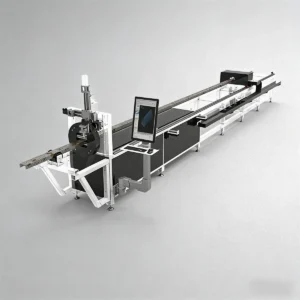
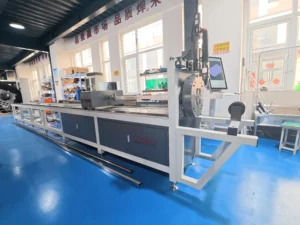
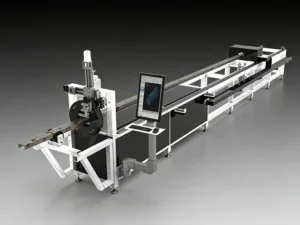
A tube laser cutting machine is a CNC device that combines high-energy lasers with automated rotation mechanisms. No longer limited to simple cut-offs like traditional band saws, it uses chucks to clamp and rotate the pipe at high speeds, allowing the laser head to “carve” directly onto the tube wall. Whether cutting irregular holes in round pipes, 45-degree bevels in square tubes, or processing complex intersecting lines, it completes everything in a single process—completely replacing traditional sawing, drilling, and grinding workflows. For detailed specifications on tube laser cutting machines, please read our in-depth analysis: What Is a Tube Laser Cutting Machine?
Working Principle
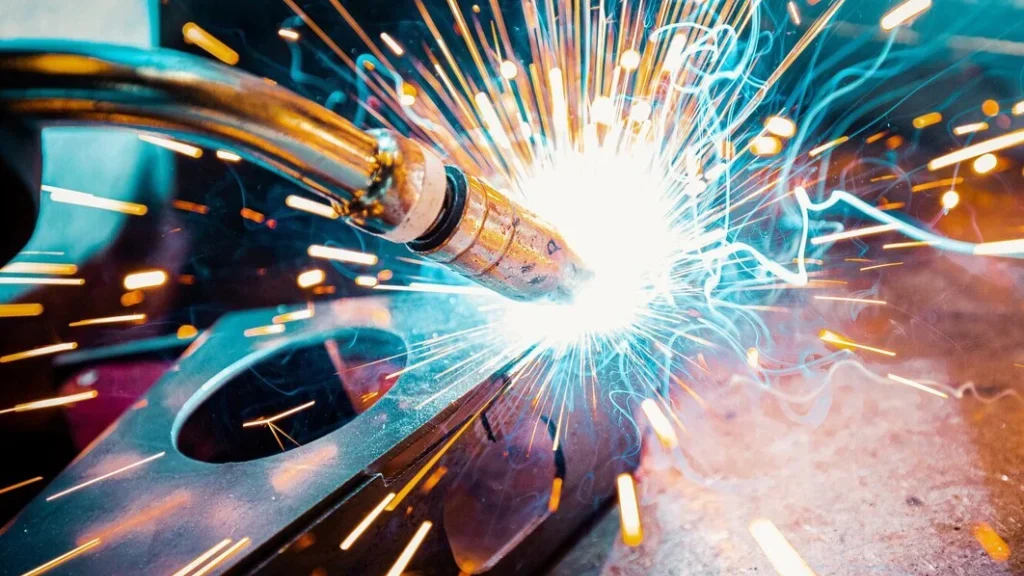
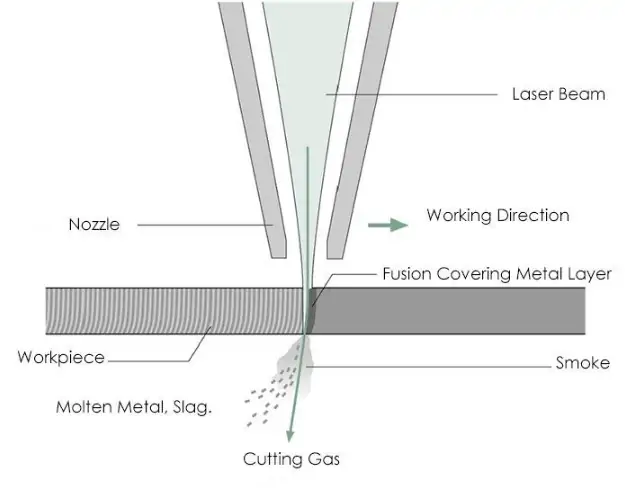
Tube laser cutting operates via “multi-axis linkage.” First, the raw beam generated by the fiber laser is transmitted through an optical fiber to the cutting head, where it is focused into a tiny, high-energy spot. Next, the machine’s chucks firmly grip the pipe and rotate it according to the programmed angles. During processing, the cutting head does not move blindly; it dynamically adjusts its height and lateral position in real-time based on the pipe’s rotation. This coordination of “laser head movement + tube rotation,” accompanied by high-pressure auxiliary gas to blow away molten metal, leaves an extremely clean kerf on the tube wall. This is a non-contact process, meaning thin-walled tubes will not suffer from compression deformation during cutting.
Application Scenarios
Current manufacturing trends show that the industrial pipe cutting machine guide covers almost every field involving metal tubes:
Automotive & Transit
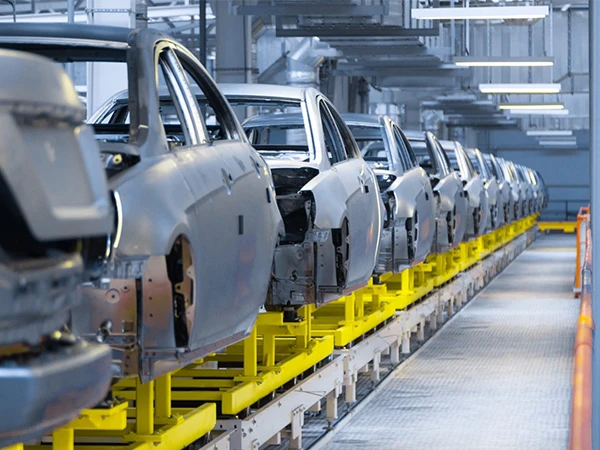
An industry with strict requirements for safety and structural parts. Laser machines are widely used for chassis crossbeams, exhaust manifolds, and seat frames.
Construction & Heavy Steel Structures
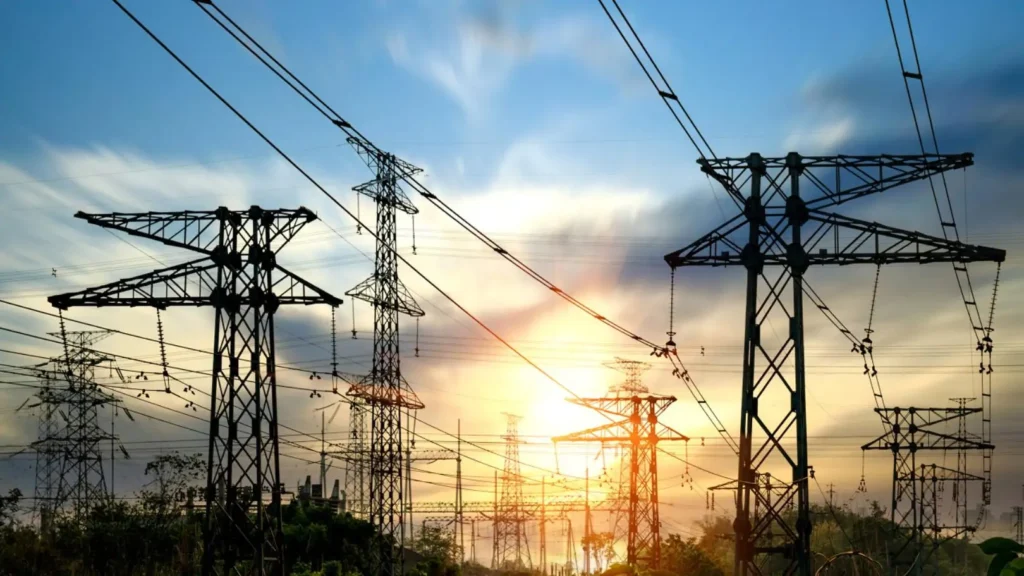
In the production of architectural trusses, prefabricated components, and municipal guardrails, laser cutting excels at beveling and slotting. It ensures pipes fit perfectly for welding, reducing the difficulty of on-site assembly.
Machinery & Fitness Equipment
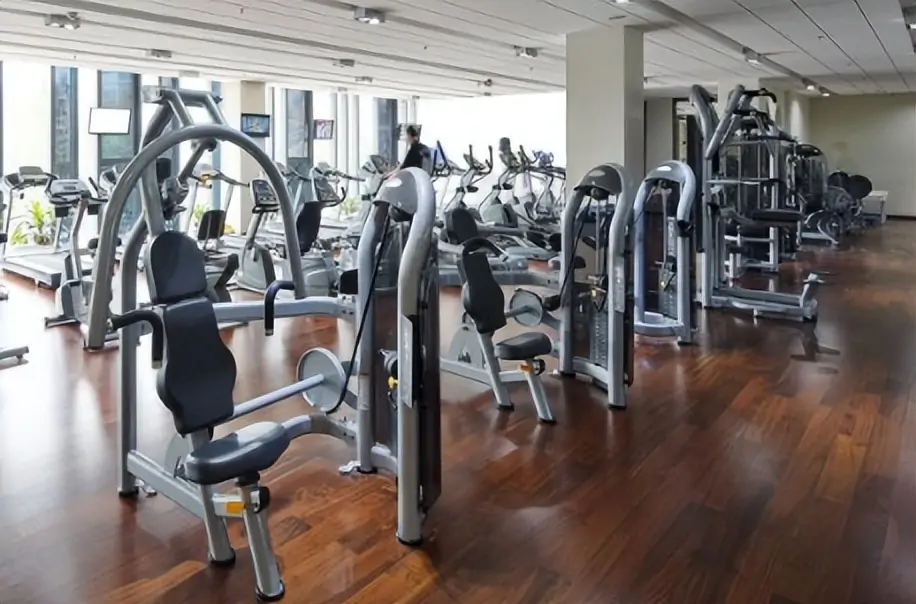
For crane booms, treadmills, and gym frames, the laser machine completes drilling and cutting in one go. The resulting parts are smooth and burr-free, ready for immediate welding or coating.
Medical & Furniture
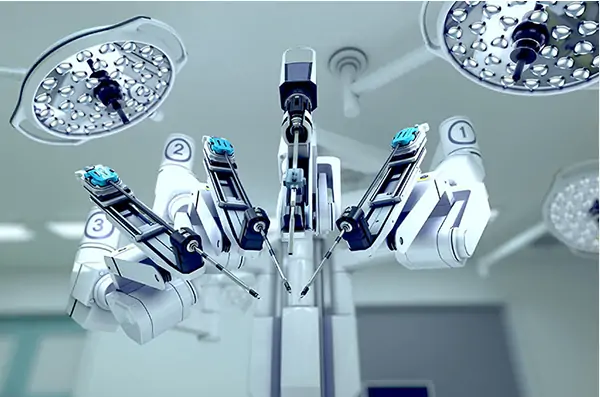
Metal furniture legs, display racks, stainless shelving, and various pipe connections. For products like wheelchairs, surgical beds, and office desks, the non-contact nature of laser cutting prevents surface scratches while meeting the high-precision needs of small-sized tubing. ors.
Whether for a large-scale OEM or a small job shop, a stable laser cutter is a core hardware asset for boosting profit margins. It integrates multiple processes into one machine, saving labor costs and transit time between stations.
How to Choose
When diving into how to choose a tube laser cutting machine, many companies fall into the “specs race.” In reality, the top-tier configuration might cause production waste if it doesn’t fit your specific workflow. How to choose a pipe cutting machine that meets your needs and is reasonably priced。 I suggest you consider the following recommendations when making your choice:
Define Your Needs
Before looking at any industrial pipe cutting machine guide, ask yourself these five questions:
- Tube Range: Are you cutting round, square, or irregular profiles? What is the maximum diameter and weight per pipe? This dictates the machine’s physical frame.
- Production Rhythm: Are you a large plant running 24/7, or a small shop with low-volume, high-variety orders?
- Precision Floor: Do your finished parts go straight to delivery or require secondary machining? The cost difference between ±0.05mm and ±0.2mm accuracy is significant.
- Automation Level: Are you willing to invest in an automatic loader? If you cut hundreds of pipes daily, manual loading will become your bottleneck.
- Operating Costs: Beyond the purchase price, factor in electricity, auxiliary gas, and consumables.
Core Configurations
A solid tube laser cutter buying guide must focus on these hardware components:
- Laser Power: 1200W is the “golden power” for cutting tubes under 10mm. Higher power is a waste if not needed; lower power won’t cut through. Decide based on 80% of your typical wall thickness.
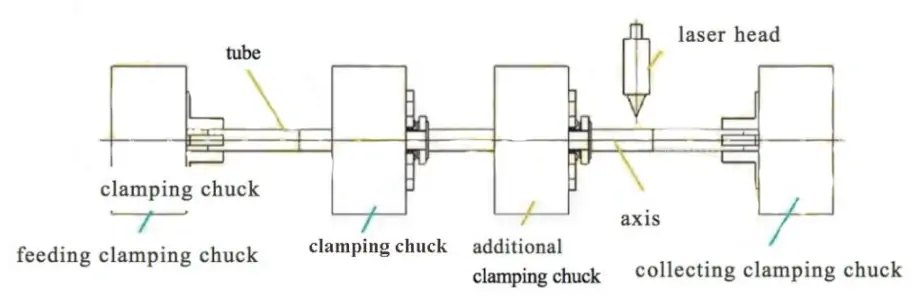
- Chuck System: These are the machine’s “hands.” Pneumatic self-centering chucks are the standard now. A good chunk prevents “wobble” caused by an unstable center of gravity during rotation, which is vital for maintaining precision.
- Precision Control & Drives: Check the motor brand and the accuracy grade of the guide rails. If the servo system responds slowly during high-speed cutting, your holes won’t be perfectly round.
- Cooling & Stability: Industrial gear hates heat. Lasers and cutting heads must be paired with high-reliability water chillers; otherwise, a single shutdown in summer will cost you heavily in lost time.
Practical Recommendations
To help you find the best tube laser cutter, we suggest these scenarios:
- Decorative & Lightweight: For furniture or bathroom hardware, 1000W-1500W power paired with a high-precision small-tube solution is ideal.
- Heavy Engineering & Construction: For thick-walled pipes and large profiles, choose 3000W+ power with a reinforced bed and heavy-duty chucks.
- Automotive Parts: For extreme consistency, you need an automatic loading system and a high-dynamic CNC system for true “lights-out” production.
Buying Guide: Pitfalls to Avoid
As a practical industrial pipe cutting machine guide, we’ve summarized common traps:
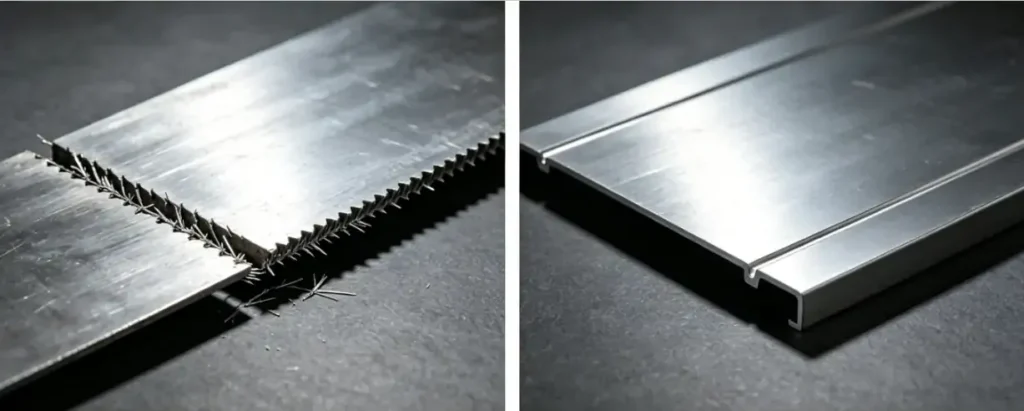
- Chasing the Lowest Price: Many small factories use beds that haven’t been heat-treated (annealed). After a year or two, the frame permanently deforms, and you’ll never get the precision back.
- Ignoring Tailings Length: Some low-end designs have poor chuck structures, leaving 200mm or more of uncut “waste” at the end. Over time, the money wasted on raw material could have bought you half a machine.
- Import Obsession: Domestic fiber laser technology is now very mature. Blindly insisting on imported sources leads to high initial costs and painful wait times for expensive spare parts.
- After-Sales Response: Ask if the manufacturer has technicians in your region. Can they be on-site within 24 hours? In high-turnover industries, service is your lifeline.
The core of how to choose a tube laser cutting machine isn’t buying the highest specs—it’s buying a machine that reliably hits your required precision with controllable operating costs. If you’re stuck between models, bring your toughest sample pipes to the factory for a live test.
Supplier Vetting
Don’t just trust the brochure; look at these four points:
- Real Cases: Do they have mature processing solutions for your specific industry and materials?
- Customization: Can they adjust the configuration (like beveling or auto-loading) based on your floor layout or specific crafts?
- International Certification: Do they have CE/ISO certification? This is the floor for electrical safety and manufacturing compliance.
- Training Support: Do they provide on-site commissioning and teach your workers how to optimize parameters to save gas and power?
Conclusion
In summary, selecting the right equipment is not simply a matter of comparing specifications; rather, it involves finding the optimal balance between machining precision, scrap control, and long-term stability. As mentioned in the article, the key to choosing a tube laser cutting machine lies in ensuring the equipment fits seamlessly into your production line, rather than blindly pursuing high power or low prices.
If you are facing difficulties in selecting the right machine or would like to obtain a professional quote for a tube laser cutter tailored to your specific tube processing needs, KEMPSON is always ready to provide technical support. You can contact us directly or send us your processing drawings, and our engineers will design a cost-effective cutting solution tailored to your needs, helping your factory achieve genuine cost savings and efficiency gains.
FAQS
Should I choose single, double, or triple chucks?
For most standard scenarios, double chucks (pull and feed) are the most cost-effective. Triple chuck systems are usually for ultra-long pipes or “zero tailing” material utilization. For standard round/square pipes, double chucks are plenty.
Is laser power always better if it’s higher?
No. Higher power means a higher price tag and higher chiller bills. If your wall thickness is consistently under 8mm, 1200W to 1500W provides excellent efficiency. Blindly chasing high power only extends your payback period.
Which bed structure is the most durable?
When buying the best tube laser cutter, always ask if the bed is heat-treated. A heat-treated welded bed releases internal stress, ensuring precision doesn’t drift after 3-5 years. Cheap machines often cut corners here.
Does an automatic loading system really save money?
If you process more than 20 pipes of a single type per run, it’s worth it. It allows for unattended cutting, freeing workers for higher-value tasks and boosting overall efficiency by over 40%.
Why do you emphasize a 3-year warranty?
Lasers and cutting heads are precision optics. In dusty factory environments with potential voltage fluctuations, a 3-year warranty is insurance for your core assets. For real manufacturers, stability is worth far more than a small initial price gap.
Can air cutting replace nitrogen?
For carbon steel and some stainless, where edge color isn’t critical, high-pressure air cutting is very economical with nearly zero gas cost. However, for high-end medical or furniture parts, the bright finish of Nitrogen remains irreplaceable.
What are the power requirements for the factory?
These industrial machines require stable 380V three-phase power. If your local grid fluctuates, you must install a voltage stabilizer to prevent faults in the laser source and control boards.
Is self-developed software better than universal software?
The key isn’t who made it, but compatibility. A good industrial pipe cutting machine guide will suggest a system that supports direct CAD imports and smart Nesting features, which directly impacts how much material (and money) you save.