Table of Contents
Introduction
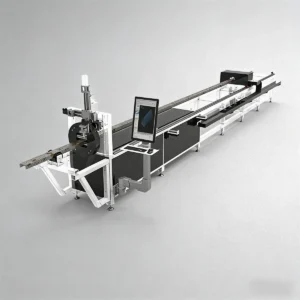
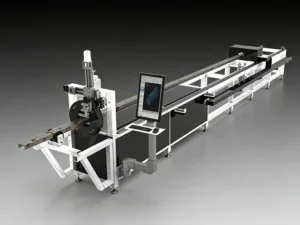
Don’t start by asking for the cheapest machine available. In the laser industry, the tube laser cutting machine price spans a wide range from $30,000 to over $200,000. A gym equipment factory owner once asked me: “Why is there a hundred-thousand-dollar difference between machines that look almost identical?” In reality, you aren’t just buying a pile of steel plates; you are buying stability for the next 5 to 10 years. This section provides a detailed explanation of the factors that determine the cost of tube laser cutting machines, as well as the ongoing expenses associated with equipment operation and the time required to recoup the investment.
What Factors Affect the Price?
When discussing tube laser cutting machine price, many people’s first instinct is to compare the power wattage on the spec sheet. How to choose the right tube laser cutting machine. But as an equipment expert who has spent years on the shop floor, I can tell you responsibly: it is common for two machines with the same power to have a price gap of tens of thousands of dollars. This price difference is determined by several solid, underlying factors. If you are evaluating a tube laser cutter quotation, I suggest you look closely at these data points:
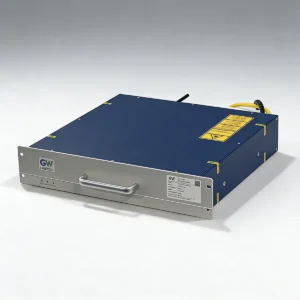
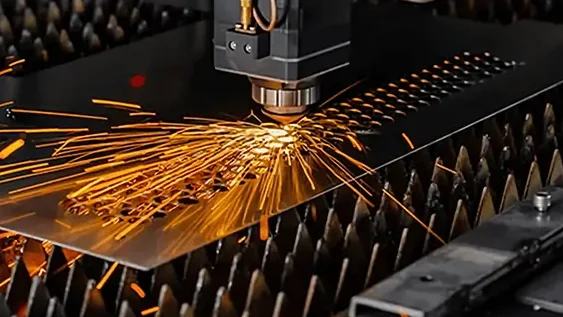
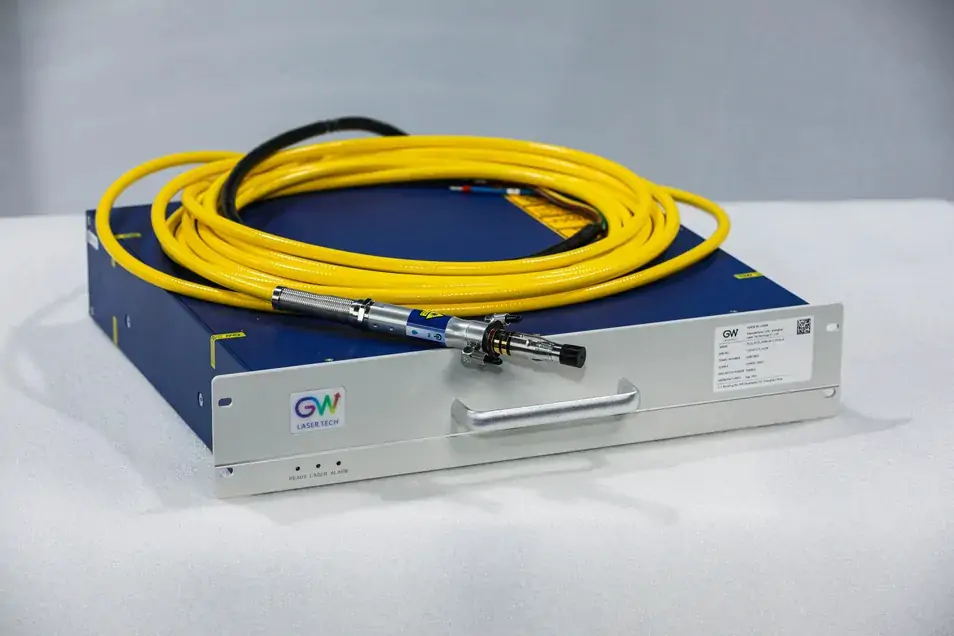
Laser Source Brand and Power: The Laser Nitrogen Generator System is the “heart” of the entire machine. For the currently mainstream 1000W to 3000W range, for every 1000W increase in power, the fiber tube laser cutting machine price will rise by $7,000 to $12,000. The price difference lies in the equipment’s thick-cutting capability and stability. Second-tier laser brands may be cheap, but under high-load continuous operation, the rate of light decay and failure is significantly higher. Top-tier brands are expensive but guarantee long-term consistency in output power, which is vital for the precision of batch parts.
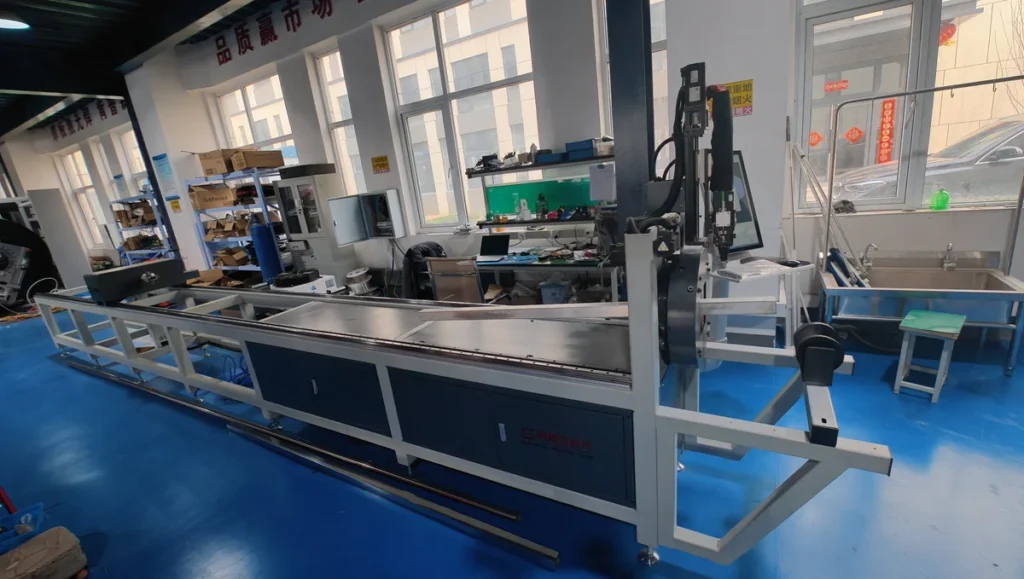
Machine Bed Craftsmanship: Many low-priced machines keep the pipe laser cutter cost low by cutting corners on the bed. A standard large-scale tube cutting bed weighs several tons. It must undergo high-temperature annealing at over 600°C to eliminate internal welding stress. A heat-treated bed costs at least 30% more than a standard welded part. Without annealing, after a year or two of operation, the bed will suffer physical deformation of several threads or even millimeters. At that point, your precision is completely lost, and the machine is essentially scrap.
Chuck System: The chuck is the “hand” of the machine; its performance directly impacts processing speed and the tailing rate. Professional tube cutters come standard with pneumatic chucks. Their clamping force is stable, and the dynamic balance error during rotation can be controlled within ±0.05mm. Some tube laser cutter quotation figures are higher because they use more advanced chuck structures that can control tailings to 100mm or even shorter. If you process 10,000 tubes a year and save 100mm of material per tube, the saved material cost alone could cover the interest on the machine.
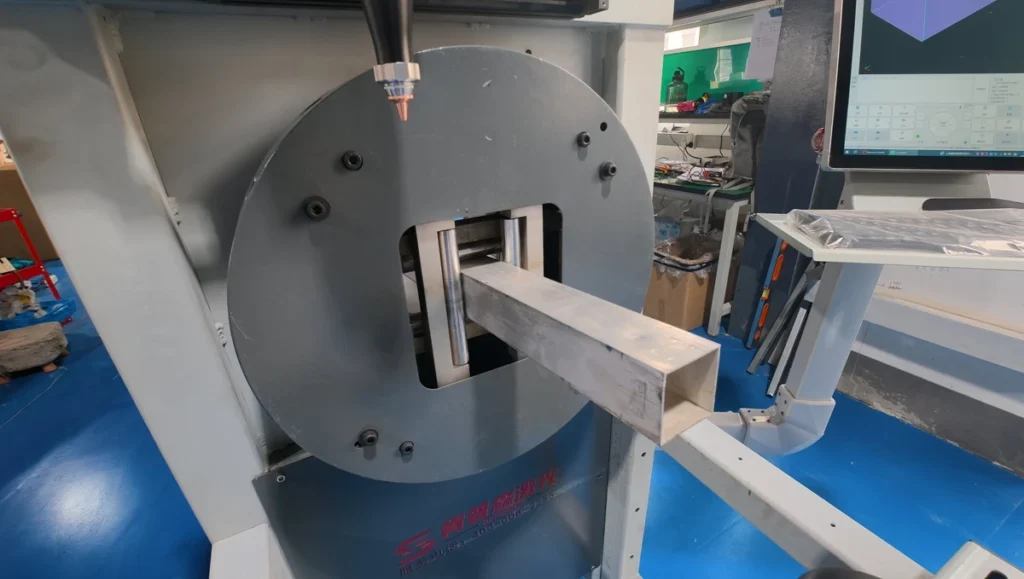
CNC System and Nesting Software: This is the “brain” of the machine. Many low-end machines are equipped with general cutting software that does not support complex intersecting lines or smart nesting. Professional tube cutting software supports one-click CAD imports and uses optimized algorithms to arrange multiple parts like a “puzzle” on the tube, increasing material utilization by 10%-15%. The licensing fee for such software is not cheap, but the profit it claws back for you is long-term.
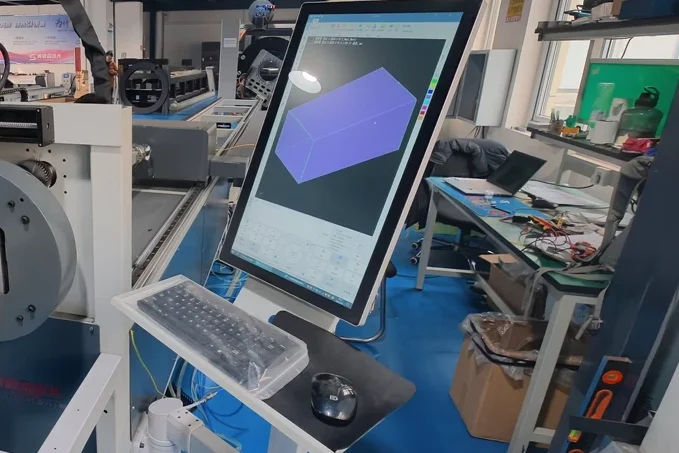
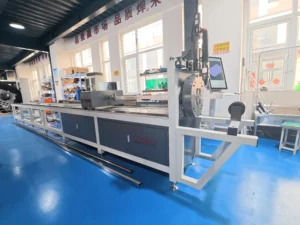
Automation Features: The automatic loading system is the biggest variable in the tube laser cutting machine price. A full-auto loading rack costs anywhere from $15,000 to $40,000. While the initial investment is high, it enables “lights-out production,” where one worker can oversee 3 to 5 machines simultaneously. If your daily output is large, this money is not just an expense; it is an investment with the fastest return.
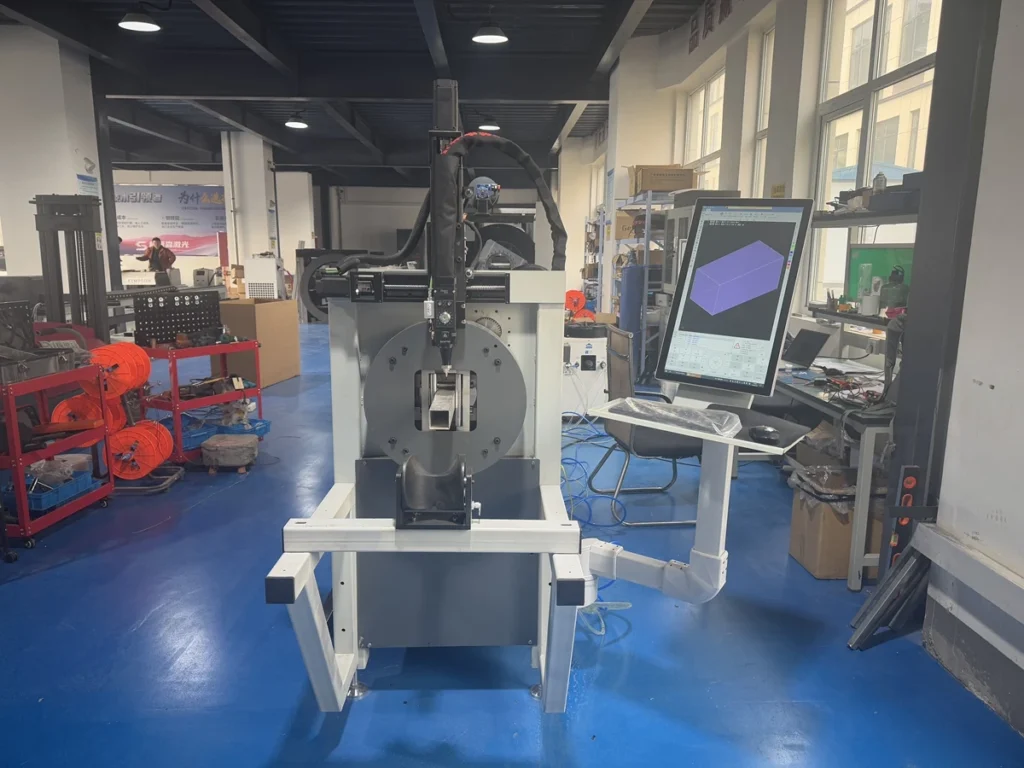
Operating Costs: Operating expenses include auxiliary gas, electricity, consumables, and labor depreciation. Using high-pressure nitrogen to cut stainless steel costs $4-$10/hour (or you can increase the initial cost to equip an air compressor, using compressed air for cutting to eliminate the need for buying nitrogen). Equipment power consumption is about 10-20 kW/h. Maintenance expenses involve nozzles and protection lenses (Kempson uses anti-splatter nozzles and rotatable protection lenses, significantly reducing consumable costs).

When looking at pipe laser cutter cost, I suggest factories take a 3-to-5-year view. A low-priced machine saves money initially, but losing $1,000 a day in downtime repairs, combined with wasted tailings and frequent consumable replacements, results in a higher actual cost. High-performance models (like Kempson), although the fiber tube laser cutting machine price is higher at the start, come with a 3-year warranty and stable processing cycles, providing a higher average output per hour. A reliable tube laser cutter quotation should contain more than just a number; it should contain a commitment to the factory’s production efficiency.
Comparison
Many first-time buyers are attracted by a lower fiber tube laser cutting machine price, but if we extend the cycle to 5 years, the data tells a completely different story:
| Comparison Metric | Low-end/Entry-level Model | High-end/Professional Model (e.g., Kempson) | Long-term Impact |
| Initial Purchase Price | ~$35,000 – $50,000 | ~$80,000 – $150,000 | The price difference is about 1-2 times |
| Annual Downtime for Repairs | 120 – 180 hours | 20 – 40 hours | Low-end machines waste nearly 20 days of production value per year |
| Tailing Length (Waste) | 200mm – 250mm | 40mm – 100mm | High-end machines save thousands of dollars in material annually |
| Bed Accuracy Decay | May deviate ±0.5mm after 2 years | Maintains ±0.05mm for 5-8 years | High scrap rate for low-end machines later on |
| Electro-optical Efficiency | Lower, high load on the cooling system | Efficient laser + Smart sleep mode | The annual electricity difference is about $1,500 |
Looking at the table data, high-end machines are actually “cheaper” in the long run. Why? Let’s do the math, assuming you process 50 tubes a day: Low-end machines, due to outdated chuck structures, waste an extra 150mm per tube. At a raw material cost of $10/tube, you are literally throwing away $1,500 – $2,500 in a year (250 days). Additionally, the cut edges have thick burrs, requiring a full-time worker for grinding. At a labor cost of $2,000/month, that’s another $24,000 in extra annual expenses. Totaled up, that is over $26,000 in extra costs per year.
How to Read a Quote?
When you receive a tube laser cutter quotation, don’t just look at the total price. Check these specific details:
- Chuck Stroke and Tailing Control: Ask clearly, “What is the shortest tailing?”
- Bed Weight and Heat Treatment: Ask if it has undergone 600°C annealing. Do not buy a machine that hasn’t been heat-treated, no matter how low the fiber tube laser cutting machine price is.
- Nesting Software Features: Does it support one-click layout? Good software can boost your material utilization by 10%.
When evaluating pipe laser cutter cost, entry-level machines are suitable for “occasional work” workshops, while high-end machines are the first choice for factories that “make money by working.” If you need the equipment to run for more than 8 hours, choosing a high-stability, low-tailing model will allow you to wipe out the initial price difference in about 14 months through saved material and labor costs.
Case Study
A gym equipment factory faced a choice: buy a cheap assembled machine or spend 30% more to bring in a professional Kempson tube laser cutter. At the time, the factory was very sensitive to the tube laser cutting machine price, but ultimately chose us for its “zero tailing” technology and 3-year warranty.
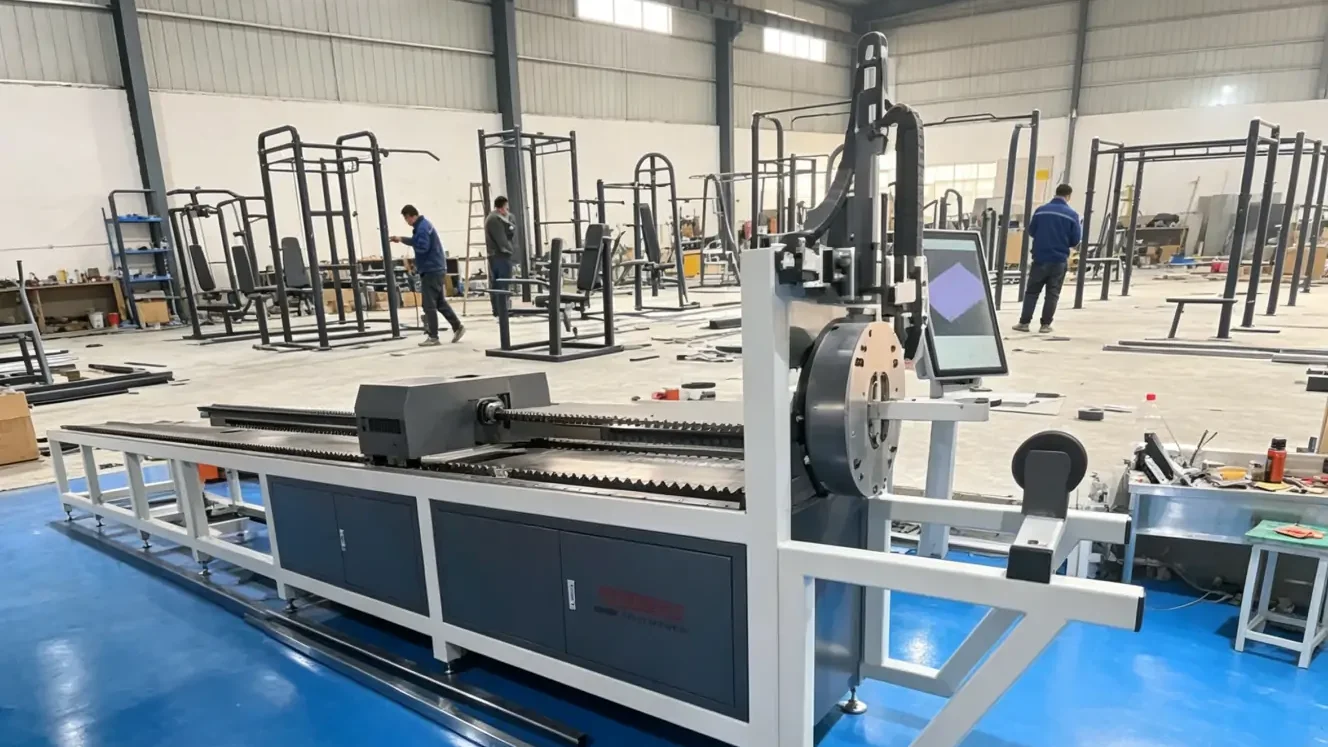
Six months after putting it into use, they did a comparison. The low-end equipment they used before left tailings up to 220mm long and had burred edges, requiring two workers for manual grinding. The Kempson fiber tube laser cutting machine price was higher initially, but its precision chucks kept tailings within 60mm. With a daily consumption of 300 tubes, the factory saved $12,000 annually in raw material waste alone. Furthermore, the Kempson machine allows for immediate welding after cutting, saving $12,600 in labor costs for two grinders over six months. Between reduced power consumption and near-zero downtime, the initially higher pipe laser cutter cost was completely offset in just 8 months.
Kempson offers high-speed tube laser cutting machines in various power ratings to meet the diverse needs of businesses, including 1500W tube laser cutting machines, 2000W tube laser cutting machines, and 3000W tube laser cutting machines.
Conclusion
In summary, the cost of a tube laser cutting machine is not limited to the initial purchase price; it also includes long-term material wastage, labor costs, and maintenance expenses. Choosing the wrong machine means that any initial savings will quickly be offset by excessive scrap material and costly downtime for repairs. Kempson has a professional technical team that can provide optimal solutions, offering you machines with high stability and excellent material-saving capabilities. Please feel free to contact us directly. You can send us your drawings, and we will provide you with a customized proposal that includes a realistic return on investment analysis.
FAQS
Why do some machines only cost thirty or forty thousand dollars?
These low-priced machines are mostly assembled by traders. The beds often aren’t heat-treated, and they usually use second-tier laser brands. It saves money in the short term, but the precision life is usually only 1-2 years, and the subsequent maintenance costs will be a major headache.
What is the price difference between 1200W and 3000W?
For every jump in power level, the fiber tube laser cutting machine price typically increases by $8,000 to $15,000. If 80% of your work is with tubes under 6mm, the 1500W model offers the best value.
Is an automatic loading rack worth the investment?
If your daily cutting volume exceeds 300 tubes, adding an auto-loader—while increasing the pipe laser cutter cost by about $20,000—can save one labor position. It usually pays for itself in about a year through saved wages.
Can air cutting really save money?
It can save a lot. Although you need an initial investment in a high-pressure air compressor, compared to the cost of nitrogen at several dollars per hour, air cutting costs almost nothing beyond electricity. It is currently the most cost-effective solution for cutting carbon steel.
Does tailing length significantly impact total cost?
Enormously. Standard machines leave 200mm of tailings, while Kempson can control them to 60-80mm. For a shop cutting 200 tubes a day, the saved material cost over a year could practically buy you half a machine.
Can I buy a second-hand tube laser cutter?
Only if you have an extremely strong technical team. Second-hand equipment is usually out of warranty, and core fiber decay and mechanical wear aren’t visible to the naked eye. You might find that “repairing it costs more than buying it.”
What does the Kempson 3-year warranty cover?
It covers core components like the laser source. We dare to offer 3 years because our hardware solutions have been tested under long-term industrial loads. For the user, this means three years without paying a cent for accidental damage to core hardware.
How do I get an accurate quotation?
Click to inquire and let us know your tube material, diameter range, and wall thickness. We will provide a detailed tube laser cutter quotation, including operating cost forecasts and an ROI analysis.