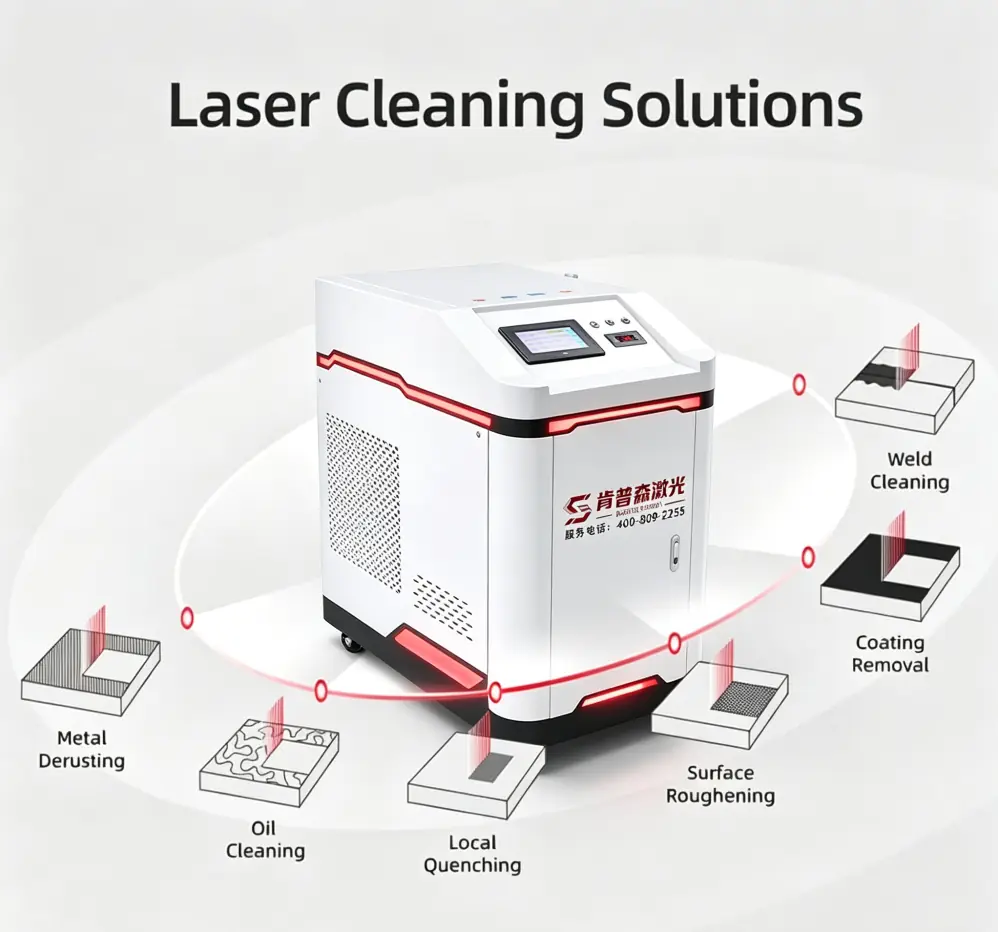
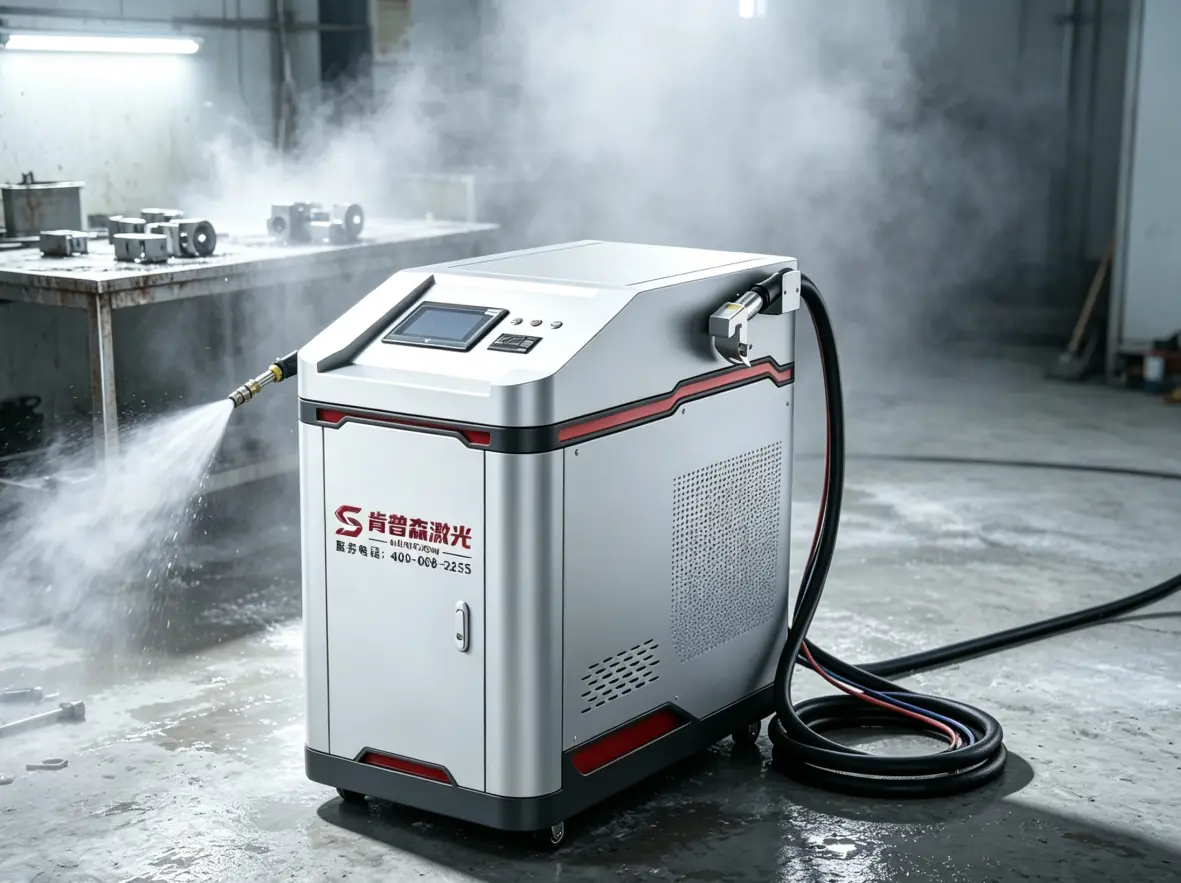
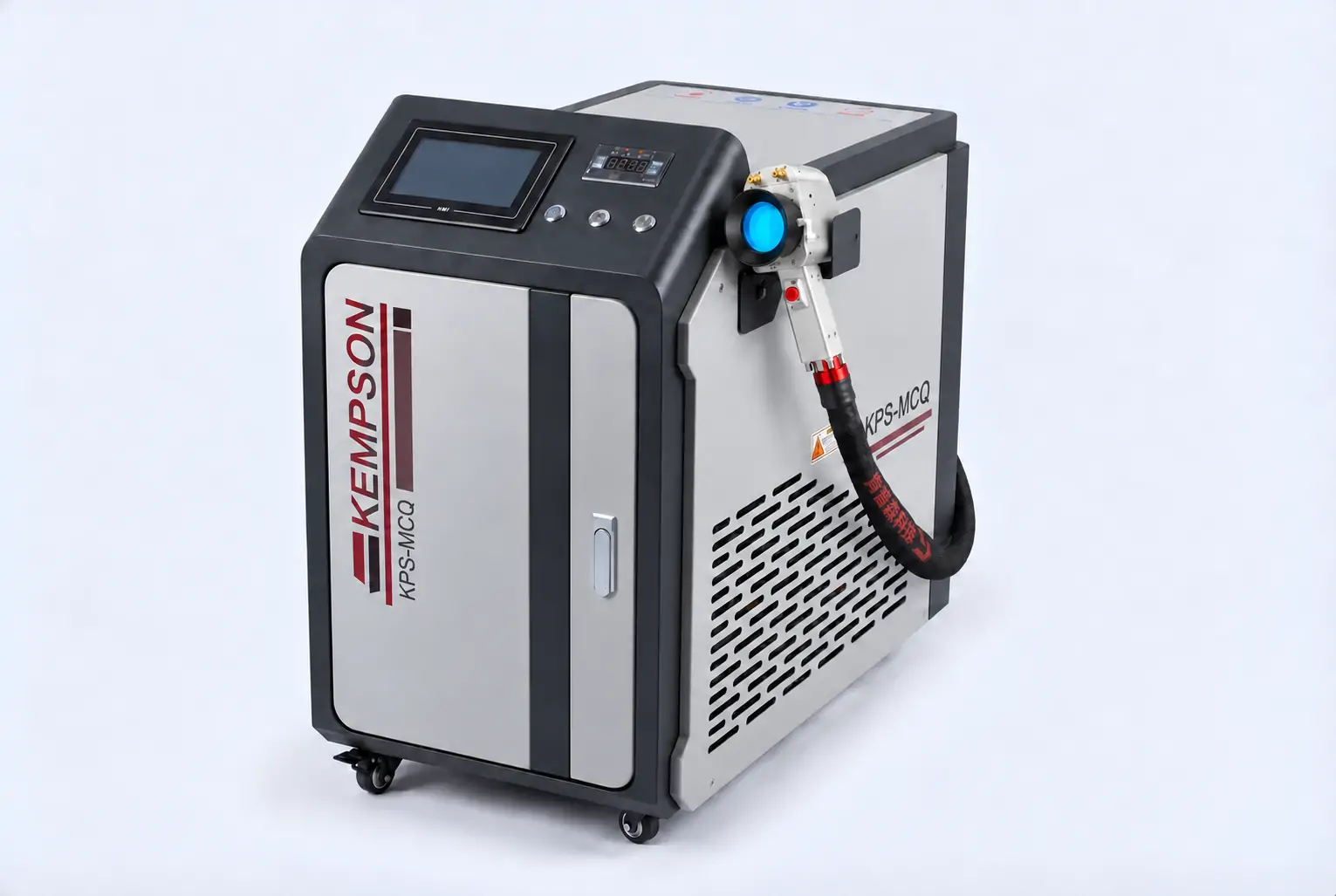
KEMPSON offers laser cleaning machine for metal rust removal, paint stripping, oil removal, and oxide-layer cleaning. The product range includes pulsed and continuous-wave laser cleaning machines, portable laser rust removal machines, handheld cleaning systems, and high-power fiber laser cleaners. These machines serve a range of industrial applications, from precision cleaning of metal parts to rust and coating removal from large workpieces.
Laser power ranges from 50W to 4000W across the product range. Pulsed and continuous-wave models are available for different cleaning requirements, with air-cooled or water-cooled configurations depending on the machine. Selection depends on the metal type, contaminant, coating thickness, required cleaning speed, and surface finish.
As a laser cleaning machine manufacturer in China, KEMPSON provides equipment customization, application assessment, and technical support for industrial customers. Contact us with your workpiece material, contamination type, and cleaning requirements to discuss a suitable machine, request a sample cleaning test, and obtain a quotation.
A laser cleaning machine for metal, also known as a laser rust removal machine, is a highly efficient and environmentally friendly laser surface cleaning system designed specifically to remove rust, oil, coatings, and oxide layers from metal surfaces. Unlike traditional sandblasting or chemical cleaning, this equipment cleans non-contact using a high-energy-density laser beam, requires no consumables, and causes no substrate damage, while offering higher cleaning precision and stability.
Unlike single-purpose cleaning solutions, the system typically integrates a fiber laser, control system, and handheld cleaning head, supporting both portable operation and automated applications. It offers a variety of configurations ranging from pulsed to continuous-wave industrial laser cleaning systems, making it suitable for both precision cleaning and large-area, high-efficiency rust removal. For details, please refer to this article: What Is a Laser Cleaning Machine?
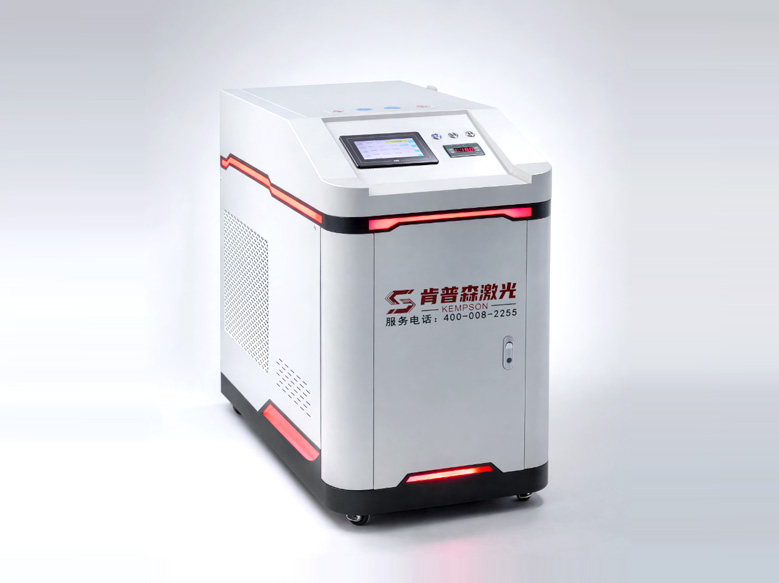
A water-cooled continuous-wave fiber laser cleaning system for removing rust, paint, oil stains, oxide layers, and surface coatings. The handheld cleaning gun and mobile machine design suit metal fabrication, steel structures, ship repair, and industrial maintenance.
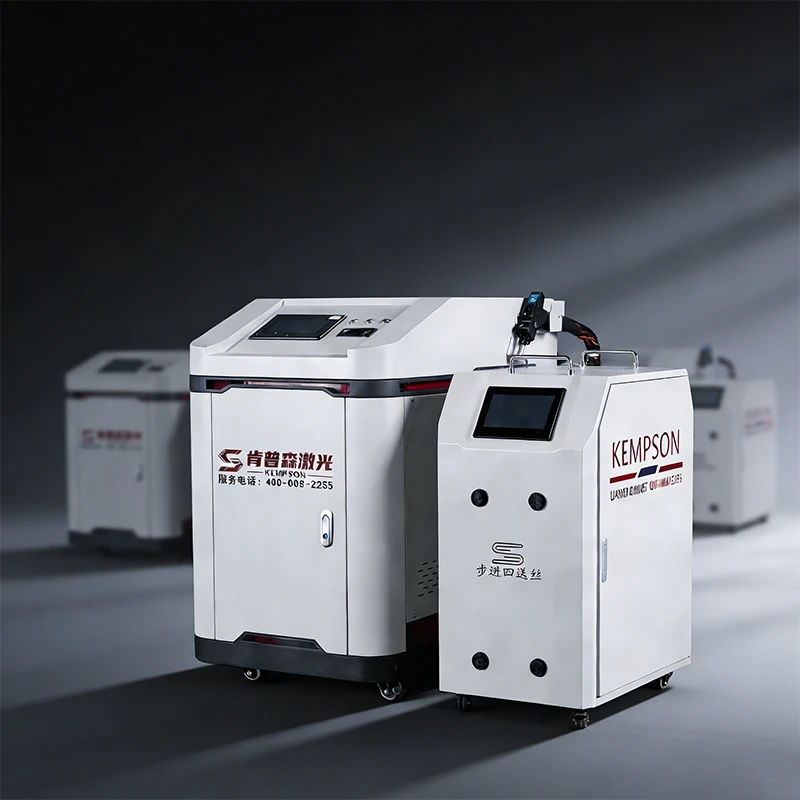
This 4000W fiber laser cleaner combines a handheld cleaning gun with an integrated air-blowing system. It is designed for rust, paint, oxide scale, and oil contamination on large metal components and heavy steel structures. The built-in airflow removes loose debris around the cleaning area without requiring a separate external air compressor.
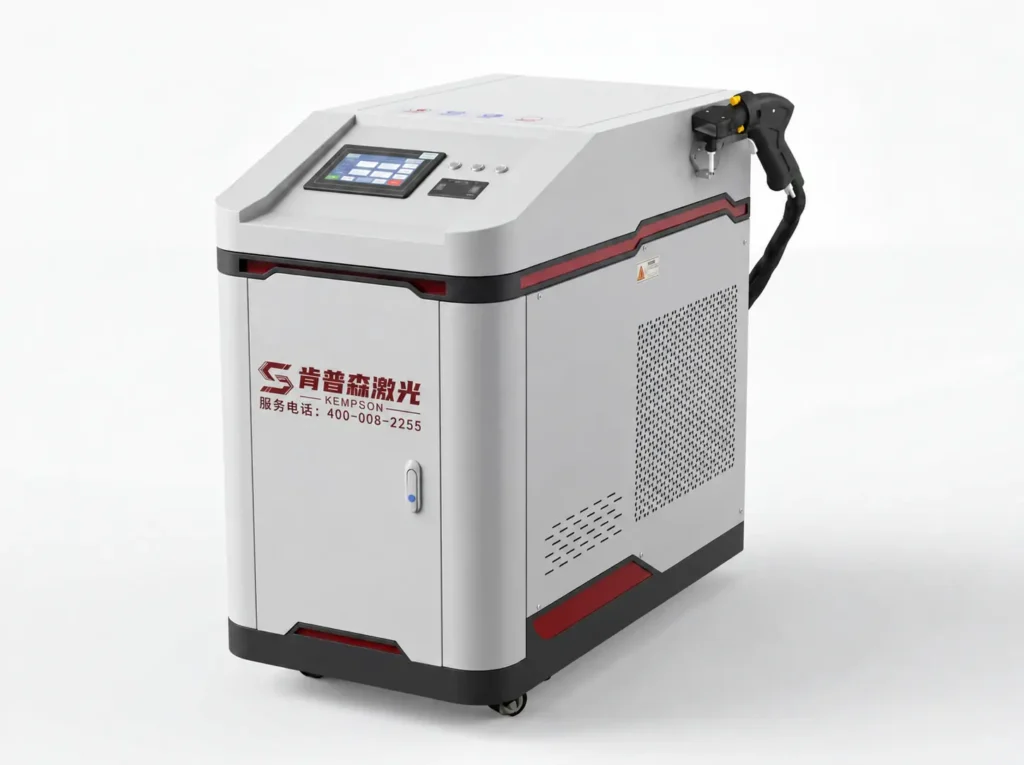
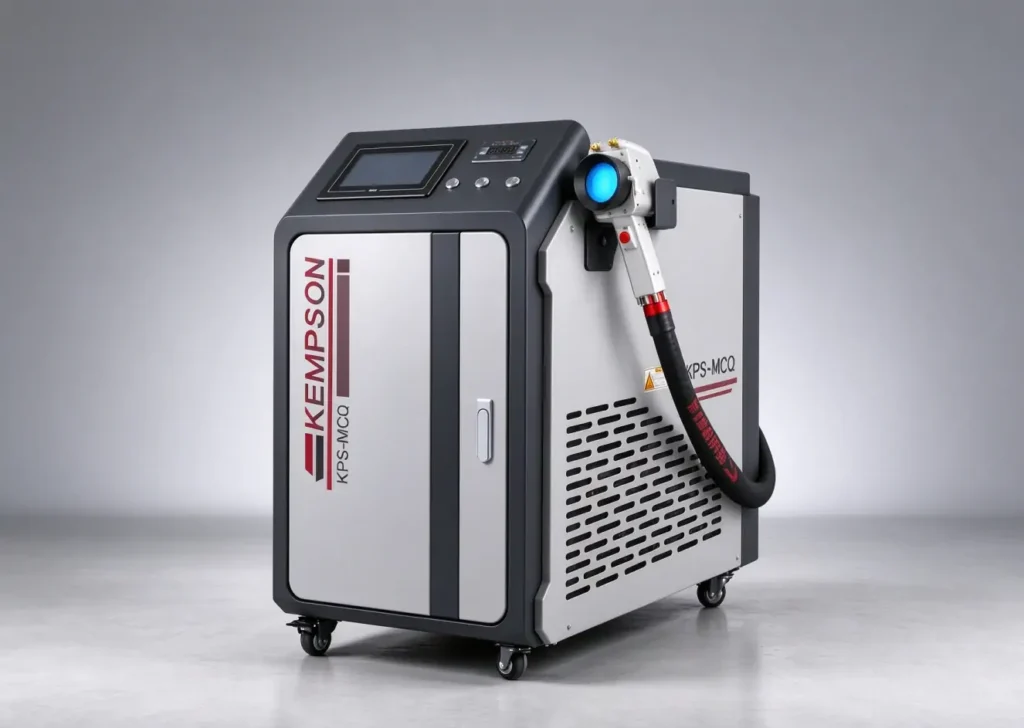
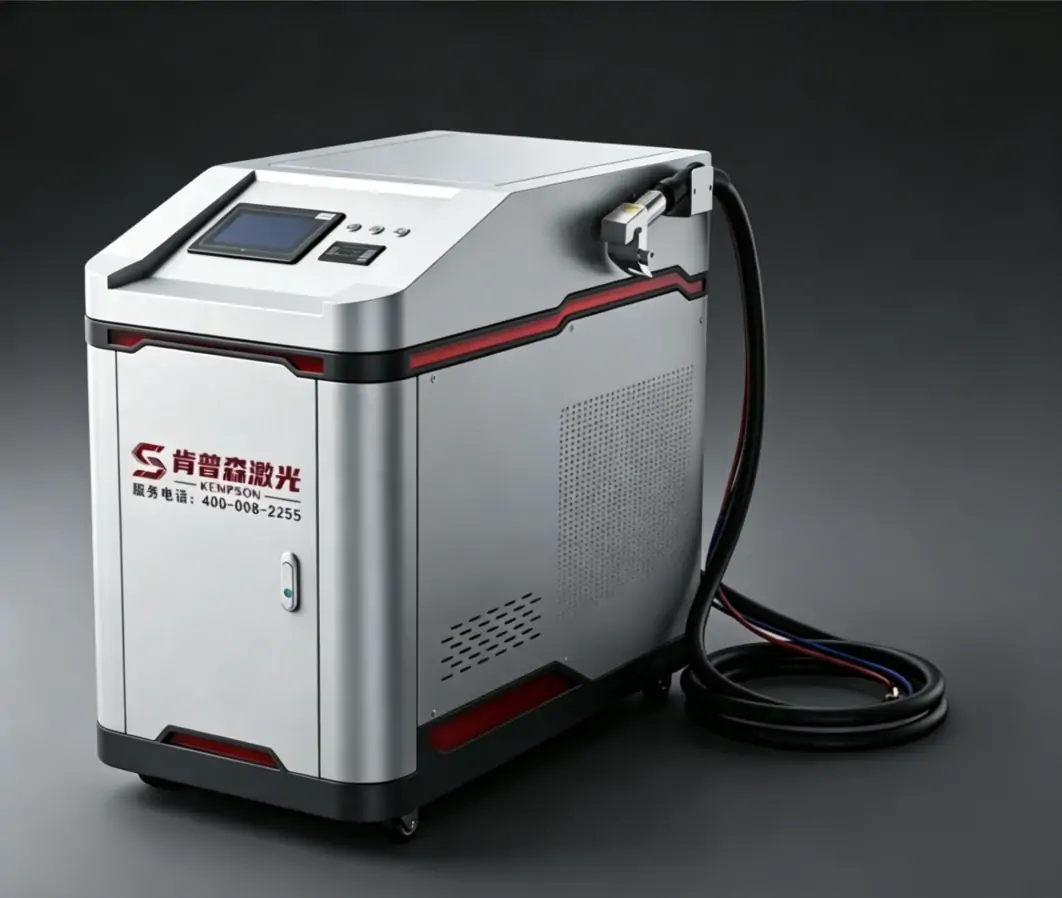
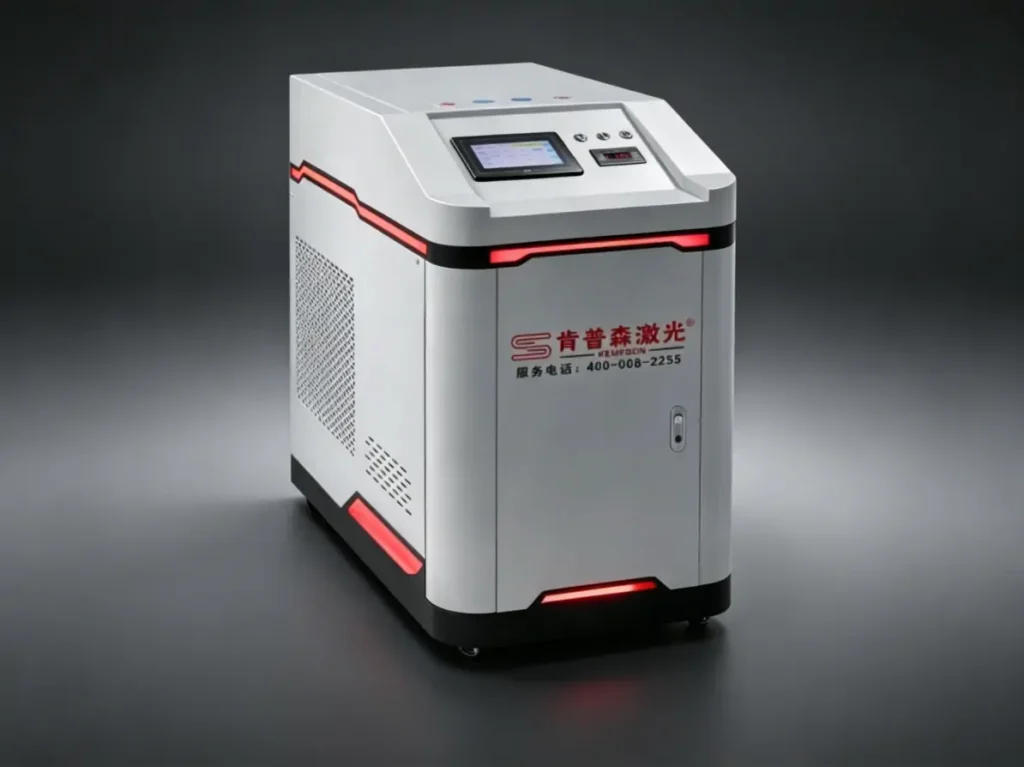
500W Pulsed Laser Cleaning Machine designed for controlled surface cleaning of metal parts, molds, and other materials requiring careful treatment. The pulsed laser source allows process parameters to be adjusted for different contaminants and substrates. Cleaning tests are recommended to assess contaminant removal and any changes to the original surface.
KEMPSON offers pulsed and continuous-wave laser cleaning machines in different power configurations, with handheld and automated options available by model. Compare the available systems for rust removal, coating stripping, and precision cleaning.
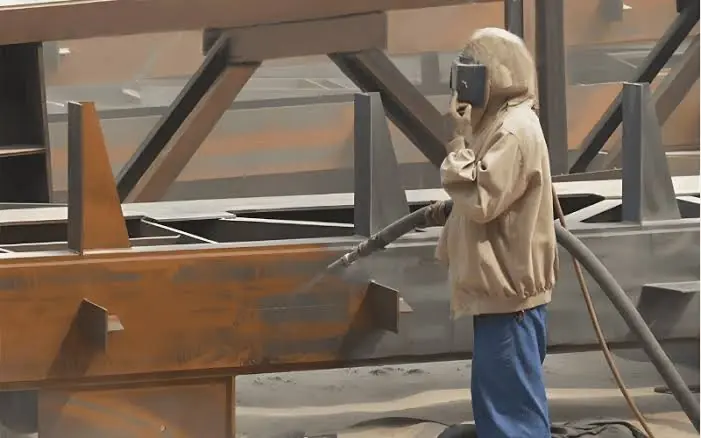
Removes rust, mill scale, and old coatings from steel beams, plates, structural components, and fabricated metal parts before welding, painting, or maintenance.
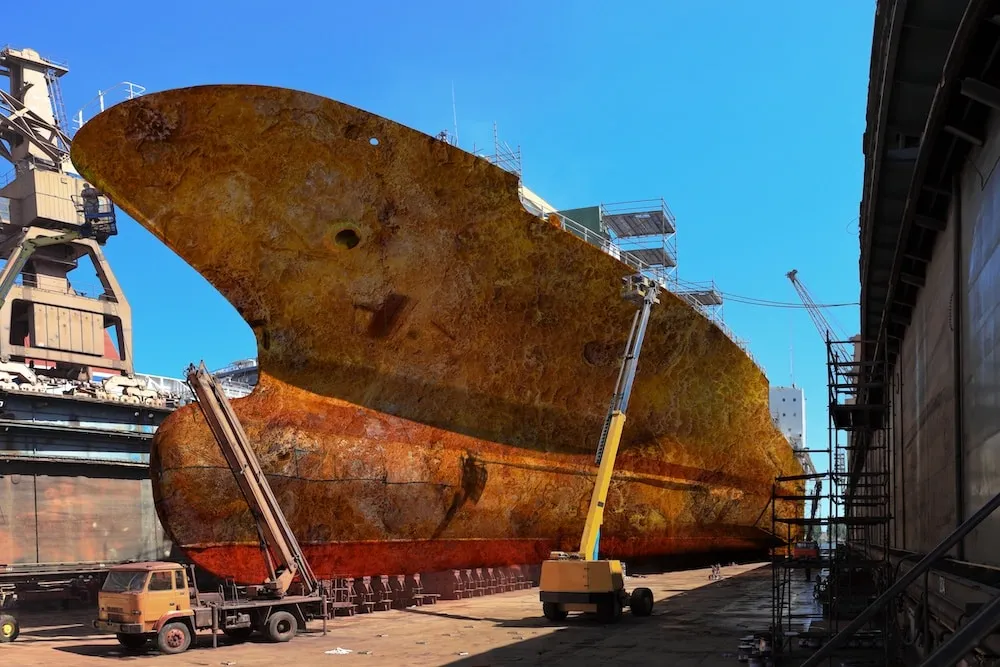
Cleans rust, paint, and oxide layers from ship hull components, steel decks, marine structures, and metal equipment during fabrication and repair.
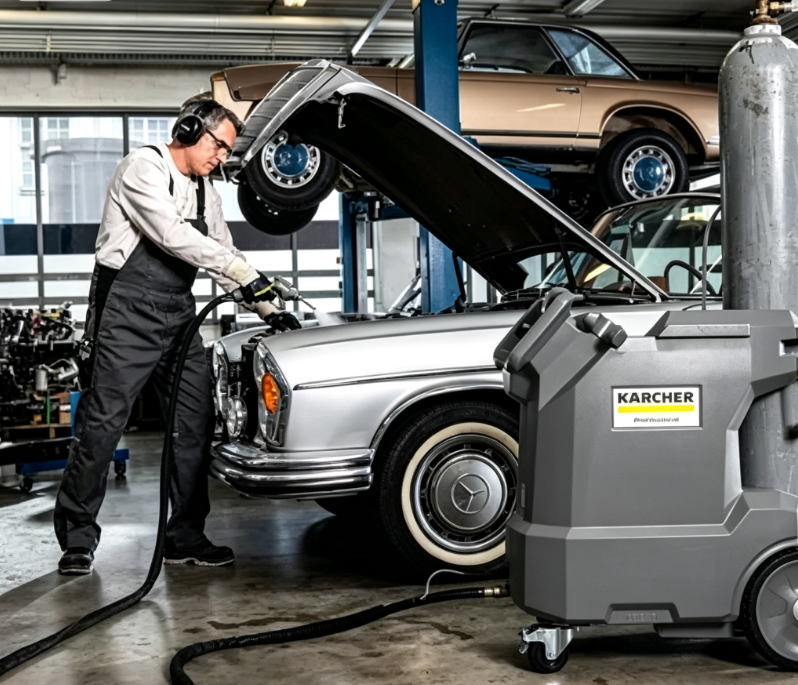
Removes oil, oxides, and surface contaminants from automotive parts, metal panels, engine components, and weld areas before joining or coating.
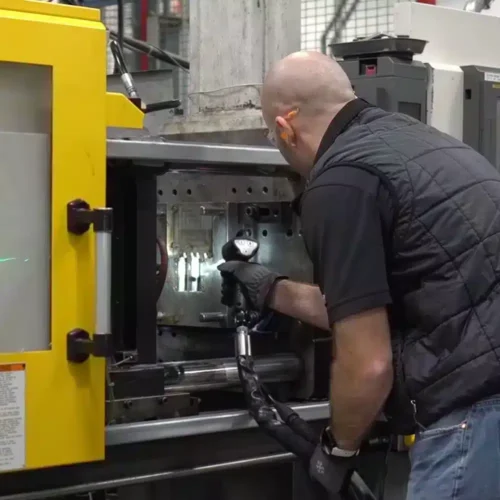
Removes molding residues, carbon deposits, and surface contaminants from metal molds used in plastic molding, rubber processing, and die casting. Pulsed laser systems may suit precision cleaning tasks.
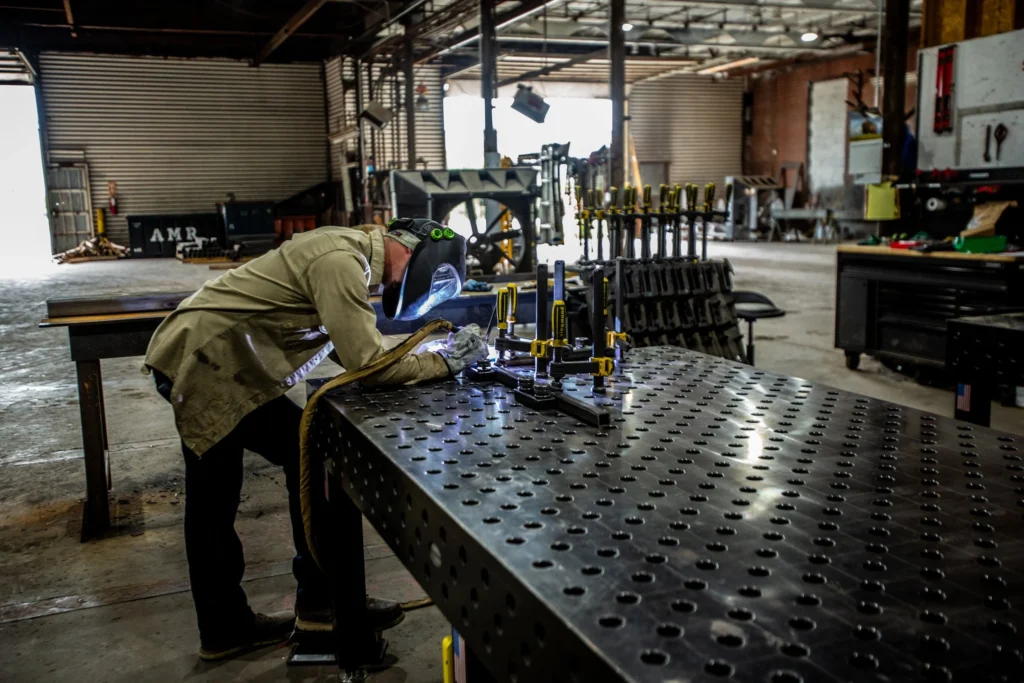
Cleans rust, oil, and oxide layers from stainless steel, carbon steel, and other metal workpieces before welding, cutting, or surface finishing.
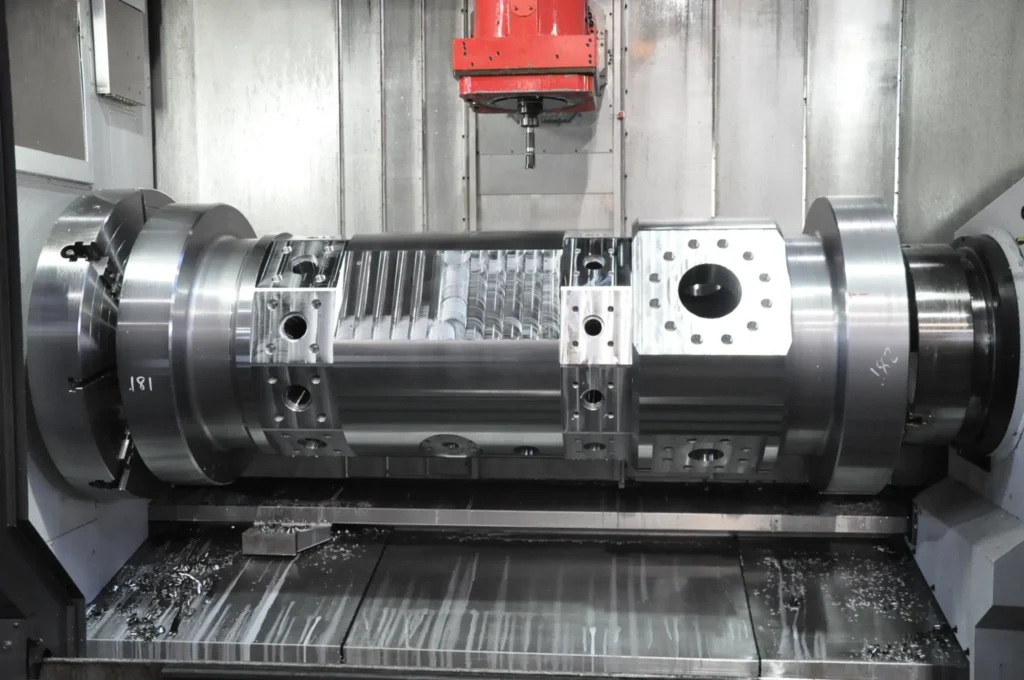
Removes corrosion, paint, and accumulated contaminants from machine parts, metal housings, production equipment, and industrial components during maintenance and refurbishment.
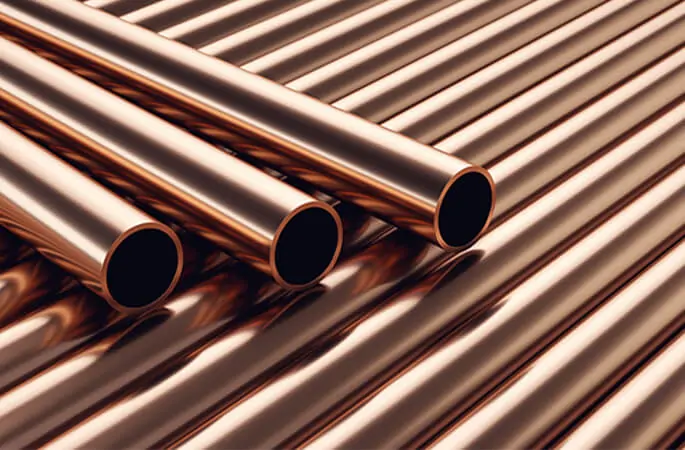
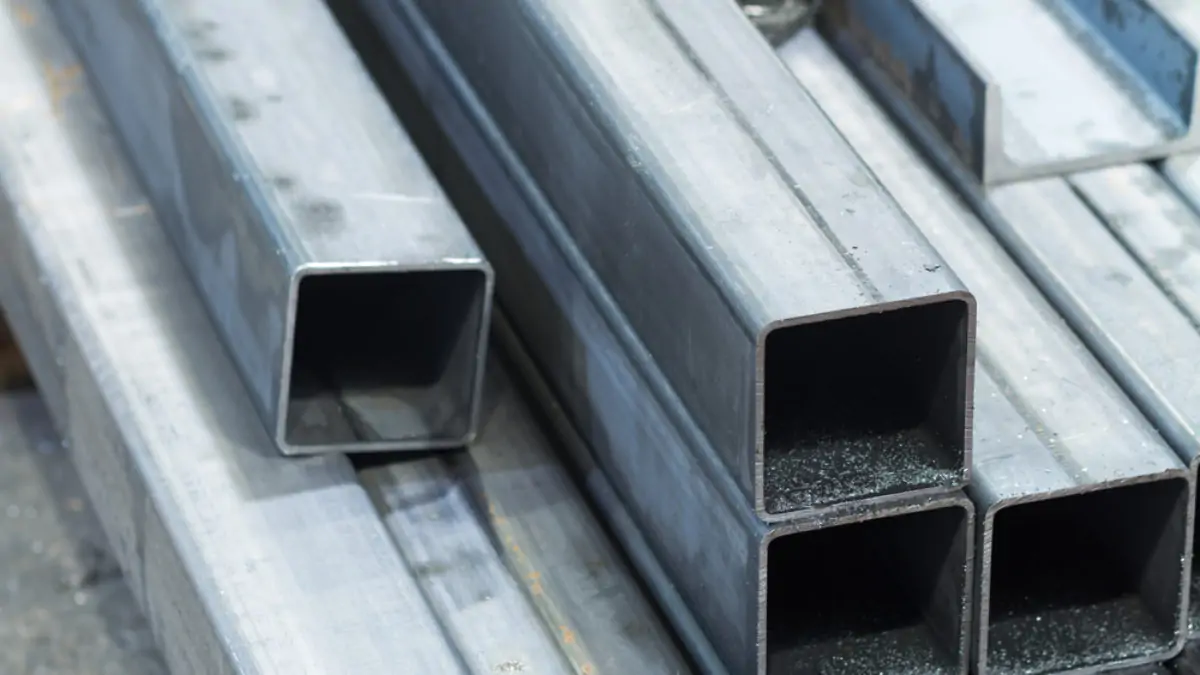
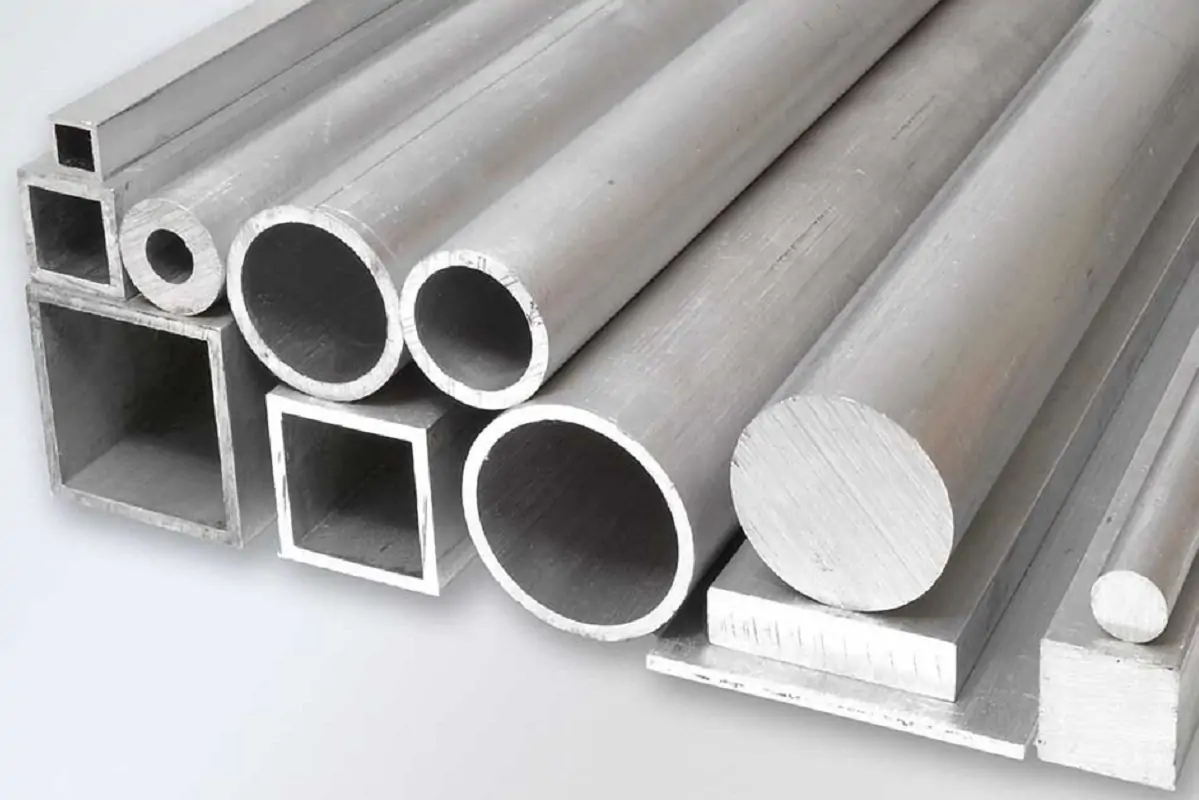
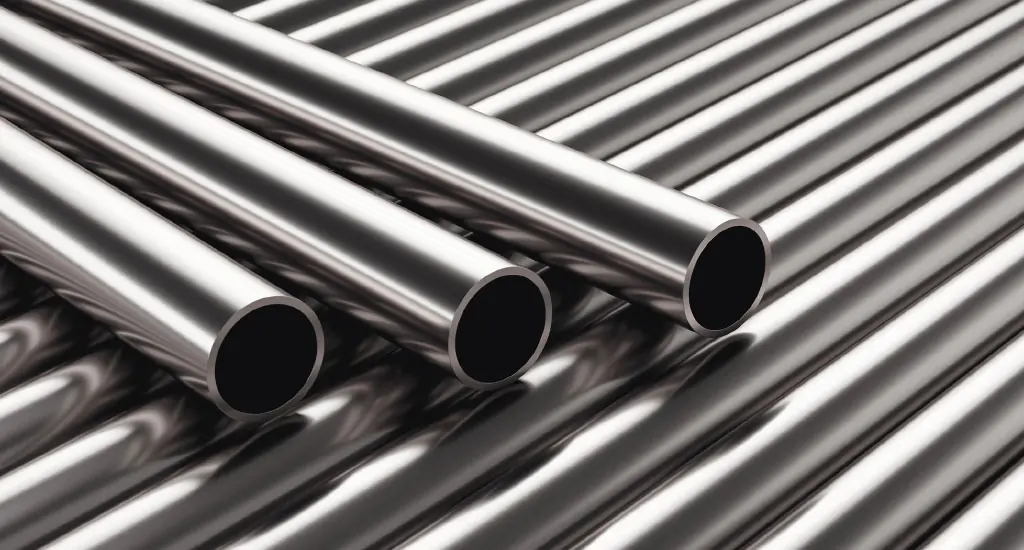
The laser cleaning machine for metal provides stable and efficient surface cleaning for a wide range of metal materials without damaging the substrate. It is suitable for common metals such as stainless steel, carbon steel, aluminum, copper, and various alloys, effectively removing contaminants such as rust, oxide layers, oil stains, and coatings.
| Specification | KPS-QX2000 / QX3000 | KPS-LCM4000 | KPS-MCQX500 |
|---|---|---|---|
| Laser Type | Continuous-wave fiber laser | Continuous-wave fiber laser | MOPA pulsed fiber laser |
| Laser Power | 2000W / 3000W | 4000W | 500W |
| Cleaning Method | Handheld laser cleaning | Handheld laser cleaning with integrated air blowing | Dual-axis pulsed laser scanning |
| Cleaning Width | 5–30 cm | 5–30 cm | 0.01–350 mm adjustable scan width |
| Cleaning Speed | 1.2 / 1.8 m²/min | Application-dependent | Application-dependent |
| Cooling System | Built-in water cooling | Refrigerant cooling | Water cooling |
| Air-Blowing System | Air-knife cleaning gun | Built-in self-blowing system | Built-in 50W air compressor |
| Wavelength | Confirm with laser source configuration | Confirm with laser source configuration | 1064 nm |
| Maximum Pulse Energy | N/A | N/A | 50 mJ |
| Fiber Cable Length | 10 m | Confirm by configuration | 10 m |
| Power Supply | 220V | 380V | AC 220–240V, 50Hz, single-phase |
| Machine Dimensions | 630 × 950 × 990 mm | Confirm by configuration | 1300 × 1050 × 1120 mm |
The Metal Laser Cleaner uses high-energy lasers to perform non-contact cleaning, efficiently removing various metal contaminants without damaging the substrate. It simplifies process flows, reduces labor costs, and improves cleaning efficiency and environmental performance, making it suitable for a wide range of industrial metal surface treatments.
If you would like to learn more about the advantages or disadvantages of laser cleaning machines, please visit: Advantages and Disadvantages of Laser Cleaning Machines
From the perspective of practical application and procurement decisions, the choice between a laser cleaning machine for metal and traditional cleaning methods (such as sandblasting or chemical cleaning) depends on environmental requirements, cleaning precision, the work environment, and long-term costs. Laser cleaning is suitable for scenarios requiring high standards, environmental compliance, and precision processing, while traditional methods are better suited for low-cost or less demanding applications.
| Selection Factor | Laser Cleaning Machine for Metal | Traditional Cleaning (Sandblasting / Chemical Cleaning) |
|---|---|---|
| Working Environment | Precision parts, complex structures, and metal surface treatment | Mostly fixed locations or dedicated cleaning areas |
| Cleaning Objects | Precision parts, complex structures, metal surface treatment | Large-scale rough cleaning, simple structured workpieces |
| Cleaning Effect | High precision, strong controllability | Lower precision, prone to residue or unevenness |
| Substrate Damage | Non-contact, no damage | Risk of wear or chemical corrosion |
| Environmental Friendliness | No chemical agents, zero pollution emissions | Wastewater, exhaust gas, or dust pollution |
| Cleaning Speed | High efficiency, suitable for continuous operation | Moderate, depends on labor or consumables |
| Operation Difficulty | Easy to learn, parameters controllable | On-site workshop, automated production line |
| Equipment Deployment | Depends on experience; operation is unstable | Complex preparation (sandblasting/chemicals) |
| Maintenance Cost | No consumables, simple maintenance | High consumable cost, frequent maintenance |
| Long-term Cost | Low (saves labor and consumables) | High (continuous consumables + labor) |
| Safety | Safe, no chemical hazards | Dust, corrosion, and pollution risks |
| Typical Applications | Heavy dirt, rough processing, large-area cleaning | Ready to use, flexible, and mobile |
To make the selection even clearer, you can evaluate your specific application against the following typical use cases and decision factors:
If your project prioritizes environmental compliance, cleaning precision, operational flexibility, or long-term cost control, choosing a laser cleaning machine for metal will deliver greater efficiency and more consistent cleaning results; however, for rough-processing applications that require low precision, high-volume production, and have budget constraints, traditional cleaning methods remain a cost-effective option.
Looking for more detailed specifications? Check our Handheld Laser Cleaning Machine solutions.
Selecting a laser cleaning machine requires matching the laser type and power to the contaminant, substrate, cleaning precision, and production rate.
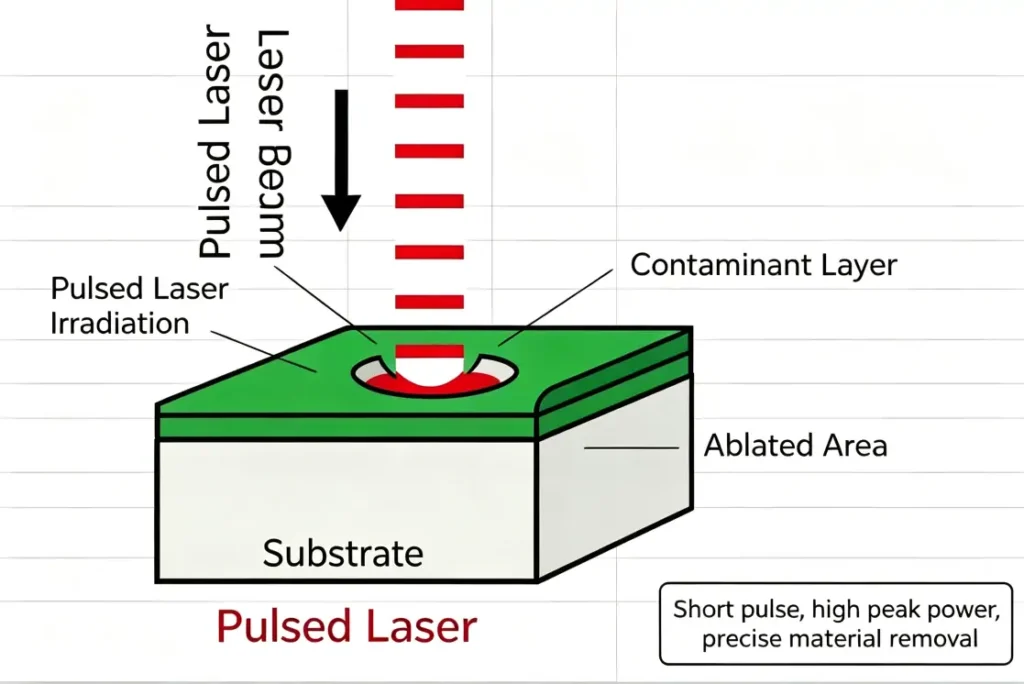
Pulsed Laser Cleaning Machine: Suitable for precision cleaning, molds, and applications requiring controlled heat input. Confirm the cleaning effect and substrate condition through sample testing.
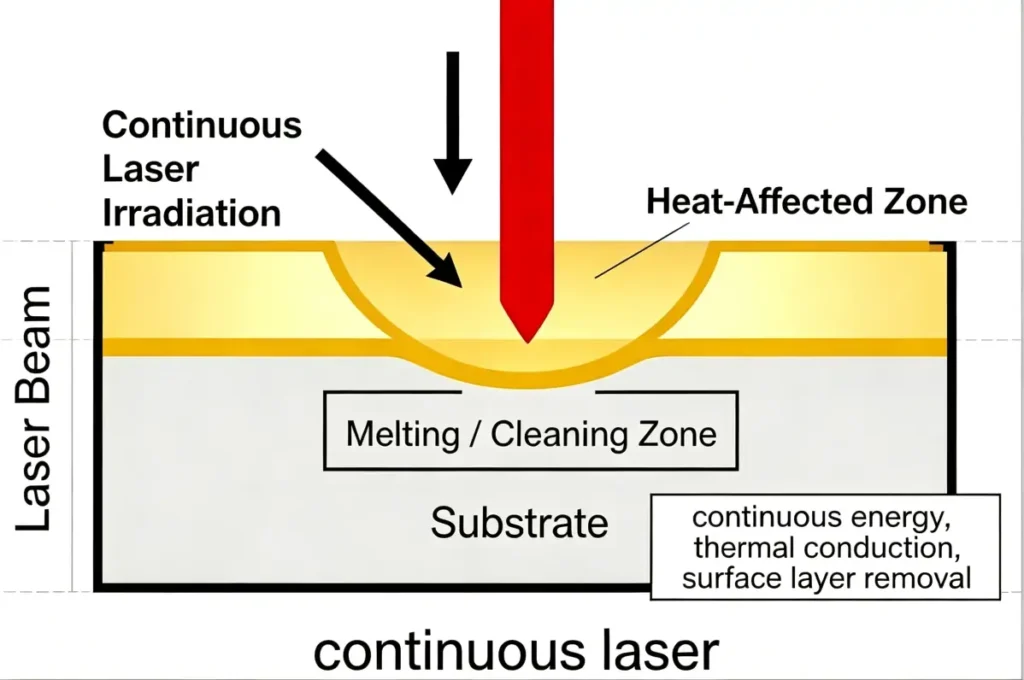
Continuous-Wave Laser Cleaning Machine: Suitable for industrial rust removal, coating removal, and larger cleaning areas where processing speed is a priority.
See more details: Pulsed Laser Cleaning Machine vs. Continuous Laser Cleaning Machine: Differences and Selection Guide
These ranges are preliminary selection guidelines. Actual performance depends on the contaminant, coating thickness, substrate, scanning parameters, and required surface finish.
Confirm the metal type, contamination layer, workpiece geometry, target cleaning width, available working space, and daily operating hours. Select the cooling system and handheld or automated configuration according to the actual workload.
Provide a representative sample or detailed workpiece information for a cleaning test. Evaluate contaminant removal, substrate discoloration, surface roughness, processing speed, and the condition required for subsequent welding or coating.
Contact KEMPSON to confirm the appropriate laser cleaning configuration for your application.
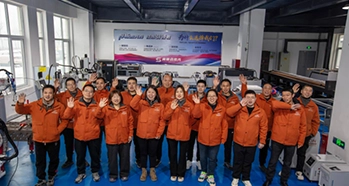
Kempson boasts an independent R&D team and a team of senior engineers, focusing on cutting-edge laser welding technology development and committed to providing high-performance and cost-effective customized solutions for various industrial applications.
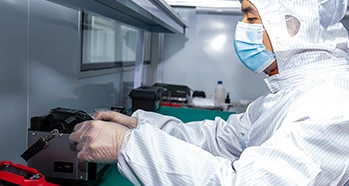
With 30+ patents, all machines are CE, ISO, and FDA certified. We offer a 3-year warranty, free sample welding tests, and lifetime after-sales support to ensure long-term reliability.
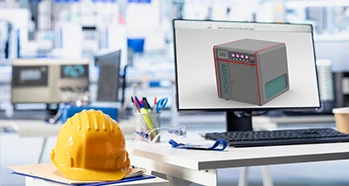
We support comprehensive OEM/ODM cooperation, providing personalized services such as system design, hardware and software integration, special accessory development, and brand logo customization, precisely tailored to different markets and application scenarios.
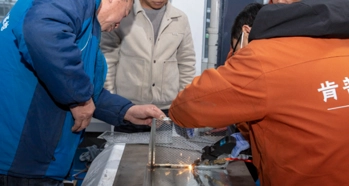
We offer free sample welding testing services: simply send us your materials or provide your process requirements, and we will perform welding tests, record process videos, and return the physical samples, providing you with objective and reliable purchasing information.
The right machine depends on the metal type, contaminant, cleaning area, required processing speed, and surface finish. Pulsed systems suit many precision cleaning tasks, while higher-power continuous-wave systems are used for larger areas and heavier contamination. Sample testing is recommended before final selection.
The required power depends on rust thickness, surface area, cleaning speed, and substrate condition. Lower-power systems may suit localized or light cleaning, while higher-power models are generally considered for heavy rust and large workpieces. Confirm the required performance through application testing.
Pulsed laser cleaning delivers energy in short pulses and is often selected for precision applications requiring controlled heat input. Continuous-wave cleaning provides sustained laser output and is commonly used for faster treatment of larger areas. The appropriate type depends on the substrate and cleaning target.
Yes, laser cleaning can remove many types of paint, oxide layers, and surface coatings. Results depend on coating composition, thickness, adhesion, substrate material, and laser settings. A cleaning test should confirm removal performance and the condition of the underlying metal.
Yes, unsuitable laser settings or operating conditions can alter the substrate, affect surface roughness, or cause thermal damage. Select the correct laser type and process parameters, test a representative workpiece, and follow the equipment safety instructions.
Handheld equipment suits flexible operation, maintenance, and workpieces with varied geometries. Automated systems suit repeatable cleaning paths and production processes that require consistent positioning and cycle times. Selection depends on the workpiece, throughput, and available automation infrastructure.
Pricing depends on laser power, pulsed or continuous-wave operation, cooling method, cleaning head, automation requirements, and other configuration options. Send your application details to KEMPSON for a model-specific quotation.
KEMPSON offers equipment configuration and customization according to project requirements. Share your material, contaminant, workpiece dimensions, cleaning target, and production rate for an initial assessment. Sample testing and final configuration should be confirmed with the technical team.
Tell us your material, thickness, and application scenario.
Our engineers will recommend the most suitable portable laser cleaning solution for you.