Table of Contents
Introduction
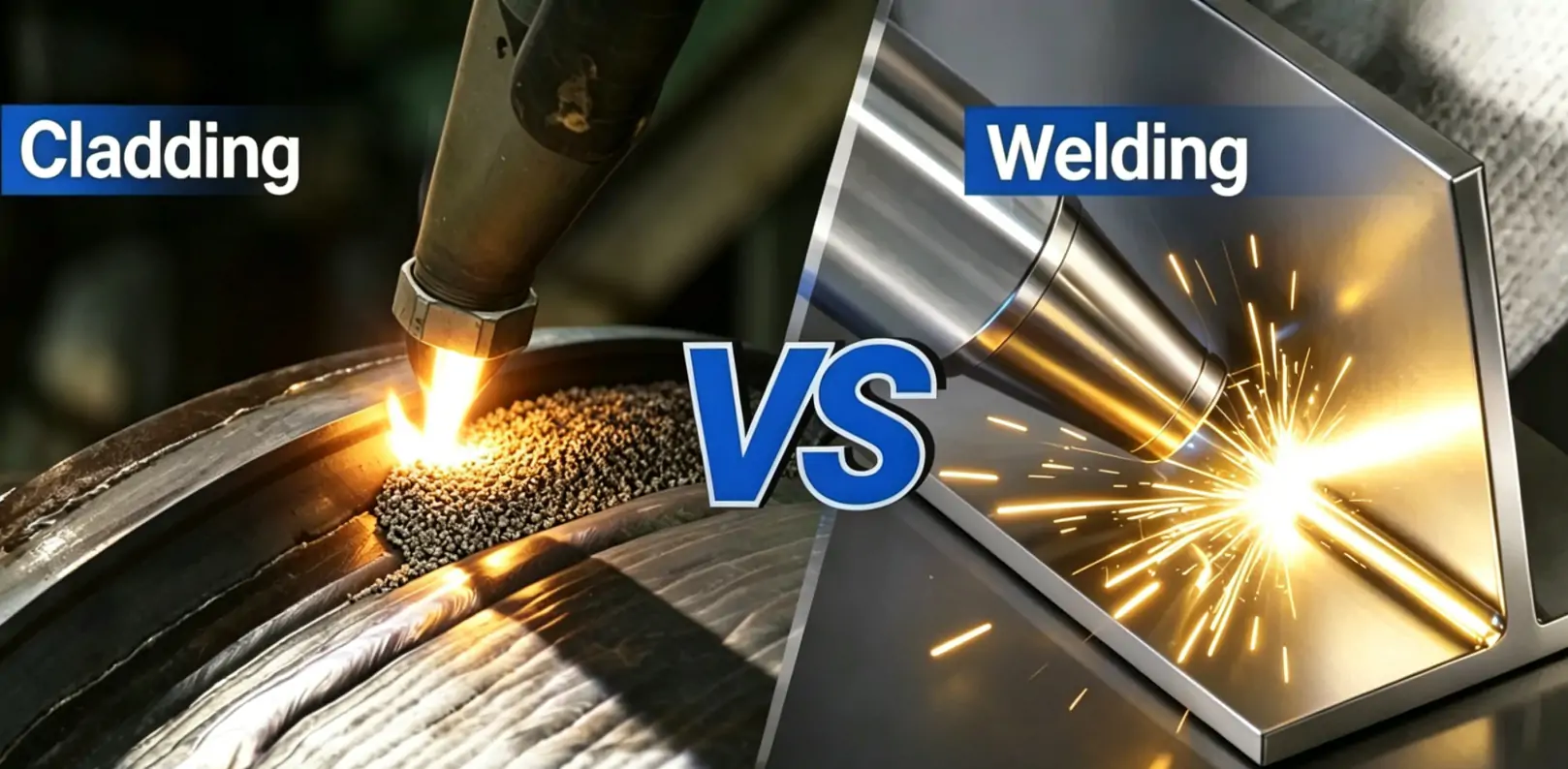
In modern metal processing, laser cladding and welding are both advanced laser processing technologies, but they differ in their intended purposes, operating principles, and application directions. The laser welding process is primarily used for metal connections to achieve high-precision welding, whereas the laser cladding process focuses on surface repair and performance enhancement, improving the wear and corrosion resistance of workpieces.
This article will analyze laser cladding vs welding in detail regarding principles, processing purposes, applicable plates, application ranges, and process characteristics to help you choose the most suitable laser processing solution.
Working Principle
Laser Cladding Working Principle
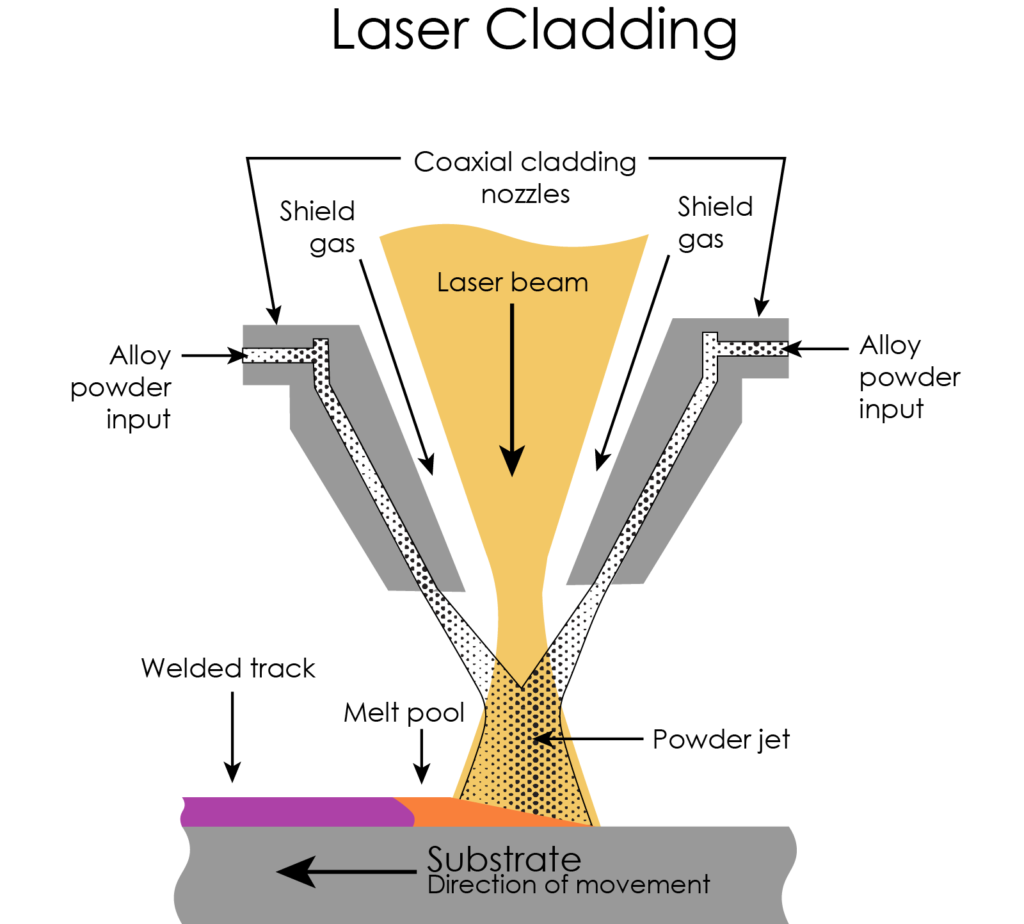
The laser cladding process uses a laser beam to melt the surface of the base material while feeding metal powder or wire into the molten pool. The added material and the base metal form a protective coating through metallurgical bonding. It is used for surface repair, wear resistance enhancement, anti-corrosion protection, and extending the service life of components.
Laser Welding Working Principle
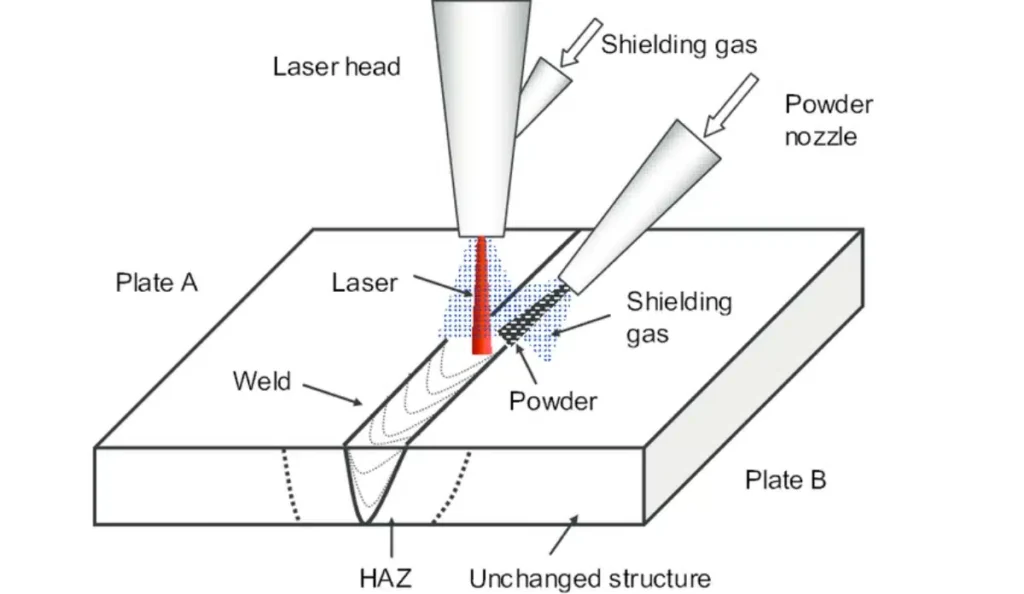
The laser welding process uses a high-energy laser beam to rapidly heat and melt the surfaces of two metal workpieces. The molten materials fuse with each other and solidify, forming a strong and precise welded joint. It is characterized by concentrated heat, fast welding speed, small deformation, and a small heat-affected zone, making it ideal for precision metal connection applications.
- Laser welding is mainly used to join metal parts together.
- Laser cladding is used to add a protective or restorative material layer to a metal surface.
Difference Between Laser Cladding vs Welding
Laser welding and laser cladding differ in various aspects, as detailed below:
Processing Purpose
Laser Cladding Process: Adds a functional material layer to restore, protect, or enhance the surface properties of metal components. It is used to improve wear resistance, corrosion resistance, and extend the service life of parts.
Laser Welding Process: Joins two or more metal components with high precision and strong structural integrity. It is used in applications requiring fast production speeds, minimal distortion, and high-quality welds, perfect for precision manufacturing and automated production lines.
Fillers and Applicable Materials
Laser Cladding
- Fillers: Powder or wire must be added.
- Materials: The laser cladding process is suitable for various base materials and coating materials used for surface enhancement or repair, such as carbon steel, stainless steel, cast iron, and tool steel.
Laser Welding
- Fillers: Welding with or without wire is optional.
- Materials: The laser welding process is commonly used for metals with good weldability and high precision requirements, such as stainless steel, carbon steel, aluminum and aluminum alloys, and galvanized steel.
Weld Width and Penetration
Laser Cladding: Wider cladding layer with shallow penetration and lower dilution rates, used for surface strengthening and increasing durability.
Laser Welding: Narrow weld seam with deeper penetration, suitable for precise and strong metal connections.
Plate Thickness
Laser Cladding: Mainly used for thick components or high-value parts requiring surface repair and performance enhancement.
Laser Welding: Mainly used for thin to medium thickness metal plates requiring precise connection and minimal deformation.
Thermal Impact
Laser Cladding: Localized heat, with thermal shock higher than that of laser welding.
Laser Welding: Concentrated heat input, small heat-affected zone, and minimal thermal deformation.
Welding Quality
Laser Welding: Smooth, precise, and high-strength welds with low requirements for subsequent processing.
Laser Cladding: Dense metallurgical coating that enhances surface performance and component durability.
Matching Equipment
Laser Cladding: Uses laser cladding machines equipped with powder feeders or wire feeding systems, working with robotic control systems for surface repair, coating, and remanufacturing.
Laser Welding: Uses laser welding machines, including handheld laser welders, fiber laser welding systems, and automated robotic welding equipment for precision metal connections.
Environmental Protection
Laser cladding emphasizes material remanufacturing and resource utilization. It is used to repair and strengthen parts instead of total replacement, reducing material consumption and industrial waste.
Laser welding features concentrated heat input, less spatter, and low smoke/dust. It saves material and is a clean, high-efficiency processing method suitable for automated production environments.
Cost
Laser cladding involves higher costs and operating expenses, requiring the configuration of powder/wire feeding systems and cladding materials. It is used for high-value part repair and extending component life.
Laser welding has lower initial investment and operating costs. The equipment structure is simple with fewer consumables, suitable for large-batch, high-efficiency metal connection production.
Application Scenarios
Laser cladding
The laser cladding process is mainly used for surface repair, coating enhancement, and extending component life.
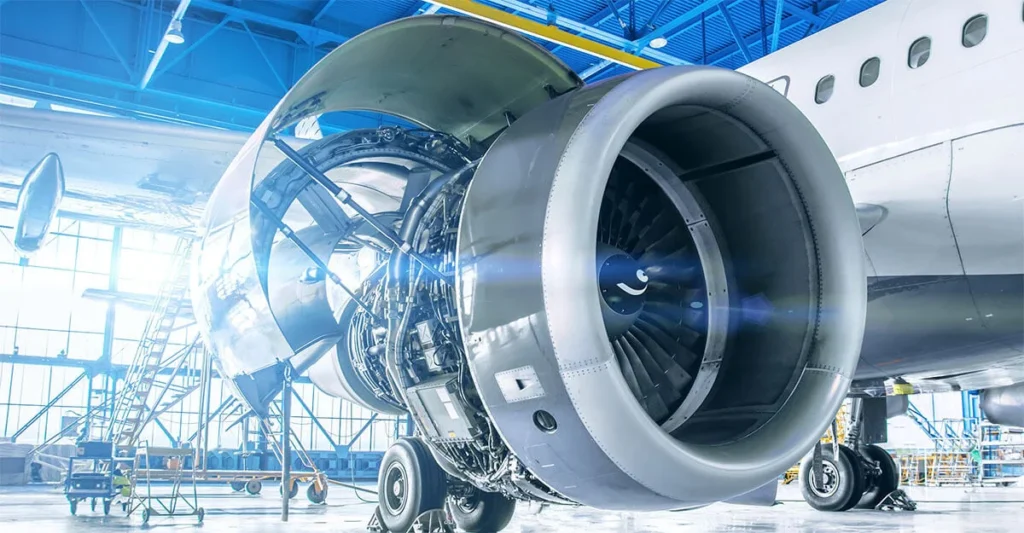
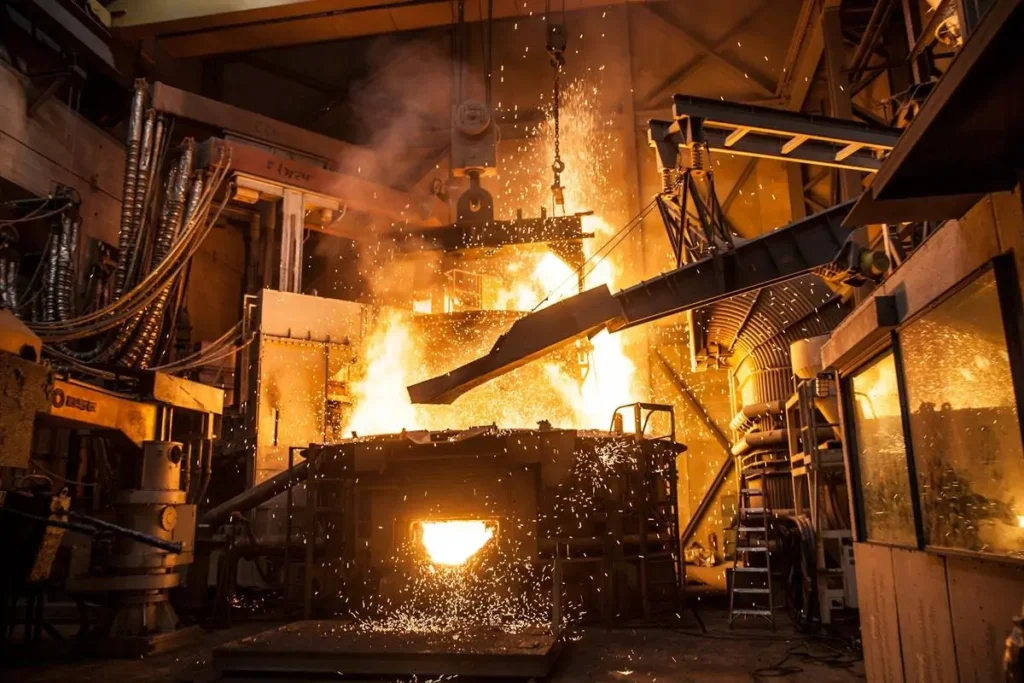
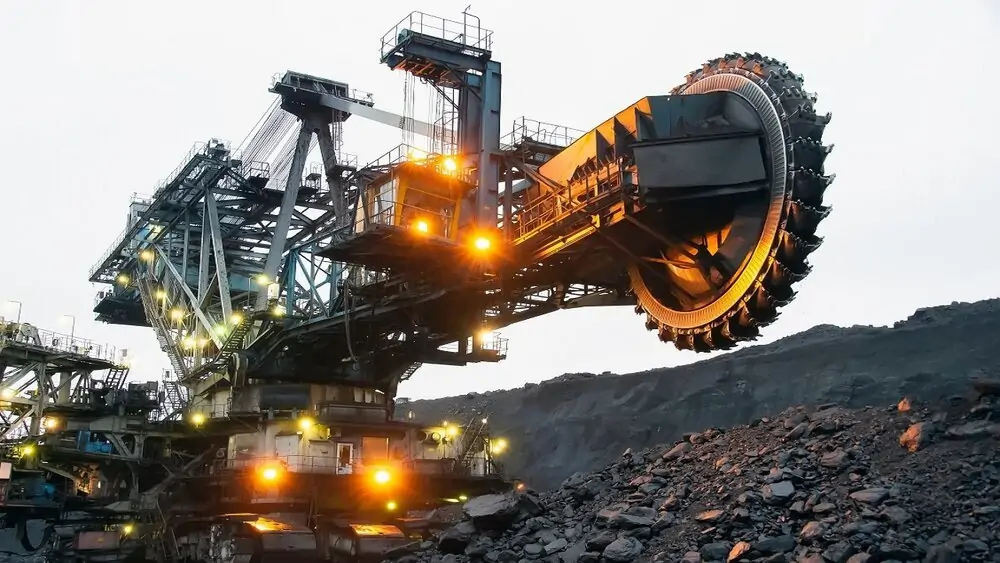
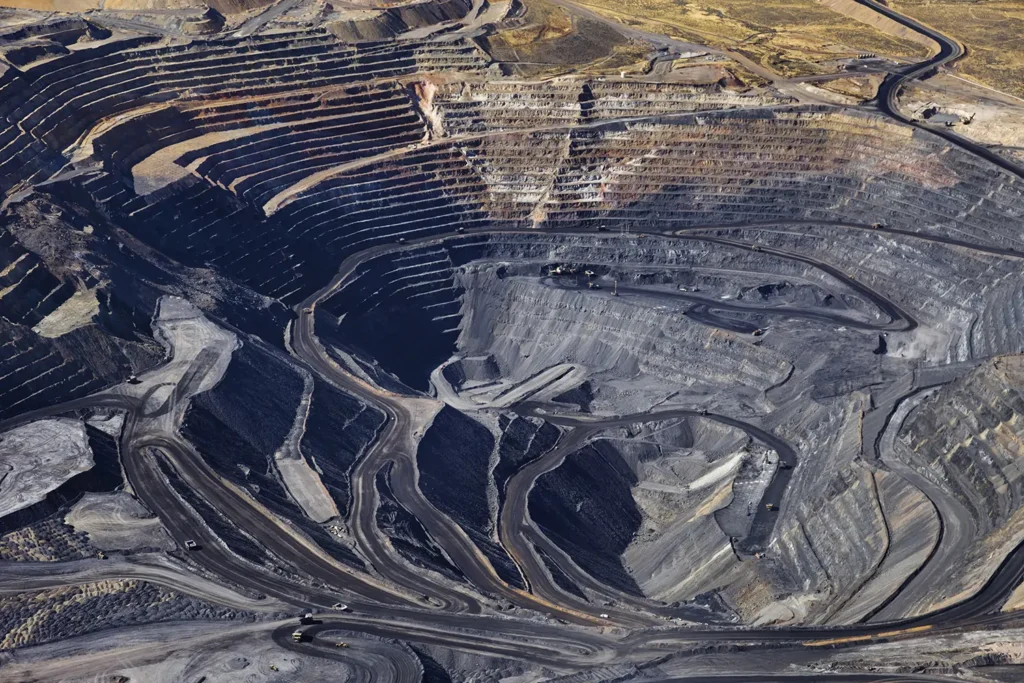
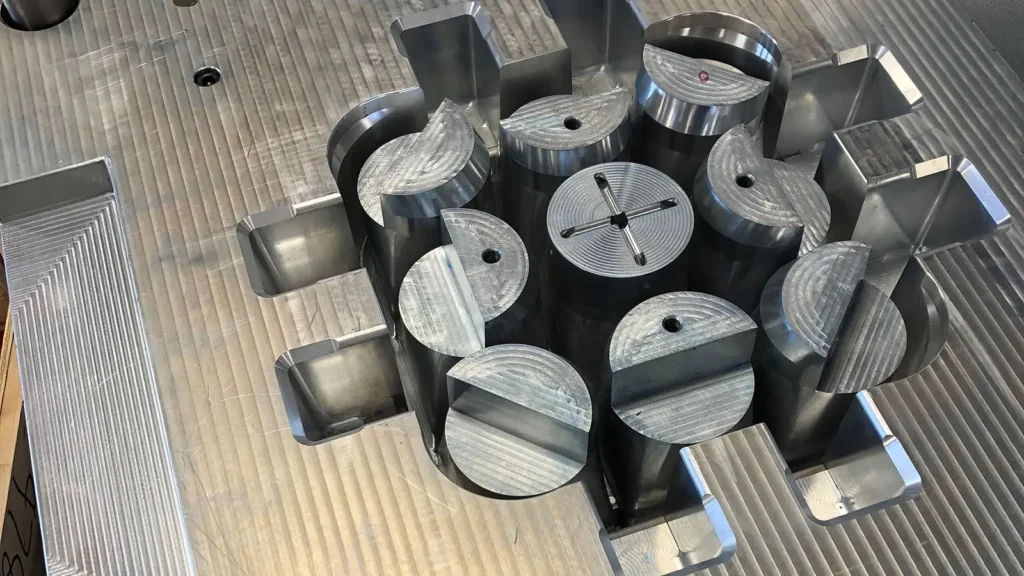
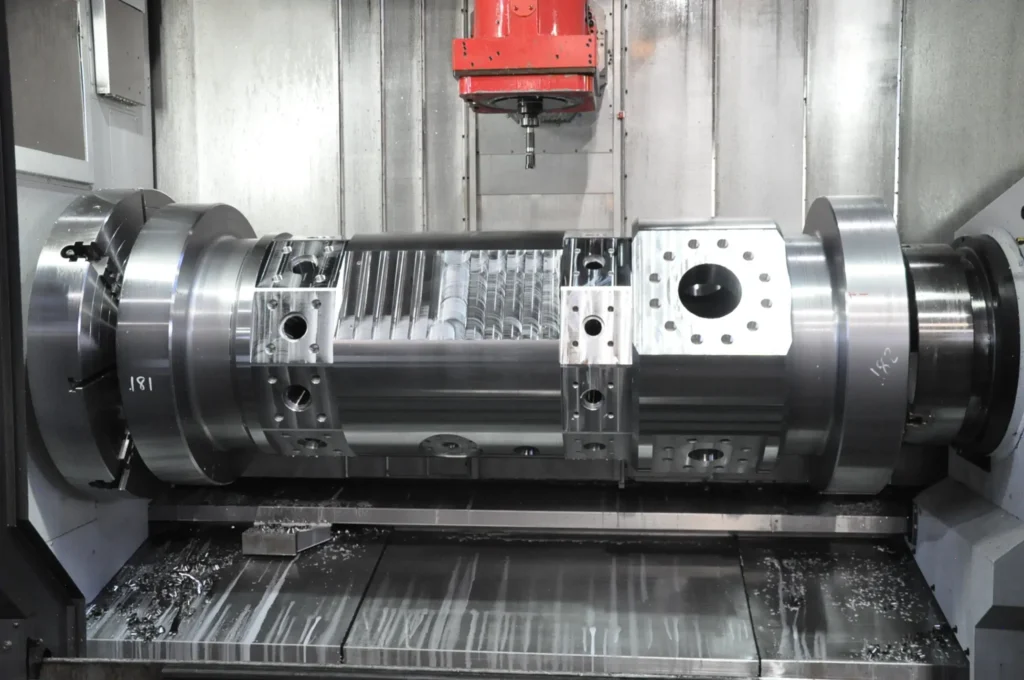
Scenarios: Mold repair and remanufacturing; mining and heavy equipment; oil and gas components; aerospace turbine components; metallurgical machinery; wear-resistant and corrosion-resistant surface treatments.
Laser welding
The laser welding process is mainly used for precision metal connections and assembly manufacturing. It requires high welding speed, high weld surface cleanliness, and low deformation.
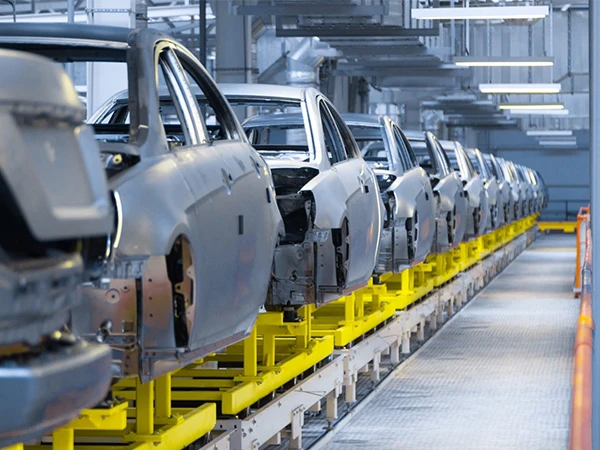
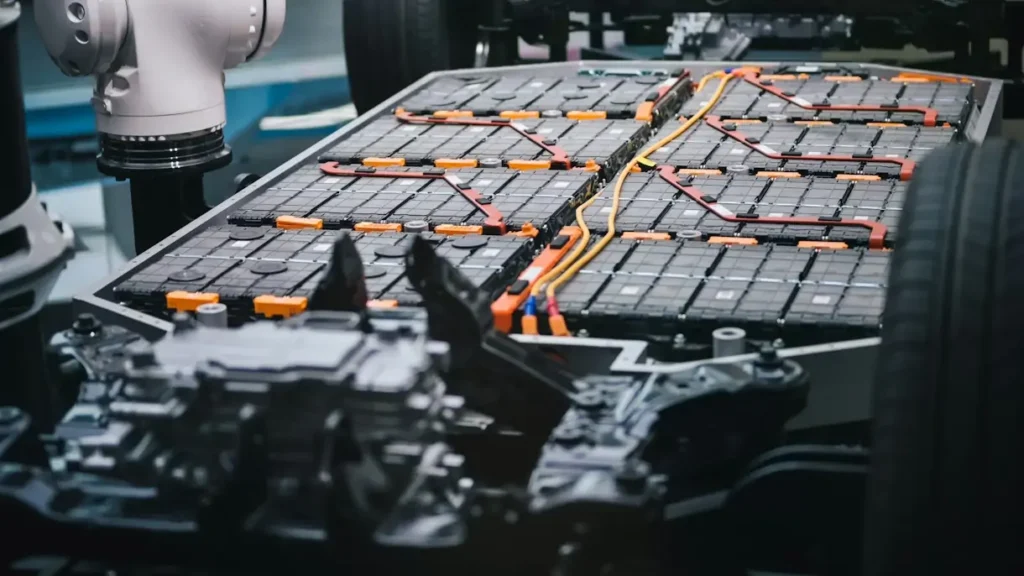
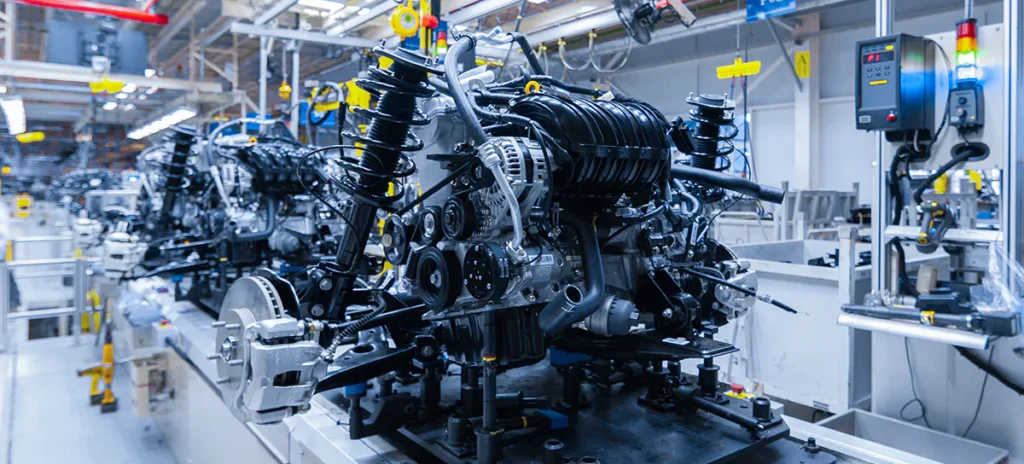
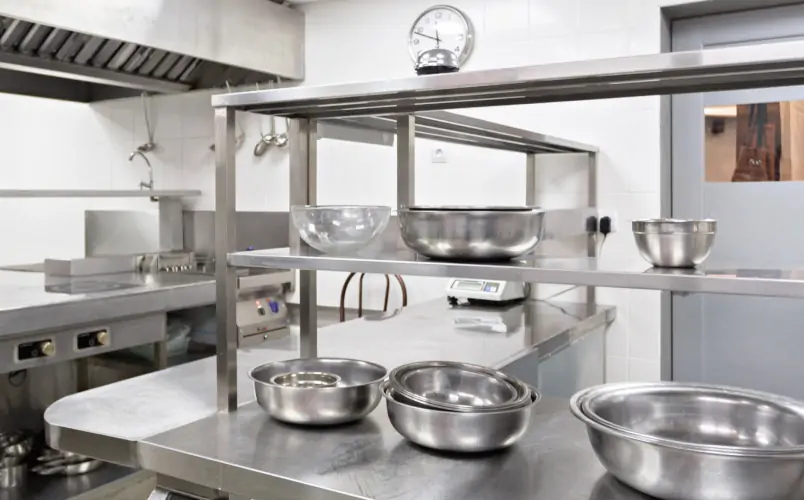
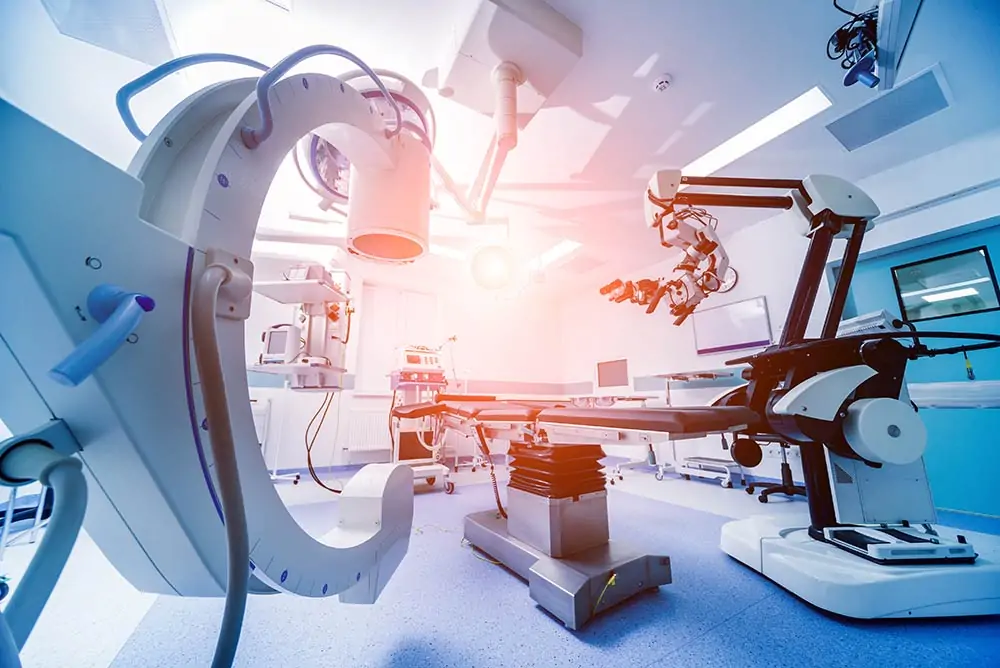
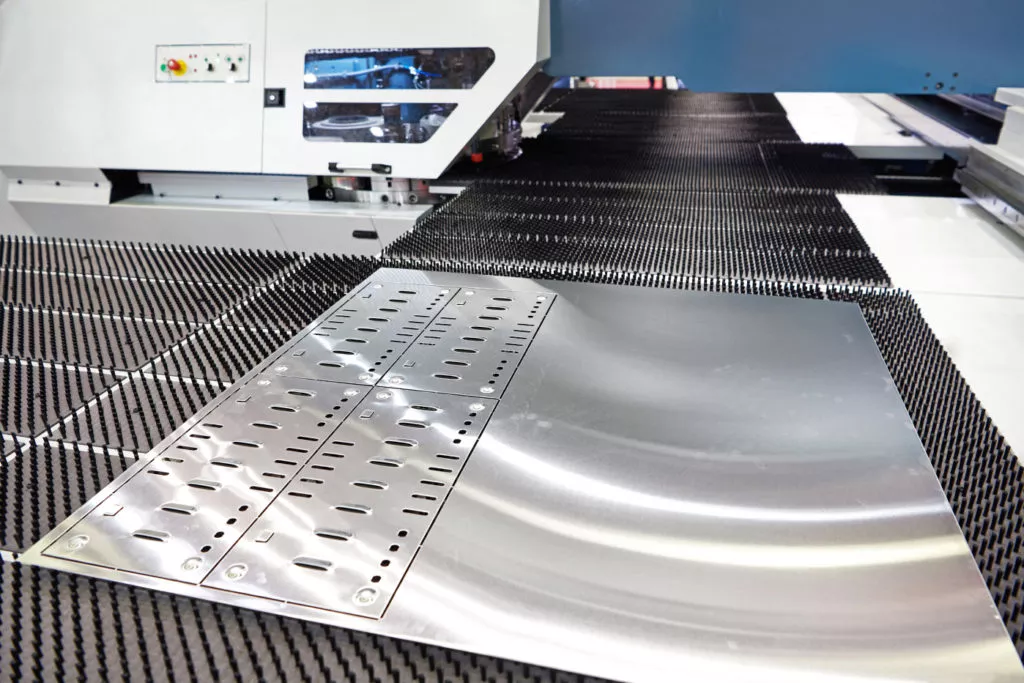
Scenarios: Automotive manufacturing, sheet metal processing, kitchenware and hardware production, electronics and battery industries, medical devices, and aerospace structural assembly.
How to Choose?
Choosing between laser welding and laser cladding depends not on which process is more advanced, but on your processing goals, workpiece type, and actual production needs.
- Look at Processing Purpose: If you need a high-strength connection between two or more metal parts, choose the laser welding process; if the goal is to repair worn parts, strengthen surface properties, or extend part life, the laser cladding process is more suitable.
- Look at Workpiece Value: For high-value parts like molds, aerospace components, and mining equipment, using laser cladding reduces overall replacement costs; whereas sheet metal, structural parts, and mass-produced products are better suited for laser welding.
- Look at Production Mode: Laser welding is suitable for large-scale, automated, high-efficiency production scenarios; small-batch, high-value-added part repair is better suited for laser cladding.
- Look at Budget Cost: Laser welding has relatively lower initial equipment investment and operating costs; although the initial investment for laser cladding is higher, it offers higher economic value in terms of remanufacturing and long-term maintenance.
In the choice of laser cladding vs laser welding, choose laser welding for “precision connection” and laser cladding for “surface repair, strengthening, and remanufacturing.”
Conclusion
Through this comprehensive analysis of laser cladding vs laser welding, it is clear that although both are laser processing technologies, they differ significantly in processing principles, application purposes, material requirements, equipment configurations, and applicable scenarios. The laser welding process is suitable for high-precision metal connections, while the laser cladding process focuses on surface repair, performance enhancement, and remanufacturing applications.
Kempson is a world-renowned laser equipment manufacturer and supplier, with a professional technical team to provide corresponding solutions for you. If you are looking for a laser processing solution suitable for your industry, please contact us. We will provide professional equipment recommendations and customized plans based on your materials, process requirements, and application scenarios.
FAQ
What is the difference between laser welding and laser cladding?
Laser welding joins metal parts together, while laser cladding adds a material layer to repair or enhance a component surface.
Which is better: laser cladding vs welding?
Neither is universally better. Laser welding is ideal for metal joining, while laser cladding is better for surface repair, wear resistance, and remanufacturing.
What materials can be used in the laser cladding process?
Common cladding materials include nickel-based alloys, cobalt-based alloys, iron-based alloys, tungsten carbide, and metal composite powders.
What industries use laser cladding applications in manufacturing?
Laser cladding is widely used in aerospace, mining, mold repair, oil & gas, heavy machinery, and industrial remanufacturing.
Is laser cladding stronger than traditional welding?
Laser cladding is not intended to replace structural welding but provides stronger surface properties, such as wear and corrosion resistance, compared with traditional surface repair methods.
What are the advantages of laser cladding?
The main advantages of laser cladding include improved wear resistance, corrosion protection, lower material waste, component repair capability, and longer service life.
What is the difference between a laser welding machine and a laser cladding machine?
A laser welding machine focuses on precision metal joining, while a laser cladding machine uses powder or wire feeding systems for surface deposition and restoration.
Is laser welding suitable for thick materials?
Laser welding is generally more suitable for thin to medium-thickness materials, while thicker or worn components often benefit more from laser cladding solutions.