Table of Contents
Introduction
Electronic products are becoming smaller, lighter, and more integrated, which puts higher demands on welding processes. Traditional welding methods can generate excessive heat, cause part deformation, or affect sensitive components, making them less suitable for precision electronic manufacturing.
This article explains how a Laser Welding Machine for Electronics works, where it is used, and what materials it can weld. We will also cover its key advantages, common welding challenges, and factors to consider when choosing a suitable machine for electronic manufacturing. Based on our experience in laser welding solutions, we will share practical insights to help manufacturers select the right equipment for different production needs.
What Is a Laser Welding Machine for Electronics?
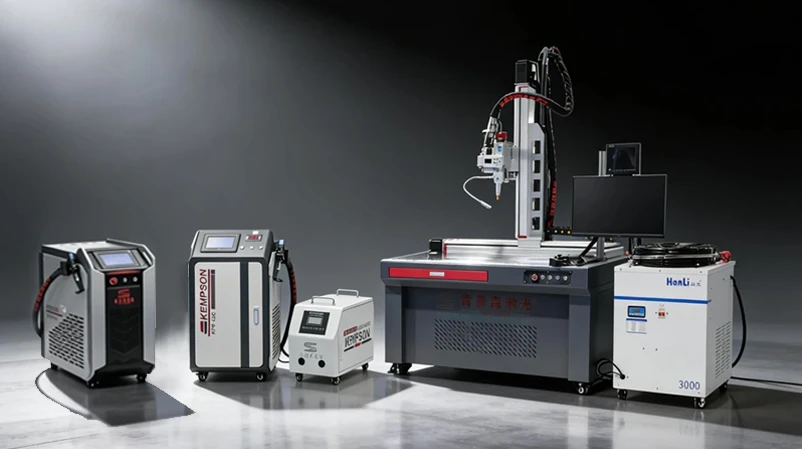
A Laser Welding Machine for Electronics uses a high-energy laser beam to melt and join metal parts in a controlled area. The non-contact process provides accurate beam positioning, low heat input, and a small welding area, which makes it suitable for precision electronic components. Electronic parts are usually small, thin, and sensitive to heat. Battery tabs, connectors, terminals, sensors, and metal housings require reliable weld strength and stable electrical performance. Laser welding is widely used for these applications because it delivers precise welds with less thermal impact than conventional welding methods.
During welding, the laser beam focuses on the joint area and creates a molten pool between the materials. As the laser moves, the molten metal cools and forms the final weld joint. The equipment can also be connected with vision systems and automated lines for production.
Applications of Laser Welding Machines for Electronics
Laser welding is used in electronics production for parts that need accurate welding, low heat input, and stable joint quality. Common applications include battery assemblies, electrical connections, precision components, and sealed metal housings.
Electronic Connector and Terminal Welding
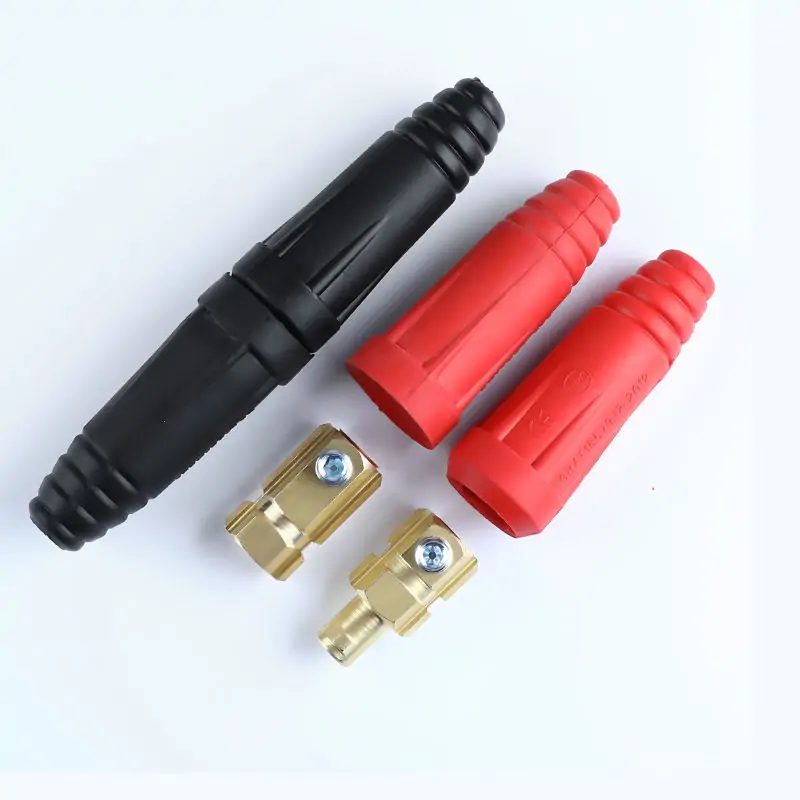
Connectors, pins, terminals, and wire assemblies are widely welded by laser in electronic products.
These components usually have small contact areas and strict requirements for connection strength and conductivity. Laser welding creates narrow weld seams with accurate positioning, making it suitable for repeated production of small metal parts.
Sensor and Precision Component Welding
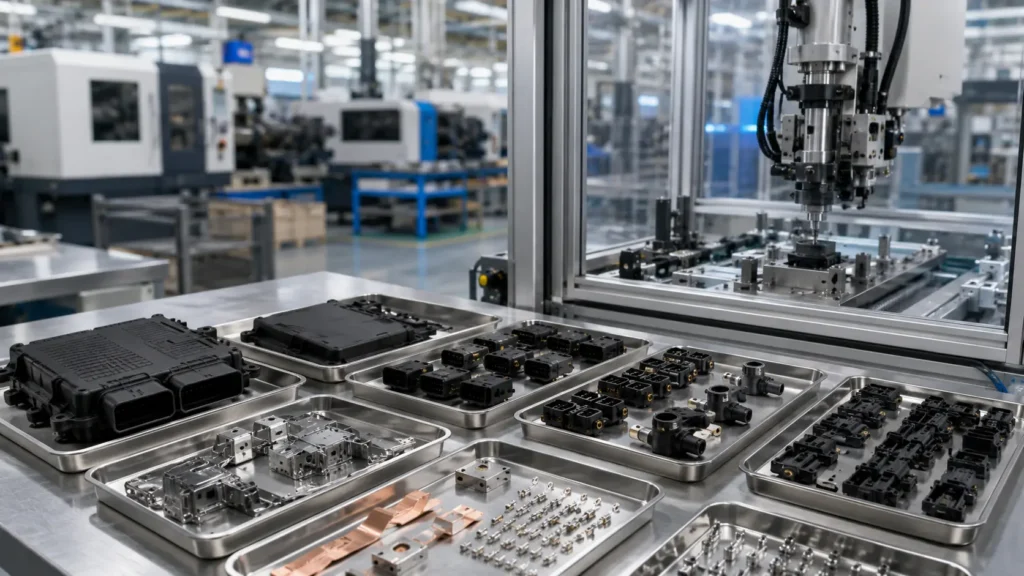
Laser welding is used for sensors, MEMS components, and small metal housings where welding accuracy is critical.
Many precision components contain heat-sensitive structures. Low heat input and focused welding reduce the risk of affecting internal parts during assembly.
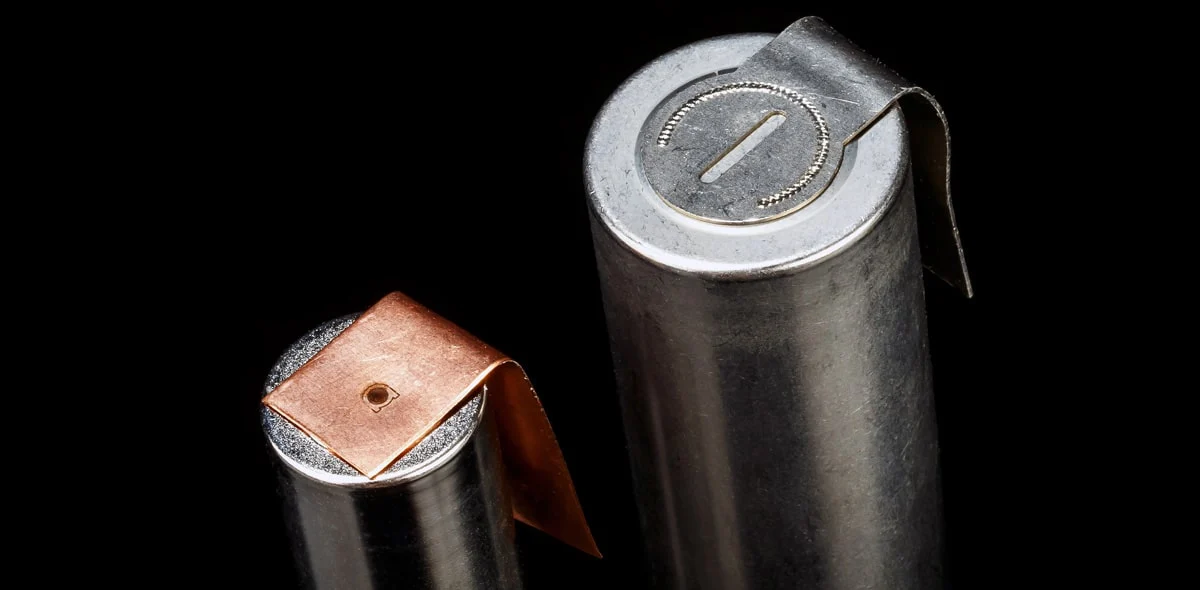
Battery Component Welding
Laser welding is commonly used for battery tabs, busbars, battery terminals, and battery modules.
Battery parts often use copper and aluminum, which are sensitive to welding heat. A laser welding machine concentrates the laser energy on the joint area, controlling heat spread during the welding process. This prevents excessive heat transfer to battery cells.
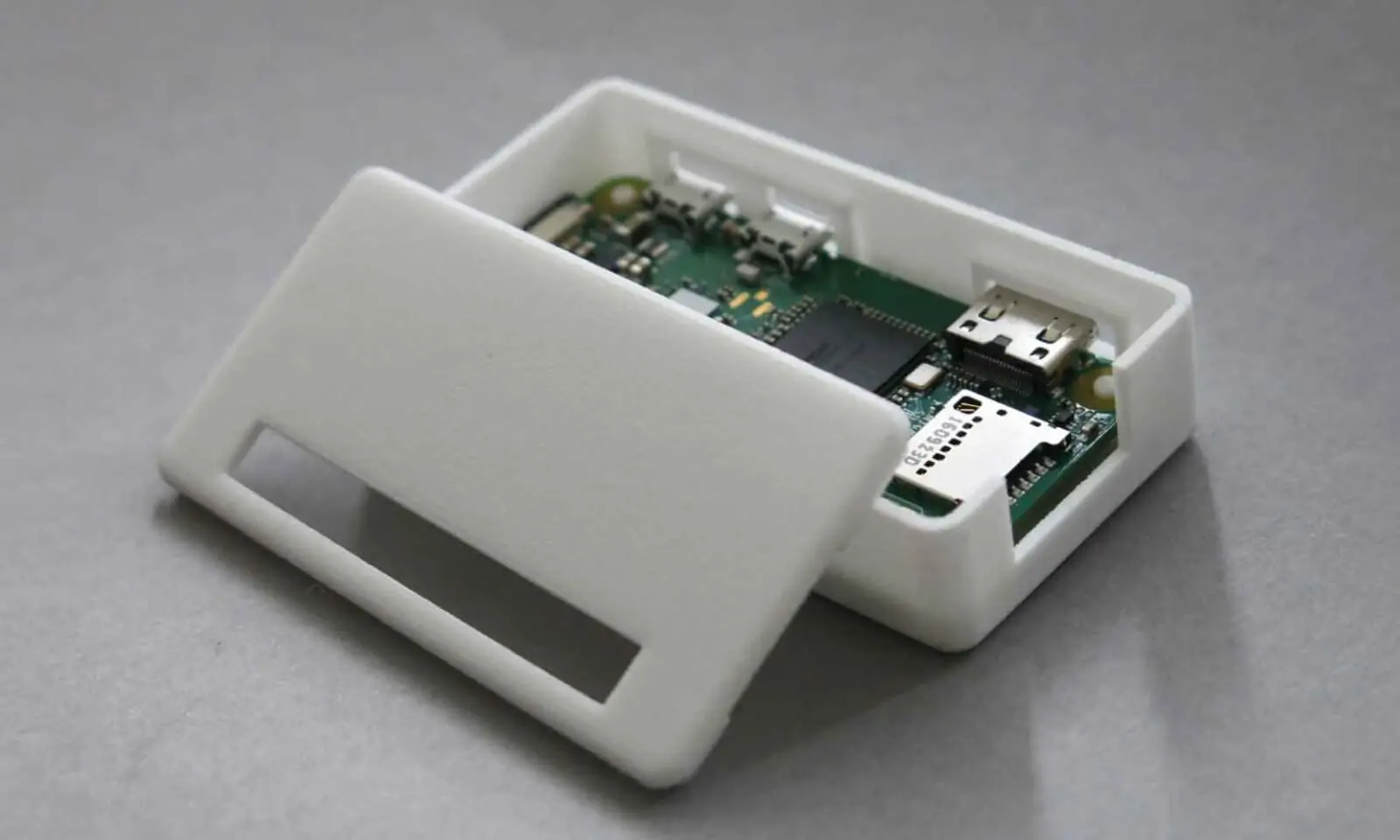
Electronic Housing and Sealing
For battery covers, electronic enclosures, and waterproof housings, laser welding is used to create sealed metal joints.
Continuous laser welding creates narrow and uniform weld seams on battery covers, electronic enclosures, and waterproof housings. The sealed joints improve protection against dust and moisture for electronic products used in demanding environments.
What Materials Can Electronics Laser Welding Machines Weld?
Electronics laser welding machines are mainly used for welding conductive metals and precision metal parts. Common materials include stainless steel, copper, aluminum, and nickel alloys, which are widely used in batteries, connectors, sensors, and electronic housings.
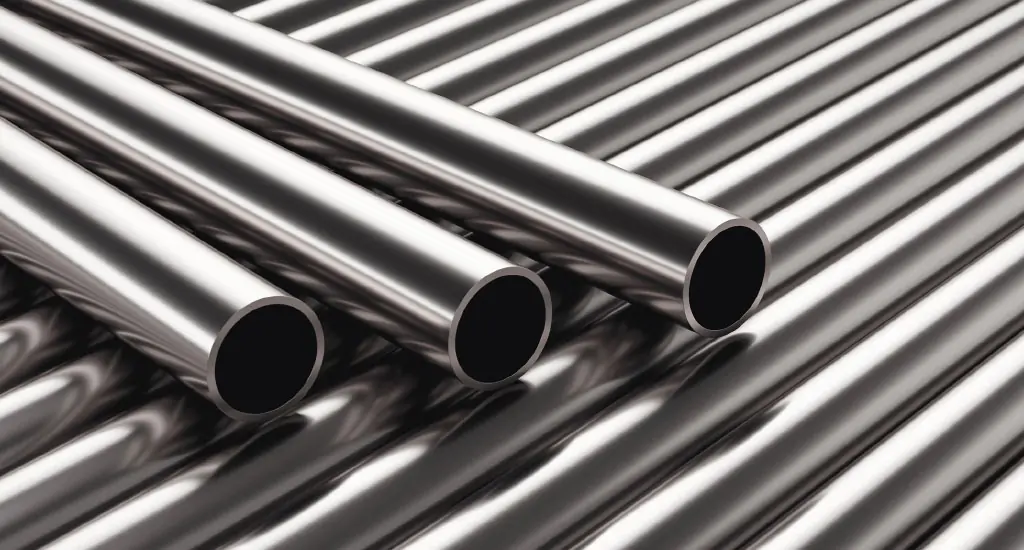
Stainless Steel
Stainless steel is commonly used for electronic housings, sensor parts, and precision components. It offers stable welding performance and is suitable for parts requiring clean welds and corrosion resistance.
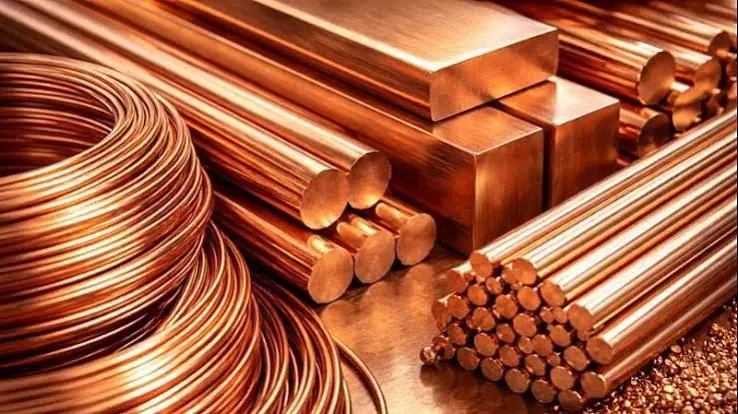
Copper
Copper is widely used in battery tabs, busbars, terminals, and connectors due to its high electrical conductivity. Because copper has high thermal conductivity and reflectivity, laser power and welding parameters need accurate control.
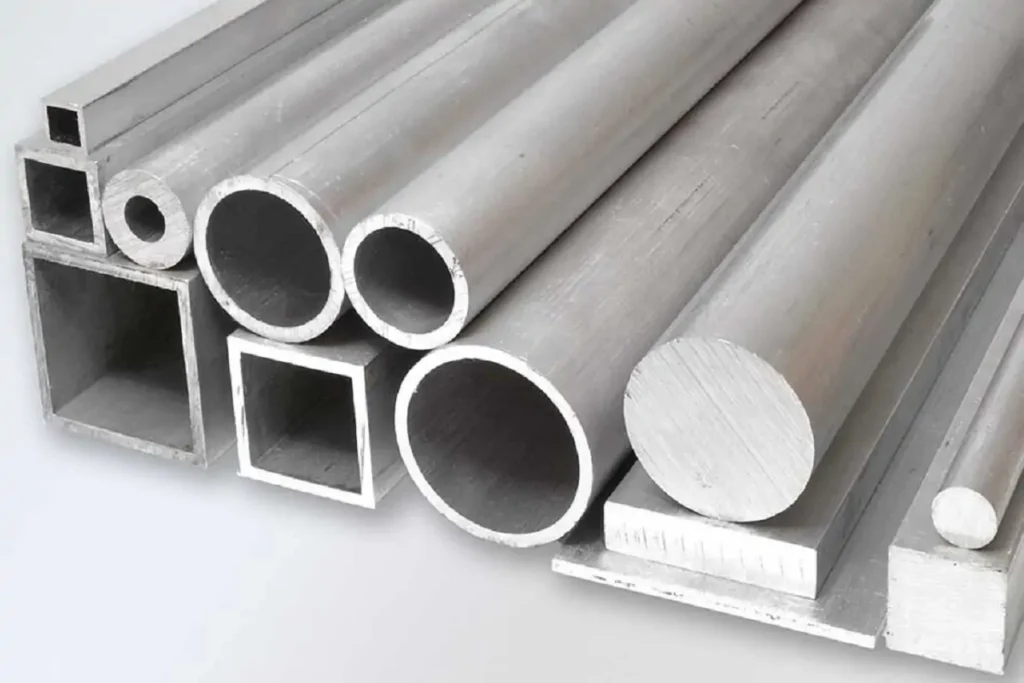
Aluminum
Aluminum is used in battery structures, lightweight housings, and electronic components. Laser welding provides precise heat control for aluminum parts with different thicknesses and alloy types.
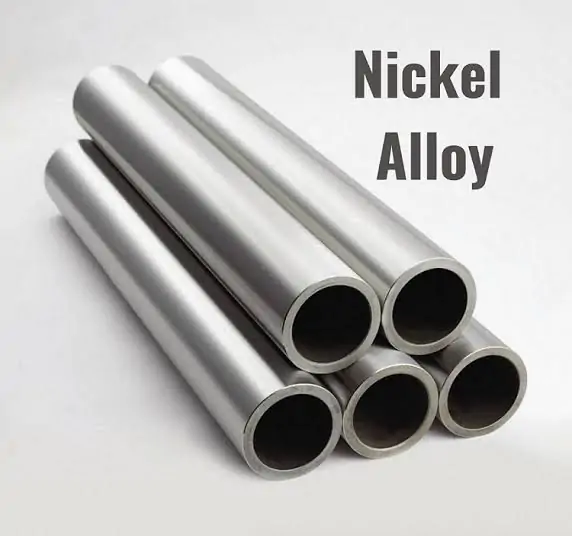
Nickel
Nickel materials are commonly found in battery tabs and electrical contact parts. They are suitable for laser welding due to their corrosion resistance and stable performance in electrical applications.
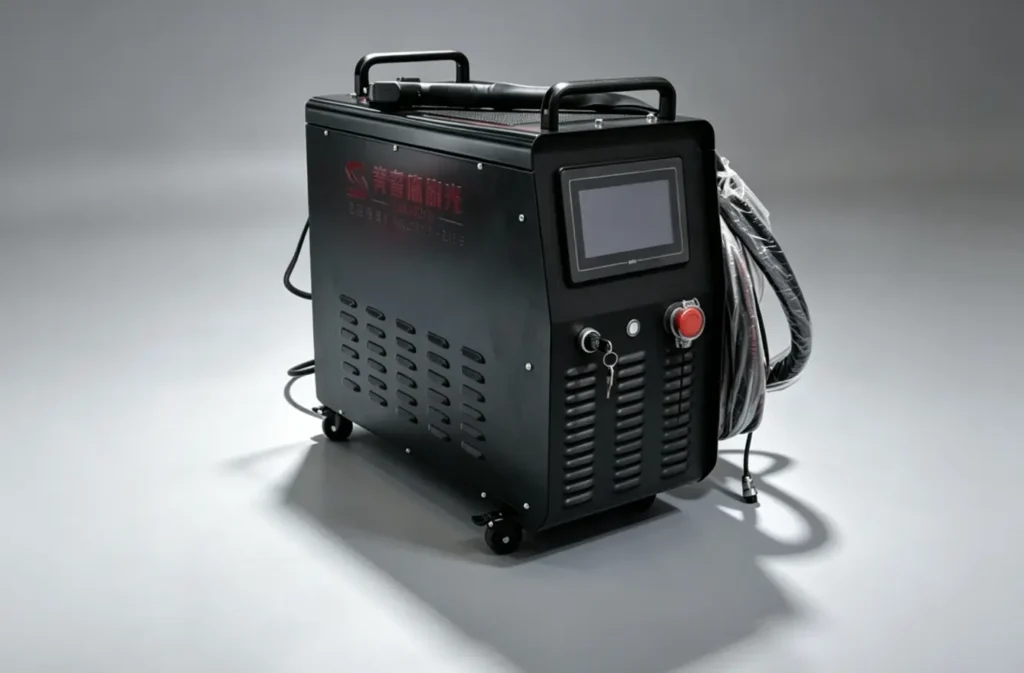
Kempson laser welding machines support welding of stainless steel, copper, aluminum, nickel, and other metal materials with power options from 1500W to 6000W for different electronic manufacturing requirements.
Why Use Laser Welding for Electronics Manufacturing?
- High Welding Accuracy — The focused laser beam allows precise welding of small parts and narrow joints, which is suitable for compact electronic components.
- Low Heat Input — Laser welding limits heat spread during processing, reducing deformation and thermal impact on sensitive components.
- Strong and Reliable Joints — The welded joints provide stable mechanical strength and electrical conductivity for connectors, battery parts, and electronic assemblies.
- High Production Consistency — Laser parameters can be controlled accurately, making the process suitable for automated production with repeatable weld quality.
Laser Welding vs Traditional Welding Methods for Electronics
Different welding methods have different limitations in electronics manufacturing. Laser welding is often selected for small, heat-sensitive components that require precise control and stable weld quality.
| Welding Method | Limitations | Laser Welding Advantage |
|---|---|---|
| Soldering | Uses filler materials and may have lower heat resistance and mechanical strength | Creates direct metal bonding without solder, suitable for high-reliability connections |
| Resistance Welding | Larger heat-affected area and limited access for small components | Provides localized heating and better control for precision parts |
| Ultrasonic Welding | Limited material compatibility and joint design options | Suitable for a wider range of metal materials and complex structures |
| Manual Welding | Depends on operator skill and has lower production consistency | Supports automated control with stable welding parameters and repeatable results |
Laser welding is preferred for electronic manufacturing when components require small weld areas, accurate positioning, low heat impact, and consistent production quality.
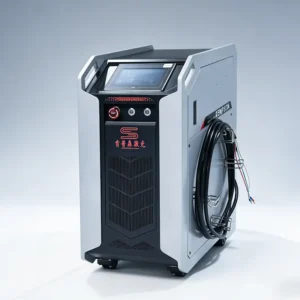
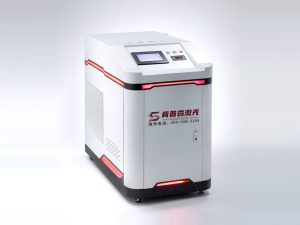
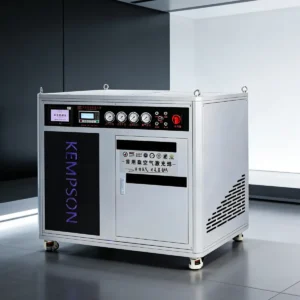
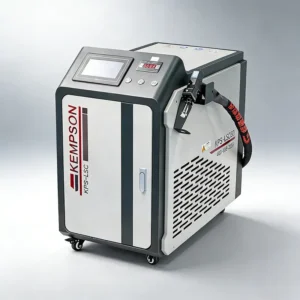
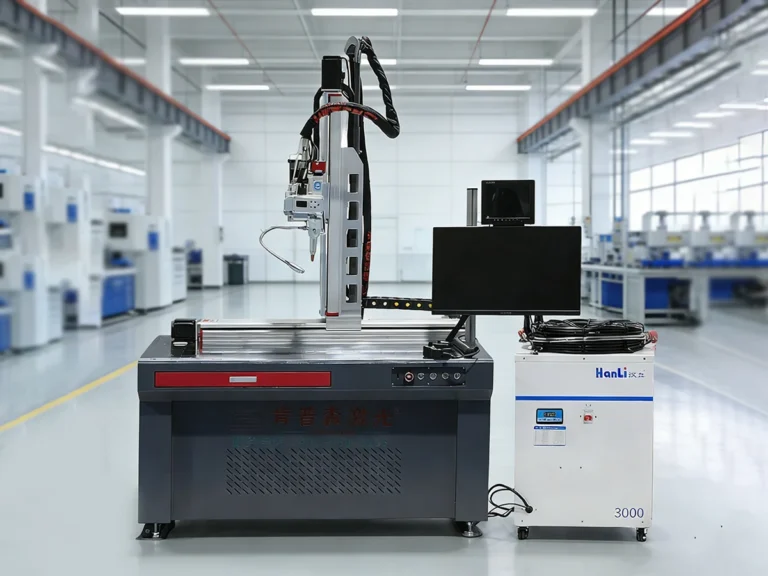
Recommended Laser Welding Machines
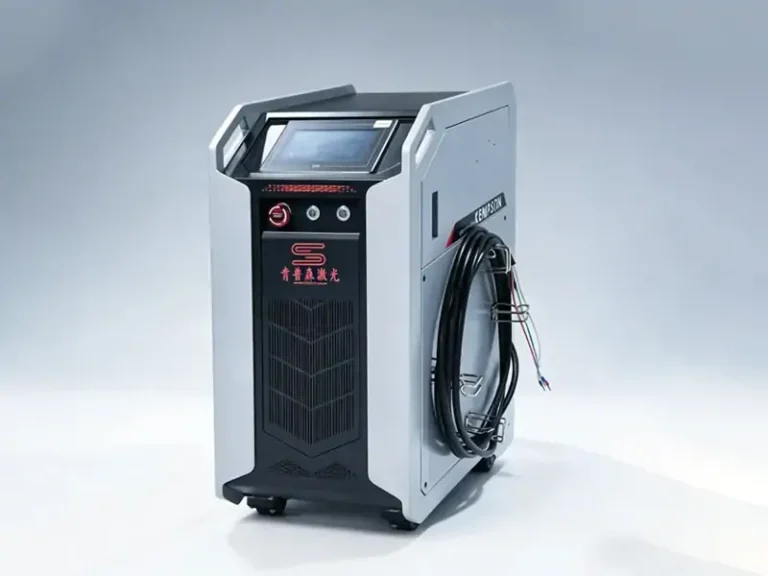
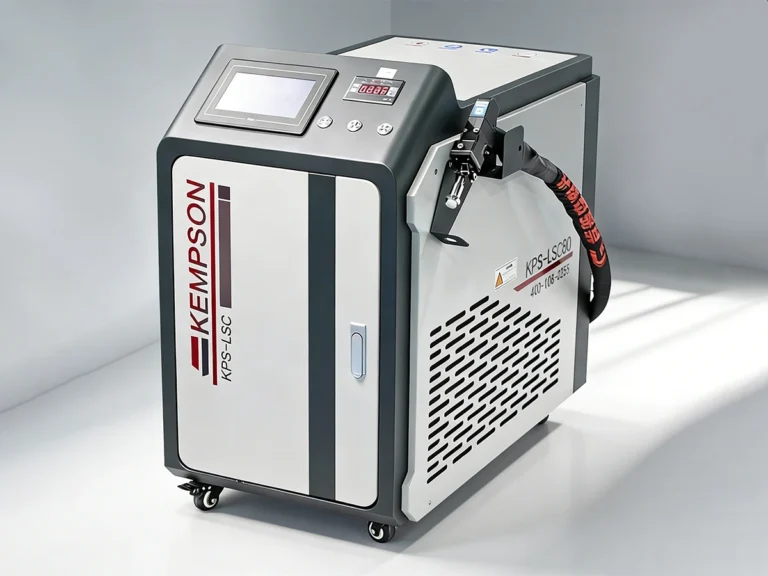
How to Choose a Laser Welding Machine for Electronics?
When selecting a laser welding machine for electronics, consider the material, component structure, production requirements, and welding accuracy.
- Welding Material: Check the metals being welded, such as stainless steel, copper, aluminum, or nickel. Different materials require different laser power and welding parameters.
- Laser Power: Choose the power based on material thickness, weld depth, and production speed. Common options for electronics applications range from low-power precision welding to higher-power systems for battery and structural parts.
- Welding Accuracy: Consider beam quality, positioning accuracy, and control systems, especially for small components and narrow weld areas.
- Automation Requirements: Select equipment based on production needs, including manual operation, CNC welding, vision systems, and fully automated lines.
Choosing the right laser welding machine depends on the material, weld size, production volume, and automation level.
Common Challenges in Electronics Laser Welding
Laser welding is widely used for electronic components, but some materials and production conditions require careful process control. Copper welding, heat-sensitive parts, and mass production consistency are common challenges manufacturers need to consider.
Copper Welding Difficulty
Problem: Copper has high electrical conductivity and high laser reflectivity, which can reduce laser energy absorption during welding.
Solution: Adjust laser power, welding speed, and focus position according to the material thickness and joint design to maintain stable weld penetration.
Thermal Damage to Sensitive Components
Problem: Many electronic parts are small and heat-sensitive. Excessive heat may affect nearby components or change material properties.
Solution: Use proper laser parameters and precise beam control to limit heat spread during welding.
Weld Quality Consistency
Problem: In mass production, changes in positioning or welding parameters may cause differences in weld strength and appearance.
Solution: Apply accurate fixtures, vision systems, and automatic parameter control to keep welding results consistent.
Stable weld quality depends on the right laser power, welding parameters, and machine configuration.
Conclusion
A Laser Welding Machine for Electronics is widely used for battery components, connectors, sensors, and electronic housings that require precise welding and controlled heat input. The right machine configuration depends on the material, component design, weld requirements, and production volume.
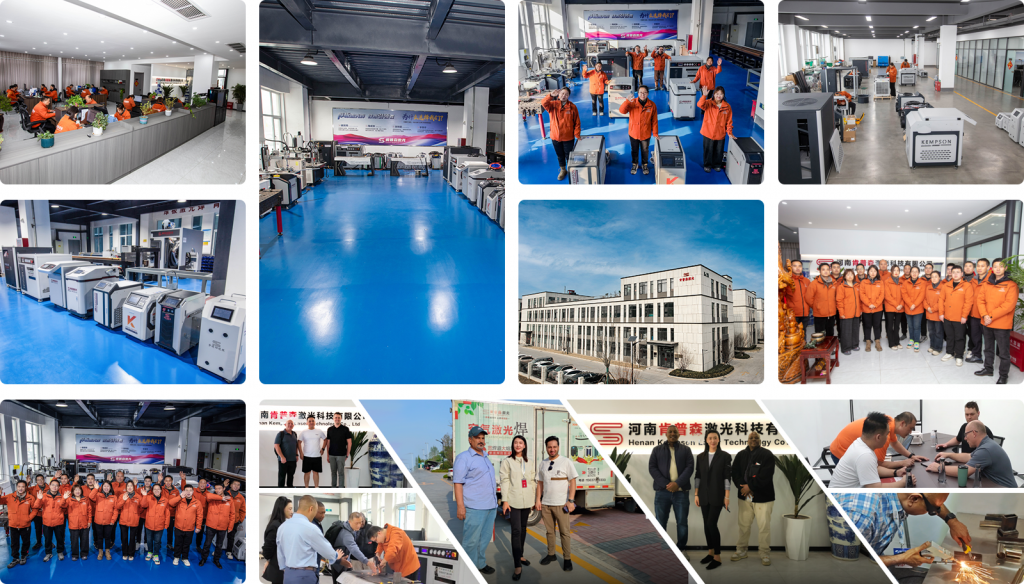
KEMPSON provides laser welding machines from 1500W to 6000W for different electronic manufacturing applications, with options including fiber laser sources, precision welding heads, vision systems, and automation configurations. Contact us to discuss your welding requirements and find a suitable laser welding solution for your production needs.
FAQ
What is a laser welding machine for electronics?
A laser welding machine for electronics uses a focused laser beam to join metal parts through localized melting. It is used for welding battery components, connectors, terminals, sensors, and electronic housings that require precise joints and controlled heat input.
Can laser welding be used for electronic components?
Yes. Laser welding is widely used for electronic components such as connectors, battery tabs, terminals, sensors, and small metal assemblies. The process provides accurate welding with a small heat-affected area.
What materials can electronics laser welding machines weld?
Electronics laser welding machines can weld common metals including copper, aluminum, stainless steel, and nickel alloys. Material thickness and joint design determine the suitable laser parameters.
Is laser welding better than soldering for electronics?
Laser welding creates a direct metal-to-metal connection without solder materials. Compared with soldering, it provides stronger joints, lower thermal impact, and better performance in applications requiring high reliability.
Can laser welding machines weld battery components?
Yes. Laser welding is commonly used for battery tabs, busbars, terminals, and battery module connections. It provides stable joints for conductive materials such as copper and aluminum.
What laser power is needed for electronics welding?
The required laser power depends on material type, thickness, weld depth, and production requirements. Thin precision parts may use lower power systems, while thicker battery structures require higher power configurations.
Does laser welding damage electronic components?
Laser welding uses focused energy to limit heat transfer during welding. Proper laser settings and process control reduce the risk of thermal damage to nearby electronic components.
Can laser welding machines be integrated into automatic production lines?
Yes. Laser welding machines can be integrated into automatic production lines with systems for positioning, parameter control, and process monitoring to support high-volume manufacturing.