Table of Contents
Introduction
Laser welding wire feeding speed controls the amount of filler wire entering the weld pool during the welding process. The setting affects wire melting, weld bead shape, penetration depth, and welding stability. Proper speed selection is required for different materials, wire diameters, and welding conditions.
This article covers the working principle of laser welding wire feeding speed, key factors affecting parameter settings, common adjustment methods, and typical welding issues. I will also share practical points for choosing wire feeding parameters based on laser power, material type, and production requirements.
What Is Laser Welding Wire Feeding Speed?
Laser welding wire feeding speed refers to the speed at which filler wire enters the molten pool during welding. It is usually measured in mm/min, cm/min, or m/min. The parameter controls the amount of filler metal added to the weld and affects weld bead size, penetration, and material filling.
The wire feeding speed needs to match laser power and welding speed. A high feeding speed may cause incomplete melting, wire pushing, or spatter, while a low speed can lead to insufficient filling. Common settings range from 1–8 m/min for thin sheet welding, with higher speeds used for high-deposition applications.
How Does Wire Feeding Speed Affect Laser Welding?
Wire feeding speed determines how much filler wire enters the weld pool and affects the final weld shape, penetration, and welding performance.
Weld Width and Formation
Wire feeding speed controls the amount of filler metal entering the molten pool and directly affects weld size. Increasing the speed can increase weld width and reinforcement height, while excessive speed may cause poor fusion and unstable weld formation.
Droplet Transfer and Porosity
The wire feeding speed affects droplet transfer behavior and molten pool stability. A suitable speed helps maintain stable metal transfer and reduce porosity. For titanium alloy welding, a wire feeding speed around 9 m/min achieved a lower porosity rate of about 0.34% in specific processes.
Mechanical Properties and Joint Structure
Wire feeding speed affects dilution, intermetallic compound formation, and joint strength in dissimilar metal welding. In aluminum-steel welding, improper speed can increase brittle intermetallic compounds and raise crack risk.
Parameter Matching and Process Control
The suitable wire feeding speed depends on laser power, welding speed, material, and wire diameter. For Al-Li-Er alloy laser welding, a wire feeding speed of 2–3 m/min with 3 kW laser power and 3 m/min welding speed provided good joint performance.
Weld Quality Optimization
Wire feeding speed should be adjusted with other welding parameters to maintain stable penetration and weld appearance. Different materials require different parameter combinations to achieve consistent results.
The right wire feeding speed keeps the weld process stable and produces consistent weld results.
Factors Affecting Laser Welding Wire Feeding Speed
Laser welding wire feeding speed is affected by several welding conditions, including laser power, wire size, material, and joint design.
- Laser Power: Laser power determines the melting capacity of the weld pool. Higher power can support higher wire feeding speeds.
- Wire Diameter: Larger wire diameters require more heat input and different feeding speed settings.
- Material Type: Different materials have different melting points and thermal conductivity, affecting wire feeding requirements.
- Welding Speed: Wire feeding speed should match the travel speed to maintain proper filler metal supply.
- Plate Thickness: Thicker materials usually require more filler wire and higher deposition rates.
- Joint Gap: Larger gaps need more wire input to fill the welding area.
Matching wire feeding speed with welding parameters helps maintain proper filler input and stable weld quality.
Common Wire Feeding Equipment
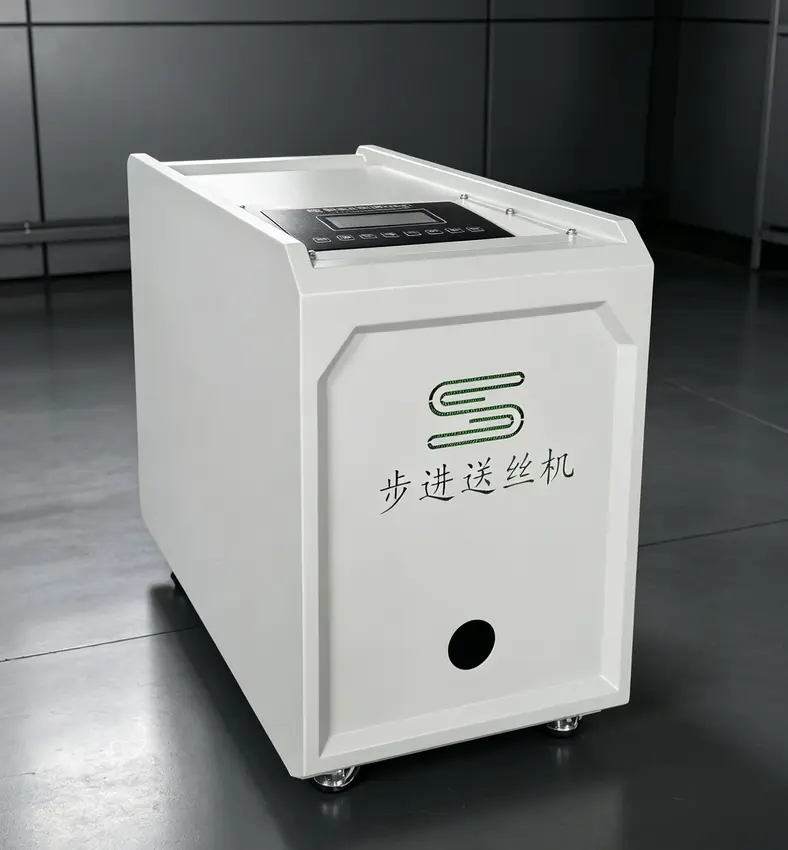
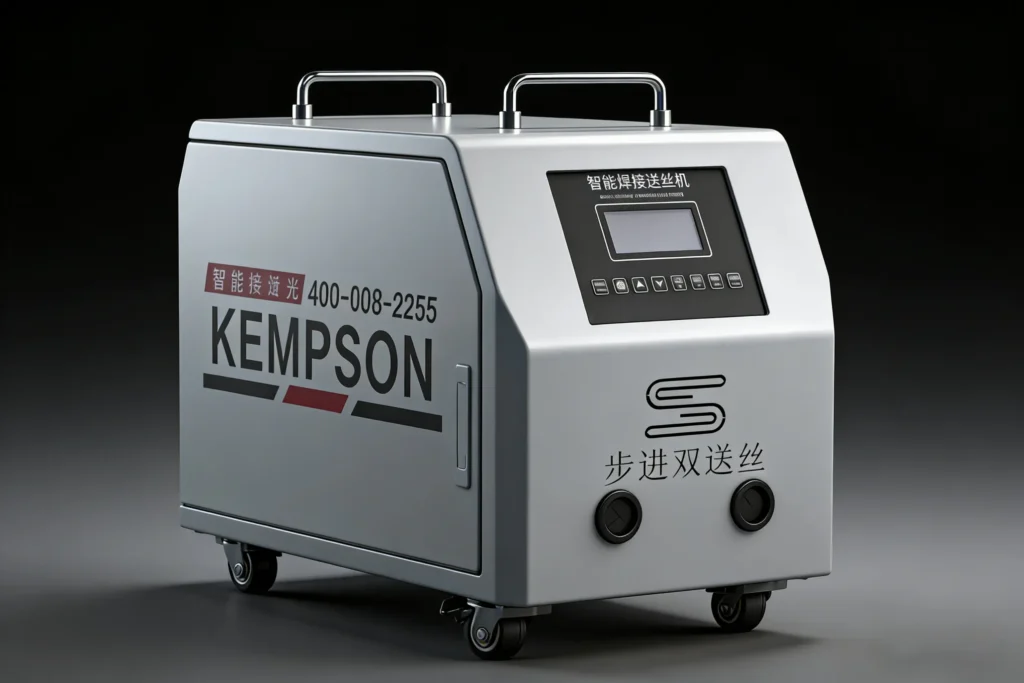
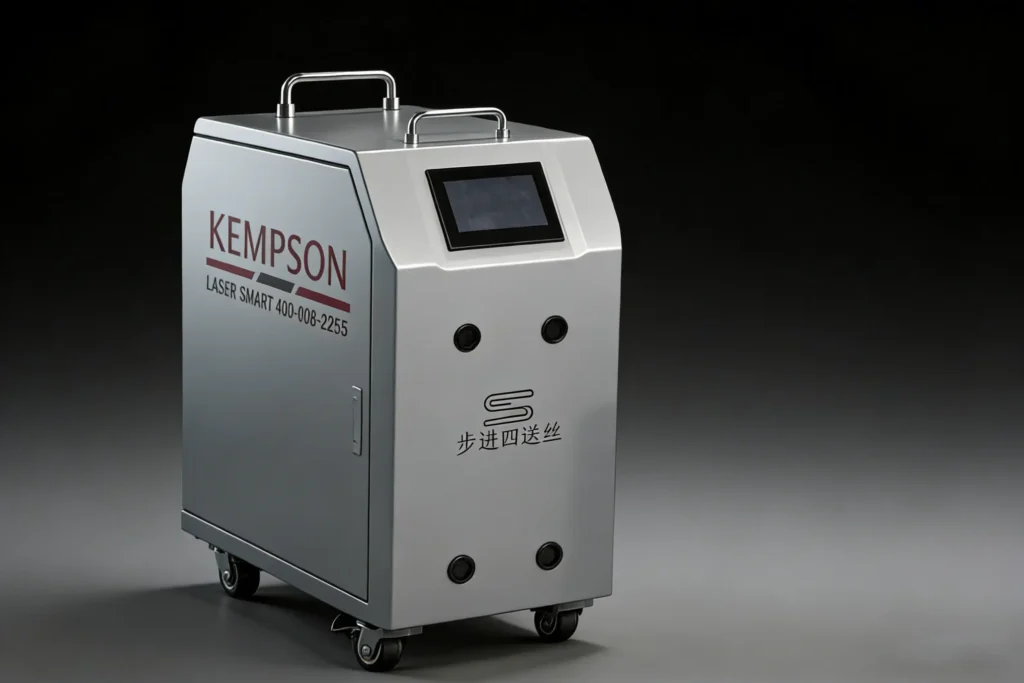
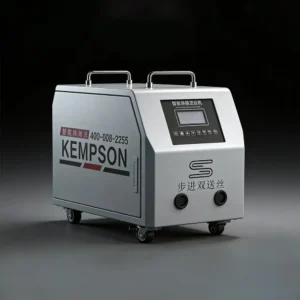
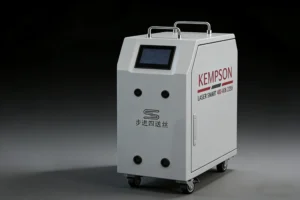
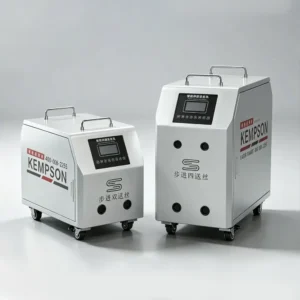
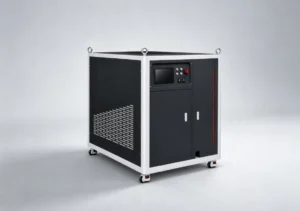
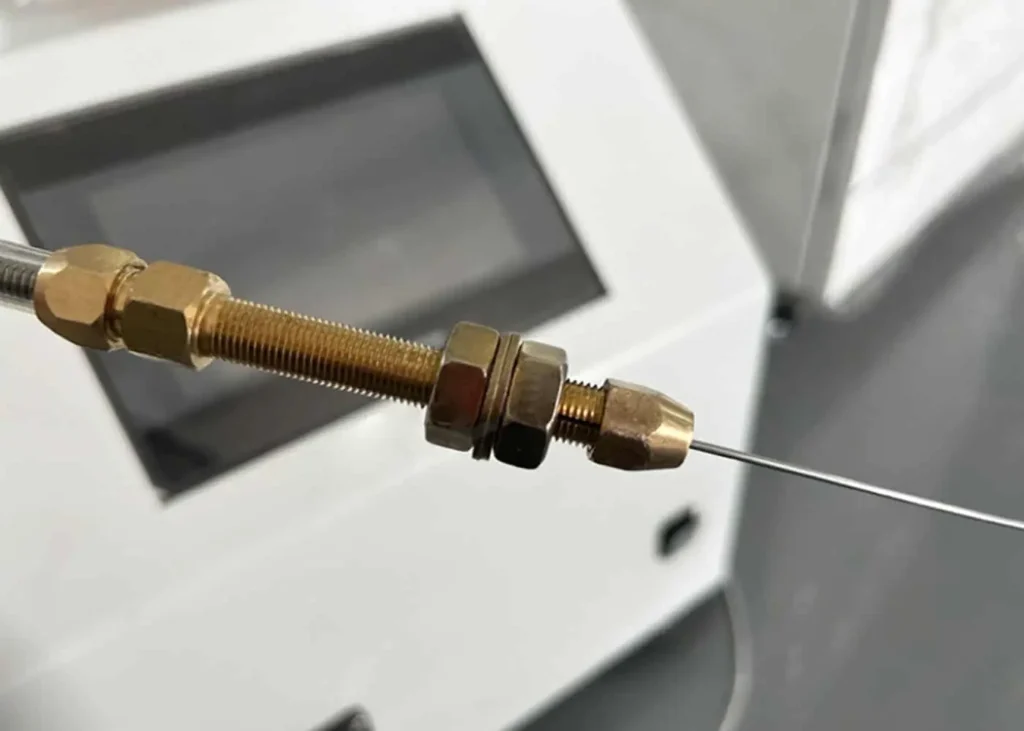
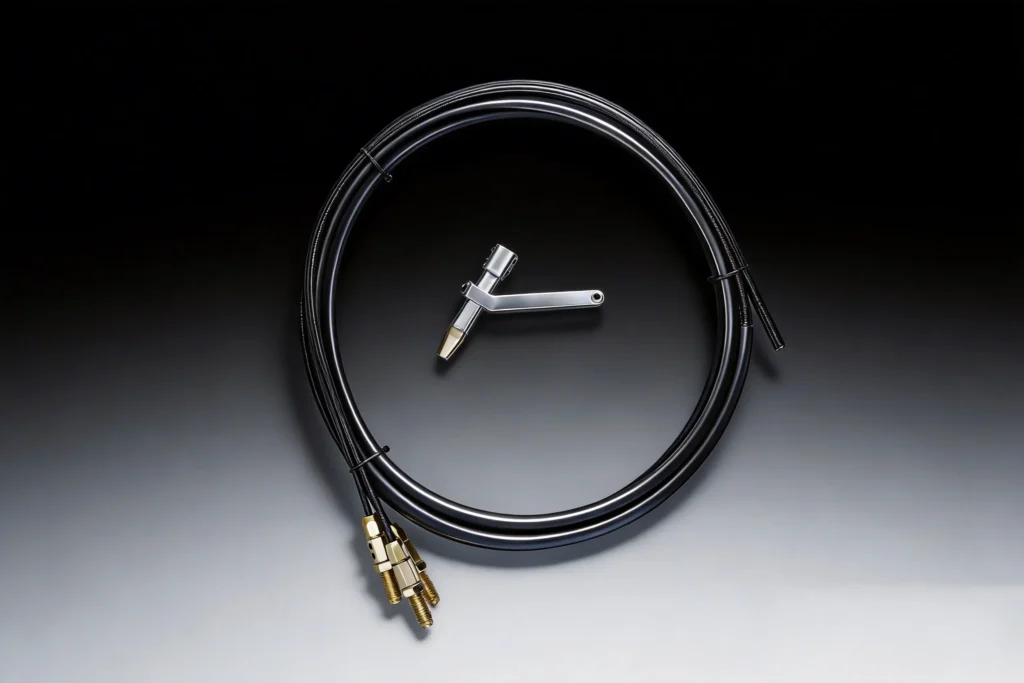
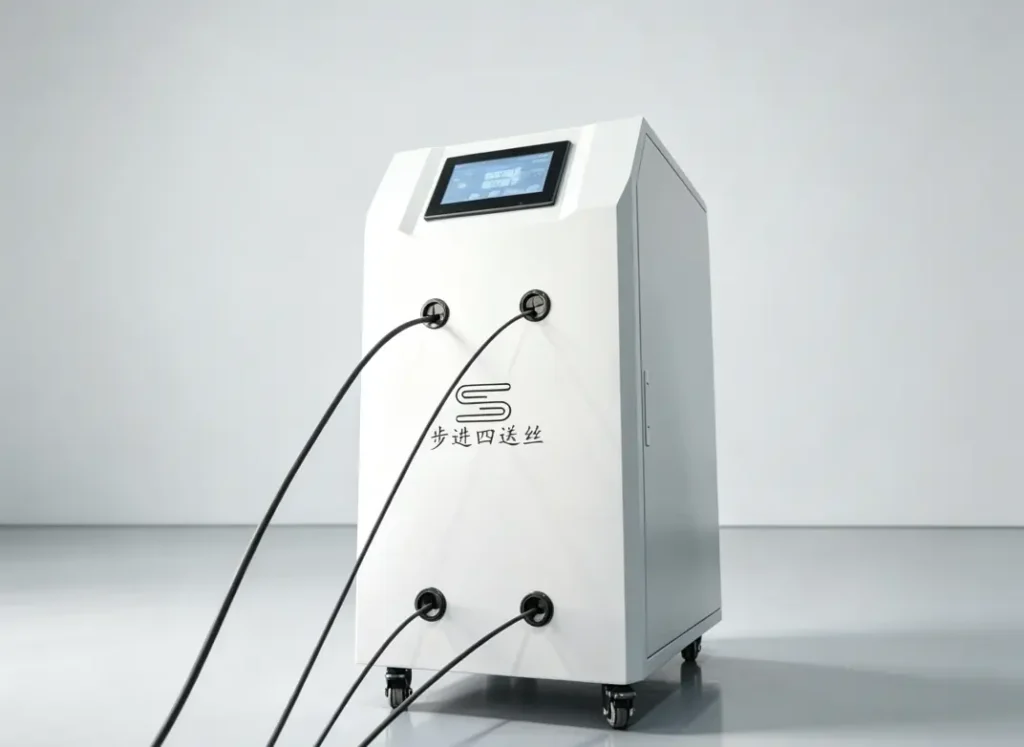
The wire feeder allows you to switch between single-wire and dual-wire modes. To learn about the difference between single-wire and dual-wire feeding, see the article: “Single vs. Dual Wire Feeding for Laser Welding: What’s the Difference?”
How to Set the Right Laser Welding Wire Feeding Speed?
Wire feeding speed depends on laser power, wire diameter, material, plate thickness, and welding speed. The setting controls filler wire input and affects weld bead shape, penetration, and welding quality.
1. Match Wire Feeding Speed with Laser Power
Laser power determines the heat available for wire melting. Higher power levels can support higher wire feeding speeds. Low power with excessive wire feeding may cause incomplete melting.
2. Check Weld Bead Condition
- Low wire feeding speed: Insufficient filler metal, narrow weld bead, or poor gap filling.
- High wire feeding speed: Excess filler metal, unstable melting, spatter, or incomplete fusion.
3. Adjust According to Material and Joint Gap
Aluminum, stainless steel, titanium, and other materials have different melting characteristics. Larger gaps and thicker plates require more filler wire to fill the joint.
4. Match Welding Speed and Wobble Parameters
Wire feeding speed should be adjusted with travel speed, wobble width, and oscillation frequency. Incorrect matching can affect penetration and weld consistency.
5. Test and Fine-Tune Parameters
Start with recommended welding parameters and adjust based on weld appearance, penetration depth, and section inspection.
Reference Parameters:
| Material | Laser Power | Welding Speed | Wire Feeding Speed |
|---|---|---|---|
| Al-Mg Alloy | 2.4 kW | 3 m/min | 2 m/min |
| Al-Li-Er Alloy | 3.0 kW | 3 m/min | 2–3 m/min |
| Titanium Alloy | 3.2 kW | 0.96 m/min | 9 m/min |
The suitable wire feeding speed depends on the actual welding process and requires adjustment according to production conditions.
Common Laser Welding Wire Feeding Problems
Wire feeding problems can affect weld appearance, penetration, and production efficiency in laser welding. Common issues include unstable feeding, incomplete melting, spatter, and wire jamming.
Unstable Wire Feeding
- Cause: Unstable feeding is usually caused by worn rollers, incorrect pressure adjustment, blocked feeding tubes, or uneven wire quality.
- Solution: Check the feeding system, clean or replace worn parts, adjust roller pressure, and keep the wire path smooth.
Incomplete Wire Melting
- Cause: High wire feeding speed, low laser power, or incorrect wire position can prevent the wire from fully melting into the weld pool.
- Solution: Adjust wire speed, laser power, and wire feeding angle to match the welding process.
Excessive Welding Spatter
- Cause: Spatter often occurs when wire feeding speed does not match laser power, causing unstable droplet transfer.
- Solution: Optimize wire feeding speed, laser power, and welding speed to maintain stable melting.
Uneven Weld Bead
- Cause: Fluctuating wire feeding, inconsistent welding movement, or poor parameter settings can affect weld bead consistency.
- Solution: Check the wire feeder condition, adjust welding parameters, and maintain stable operation.
Wire Jamming
- Cause: Wire jamming may result from incorrect wire diameter, damaged feeding tubes, or excessive roller pressure.
- Solution: Use suitable wire specifications, replace damaged components, and adjust the feeding mechanism.
Regular inspection of the wire feeder and accurate parameter adjustment help maintain stable wire feeding during laser welding.
How to Feed Wire Correctly?
Match Wire Speed with Laser Power — Wire feeding speed should match the laser power to keep the filler wire melting stable. Incorrect matching can cause poor fusion, spatter, or uneven weld beads.
Select the Right Wire Diameter — Choose wire diameter according to material thickness and weld requirements. Larger wire sizes provide more filler metal, while smaller wires suit finer welding applications.
Keep Wire Feeding Stable — Check the wire feeder, rollers, and feeding tube regularly to avoid feeding fluctuation, wire slipping, or jamming during welding.
Adjust Parameters Based on Weld Results — Modify wire speed according to weld appearance, penetration, and filling condition. Weld tests help determine suitable parameters for different materials.
Match Wire Feeding With Welding Speed — Wire feeding speed and travel speed should work together to maintain consistent filler distribution and weld shape.
Use a Suitable Wire Feeder — A reliable wire feeder with accurate speed control helps maintain stable wire delivery for continuous laser welding operations.
Laser Welding Wire Feeder Selection Guide
Laser welding wire feeders are selected based on wire diameter, welding requirements, and machine configuration. The feeder performance directly affects wire delivery and weld consistency.
- Wire Diameter Range: Select a feeder according to the wire diameter used in welding. Common wire sizes include 0.8 mm, 1.0 mm, 1.2 mm, and 1.6 mm.
- Welding Application: Choose the feeder based on the welding job, such as thin plate welding, gap filling, thick plate welding, or large weld joints.
- Feeding Stability: Check the feeding accuracy and motor performance. Stable wire delivery helps keep the weld bead consistent.
- Drive Structure: The drive system affects wire pushing force and feeding smoothness. Four-drive rollers provide stronger wire feeding capability for demanding applications.
- Control Method: Digital control allows direct adjustment of wire speed and easier parameter setting during operation.
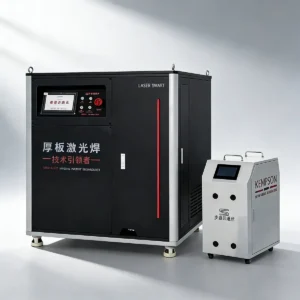
- Equipment Compatibility: Confirm the connection with the laser welding machine, welding gun, and wire specifications before purchase.
A suitable wire feeder provides stable wire feeding and better control of the laser welding process.
Conclusion
Laser welding wire feeding speed affects filler wire melting, weld bead formation, and joint quality. Proper parameter settings, stable wire feeding, and suitable equipment selection are important for different welding materials and applications.
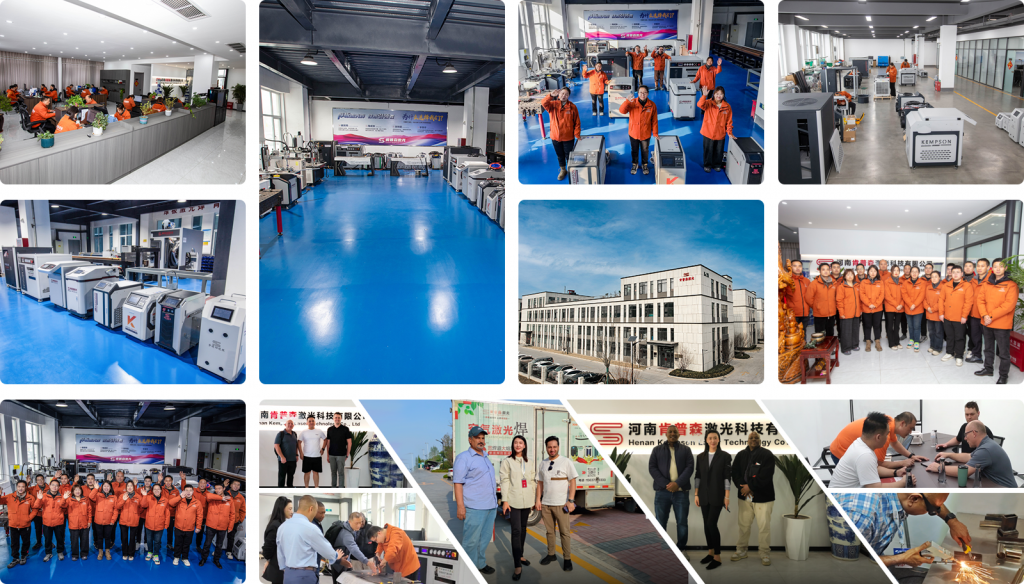
KEMPSON focuses on laser welding equipment and wire feeding solutions, providing reliable products, technical support, and after-sales service for industrial users. Contact us for laser welding solutions based on your welding requirements.
FAQ
What is laser welding wire feeding speed?
Laser welding wire feeding speed is the speed at which filler wire enters the weld pool during the welding process. It affects filler metal input, weld bead size, and weld formation.
What is the recommended wire feeding speed for laser welding?
The suitable wire feeding speed depends on laser power, wire diameter, material type, and welding speed. Common settings range from 1–8 m/min for general applications.
How does wire feeding speed affect weld quality?
Wire feeding speed affects weld width, penetration, filler distribution, and surface appearance. Incorrect speed can cause poor fusion, spatter, or uneven weld beads.
Can wire feeding speed be adjusted during welding?
Yes. Many laser welding wire feeders allow real-time speed adjustment according to welding conditions.
What happens if wire feeding speed is too high?
Excessive wire speed may cause incomplete melting, unstable droplet transfer, spatter, and poor weld formation.
What happens if wire feeding speed is too low?
Low wire speed can reduce filler metal supply, causing insufficient filling, narrow weld seams, or undercut.
What wire diameter is commonly used for laser welding?
Common laser welding wire diameters include 0.8 mm, 1.0 mm, 1.2 mm, and 1.6 mm.
Do all laser welding machines need a wire feeder?
No. A wire feeder is mainly used for welding applications that require filler wire, such as gap filling, thick plate welding, and specific material joining.