Table of Contents
Introduction
In modern manufacturing, the laser welding machine has become an essential solution for improving production efficiency, weld quality, and consistency. Many manufacturers are now evaluating automated laser welding vs handheld laser welding when upgrading their production processes, as both options offer distinct advantages depending on application requirements.
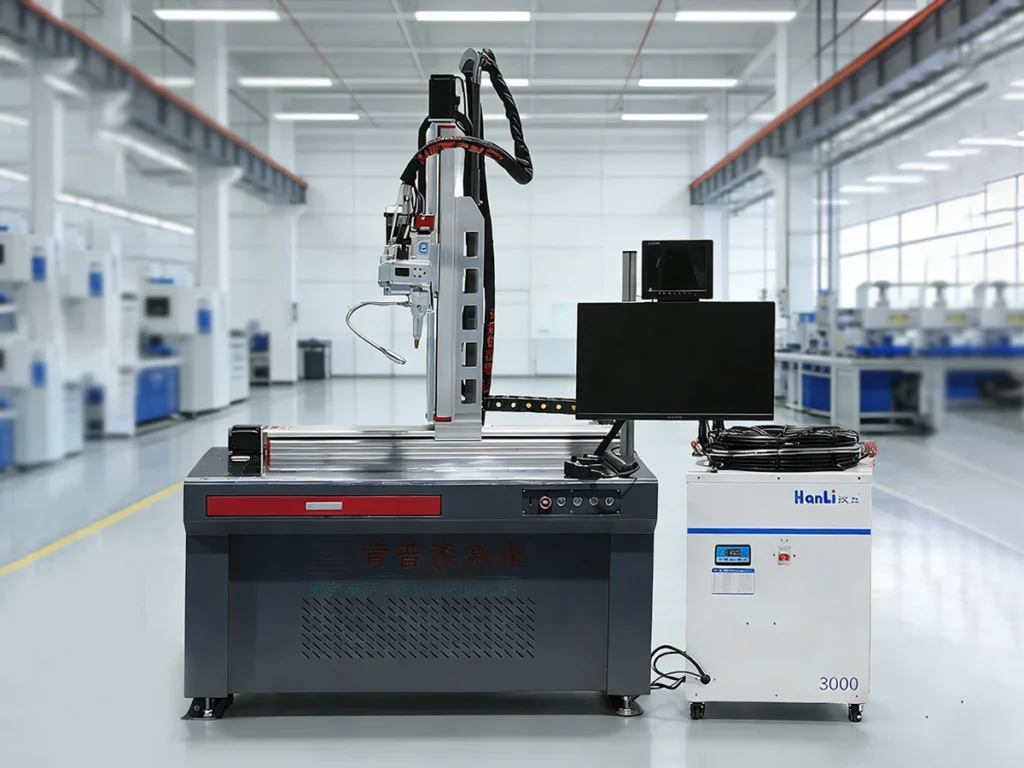
On one hand, the automated laser welding machine is widely used in high-volume production environments where precision, repeatability, and stability are critical. On the other hand, the handheld laser welding machine provides greater flexibility for small-batch production, repair work, and complex or irregular workpieces. In this article, we will compare these two solutions from multiple perspectives, including performance, cost, applications, and operational requirements, to help you make a more informed decision for your manufacturing needs.
What is Automated Laser Welding
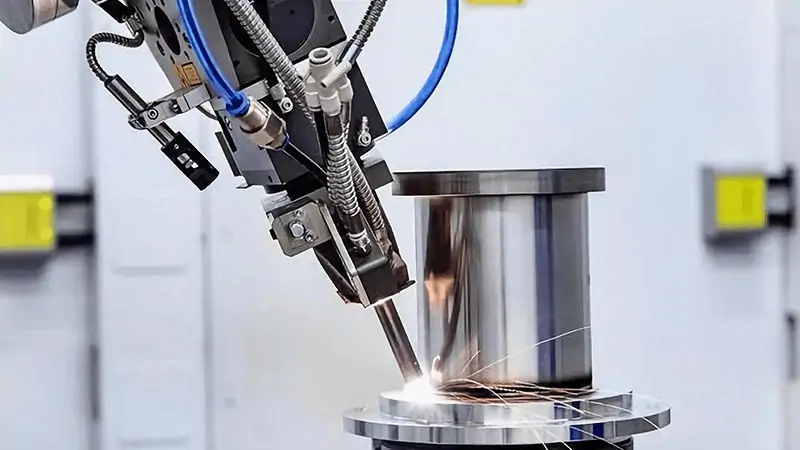
Automated Laser Welding refers to a laser welding system that integrates automation technology to perform welding tasks with minimal manual intervention. It is widely used in industrial production lines where high precision, consistency, and efficiency are required. This type of system is typically built on CNC platforms, robotic arms, or dedicated automated workstations.
The basic working process usually includes the following steps:
- The workpiece is positioned and fixed using fixtures or an automatic feeding system
- The system sets welding parameters such as power, speed, and path through CNC or programming control
- The laser beam is precisely guided to the welding seam by a robotic arm or motion platform
- The material is melted and fused under high-energy laser irradiation
- The system completes cooling and moves to the next welding cycle automatically
What is Handheld Laser Welding
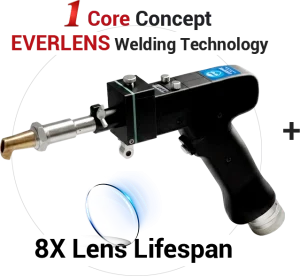
Handheld Laser Welding is a flexible laser welding method where the operator directly controls a handheld laser welding gun to perform welding tasks. It is commonly used for small-scale production, repair work, and irregular or complex workpieces that are difficult to process with fixed automation systems. Compared with automated systems, it offers greater mobility and ease of operation.
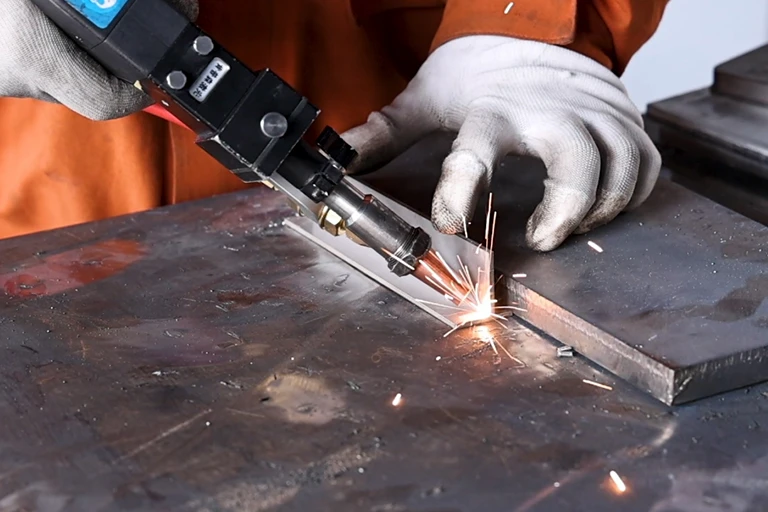
The basic working process is as follows:
- The operator prepares and positions the workpiece manually
- The laser welding machine is powered on, and parameters such as power and speed are adjusted
- The operator holds the welding gun and aligns the laser beam with the welding seam
- The laser beam melts the base material to form a weld pool and fuses the joint
- The operator moves along the weld path until the welding process is completed
Performance Comparison
When comparing automated laser welding vs handheld laser welding, the most important differences lie in how each system performs under real production conditions. These two solutions are designed for different manufacturing needs—one focused on high-volume automation and consistency, the other on flexibility and fast response to varied tasks. The following comparison highlights their key performance differences across critical operational factors.
| Performance Factor | Automated Laser Welding | Handheld Laser Welding |
| Operation mode | CNC/robotic system with programmed paths | Manual operation by welding operator |
| Operator skill requirement | Low to medium (mainly setup/programming) | Medium to high (requires welding experience) |
| Workpiece compatibility | Standardized, repeatable parts | Irregular, complex, or custom parts |
| Production capacity | High-volume, continuous production | Low to medium batch production |
| Precision & consistency | Very high and stable | Depends on operator skill |
| Welding quality | Highly uniform and controlled | Good, but may vary slightly |
| Higher safety due to an enclosed/controlled system | Smaller and well-controlled due to automation | Relatively larger and less consistent |
| Flexibility | Low (fixed setup and programming) | High (portable and adaptable) |
| Safety level | Higher safety due to enclosed/controlled system | Requires higher operator protection and awareness |
Automated laser welding systems are designed for manufacturers prioritizing efficiency, consistency, and mass production, where process stability is critical. In contrast, handheld laser welding machines are better suited for flexible operations, repair tasks, and customized fabrication work where adaptability and ease of use are more important than full automation.
Cost Analysis & ROI
When evaluating automated laser welding vs handheld laser welding, cost structure and return on investment are key factors that directly influence purchasing decisions. The two systems differ significantly in upfront investment, operating expenses, and long-term productivity benefits.
1. Initial Investment
Automated Laser Welding
- Requires a higher initial investment due to CNC systems, robotic integration, fixtures, and control systems
- Often includes a full production line setup and customization
- Suitable for manufacturers with long-term, high-volume production plans
Handheld Laser Welding
- Lower entry cost with simpler equipment structure
- Minimal setup requirements and no complex automation systems
- More accessible for small workshops or entry-level users
2. Operating Cost
Automated Laser Welding
- Lower long-term operating costs once installed
- Reduced dependency on manual labor
- Stable energy consumption and optimized process control
Handheld Laser Welding
- Moderate operating cost depending on labor usage
- Higher reliance on skilled operators
- More variability in energy use and process efficiency
3. Labor Cost Saving
Automated Laser Welding
- Significantly reduces labor requirements through automation
- One operator can manage multiple systems
- Ideal for reducing long-term workforce dependency
Handheld Laser Welding
- Requires continuous operator involvement
- Limited labor reduction benefits
- Efficiency strongly depends on operator experience
4. Productivity Gain
Automated Laser Welding
- High and consistent production output
- Suitable for continuous 24/7 manufacturing environments
- Minimizes downtime and manual interruptions
Handheld Laser Welding
- Moderate productivity depending on operator speed
- Better suited for small batch or flexible production tasks
- Output may vary based on workload and operator fatigue
5. ROI Timeline Comparison
Automated Laser Welding
- Longer initial payback period due to higher upfront cost
- Strong long-term ROI driven by efficiency, scalability, and labor savings
- More cost-effective in large-scale production environments
Handheld Laser Welding
- Faster initial ROI due to low investment cost
- Best for short-term or flexible production needs
- ROI is limited in large-scale manufacturing scenarios
Overall, automated laser welding systems require a higher initial investment but deliver stronger long-term cost efficiency and productivity advantages. In contrast, handheld laser welding machines offer lower entry barriers and faster short-term returns, making them suitable for small-scale or flexible production environments.
Application Scenarios
In practical manufacturing environments, the application of automated laser welding vs handheld laser welding is clearly differentiated by production scale, workpiece type, and process requirements. Each system is designed to serve specific industrial needs, and selecting the right solution directly impacts efficiency, cost control, and product quality.
Automated Laser Welding Applications
Automated laser welding systems are mainly used in high-volume and precision-driven production environments where consistency and efficiency are critical. Typical applications include:

Automotive manufacturing
Welding of body structures, brackets, and battery parts with stable joint strength and consistent assembly quality.
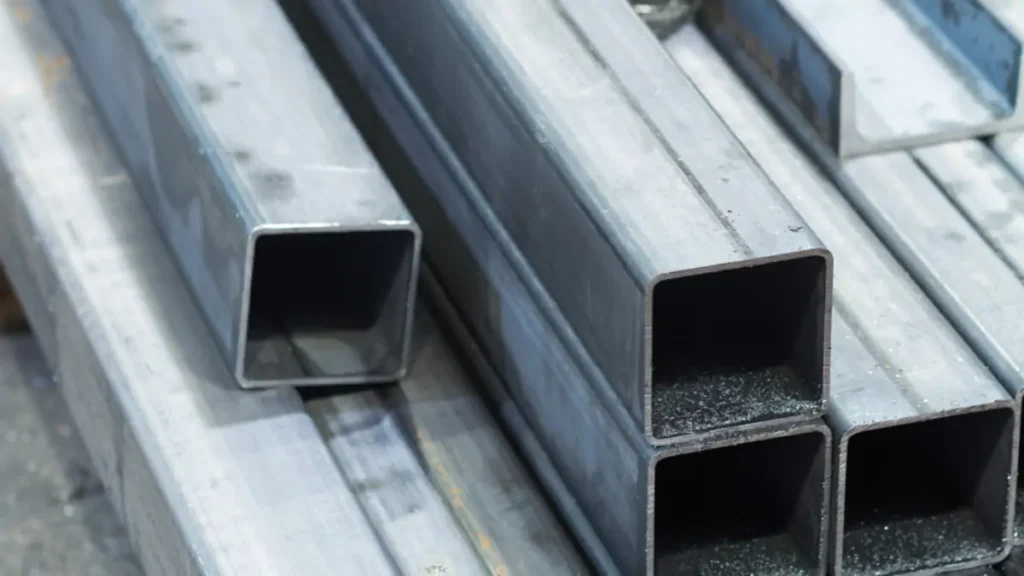
Sheet metal fabrication
Joining thin metal sheets for cabinets, enclosures, and electrical housings with clean seams and low deformation.
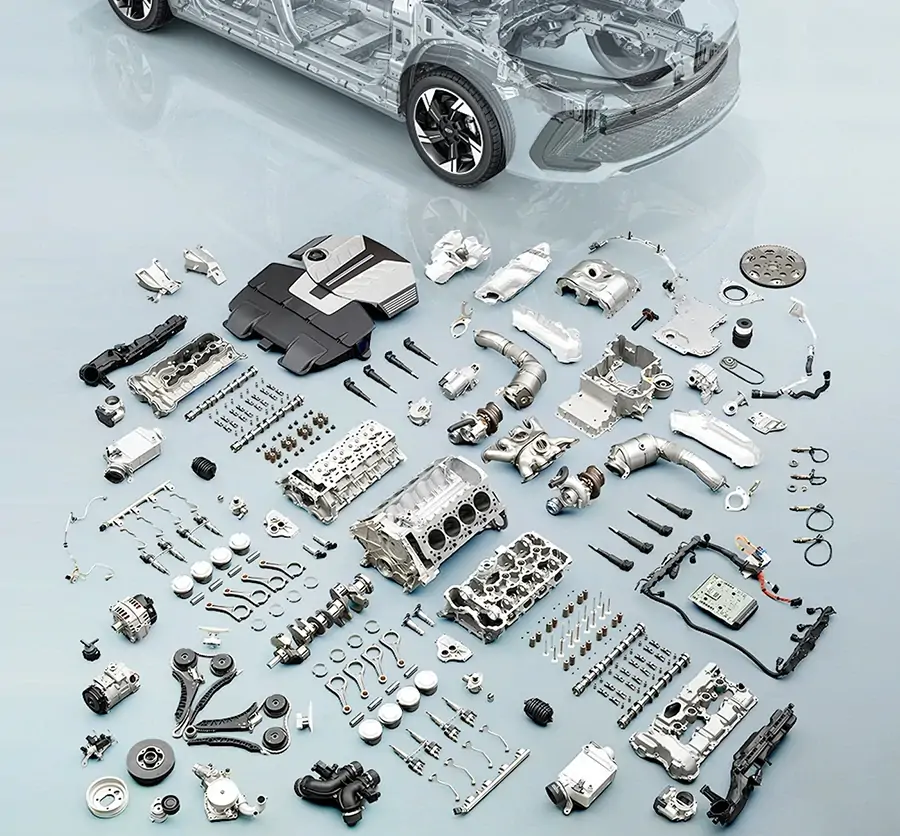
Precision parts production
High-repeatability welding that maintains dimensional accuracy across large production batches.
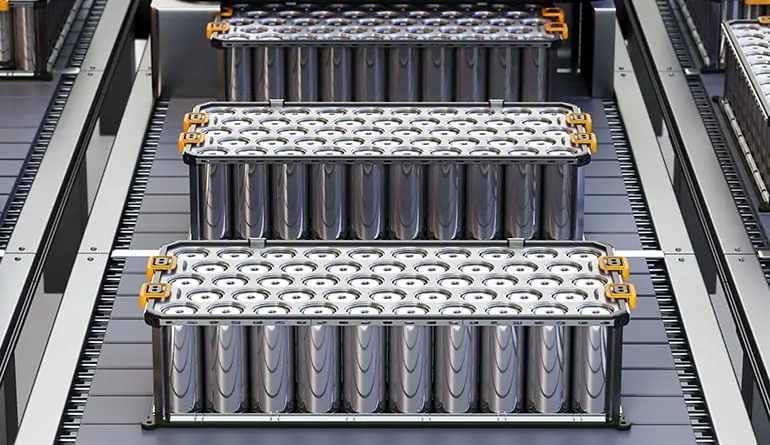
Battery & energy storage
Welding of tabs, busbars, and module structures with stable electrical and mechanical performance.
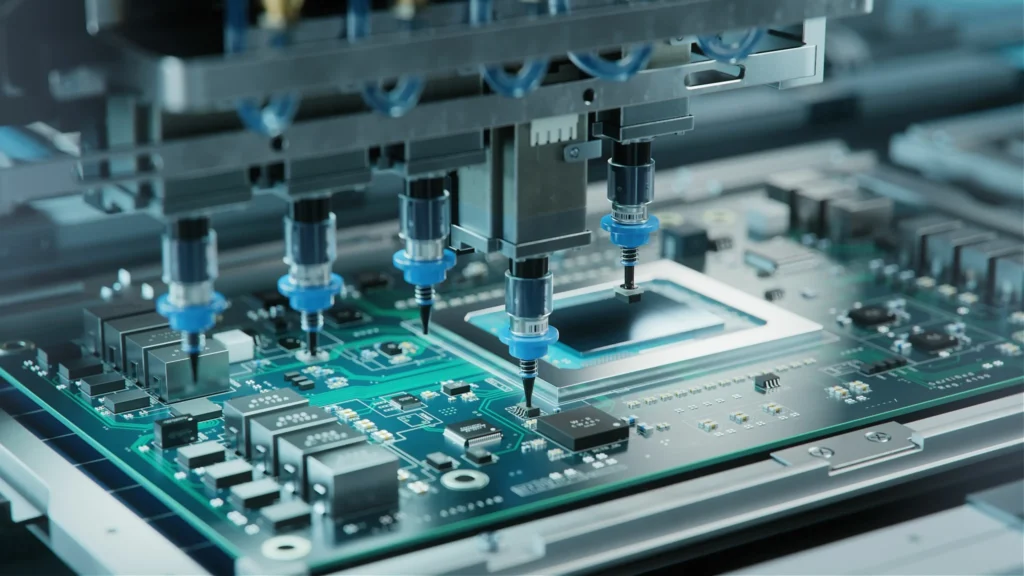
Industrial equipment
Welding of standardized components with repeatable parameters for uniform output.
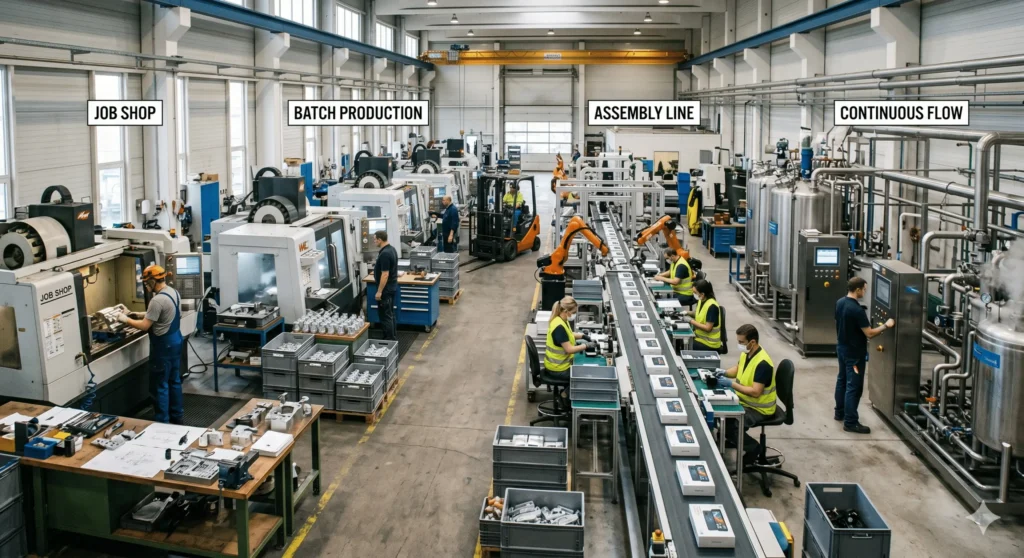
Continuous production lines
Stable welding performance for 24/7 operation with consistent quality output.
These scenarios show that automated laser welding is widely applied in high-efficiency production environments requiring stable quality, repeatability, and continuous operation.
Handheld Laser Welding Applications
Handheld laser welding machines are widely used in flexible, low-volume, and repair-oriented scenarios where adaptability is more important than automation. Typical applications include:

Workshop repair & maintenance
Metal repair and component restoration in workshop environments with flexible operation needs.
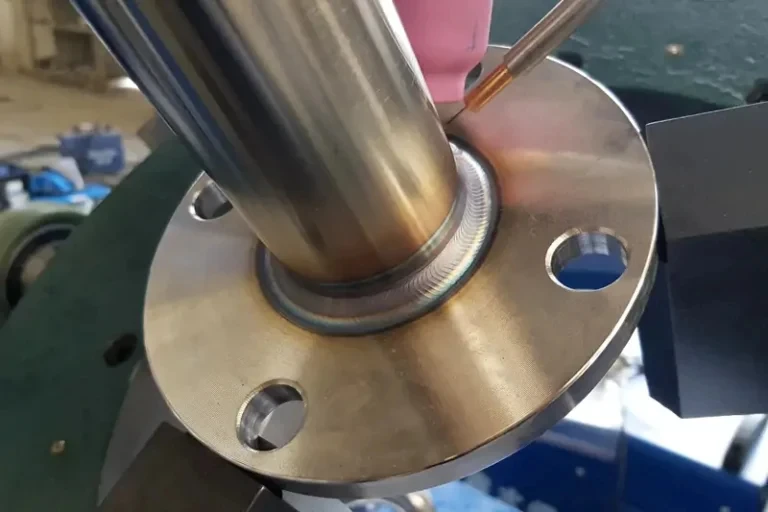
Stainless steel fabrication
Production of stainless steel products and customized metal structures with stable weld appearance and strength.

Signage & decorative metalwork
Welding of advertising signs and decorative structures with clean seams and high surface quality requirements.

Small batch & prototyping
Short-run production and prototype development with flexible process adjustment and fast iteration.
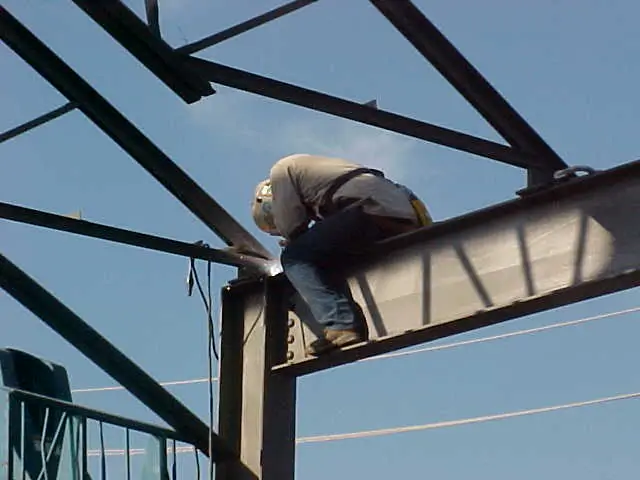
On-site installation welding
Field welding and installation work in non-factory environments requires portability and adaptability.
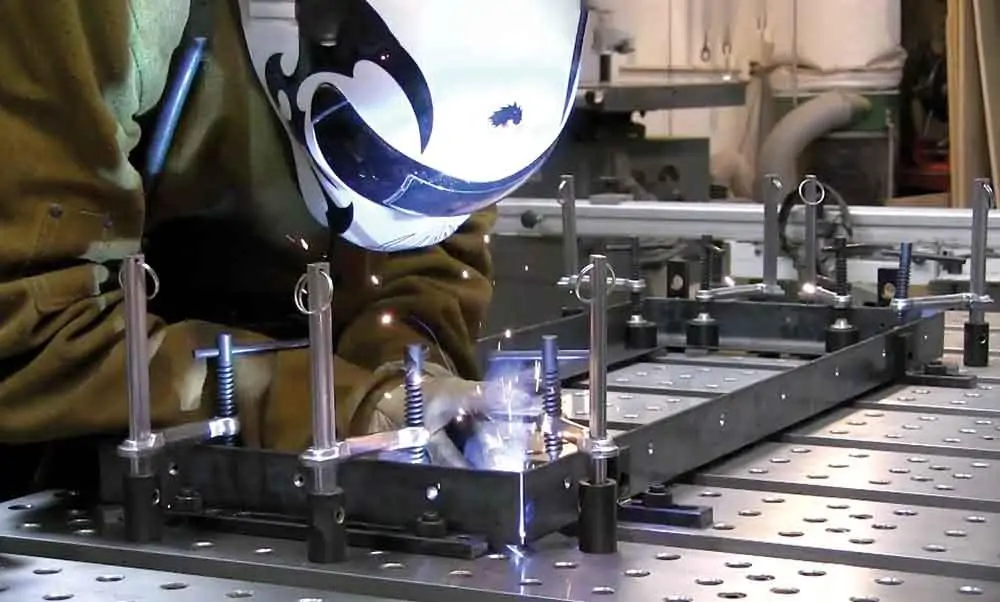
Complex workpiece welding
Welding of irregular or hard-to-fixture parts that are not suitable for automated production lines.
These applications highlight the flexibility of handheld laser welding in repair work, customized production, and non-standard processing environments, where adaptability and operational convenience are critical.
Automated laser welding systems are best suited for standardized, high-efficiency industrial production, while handheld laser welding machines are more appropriate for flexible, customized, and repair-based operations. Choosing the wrong system can lead to overinvestment or production inefficiency.
Pros and Cons Summary
When comparing automated laser welding vs handheld laser welding, understanding the advantages and limitations of each system is essential for making the right investment decision. Both solutions are designed for different production requirements, and their performance varies depending on application scale and operational demands.
Automated Laser Welding
Pros
High precision and excellent repeatability in mass production
Stable welding quality with minimal human interference
High production efficiency for continuous manufacturing
Reduced long-term labor dependency
Suitable for integration into automated production lines
Cons
High initial investment cost (equipment and system integration)
Limited flexibility for irregular or customized workpieces
Requires programming and system setup before operation
Higher complexity in installation and commissioning
Less suitable for small batch or repair-based production
Handheld Laser Welding
Pros
High flexibility for different workpiece shapes and sizes
Lower initial investment and easier entry cost
Simple operation and quick deployment
Ideal for repair work and small batch production
Strong adaptability for on-site welding tasks
Cons
Depends heavily on operator skill and experience
Lower consistency compared to automated systems
Limited efficiency in large-scale production
Higher labor involvement during the operation
Welding quality may vary between operators
Automated laser welding systems are better suited for manufacturers focusing on efficiency, consistency, and large-scale production, while handheld laser welding machines are more suitable for flexible operations, repair work, and low-volume manufacturing.
Operation & Maintenance Comparison
In real-world industrial use, the operational complexity and maintenance requirements of automated laser welding vs handheld laser welding play a significant role in long-term productivity and equipment reliability. Beyond performance and cost, ease of operation and system stability directly affect production continuity and overall efficiency.
Automated Laser Welding System
Training requirement: Operators typically require structured training to handle system programming, parameter setting, and production line integration. Although day-to-day operation is relatively stable, technical knowledge is necessary for setup and troubleshooting.
Maintenance frequency: Maintenance is usually scheduled and preventive. Regular inspection of optical systems, motion platforms, and cooling units is required to ensure stable long-term operation.
Spare parts availability: Core components such as laser sources, CNC controllers, and robotic parts are generally standardized but may require longer lead times depending on system configuration and supplier.
System downtime risk: Downtime is relatively rare under proper maintenance, but when issues occur, system recovery may take longer due to integrated automation complexity.
Handheld Laser Welding Machine
Training requirement: Requires relatively lower technical training. Operators can become proficient quickly with basic welding knowledge and machine handling skills.
Maintenance frequency: Maintenance is simple and less frequent, mainly involving cleaning of the welding head, lens protection, and routine equipment checks.
Spare parts availability: Spare parts such as nozzles, lenses, and consumables are widely available and easy to replace, reducing maintenance barriers.
System downtime risk: Downtime risk is generally low, and when issues occur, they are usually quick to diagnose and resolve, allowing for a fast recovery of operations.
Automated laser welding systems require more structured training and preventive maintenance but offer stable long-term operation in controlled production environments. In contrast, handheld laser welding machines are easier to operate and maintain, making them more suitable for flexible and fast-paced workshop conditions.
How to Choose the Right Laser Welding System
Selecting between automated laser welding vs handheld laser welding is not only a technical decision, but also a production strategy decision. The right choice depends on your production scale, workpiece characteristics, and long-term investment expectations. The following three-step framework can help simplify the decision-making process.
Production Scale
The first factor to consider is overall production volume and operational continuity.
- Mass production → Automated laser welding system
Suitable for continuous production lines where efficiency, consistency, and output stability are critical. - Small batch production → Handheld laser welding machine
More appropriate for flexible workshops, repair tasks, and low-volume manufacturing needs.
Product Complexity
Workpiece structure and welding path complexity also play a key role in equipment selection.
- Standardized parts → Automated system
Best for repeatable designs requiring high precision and uniform weld quality. - Irregular or complex parts → Handheld system
Ideal for non-standard shapes, custom fabrication, and on-site welding applications.
Budget & ROI Expectation
Investment capacity and expected return cycle often determine the final decision.
- Long-term industrial investment → Automated laser welding
Higher initial cost but stronger long-term ROI through efficiency and labor savings. - Low entry cost requirement → Handheld laser welding
Lower upfront investment with faster deployment and flexible usage.
If your production focuses on scalability, automation, and long-term efficiency, an automated laser welding system is generally the better fit. If your operations require flexibility, fast setup, and cost control, a handheld laser welding machine is often the more practical solution.
Conclusion
In summary, automated laser welding vs handheld laser welding represents two different approaches to modern metal processing. Automated systems are designed for high-volume, precision-driven manufacturing with stable long-term efficiency, while handheld solutions offer flexibility, fast setup, and strong adaptability for repair work and small-batch production. Understanding these differences helps manufacturers make more informed decisions based on production scale, product complexity, and investment strategy.
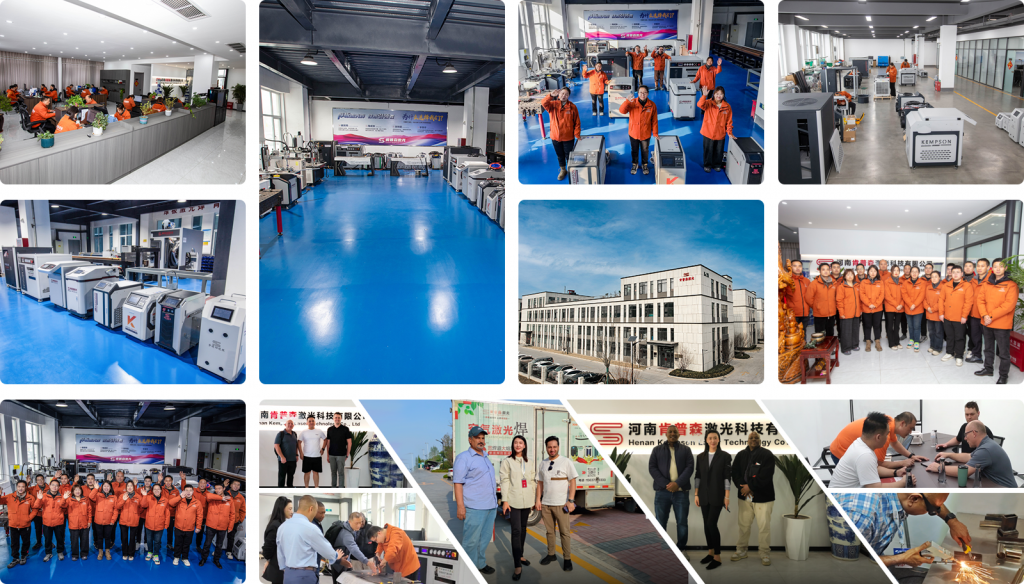
As a professional laser welding equipment manufacturer, KEMPSON is committed to delivering reliable, high-performance welding solutions tailored to different industrial needs. With strong engineering capability and customization support, we help customers optimize welding efficiency and production outcomes. If you are looking for the right laser welding solution for your application, feel free to contact us for expert guidance and a customized quotation.
FAQ
Which laser welding machine is more cost-effective?
It depends on the production scale. Automated systems are more cost-effective for long-term mass production, while handheld machines offer better cost efficiency for small-scale or flexible operations.
Can handheld laser welding replace automated systems?
No. Handheld laser welding is designed for flexibility and repair work, while automated systems are built for high-volume, consistent production. They serve different application needs.
What industries use automated laser welding?
Automated laser welding is widely used in automotive manufacturing, sheet metal fabrication, battery production, and industrial equipment manufacturing.
Is training required for handheld laser welding?
Basic training is required, but the learning curve is relatively short. Operators can typically become proficient after simple hands-on instruction.
What is the lifespan of laser welding machines?
With proper maintenance, laser welding machines typically last 8–10 years or more, depending on usage intensity and operating environment.
How does maintenance differ between automated and handheld systems?
Automated systems require scheduled preventive maintenance, while handheld machines need simpler and less frequent maintenance focused on consumables and optics cleaning.
What materials can laser welding machines process?
They can process stainless steel, carbon steel, aluminum, and other common metals used in industrial manufacturing and fabrication.
Is automated laser welding suitable for small workshops?
Generally no. It is more suitable for large-scale or continuous production environments due to its higher investment and setup requirements.