Table of Contents
Introduction
With the rapid development of modern manufacturing, laser welding machines are widely used in metal fabrication, automotive parts, kitchenware, hardware, and steel structure industries. Compared with traditional welding methods, the industrial laser welding machine offers faster speed, higher precision, cleaner weld seams, and lower deformation. Today, the industrial handheld laser welder and automated welding systems have become important equipment for improving production efficiency and welding quality.
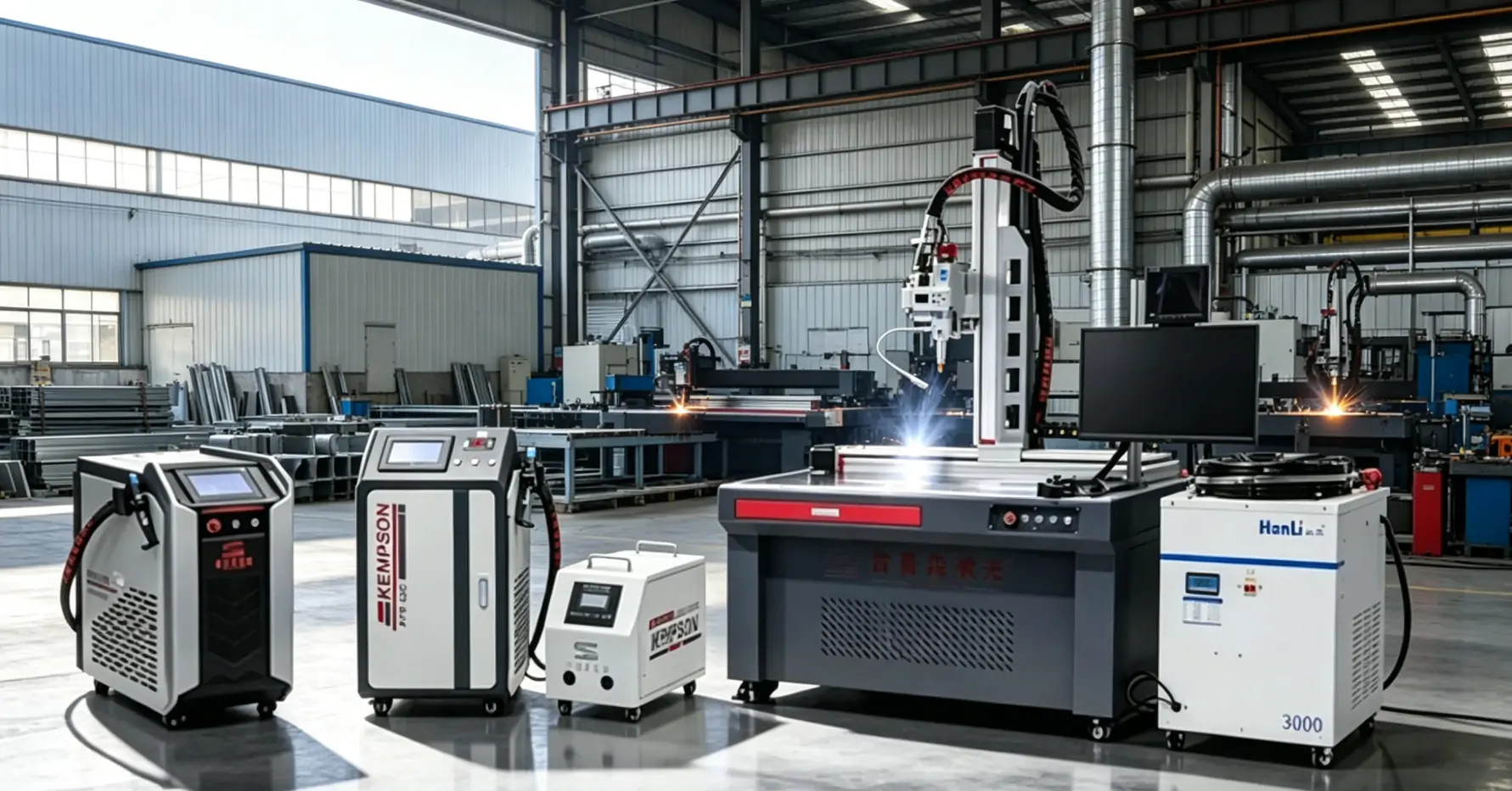
However, How to Choose a Laser Welding Machine for Your Business? In this article, we will provide a detailed guide on how to select a laser welding machine based on material, thickness, power, and application needs. In addition, we will compare different types of lasers and configuration options to help buyers choose the most suitable laser welding machine (such as stainless steel, aluminum, and sheet metal)
What Is a Laser Welding Machine?
A laser welding machine (full name: laser beam welding machine) is an advanced processing device that uses a high-energy laser beam to weld materials. With the advantages of high precision, high efficiency, and low heat impact on workpieces, the industrial laser welding machine is now widely used in modern manufacturing industries. (For more information, see the article: What Is Laser Welding?)
How Laser Welding Works
Laser welding uses a laser generator to convert electrical energy into a high-energy focused laser beam. After the laser acts on the workpiece surface, the material melts instantly to form a molten pool, and after cooling, the materials achieve atomic-level bonding. According to the laser output mode, the laser welding machine can be divided into two common working modes:
- Pulse Laser Welding: Outputs high-energy laser pulses intermittently, similar to precise “spot shooting.” It is suitable for spot welding and heat-sensitive materials, allowing accurate energy control and effectively reducing the heat-affected zone.
- Continuous Laser Welding: The laser beam continuously outputs energy, making it suitable for continuous long weld seams. This welding method provides faster speed and higher production efficiency for the industrial laser welding machine.
For detailed information on how it works and the operating procedures, please refer to the article: How Does A Laser Welding Machine Work
Explore the Types and Applications of Industrial Laser Welding Machines: What Is an Industrial Laser Welding Machine: Types, Applications, and Benefits
Main Types of Laser Welding Machines
Laser welding machines can be divided into different types based on classification methods to meet various production requirements.
By Laser Source Type
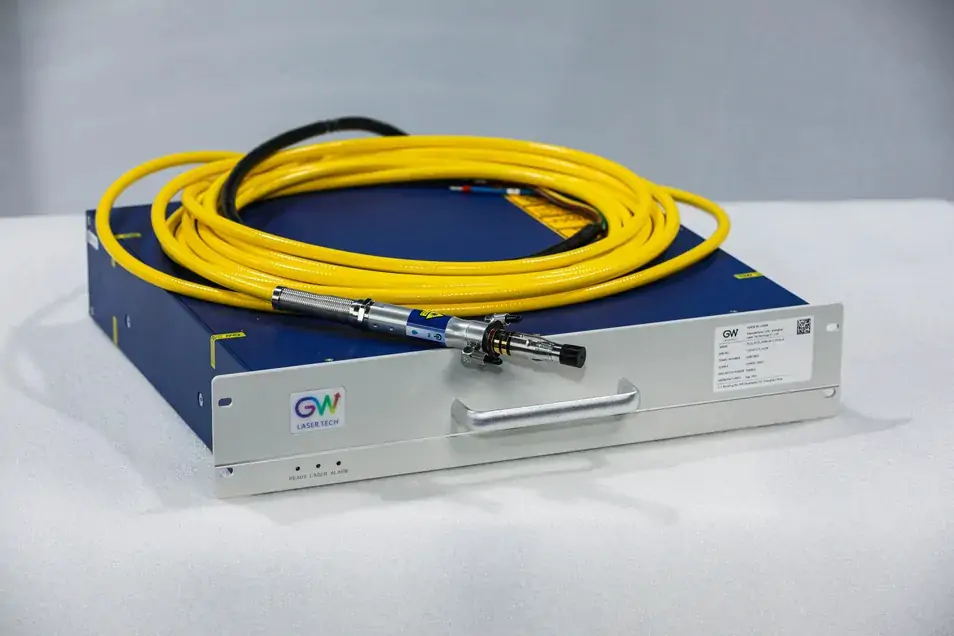
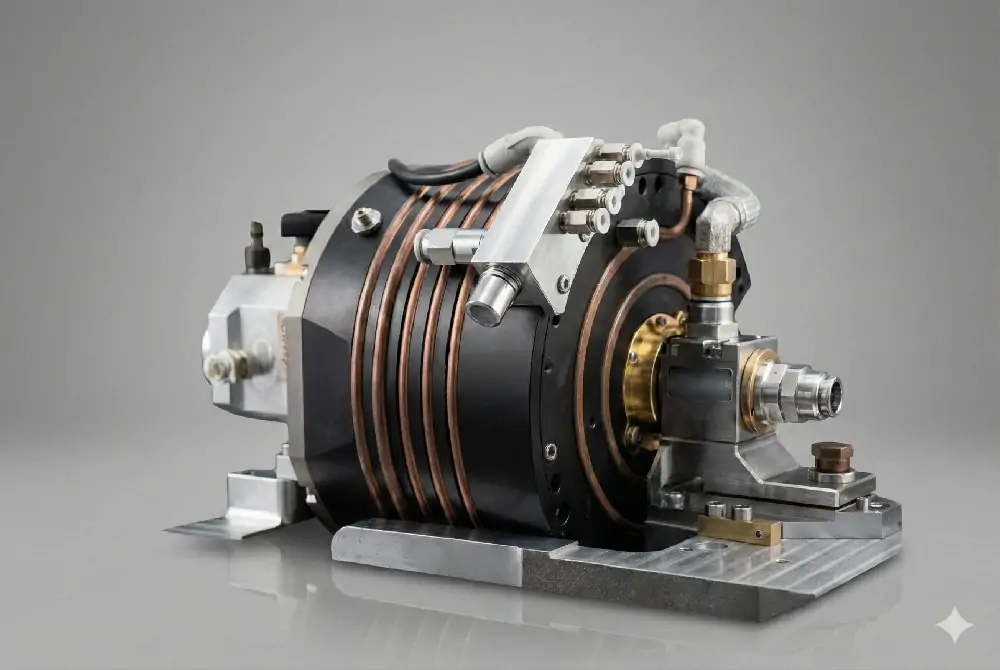
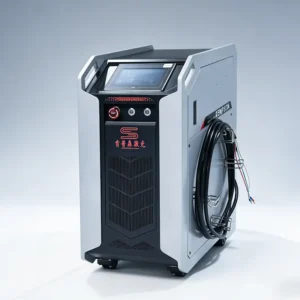
- Fiber Laser Welding Machine: Features compact size, excellent beam quality, and high energy conversion efficiency. It is currently the most widely used type in metal fabrication and modern industrial laser welding machine applications.
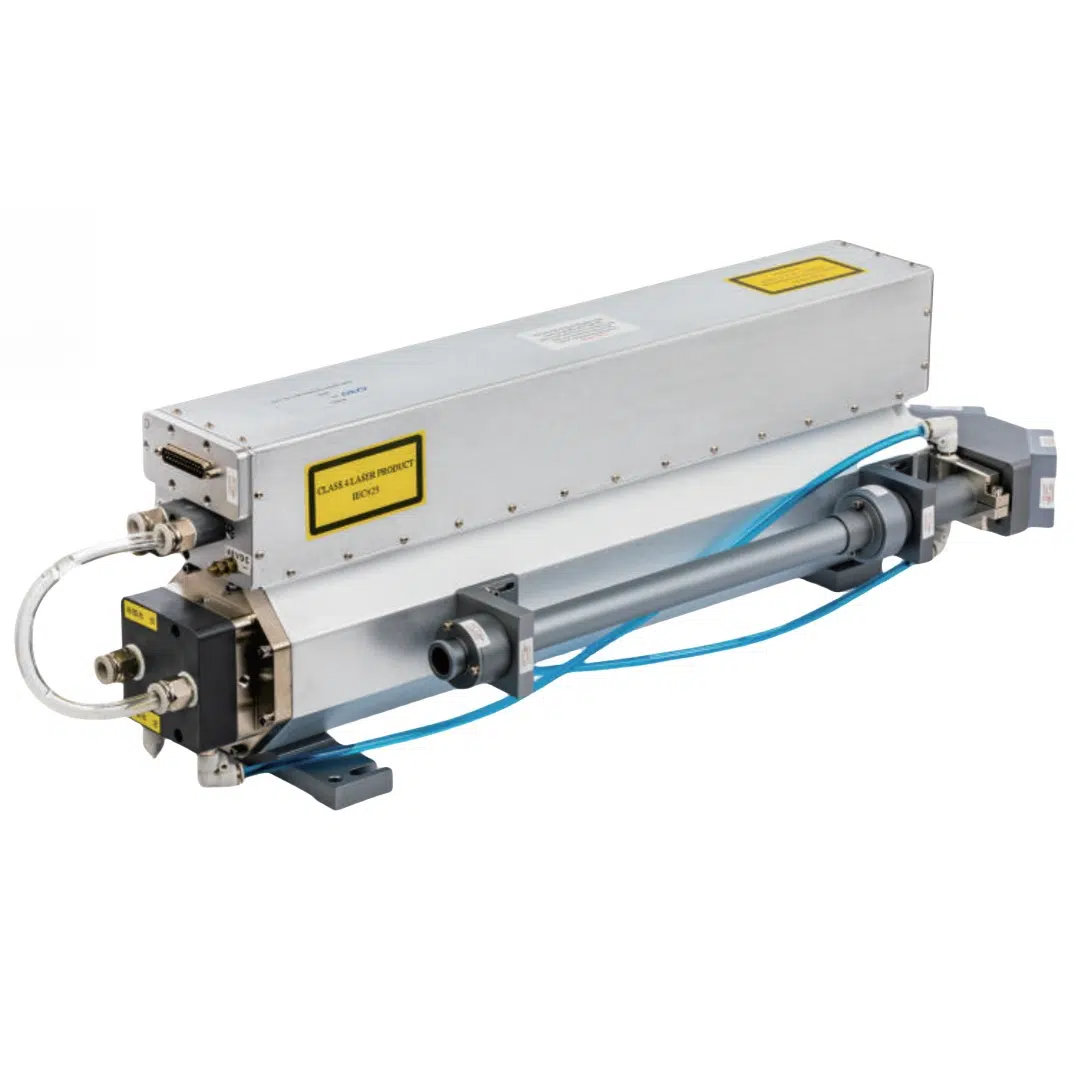
- CO₂ Laser Welding Machine: Provides high output power and is suitable for thick plate welding applications that require high heat input.
- Disk Laser Welding Machine: Offers excellent performance in both high power and beam quality, making it ideal for precision welding and demanding industrial manufacturing environments.
By Machine Structure
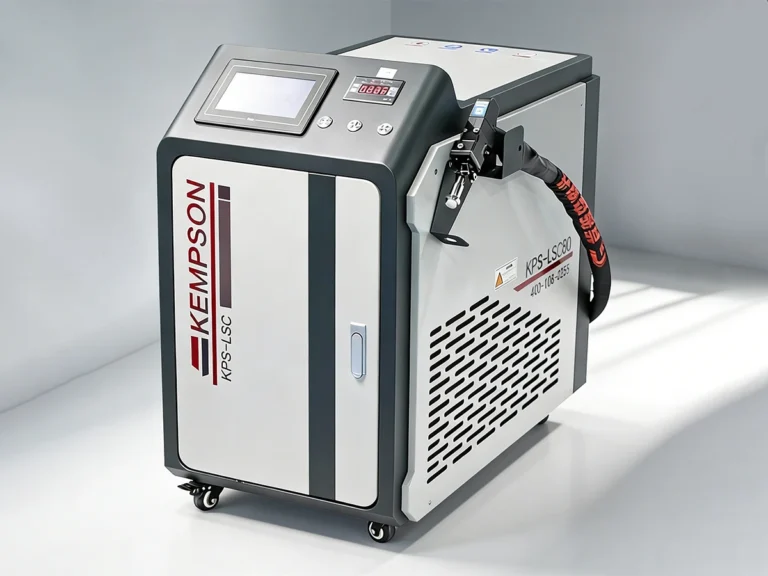
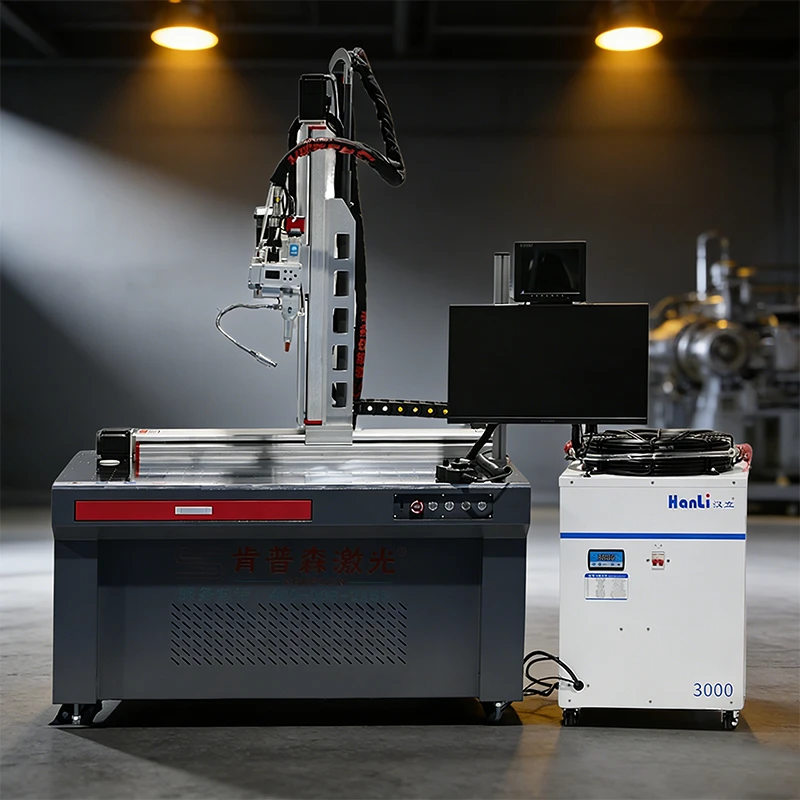
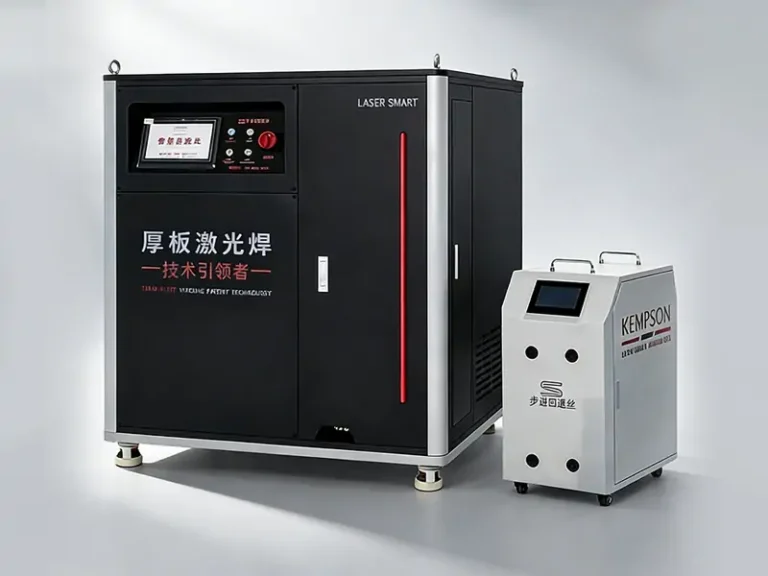
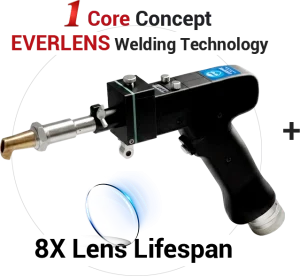
- Handheld Laser Welding Machine: Flexible and easy to operate, suitable for on-site repair, small and medium batch production, and welding of large non-movable workpieces. The industrial handheld laser welder is widely used in metal fabrication workshops.
- Galvo Laser Welding Machine: Provides high-speed and high-precision welding, mainly used in industries with strict accuracy requirements, such as precision electronics, medical devices, and jewelry manufacturing.
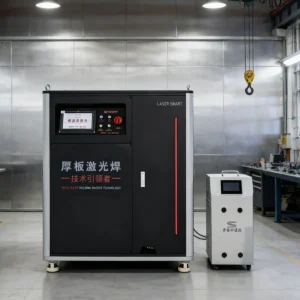
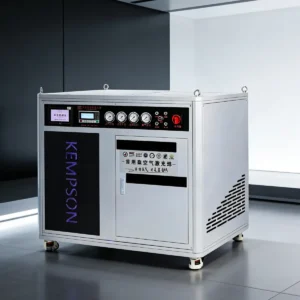
- 4000W Air Laser Welding Machine: High-power, precision, and high-efficiency laser welding equipment suitable for the rapid welding and automated production of metal materials with thicknesses ranging from 0.5 to 14 mm.
With the continuous development of manufacturing technology, laser welding machines have evolved into various types and configurations to meet different industrial applications. From flexible industrial handheld laser welders to highly automated robotic systems, laser welding technology is now widely used in metal fabrication, automotive manufacturing, precision electronics, and heavy industry. So, why are more and more manufacturers choosing industrial laser welding machines over traditional welding methods?
Why More Manufacturers Are Choosing Laser Welding?
Laser welding has become the mainstream welding solution in modern manufacturing because it offers advantages over traditional welding in terms of precision, efficiency, and adaptability, aligning perfectly with the industrial upgrade trends toward high-end manufacturing and smart manufacturing. The specific reasons can be summarized as follows:
Higher Welding Precision: Compared with traditional welding methods, the laser welding machine uses a highly focused laser beam to achieve more precise energy control. It can easily meet the welding requirements of precision components, making it widely used in electronics, medical devices, and high-end manufacturing industries.
Minimal Heat-Affected Zone: The heat input of an industrial laser welding machine is highly concentrated, which significantly reduces the heat-affected zone during welding. This helps minimize material deformation, shrinkage, and damage to surrounding areas, especially for thin metal sheets and precision parts.
Cleaner Weld Seams: The weld seams produced by fiber laser welding equipment are smoother and cleaner, with less spatter and fewer welding defects. In many applications, additional grinding and polishing processes can be reduced, helping manufacturers improve product appearance and production efficiency.
Faster Welding Speed: One of the biggest advantages of the industrial handheld laser welder is its high welding speed. Compared with traditional TIG or MIG welding, laser welding can greatly shorten production time and improve output, making it suitable for batch manufacturing and continuous production lines.
Lower Labor Costs: The operation process of modern laser welding machines is simpler and easier to learn. After basic training, operators can quickly start production, reducing dependence on highly experienced welders and helping factories solve labor shortage problems.
Lower Long-Term Operating Costs: Laser welding is a non-contact processing method with low consumable usage and stable performance. The industrial laser welding machine requires less maintenance during long-term operation, which helps reduce overall production and equipment maintenance costs.
Strong Material Compatibility: Modern fiber laser welding machines for metal fabrication can weld stainless steel, carbon steel, aluminum alloy, titanium alloy, and other metal materials. They are also suitable for some dissimilar metal welding applications that are difficult for conventional welding methods.
Suitable for Multiple Industries: From laser welding machines for stainless steel applications to laser welding machines for aluminum, laser welding technology is widely used in sheet metal fabrication, automotive manufacturing, kitchenware production, steel structures, hardware processing, and battery manufacturing industries.
Better for Automated Production: The automatic laser welding machine guide is becoming increasingly important as more factories upgrade to smart manufacturing. Laser welding systems can be integrated with robots, visual positioning systems, and automated production lines to achieve stable, high-speed, and consistent welding operations.
Higher Welding Consistency: After parameters are properly configured, the laser welding machine can maintain stable welding quality throughout the entire production process. This helps reduce welding defects and improve product consistency, especially for industries with strict quality requirements such as automotive and aerospace manufacturing.
Laser welding machines offer high precision, fast welding speeds, clean welds, and strong compatibility with automated systems, making them a vital solution in modern manufacturing. Different industries and materials require different welding configurations, so selecting the right equipment is equally important. Next, we will explain how to choose a laser welding machine based on your actual production needs.
If you’d like to learn more about the benefits of laser welding applications, please read: Laser Welding Applications Explained | Industries, Uses & Advantages
How to Choose the Right Laser Welding Machine
Choosing the right laser welding machine directly impacts weld quality, production efficiency, and long-term operating costs. Different industries, materials, and production requirements call for different equipment configurations. In the following sections, I will explain how to choose a laser welding machine based on several key factors to help you find the solution that best meets your production needs.
Define Your Welding Application First
Before selecting a laser welding machine, it is essential to clearly define your actual welding requirements. In practice, different production environments require very different configurations, and a clear understanding of your application helps avoid costly selection mistakes.
1. What Materials Will You Weld?
First step, customers should confirm the main materials to be processed, as the material type directly affects welding performance and machine selection. A reliable laser welding machine can handle a wide range of metals, but welding difficulty and parameter settings vary significantly.
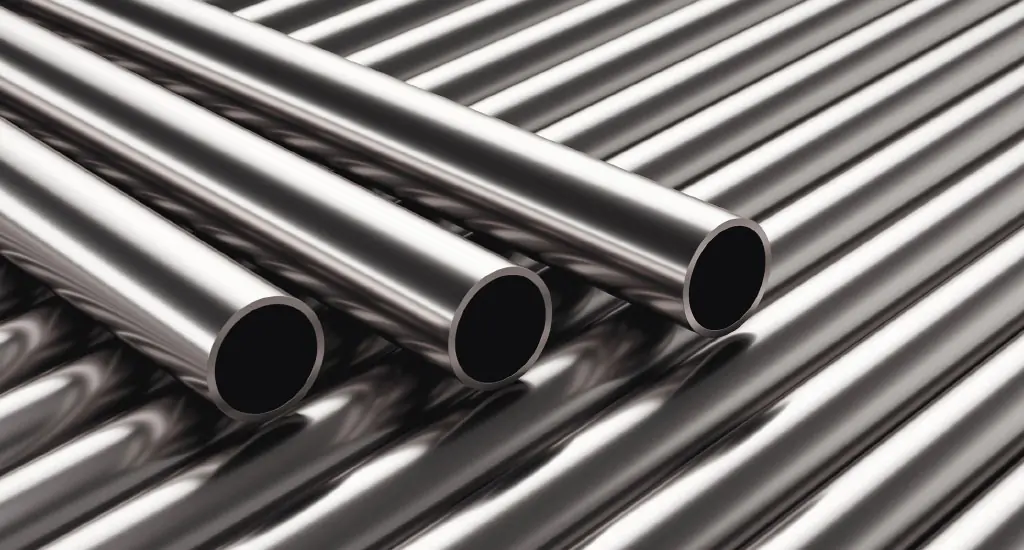
stainless steel
widely used in kitchenware, medical devices, and precision parts manufacturing
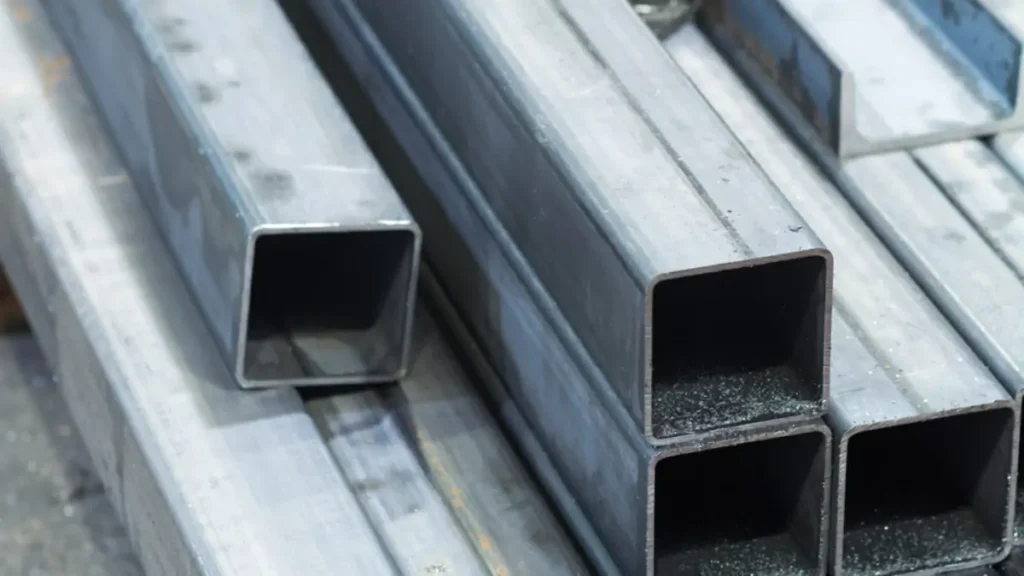
carbon steel
common in structural components and general fabrication
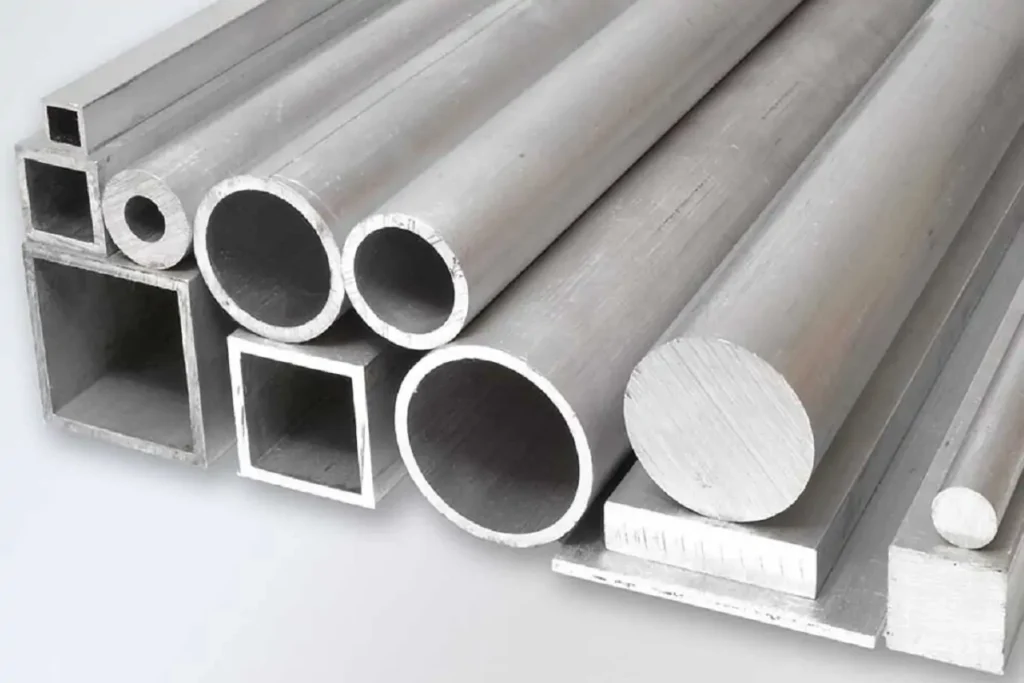
aluminum
lightweight but highly reflective, requires stable energy control in fiber laser welding equipment
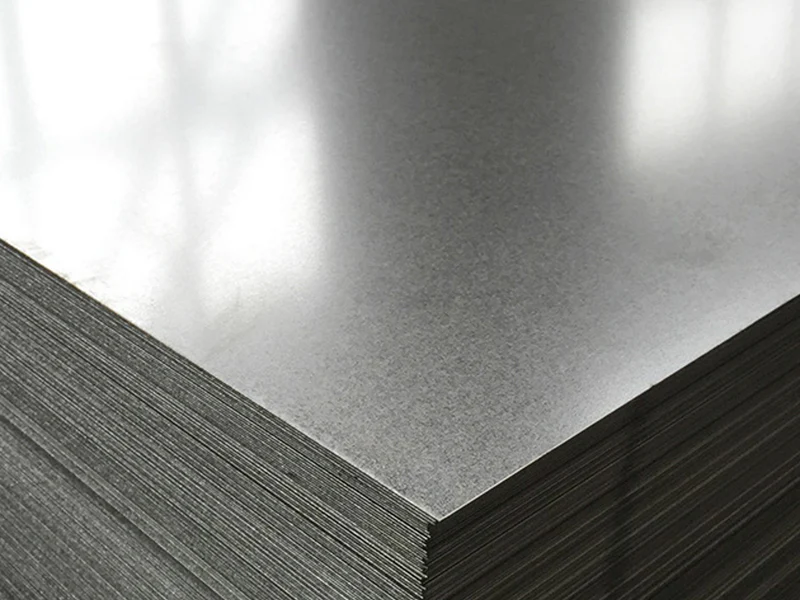
galvanized sheet
Often used in sheet metal fabrication, requiring careful control to avoid surface defects
2. Material Thickness
Material thickness is another key factor when choosing an industrial laser welding machine, as it directly determines the required laser power and penetration depth. Selecting the wrong configuration may lead to insufficient weld strength or unnecessary cost.
| Material Thickness | Recommended Power | Typical Applications |
| thin sheet (0.3–2mm) | 1000W | precision sheet metal, electronics, advertising signs, small hardware |
| medium plate (0.5–3mm) | 1500W | enclosures, kitchenware, metal furniture, general fabrication |
| medium plate (1–5mm) | 2000W | steel structures, industrial cabinets, new energy equipment |
| medium–heavy plate (2–5mm) | 2000W–3000W | mechanical parts, batch structural welding |
| heavy plate (2–8mm) | 3000W | shipbuilding parts, engineering machinery, heavy structures |
| extra thick plate (6–12mm) | 3000W–6000W | automotive, heavy machinery, large-scale industrial welding |
| ultra thick plate (12mm+) | 6000W+ | shipbuilding, nuclear power, heavy industrial fabrication |
3. Production Type
Different production modes require different levels of automation and equipment structure. Choosing the right configuration helps improve efficiency and reduce long-term labor costs.
- small workshop – flexible solutions such as an industrial handheld laser welder for manual and repair work,
- batch production – stable and repeatable welding quality using platform or semi-automatic systems,
- automated manufacturing – integrated solutions such as robotic systems or an automatic laser welding machine, guide setup for high-volume production lines
By specifying the material type, thickness, and production method, manufacturers can more accurately select the best laser welding machine for their application, ensuring optimal welding quality and production efficiency from the outset.
Choose the Right Laser Power
Selecting laser power should follow a principle: match the application requirements rather than blindly pursuing higher power. The key factor in laser welding is power density (Power ÷ Spot Area), not power alone. Even with lower power, a smaller spot size can achieve sufficient energy concentration for effective welding.
| Power Range | Application Level | Typical Use Cases |
| below 1000W | light-duty precision welding | thin sheet metal, electronics, small hardware |
| 1000W–2000W | general industrial welding | sheet metal fabrication, stainless steel products |
| 2000W–3000W | medium–heavy industrial welding | steel structures, mechanical parts |
| 3000W–6000W | heavy-duty welding | automotive parts, heavy machinery |
| 6000W+ | ultra-heavy industrial applications | shipbuilding, large structural fabrication |
Laser power selection should always be based on real application requirements, not maximum output. A well-matched laser welding machine ensures stable welding performance, higher efficiency, and lower operating costs. By correctly evaluating material thickness, production needs, and application scenarios, manufacturers can achieve the optimal balance between performance and investment.
Pulse Laser vs Continuous Laser — Which Is Better?
Continuous lasers and pulsed lasers have essential differences in energy output mode, performance, and application scenarios. There is no absolute superiority between them. The better choice depends on your actual processing needs and usage scenarios.
1. Essential Differences
The fundamental difference between the two lies in the way energy is delivered, which directly determines their processing behavior and application performance.
| Category | Continuous Laser | Pulsed Laser |
| Energy output mode | The laser outputs continuously and stably without interruption, with energy evenly distributed over time | The laser emits a series of short, high-intensity pulses with highly concentrated energy in a very short time |
| Peak power | Relatively low, generally close to the average power, usually below kW level | Extremely high, can reach 10³–10⁹ times the average power of continuous lasers, with peak values reaching MW, GW, or even TW levels |
| Thermal effect | Noticeable thermal accumulation; continuous energy input may cause heating and deformation of the material | Pulse width, repetition frequency, peak power, and single pulse energy |
| Core parameters | Average power, beam quality, beam width | Relatively low, generally close to the average power, usually below the kW level |
2. Application Advantages and Suitable Scenarios
The difference between continuous laser welding machines and pulsed laser systems mainly comes from their energy delivery mode, which leads to completely different application advantages in industrial use.
Continuous Laser
Continuous lasers provide stable and uninterrupted energy output, making them ideal for high-efficiency, large-scale industrial processing. The industrial laser welding machine with continuous output is commonly used where productivity and consistency are more important than ultra-fine precision.
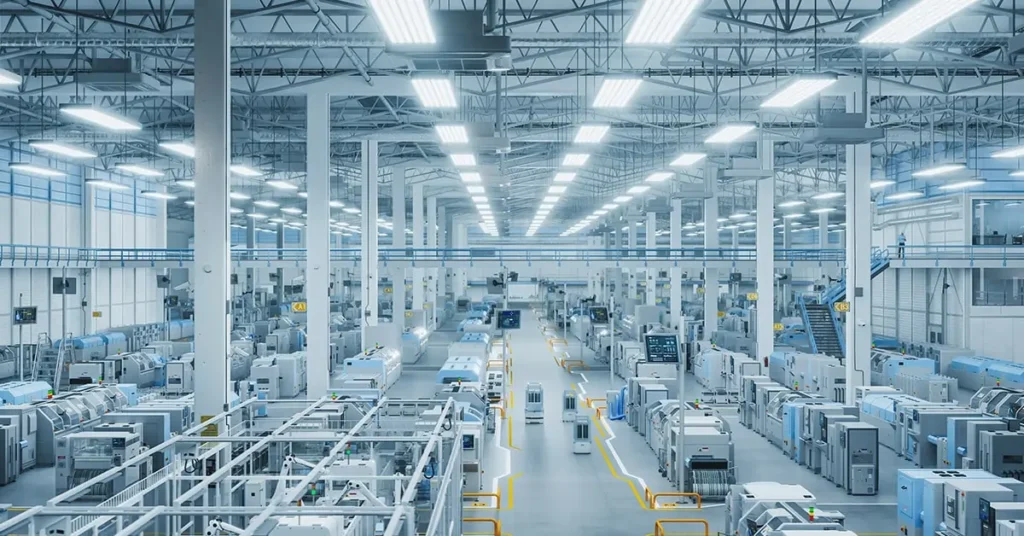
Industrial manufacturing
Used for thick plate welding, large-area cutting, and laser cladding.
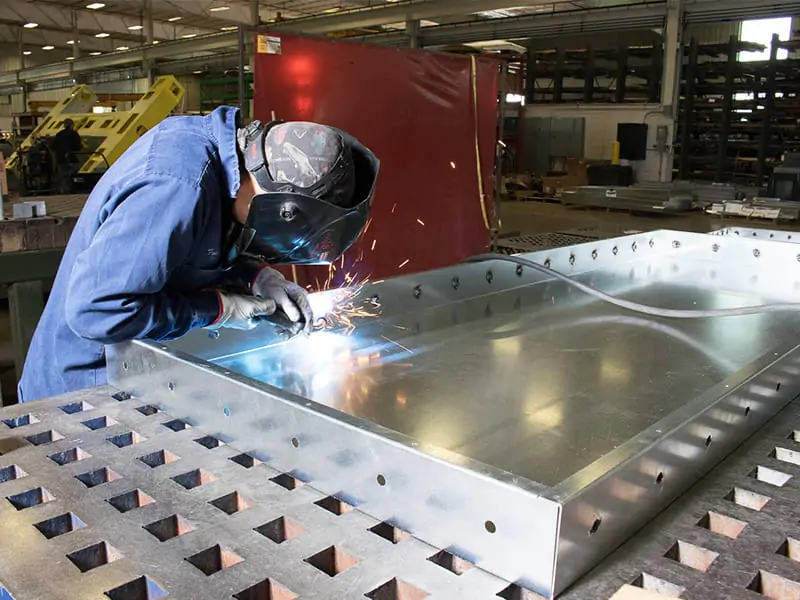
Sheet metal fabrication
Widely applied in laser welding machines for sheet metal processes such as enclosures, cabinets, and structural metal parts.
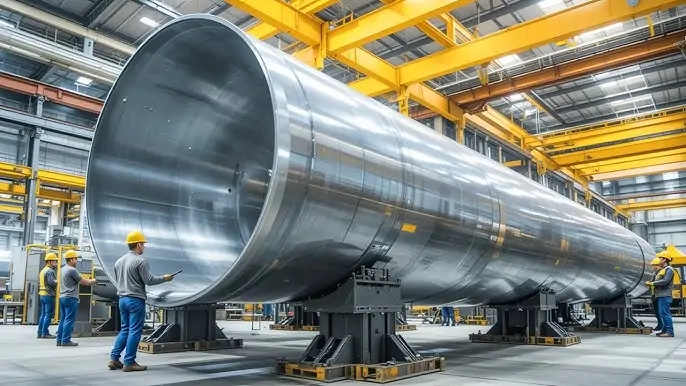
Heavy-duty processing
Suitable for steel structures, machinery components, and high-power industrial welding and cutting tasks.
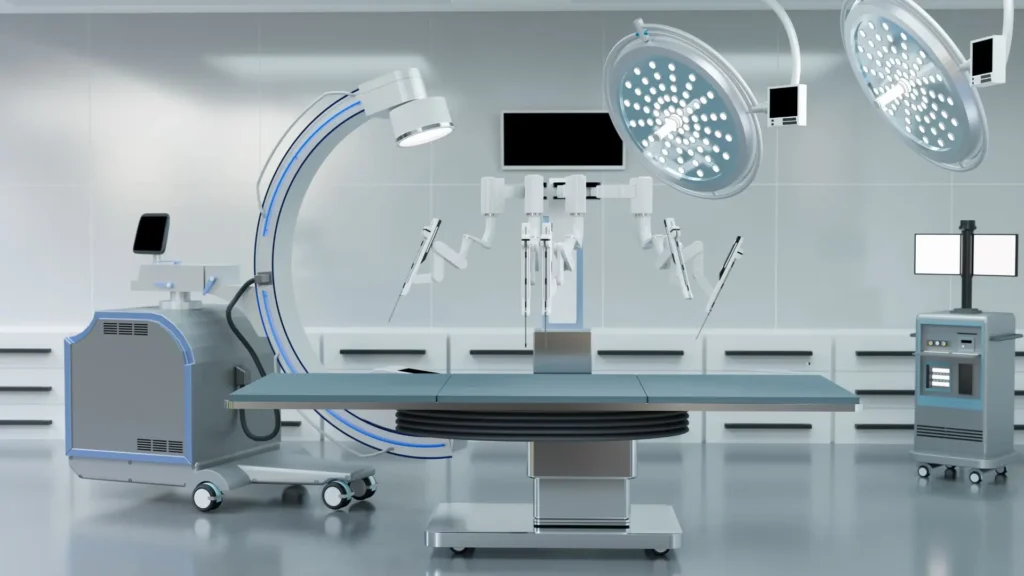
Medical applications
Low-power continuous lasers are used in dermatology treatments such as pigment removal with stable energy output and controlled thermal effects.

Communication systems
Used in optical fiber transmission and short-distance sensing applications requiring stable signal output.
Continuous laser systems are preferred in production environments that require faster welding speed, high stability, and lower operating cost per unit.
Pulsed Laser
Pulsed lasers generate extremely high peak power in a very short duration, making them ideal for precision processing tasks where thermal impact must be minimized. They are widely used in high-end manufacturing and research fields.
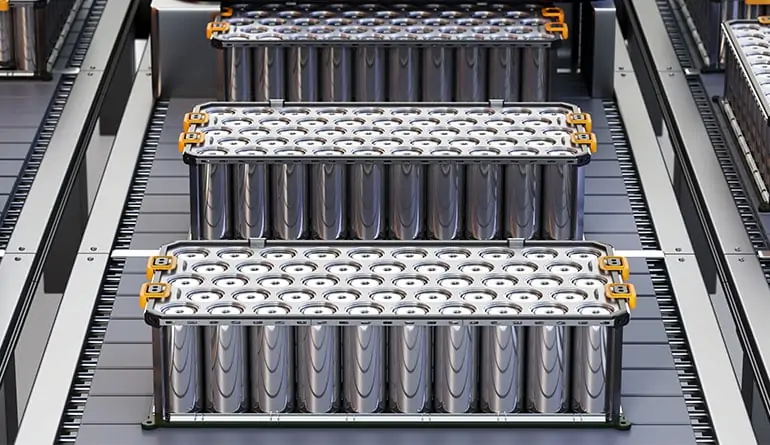
Precision manufacturing
Used for micro-hole drilling, fine marking, and semiconductor processing, achieving ultra-precise results in sensitive components.
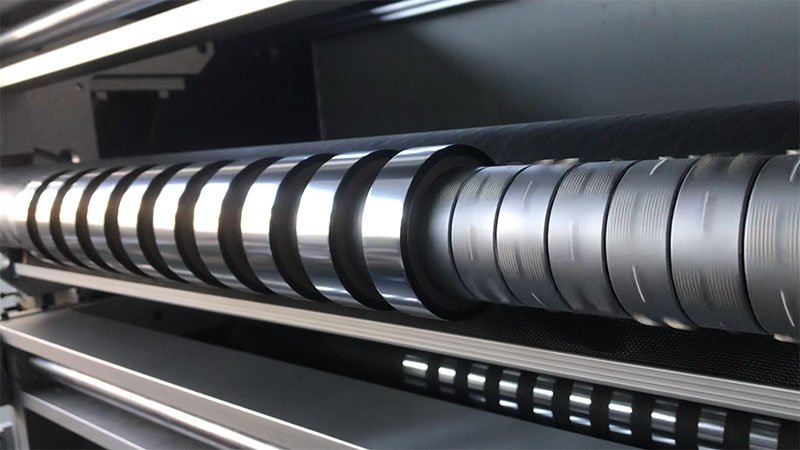
Special material processing
Suitable for glass, ceramics, copper, and aluminum, especially reflective or brittle materials where thermal control is critical.
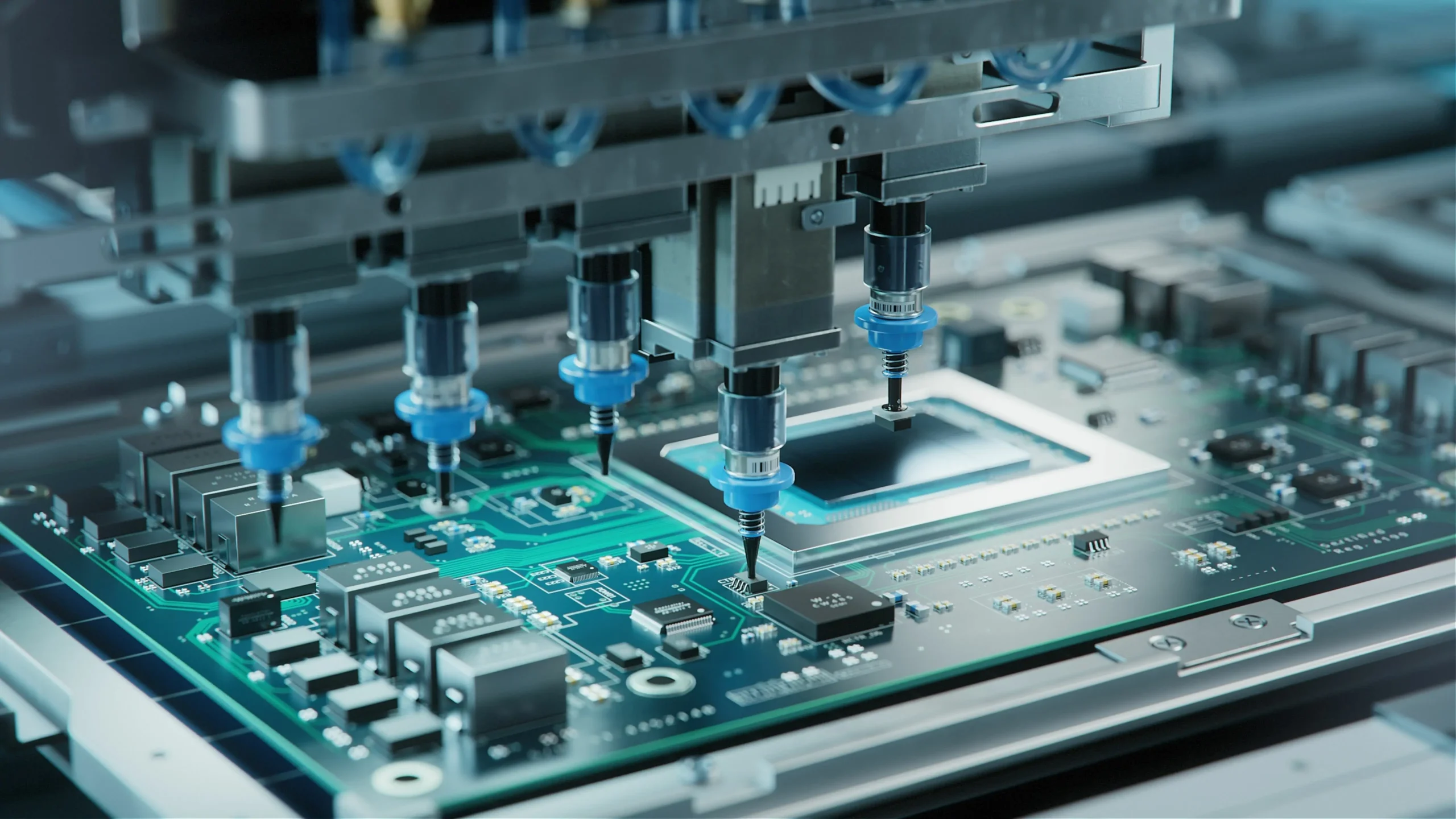
High-precision welding
Common in electronics and precision components, where minimal heat damage and high accuracy are required.

Scientific research
Applied in ultrafast spectroscopy, quantum research, and advanced optical experiments.
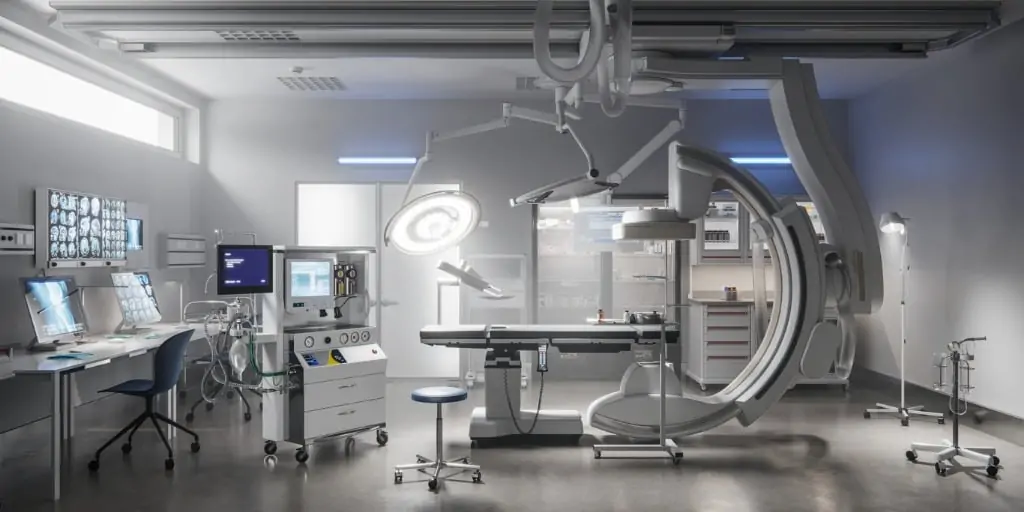
medical applications
Used in laser surgery and lithotripsy, enabling precise energy delivery with minimal damage to surrounding tissue.
Pulsed systems are preferred when laser welding machine applications require ultra-high precision, low thermal influence, and advanced material processing capability.
Choosing the right laser welding machine depends on matching equipment with real production needs rather than focusing only on specifications. Material type, thickness, application scenario, and automation level all directly affect final performance. A properly selected industrial laser welding machine can improve efficiency, ensure stable weld quality, and reduce long-term costs. Careful evaluation of these factors helps manufacturers select the best laser welding machine for both current use and future production demands.
Parameters You Should Check Before Buying
When selecting a laser welding machine, key technical parameters directly determine equipment compatibility, stability, and long-term performance. Careful evaluation in advance helps avoid selection errors and ensures more reliable production results.
1. Welding Stability
Welding stability is one of the most important performance indicators of an industrial laser welding machine, directly affecting batch production yield.
- Key factors: output stability during long operation, repeat positioning accuracy, and weld consistency
- Focus on weld quality, including defect rate, porosity, and cracking performance
- Recommended validation: request continuous batch welding tests under the same material and process conditions to ensure stable mass production performance
2. Cooling System
The cooling system ensures stable operation by removing heat generated during laser processing. Common types include air cooling and water cooling.
- Air cooling: Simple structure, low maintenance cost, suitable for low to medium power systems (generally ≤1500W). Ideal for small workshops and portable laser welding machine applications
- Water cooling: Higher cooling efficiency, suitable for high-power systems (3000W+). Better for continuous industrial production, but requires more maintenance and carries a potential leakage risk
3. Control System
The control system acts as the “brain” of the laser welding machine, and its performance determines ease of operation and production efficiency.
- Automation level: supports programmable control, MES integration, or manual operation depending on production needs
- User interface: batch production benefits from programmable systems, while small workshops require simple and fast operation
- Precision control: high-end applications require micro-level adjustment of power and motion trajectory for stable welding quality
4. Wire Feeder Compatibility
Wire feeding capability is essential for filler welding applications such as thick plate welding and repair welding.
- Confirm compatible wire diameter range and supported feeder types
- Check whether dual-wire or automatic feeding speed adjustment is supported
- Ensure stable feeding performance, especially for reflective materials such as aluminum and copper
5. Laser Source Quality
The laser source is the core component of a laser welding machine, directly affecting stability, lifespan, and performance.
- Choose stable and reliable laser sources from established suppliers
- Ensure the system uses original components to avoid power deviation or unstable output
- Balance performance and cost based on production requirements
6. Safety Features
Safety is a critical requirement for any industrial laser welding machine.
- Essential protections: laser shielding, door interlock system, emergency stop, overheat, and overcurrent protection
- Industrial requirements: smoke extraction system and fire prevention devices for high-risk materials
- Ensure compliance with local industrial safety standards before installation
7. Maintenance Requirements
Maintenance cost directly affects long-term operating efficiency and downtime risk.
- Air-cooled systems require simple dust cleaning
- Water-cooled systems require regular coolant replacement and pipeline maintenance
- Check spare parts availability, maintenance support, and response time to avoid long downtime due to component failure
A well-balanced evaluation of these parameters ensures that the selected laser welding machine meets production requirements while maintaining stability, efficiency, and long-term cost control.
Common Mistakes When Choosing a Laser Welding Machine
Many buyers make avoidable mistakes during the selection process, which can directly affect welding quality, production efficiency, and long-term operating costs. Understanding these issues in advance helps ensure a more reliable investment in a laser welding machine.
- Power mismatch: Choosing a high-power model without real production needs leads to unnecessary energy consumption and higher costs.
- Wrong wavelength selection: Not matching the wavelength with the material properties can reduce welding strength and efficiency.
- Ignoring automation integration: Lack of interface compatibility with existing production lines increases future modification difficulty and cost.
- Overlooking safety protection: Failure to consider laser radiation and fume protection may violate safety standards and increase workplace risk.
- Focusing only on initial price: Low-cost machines often lack key components, resulting in frequent maintenance and higher total ownership cost.
- No sample testing: Purchasing without welding tests may lead to poor real-world performance and production rework.
- Ignoring after-sales service: Choosing suppliers without local support can result in slow response times and production downtime.
In summary, avoiding these common mistakes helps ensure that the selected industrial laser welding machine delivers stable performance, lower operating risk, and better long-term return on investment.
How to Choose a Reliable Laser Welding Machine Supplier
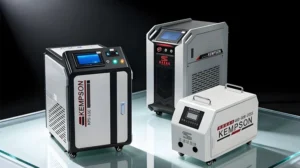
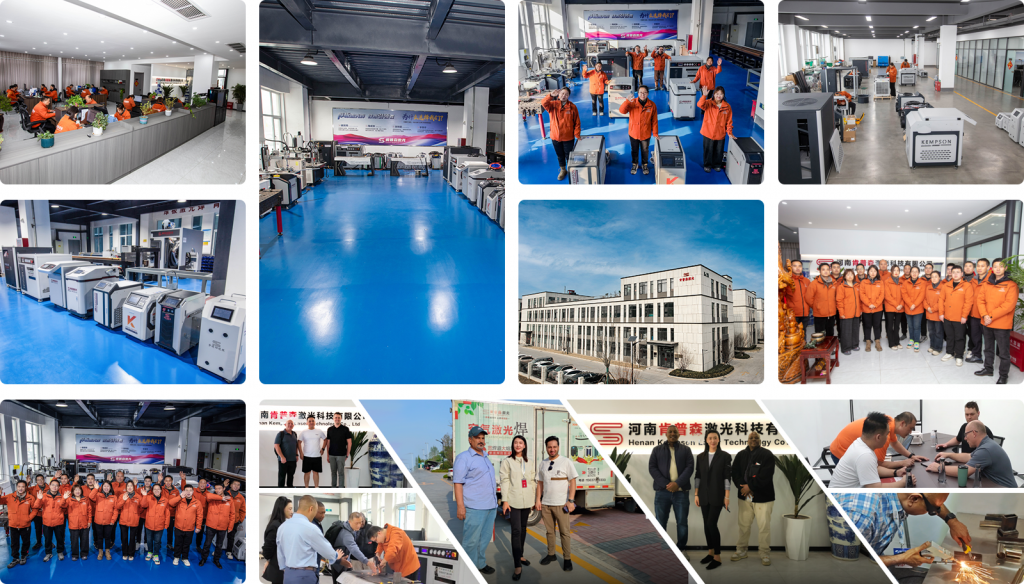
A reliable laser welding machine supplier plays a key role in ensuring stable equipment performance, consistent welding quality, and long-term production efficiency. Choosing the right partner helps reduce operational risks and improves overall investment value. Kempson is a professional manufacturer and supplier of laser welding equipment with extensive experience in customization and export. Learn more about us
Manufacturing Experience
Experienced manufacturers of industrial laser welding machines usually have proven production processes and industry application cases, ensuring more stable product quality and reliable performance.
R&D Capability
Strong R&D capability supports continuous optimization of welding performance and system stability, enabling better adaptation to different industrial requirements for laser welding machines.
Customization Ability
A qualified supplier should provide flexible customization options in power, structure, and automation to match specific production needs and application scenarios.
Technical Support
Fast and professional technical support helps reduce downtime, ensuring stable operation and efficient troubleshooting during production.
Training & After-Sales Service
Comprehensive training and reliable after-sales service ensure operators can quickly master the equipment and maintain long-term stable performance of the laser welding machine.
Export Experience
Suppliers with export experience are more familiar with international standards and can provide smoother delivery, installation, and service support for global customers.
In summary, selecting a supplier with strong experience, technical capability, and service support is essential to ensure the long-term reliability and performance of a laser welding machine.
Conclusion
Choosing the right laser welding machine and a reliable supplier is a key step in improving production efficiency, welding quality, and long-term cost control. From material selection and power configuration to automation integration and supplier capability, every detail directly affects the final manufacturing result. A well-matched solution ensures stable performance and supports sustainable production growth.
At Kempson, we focus on delivering high-performance industrial laser welding machines with stable quality, flexible customization, and proven industrial applications. Our solutions cover a wide range of industries, including sheet metal fabrication, automotive parts, steel structures, and precision manufacturing. With strong engineering support, strict quality control, and responsive after-sales service, we help customers achieve efficient and reliable welding performance in real production environments.
If you are looking for a trusted laser welding machine supplier, contact us today to get professional guidance and tailored welding solutions for your application.
FAQ
How do I choose the right laser welding machine for my application?
Start by identifying your material type, thickness, and production volume. These three factors determine the required power level, machine type, and automation level of the laser welding machine.
What is the most important factor when selecting a laser welding machine?
Material compatibility is the key factor. Stainless steel, aluminum, carbon steel, and galvanized sheet all require different parameter settings and machine configurations.
How much power do I need for a laser welding machine?
Power depends on thickness:
- Thin sheet: 1000W–1500W
- Medium thickness: 1500W–2000W
- Heavy structures: 2000W–3000W+
Choosing the correct power ensures stable welding quality and cost efficiency.
Should I choose a handheld or automated laser welding machine?
If you handle flexible production or small batches, a handheld system is suitable. For large-scale or repetitive production, an automated laser welding machine is more efficient and stable.
How important is automation when choosing a laser welding machine?
Automation is critical for mass production. Integrated systems improve consistency, reduce labor cost, and support smart manufacturing upgrades.
What mistakes should I avoid when selecting a laser welding machine?
Common mistakes include choosing overly high power, ignoring material testing, overlooking automation compatibility, and focusing only on initial price instead of total cost.
Do I need to test samples before buying a laser welding machine?
Yes. Sample testing is essential to confirm weld strength, seam quality, and deformation level under real production conditions.
How do I choose a reliable laser welding machine supplier?
A good supplier should offer technical support, customization capability, stable manufacturing experience, and long-term after-sales service to ensure reliable operation.