Table of Contents
IIntroduction
As manufacturers seek higher productivity, better cutting quality, and lower operating costs, more companies are investing in a Tube Laser Cutting Machine For Sale. Compared with traditional cutting methods, a Fiber Laser Tube Cutting Machine offers higher precision, faster processing speeds, and greater material utilization, making it a popular choice for metal fabrication and tube processing industries.
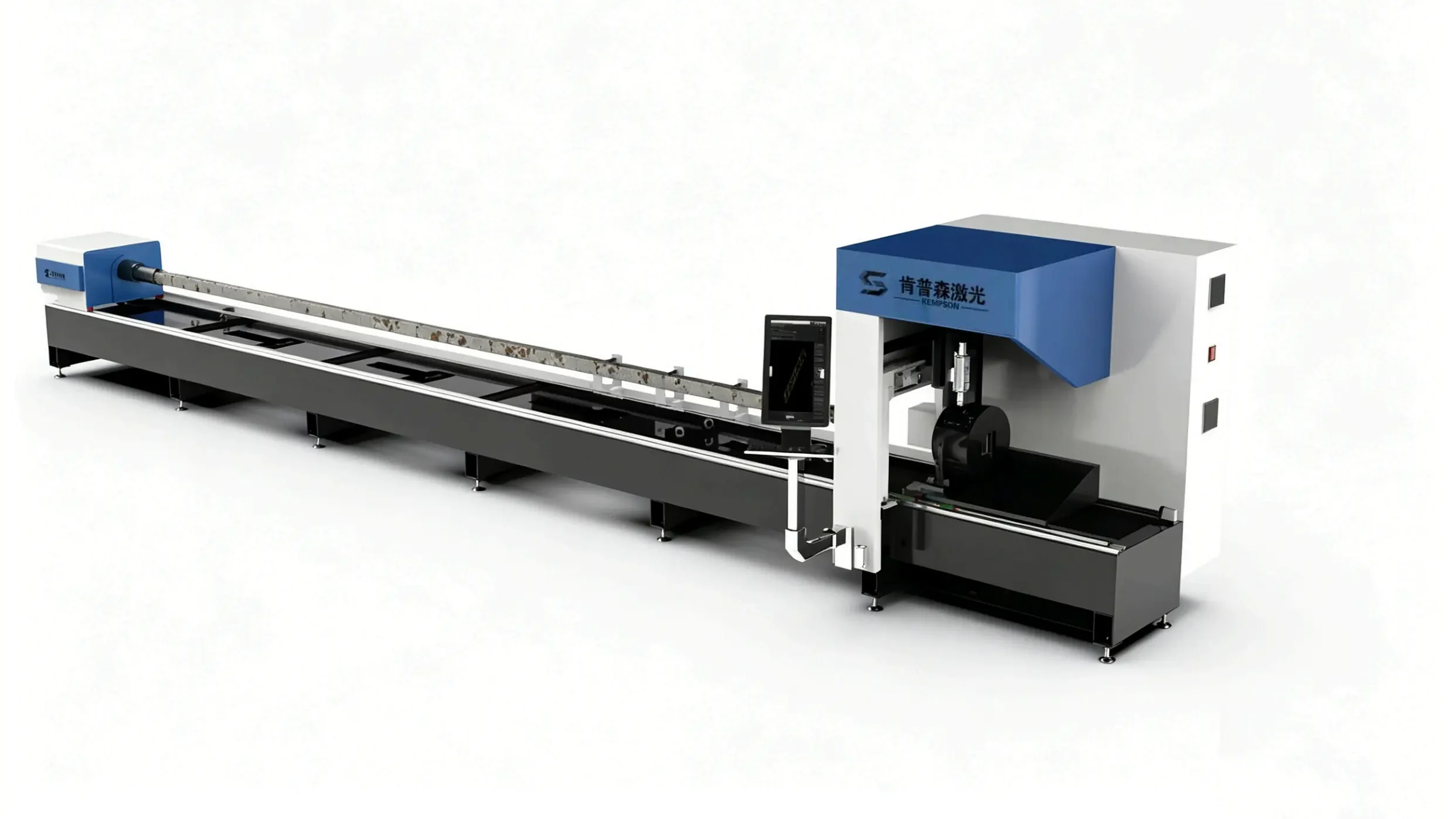
Choosing the Best Tube Laser Cutting Machine depends on factors such as tube size, material type, production volume, automation requirements, and budget. This guide explains the key features, pricing factors, and selection criteria buyers should consider when evaluating the Best Tube Laser Cutting Machine For Sale for their business.
What Is a Tube Laser Cutting Machine?
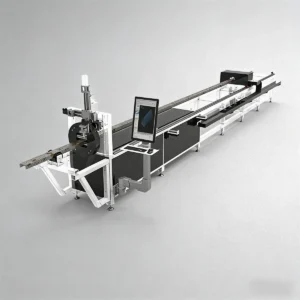
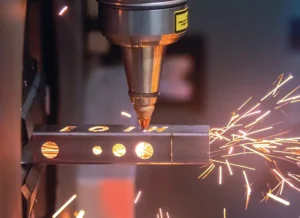
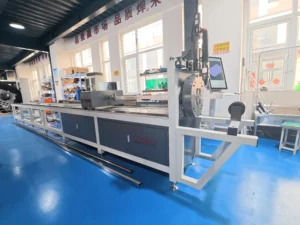
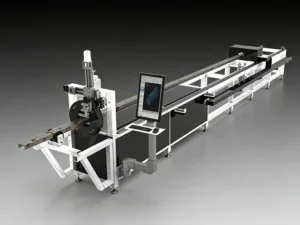
A Tube Laser Cutting Machine For Sale is a CNC machine used for cutting, drilling, and processing metal tubes with high precision. The laser beam is transmitted through an optical fiber to the cutting head, where it is focused onto the tube surface and guided by a CNC Tube Laser Cutting Machine control system to complete the required cutting operations. Its main components typically include a laser source, CNC control system, chuck system, cutting head, and feeding device.
A Fiber Laser Tube Cutting Machine can process round, square, rectangular, and special-shaped tubes made from carbon steel, stainless steel, aluminum alloy, brass, and other metals. It is widely used in metal fabrication, automotive manufacturing, construction machinery, furniture production, fitness equipment, architectural structures, and other industries requiring precise tube processing. To learn more about the features of metal tube cutting machines, read What Is a Tube Laser Cutting Machine?
Laser Cutter Power Types
Tube laser cutting machines are available in different power and configuration types. Each model is designed for a specific level of tube thickness, production volume, and processing demand. Lower-power systems are commonly used for light fabrication and thin-wall tubes, while higher-power machines are built for heavy-duty cutting and continuous industrial production.
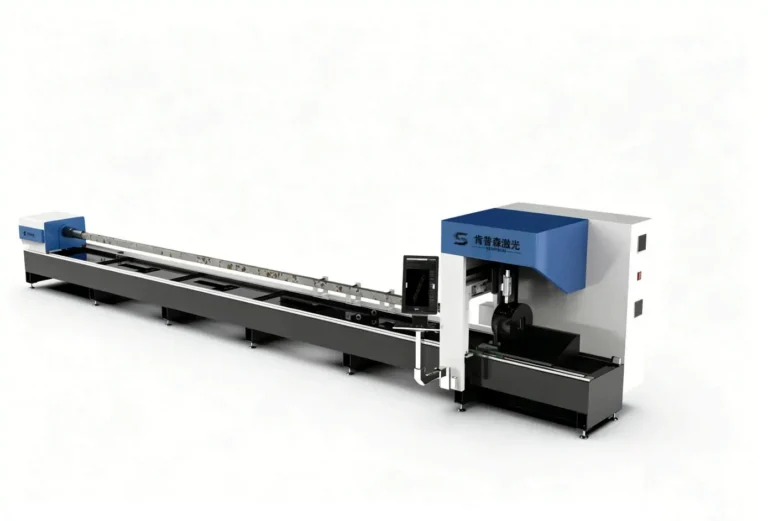
1500W Tube Laser Cutting Machine
Designed for light-duty processing with a focus on precision and cost control. Suitable for small parts and decorative metal products where material thickness is limited.
Typical tube thickness: up to 3 mm
Machine type: 1500W power tube laser cutting machine
Applications:
- Small-batch metal fabrication
- Furniture frames
- Display racks
- Doors and window railings
- Agricultural greenhouse tubes
2000W Tube Laser Cutting Machine
A general-purpose solution for daily production. Offers a balance between cutting speed, material compatibility, and operating cost.
Typical tube thickness: 3–6 mm
Machine type: 2000W power tube laser cutting machine
Applications:
- Carbon steel and stainless steel tubes
- Fitness equipment
- Agricultural machinery parts
- General metal fabrication
- Structural components
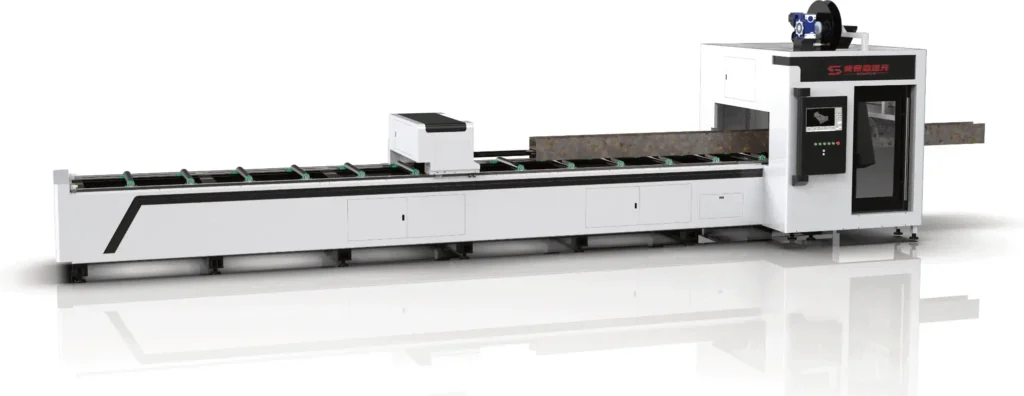
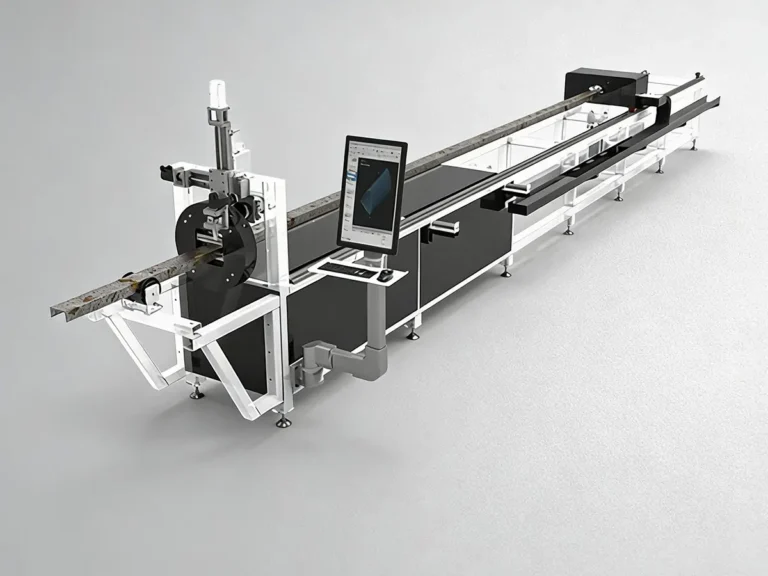
3000W Tube Laser Cutting Machine
Suitable for medium to heavy fabrication tasks. Supports higher cutting speed and stable performance in batch production environments.
Typical tube thickness: 5–10 mm
Machine type: 3000W power tube laser cutting machine
Applications:
- Machinery components
- Steel structures
- Industrial equipment frames
- Metal fabrication workshops
- Structural parts production
6000W+ Tube Laser Cutting Machine
Designed for heavy industry and large-scale production. Handles large-diameter and thick-wall tubes with continuous operation capability.
Typical tube thickness: 10 mm and above
Machine type: 6000W+ heavy-duty tube laser cutting machine
Applications:
- Construction machinery
- Shipbuilding industry
- Heavy steel structures
- Large industrial fabrication
- Automated production lines
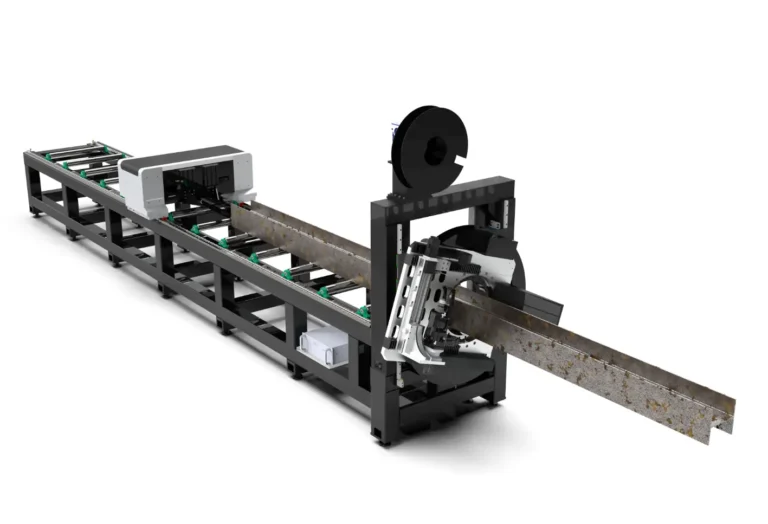
Power Selection Guide
Choosing laser power is not simply a matter of higher or lower output. Material thickness, production volume, and cutting speed should all be considered before selecting a tube laser cutting machine.
| Laser Power | Tube Thickness | Production Volume | Users |
|---|---|---|---|
| 1500W | Thin-wall tubes | Small batch | Small fabrication workshops, furniture hardware, door & window manufacturers |
| 2000W | Thin to medium-wall tubes | Daily production | General metal fabrication, fitness equipment, and agricultural equipment manufacturers |
| 3000W | Medium to thick-walled tubes | High-volume production | Steel fabrication shops, machinery manufacturers, and industrial processing plants |
| 6000W+ | Thick-walled and large-diameter tubes | Continuous mass production | Heavy equipment manufacturers, steel structure factories, and automated production lines |
Laser power directly affects the material thickness, cutting speed, and production capacity. Choosing the right power level depends on your processing requirements and budget.
Applicable Materials
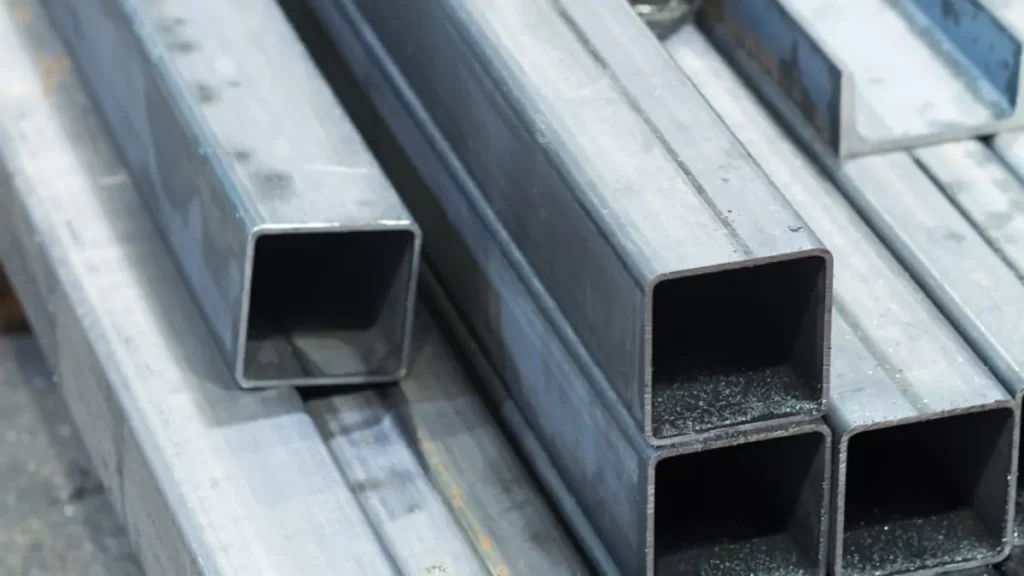
Carbon Steel
Cutting Thickness Up to:
6 mm (1500W)
8 mm (2000W)
12 mm (3000W)
20 mm (6000W+)
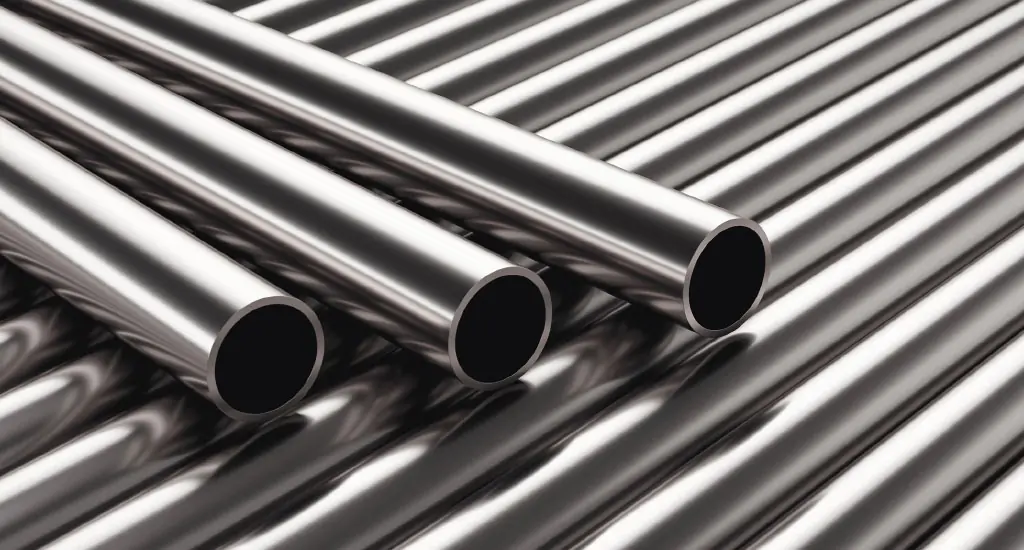
Stainless Steel
Cutting Thickness Up to:
4 mm (1500W)
6 mm (2000W)
8 mm (3000W)
16 mm (6000W+)
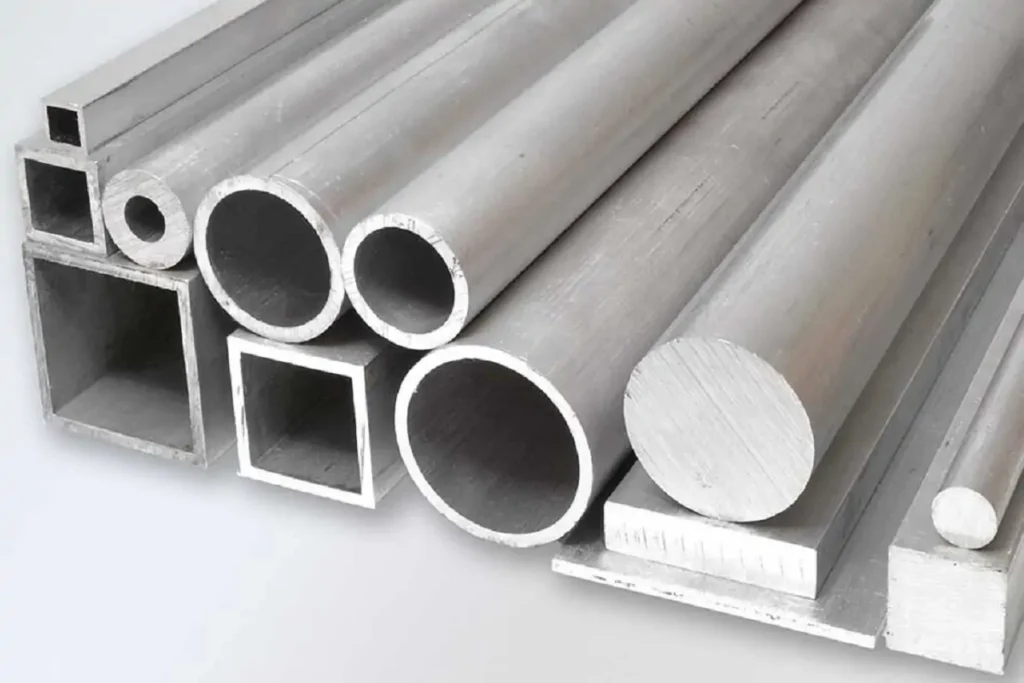
Aluminum
Cutting Thickness Up to:
3 mm (1500W)
4 mm (2000W)
6 mm (3000W)
12 mm (6000W+)
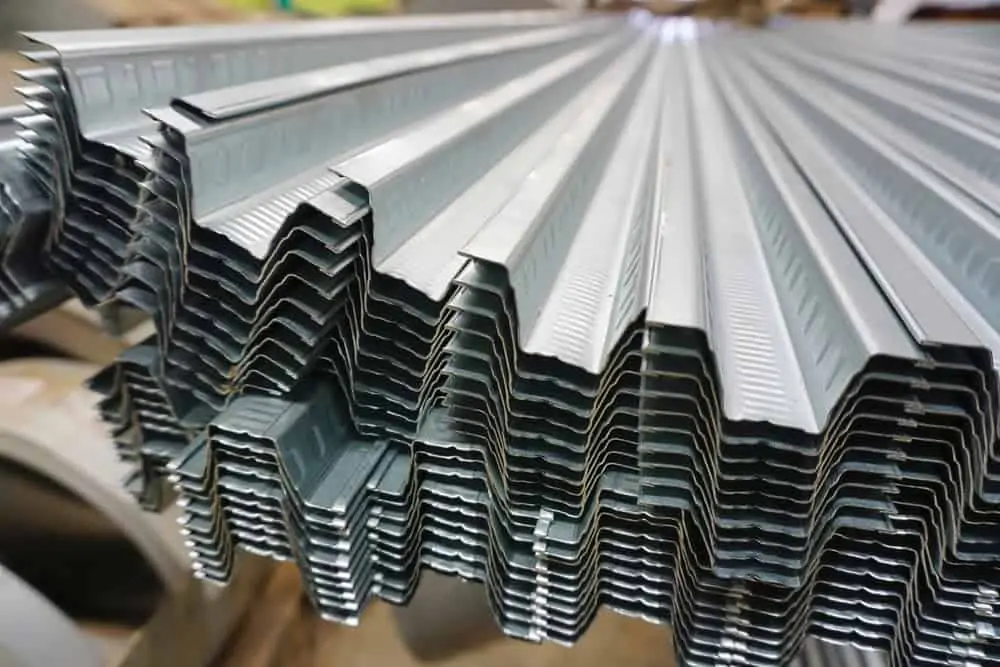
Galvanized Steel
Cutting Thickness Up to:
3 mm (1500W)
4 mm (2000W)
6 mm (3000W)
10 mm (6000W+)
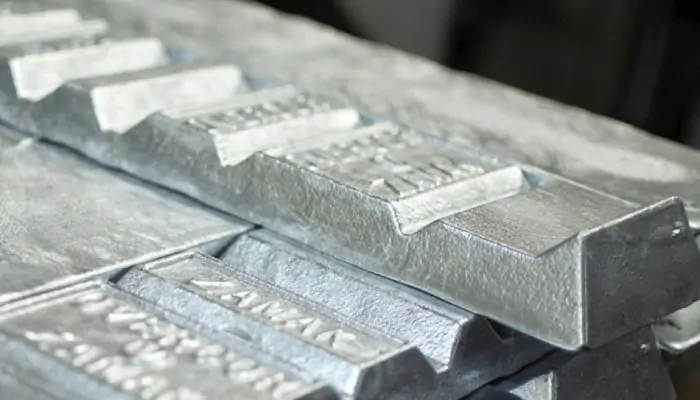
Zinc Alloy
Cutting Thickness Up to:
2 mm (1500W)
3 mm (2000W)
5 mm (3000W)
8 mm (6000W+)
How to Choose the Best Tube Laser Cutting Machine?
Selecting a tube laser cutting machine starts with understanding your processing requirements. Material type, tube size, production volume, automation level, and machine configuration are the factors that determine which model is the right fit.
- Processing Requirements: Confirm the tube material, diameter, wall thickness, profile shape, and production volume before selecting a machine.
- Laser Power: Choose laser power based on material thickness and required cutting speed. Higher power is not always the better choice.
- Automation Level: Manual systems suit small batches, while automatic loading and unloading improve productivity for high-volume production.
- Machine Structure: A rigid machine bed provides stable cutting accuracy and reliable long-term operation.
- Chuck System: A high-precision chuck improves clamping stability, cutting accuracy, and changeover efficiency.
- Core Components: The cutting head, servo motors, guide rails, and cooling system have a direct impact on cutting quality and machine reliability.
- CNC Control System: A user-friendly CNC system simplifies programming and daily operation while improving production efficiency.
- Nesting Software: Efficient nesting software reduces material waste and improves sheet or tube utilization.
- Smart Functions: Production monitoring, remote diagnostics, and MES connectivity help simplify production management.
The right machine should match your actual production needs. A suitable configuration improves cutting quality, production efficiency, and long-term operating costs.
You may also refer to the article “How to Choose the Right Tube Laser Cutting Machine?” to learn how to select the right machine for your needs.
Factors Affecting Price
Tube laser cutting machine prices are not fixed because the final cost depends on how the machine is configured and what level of performance is required.
- Laser Power — Higher power supports thicker tubes and faster cutting speeds, which increases the overall machine cost.
- Chuck Size — Larger chucks are needed for big-diameter tubes and heavy-duty processing, which adds to the equipment cost.
- Tube Diameter Range — Machines designed for wider processing ranges require stronger structures and more advanced components.
- Automatic Loading System — Automatic feeding and unloading systems significantly increase productivity but also raise the investment level.
- Brand and Components — Well-known brands and high-end core parts (laser source, cutting head, CNC system) directly affect price stability and lifespan.
- Optional Functions — Features such as bevel cutting, drilling, nesting software, and smart monitoring systems add flexibility but also increase cost.
Price differences come from the configuration level and production capability. Higher-spec machines support wider applications and higher output, while standard models focus on basic tube-cutting requirements. You can also read the article “How Much Does a Tube Laser Cutting Machine Cost?” to learn more.
Final Buying Checklist Before Ordering
Before buying a Tube Laser Cutting Machine, a simple checklist helps confirm whether the equipment fits your production needs. Key factors like tube size, material, automation, and support directly affect performance and cost.
- Tube size range – Ensure the machine can handle your minimum and maximum tube diameters and lengths.
- Material type – Confirm compatibility with your main materials, such as carbon steel, stainless steel, or aluminum.
- Laser power – Select appropriate power based on material thickness and required cutting speed.
- Automation level – Decide whether manual, semi-automatic, or fully automatic operation fits your production needs.
- Software capability – Check CNC system functions, nesting efficiency, and file format compatibility.
- Manufacturer support – Evaluate installation service, training quality, and after-sales response speed.
- Spare parts availability – Ensure critical consumables and components can be supplied quickly and consistently.
- Budget – Balance initial investment with long-term operating costs and expected ROI.
A careful review of each item ensures the machine matches your requirements and avoids costly mistakes. A well-matched system improves efficiency, stability, and long-term ROI.
Why Choose KEMPSON Tube Laser Cutting Machines?
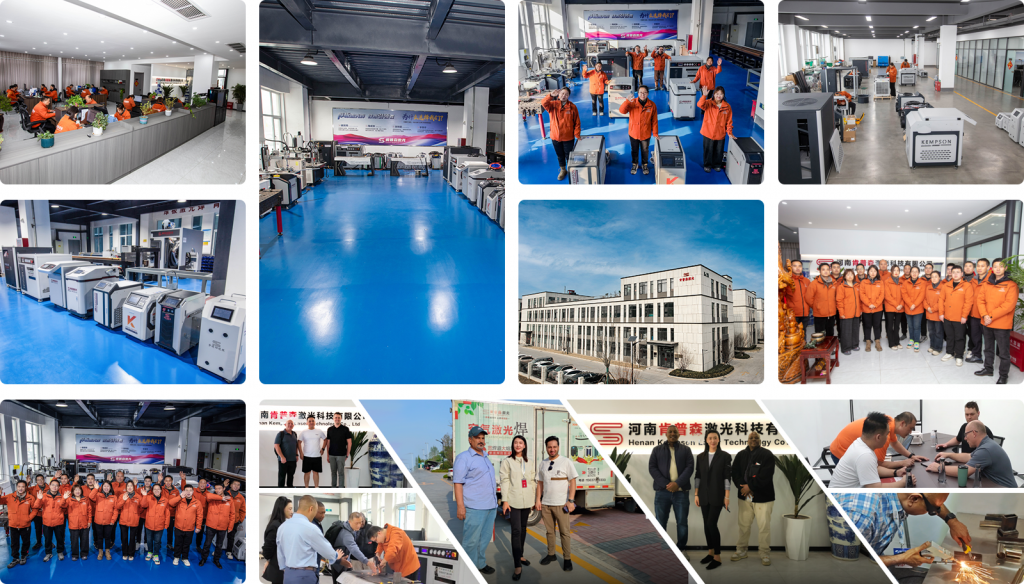
A Tube Laser Cutting Machine is a long-term investment, and choosing the right supplier directly affects production stability and efficiency. KEMPSON provides complete solutions designed for different industrial needs.
Professional Design Team
Has an experienced engineering team focused on optimizing machine structure and cutting performance for stable industrial use.
Customization Capability
Offers tailored configurations based on tube size, material, and production requirements to match specific application needs.
Global Export Experience
Machines are widely exported and applied in different markets, ensuring proven performance across various industrial standards.
After-Sales Support
Provides installation guidance, training, and responsive technical support to ensure stable long-term operation.
Choosing KEMPSON means choosing stable performance, reliable engineering, and long-term service support for your Tube Laser Cutting Machine needs. If you are planning a new project or upgrading your production line, contact us to get a tailored solution and professional technical guidance for your application.
FAQS
What is a Tube Laser Cutting Machine used for?
It is used for high-precision cutting, drilling, and shaping of metal tubes in industries such as fabrication, automotive, furniture, and construction.
What materials can a Tube Laser Cutting Machine process?
It can process carbon steel, stainless steel, aluminum alloy, brass, and other common metal tubes.
How do I choose the right laser power?
Laser power should be selected based on material thickness and production demand, with higher power required for thicker tubes and faster cutting speeds.
What is the difference between manual and automatic systems?
Manual systems require operator loading and are suitable for small batches, while automatic systems support continuous production with higher efficiency and lower labor cost.
How important are the CNC system and software?
Very important, as it controls cutting accuracy, nesting efficiency, and overall machine ease of use.
What affects the price of a Tube Laser Cutting Machine?
Key factors include laser source brand, machine structure, automation level, power configuration, and after-sales service.
What is the typical payback period?
Most systems achieve ROI within 12–18 months, depending on production scale, material usage, and automation level.
How do I choose a reliable manufacturer?
Look for experience, technical strength, customization capability, global service support, and proven industry cases.