Table of Contents
Introduction
Industrial cleaning methods affect surface quality, production efficiency, and operating costs. Traditional methods such as sandblasting, chemical cleaning, and mechanical cleaning are widely used, but they may cause abrasive damage, chemical waste, high labor costs, and secondary pollution.
Pulsed laser cleaning provides a contact-free cleaning solution for applications that require precise surface treatment and lower material impact. This article compares Pulsed Laser Cleaning vs. Traditional Cleaning Methods in terms of cleaning performance, surface protection, operating cost, and suitable applications to help manufacturers select the right cleaning technology.
What Is Pulsed Laser Cleaning?
Pulsed laser cleaning is a non-contact surface treatment process that uses high-energy laser pulses to remove contaminants from a material surface. Unlike abrasive or chemical cleaning methods, it does not require direct contact with the workpiece, reducing the risk of surface damage during cleaning.
The cleaning process works by directing laser pulses onto the contaminated layer. The laser energy is absorbed by rust, paint, oil, oxide, or other residues, causing thermal expansion, vaporization, or separation between the contamination and the substrate. The base material remains largely unchanged when the parameters are properly adjusted.
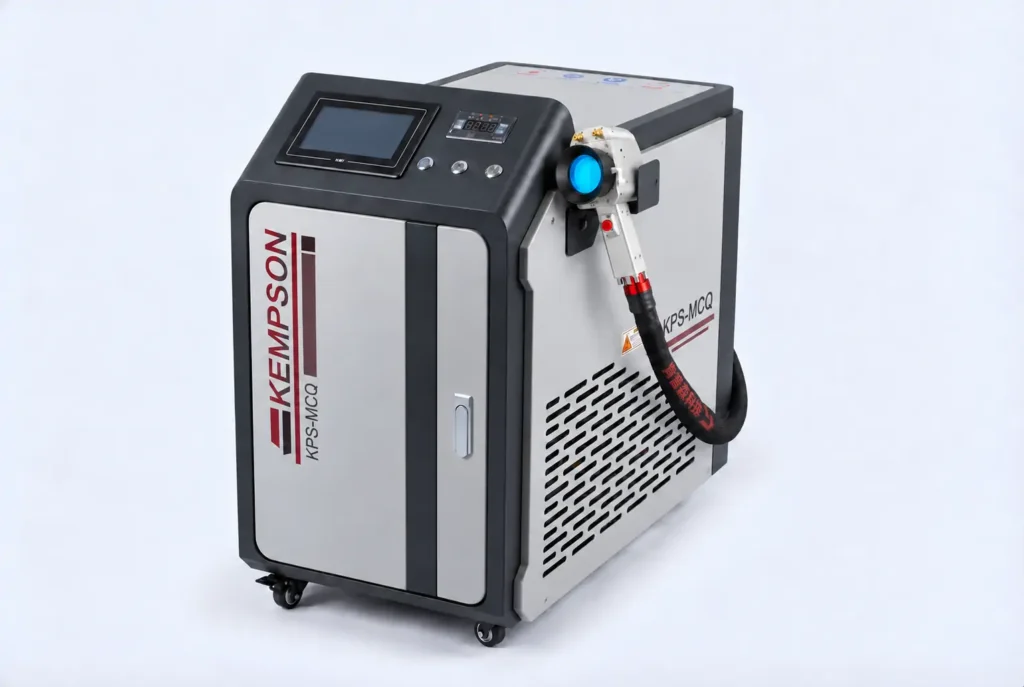
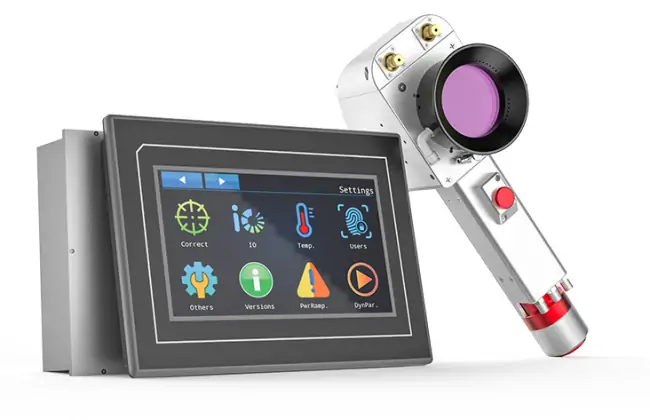
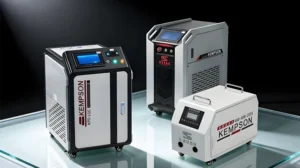
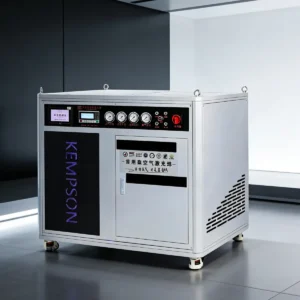
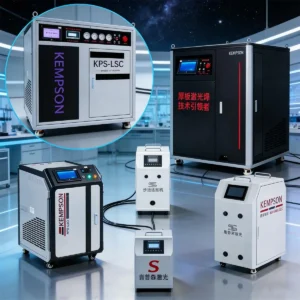
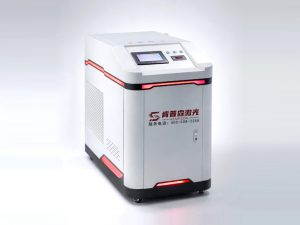
KEMPSON pulsed laser cleaning machines use MOPA pulse fiber laser sources with a 1064nm wavelength and adjustable pulse parameters for different materials and applications. The handheld cleaning system is suitable for industrial surface treatment, including rust removal, paint stripping, oxide removal, oil cleaning, welding residue removal, and coating removal.
Is pulsed laser cleaning safe, and what factors influence it? For more details, see: Can Pulsed Laser Cleaning Damage the Surface? Understanding Laser Cleaning Safety
Learn about pulsed laser cleaning and understand how it differs from continuous laser cleaning: Pulsed Laser Cleaning Machine vs. Continuous Laser Cleaning Machine: Differences and Selection Guide
Traditional Cleaning Methods
Traditional cleaning methods are widely used in industrial surface treatment due to their mature processes and broad application range. Different methods are selected based on contamination type, material characteristics, cleaning accuracy, and production requirements.
Sandblasting Cleaning
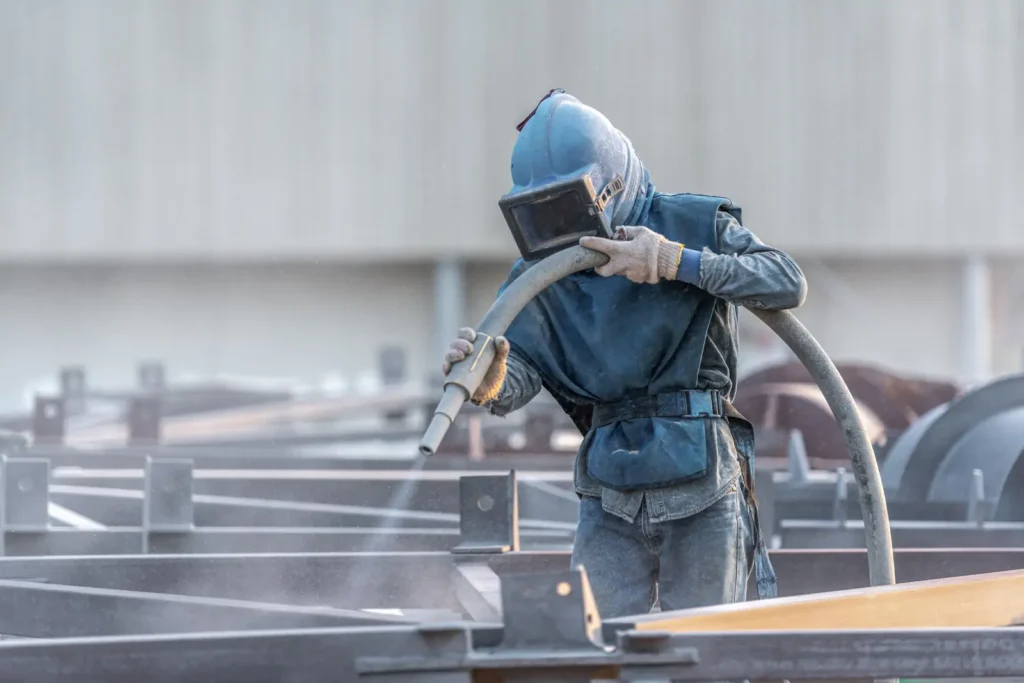
Sandblasting uses abrasive media, such as sand or other particles, to remove rust, paint, oxide layers, and surface contaminants through mechanical impact.
Advantages:
- Suitable for large-area surface cleaning
- Effective for heavy rust and coating removal
- Commonly used for steel structures and industrial equipment
Limitations:
- Generates dust and abrasive waste
- Requires media consumption and disposal
- May affect sensitive or precision surfaces
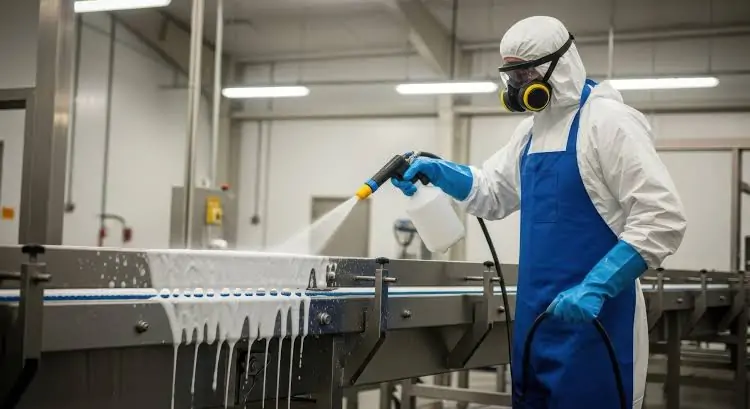
Chemical Cleaning
Chemical cleaning uses chemical solutions to dissolve or loosen contaminants such as oil, rust, and oxide layers from the surface.
Advantages:
- Effective for complex-shaped parts
- Suitable for batch cleaning processes
- Can remove contaminants that are difficult to clean mechanically
Limitations:
- Requires chemical handling and waste treatment
- May cause corrosion on certain materials
- Often requires additional rinsing or drying processes
Mechanical Cleaning
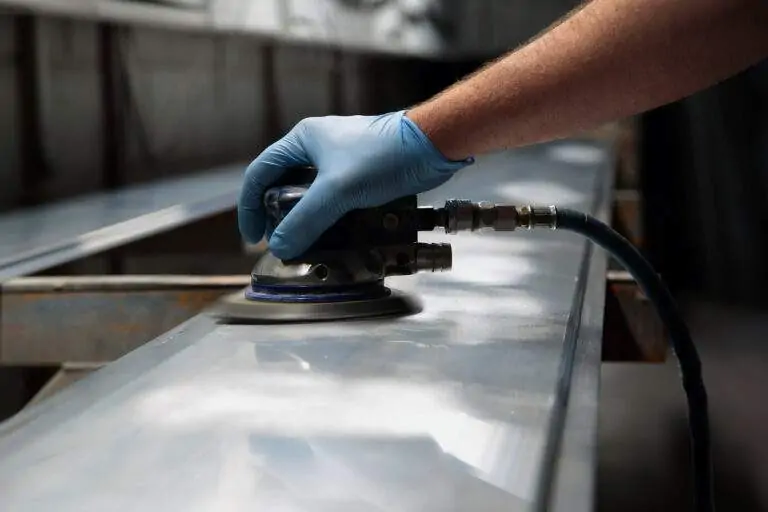
Mechanical cleaning removes contaminants through physical tools such as grinding wheels, brushes, or scrapers.
Advantages:
- Simple operation and easy equipment access
- Suitable for local cleaning and surface preparation
Limitations:
- Direct contact may cause surface scratches
- Tools wear during operation
- Cleaning quality depends on operator experience
Ultrasonic Cleaning
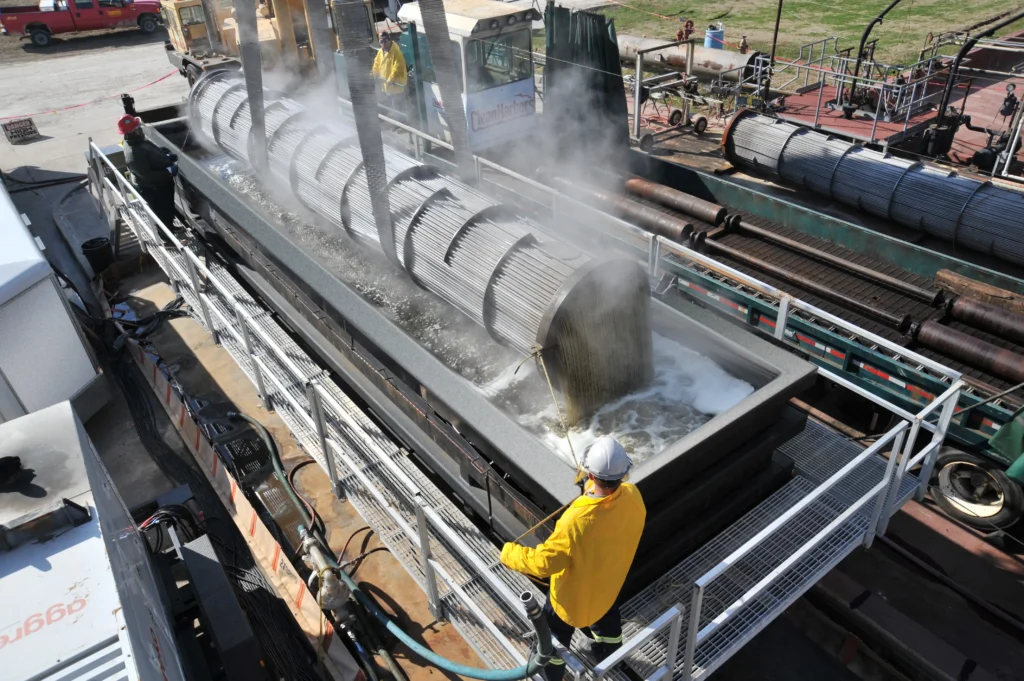
Ultrasonic cleaning uses high-frequency sound waves to create cavitation bubbles in a liquid medium. The bubbles generate cleaning forces that remove contaminants from component surfaces.
Advantages:
- Suitable for precision components and small parts
- Can clean complex structures and narrow areas
Limitations:
- Requires a liquid cleaning medium
- Limited for large-size structures
- Requires additional processes for liquid handling and drying
These traditional cleaning methods remain effective for many industrial applications. However, factors such as surface protection, waste management, labor requirements, and cleaning precision have led manufacturers to consider pulsed laser cleaning as an alternative solution.
Pulsed Laser Cleaning vs Traditional Cleaning Methods Comparison
Pulsed laser cleaning and traditional cleaning methods have different working principles and application advantages. Laser cleaning focuses on precise, non-contact surface treatment, while traditional methods are commonly selected for heavy-duty cleaning and large-area applications. The following comparison shows the main differences between these two cleaning technologies.
| Comparison | Pulsed Laser Cleaning | Traditional Cleaning Methods |
|---|---|---|
| Cleaning Method | Uses high-energy laser pulses to remove contaminants without physical contact | Uses abrasive media, chemical solutions, or mechanical tools to remove contaminants |
| Surface Damage | Low risk of damage when parameters are properly adjusted | May cause scratches, material wear, or chemical corrosion depending on the method |
| Consumables | No abrasive media or chemical cleaning agents required | Requires abrasives, chemicals, brushes, grinding tools, or other consumables |
| Waste Generation | Produces minimal secondary waste | Generates dust, chemical waste, used abrasives, or cleaning residues |
| Cleaning Precision | Suitable for precision cleaning, selective removal, and detailed areas | Limited by tool size, abrasive impact, or chemical reaction control |
| Automation | Easy to integrate with robotic systems and production lines | Automation depends on the specific cleaning equipment and process |
| Operating Environment | Cleaner working environment with reduced waste handling | May require ventilation systems, waste treatment, or additional safety measures |
For applications requiring surface protection, precise cleaning control, and reduced secondary waste, pulsed laser cleaning provides an alternative to traditional methods. Traditional cleaning methods remain suitable for large-scale surface preparation and applications where abrasive or chemical processes meet production requirements.
Pulsed Laser Cleaning vs Sandblasting: Which One Is Better?
Pulsed laser cleaning and sandblasting are common surface treatment methods. Sandblasting uses abrasive impact, while pulsed laser cleaning removes contaminants through laser energy without direct contact. The right choice depends on the material, contamination type, and surface requirements.

Cleaning Effect
- Sandblasting: Uses abrasive media to remove rust, paint, and heavy coatings. It is suitable for large-area cleaning and thick contamination removal.
- Pulsed Laser Cleaning: Uses laser pulses to remove rust, oxide, paint, and residues with controlled energy. It is suitable for precision surfaces and selective cleaning.
Surface Protection
- Sandblasting may affect the surface profile due to abrasive impact, especially on sensitive components.
- Pulsed laser cleaning has no mechanical contact, reducing the risk of scratches and surface damage.
Application Examples
Sandblasting:
- Ship structures
- Large steel structures
- Heavy equipment
Pulsed Laser Cleaning:
- Mold maintenance
- Automotive parts
- Aerospace components
- Welding preparation
Sandblasting fits heavy-duty cleaning, while pulsed laser cleaning is suitable for applications requiring surface protection and precise treatment.
Pulsed Laser Cleaning vs Chemical Cleaning
Pulsed laser cleaning and chemical cleaning are used for removing rust, oil, oxide, and other surface contaminants. Chemical cleaning relies on liquid solutions, while laser cleaning uses laser energy for non-contact surface treatment. The suitable method depends on the material, cleaning requirements, and production process.
| Factor | Pulsed Laser Cleaning | Chemical Cleaning |
|---|---|---|
| Contact | Non-contact cleaning process | Requires liquid contact with the workpiece |
| Waste | Produces minimal secondary waste | Generates chemical waste that requires handling |
| Safety | No chemical exposure during cleaning | Requires chemical storage and operation control |
| Precision | Provides controlled cleaning parameters | Depends on chemical reaction and process conditions |
| Application | Suitable for precision industrial cleaning | Suitable for batch cleaning processes |
Chemical cleaning remains a practical choice for large-batch processing and parts that can tolerate chemical solutions.
Pulsed laser cleaning is more suitable for:
- Sensitive components
- High-value parts
- Applications requiring cleaner production processes
- Surface treatment before welding or coating
The choice between laser cleaning and chemical cleaning depends on the required cleaning accuracy, material sensitivity, and production environment.
When Should You Choose Pulsed Laser Cleaning?
Pulsed laser cleaning is suitable for applications that require controlled cleaning, low surface impact, and reduced waste. It is commonly used for precision parts, surface preparation, and automated industrial cleaning.
1. When Surface Protection Is Required
Pulsed laser cleaning removes contaminants without mechanical contact, making it suitable for sensitive surfaces.
Applications:
- Precision molds
- Electronic components
- Aluminum parts
2. When Chemical-Free Cleaning Is Needed
Laser cleaning does not use chemical solutions, helping reduce chemical handling and waste treatment requirements.
Applications:
- Food processing equipment
- Manufacturing equipment maintenance
3. When Selective Material Removal Is Required
Laser parameters can be adjusted to remove surface layers while protecting the base material.
Applications:
- Weld seam cleaning
- Coating removal
- Paint stripping
4. When Integration with Automated Systems Is Needed
Pulsed laser cleaning systems can be integrated with robots or production lines for repeatable cleaning processes.
Applications:
- Robotic laser cleaning systems
- Automated production line cleaning
- Industrial maintenance applications
Pulsed laser cleaning is a suitable choice for applications that require precise surface treatment, reduced material impact, chemical-free operation, and integration with modern manufacturing systems.
When Are Traditional Cleaning Methods Still Suitable?
Traditional cleaning methods remain practical for applications that require large-area treatment, heavy contamination removal, or cost-effective surface preparation. Sandblasting, mechanical cleaning, and chemical cleaning are still widely used in industries where surface precision is less critical.
Suitable applications include:
- Large-scale rough cleaning
- Heavy rust and coating removal
- General surface preparation with lower cost requirements
Examples: Ship maintenance, Large steel structures, and Construction equipment
For these applications, traditional methods can provide efficient cleaning performance and match the production requirements.
How to Choose Between Pulsed Laser Cleaning and Traditional Cleaning Methods?
Choosing the right cleaning method depends on the material, contamination type, surface requirements, and production conditions. The following factors can help determine the suitable solution.
- 1. Material Type — Different materials have different surface properties and cleaning requirements. Stainless steel, aluminum, carbon steel, copper, and composite materials may require different cleaning parameters to avoid surface damage.
- 2. Contamination Type — The type and thickness of contamination affect cleaning method selection. Rust, paint, oil, oxide layers, and coatings require different cleaning approaches and energy levels.
- 3. Required Surface Quality — Choose the cleaning method based on the required surface condition. Rough cleaning may suit traditional methods, while precision cleaning and welding preparation often require better process control.
- 4. Production Requirements — Production volume and operation mode also affect the choice. Manual cleaning, automated systems, and continuous production lines require different equipment configurations.
The best cleaning solution depends on the actual application. Material characteristics, contamination condition, required surface finish, and production needs should be considered before choosing between pulsed laser cleaning and traditional methods.
Industrial Applications of Pulsed Laser Cleaning
Pulsed laser cleaning is used in industries where surface quality, cleaning accuracy, and material protection are important. It can remove rust, oxide, paint, oil, and residues from different components without direct contact with the workpiece.
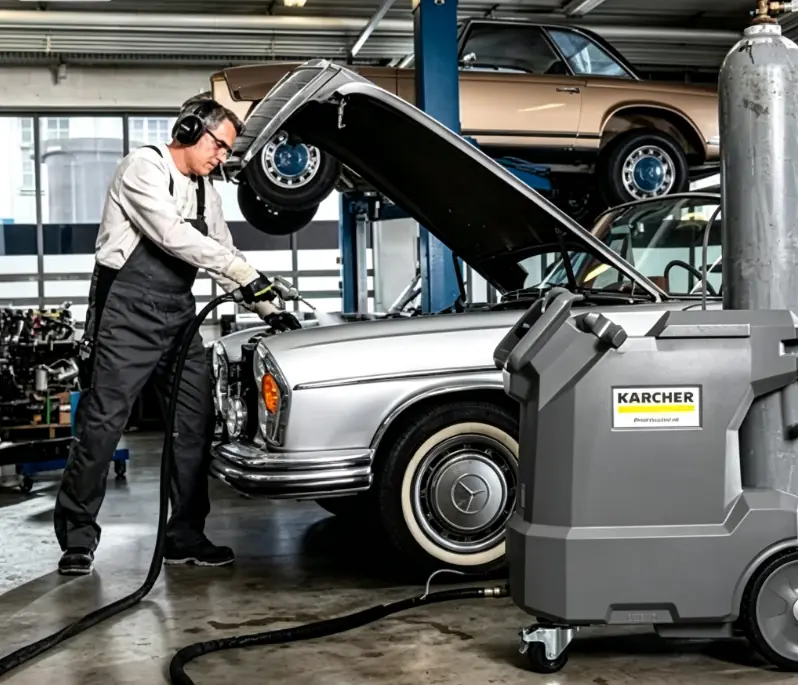
Automotive Manufacturing
Laser cleaning is used for mold maintenance, weld seam cleaning, and surface preparation before coating or bonding. It helps remove contaminants from automotive parts while reducing the risk of surface damage.
Applications:
- Injection mold cleaning
- Welding area cleaning
- Engine and component surface treatment
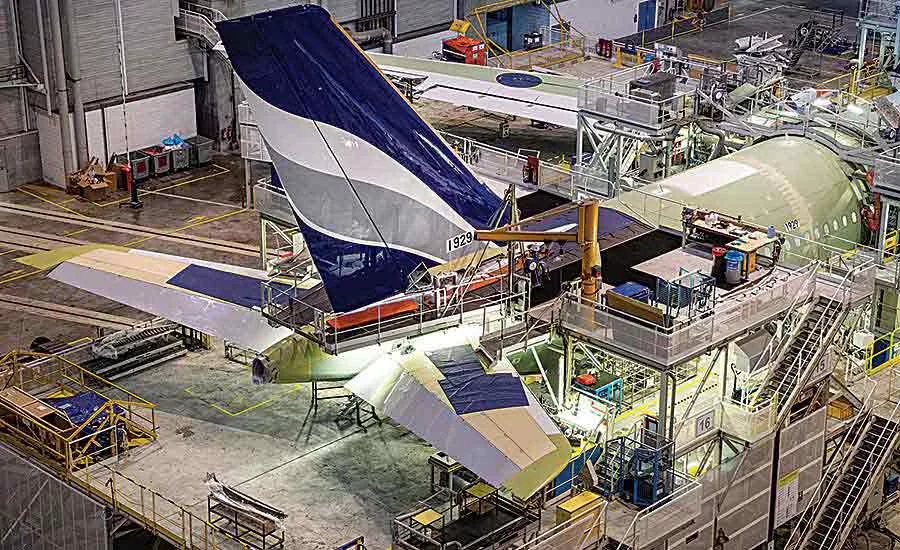
Aerospace Industry
Aerospace components often require precise cleaning processes due to strict surface requirements. Pulsed laser cleaning is used for oxide removal, coating removal, and surface preparation of high-value parts.
Applications:
- Aircraft component cleaning
- Surface preparation before inspection
- Oxide removal from metal parts
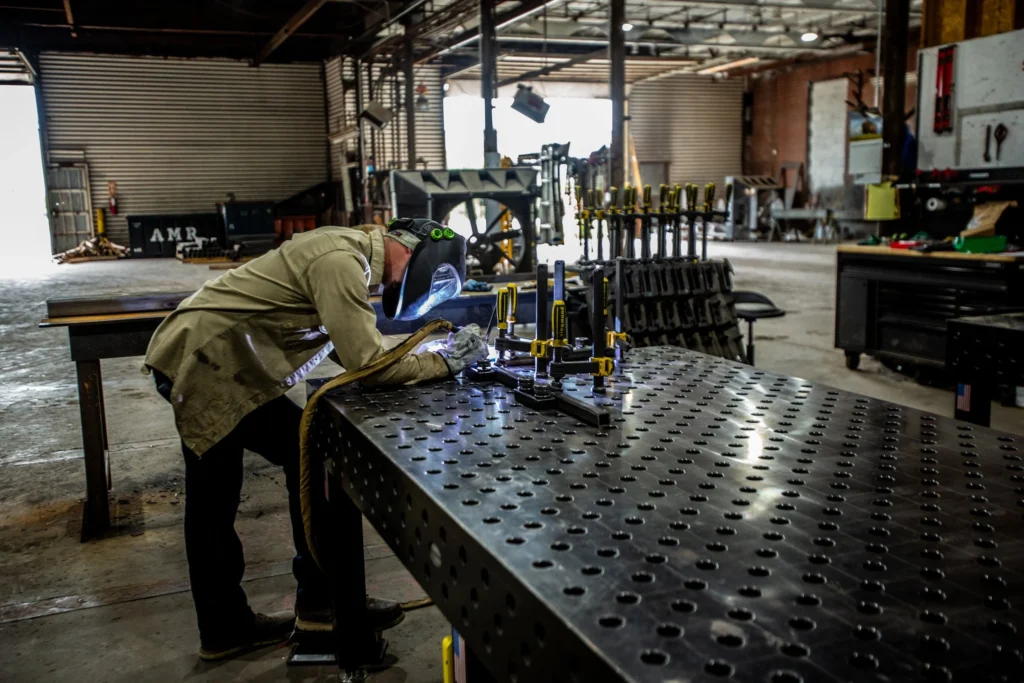
Metal Fabrication
In metal processing, laser cleaning is used to prepare surfaces before welding, painting, or coating. It removes rust, oil, and oxidation layers from metal materials.
Applications:
- Weld seam cleaning
- Rust removal
- Coating preparation
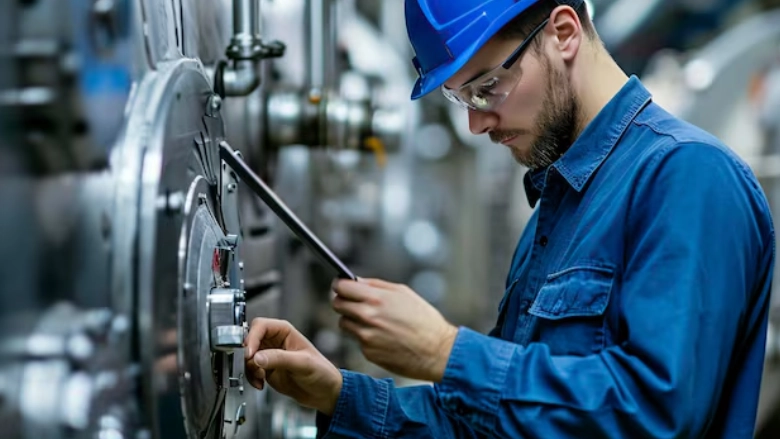
Equipment Maintenance
Pulsed laser cleaning provides a practical solution for maintaining industrial equipment by removing contamination without disassembling complex parts.
Applications:
- Machine part cleaning
- Mold maintenance
- Industrial equipment refurbishment
Pulsed laser cleaning is suitable for applications where traditional cleaning methods may cause surface wear, generate waste, or lack cleaning precision. It provides a controlled option for industrial surface treatment.
Different applications require pulsed laser cleaning equipment with different power levels. For details, see: How to Choose a Pulsed Laser Cleaning Machine for Different Applications?
What materials can a pulsed laser cleaning machine remove, and what is its cleaning range? For details, see: What Can a 500W Pulsed Laser Cleaning Machine Remove?
Conclusion
Pulsed laser cleaning and traditional cleaning methods each have their own application advantages. Traditional methods are still suitable for large-scale and heavy-duty cleaning, while pulsed laser cleaning fits applications that require precise surface treatment and lower surface impact. We also offer continuous-wave laser welding machines for industrial use, suitable for a variety of industrial applications.
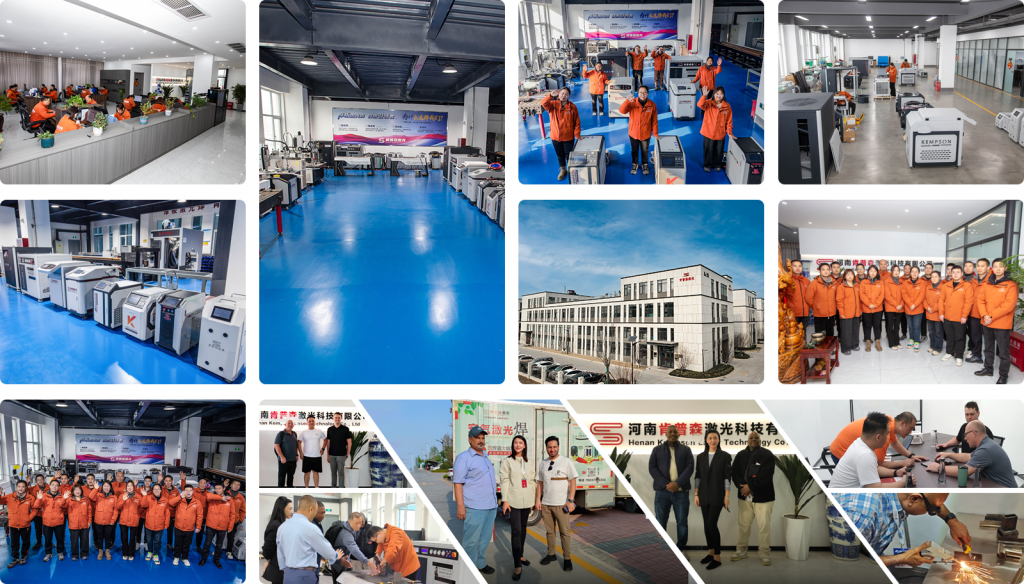
KEMPSON provides pulsed laser cleaning solutions based on material type, contamination condition, and production requirements. Contact us to discuss your cleaning application and get a suitable laser cleaning configuration for your production needs.
FAQ
Is pulsed laser cleaning better than traditional cleaning methods?
Pulsed laser cleaning is not a replacement for all traditional cleaning methods. It is suitable for applications requiring precise cleaning, low surface impact, and reduced waste, while traditional methods remain effective for large-area and heavy-duty cleaning.
What is the difference between laser cleaning and sandblasting?
Laser cleaning uses high-energy laser pulses to remove contaminants without physical contact, while sandblasting uses abrasive media to impact the surface. Laser cleaning offers better control for sensitive surfaces, while sandblasting is suitable for fast removal of thick coatings and heavy rust.
Can pulsed laser cleaning remove rust?
Yes. Pulsed laser cleaning can remove rust, oxide layers, and surface residues from materials such as steel, stainless steel, and aluminum. The laser parameters can be adjusted based on the rust thickness and material condition.
Can laser cleaning damage metal surfaces?
When the laser parameters are properly set, pulsed laser cleaning has a low risk of damaging metal surfaces. The process removes surface contaminants while keeping the base material largely unaffected.
Is laser cleaning safer than chemical cleaning?
Laser cleaning avoids chemical solutions and reduces chemical handling and waste treatment requirements. However, proper laser safety measures, including protective equipment and operating procedures, are required during use.
What materials can pulsed laser cleaning machines clean?
Pulsed laser cleaning machines can be used on various materials, including stainless steel, carbon steel, aluminum, copper, and other metal surfaces. The cleaning parameters should be adjusted according to the material and contamination type.
How much does a pulsed laser cleaning machine cost?
The cost depends on laser power, configuration, cleaning system, and application requirements. Factors such as laser source type, cooling system, and customization options also affect the final price.
How do I choose the right laser cleaning method for my application?
The selection depends on the material, contamination type, required surface quality, and production process. Testing the actual application condition helps determine whether pulsed laser cleaning or a traditional cleaning method is more suitable.