Table of Contents
Introduction
Choosing the right pulsed laser cleaning machine depends on more than laser power. Material type, contamination condition, cleaning requirements, surface protection needs, and working environment all affect the equipment configuration. A suitable machine setup is important for applications such as rust removal, oxide removal, coating removal, and surface preparation.
From our experience with laser cleaning projects, we evaluate equipment selection through laser power, pulse parameters, cleaning head, optical configuration, and application conditions. This article explains the main factors that affect pulsed laser cleaning machine selection and highlights the points customers should consider before purchasing a system.
What Should You Consider Before Choosing a Pulsed Laser Cleaning Machine?
Selecting a pulsed laser cleaning machine starts with the cleaning target rather than laser power alone. Material type, contamination condition, cleaning requirements, and operating environment determine the suitable laser source, parameters, and equipment configuration.
1. Base Material
Different materials have different responses to laser energy. The substrate type should be confirmed before selection to avoid excessive heat input or unwanted surface changes.
Common materials include:
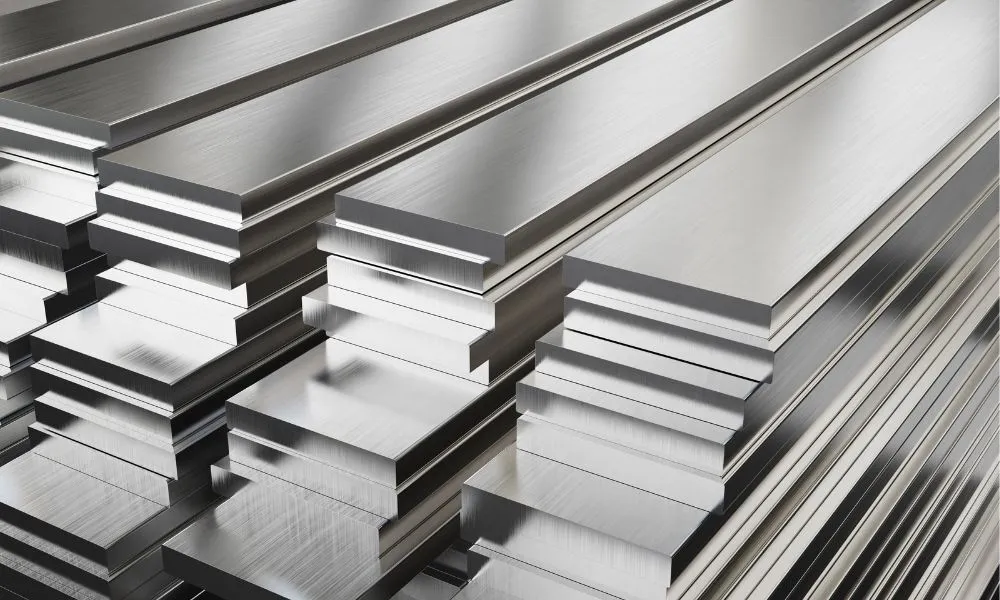
stainless steel
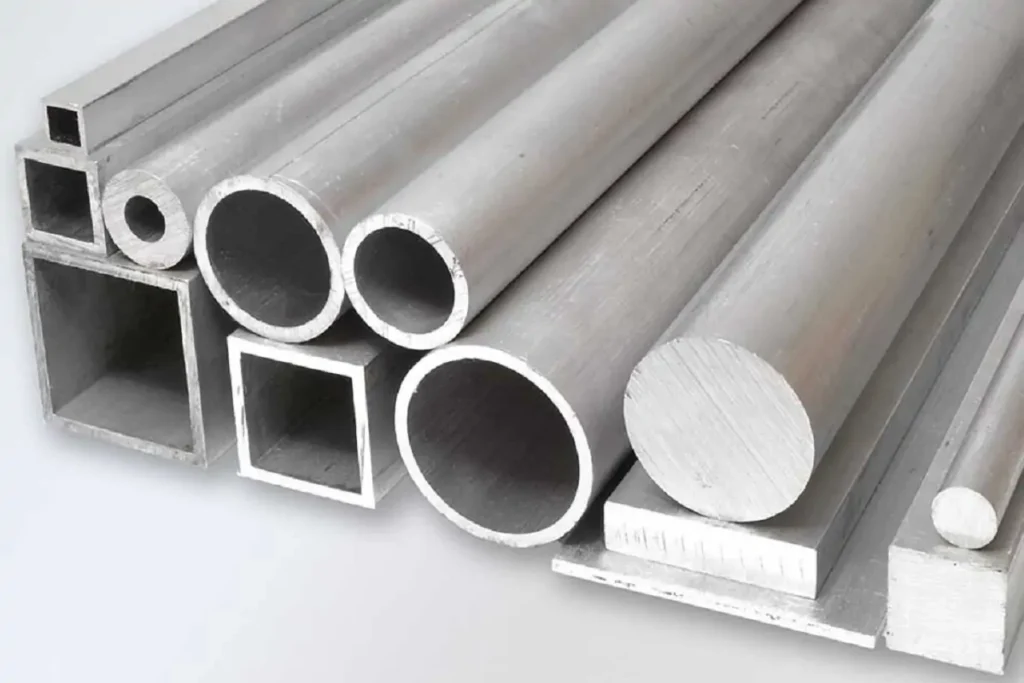
Aluminum

Stone and concrete
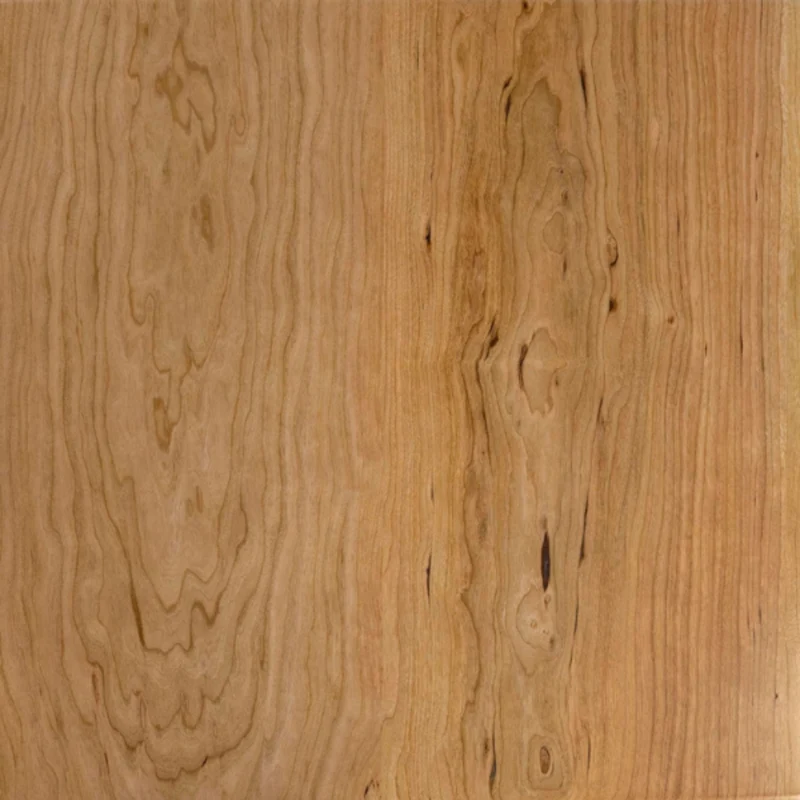
Wood
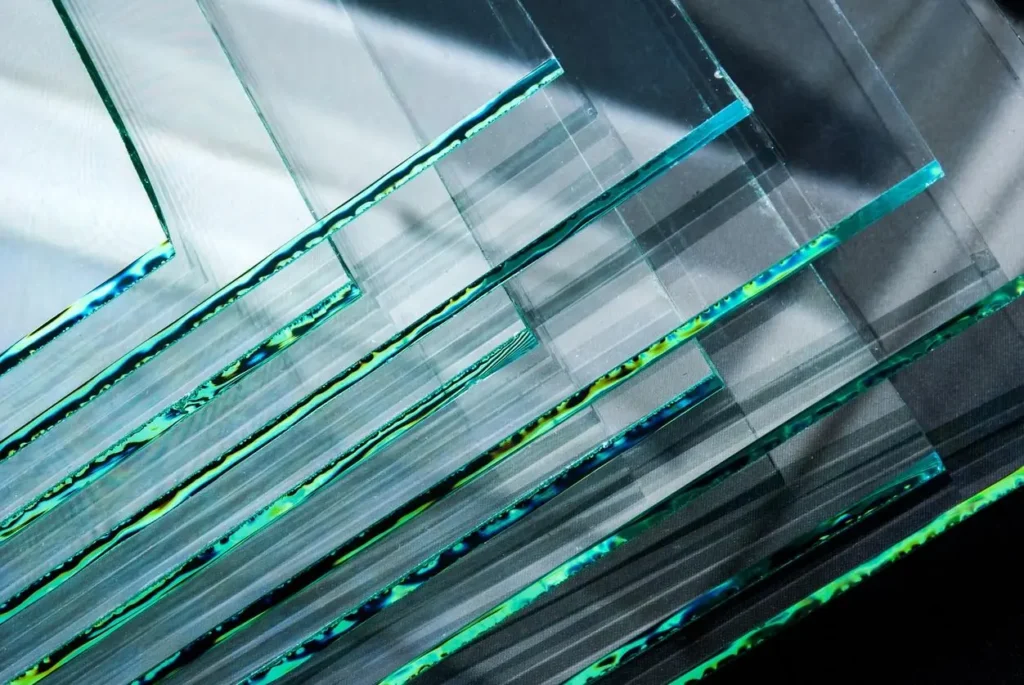
Glass
Sensitive materials may require parameter testing to determine suitable pulse energy and scanning settings.
2. Type of Contamination
The contamination layer affects the required laser parameters. Common cleaning targets include:

Rust
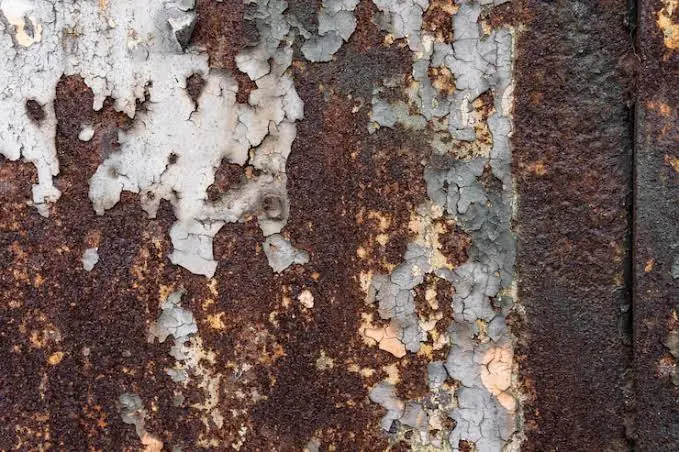
Oxide layers
Paint and coatings
Oil and grease
Carbon deposits
Surface residues
Contamination thickness, bonding strength, and removal depth should be evaluated before selecting the equipment.
What materials can a pulsed laser cleaning machine remove, and what is its cleaning range? For details, see: What Can a 500W Pulsed Laser Cleaning Machine Remove?
Is pulsed laser cleaning safe, and what factors influence it? For more details, see: Can Pulsed Laser Cleaning Damage the Surface? Understanding Laser Cleaning Safety
3. Cleaning Requirements
The required cleaning result directly affects the machine configuration. Key factors include:
- Surface protection
- Cleaning depth
- Cleaning speed
- Surface appearance
For applications involving delicate surfaces, testing on the actual workpiece helps confirm the suitable cleaning parameters before production use.
4. Laser Source and Power
Laser source and power affect cleaning efficiency and application range. Fiber lasers are widely used for industrial metal cleaning due to their stable beam quality and flexible parameter adjustment.
Lower power systems are suitable for precision cleaning, while higher power configurations are used for thicker rust, coatings, and larger cleaning areas. Pulse energy, frequency, and pulse width should match the substrate and contamination condition.
5. Cleaning Head and Optical Configuration
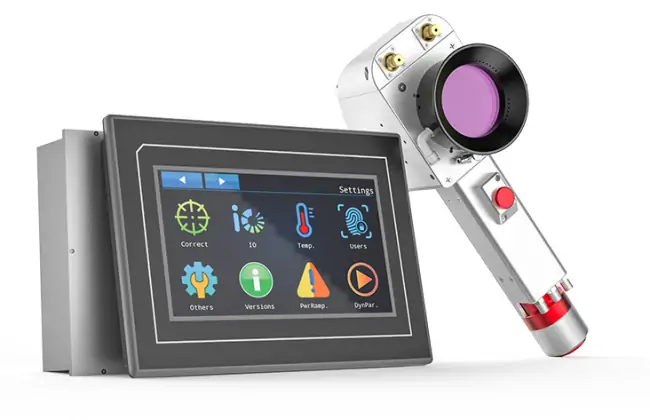
The cleaning head, field lens, scanning width, and working distance affect cleaning accuracy and coverage. A narrow scan area is suitable for detailed cleaning, while a wider scan range improves efficiency on larger surfaces.
Fiber length and beam delivery should also match the operating environment, especially for handheld cleaning applications.
6. Cooling and Safety Requirements
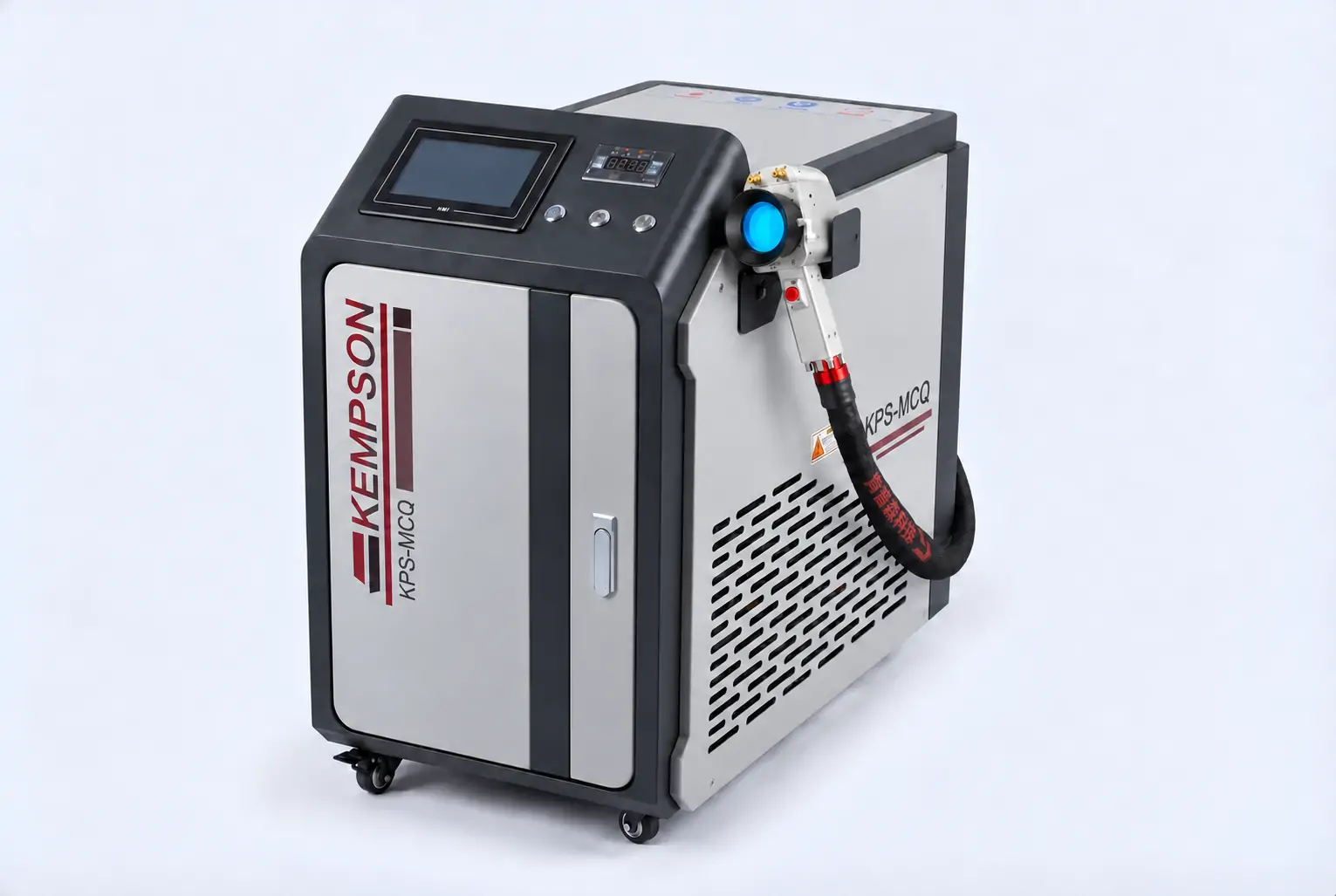
Cooling configuration affects continuous operation capability. Water-cooled systems are commonly used for higher-power pulsed laser cleaner applications that require longer working periods.
During operation, laser radiation, fumes, and removed particles require proper protection measures, including suitable laser safety equipment, grounding, and fume extraction based on the working conditions.
7. How to Select the Right Laser Power?
Laser power selection should be based on the contamination type, surface area, cleaning speed, and substrate sensitivity. A higher power level does not always mean better cleaning results. For many industrial applications, the suitable power range depends on the balance between removal efficiency and surface protection.
| Laser Power Range | Applications | Common Uses |
|---|---|---|
| Lower Power Pulsed Laser Cleaning Machines | Precision cleaning and sensitive surfaces | Small components, detailed cleaning, delicate materials, surface restoration |
| 300W–500W Pulsed Laser Cleaning Machines | General industrial cleaning tasks | Rust removal, oxide removal, welding preparation, machinery maintenance, metal surface treatment |
| 500W–1000W Pulsed Laser Cleaning Machines | Higher cleaning efficiency and larger working areas | Heavy rust removal, thick contamination layers, large metal parts, continuous industrial cleaning |
A 500W pulsed laser cleaning machine is commonly selected for industrial applications that require both cleaning efficiency and control of substrate impact. Higher power systems can improve processing speed for larger areas, but the final configuration should still be verified through material testing and process adjustment.
Pulsed Laser Parameters That Affect Cleaning Performance
Cleaning results depend on the combination of laser output, beam delivery, and scanning parameters. These settings determine how much energy reaches the surface, how contaminants are removed, and how the substrate is protected.
Laser Output Parameters
- Pulse Energy Density: Pulse energy density defines the laser energy applied to a specific area. It affects the removal threshold of rust, coatings, and contaminants. Proper adjustment helps remove surface layers without excessive heat impact on the substrate.
- Average Power and Peak Power: Average power affects cleaning speed, while peak power determines the intensity of each pulse. Their combination influences removal capability for different contamination thicknesses.
- Pulse Frequency: Pulse frequency affects pulse overlap and heat accumulation. Lower frequency is suitable for heat-sensitive surfaces, while higher frequency can improve cleaning efficiency.
- Pulse Width: Pulse width controls the interaction time between the laser pulse and the surface. Short pulses reduce heat diffusion and are commonly used for precision cleaning.
- Wavelength: Wavelength affects how the laser energy is absorbed by the contamination layer and base material. The selected wavelength should match the material and cleaning target.
Beam Delivery Parameters
- Spot Size and Focus Position: Spot size and focus position determine the laser energy distribution on the surface. Proper optical adjustment provides stable cleaning performance and consistent surface quality.
- Beam Overlap Rate: Beam overlap is determined by scanning speed, pulse frequency, and spot size. Proper overlap control improves cleaning uniformity across the working area.
Process Motion Parameters
- Scanning Speed: Scanning speed controls the laser exposure time on each area. A slower speed increases energy input, while a faster speed improves processing efficiency.
- Scanning Pattern: The scanning path affects cleaning uniformity and surface appearance. The suitable pattern depends on the contamination type and surface condition.
The performance of a pulsed laser cleaning machine is determined by the match between laser parameters, material properties, and contamination conditions. Sample testing is required to verify the suitable cleaning process before production.
How to Choose a Laser Cleaning Head and Optical Configuration?
The cleaning head and optical configuration determine how the laser beam is delivered to the surface. The selection should match the application method, workpiece size, and operating environment.
Cleaning Head Selection
| Cleaning Head Type | Suitable Applications | Considerations |
|---|---|---|
| Handheld Cleaning Head | On-site cleaning, maintenance work, irregular workpieces | Flexible operation, suitable for different surface positions and field applications |
| Automated Cleaning Head | Production lines, fixed cleaning processes, robotic integration | Suitable for repeatable operations and automated systems |
Field Lens Selection
Field lens selection affects the working distance and effective scanning area. The correct lens configuration should be selected according to the cleaning head, workpiece size, and process requirements.
| Field Lens | Application Consideration |
|---|---|
| F254 | Suitable for applications requiring a specific optical range and scanning performance. Actual working distance and scan area depend on calibration data. |
| F300 | Used for different coverage and working distance requirements. Actual parameters depend on the installed cleaning system. |
Fiber Length and Working Environment
Fiber length should match the equipment layout and operating conditions.
| Selection Factor | Consideration |
|---|---|
| Operating Distance | Confirm the required distance between the machine cabinet and cleaning area |
| Equipment Layout | Consider cable routing space and installation position |
| Mobility Requirements | Longer fiber length supports more flexible on-site operation |
The cleaning head, field lens, and fiber configuration should be selected according to the cleaning method and working environment. Actual optical performance should be confirmed through equipment calibration and sample testing.
Pulsed Laser Cleaning Machine Selection by Application
Different applications require different cleaning parameters. Material type, contamination thickness, and surface requirements determine the suitable laser configuration.
- Rust Removal: For steel structures, machinery parts, and metal components with surface rust.
- Paint and Coating Removal: For removing paint, coatings, and surface layers from metal substrates.
- Welding Surface Preparation: For removing oxides, oil, and residues before welding processes.
- Precision Parts Cleaning: For small components and surfaces with strict appearance requirements.
- Mold and Tool Cleaning: For molds, tools, and metal parts requiring regular surface maintenance.
- Stone and Concrete Surface Cleaning: For stone, limestone, and concrete surfaces requiring controlled cleaning parameters.
Pulsed Laser Cleaning Machine vs Other Cleaning Methods
Different cleaning methods suit different surface conditions and production requirements. The selection should consider cleaning accuracy, surface impact, operating cost, and process requirements.
| Method | Suitable For | Consideration |
|---|---|---|
| Laser Cleaning | Rust, paint, oil, oxide, weld residue, molds, precision parts and complex surfaces | Requires parameter setup and laser safety control |
| Sandblasting | Heavy contamination and large steel structures | Uses abrasive media, creates dust and surface wear |
| Chemical Cleaning | Oil, organic residues, and batch cleaning processes | Requires chemical handling and waste treatment |
| Grinding | Weld marks, scale, and local surface removal | Mechanical contact may affect surface finish and accuracy |
| Dry Ice Cleaning | Molds and sensitive parts requiring no residue | Requires dry ice supply and storage |
| High-Pressure Water Cleaning | Large-area cleaning and loose contamination removal | Generates wastewater and has limited precision |
Pulsed laser cleaning is a non-contact process with no abrasive or chemical consumables. It is suitable for applications requiring controlled material removal and surface protection. Parameter adjustment and sample testing are required for different materials and contamination conditions.
Learn about the differences between pulsed laser cleaning and traditional cleaning methods: Pulsed Laser Cleaning vs. Traditional Cleaning Methods: Which One Fits Your Application?
Pulsed and continuous laser cleaning are used in different scenarios. For specific differences, see: Pulsed Laser Cleaning Machine vs. Continuous Laser Cleaning Machine: Differences and Selection Guide
Why Is Material Testing Important Before Purchase?
Laser cleaning results depend on the combination of substrate material, contamination type, and surface requirements. The same laser settings may produce different results on different materials or surface conditions. Before production use, cleaning parameters should be validated based on:
- Substrate Material — steel, stainless steel, aluminum, stone, concrete, wood, and other materials have different responses to laser energy.
- Contamination Type — rust, oxide, paint, oil, and coatings require different cleaning parameters.
- Surface Requirements — appearance, texture, roughness, and heat impact should be considered.
KEMPSON provides sample testing and parameter adjustment to help confirm the suitable laser configuration before equipment selection
How KEMPSON Helps Customers Select the Right Laser Cleaning Solution?
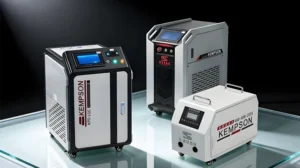
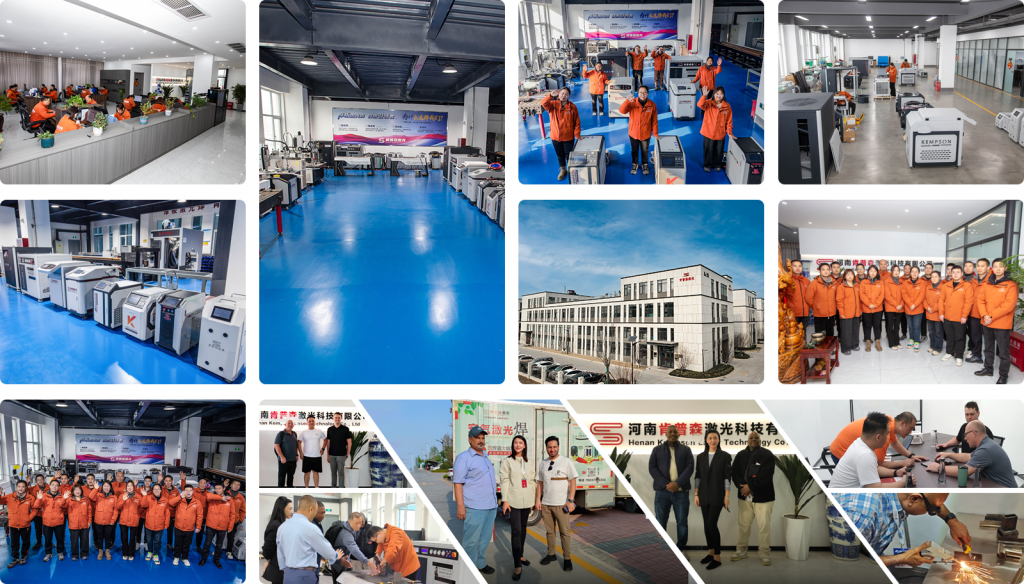
KEMPSON is a laser cleaning machine manufacturer providing equipment selection, custom configuration, and application support for different cleaning requirements.
- Material Evaluation — Analyze the substrate type and surface condition.
- Contamination Analysis — Identify rust, oxide, coating, oil, or other residues.
- Cleaning Target — Confirm removal depth, surface appearance, and processing requirements.
- Working Conditions — Consider operating method, equipment layout, and production environment.
KEMPSON provides sample testing, parameter adjustment, FAT inspection, technical support, and overseas service for pulsed laser cleaning projects. Each machine configuration is matched to the actual application requirements.
Conclusion
Selecting a pulsed laser cleaning machine requires matching the material, contamination type, cleaning requirements, and machine configuration. Laser power, optical system, and process parameters should be confirmed according to the actual application.
KEMPSON provides laser cleaning solutions from equipment selection and sample testing to customized configuration, FAT inspection, and after-sales support. Contact us with your material, contamination type, cleaning target, and working conditions to discuss a suitable pulsed laser cleaning solution for your project.
FAQ
What is a pulsed laser cleaning machine?
A pulsed laser cleaning machine uses short laser pulses to remove rust, oxide layers, coatings, oil, and other surface contaminants through controlled laser interaction. The process uses a focused beam to clean the target layer while limiting impact on the base material.
How do I choose the right laser power for cleaning?
Laser power selection depends on the contamination thickness, cleaning area, material sensitivity, and required processing speed. Lower power systems suit precision cleaning, while 300W–1000W pulsed laser cleaning machines are commonly used for industrial rust removal, coating removal, and surface preparation.
Is a 500W pulsed laser cleaning machine suitable for rust removal?
A 500W pulsed laser cleaning machine is suitable for many industrial rust removal applications, including steel parts, machinery components, and metal structures. The actual cleaning performance depends on rust thickness, material condition, and parameter settings.
Can pulsed laser cleaning damage the surface?
Pulsed laser cleaning can affect the substrate if unsuitable parameters are used. Laser power, pulse settings, scanning speed, and optical configuration should be adjusted according to the material and contamination condition. Sample testing is recommended before production use.
What materials can a pulsed laser cleaning machine clean?
Pulsed laser cleaning machines can be used on materials such as steel, stainless steel, aluminum, stone, concrete, wood, and other surfaces. The cleaning parameters should be selected according to the material properties and surface requirements.
What is the difference between pulsed and continuous wave laser cleaning?
Pulsed laser cleaning uses short energy pulses with controlled heat input, making it suitable for precision cleaning and sensitive surfaces. Continuous wave laser cleaning provides continuous laser output and is mainly used for applications requiring higher heat input and processing speed.
Why is material testing needed before laser cleaning?
Material testing confirms the suitable laser parameters for the specific substrate and contamination type. It helps evaluate cleaning effect, surface appearance, and potential thermal impact before equipment purchase.
How much does a pulsed laser cleaning machine cost?
The price of a pulsed laser cleaning machine depends on laser power, laser source, cleaning head, optical configuration, cooling system, and customization requirements. Contact KEMPSON with your application details for a suitable equipment configuration and quotation.