Table of Contents
Introduction
Pulsed laser cleaning damage the surface only when improper parameters or operating conditions are used. With suitable laser settings, the process removes contaminants while keeping the substrate intact. Excessive pulse energy, repeated scanning, or incorrect parameter selection may cause surface damage, deformation, or roughness changes.
For high-value components, precision parts, and sensitive materials, surface protection is an important consideration during the cleaning process. This article explains how pulsed laser cleaning works, the factors that affect surface safety, ways to prevent damage, and the applications where laser cleaning is suitable.
How Does Pulsed Laser Cleaning Affect a Surface?
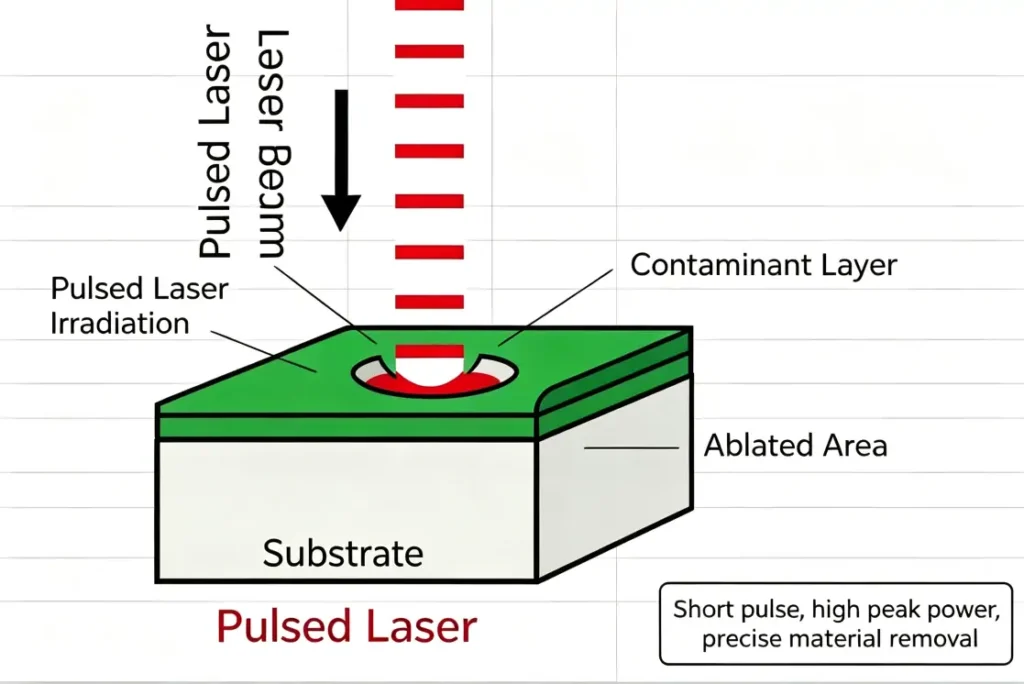
Pulsed laser cleaning removes contaminants by applying short laser pulses to the surface. The laser energy is absorbed mainly by rust, paint, oxide layers, and other contaminants, allowing them to separate from the substrate without mechanical contact.
The cleaning steps:
- Laser energy reaches the contaminated layer: The laser beam is focused on the surface and delivers controlled energy to the target area.
- Contaminants absorb laser energy: Contaminants usually absorb laser energy differently from the base material, creating a separation effect.
- Surface contaminants are removed: The absorbed energy causes rapid heating, expansion, or vaporization of the contamination layer.
- The substrate remains protected: With proper parameter settings, the base material remains largely unaffected during cleaning.
Factors Affecting Cleaning Effectiveness:
- Laser power
- Pulse duration
- Frequency
- Scanning speed
- Material properties
Selecting suitable parameters based on the material and contamination type is essential for achieving effective cleaning without affecting the surface.
Can Pulsed Laser Cleaning Damage Metal Surfaces?
Pulsed laser cleaning can damage metal surfaces if the laser energy is higher than the material can tolerate. With proper parameter settings, the laser removes rust, paint, oxide layers, and other contaminants while keeping the base material intact.
1. Excessive Laser Power
High laser energy can generate excessive heat on the surface, which may result in:
- Surface melting
- Color changes
- Changes in material properties
2. Incorrect Parameter Settings
Laser cleaning performance depends on suitable parameter adjustment. Incorrect settings for:
- Pulse frequency
- Scanning speed
- Focus distance
3. Sensitive Materials
Thin metal sheets, heat-sensitive materials, and precision components require lower energy control. Unsuitable settings may affect surface appearance or material properties.
The laser settings should be matched with the material and contamination condition to avoid unnecessary impact on the surface during cleaning.
What Factors Affect Laser Cleaning Safety?
Laser cleaning safety depends on the interaction between laser parameters, material properties, and contamination conditions. Proper configuration helps remove contaminants without affecting the original surface.
- Material Type — Different materials absorb and transfer laser energy differently. Stainless steel, aluminum, copper, and other metals require different cleaning settings.
- Contamination Type — Rust, paint, oil, and oxide layers have different absorption characteristics. The thickness and composition of contaminants affect the required laser parameters.
- Laser Parameters — Power, pulse duration, frequency, and scanning speed directly affect cleaning performance and surface impact.
- Operating Conditions — Focus distance, cleaning angle, and operator control also influence the final cleaning result.
The right combination of equipment settings and operating conditions helps achieve stable cleaning results for different materials and applications.
How to Prevent Surface Damage During Laser Cleaning?
Surface damage during laser cleaning is mainly related to unsuitable laser settings or incorrect operation. Proper equipment selection and parameter adjustment are important for protecting the substrate.
- Set Suitable Laser Parameters: Adjust laser power, pulse energy, frequency, and scanning speed according to the material and contamination type.
- Test the Material Before Cleaning: Run a cleaning test on the actual material to check the surface condition and confirm the suitable settings.
- Keep the Correct Focus Distance: Maintain the recommended distance between the laser cleaning head and the workpiece to avoid uneven energy distribution.
- Select the Suitable Laser System: Choose the laser power and configuration based on the material, contamination thickness, and cleaning requirement.
Correct parameter settings help remove contaminants without affecting the original surface.
Pulsed Laser Cleaning vs Traditional Cleaning: Surface Impact Comparison
Pulsed laser cleaning and traditional cleaning methods use different processes to remove surface contaminants. Laser cleaning uses controlled laser energy without direct contact, while traditional methods rely on abrasives, chemicals, or mechanical tools that may affect the surface condition.
| Factor | Pulsed Laser Cleaning | Traditional Cleaning |
|---|---|---|
| Cleaning Method | Uses laser pulses to remove contaminants | Uses abrasives, chemicals, or mechanical tools |
| Contact | Non-contact process | Physical or chemical contact with the surface |
| Surface Impact | Low when suitable parameters are used | Depends on abrasive force, chemicals, or tool contact |
| Material Protection | Suitable for sensitive and precision surfaces | May cause wear, scratches, or corrosion |
| Cleaning Control | Adjustable laser parameters for different materials | Cleaning effect depends on process conditions |
| Surface Damage Risk | Low risk with proper settings | Higher risk for delicate surfaces |
| Consumables | No abrasive media or cleaning chemicals | Requires abrasives, chemicals, or replacement tools |
| Waste Generation | Produces minimal secondary waste | May generate dust, liquid waste, or residues |
| Working Environment | Cleaner operation with less waste handling | May require ventilation or waste treatment |
| Application Range | Precision cleaning and surface preparation | Large-area and heavy-duty cleaning |
Pulsed laser cleaning provides better control for applications that require surface protection and precise cleaning. Traditional cleaning methods remain suitable for large-scale cleaning where abrasive or chemical processes meet the application requirements.
See the differences between various laser output methods and traditional cleaning methods:
- How to Choose a Pulsed Laser Cleaning Machine for Different Applications?
- Pulsed Laser Cleaning Machine vs. Continuous Laser Cleaning Machine: Differences and Selection Guide
Which Materials Are Suitable for Pulsed Laser Cleaning?
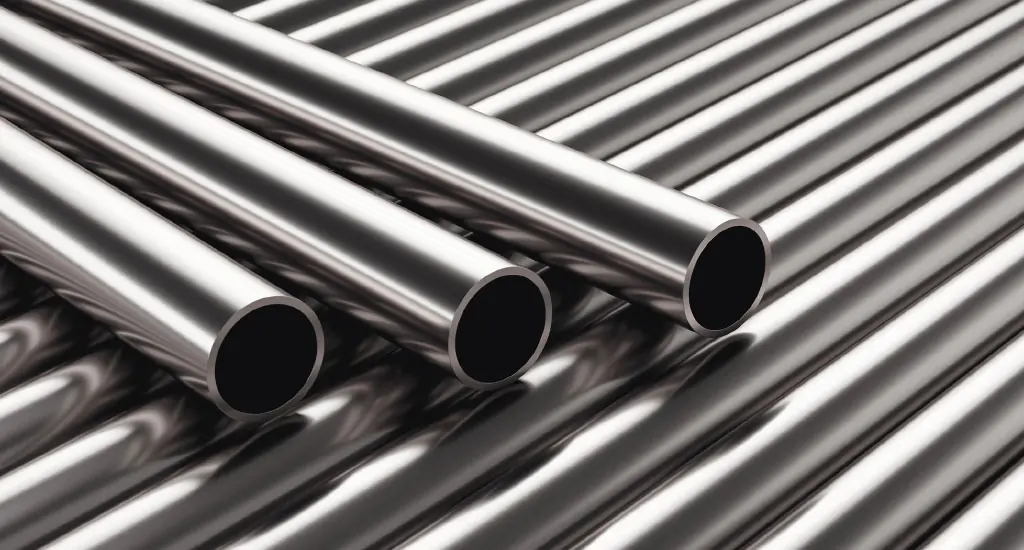
Stainless Steel
Used for rust and oxide removal.

Carbon Steel
Suitable for rust and coating removal.
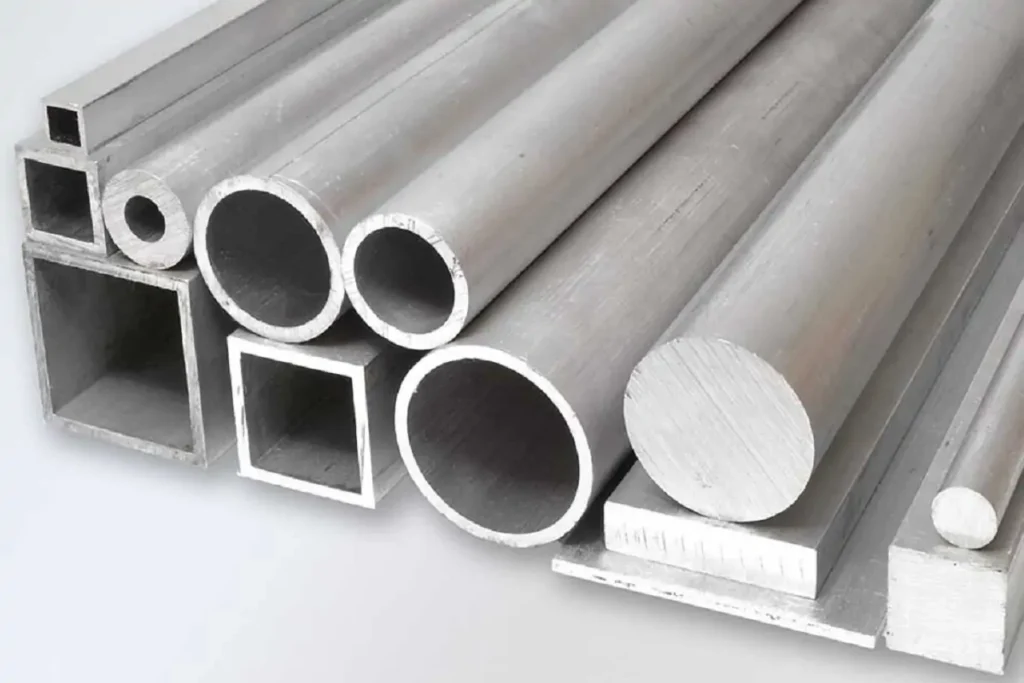
Aluminum
Requires controlled parameters due to higher reflectivity.
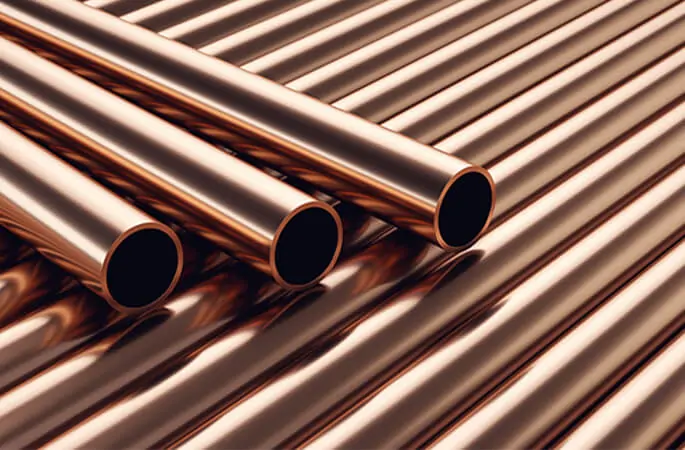
Copper
Requires optimized settings due to thermal properties.
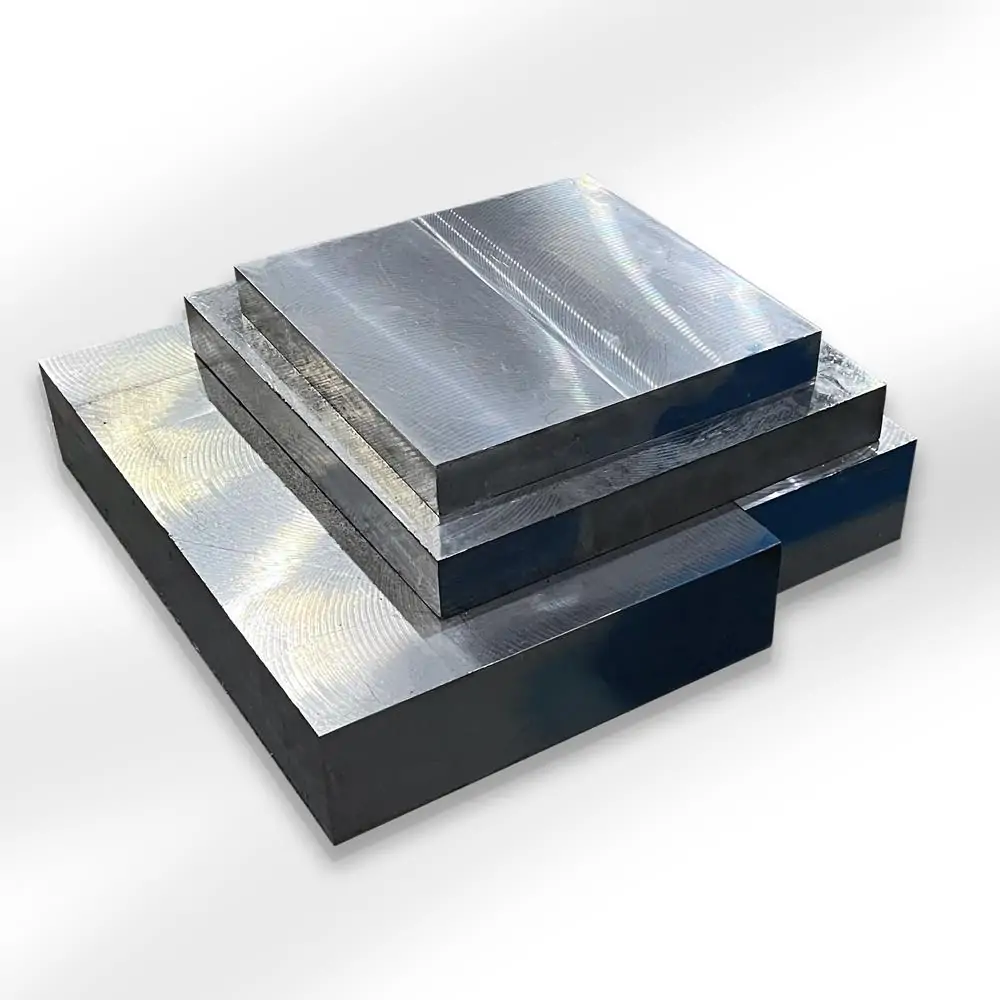
Mold Steel
Suitable for precision cleaning and maintenance.
Applications
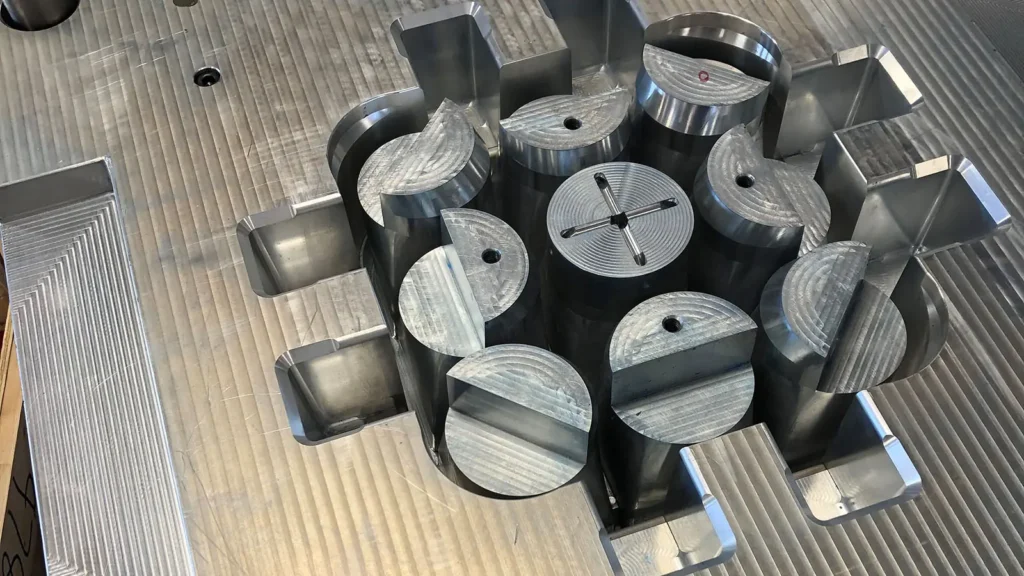
Mold Cleaning
Used for removing plastic residues, oil, and buildup from mold surfaces without damaging the mold finish.
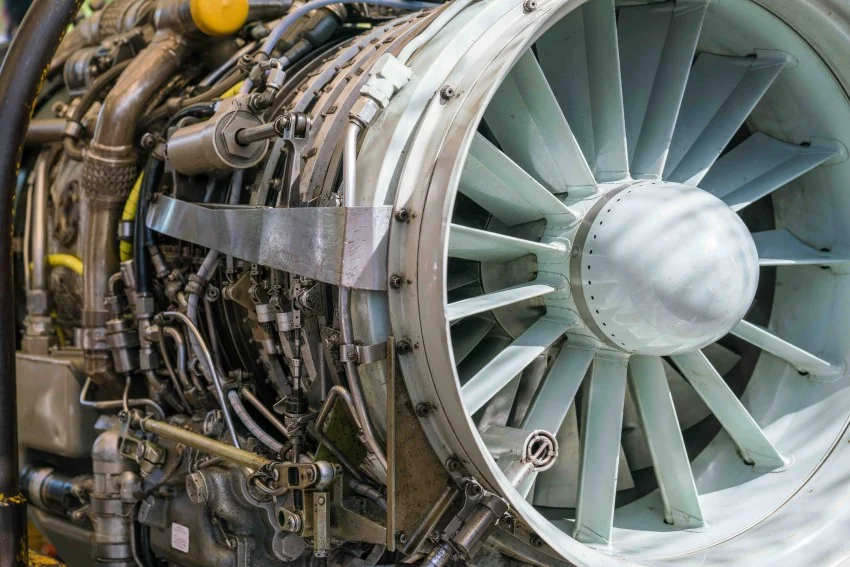
Aerospace Components
Suitable for cleaning high-value parts that require strict surface condition control.
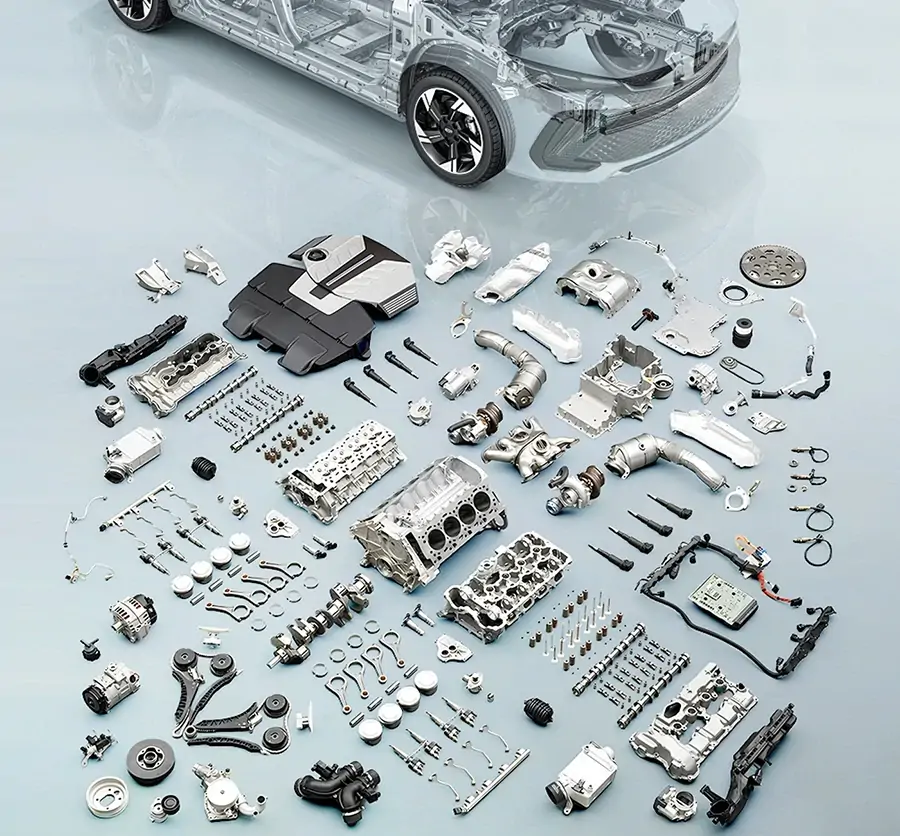
Automotive Parts
Used for weld preparation, coating removal, and component cleaning where surface quality is important.
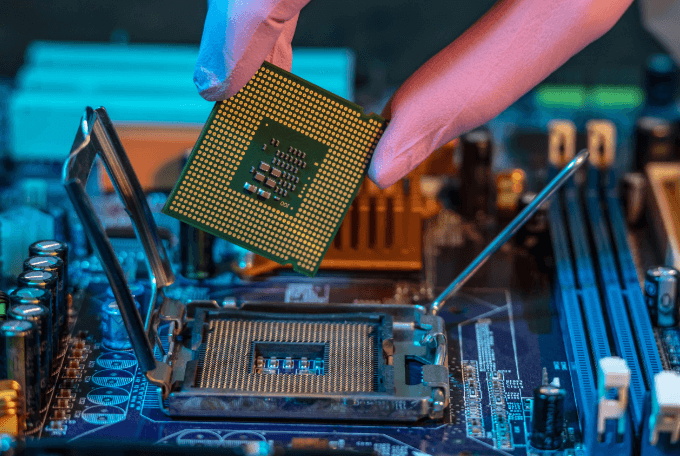
Electronic Components
Suitable for cleaning sensitive parts that require low surface impact.
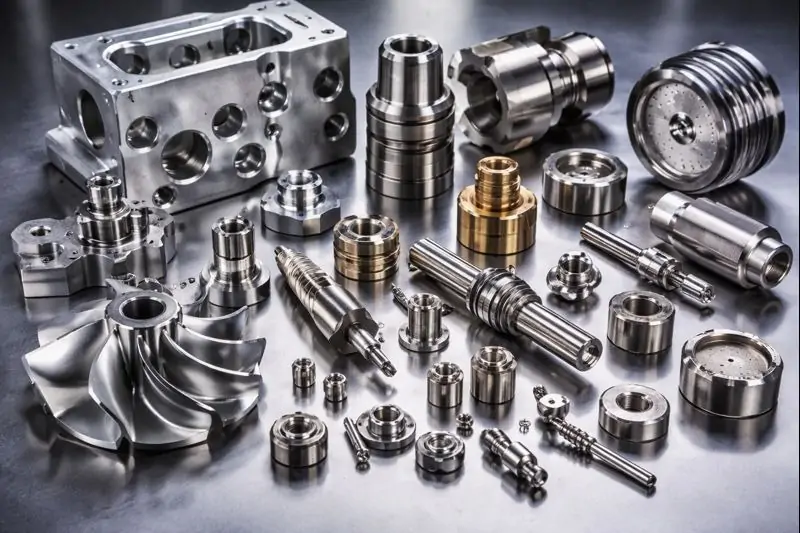
Precision Machinery Parts
Used for removing contamination from precision components while maintaining dimensional accuracy.
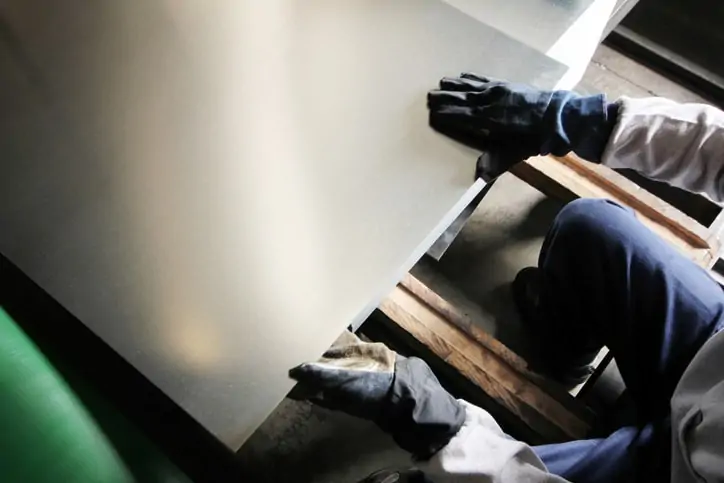
Metal Surface Preparation
Applied before welding, coating, or bonding where a clean surface is required without excessive material removal.
Types of Laser Cleaning Machines
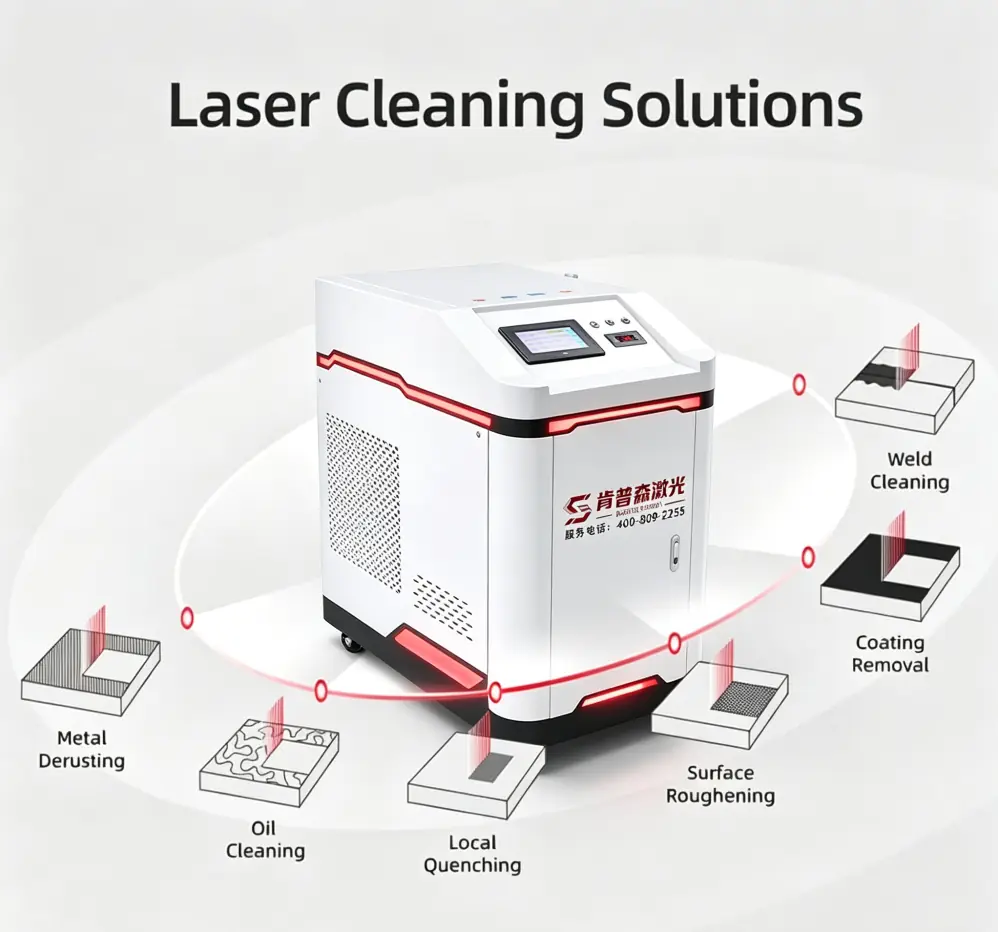
How KEMPSON Makes Laser Cleaning Safe?
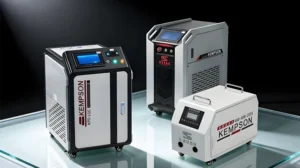
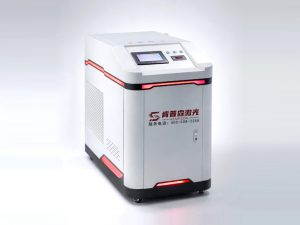
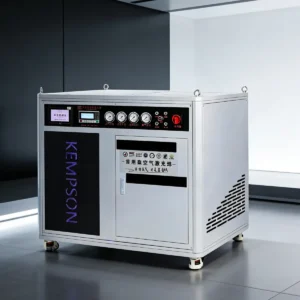
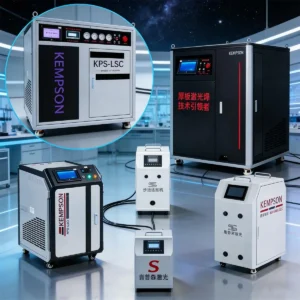
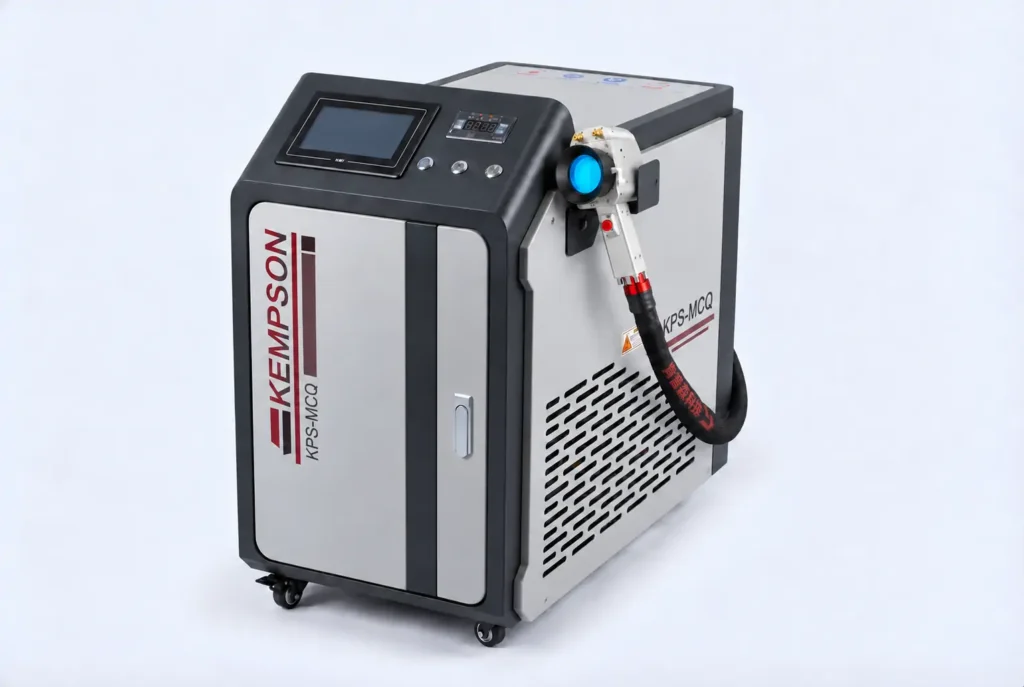
KEMPSON develops pulsed laser cleaning solutions with adjustable settings for different materials and cleaning conditions. The equipment configuration is selected based on the actual application to control cleaning performance and surface impact.
- 1. MOPA Pulse Fiber Laser Source — KEMPSON pulsed laser cleaning machines use MOPA pulse fiber laser sources, providing flexible control of pulse parameters for different surface contaminants and materials.
- 2. Adjustable Pulse Settings — Laser parameters can be adjusted according to the cleaning requirements, including contamination type, material condition, and required surface effect.
- 3. Handheld Cleaning System — The handheld cleaning system allows operators to control the cleaning area and process based on the workpiece shape and surface condition.
- 4. Application Testing Support — KEMPSON evaluates cleaning samples before equipment selection to check the cleaning effect and determine suitable settings.
- 5. Custom Configuration Options — KEMPSON provides customized configurations based on different applications, including material type, contamination condition, and production requirements.
Before selecting a laser cleaning machine, we consider: Material type, Contamination condition, and Cleaning requirements.
KEMPSON selects suitable laser cleaning configurations based on the material, contamination type, and cleaning requirements.
Conclusion
Pulsed laser cleaning is designed to remove rust, paint, oxide layers, oil, and other contaminants without direct contact with the workpiece. Surface condition after cleaning depends on the material properties, contamination type, laser parameters, and operation method. Suitable settings help maintain the original surface while achieving the required cleaning effect.
KEMPSON provides pulsed laser cleaning solutions for stainless steel, carbon steel, aluminum, copper, and other industrial materials. Our team can evaluate your cleaning requirements and recommend a suitable machine configuration based on the application. Contact us for laser cleaning testing and solution support.
FAQ
Can pulsed laser cleaning damage the surface?
Pulsed laser cleaning normally does not damage the surface when suitable laser parameters are used. Excessive energy, incorrect settings, or improper operation may affect the substrate.
Does laser cleaning remove the base material?
Laser cleaning is designed to remove surface contaminants such as rust, paint, and oxide layers. With proper parameter settings, the base material remains largely unchanged.
Is pulsed laser cleaning safe for metal?
Yes. Pulsed laser cleaning is suitable for many metal surfaces, including stainless steel, carbon steel, aluminum, and copper. The laser settings should be adjusted according to the material properties.
Can laser cleaning damage aluminum?
Aluminum requires suitable laser parameters due to its high reflectivity and thermal characteristics. Proper settings allow laser cleaning to remove oxides and contaminants without affecting the aluminum surface.
What factors affect laser cleaning results?
Cleaning results depend on material type, contamination condition, laser power, pulse energy, frequency, scanning speed, and operating distance.
How do laser parameters affect surface damage?
Laser parameters control the energy delivered to the surface. Excessive power or unsuitable settings may cause surface changes, while proper adjustment helps remove contaminants without affecting the substrate.
Is laser cleaning safer than sandblasting?
Pulsed laser cleaning does not use abrasive media and has no direct mechanical impact on the surface. Sandblasting remains suitable for large-area and heavy-duty cleaning, while laser cleaning fits applications requiring better surface control.
How can I choose the right laser cleaning settings?
The settings should be selected based on the material, contamination type, thickness, and cleaning requirement. Testing the actual workpiece helps determine suitable parameters before production use.