Table of Contents
Introduction
Tube laser cutting machines are widely used in automotive parts manufacturing to process round tubes, square tubes, rectangular tubes, and special-shaped metal profiles. These materials are commonly used in chassis structures, exhaust systems, seat frames, and support components, where parts require precise holes, slots, angled cuts, and complex contours.
In automotive production, traditional sawing, drilling, and punching often involve multiple machines and repeated workpiece positioning. Tube laser cutting integrates these operations into a CNC-controlled process, reducing intermediate handling and simplifying part production. In this article, we look at the main automotive applications of tube laser cutting machines, how the cutting process works, and what manufacturers should consider when selecting equipment for their production requirements.
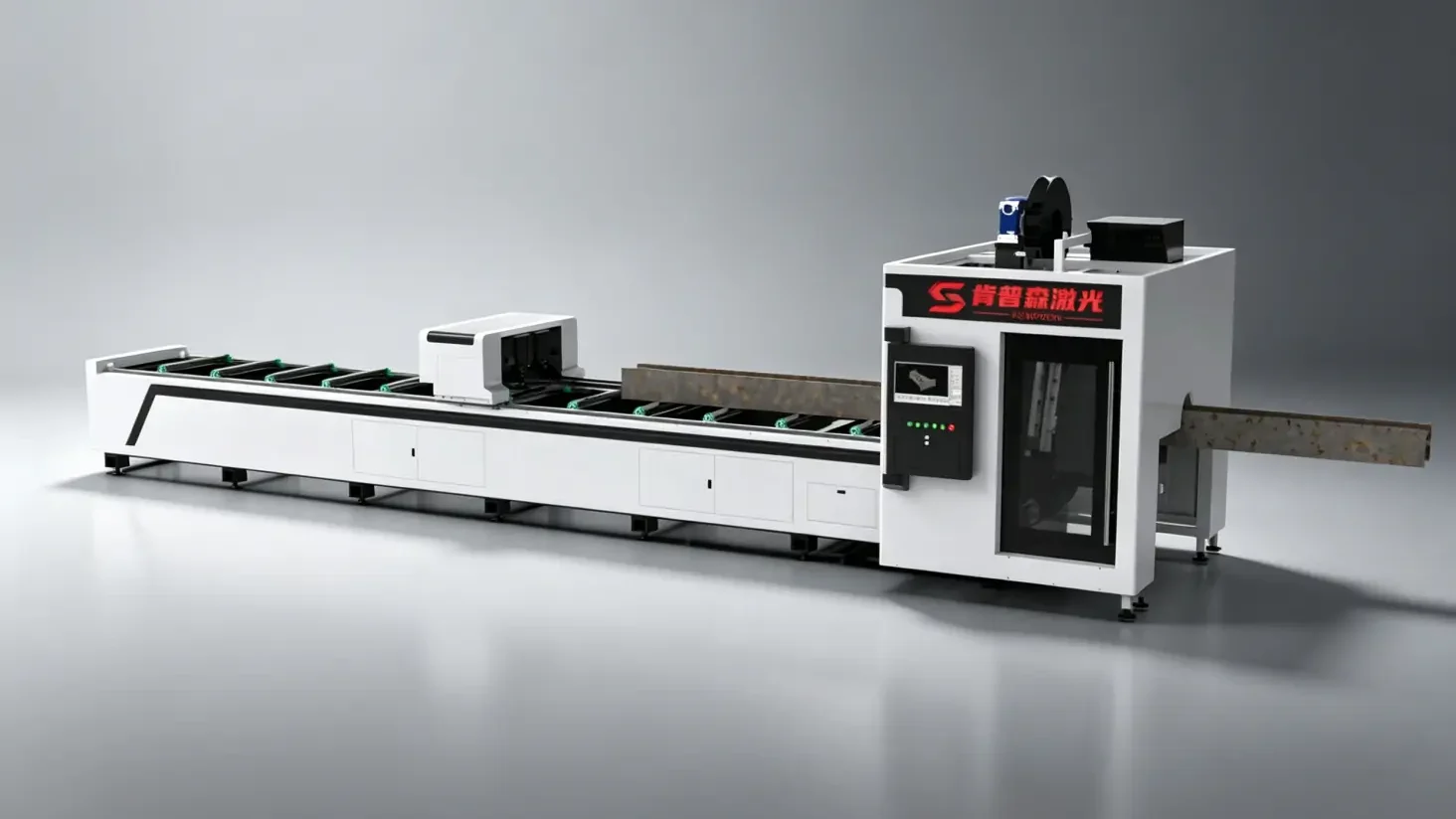
What Are Tube Laser Cutting Machines for Automotive Parts Manufacturing?
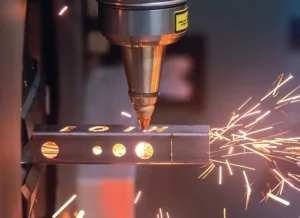
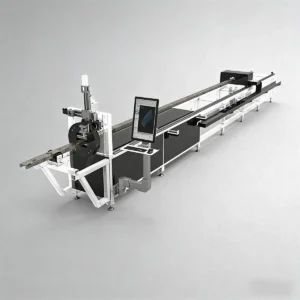
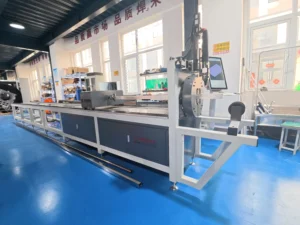
Tube laser cutting machines use fiber laser technology and CNC control to cut metal tubes and structural profiles into specified lengths and shapes. The machine controls tube feeding, rotation, and laser movement to produce holes, slots, angled cuts, and complex contours for automotive components.

Types of Tubes and Profiles
These machines can process different tube shapes and profiles, including:
- Round Tubes
- Square Tubes
- Rectangular Tubes
- Oval and Elliptical Tubes
- Special-Shaped Tubes and Structural Profiles
The available processing range depends on the chuck design, clamping system, and machine configuration.

Main Cutting Operations
Common cutting operations include:
- Straight Cutting
- Angle Cutting
- Hole and Slot Cutting
- Notching
- Contour Cutting
- Tube Intersection Cutting
These operations prepare tube components for subsequent bending, welding, and assembly.
What Automotive Parts Can Be Processed by Tube Laser Cutting Machines?
Tube laser cutting machines process various tubular components used in automotive structures, exhaust systems, seating systems, and other assemblies.

Automotive Chassis and Frame Components
Chassis frames, cross members, and structural supports are commonly made from square and rectangular steel tubes. Tube laser cutting machines produce mounting holes, slots, end cuts, and connection profiles for these components. Accurate positioning is important for frame welding and assembly.
Processing: Hole cutting, slot cutting, contour cutting, and tube end cutting.

Automotive Exhaust System Components
Exhaust pipes, connecting tubes, and sensor mounting sections use round stainless steel or carbon steel tubes. Laser cutting handles pipe sizing, angled ends, sensor holes, and connection openings before bending and welding.
Processing: Straight cutting, angle cutting, hole cutting, and notching.
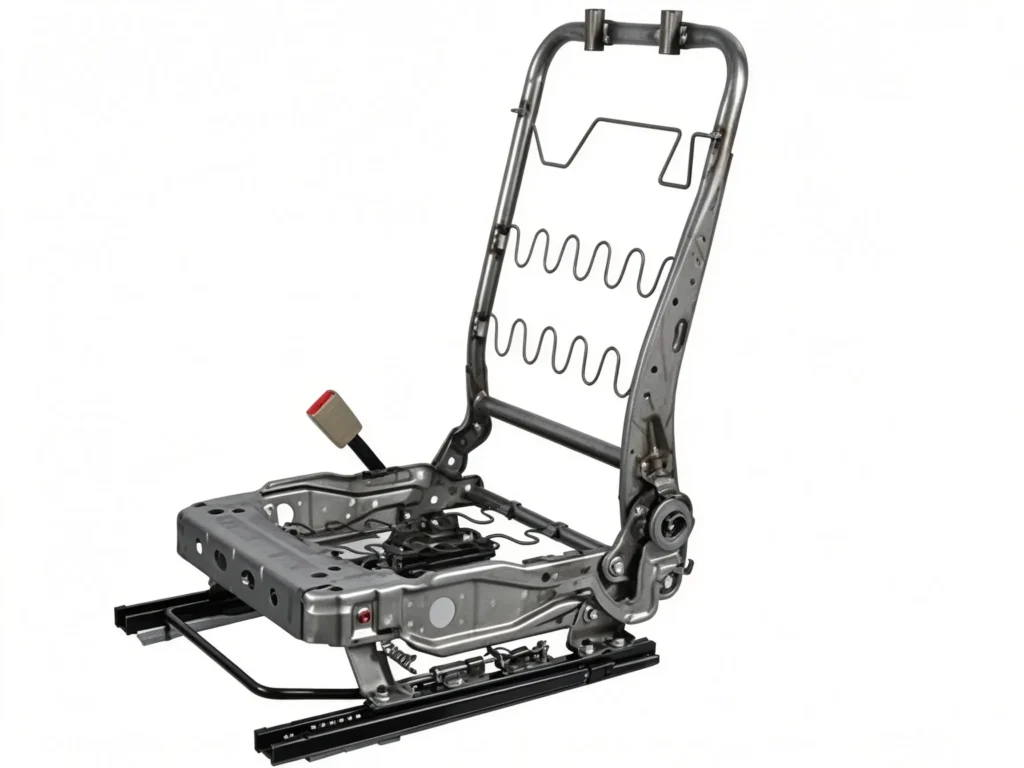
Automotive Seat Frames and Seat Supports
Seat frames, headrest supports, and seat adjustment structures use round tubes and specially shaped profiles, often with relatively thin walls. Laser cutting produces mounting holes, positioning slots, and connecting features. CNC programs allow different part sizes and designs to be processed on the same machine.
Processing: Hole cutting, slot cutting, contour cutting, and straight cutting.

Automotive Roll Cages and Safety Structures
Roll cages and tubular reinforcement structures require accurately fitted connections between intersecting tubes. Tube laser cutting machines produce fish-mouth cuts, angled ends, and shaped joints that match the connecting tube profiles. These features reduce manual fitting work before welding.
Processing: Tube intersection cutting, angle cutting, and contour cutting.

Automotive Mounting Brackets and Support Structures
Mounting brackets, engine supports, and equipment support structures use different tube sections and metal profiles. Laser cutting produces multiple mounting holes, irregular openings, and connection contours according to part drawings. These features reduce separate drilling and manual cutting operations.
Processing: Hole cutting, slot cutting, and contour cutting.
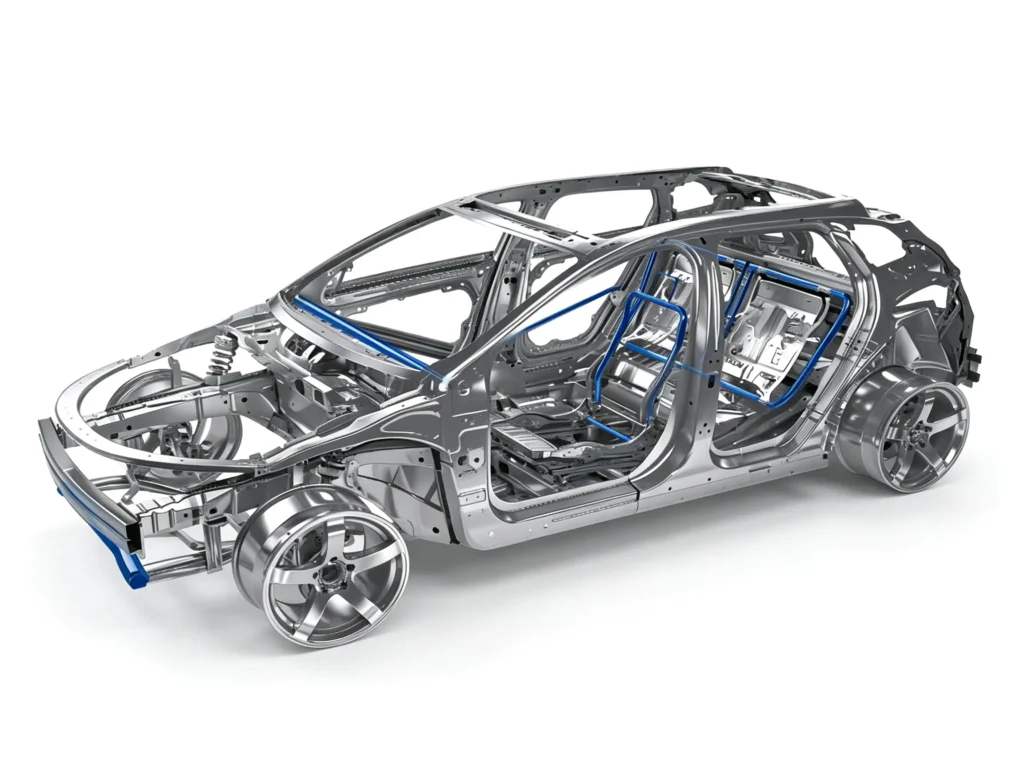
Automotive Door, Roof, and Body Structural Components
Tubular reinforcements and structural supports used in door frames, roof structures, and other body assemblies can also be processed by tube laser cutting machines. Depending on the vehicle design, these parts use round, square, rectangular, or special-shaped profiles. Laser cutting produces connecting holes, end profiles, and assembly openings.
Processing: Hole cutting, notching, angle cutting, and contour cutting.
How Does Tube Laser Cutting Work in Automotive Manufacturing?
Tube laser cutting follows a CNC-controlled process from drawing preparation to finished part inspection. The main steps include:
CAD Drawing and CNC Programming: Import the part drawing, define tube dimensions and cutting features, and generate the CNC program through CAM software.
Tube Loading and Positioning: Load the raw tube manually or automatically. The chuck clamps the tube, while the feeding system moves it into the cutting position.
Tube Rotation and Laser Cutting: The CNC system controls tube rotation and cutting head movement. The laser cuts holes, slots, angled ends, and other profiles according to the programmed path.
Part Unloading and Quality Inspection: Remove the finished parts and check dimensions, hole positions, cut edges, and burrs. Check for tube deformation and inspect joint fit where required.
Why Use Tube Laser Cutting Machines for Automotive Parts Manufacturing?
Multiple Operations in One Setup:
Cutting, hole making, slotting, notching, and contour cutting can be completed in one setup, reducing workpiece transfers and repeated positioning.
Consistent Cutting Results:
CNC control maintains consistent cutting dimensions and hole positions. Results also depend on tube straightness, wall thickness, clamping, and machine configuration.
Less Secondary Machining:
Laser cutting can replace separate sawing, drilling, punching, and manual slotting on suitable parts. Some components may still require deburring or further machining.
Flexible Part Production:
Different CNC programs allow the machine to process various tube lengths, profiles, and hole patterns. This suits production with frequent part changes.
Multiple Tube Profiles:
A suitable chuck and clamping system allows one machine to process round, square, rectangular, oval, and selected special-shaped tubes.
Production Line Integration:
Automatic loading, feeding, and unloading reduce manual handling. The machine can also connect with CNC tube bending and robotic welding systems.
Tube Laser Cutting vs. Traditional Tube Processing Methods
Automotive tubes can be processed by sawing, drilling, punching, milling, or laser cutting. Each method has different capabilities, tooling requirements, and production costs.
| Comparison | Saw Cutting | Drilling | Punching | Mechanical Milling | Tube Laser Cutting |
|---|---|---|---|---|---|
| Main Operations | Straight and length cutting | Round hole machining | Holes and shaped openings | Slots and local contours | Cutting, holes, slots, notches, and contours |
| Tooling | Saw blade | Drill bits | Punches and dies | Milling cutters | Laser cutting head |
| Workpiece Setup | Simple clamping | Repositioning for multiple holes | Dedicated tooling and positioning | Multiple setups may be required | CNC chuck and tube positioning |
| Main Limitation | Additional machining for holes and slots | Repeated positioning for multiple holes | Limited by tooling and part geometry | More machining steps and setup time | Higher equipment investment |
Main Processing Methods
- Saw Cutting: Cuts tubes to specified lengths, mainly for straight-end preparation.
- Drilling: Produces round holes at specified positions, often requiring repositioning for multiple holes.
- Punching: Forms holes and shaped openings using dedicated punches and dies.
- Mechanical Milling: Machines slots, notches, and local contours with cutting tools.
- Tube Laser Cutting: Combines tube cutting, hole making, slotting, notching, and contour cutting in one CNC process.
Tube laser cutting suits automotive parts with multiple cutting features, complex profiles, and frequent design changes. For simple length cutting or high-volume parts with fixed shapes, sawing or punching may be more economical.
Technical Factors for Automotive Tube Laser Cutting
Automotive tube cutting involves more than laser power. Material properties, tube dimensions, cutting tolerances, joint design, and production volume all affect machine selection and cutting results.
1. Tube Material and Properties
Automotive tube components use different steel grades and aluminum alloys. Material composition, thickness, and thermal properties affect laser settings and assist gas selection.
| Tube Material | Common Automotive Uses | Cutting Considerations |
|---|---|---|
| Carbon Steel | Chassis frames, supports | Material grade, wall thickness, assist gas |
| Stainless Steel | Exhaust pipes, connecting tubes | Alloy grade, edge quality, assist gas |
| Aluminum Alloy | Lightweight structures, supports | Reflectivity, thermal conductivity, cutting parameters |
| High-Strength Steel | Safety structures, load-bearing parts | Material grade, thickness, edge quality |
Different materials require different laser parameters and assist gas settings. Aluminum alloy and high-strength steel require particular attention during process testing.
2. Tube Shape and Dimensions
Tube profile and size determine the machine’s chuck design, clamping method, support structure, and processing range.
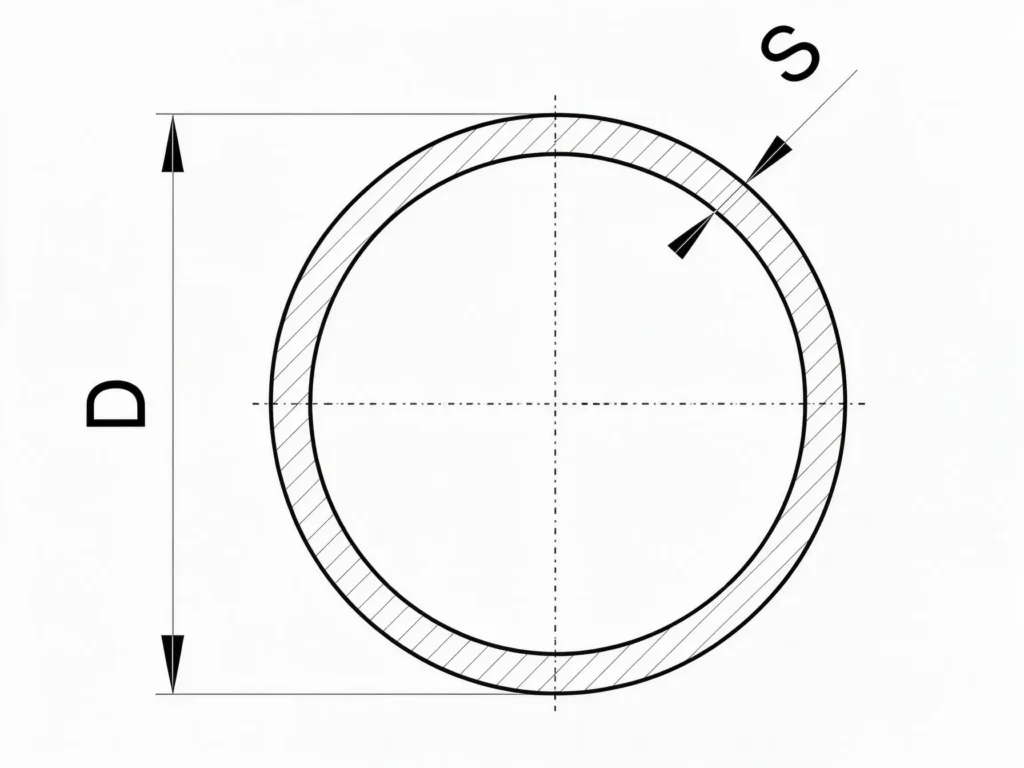
Round Tubes

Square Tubes

Rectangular Tubes

Special Profiles
Machine Sizing References:
- Round tube diameter: approximately Ø20–220 mm
- Square tube range: approximately 20 × 20–150 × 150 mm
- Standard tube length: around 6,000 mm
- Extended tube length: 8,000–12,000 mm on selected models
Larger machines can process wider and heavier profiles. Maximum wall thickness depends on laser power, material, tube dimensions, and machine configuration.
When selecting a machine, check the minimum and maximum tube dimensions, wall thickness, loading length, and maximum tube weight. Actual workpiece drawings should be used to confirm the processing range.
3. Cutting Accuracy and Dimensional Tolerance
Automotive parts often require accurate hole positions, cut lengths, and tube-end profiles. The main inspection points include:
| Inspection Item | Effect on Part Quality |
|---|---|
| Hole Position | Mounting accuracy and assembly alignment |
| Cutting Length | Finished part dimensions |
| Tube Rotation | Position of features around the tube |
| Kerf Width | Slot dimensions and contour details |
| Burr and Dross | Edge quality and subsequent processing |
| Thermal Deformation | Dimensional stability, especially in thin-wall tubes |
Reference Machine Accuracy: Published specifications for industrial tube laser machines commonly include positioning accuracy around ±0.05 mm/m and repeatability around ±0.03 mm. These figures vary by model, axis, and test conditions; they should not be treated as guaranteed finished-part tolerances. Cutting accuracy also depends on machine rigidity, chuck clamping, servo control, tube straightness, material tolerances, and cutting parameters.
4. Joint Preparation and Welding Requirements
Tube laser cutting prepares component ends and openings for welding and assembly. The cut geometry must match the design of the connecting parts.
- Fish-Mouth Cuts: Shape tube ends for intersecting tube connections.
- Angled Cuts: Prepare tube ends for angled joints and welding.
- Mounting Holes and Slots: Position brackets, fasteners, and connecting components.
- Edge Quality: Excessive burrs and dross can interfere with fitting and welding.
- Joint Fit-Up: Cutting dimensions affect the gap between connecting parts and their final assembly position.
Cutting quality should be checked against the requirements of the next production stage. For welded components, inspect joint geometry, edge condition, and fit-up before welding.
5. Production Volume and Automation
Production volume determines the required loading method, feeding system, unloading arrangement, and level of automation.
Tube Laser Cutting Workflow: Material Loading → Tube Feeding → CNC Laser Cutting → Part Unloading → Inspection and Sorting
- Prototype and Small-Batch Production: Manual loading and unloading may suit low output and frequent design changes.
- Batch Production: Automatic loading and continuous feeding reduce manual handling between cutting cycles.
- Part Unloading and Sorting: Automated unloading systems can transfer finished parts for inspection or downstream processing.
- Production Line Integration: Cut tubes can move to CNC tube bending, robotic welding, and assembly stations.
Machine configuration should match the required output, tube dimensions, part mix, and factory layout. Automatic loading and unloading are selected according to production volume and the required cycle time.
How to Choose a Tube Laser Cutting Machine for Automotive Parts Manufacturing
- Laser Power: Select power according to tube material, wall thickness, cutting speed, and edge quality.
- Tube Size: Check the required tube diameter, profile dimensions, wall thickness, and processing length.
- Chuck Configuration: Choose a suitable chuck design based on tube clamping, rotation, feeding, and support requirements.
- Cutting and Loading Systems: Confirm whether angled cutting, 3D cutting, automatic loading, and unloading are required.
- CNC Software and Production Capacity: Check cutting path programming, tube nesting, program changeover, and required production output.
- Sample Cutting: Test actual materials and part drawings before purchase. Check dimensions, hole positions, cut edges, and welding fit-up.
KEMPSON can arrange sample cutting based on your tube specifications and CAD drawings to determine a suitable machine configuration.
Conclusion
Tube laser cutting is suited to automotive parts that require accurate holes, slots, angled ends, notches, and complex tube profiles. Material, tube size, wall thickness, part design, production volume, and downstream welding requirements should all be considered when selecting the machine.
KEMPSON supplies tube laser cutting machines for different tube sizes, materials, and production requirements. Machine configuration can include laser power, chuck system, tube support, automatic loading, CNC control, cutting head, and other functions based on the actual application. We can also test customer materials and CAD drawings before confirming the machine configuration.
Send us your tube material, dimensions, wall thickness, part drawings, and expected production volume. We can evaluate the cutting requirements and recommend a suitable tube laser cutting machine.
FAQ
What automotive parts can be manufactured using tube laser cutting machines?
Tube laser cutting machines can process chassis frames, exhaust pipes, seat frames, brackets, cross members, roll cages, and other tubular automotive components with holes, slots, notches, and shaped ends.
What materials can tube laser cutting machines process for automotive applications?
Tube laser cutting machines can process carbon steel, stainless steel, aluminum alloy, and selected high-strength steels. Cutting capability depends on the material grade, wall thickness, laser power, and machine configuration.
How accurate are tube laser cutting machines for automotive parts?
Tube laser cutting machines can provide consistent hole positions, cutting lengths, and tube profiles. Actual accuracy depends on machine structure, chuck positioning, tube tolerances, servo control, and cutting parameters.
Can a tube laser cutting machine cut holes and slots in square and rectangular tubes?
Yes, tube laser cutting machines can cut holes and slots on square and rectangular tubes. CNC control coordinates tube rotation and laser movement to position each feature accurately on different tube surfaces.
How does tube laser cutting improve automotive production efficiency?
Tube laser cutting combines cutting, hole making, slotting, notching, and contour cutting in one CNC process. This reduces repeated clamping, workpiece transfers, and separate machining operations.
What is the difference between tube laser cutting and traditional tube cutting?
Tube laser cutting combines length cutting, hole making, slotting, and contour cutting in one process. Sawing, drilling, punching, and milling usually require separate tools, machines, or workpiece setups.
What laser power is suitable for automotive tube cutting?
The required laser power depends on the tube material, wall thickness, profile size, cutting speed, and required edge quality. There is no single power level suitable for all automotive tube applications.
How do I choose a tube laser cutting machine for automotive parts manufacturing?
Choose the machine according to tube material, profile, dimensions, wall thickness, cutting features, accuracy, production volume, chuck configuration, loading system, and CNC software requirements.