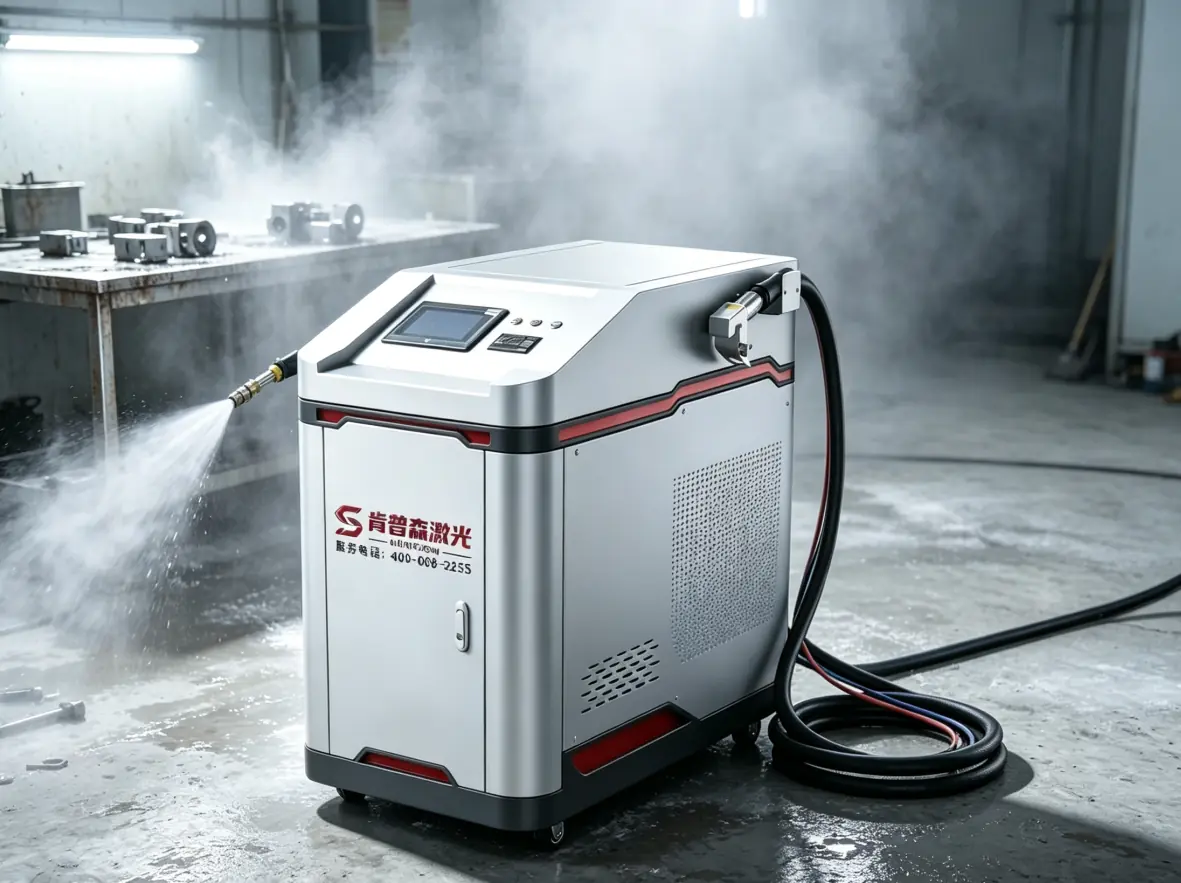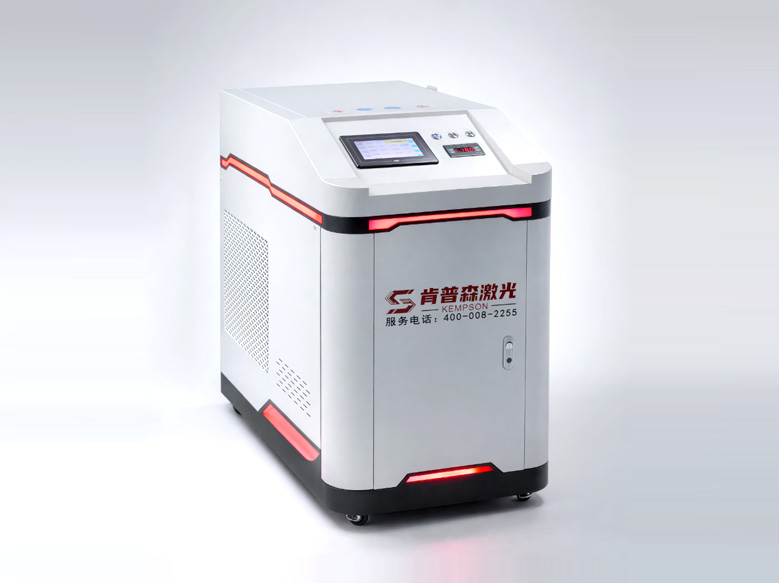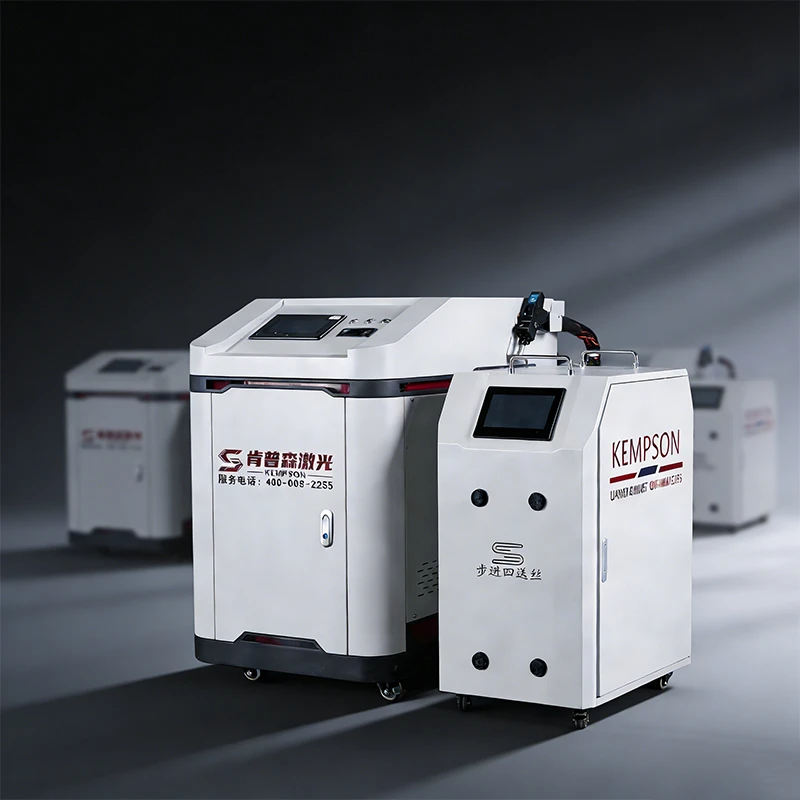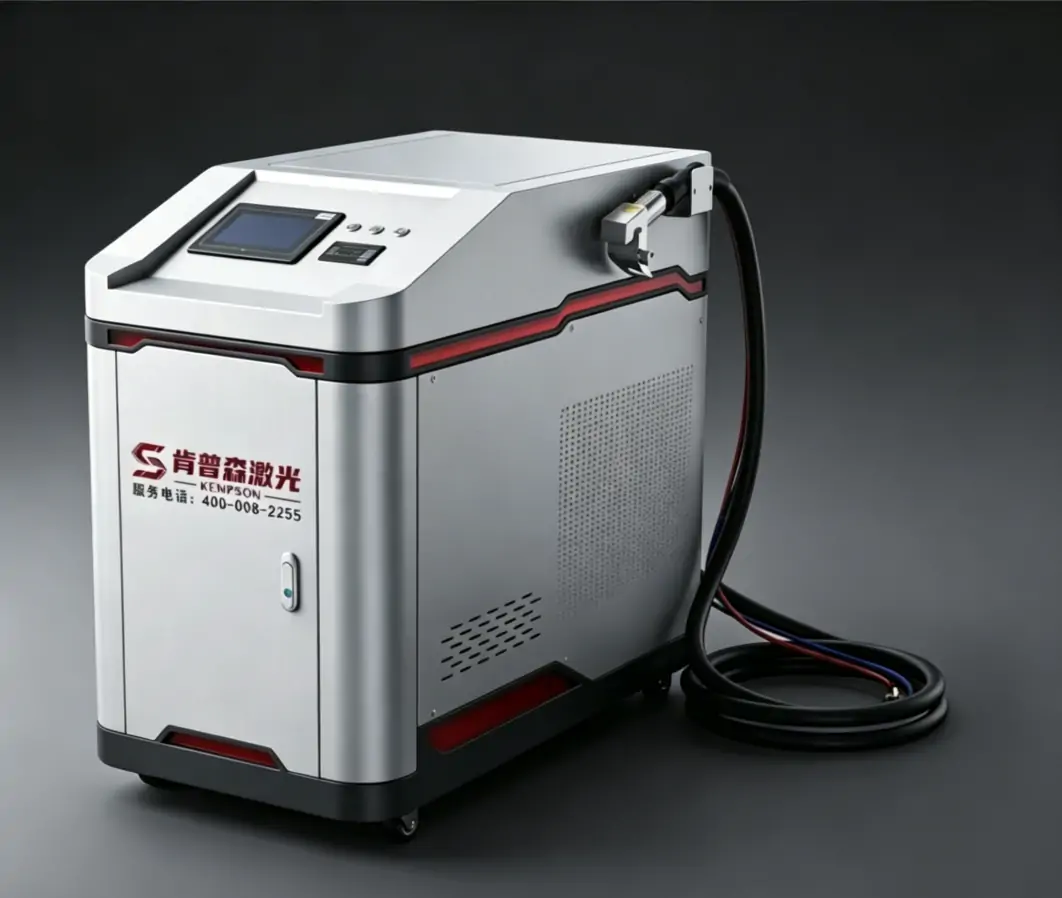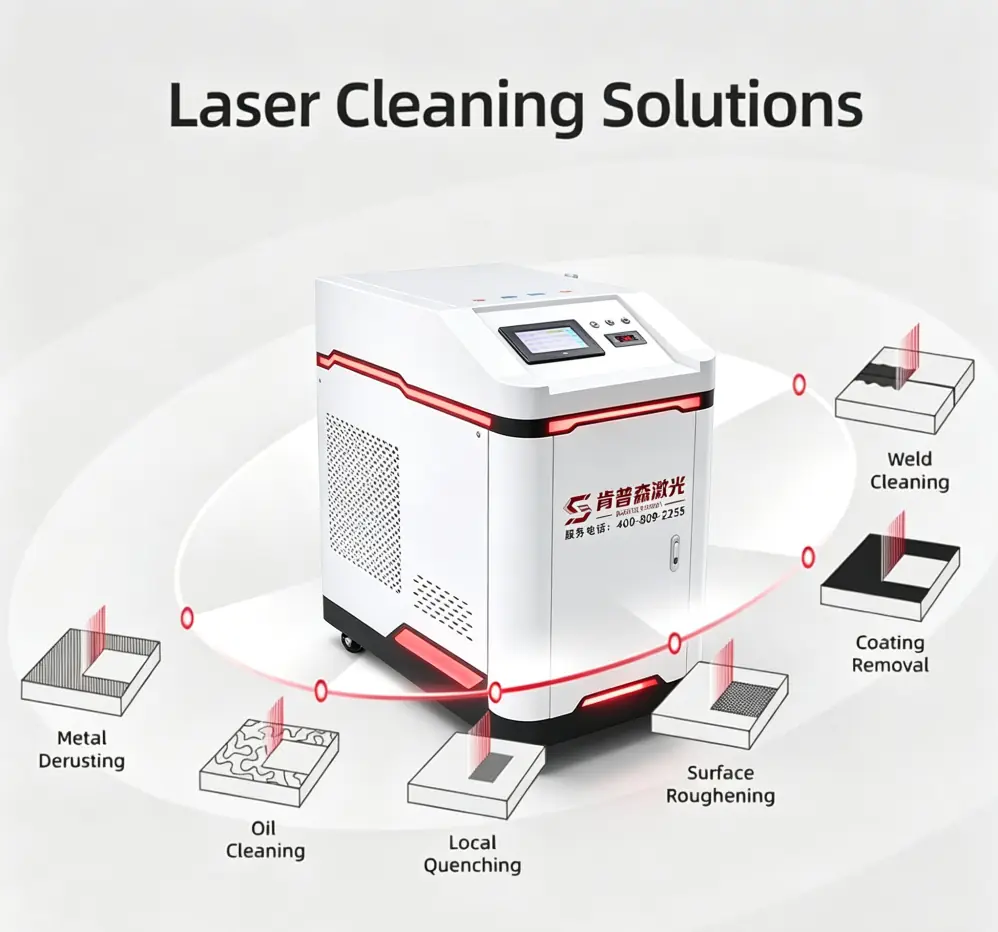
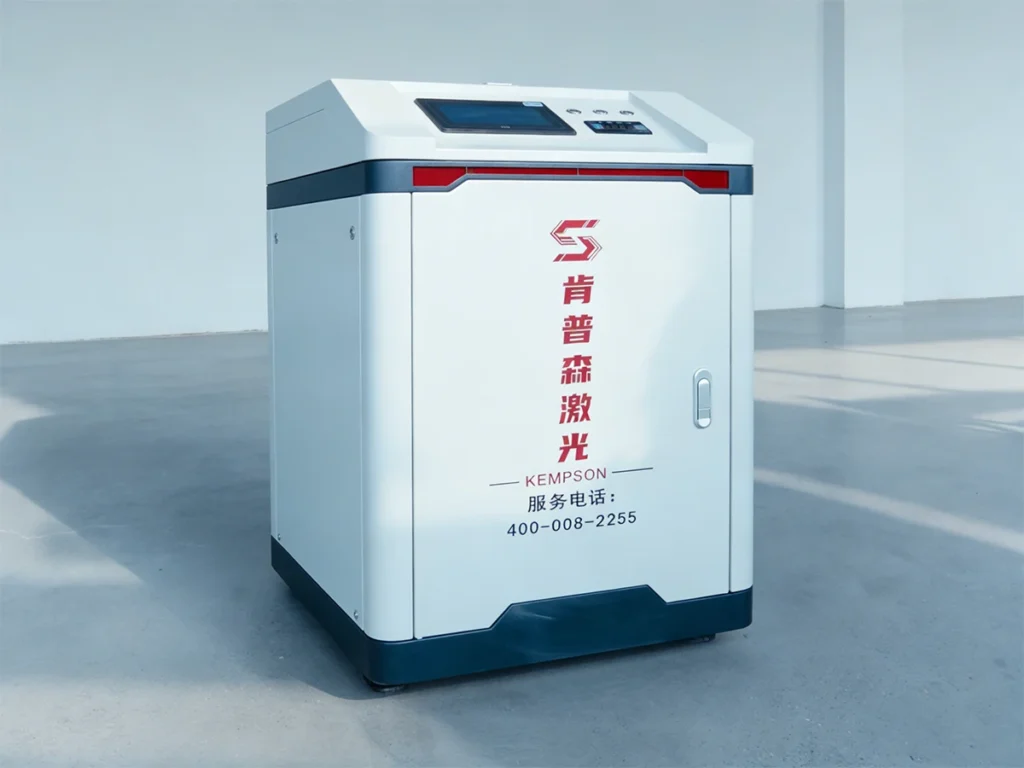
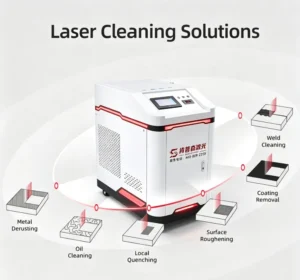
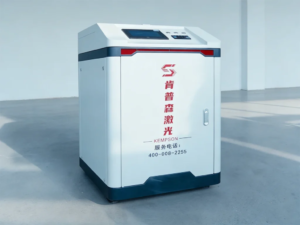
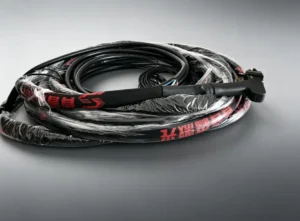
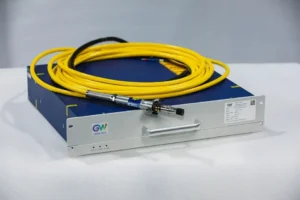
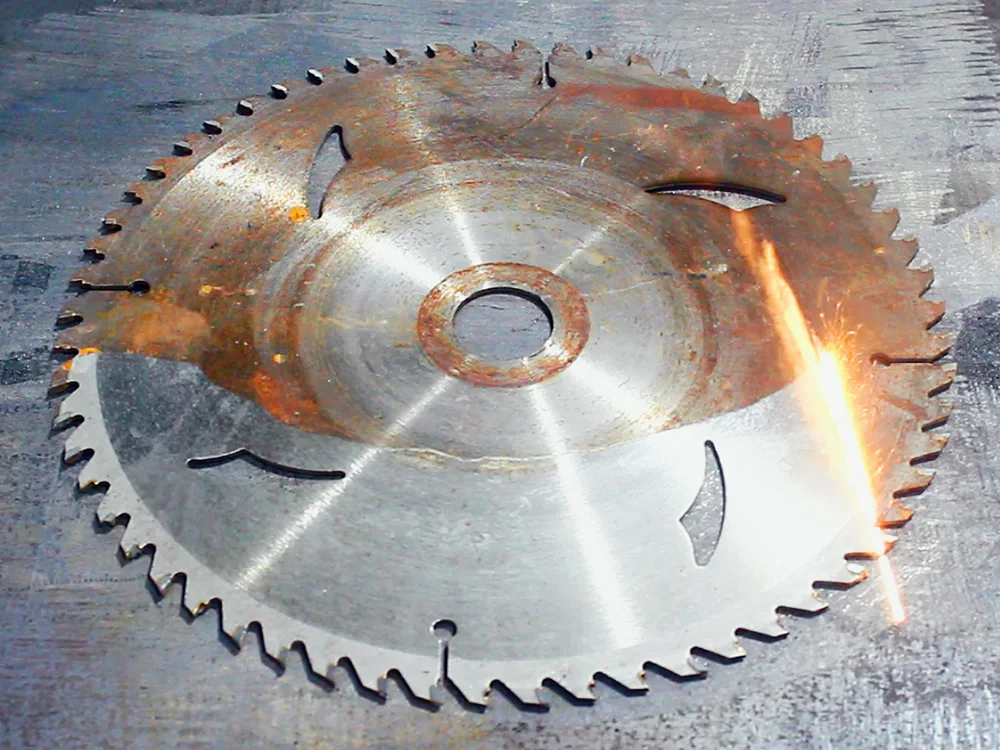
A fiber laser cleaning machine uses a high-energy fiber laser beam to remove rust, paint, oil, oxides, and other surface contaminants from metal and industrial components. The laser energy is absorbed by the contaminated layer, causing it to vaporize or separate from the substrate without damaging the base material.
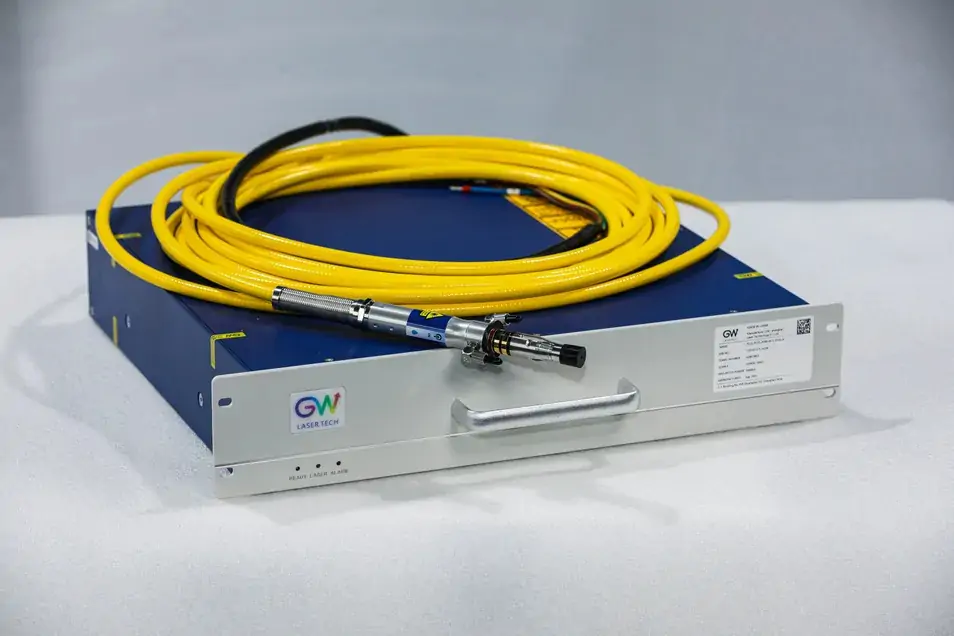
Compared with chemical cleaning, abrasive blasting, and mechanical methods, fiber laser cleaning provides a non-contact cleaning process with precise control of power, frequency, and scanning parameters. Fiber laser sources offer stable beam quality, long service life, and are suitable for continuous industrial operation.
Máquinas de limpieza por láser de fibra are widely used for rust removal, paint stripping, mold cleaning, welding surface preparation, and metal surface treatment in industries such as automotive, shipbuilding, machinery manufacturing, and metal fabrication. They are compatible with materials including steel, stainless steel, aluminum, and copper, making them suitable for both handheld operation and automated production systems.
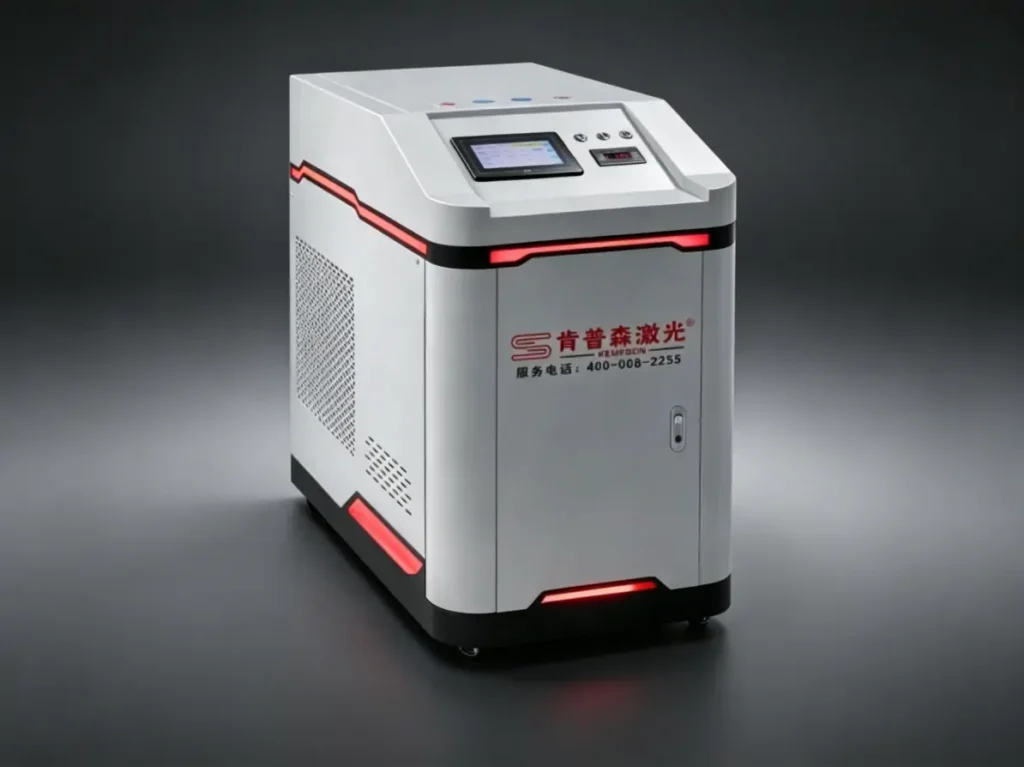
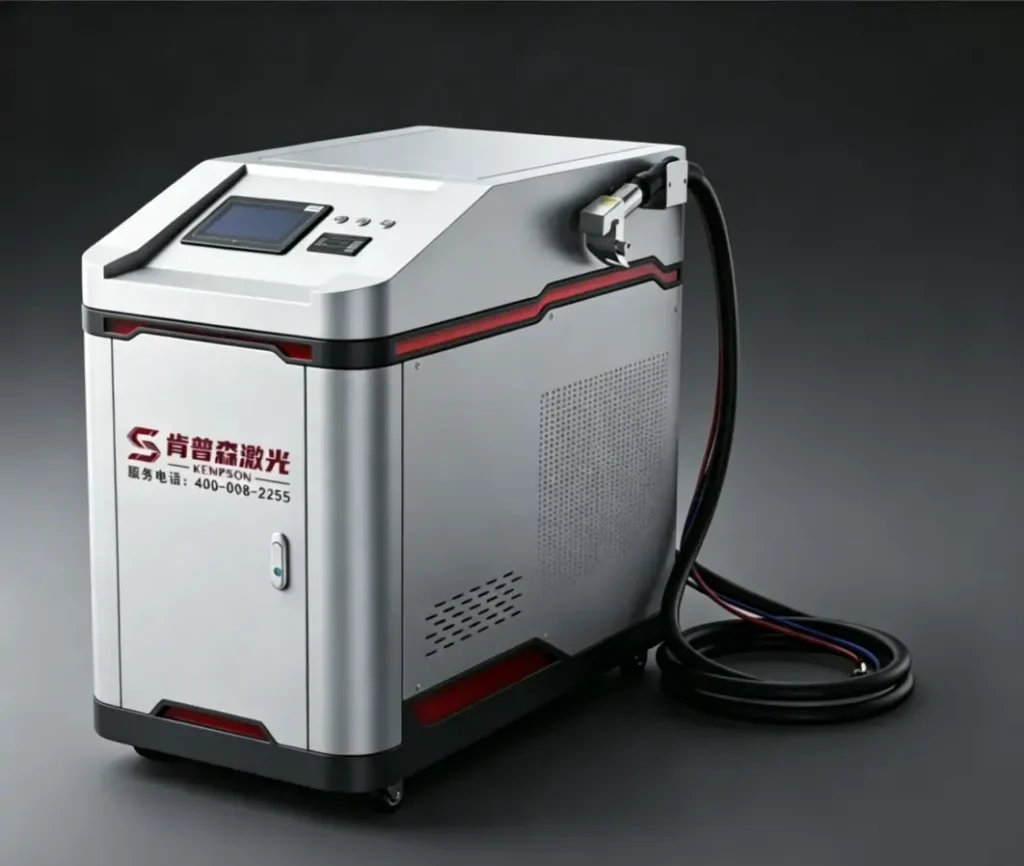
A fiber laser cleaning machine uses a focused laser beam to remove rust, paint, oil, oxide layers, and other contaminants from material surfaces. The laser energy is absorbed by the surface contaminants, causing them to break down and separate from the substrate through laser ablation.
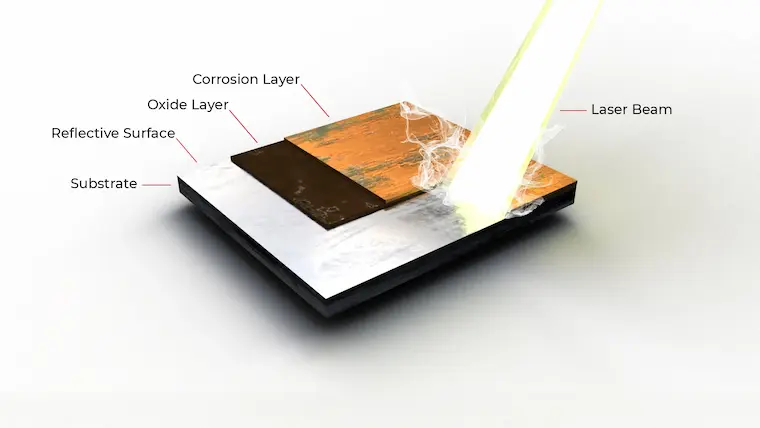
A fiber laser cleaning machine uses laser ablation to remove unwanted surface layers without mechanical contact. The process does not use abrasives or chemical cleaners and is applied for rust removal, surface preparation, welding preparation, and industrial maintenance.
For more detailed information on the operation and process, see the article “How Does a Laser Cleaning Machine Work?”
El máquina de limpieza láser de mano Utiliza un rayo láser como medio de limpieza y una pistola de limpieza con protección de aire como herramienta. Puede limpiar áreas de entre 5 y 30 centímetros de ancho a una velocidad de 1.2 metros cuadrados por minuto. Gracias a su transmisión por fibra óptica, ofrece una alta eficiencia de limpieza y cero emisiones durante el proceso. Es ideal para la eliminación rápida de contaminantes difíciles y la limpieza de grandes superficies con contaminantes ligeros.
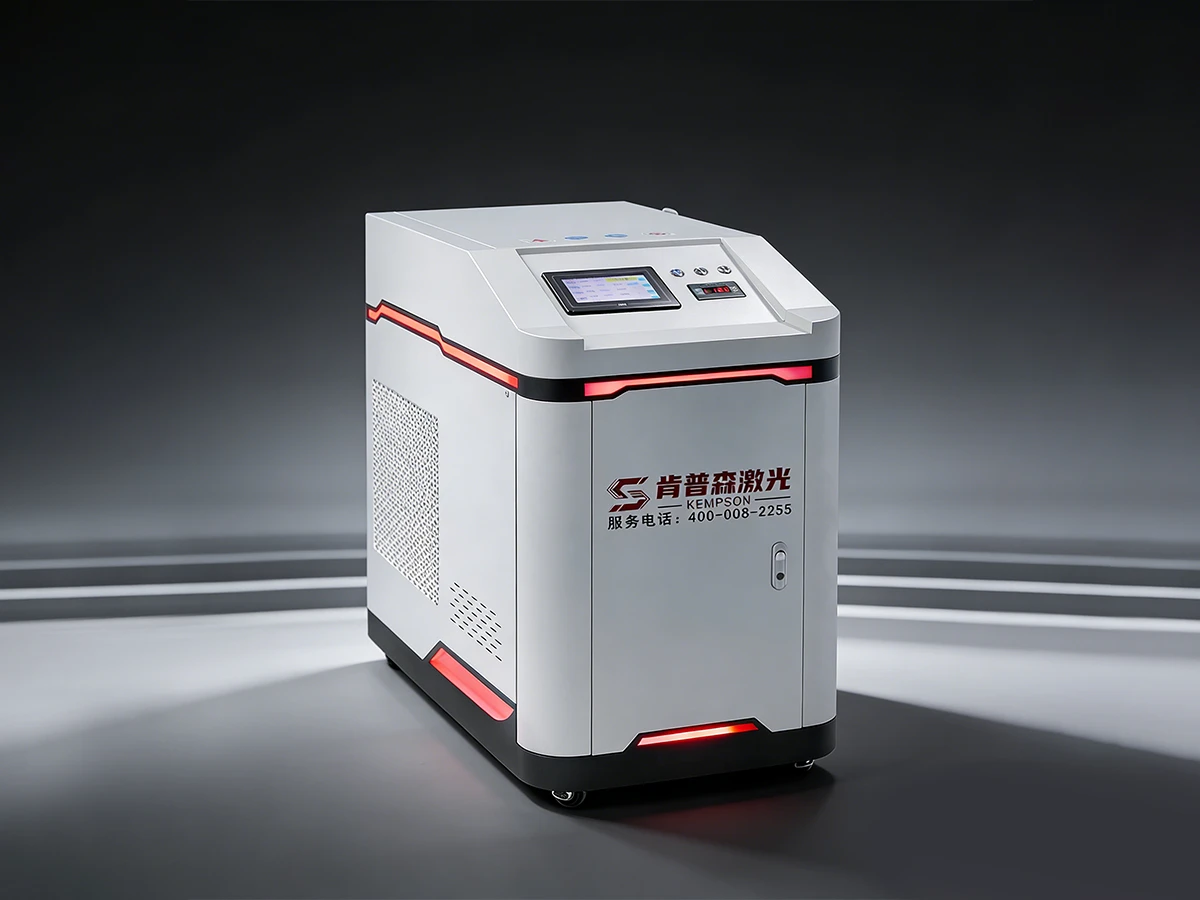
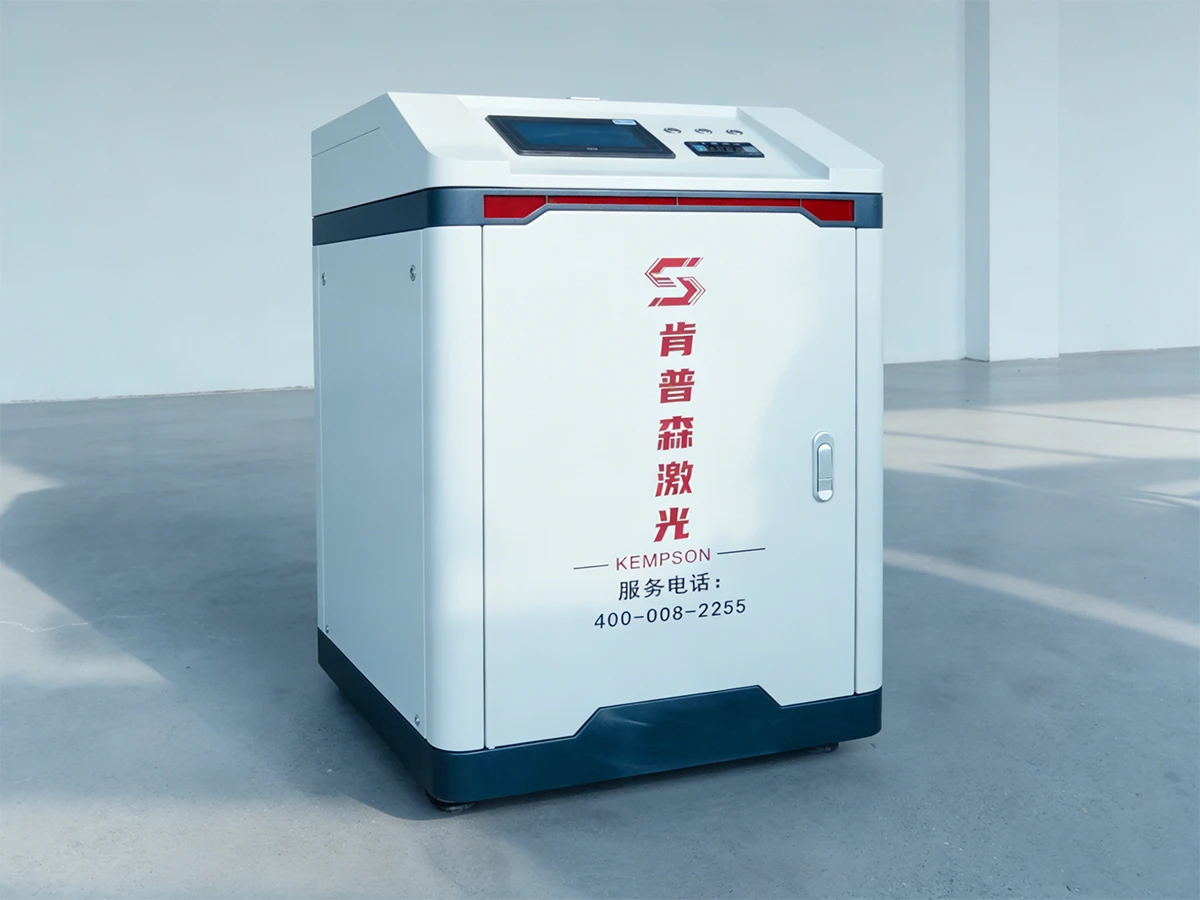
El limpiador láser pulsado, equipado con láseres de fibra monomodo o multimodo opcionales, permite una limpieza precisa y sin contacto. Está diseñado específicamente para operaciones móviles en exteriores, producción en talleres y procesamiento de componentes de precisión. Disponible en configuraciones de mochila, maleta y armario, este equipo ofrece las ventajas de ser ecológico y portátil, lo que lo convierte en una herramienta muy utilizada en la limpieza de piezas de precisión, la restauración de reliquias culturales y la producción industrial.
El Máquina láser portátil auto-soplada para la eliminación de óxido is a portable laser cleaning device with an integrated air-blowing system for removing rust, paint, and surface contaminants from metal parts. The handheld design allows operators to clean different areas with flexible movement, making it suitable for workshops, equipment maintenance, welding preparation, and small-to-medium metal components.
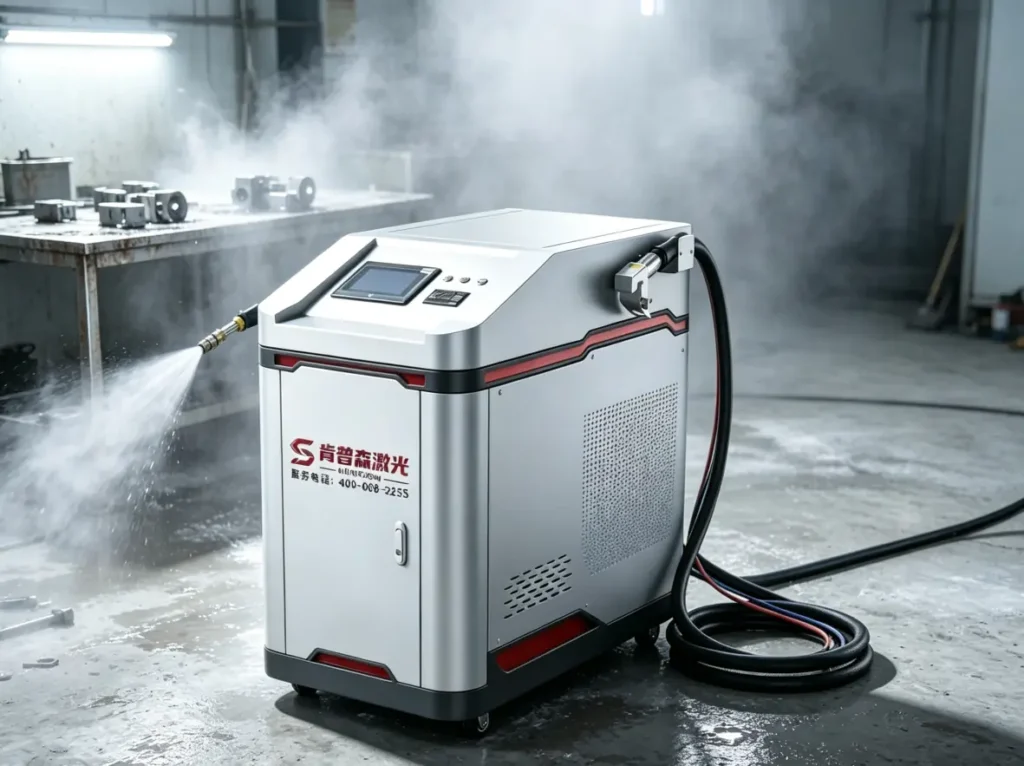
| Parámetro | Especificación |
|---|---|
| Poder del laser | 50 W – 4000 W |
| laser beam | Láser de fibra, 1064 nm |
| Ancho de limpieza | Ajustable de 50 a 300 mm |
| Velocidad de limpieza | Up to 1.8㎡/min |
| Método de limpieza | Rust Removal, Paint Removal, Oil Cleaning, Oxide Removal, Surface Preparation |
| Modo de funcionamiento | Handheld / Automated Integration |
| Sistema de refrigeración | Refrigeración por aire / refrigeración por agua |
| Ancho de pulso | 2–500ns Adjustable (Pulsed Laser Models) |
| Velocidad de escaneo | Hasta 10000 mm / s |
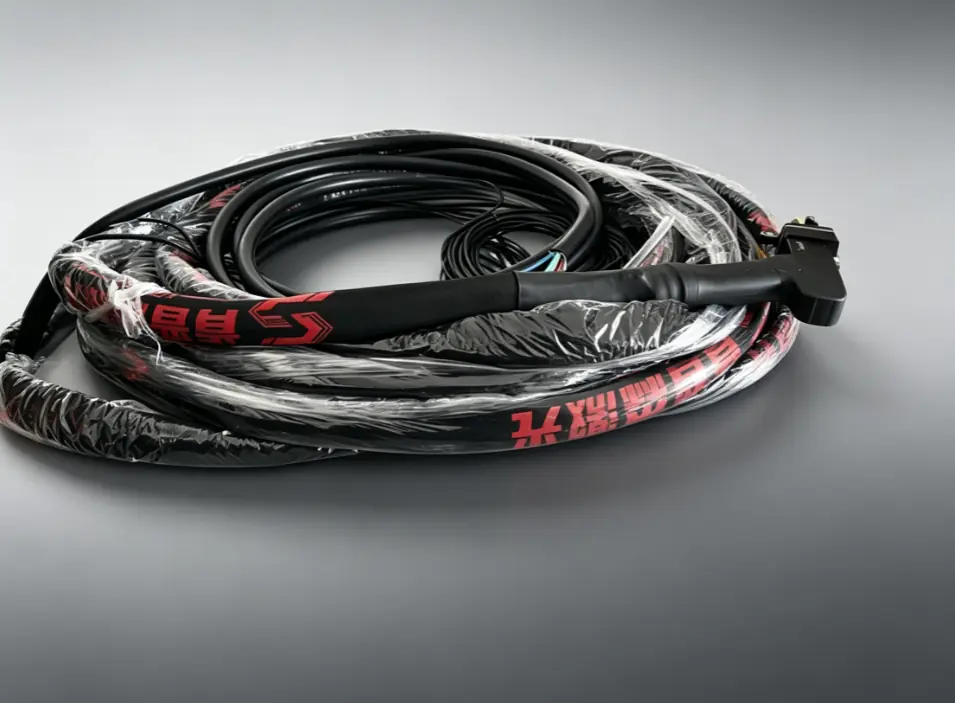
| Longitud del cable de fibra | 3m / 5m / 10m Optional |
| Sistema de control | Touch Screen / Digital Control |
| Alimentación eléctrica | 220V / 380V personalizado |
| Materiales aplicables | Carbon Steel, Stainless Steel, Aluminum, Copper, Cast Iron |
| Tipo de láser | Pulsed Laser / Continuous Wave (CW) Laser |
| Industrias de aplicación | Metal Fabrication, Automotive, Shipbuilding, Machinery, Mold Maintenance |
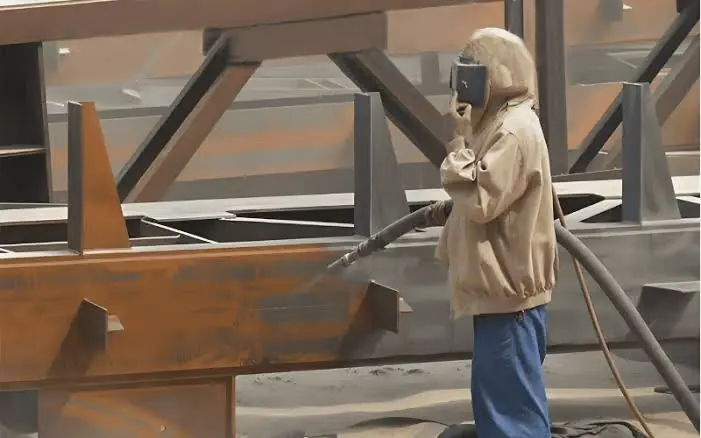
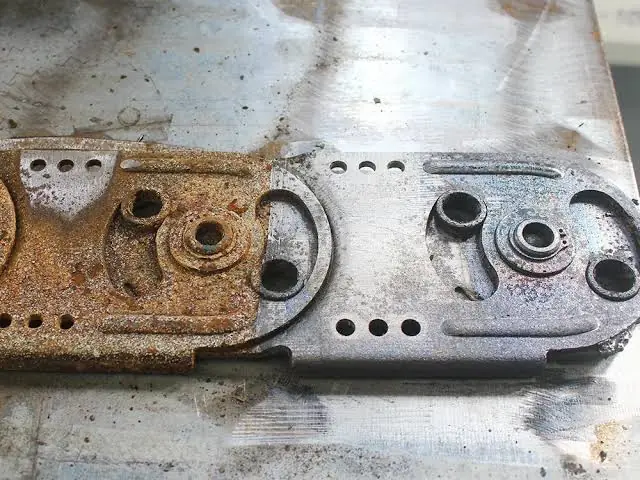
Used for removing rust and corrosion from steel structures, pipes, machinery parts, and metal equipment before further processing or coating.
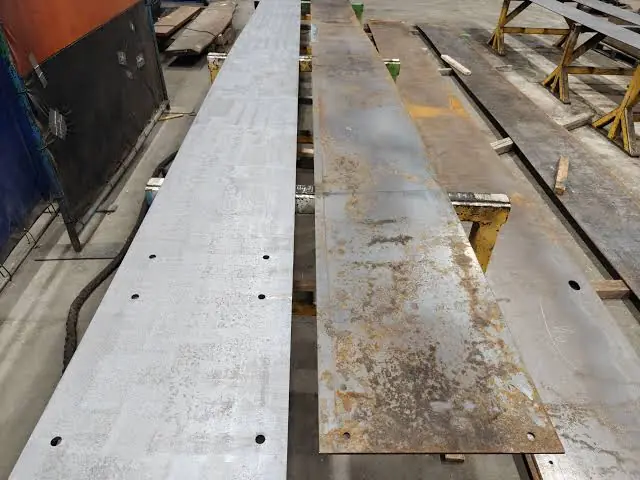
Applied for stripping old paint, protective coatings, and surface layers from automotive parts, steel structures, and industrial components.
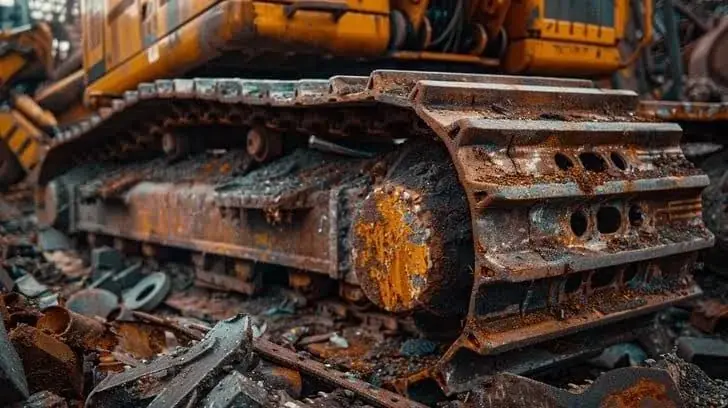
Used before welding to remove rust, oil, and oxide layers from metal surfaces, improving weld preparation and reducing surface contamination.
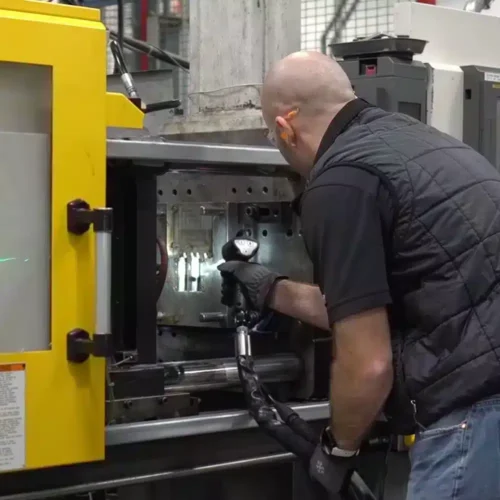
Suitable for cleaning injection molds, rubber molds, and precision tooling by removing residues, carbon deposits, and production contaminants.
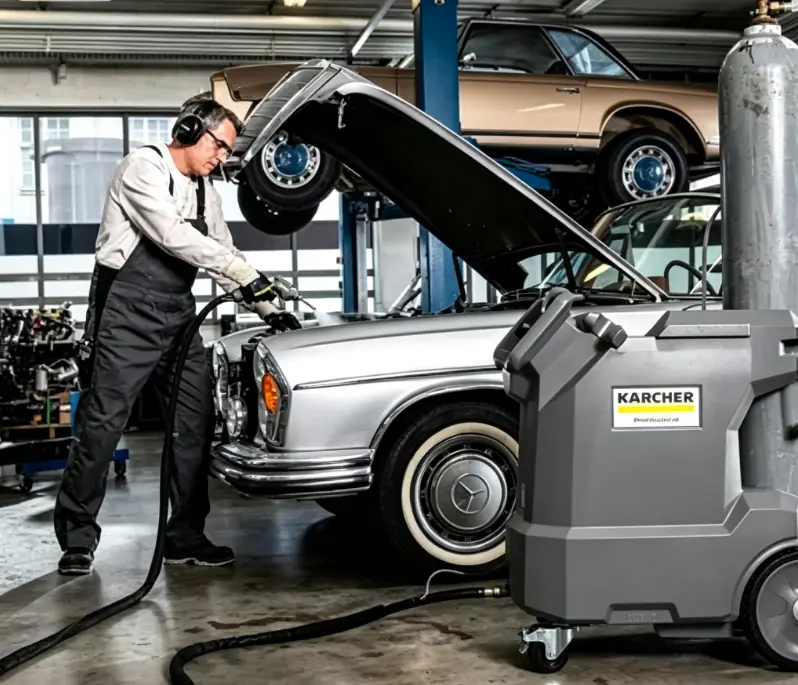
Used for cleaning engine parts, molds, welding areas, and metal components during automotive production and maintenance.
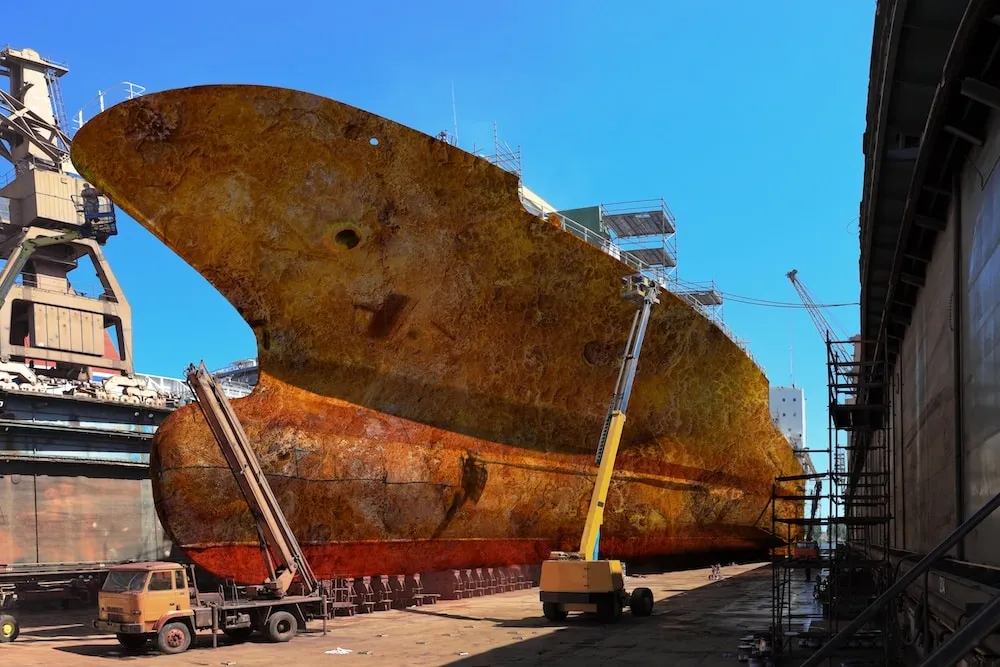
Applied for large-scale rust removal and surface treatment on ships, steel structures, construction machinery, and industrial equipment.
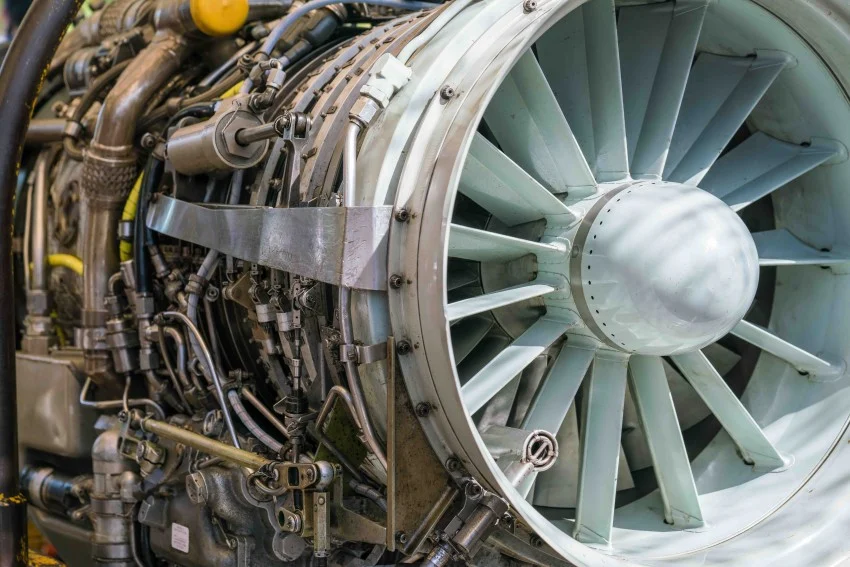
Used for paint removal, surface cleaning, and maintenance of aircraft parts where controlled material removal is required.
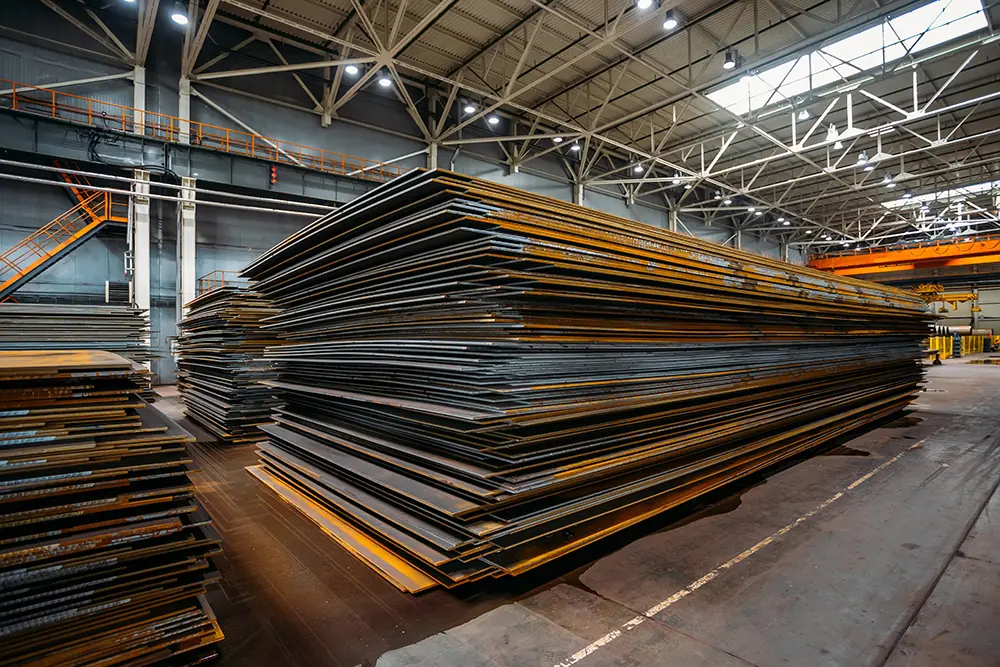
Used for cleaning stainless steel, aluminum, copper, and carbon steel parts before welding, coating, or surface finishing.
The required laser power depends on the cleaning material, contamination type, cleaning area, and production requirements. Low-power laser cleaning machines are mainly used for precision surface treatment, while high-power systems are designed for large-area cleaning and heavy contamination removal.
| Poder del laser | Mareas Ideales para Lecciones | Aplicaciones |
|---|---|---|
| 50W–200W Laser Cleaning Machine | Suitable for precision cleaning applications where heat input needs to be controlled. | Mold cleaning, Precision parts cleaning, Oil and oxide layer removal, Small metal component maintenance |
| 500W–1000W Laser Cleaning Machine | Suitable for general industrial cleaning tasks with moderate contamination. | Metal rust removal, paint and coating removal, welding surface preparation, and machinery maintenance |
| 1500W–2000W Laser Cleaning Machine | Suitable for continuous industrial cleaning and larger metal component processing. | Steel structure cleaning, Large metal parts, Heavy equipment maintenance, Ship components |
| 3000W–4000W Laser Cleaning Machine | Designed for heavy-duty surface cleaning and large-area industrial applications. | Heavy rust removal, Shipbuilding, Steel fabrication, Large industrial equipment cleaning |
When selecting a fiber laser cleaning machine, consider the type and thickness of contamination, material properties, cleaning speed requirements, and working environment.
A fiber laser cleaning machine is a highly efficient and environmentally friendly solution for metal surface treatment, effectively enabling the rapid and non-destructive removal of rust, oxide layers, or old coatings. Compared to traditional methods such as sandblasting and chemical cleaning, laser cleaning offers greater flexibility and adaptability, is environmentally friendly, and reduces subsequent processing costs.
| Factor de comparación | Limpieza con láser | chorro de arena | Limpieza quimica | Limpieza con hielo seco | Rectificado manual |
|---|---|---|---|---|---|
| Principio de limpieza | Láser (sin contacto) | Impacto abrasivo | Reacción química / Disolución | Impacto y sublimación de partículas de CO₂ | Fricción mecánica |
| Protección de superficie | Alta precisión, mínimo impacto sobre el sustrato. | Rugosidad de superficies | Riesgo de corrosión o residuos | Generalmente gentil | Alto riesgo de rasguños |
| Consumibles | Ninguna | Arena / Abrasivos | Ácidos / Disolventes | Pellets de hielo seco | Discos abrasivos |
| Impacto Ambiental | Sin productos químicos, genera pocos residuos. | Contaminación por polvo | Residuos líquidos peligrosos | Requiere ventilación de CO₂ | Polvo y escombros |
| Potencial de automatización | Fácil de integrar en líneas de producción automatizadas | Limitada | Limitada | Moderado | Difícil |
| Requisitos de mantenimiento | Bajo | Desgaste por manipulación de medios y equipos | Almacenamiento y eliminación de productos químicos | Sistema de suministro de pellets | Reemplazo frecuente de herramientas |
| Limpieza operativa | Proceso limpio, mínimo residuo | Alta generación de polvo | Presencia de residuos químicos | Muy pocos residuos secundarios | Produce residuos metálicos |
| Idoneidad para piezas de precisión | Excelente, recomendable | No adecuado | Riesgo de reacción superficial | Control limitado | Mala idoneidad |
| Costo operativo a largo plazo | Bajo | Media | Alto | Media | Media |
La limpieza láser ofrece alta precisión, repetibilidad y sostenibilidad ambiental. Si bien la inversión inicial es relativamente alta, se ha convertido en una solución estratégica a largo plazo en aplicaciones modernas, ya que no requiere consumibles, reduce los costos de eliminación de residuos y es compatible con líneas de producción automatizadas.
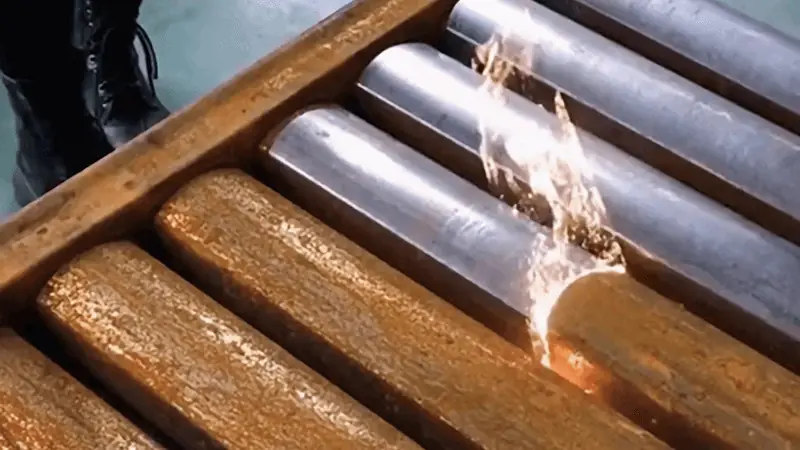
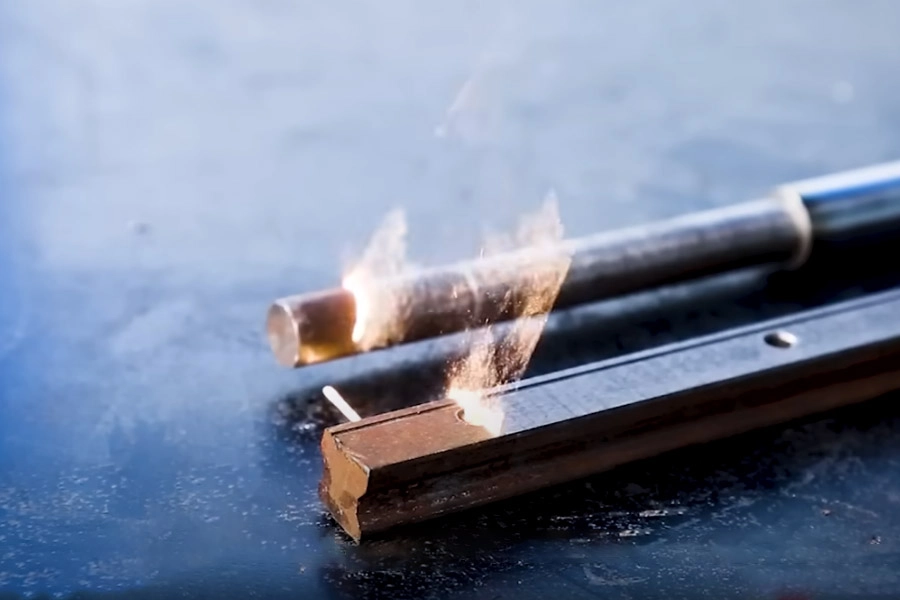
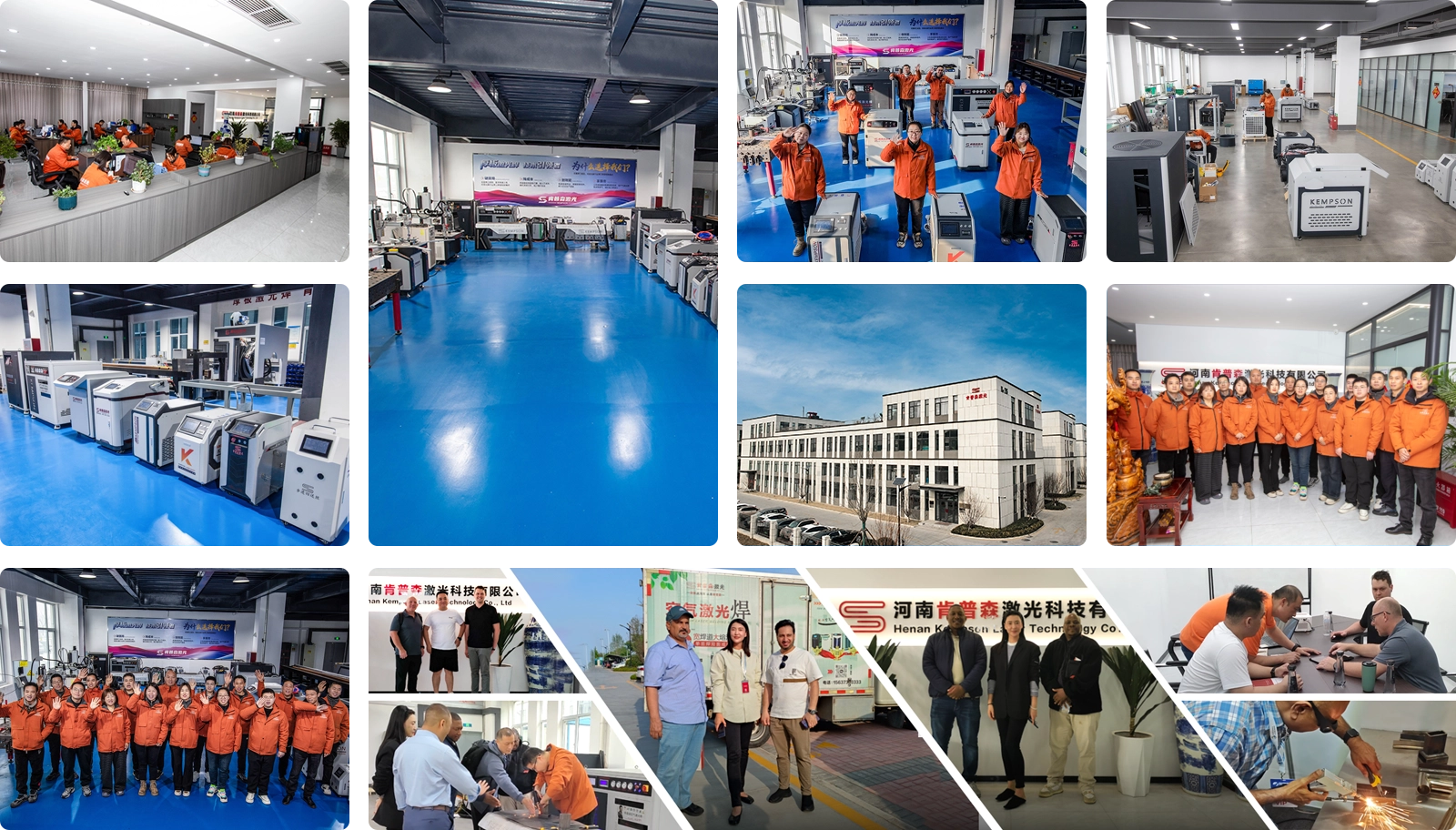
KEMPSON is a professional laser equipment manufacturer and supplier specializing in fiber laser cleaning machines for industrial surface treatment. The product range covers 50W–4000W laser cleaning solutions for rust removal, paint stripping, oxide removal, welding surface preparation, and metal surface maintenance. With experience in laser welding and cleaning technology, KEMPSON provides handheld and customized laser cleaning systems for applications in metal fabrication, automotive, machinery, shipbuilding, and other industries.
KEMPSON provides complete support from equipment selection and cleaning tests to customized solutions and after-sales service. Each laser cleaning machine is manufactured with industrial-grade components and tested before delivery to meet different working requirements. Contáctanos for a suitable fiber laser cleaning solution, factory quotation, and technical support for your application.
A fiber laser cleaning machine uses a high-energy laser beam to remove rust, paint, oil, oxide layers, and other contaminants from material surfaces through laser ablation.
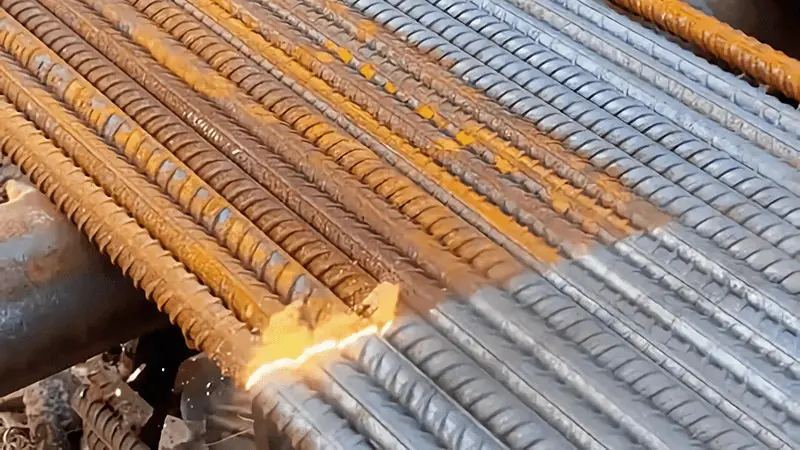
The laser beam is absorbed by the rust layer, causing rapid heating and separation from the metal surface. The process removes rust without direct contact with the workpiece.
Fiber laser cleaning machines can clean carbon steel, stainless steel, aluminum, copper, cast iron, and other metal materials used in industrial applications.
The required power depends on rust thickness, cleaning area, and working speed. 500W–1000W machines are suitable for general rust removal, while 1500W–4000W models are used for heavy rust and large metal surfaces.
The price of a fiber laser cleaning machine depends on laser power, laser source, cooling system, cleaning width, and configuration. Typical prices range from several thousand to tens of thousands of US dollars.
Yes. A 4000W laser cleaning machine is designed for heavy rust removal, large steel structures, ship maintenance, and other industrial cleaning applications that require higher cleaning speed.
Laser cleaning uses no abrasive materials and does not create secondary waste. It provides a non-contact cleaning process with better control over surface treatment, while sandblasting is still suitable for large-scale rough cleaning applications.
No. Fiber laser cleaning machines do not require sand, chemicals, or grinding materials. Regular maintenance mainly involves checking the laser system, protective lens, and cooling components.
¿Busca una máquina de limpieza láser de fibra?
Check our Fiber Laser Cleaning Machine
(50–4000W).
Descubra cómo funciona la máquina de limpieza láser KPS 2000W/3000W mediante fotovaporización. Eliminación de óxido de metales de alta eficiencia y respetuosa con el medio ambiente, sin dañar el sustrato.
Compare la soldadura láser automatizada con la soldadura láser manual en términos de precisión, eficiencia, costo y aplicaciones. Descubra qué sistema de soldadura láser se adapta mejor a sus necesidades de fabricación y cómo elegir la solución adecuada para su línea de producción.
Este artículo explica si la soldadura láser puede rellenar huecos en piezas metálicas y cómo se comporta en diferentes condiciones de unión. Aborda la tolerancia de soldadura en condiciones reales, el efecto del tamaño del hueco en la calidad de la soldadura y cuándo se requiere alambre de aporte adicional o ajustes en el proceso. La guía también compara la soldadura láser de alta precisión con los métodos de soldadura tradicionales y ofrece recomendaciones prácticas para mejorar la uniformidad de la soldadura en aplicaciones industriales.
La soldadura láser es ampliamente conocida por su capacidad para crear soldaduras fuertes y precisas con un aporte térmico mínimo. Una de las preguntas más frecuentes es si se requiere material de aporte durante el proceso. En muchas aplicaciones, la soldadura láser se puede realizar sin alambre de aporte mediante la fusión directa de los materiales base. Sin embargo, el material de aporte cobra importancia al soldar materiales más gruesos, para cubrir huecos en las juntas, prevenir grietas o unir metales diferentes. Esta guía explica cómo funciona la soldadura láser autógena, cuándo es necesario el alambre de aporte, si la soldadura por oscilación puede reemplazar el material de aporte y cómo elegir entre alambre y polvo de aporte para diferentes aplicaciones.