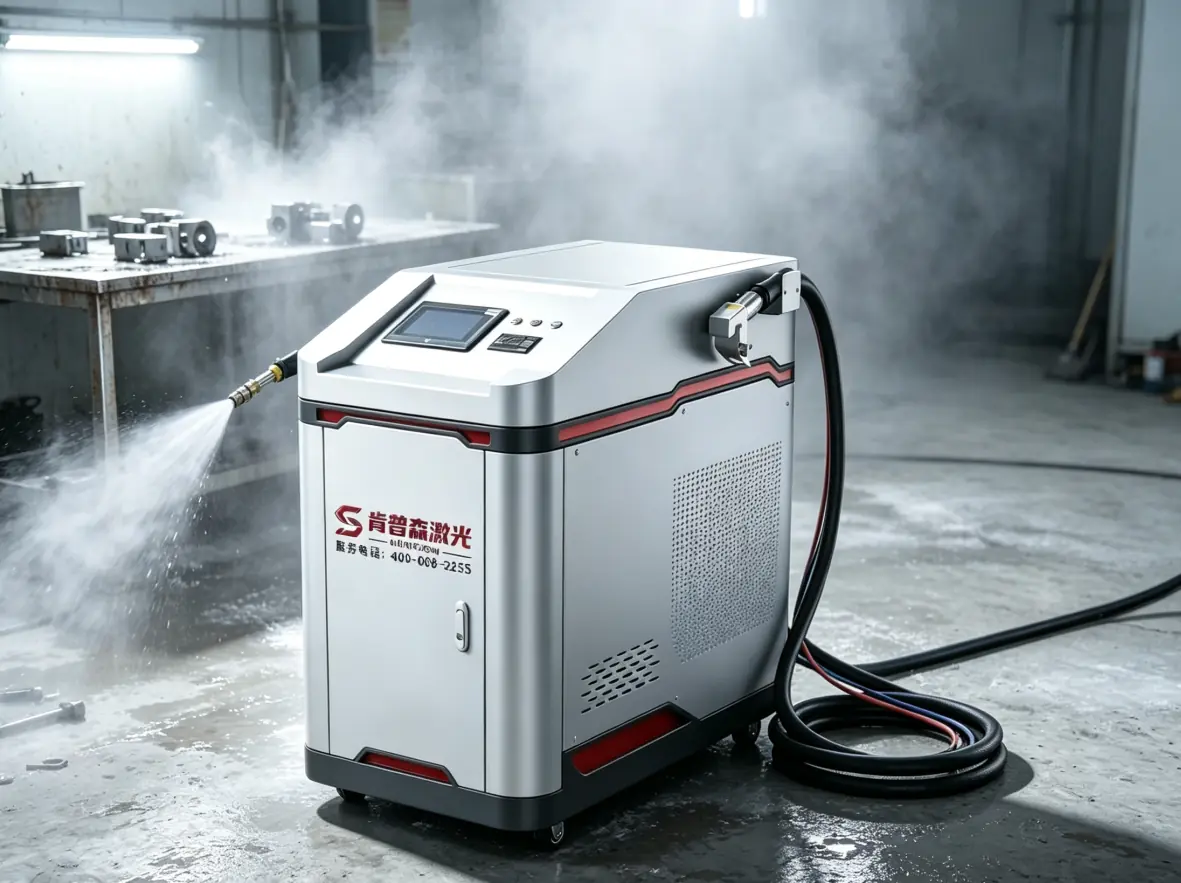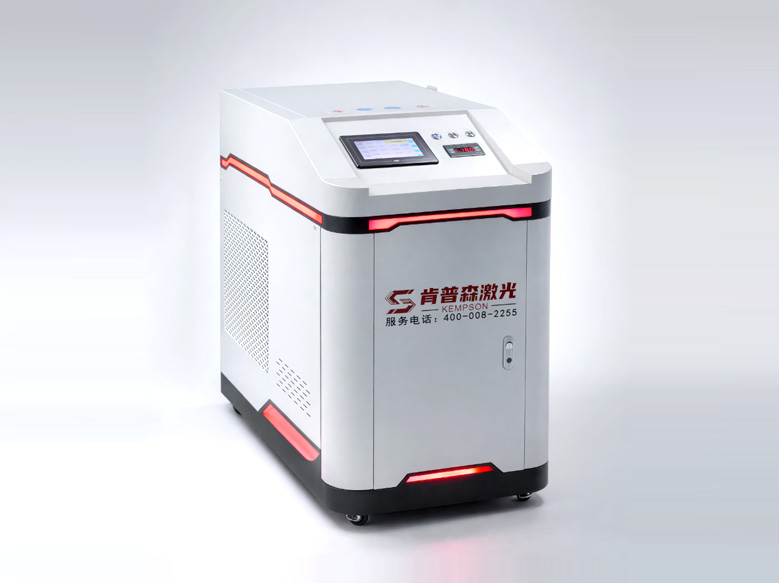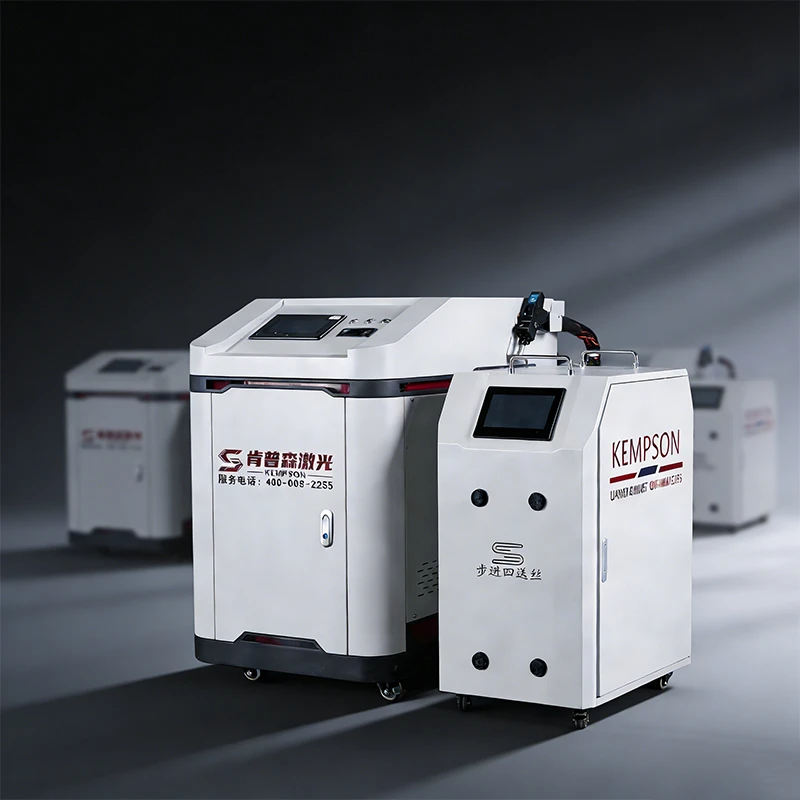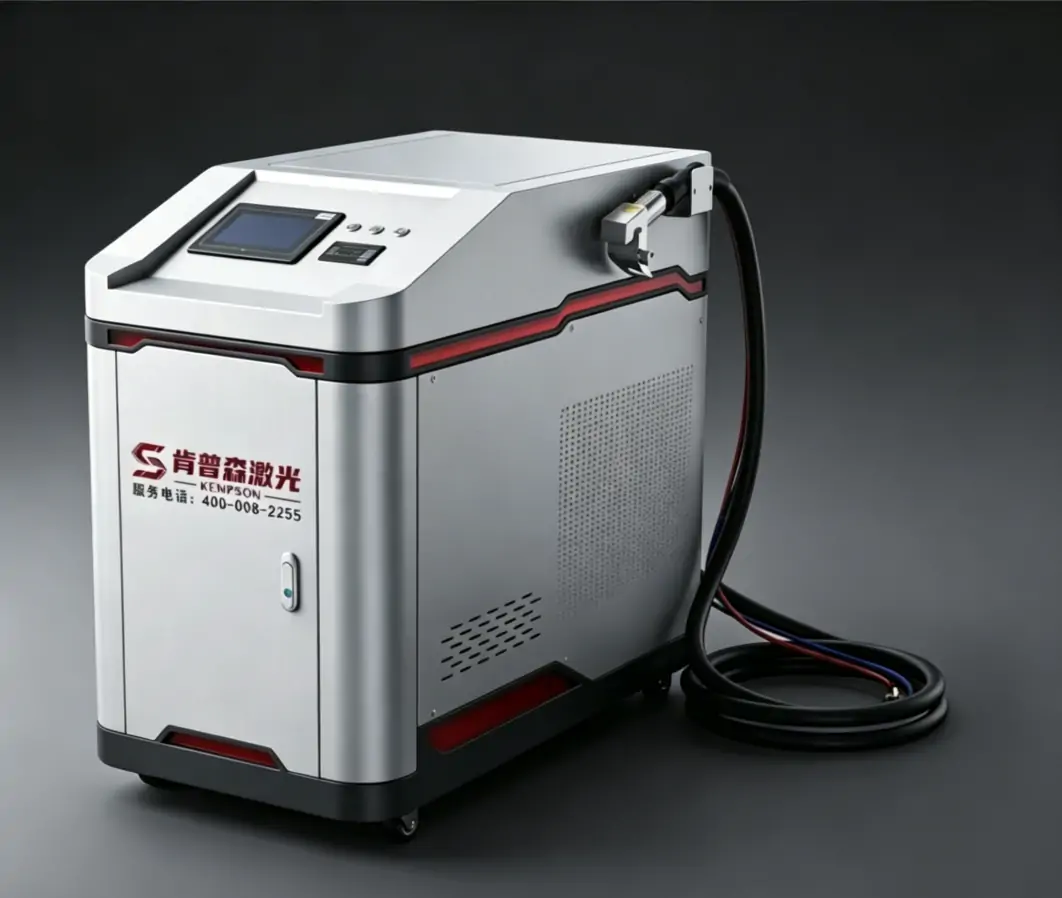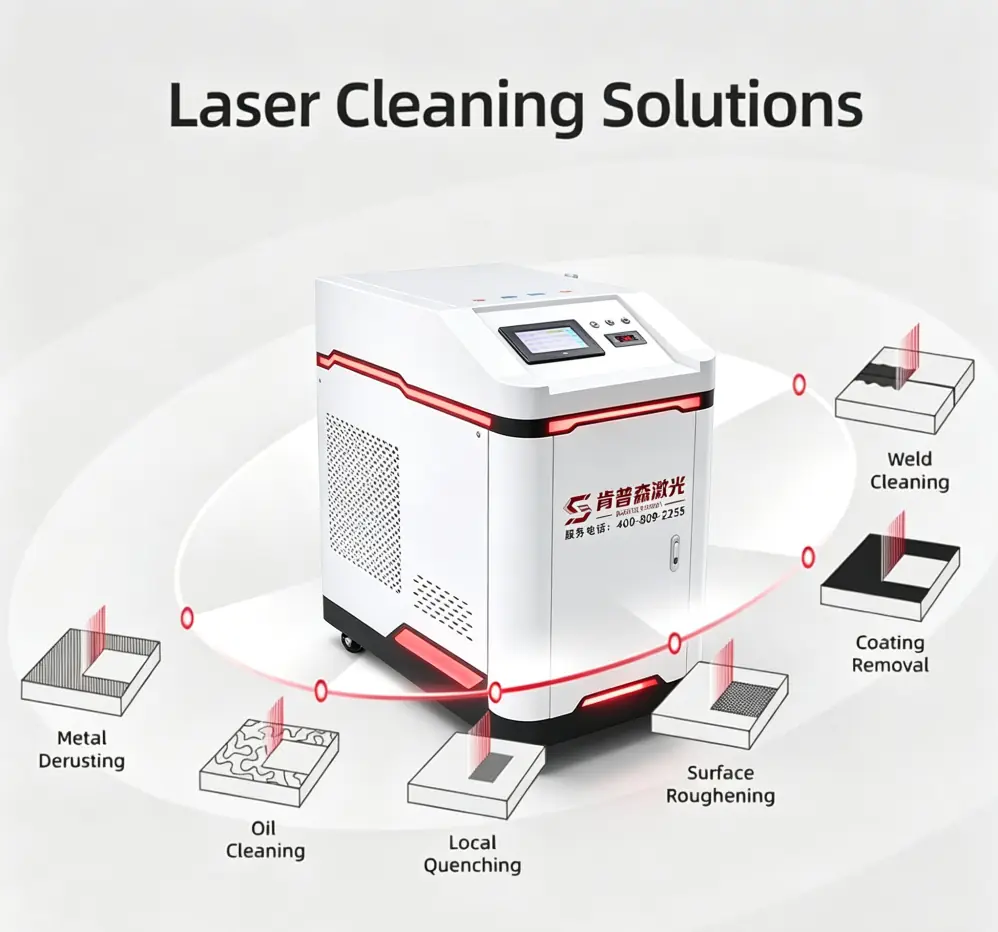
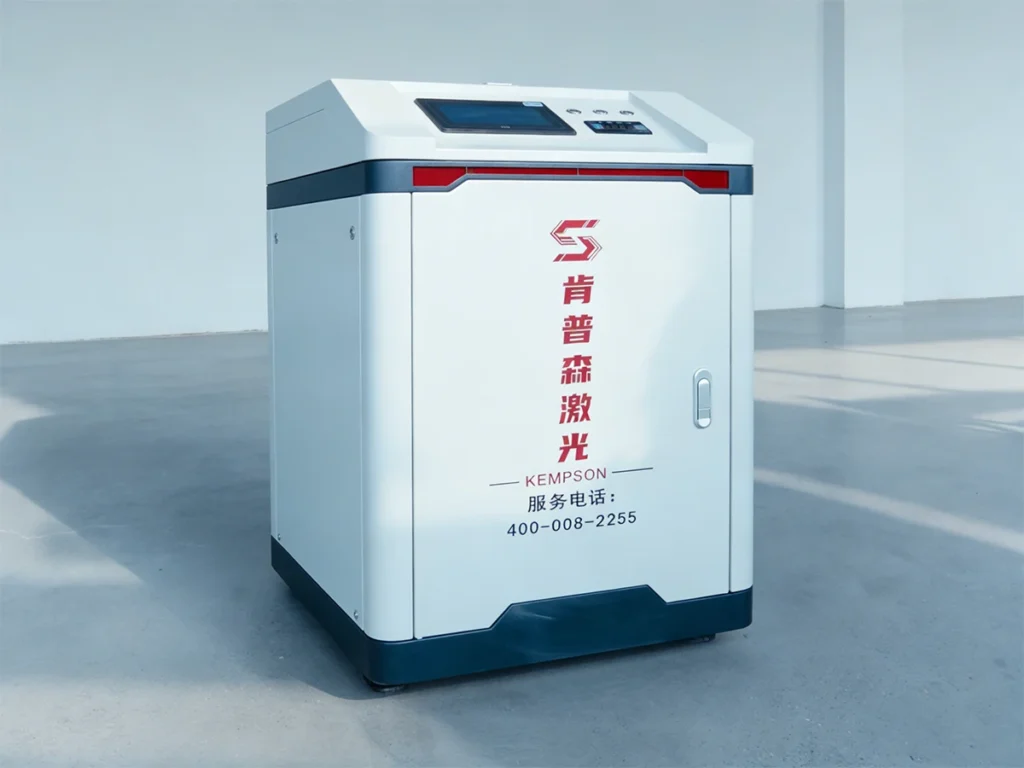
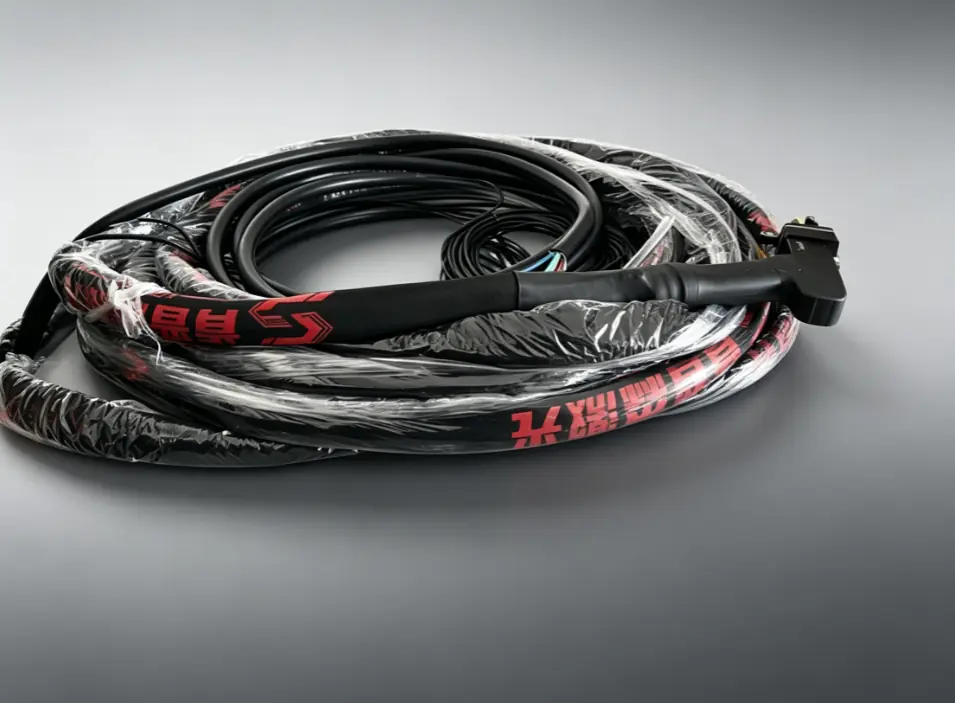
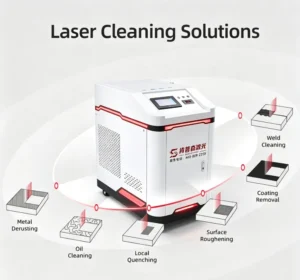
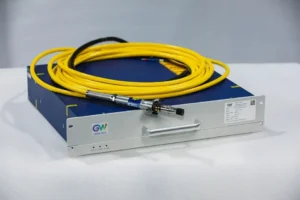
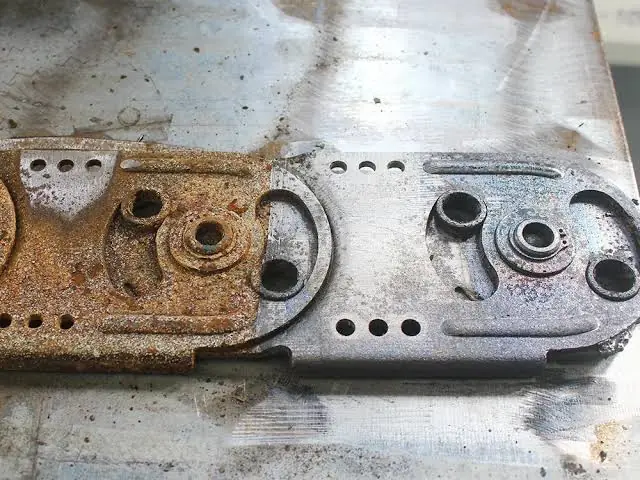
A fiber laser cleaning machine uses a high-energy beam to remove surface contaminants such as rust, paint, oil, and oxide layers. The effect on the substrate depends on the material, coating, contamination, and process settings; assess the surface with a sample test before production use.
Compared with chemical cleaning, abrasive blasting, and mechanical methods, fiber laser cleaning provides a non-contact cleaning process with precise control of power, frequency, and scanning parameters. Fiber laser sources offer stable beam quality, long service life, and are suitable for continuous industrial operation.
Fiber laser cleaning machines are widely used for rust removal, paint stripping, mold cleaning, welding surface preparation, and metal surface treatment in industries such as automotive, shipbuilding, machinery manufacturing, and metal fabrication. Also known as a metal laser cleaning machine, they are compatible with materials including steel, stainless steel, aluminum, and copper, making them suitable for both handheld operation and automated production systems.
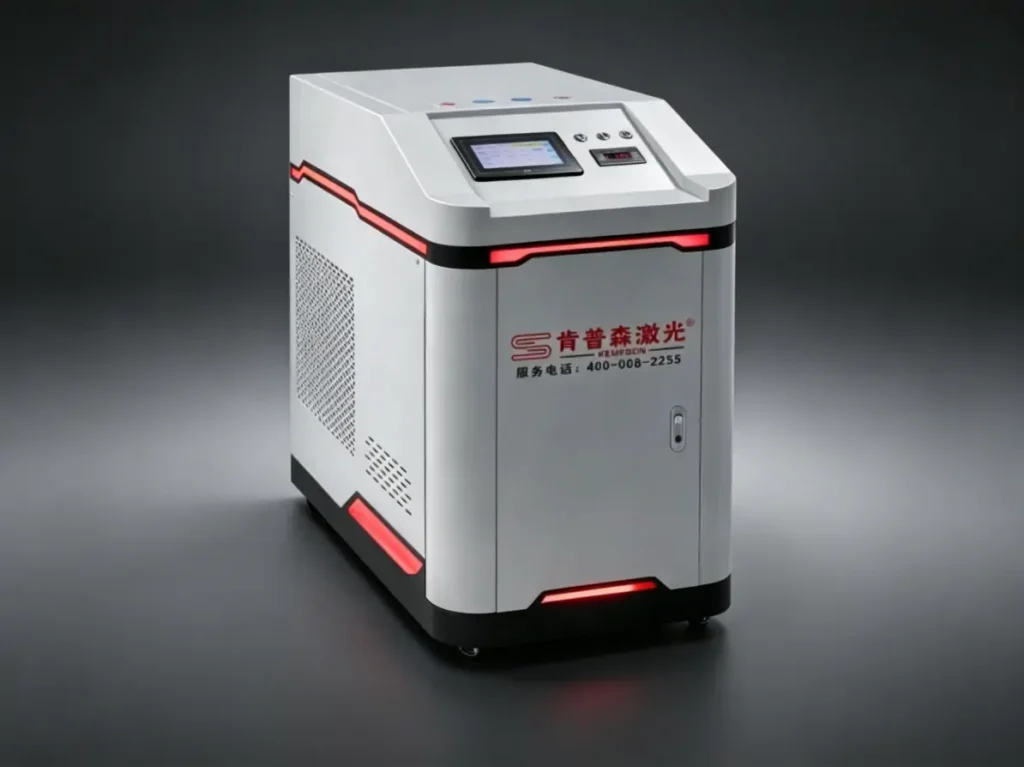
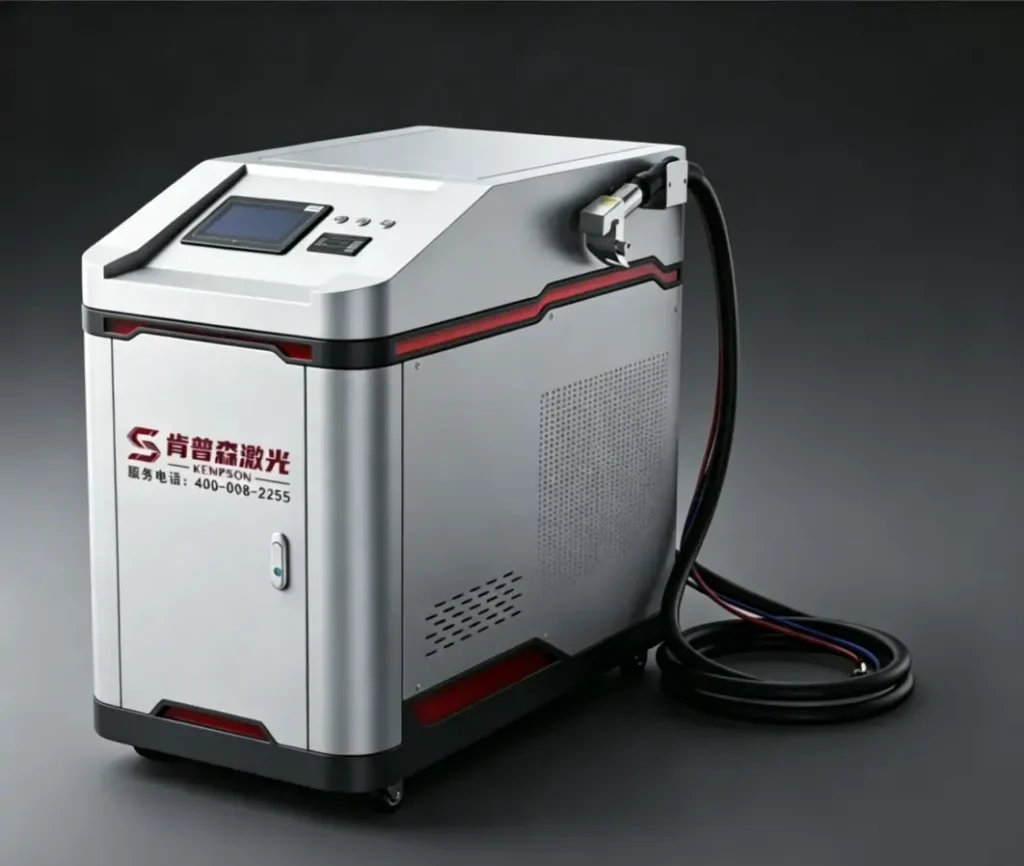
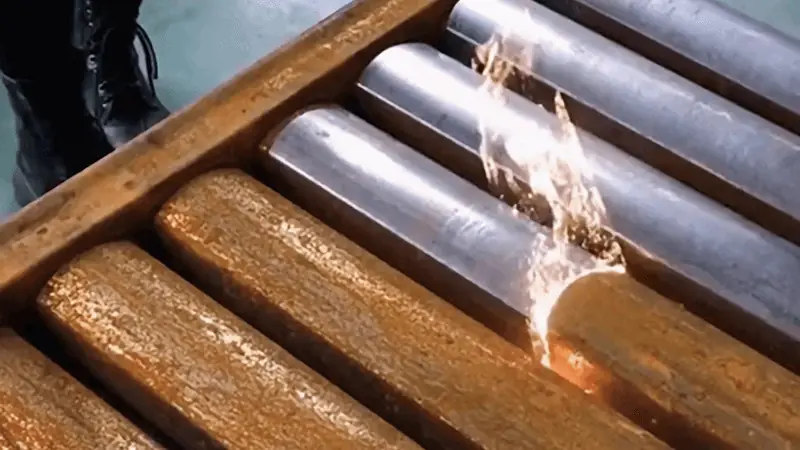
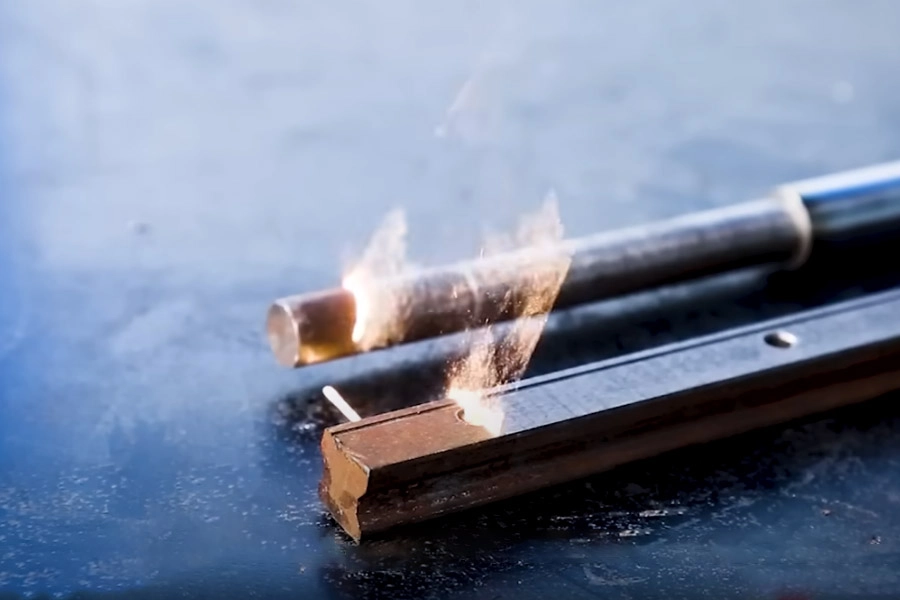
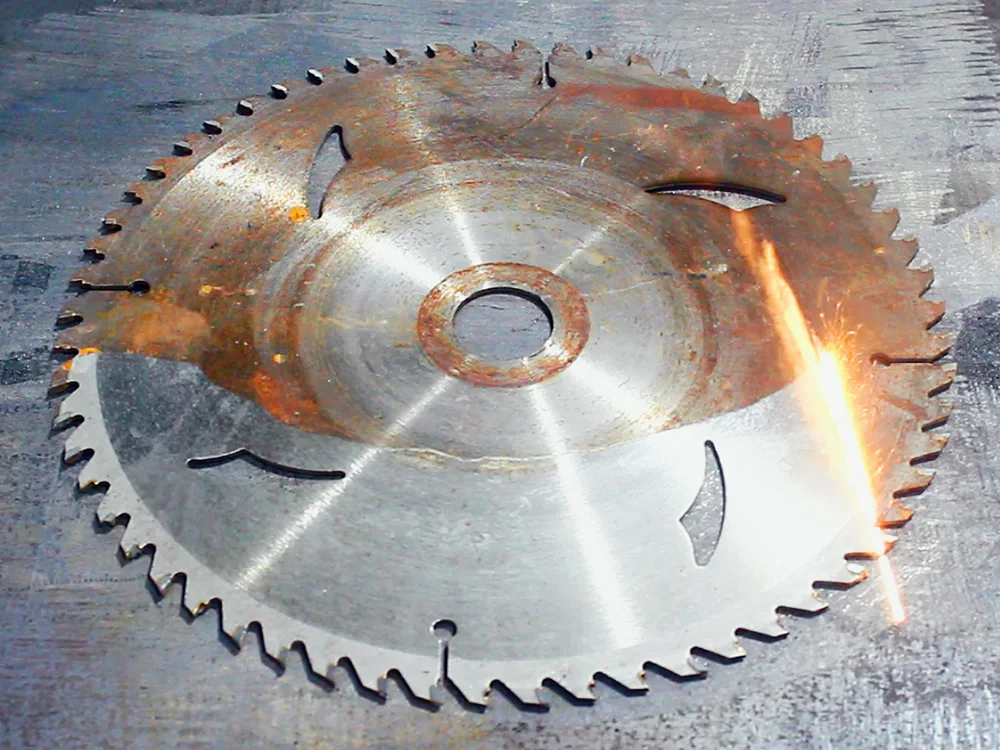
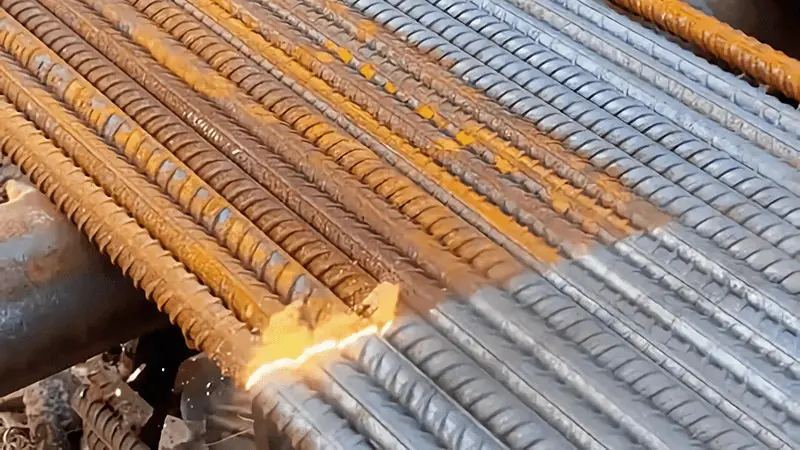
A fiber laser cleaning machine uses a focused laser beam to remove rust, paint, oil, oxide layers, and other contaminants from material surfaces. The laser energy is absorbed by the surface contaminants, causing them to break down and separate from the substrate through laser ablation.
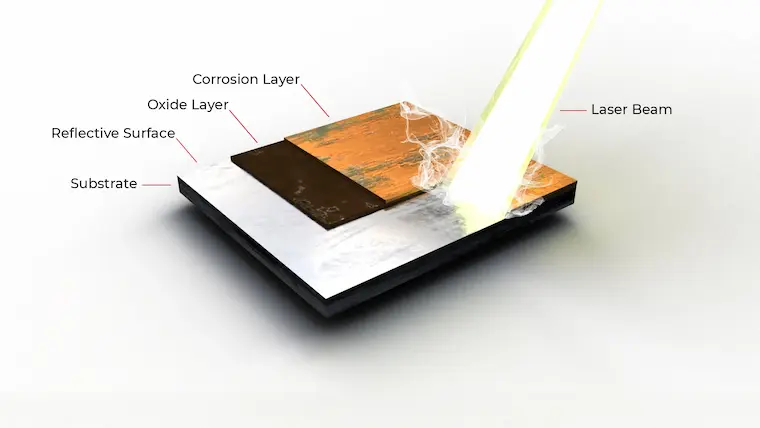
A fiber laser cleaning machine uses laser ablation to remove unwanted surface layers without mechanical contact. The process does not use abrasives or chemical cleaners and is applied for rust removal, surface preparation, welding preparation, and industrial maintenance.
For more detailed information on the operation and process, see the article “How Does a Laser Cleaning Machine Work?”
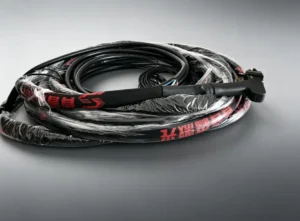
The handheld laser cleaning machine uses a laser beam as the cleaning method and a handheld cleaning head. Cleaning width and speed depend on the model, substrate, contaminant, and process settings. The process does not use abrasive media or chemical cleaners, but may generate fumes and particles; use suitable extraction and validate the result on a sample.
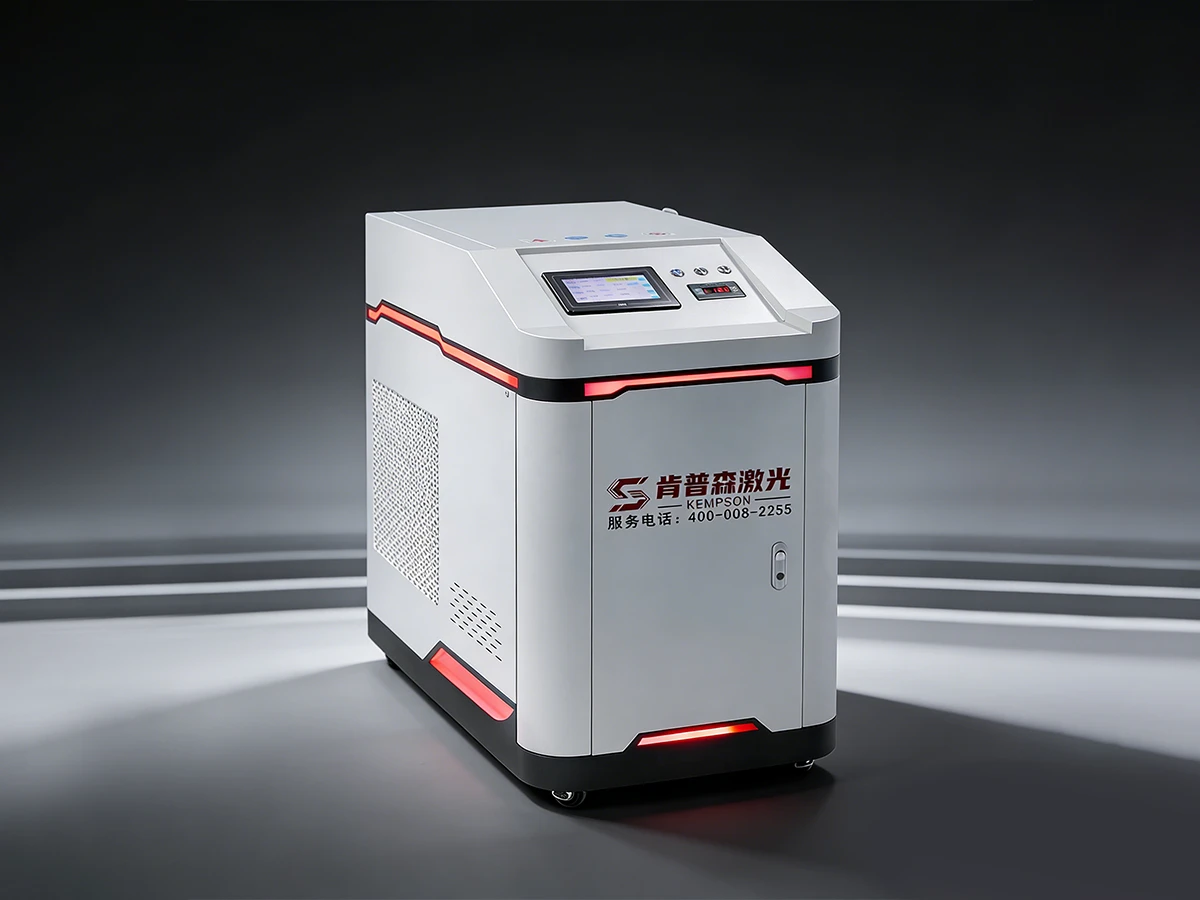
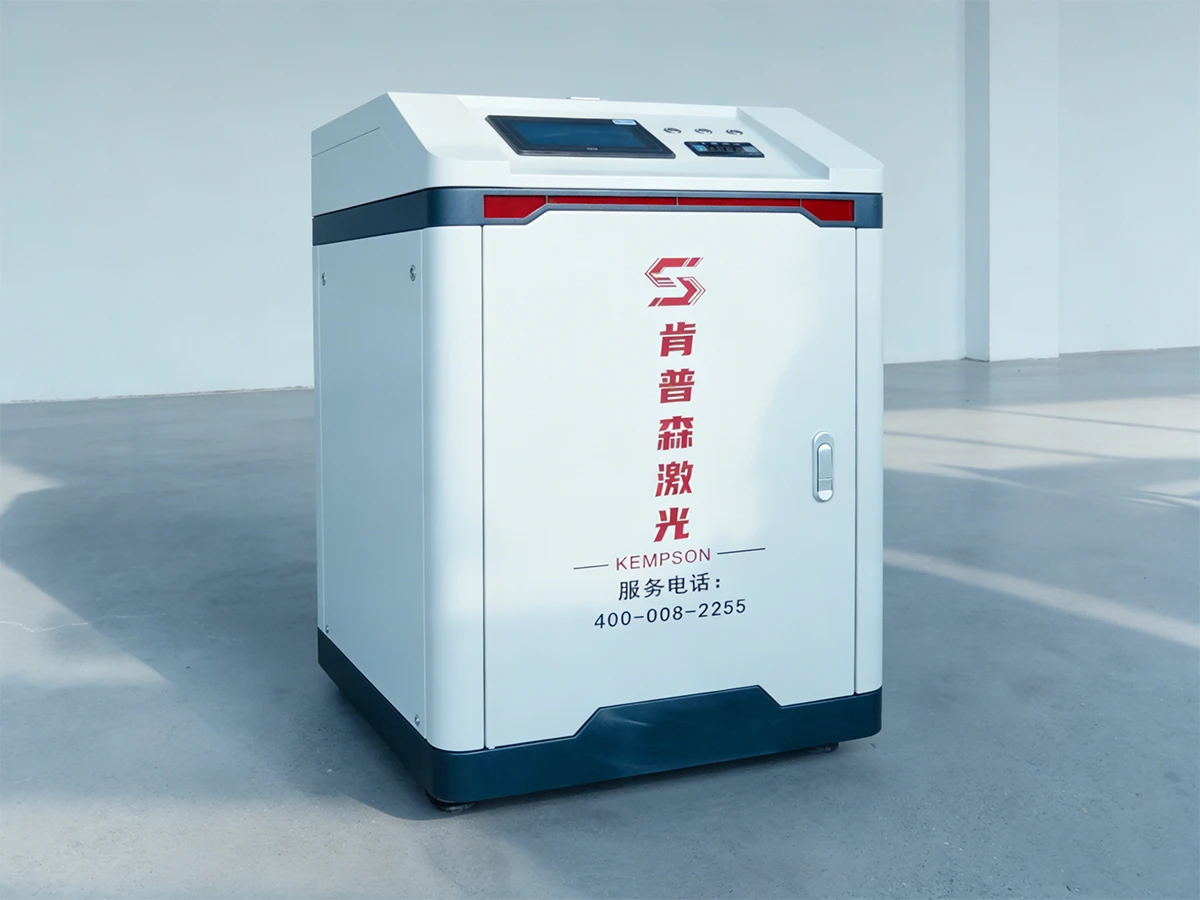
The pulsed laser cleaner, equipped with optional single-mode or multi-mode fiber lasers, enables precise, non-contact cleaning. It is specifically designed for outdoor mobile operations, workshop production, and precision component processing. Available in backpack, suitcase, and cabinet configurations, this equipment offers the advantages of being eco-friendly and portable, making it widely used in precision part cleaning, cultural relic restoration, and industrial production.
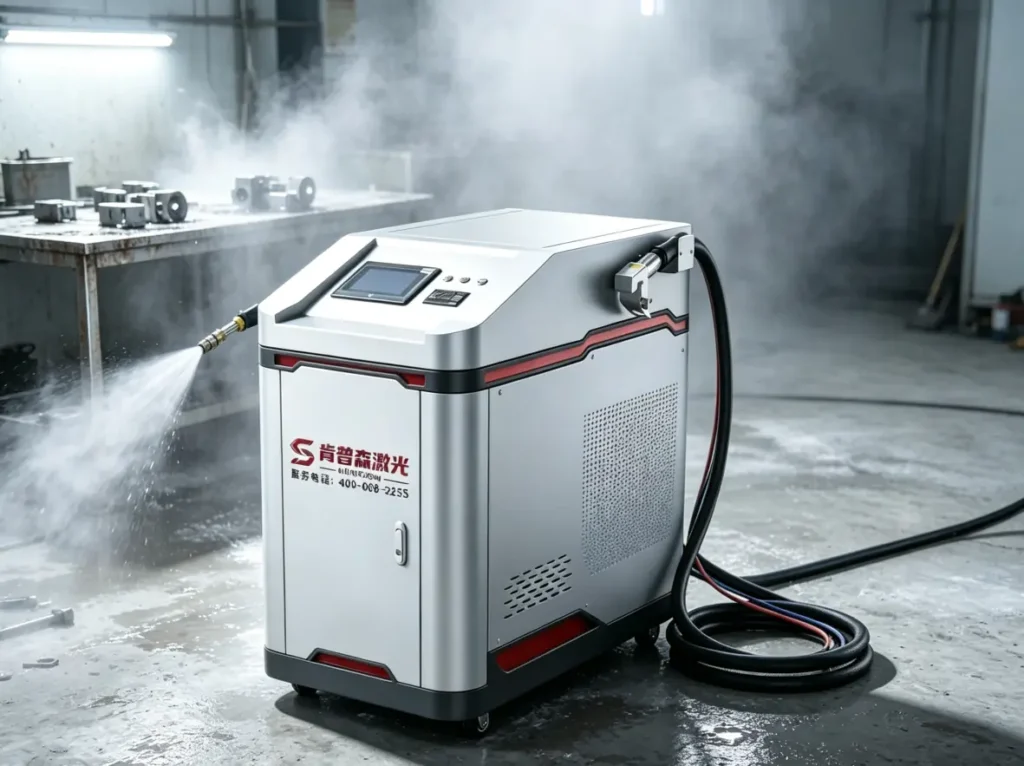
The Self-Blowing Handheld Laser Rust Removal Machine is a portable laser cleaning device with an integrated air-blowing system for removing rust, paint, and surface contaminants from metal parts. The handheld design allows operators to clean different areas with flexible movement, making it suitable for workshops, equipment maintenance, welding preparation, and small-to-medium metal components.
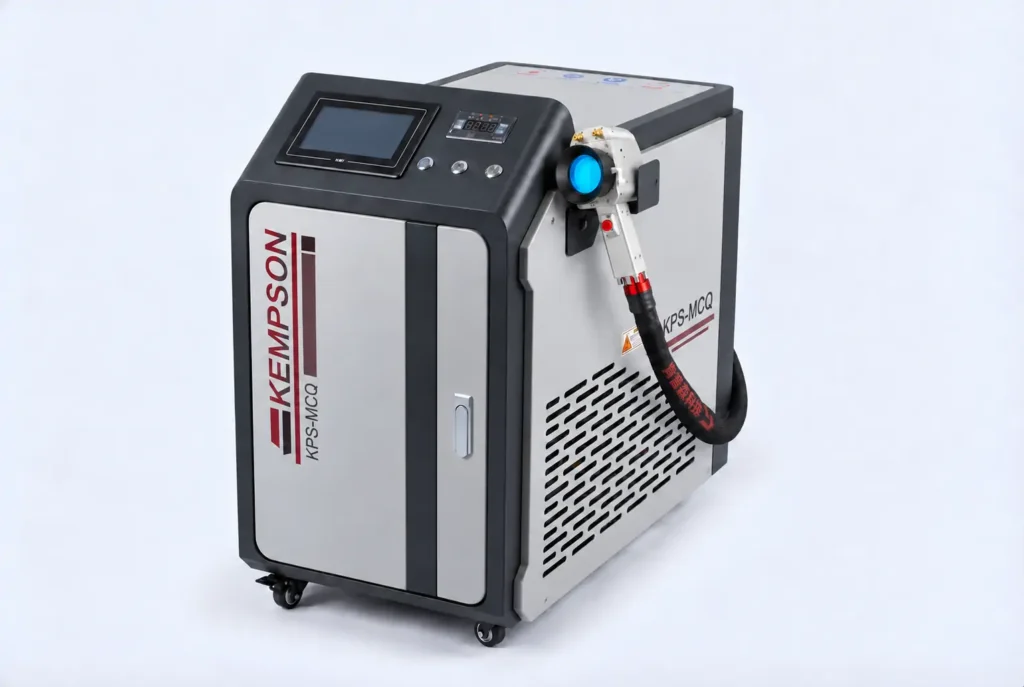
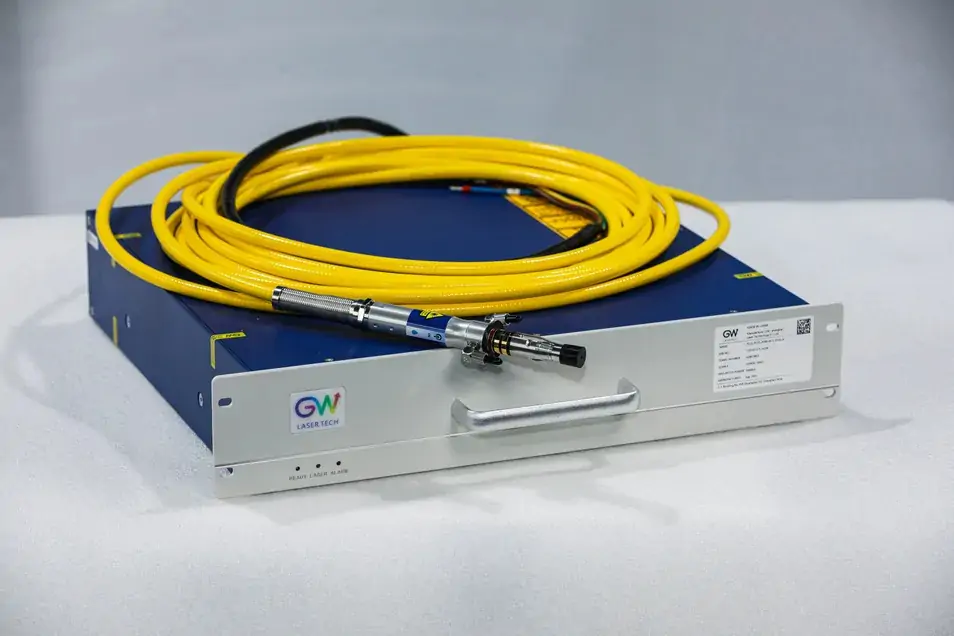
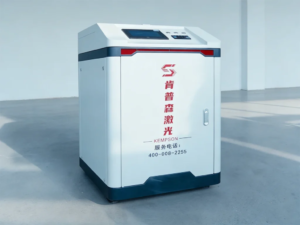
The 500W pulsed laser cleaning machine integrates the JPT laser source, water chiller, control system, and handheld dual-axis cleaning head in one cabinet. The 10m QBH fiber provides the operator with working distance for large or hard-to-reach components. Cleaning parameters can be adjusted for different substrates, contamination types, and surface conditions.
| Parameter | Specification |
|---|---|
| Laser Power | 50W–4000W |
| Laser Source | Fiber Laser, 1064nm |
| Cleaning Width | 50–300mm Adjustable |
| Cleaning Speed | Up to 1.8㎡/min |
| Cleaning Method | Rust Removal, Paint Removal, Oil Cleaning, Oxide Removal, Surface Preparation |
| Operation Mode | Handheld / Automated Integration |
| Cooling System | Air Cooling / Water Cooling |
| Pulse Width | 2–500ns Adjustable (Pulsed Laser Models) |
| Scanning Speed | Up to 10000mm/s |
| Fiber Cable Length | 3m / 5m / 10m Optional |
| Control System | Touch Screen / Digital Control |
| Power Supply | 220V / 380V Customized |
| Applicable Materials | Carbon Steel, Stainless Steel, Aluminum, Copper, Cast Iron |
| Laser Type | Pulsed Laser / Continuous Wave (CW) Laser |
| Application Industries | Metal Fabrication, Automotive, Shipbuilding, Machinery, Mold Maintenance |
Pulsed and continuous laser cleaning are used in different scenarios. For specific differences, see: Pulsed Laser Cleaning Machine vs. Continuous Laser Cleaning Machine: Differences and Selection Guide
Selecting and Configuring a Pulsed Laser Cleaning Machine—for more details, see: How to Choose a Pulsed Laser Cleaning Machine for Different Applications?
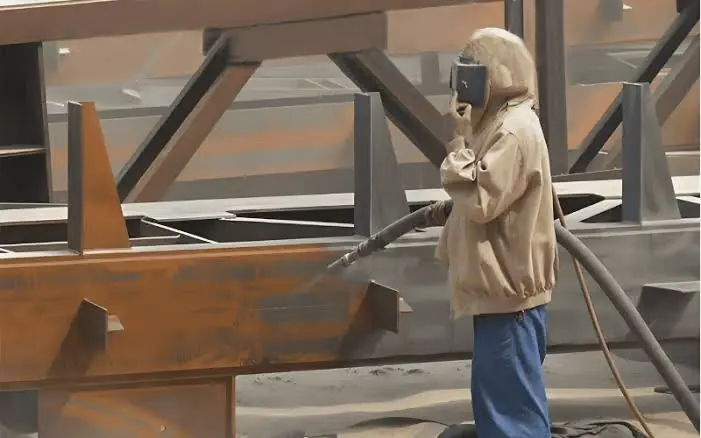
Used for removing rust and corrosion from steel structures, pipes, machinery parts, and metal equipment before further processing or coating.
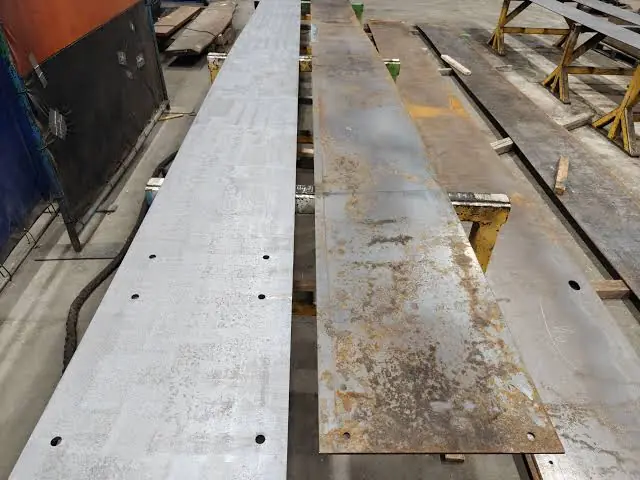
Applied for stripping old paint, protective coatings, and surface layers from automotive parts, steel structures, and industrial components.
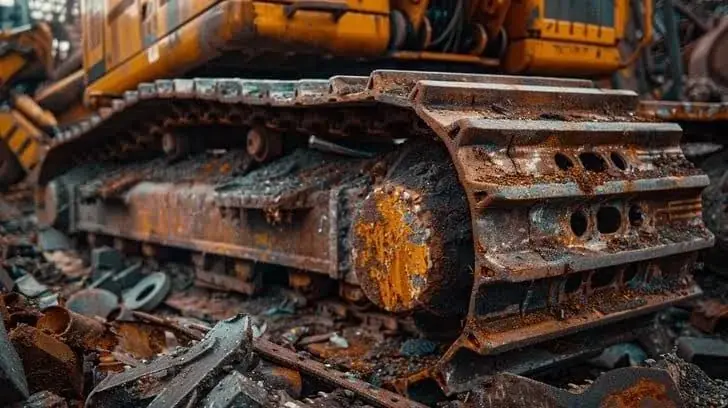
Used before welding to remove rust, oil, and oxide layers from metal surfaces, improving weld preparation and reducing surface contamination.
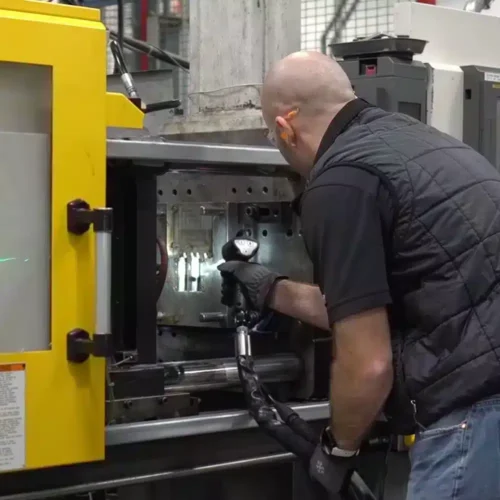
Suitable for cleaning injection molds, rubber molds, and precision tooling by removing residues, carbon deposits, and production contaminants.
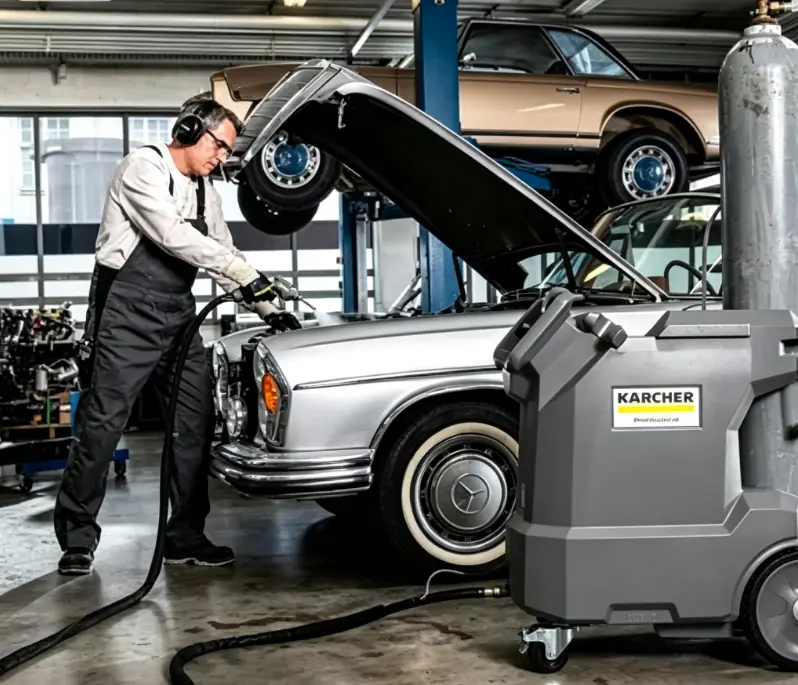
Used for cleaning engine parts, molds, welding areas, and metal components during automotive production and maintenance.
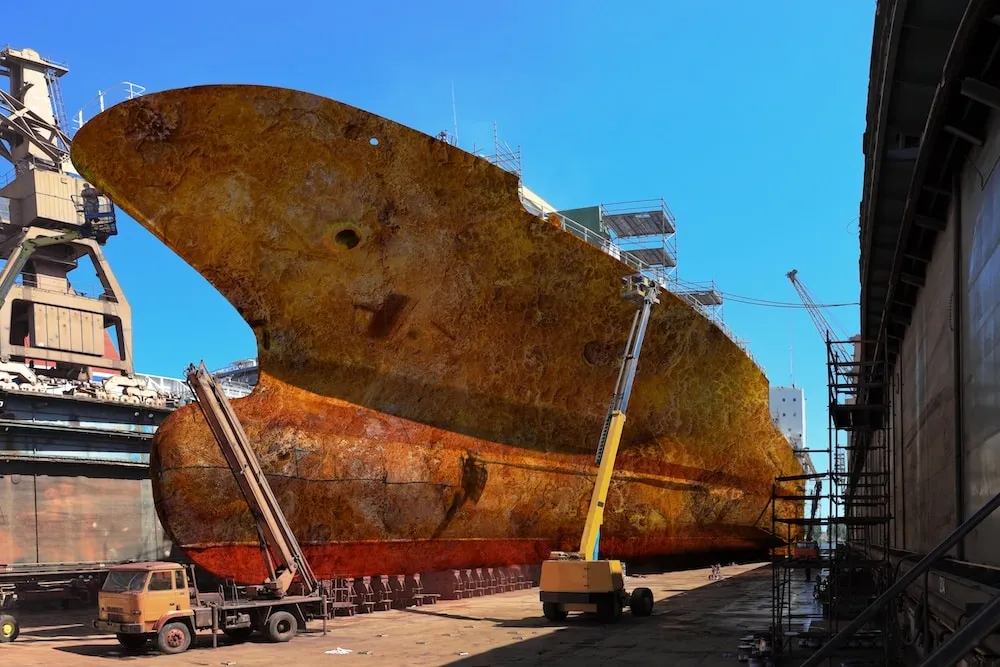
Applied for large-scale rust removal and surface treatment on ships, steel structures, construction machinery, and industrial equipment.
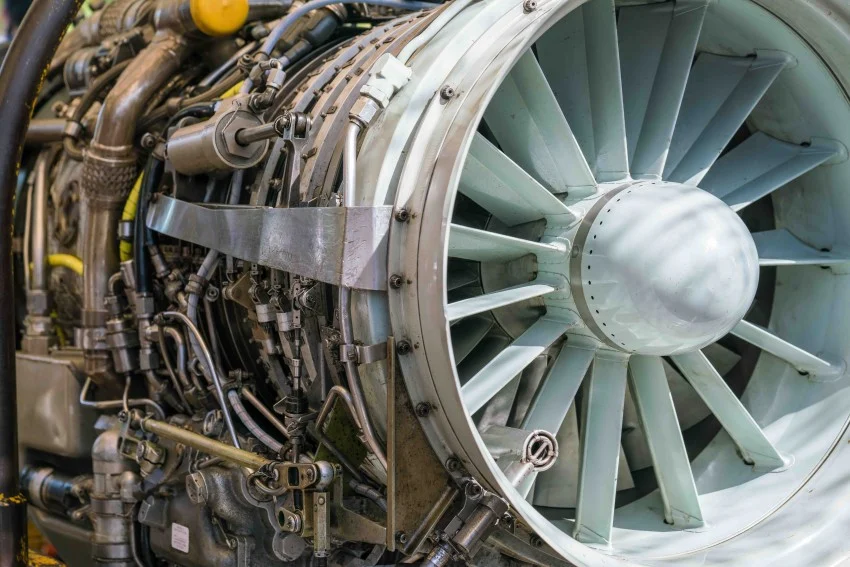
Used for paint removal, surface cleaning, and maintenance of aircraft parts where controlled material removal is required.
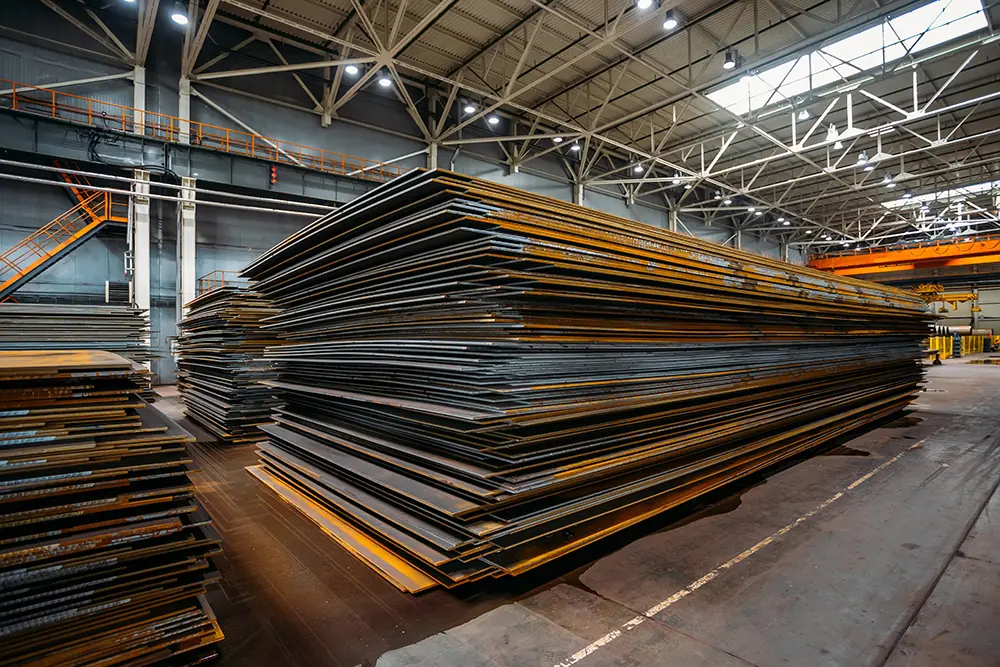
Used for cleaning stainless steel, aluminum, copper, and carbon steel parts before welding, coating, or surface finishing.
For more detailed information on suitable materials, please refer to the article: “What Materials Can Be Laser Cleaned? A Complete Guide to Laser Cleaning Materials”
What materials can a pulsed laser cleaning machine remove, and what is its cleaning range? For details, see: What Can a 500W Pulsed Laser Cleaning Machine Remove?
The required laser power depends on the cleaning material, contamination type, cleaning area, and production requirements. Low-power laser cleaning machines are mainly used for precision surface treatment, while high-power systems are designed for large-area cleaning and heavy contamination removal.
| Laser Power | Description | Applications |
|---|---|---|
| 50W–200W Laser Cleaning Machine | Suitable for precision cleaning applications where heat input needs to be controlled. | Mold cleaning, Precision parts cleaning, Oil and oxide layer removal, Small metal component maintenance |
| 500W–1000W Laser Cleaning Machine | Suitable for general industrial cleaning tasks with moderate contamination. | Metal rust removal, paint and coating removal, welding surface preparation, and machinery maintenance |
| 1500W–2000W Laser Cleaning Machine | Suitable for continuous industrial cleaning and larger metal component processing. | Steel structure cleaning, Large metal parts, Heavy equipment maintenance, Ship components |
| 3000W–4000W Laser Cleaning Machine | Designed for heavy-duty surface cleaning and large-area industrial applications. | Heavy rust removal, Shipbuilding, Steel fabrication, Large industrial equipment cleaning |
When selecting a fiber laser cleaning machine, consider the type and thickness of contamination, material properties, cleaning speed requirements, and working environment.
Depending on the application and power, laser cleaning can be performed using either pulsed or continuous-wave methods; however, there are significant differences between the two. For more details, see: Pulsed Laser Cleaning Machine vs. Continuous Laser Cleaning Machine: Differences and Selection Guide
Fiber laser cleaning is a non-contact surface-treatment option for removing selected rust, oxide layers, and coatings. Results, substrate effects, throughput, and operating costs depend on the workpiece, contamination, process settings, extraction, and production conditions. Compare methods on representative samples before selecting a process.
| Comparison Factor | Laser Cleaning | Sandblasting | Chemical Cleaning | Dry Ice Cleaning | Manual Grinding |
|---|---|---|---|---|---|
| Cleaning Principle | Laser (Non-contact) | Abrasive Impact | Chemical Reaction / Dissolution | CO₂ Particle Impact & Sublimation | Mechanical Friction |
| Surface Protection | High precision, minimal substrate impact | Surface roughening | Corrosion or residue risk | Generally gentle | High risk of scratching |
| Consumables | None | Sand / Abrasives | Acids / Solvents | Dry ice pellets | Grinding discs |
| Environmental Impact | No chemicals, low waste | Dust pollution | Hazardous liquid waste | Requires CO₂ ventilation | Dust and debris |
| Automation Potential | Easy to integrate into automated production lines | Limited | Limited | Moderate | Difficult |
| Maintenance Requirements | Low | Media handling & equipment wear | Chemical storage & disposal | Pellet supply system | Frequent tool replacement |
| Operational Cleanliness | Clean process, minimal residue | High dust generation | Chemical residues present | Very little secondary waste | Produces metal debris |
| Suitability for Precision Parts | Excellent, recommended | Not suitable | Surface reaction risk | Limited control | Poor suitability |
| Long-term Operating Cost | Low | Medium | High | Medium | Medium |
Laser cleaning can provide a non-contact process and can be integrated into some production lines. Suitability, repeatability, throughput, emissions controls, maintenance needs, and total cost depend on the workpiece and equipment configuration; assess these factors with application testing.
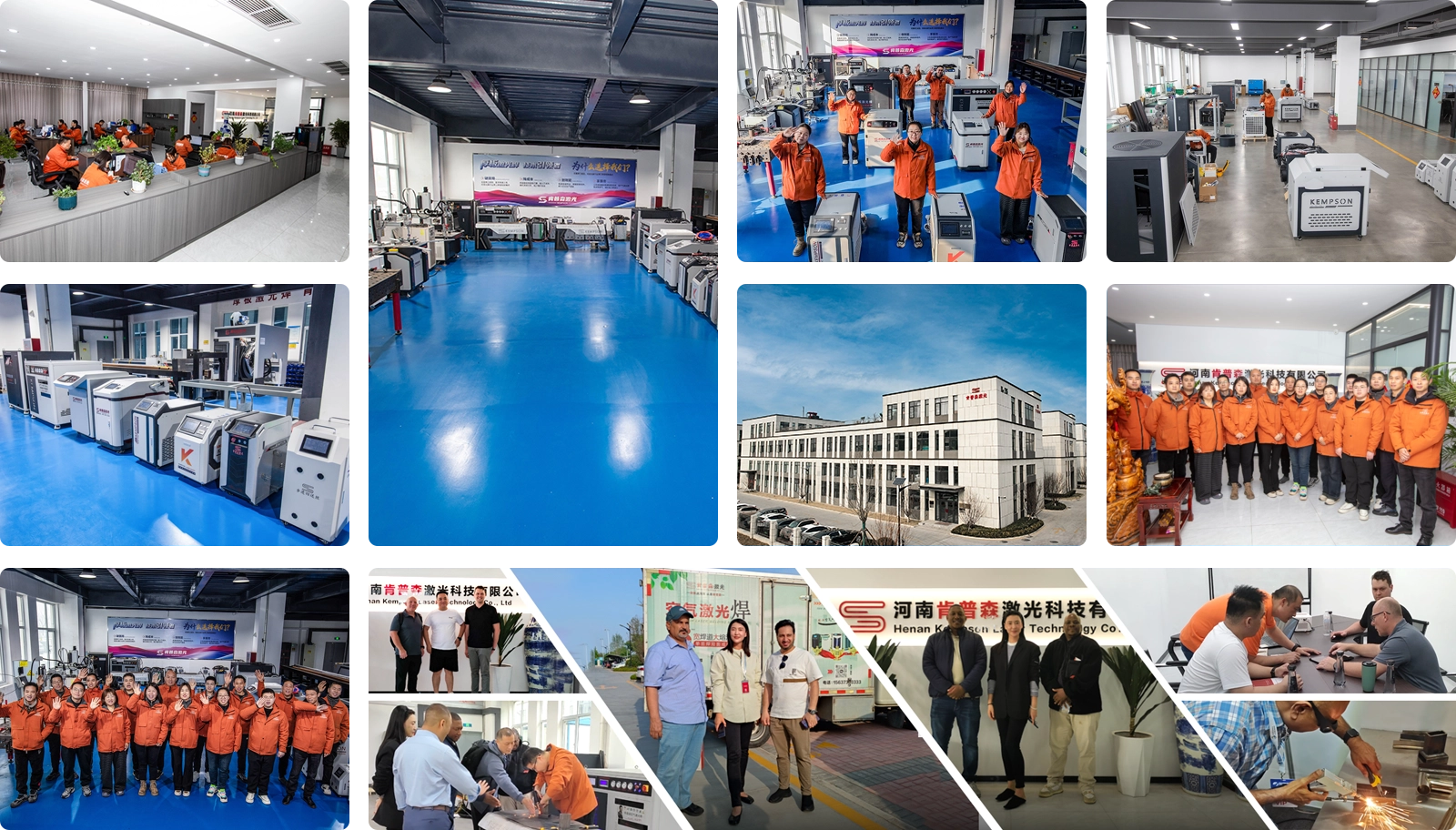
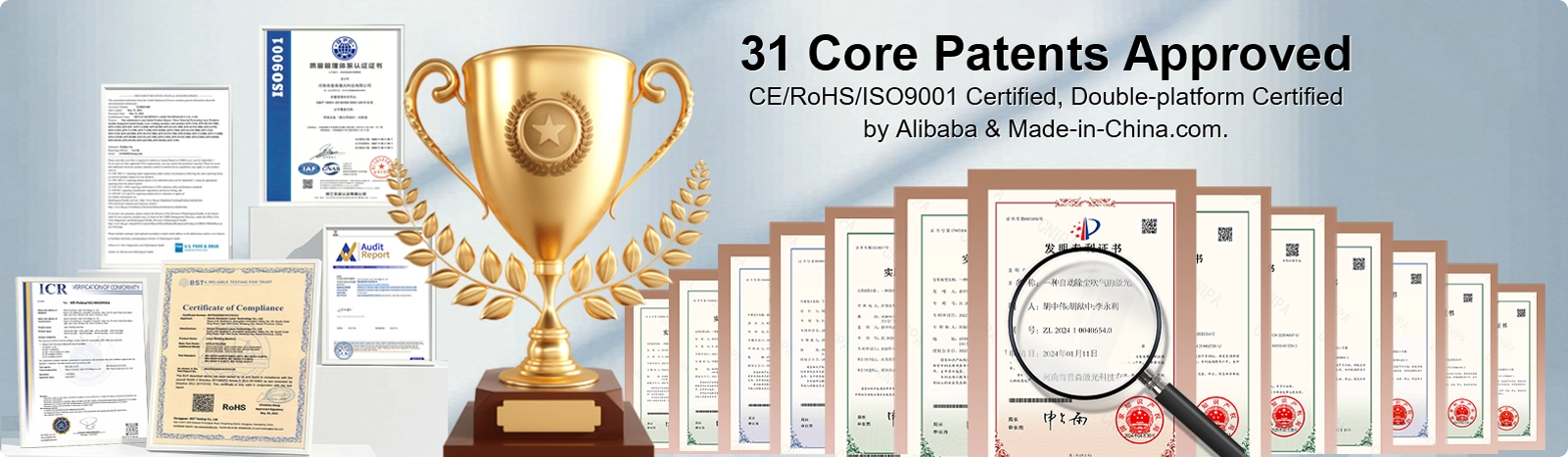
KEMPSON is a professional laser equipment manufacturer and supplier specializing in fiber laser cleaning machines for industrial surface treatment. The product range covers 50W–4000W laser cleaning solutions for rust removal, paint stripping, oxide removal, welding surface preparation, and metal surface maintenance. With experience in laser welding and cleaning technology, KEMPSON provides handheld and customized laser cleaning systems for applications in metal fabrication, automotive, machinery, shipbuilding, and other industries.
KEMPSON provides complete support from equipment selection and cleaning tests to customized solutions and after-sales service. Each laser cleaning machine is manufactured with industrial-grade components and tested before delivery to meet different working requirements. Contact us for a suitable fiber laser cleaning solution, factory quotation, and technical support for your application.
A fiber laser cleaning machine uses a high-energy laser beam to remove rust, paint, oil, oxide layers, and other contaminants from material surfaces through laser ablation.
Laser energy heats and removes or loosens the rust layer. The effect on the underlying metal depends on the substrate, corrosion, and laser settings; inspect a sample area before production use.
Laser cleaning may be used on different metal types, but suitability and surface effects depend on the alloy, coating, contaminant, and process settings. Confirm with a sample test before production.
The required power depends on the material, contaminant type and thickness, cleaning area, and target speed. Model selection should follow an application test; ask Kempson to recommend a configuration based on your workpiece and throughput target.
Pricing depends on laser power, source, cooling system, cleaning width, and selected configuration. Contact Kempson for a quotation with the exact specifications and included components.
A higher-power cleaner may improve throughput for some heavy-rust applications, but removal quality and substrate effects depend on rust condition, base material, cleaning width, and settings. Confirm performance on a representative sample before selecting a 4000W system.
Laser cleaning does not use abrasive media and may avoid process chemicals, depending on the application. It can still generate fumes, particles, or removed residues. Compare substrate effects, extraction needs, waste handling, and operating costs with alternative methods on representative samples.
The process does not require abrasive media or chemical cleaners, but protective optics, filters, and other components may need service or replacement. Follow the maintenance schedule for the selected model.
Looking for a Fiber Laser Cleaning Machine?
Check our Fiber Laser Cleaning Machine
(50–4000W).
Discover how KPS 2000W/3000W laser cleaning machine work via photovaporization. High-efficiency, eco-friendly rust removal for metals with zero damage to substrate.
Compare automated laser welding vs handheld laser welding in terms of precision, efficiency, cost, and applications. Learn which laser welding system is best for your manufacturing needs and how to choose the right solution for your production line.
This article explains whether laser welding can fill gaps in metal parts and how it behaves under different joint conditions. It covers real-world welding tolerance, the effect of gap size on weld quality, and when additional filler wire or process adjustments are required. The guide also compares tight-fit laser welding with traditional welding methods and provides practical recommendations for improving weld consistency in industrial applications.
Laser welding is widely known for its ability to create strong, precise welds with minimal heat input. One of the most common questions is whether filler metal is required during the process. In many applications, laser welding can be performed without filler wire by directly fusing the base materials. However, filler metal becomes important when welding thicker materials, bridging joint gaps, preventing cracking, or joining dissimilar metals. This guide explains how autogenous laser welding works, when filler wire is necessary, whether wobble welding can replace filler metal, and how to choose between wire and powder fillers for different applications.