Table of Contents
Introduction
A laser cleaning machine is an industrial device in the fields of manufacturing and surface treatment that thoroughly removes contaminants without damaging the substrate. It utilizes high-energy laser beams to instantly strip away rust, paint, or oxide layers, simplifying complex cleaning tasks into a non-contact “scan.” Whether dealing with the massive corroded surfaces of ships or the precision crevices of automotive molds, Kempson laser cleaning achieves nano-scale cleanliness while ensuring zero damage to the substrate. How does it manage to remove only contaminants without hurting the metal? Next, let us delve into how a laser cleaning machine works.
Laser Cleaning Machine Working Principle
The Laser Cleaning Principle uses a high-power-density laser generated by a fiber laser onto the workpiece surface. Contaminants and substrates (such as metal, stone, glass, etc.) have different absorption rates for specific laser wavelengths. The following is the specific cleaning process:
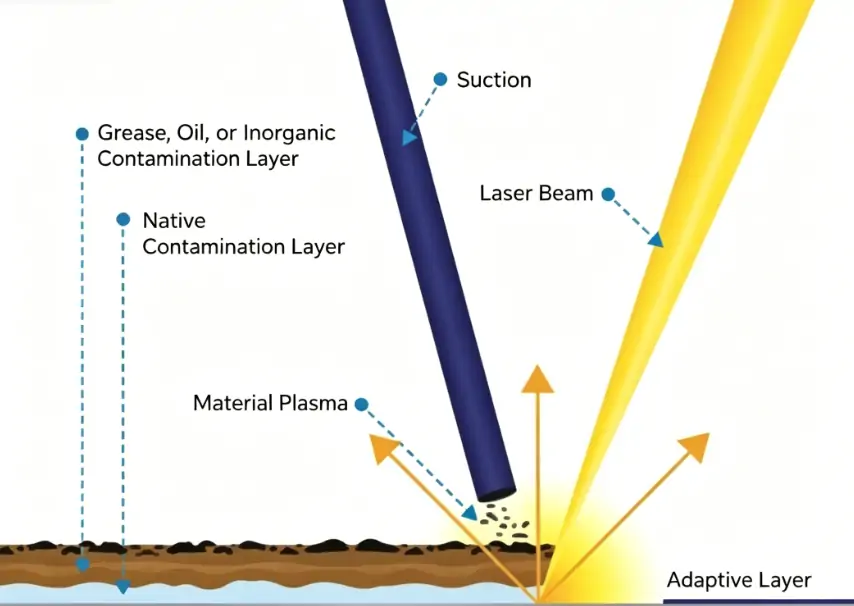
- Selective Absorption: Every material has a destruction threshold. When a laser rust removal machine is operating, its energy density is precisely set above the destruction threshold of contaminants (such as rust, paint, oil) but far below the destruction threshold of the metal substrate. Therefore, when the beam passes over, contaminants disintegrate instantly, while the substrate absorbs almost no heat due to high reflectivity.
- Thermal Expansion: For ultra-thin or weakly adhering contaminant layers, high-energy pulsed lasers raise the surface temperature above the boiling point instantly, causing the Photovaporization phenomenon. The dirt sublimes directly from solid to gas and is then carried away by the exhaust system.
- Shockwaves and Thermoelastic Vibration: For thick oxide scales or paint layers, the instantaneous impact of laser pulses (nanosecond level) is crucial. Light energy is converted into mechanical energy, generating intense thermal expansion within the contaminant. Combined with the resulting plasma shockwaves, the stubborn layers are shattered and stripped from the substrate surface.
The laser cleaning machine utilizes the control of laser power density, pulse frequency, and auxiliary airflow to complete pinpoint removal at the microscopic level. It is an inevitable choice for improving productivity in modern factories with high environmental requirements and standards.
Depending on the application and power, laser cleaning can be performed using either pulsed or continuous-wave methods; however, there are significant differences between the two. For more details, see: Pulsed Laser Cleaning Machine vs. Continuous Laser Cleaning Machine: Differences and Selection Guide
Advantages
The reason why laser cleaning machines have become the preferred solution for industrial surface treatment is that they balance high efficiency with low maintenance. Through a deep understanding of the Laser Cleaning Principle, its advantages are impossible to ignore:
- Non-destructive Cleaning: Utilizing the selective absorption characteristics of specific laser wavelengths, energy acts only on surface attachments.
- Green and Eco-friendly: The entire cleaning process requires no chemical agents or physical abrasives, belonging to a media-free dry operation.
- Ultra-low Energy Consumption: The equipment is ready to use upon startup, with no consumables other than electricity and minimal protective lens wear.
- Flexible Access: Relying on 10-meter fiber transmission and a patented lightweight gun head, it easily penetrates narrow crevices, deep holes, and other dead corners of traditional tools.
- Intelligent and Efficient: Equipped with a self-developed multi-language intelligent control system, it supports parameter storage and real-time monitoring.
- Extremely Easy to Use: The system interface is intuitive and supports multi-language switching. Operating parameters are monitored in real-time, and preset solutions can be called with one click.
Application Scenarios
Due to the non-contact, non-destructive, and zero-pollution technical characteristics of laser cleaning machines, they have long deeply penetrated various sectors of manufacturing. The main application scenarios include:
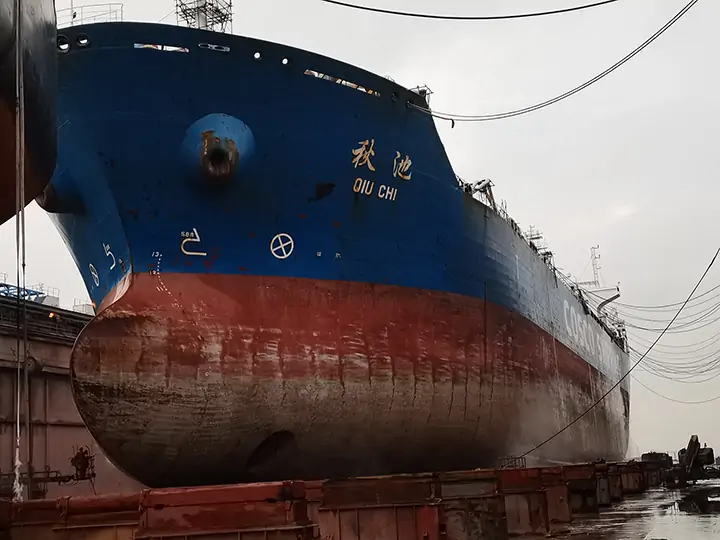
Shipbuilding and Heavy Steel Structures
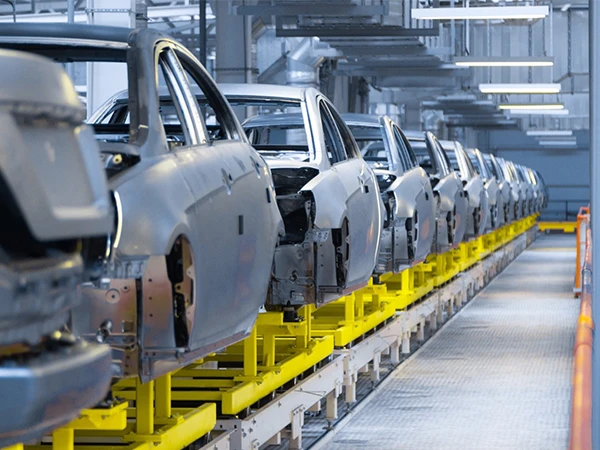
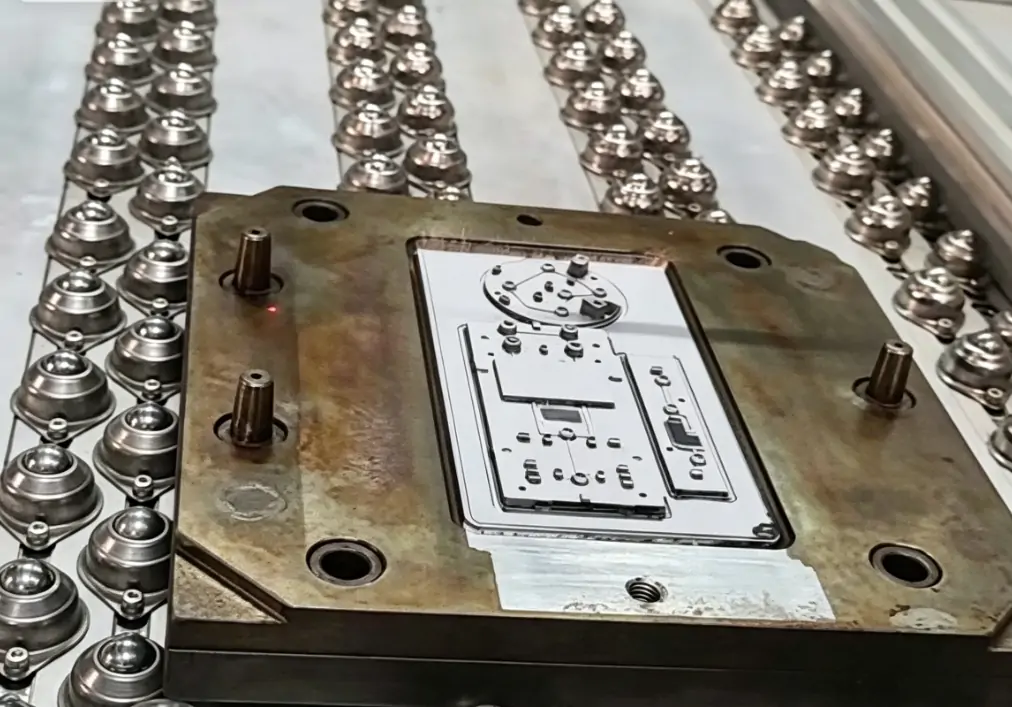
Automotive Manufacturing and Mold Cleaning

Aerospace Maintenance
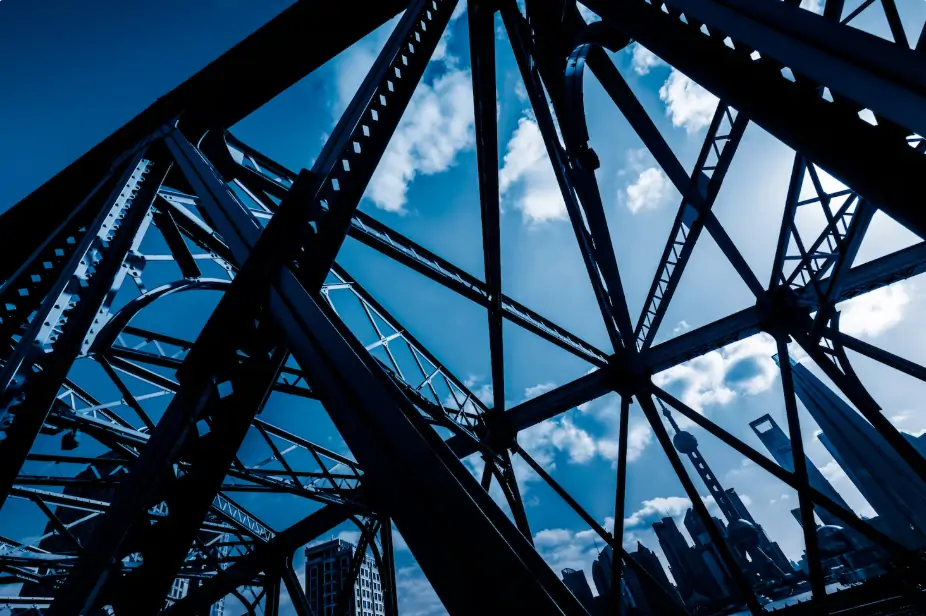
Steel Structure Anti-corrosion and Construction Engineering

Railway Transit Maintenance
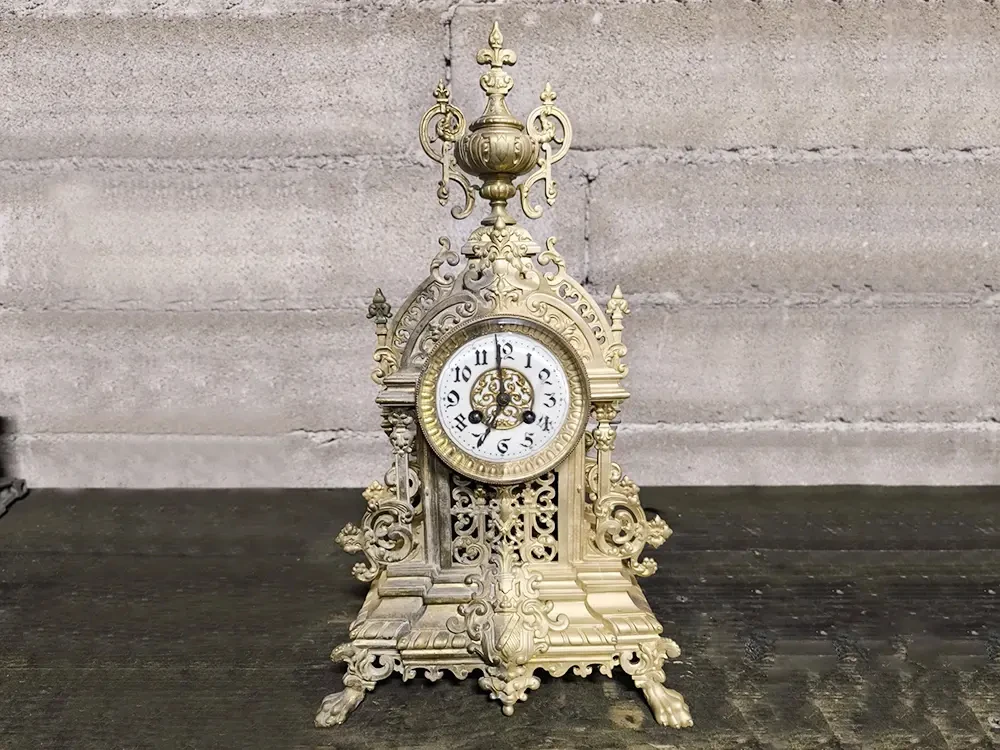
Cultural Relics Restoration and Precision Instruments
The application of fiber laser cleaning machine has covered everything from heavy industrial rust removal to high-precision cleaning. It solves the environmental damage caused by traditional acid washing and applies the technical advantage of “removing dirt without damaging material” to high-value-added industries such as aerospace, automotive, and shipbuilding.
Why Choose Kempson?
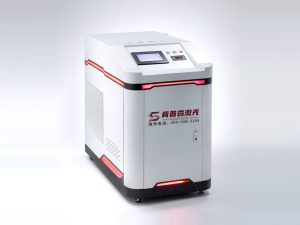
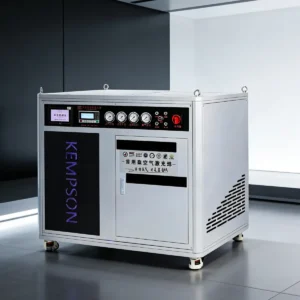
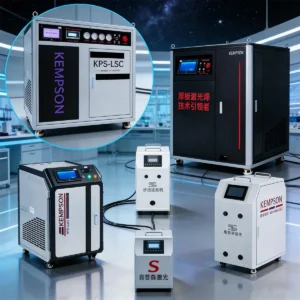
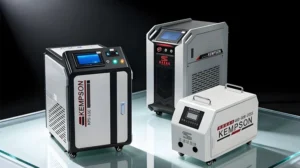
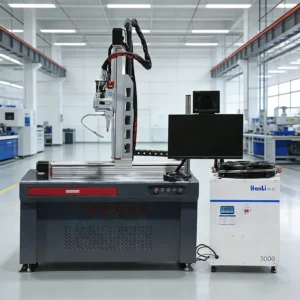
In the pursuit of balance between efficiency and cost, Kempson has performed practical optimizations on laser cleaning machines and launched this 2000W/3000W laser cleaning machine (to learn about this product, you can read the article:2000W/3000W Laser Welding and Cleaning Machine, Portable Laser Rust Removal Machine). We have increased the energy density of single-machine output and performed systemic upgrades for industrial sites.
- Cooling Advantage: Full-day Stable Production without Speed Loss: The entire series is equipped with S&A customized full-copper-tube chillers. The 3000W model is over-matched with 7500W cooling capacity. Even under 24-hour full-load operation in extreme heat, the laser output remains stable, eliminating power attenuation.
- Gun Body Black Technology: Exclusive “Air Knife” Design: Lens wear is the primary maintenance cost. Our cleaning gun head is exclusively equipped with a patented air knife, using high-speed airflow to form a physical barrier that effectively blocks dust and water vapor contamination. This extends the life of the protective lens to 7-15 days, significantly reducing consumable costs.
- Control System: Global Vision Multi-language Intelligent Control: Based on the stability of Schneider Electric controls, the self-developed system supports 8 languages. Built-in multiple safety alarms and real-time parameter monitoring allow for the avoidance of fault risks. The simple “fool-style” interaction allows beginners to instantly master the core parameters of how the laser cleaning machine works.
- Maintenance Design: Easy Disassembly and Inspection, Ultra-low Cost: The modular structural design makes the lens compartment extremely easy to open; self-inspection can be completed in minutes. Combined with a dedicated monitoring page, fault troubleshooting is clear at a glance, minimizing downtime losses.
Whether it is the rapid cleaning of thick paint layers or the non-destructive decontamination of precision workpieces, Kempson provides you with a safe, high-yield, and ultra-low-maintenance-cost Laser Rust Removal Machine practical solution.
Display
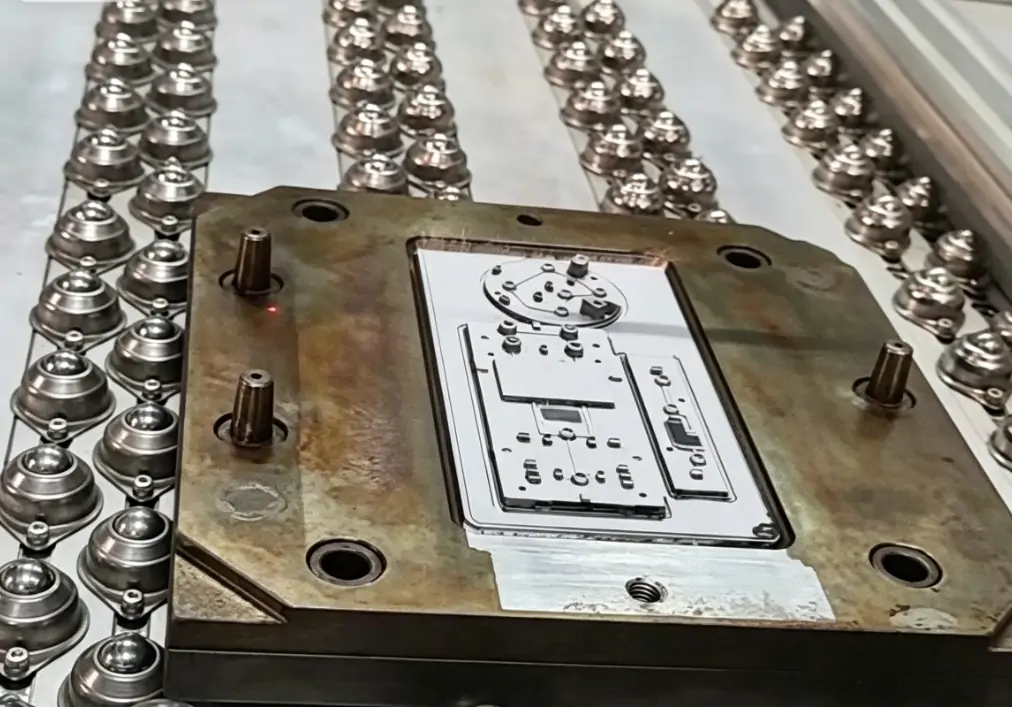
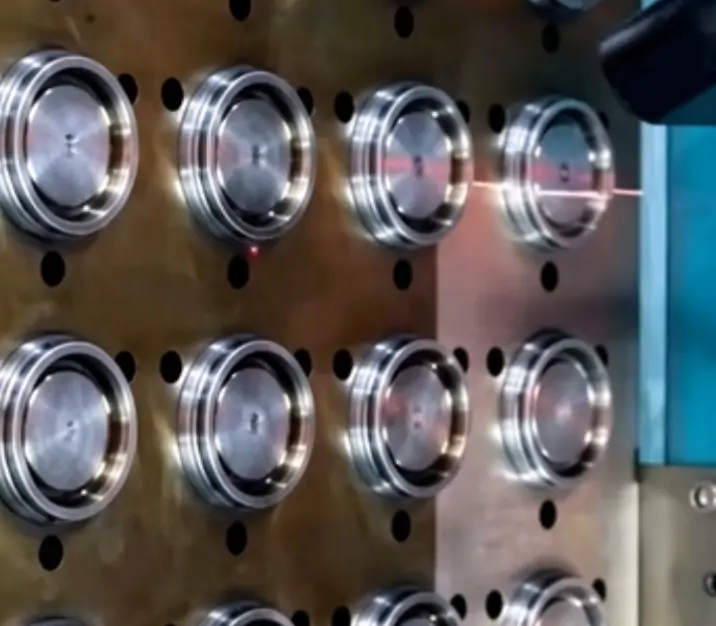
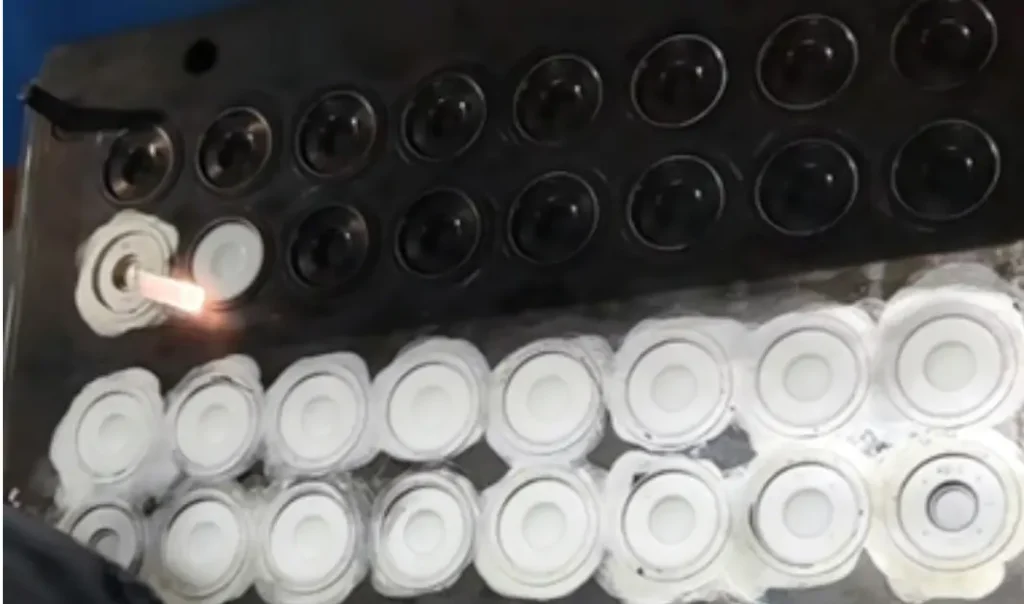
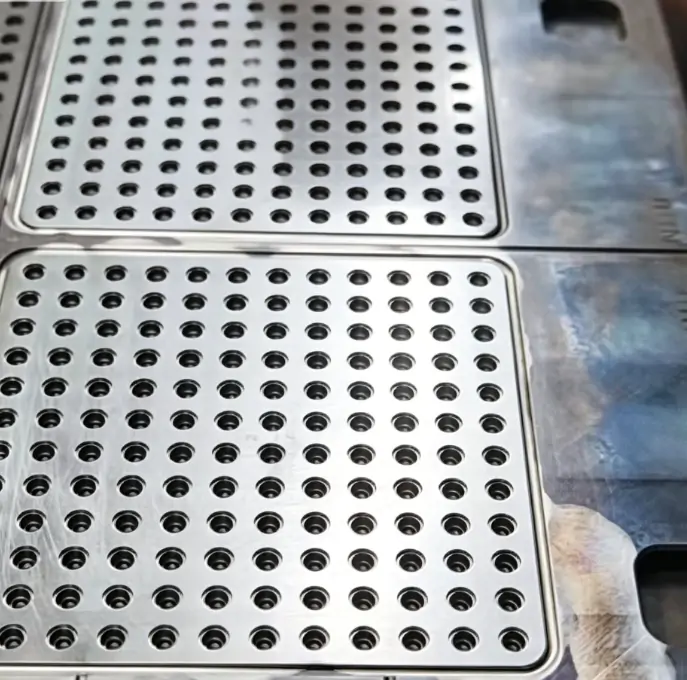
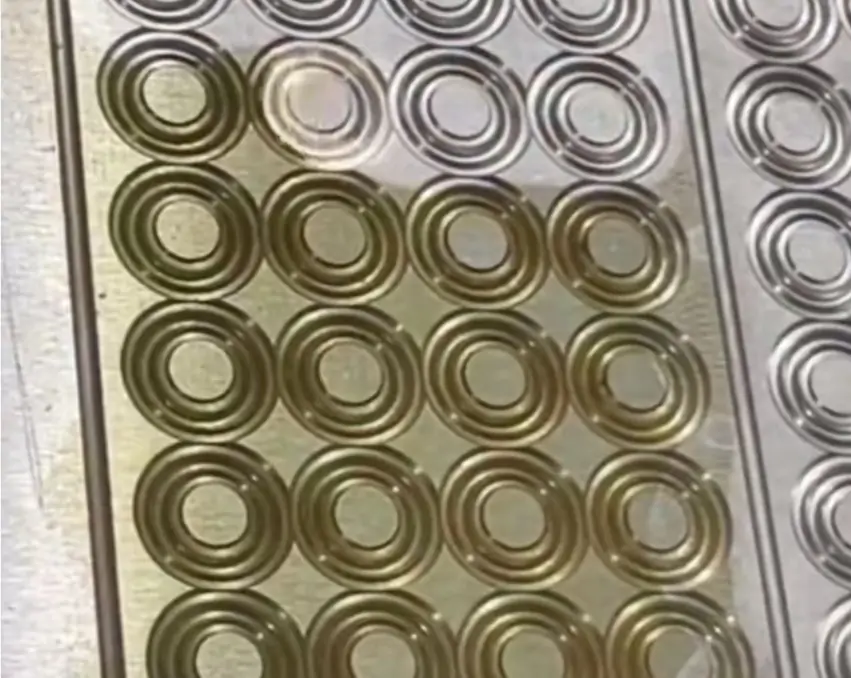
For more detailed information on suitable materials, please refer to the article: “What Materials Can Be Laser Cleaned? A Complete Guide to Laser Cleaning Materials”
Conclusion
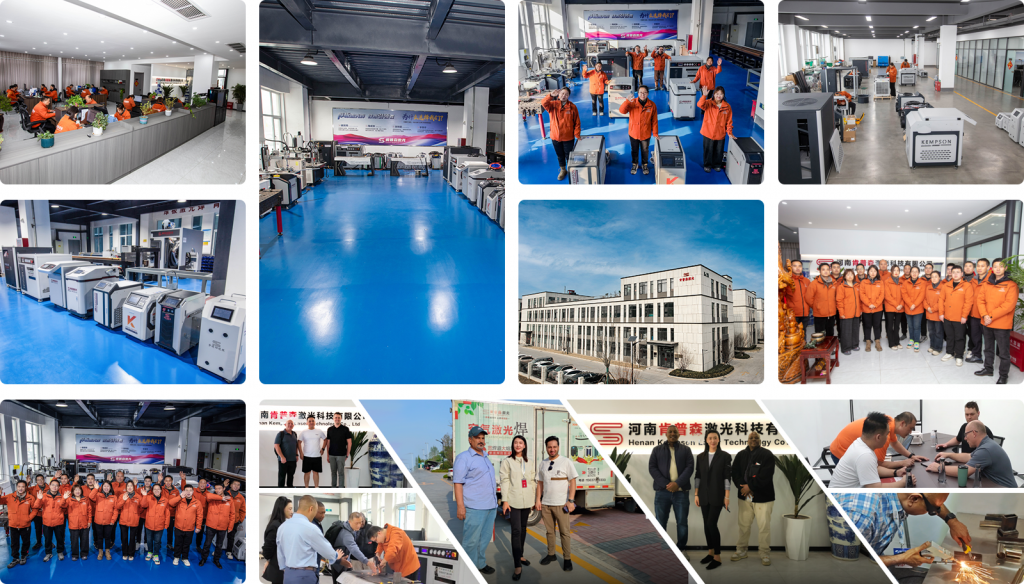
Facing the transformation and upgrading of the industrial cleaning field, laser cleaning machines have absolute advantages in efficiency, non-destructiveness, and environmental protection; replacing traditional processes is inevitable. As a leading manufacturer in the industry, Kempson possesses deep industrial qualifications and a professional technical team. We offer a three-year warranty on the entire machine and always adhere to technical innovation as the core. Our self-developed intelligent control systems and patented gun body designs provide users with higher standards and lower-cost surface treatment solutions. We welcome you to contact us.
FAQ
Will laser cleaning damage the metal substrate?
No. Laser cleaning utilizes the principle of selective absorption, controlling the energy density above the contaminant destruction threshold and below the substrate damage threshold. The laser irradiation time is extremely short, and the substrate absorbs almost no energy, ensuring that surface physical properties are not affected.
How to choose between 2000W and 3000W?
It mainly depends on work efficiency requirements. 2000W is suitable for cleaning light to medium rust or thin paint layers; 3000W (efficiency up to 1.8㎡/min) is better suited for heavy industrial scenarios requiring high-speed operation, such as large ships and thick oxide layers.
Does laser cleaning require consumables or protection?
Aside from electricity and a minimal amount of protective lens wear, there are basically no other consumables. No chemical reagents are needed during operation, but because the laser has high energy, operators must wear specialized laser protective goggles and work in a well-ventilated environment.
Can laser cleaning remove paint and oil?
Yes. The laser can effectively destroy the bonding force between the coating and the substrate to achieve stripping; for oil stains, the high temperature generated by the laser causes them to instantly gasify or peel off due to thermal expansion and contraction, achieving nano-scale cleanliness.
Is the operating threshold for this equipment high?
Extremely low. Kempson laser cleaning machines are equipped with intelligent control systems that support multiple languages and parameter storage. Ordinary workers can operate the handheld gun after simple training without a complex technical background, like traditional grinding or acid washing.
What is the post-maintenance cost of the equipment?
Very low. Due to the patented “air knife” design, the probability of optical lens contamination by dust is significantly reduced. Daily maintenance only requires periodic checks of the water level in the cooling system and cleaning the protective lens; the machine is highly durable.
Can it operate outdoors or at high altitudes?
Yes. The equipment is equipped with 10-meter flexible fiber lines and universal wheels, providing strong adaptability. As long as the power supply is stable, it can perform long-distance mobile cleaning at complex workstations such as ship decks and steel structures.
Is laser cleaning more cost-effective than acid washing?
Yes. Although the initial purchase cost is higher, laser cleaning eliminates the need for expensive chemical reagent procurement, wastewater treatment, and frequent labor costs. The long-term comprehensive operational cost is much lower than traditional processes.