Table of Contents
Introduction
Laser cleaning is widely used for removing rust, paint, oil, oxide layers, and other surface contaminants from industrial parts. However, different materials have different surface properties, so the cleaning effect depends on material type, contamination condition, and laser parameters. Many users want to know what materials can be laser cleaned before selecting a suitable laser cleaning solution.
In this article, we will introduce common materials suitable for laser cleaning, including steel, stainless steel, aluminum, copper, plastics, wood, and other surfaces. I will also explain the types of contaminants that can be removed, material-specific cleaning considerations, and how to choose the right laser cleaning machine for different applications.
What Materials Can Be Laser Cleaned?
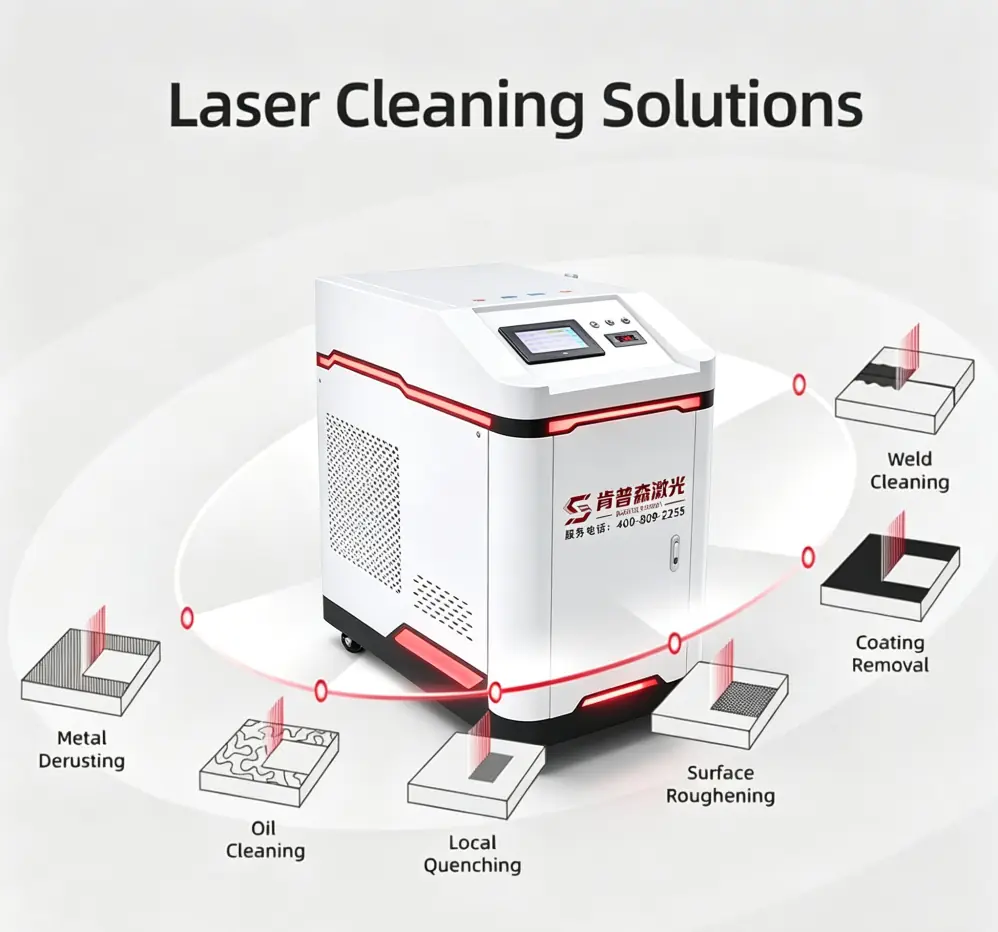
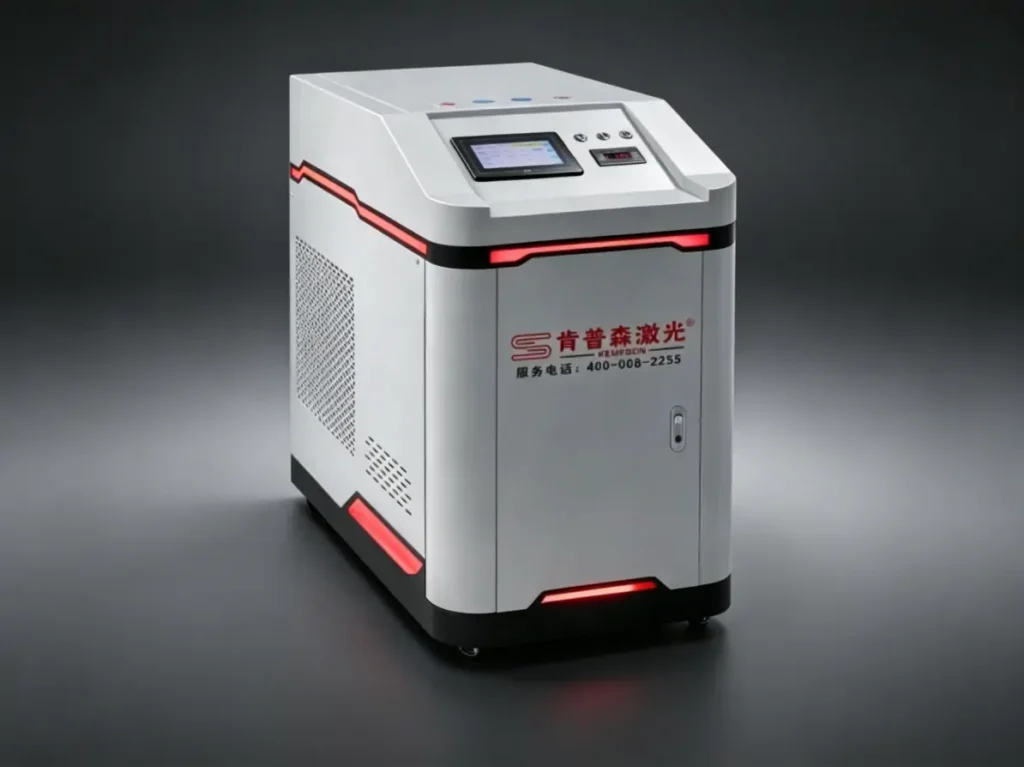
Laser cleaning can be used on many materials, including metals, plastics, stone, ceramics, and some composite materials. The most common applications are metal surface cleaning, such as steel, stainless steel, aluminum, copper, and cast iron.
View laser cleaning machines for metals
Metals Suitable for Laser Cleaning
Laser cleaning is widely used for metal surface treatment because it can remove rust, oxide layers, oil, coatings, and other contaminants without damaging the base material. Different metals require suitable laser parameters based on their surface characteristics and cleaning requirements.
| Metal Material | Contaminants Removed | Applications and Components |
|---|---|---|
| Carbon Steel / Steel | Rust, oxide layers, oil, paint coatings, high-temperature oxide layers | Automotive parts refurbishment, ship repair, steel processing, large steel structure rust removal, hot-rolled steel sheet surface treatment |
| Stainless Steel | Weld oxidation, paint coatings, oil stains, rust | Automotive manufacturing, kitchen equipment, precision component maintenance, weld slag and discoloration removal |
| Aluminum Alloy | Oxide layers, oil, paint coatings | Pre-welding surface preparation (removing oxide layers to improve weld quality), can coating removal and recycling, battery tab oxide removal, battery casing cleaning |
| Copper and Copper Alloy | Oxide films, oil contamination | Oxide removal on electronic pads, surface preparation for precision electronic components |
| Cast Iron | Rust, oil contamination | Mechanical parts and mold cleaning; long pulse laser settings are commonly used for porous structures |
| Galvanized Steel Sheet | Rust, oxide layers | Automotive manufacturing and construction materials; laser energy needs to be controlled to prevent zinc layer evaporation |
| Tool / Mold Steel | Carbon deposits, oil, plating layers | Injection molding and die-casting mold cleaning, tire mold cleaning, online cleaning without production shutdown |
Can Carbon Steel Be Laser Cleaned?
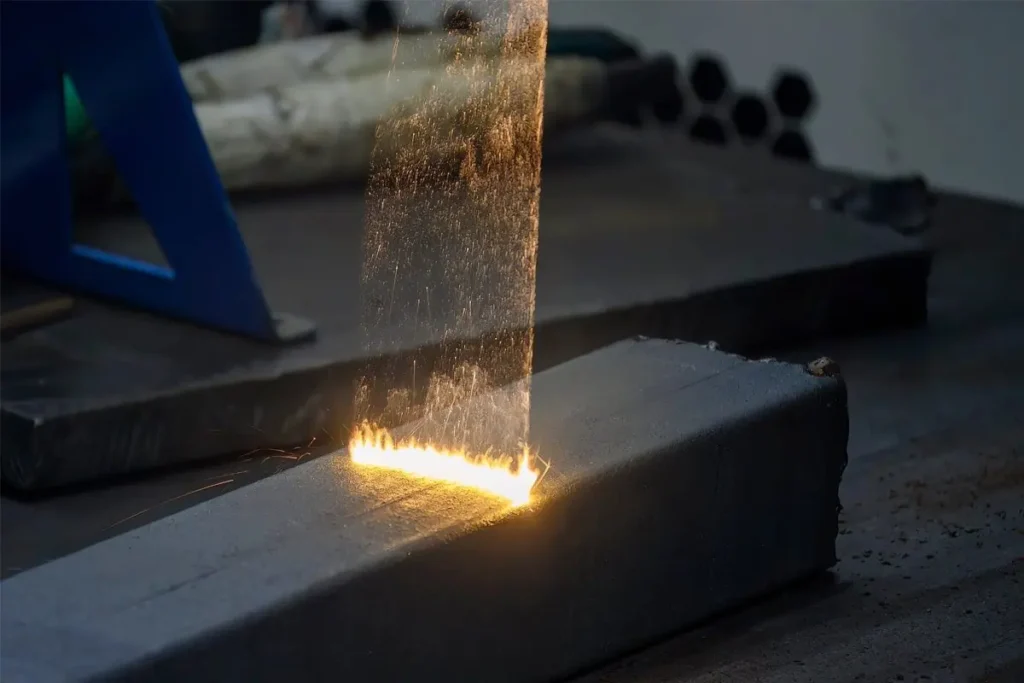
Carbon steel is one of the most common materials for laser cleaning. Laser cleaning can remove rust, oxide layers, oil, and paint coatings from carbon steel surfaces without mechanical grinding or chemical treatment. It is widely used for steel structures, machinery parts, ship maintenance, and automotive components.
Recommended Equipment
- 1000W–2000W handheld laser cleaning machine for general rust removal and surface cleaning.
- 3000W–4000W laser cleaning machine for heavy rust, thick coatings, and industrial production.
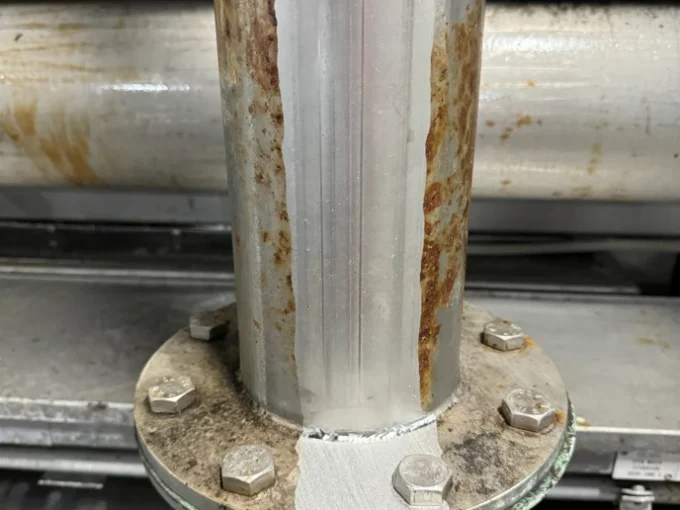
Can Stainless Steel Be Laser Cleaned?
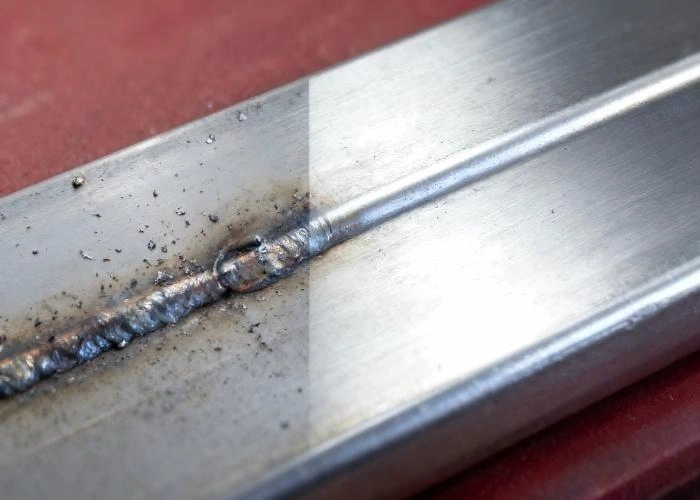
Stainless steel can be laser cleaned to remove weld discoloration, oxide layers, oil, and surface contaminants. Compared with mechanical polishing, laser cleaning can clean weld areas with less material removal and better surface protection. Common applications include stainless steel fabrication, food equipment, and precision components.
Recommended Equipment
- 1000W–2000W laser cleaning machine for weld cleaning and surface preparation.
- Pulse laser cleaning system for precision stainless steel components.
Can Aluminum Be Laser Cleaned?
Aluminum is widely used in automotive, aerospace, and battery manufacturing, but its high reflectivity and thermal conductivity require accurate parameter control during laser cleaning. Laser cleaning is commonly used for aluminum oxide removal, welding preparation, and battery component cleaning.
Recommended Equipment
- 1500W–2000W laser cleaning machine for aluminum surface cleaning.
- Customized laser parameters are recommended for battery parts and precision aluminum components.
Can Copper Be Laser Cleaned?
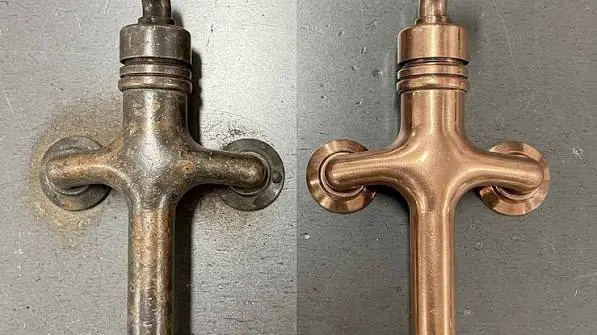
Copper and copper alloys can be laser cleaned to remove oxide films and surface contamination. Due to copper’s high reflectivity, suitable laser power and scanning parameters are important. Applications include electronic components, electrical connections, and welding preparation.
Recommended Equipment
- Pulse laser cleaning machine for precision copper components.
- Higher-power fiber laser cleaning machine for industrial copper surface treatment.
Can Mold Steel Be Laser Cleaned?
Mold steel cleaning is one of the common applications of laser cleaning technology. It can remove carbon deposits, oil, release agents, and coatings from injection molds and die-casting molds without damaging the mold surface. Laser cleaning also allows online maintenance without removing the mold from production equipment.
Recommended Equipment
- 1000W–2000W laser cleaning machine for mold maintenance.
- Portable handheld laser cleaner for on-site mold cleaning.
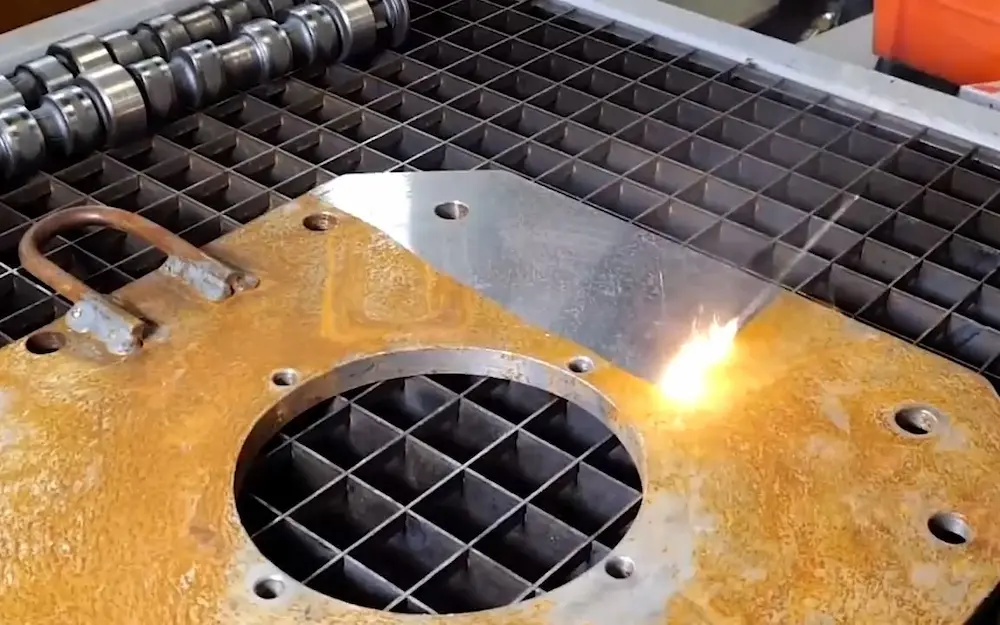
Metal materials have different surface conditions and cleaning requirements, so laser parameters must be selected according to material properties, contamination type, and application needs. Proper parameter adjustment allows laser cleaning to remove contaminants effectively while protecting the original metal surface.
Laser Cleaning Non-Metal Materials
Laser cleaning is not limited to metal surfaces. With suitable laser parameters, it can also be used for some non-metal materials, including plastics, wood, stone, and ceramics. Compared with traditional cleaning methods, laser cleaning can remove surface contaminants without chemical agents or mechanical abrasion, making it suitable for applications that require controlled surface treatment.
Can Plastic Be Laser Cleaned?
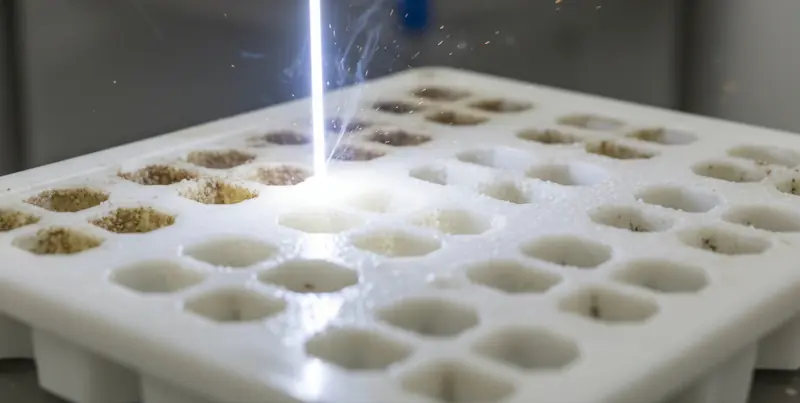
Laser cleaning can remove paint, adhesive residue, oil, and surface dirt from plastic parts. Since plastic materials have lower heat resistance than metals, laser power and scanning speed need to be adjusted according to the material type. It is mainly used for mold cleaning, automotive parts, and surface preparation before coating or bonding.
Applications:
- Plastic injection molds
- Automotive interior and exterior plastic parts
- Electronic plastic components
- Bonding and coating preparation
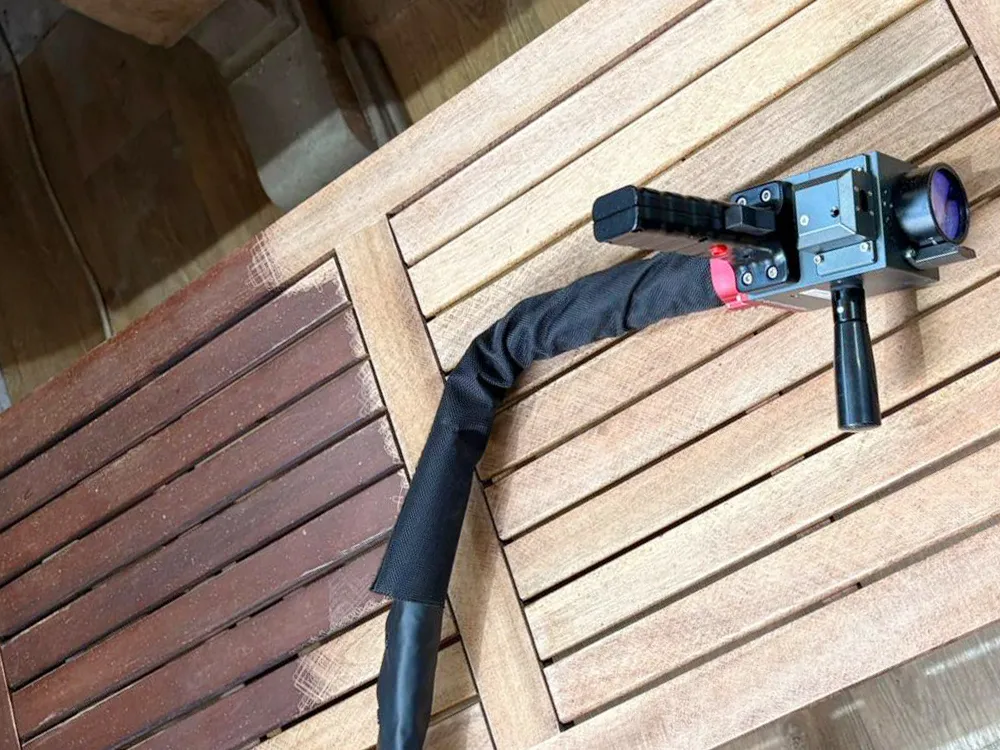
Can Wood Be Laser Cleaned?
Laser cleaning can remove old paint, dirt, and surface coatings from wood without direct mechanical contact. It is used in restoration work where the original surface structure needs to be maintained. Proper laser settings help reduce surface damage during cleaning.
Applications:
- Antique furniture restoration
- Wooden building maintenance
- Artwork and historical object restoration
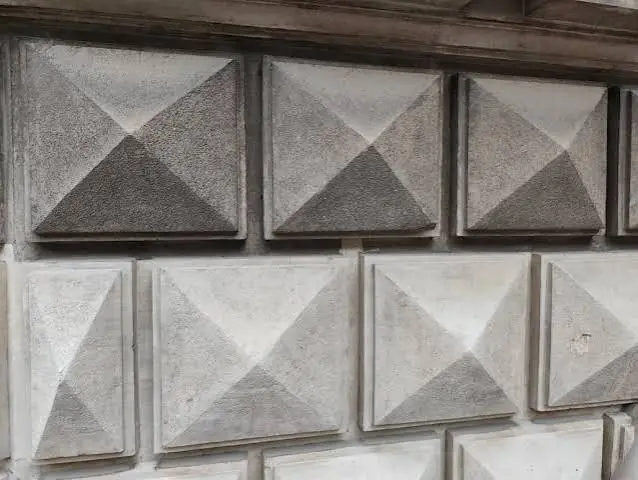
Can Stone Be Laser Cleaned?
Stone surfaces can be cleaned with lasers to remove dust, soot, stains, and surface deposits. The process is mainly used for restoration projects and detailed cleaning work where traditional abrasive methods may affect the surface.
Applications:
- Marble and granite surface cleaning
- Building facade restoration
- Stone monuments and sculptures cleaning
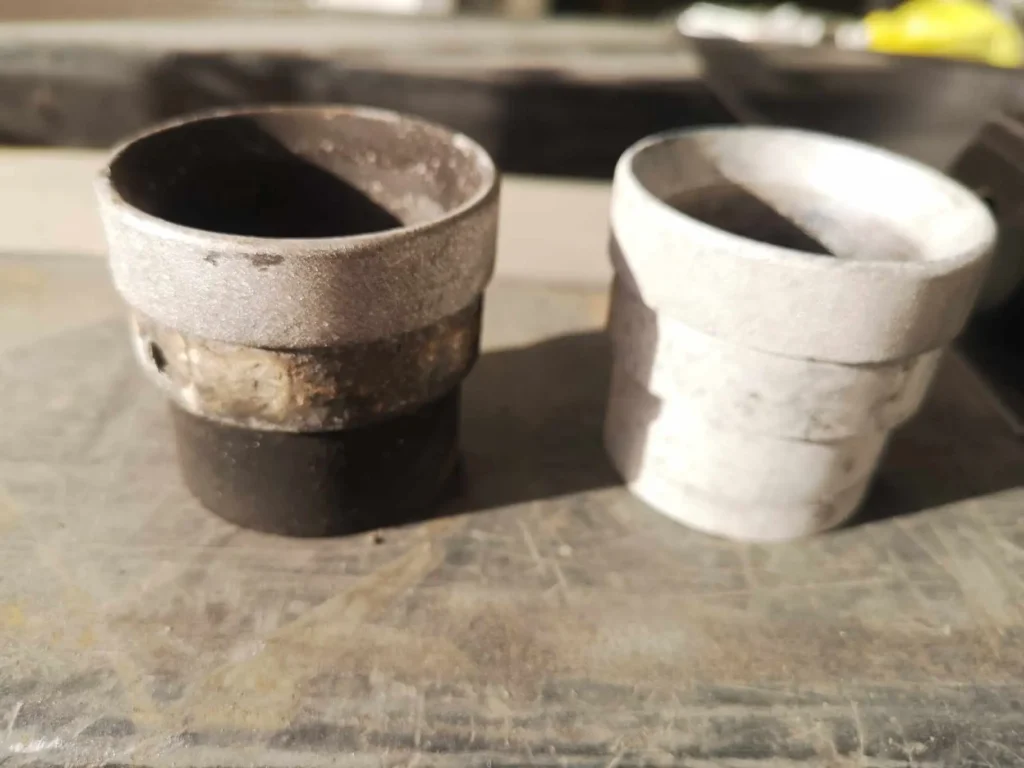
Can Ceramic Be Laser Cleaned?
Laser cleaning can remove production residues, coatings, and surface contamination from ceramic components. It is used for industrial ceramic parts and precision components where surface accuracy needs to be maintained.
Applications:
- Electronic ceramic components
- Industrial ceramic parts
- Precision manufacturing components
Non-metal materials have different responses to laser energy compared with metals. Plastic, wood, stone, and ceramic cleaning require suitable laser power and processing parameters based on material properties and surface conditions. These applications are mainly found in mold cleaning, restoration projects, and precision manufacturing.
Materials That Require Careful Laser Cleaning
Some materials need more attention during laser cleaning because their surface structure or heat resistance is different from common metals.
- Thin Plastics: Plastic surfaces are sensitive to heat. Lower laser power is used to avoid melting or surface changes.
- Painted Composite Materials: Composite materials contain multiple layers. Laser settings need to match the coating and base material conditions.
- Carbon Fiber Materials: Carbon fiber parts contain resin layers that may be affected by high laser energy. Cleaning parameters need to be controlled carefully.
- Historical Metals: Some metal surfaces have protective patina or historical value. Cleaning should focus on removing unwanted layers while keeping the original surface.
- Heat-Sensitive Materials: Materials with low heat tolerance require suitable laser power and processing speed to prevent damage.
Sample testing before production cleaning helps determine the right laser settings for these materials.
What Contaminants Can Laser Cleaning Remove?
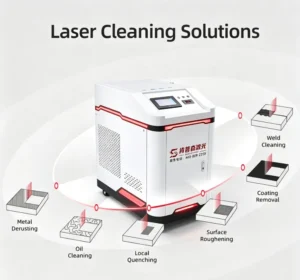
Rust and Oxide Layers — Removes rust and oxidation from steel, stainless steel, aluminum, and other metal surfaces.
Paint and Coatings — Removes paint layers, protective coatings, and surface finishes from metal parts and structures.
Oil and Grease — Cleans oil stains, grease, and machining residues from mechanical parts and components.
Welding Oxidation — Removes weld discoloration, oxide layers, and residues from welding areas.
Carbon Deposits — Removes carbon buildup from molds, engine parts, and industrial equipment.
Dirt and Surface Residues — Removes dust, stains, and production residues from various material surfaces.
Depending on the application and power, laser cleaning can be performed using either pulsed or continuous-wave methods; however, there are significant differences between the two. For more details, see: Pulsed Laser Cleaning Machine vs. Continuous Laser Cleaning Machine: Differences and Selection Guide
Laser Cleaning vs Traditional Cleaning Methods for Different Materials
Laser cleaning and traditional cleaning methods have different performance in material protection, cleaning accuracy, environmental impact, and operating cost.
| Comparison | Laser Cleaning | Traditional Cleaning Methods |
|---|---|---|
| Base Material Protection | Removes contaminants without damaging the original surface | Sandblasting may cause surface wear, while chemicals may affect material properties |
| Material Compatibility | Suitable for metals, wood, glass, stone, ceramics, and other materials | Requires different tools, chemicals, or processes for different materials |
| Environmental Impact | No chemicals, no wastewater, and no abrasive dust | Chemical waste and dust pollution require additional treatment |
| Cleaning Accuracy | Precisely cleans selected areas without affecting surrounding surfaces | Difficult to control cleaning area and may affect nearby surfaces |
| Cleaning Efficiency | Fast cleaning speed with no drying process | Requires additional steps such as disassembly, cleaning, and drying |
| Operating Cost | Mainly uses electricity with low maintenance cost | Requires consumables, chemicals, abrasives, and waste treatment |
| Safety | Reduces chemical exposure and dust during operation | Chemical handling and abrasive cleaning may create safety risks |
| Automation | Easy to integrate with automated systems | Automation options are more limited |
Laser cleaning provides advantages in surface protection, cleaning precision, environmental performance, and automation, making it a suitable choice for many industrial cleaning applications. Traditional methods are still used in some specific situations, but laser cleaning offers a cleaner and more controlled solution for modern manufacturing.
Applications
Laser cleaning is used in industries that require rust removal, surface preparation, coating removal, and precision cleaning. Its applications cover metal processing, equipment maintenance, manufacturing, and restoration.
- Automotive Industry
Used for rust removal, paint stripping, weld cleaning, and surface preparation of automotive parts. - Aerospace Industry
Applied for cleaning aircraft components, removing coatings, and surface treatment of precision parts. - Manufacturing Industry
Used for mold cleaning, machine maintenance, oil removal, and production residue cleaning. - Shipbuilding Industry
Used for removing rust, old coatings, and surface contaminants from ship structures and metal components. - Metal Fabrication
Applied for weld oxidation removal, surface preparation, and cleaning before coating or welding. - Electronics Industry
Used for removing oxide layers and contaminants from precision electronic components. - Energy Industry
Used for maintenance cleaning of equipment, pipelines, and industrial components.
Conclusion
Laser cleaning is suitable for many materials, such as steel, stainless steel, aluminum, copper, plastics, wood, stone, and ceramics. It can remove rust, paint, oil, oxide layers, and other surface contaminants without grinding or chemical treatment. The choice of laser power and cleaning parameters depends on the material type, contamination condition, and application requirements.
KEMPSON provides industrial laser cleaning machines for rust removal, coating removal, weld cleaning, and surface preparation. With customized power options, professional technical support, and a 3-year warranty, KEMPSON helps customers select suitable laser cleaning solutions for different materials and applications. Contact us for more details about laser cleaning equipment.
FAQ
What materials can be laser cleaned?
Laser cleaning can clean metals such as steel, stainless steel, aluminum, copper, and cast iron, as well as some plastics, wood, stone, and ceramic surfaces.
Can laser cleaning remove rust from metal?
Yes. Laser cleaning effectively removes rust, oxide layers, and surface contaminants from steel and iron parts.
Can aluminum be cleaned with a laser?
Yes. Aluminum can be laser cleaned, but proper power and parameter settings are required because aluminum has high reflectivity and thermal conductivity.
Can laser cleaning damage the base material?
No. With correct parameters, laser cleaning removes contaminants while keeping the original surface intact.
Can laser cleaning remove paint?
Yes. Laser cleaning can remove paint, coatings, and surface residues from metal, wood, and other suitable materials.
What materials cannot be laser cleaned?
Materials with high sensitivity to heat or laser absorption limitations may require special testing before cleaning.
What laser power is needed for material cleaning?
The required power depends on material type, contamination thickness, and cleaning speed. Industrial systems usually range from hundreds to thousands of watts.
How do I choose a laser cleaning machine for my material?
The selection depends on material type, contamination type, cleaning area, and production requirements.