Table of Contents
Introduction
Core-Ring Laser Welding is a dual-beam laser welding technology that uses a customized optical system to generate a central laser beam and a surrounding ring beam. The center beam focuses on keyhole formation and deep penetration, while the ring beam provides preheating and molten pool control around the welding area. This beam structure is developed for thick plate welding, aluminum and copper processing, and heavy industrial metal fabrication.
This article explains the working principle of Core-Ring Laser Welding, including the function of the center beam and ring beam, the differences from single-beam laser welding, welding performance, applicable materials, and industrial applications. The information is based on laser welding process knowledge and equipment testing data to help readers understand this technology and its application conditions.
What Is Core-Ring Laser Welding?
Core-Ring Laser Welding is a composite laser welding process that uses two coaxial energy distributions: a center laser beam and a ring-shaped laser beam. The technology combines deep penetration and heat distribution control through a customized optical system, providing a welding method for thick metal components and demanding industrial applications.
The center beam focuses on weld penetration, while the ring beam works around the welding area to control heat input and molten pool stability. It is applied in carbon steel, stainless steel, aluminum, copper, and other metal welding processes where weld quality and process stability are required.
How Does It Work?
Core-Ring Laser Welding uses a single customized laser source with a special optical structure to generate two coaxial beams: a center beam and a ring beam. Both beams come from the same fiber source. The core-to-ring power ratio can be adjusted according to material type, thickness, and welding conditions.
Center Beam: Deep Penetration
The center beam delivers high energy density at the focal point and forms a stable keyhole. It controls weld penetration depth and provides deep welding capability for thick plates and high thermal conductivity materials such as copper.
Ring Beam: Preheating and Molten Pool Control
The ring beam heats the surrounding welding area during operation. It reduces the temperature difference around the keyhole, regulates molten pool behavior, and extends the time for gas and impurities to escape before solidification. The process reduces spatter and porosity during welding.
Coaxial Dual Beam Output from One Laser Source
Core-Ring Laser Welding uses one customized laser source instead of two independent laser systems. A dedicated optical structure separates the output into a center beam and a ring beam. The coaxial beam design allows independent power adjustment between the two beams for different materials, thicknesses, and welding parameters.
Core-Ring Laser Welding vs Single Beam Laser Welding
Core-Ring Laser Welding changes the traditional single-beam energy distribution by combining a central beam and a surrounding ring beam. The center beam focuses on penetration, while the ring beam controls heat distribution around the welding area. This beam structure provides different process characteristics for thick plates and highly reflective materials compared with single-beam laser welding.
| Comparison | Single Beam Laser Welding | Core-Ring Laser Welding |
|---|---|---|
| Energy Distribution | Single Gaussian energy distribution with concentrated heat input | Coaxial center and ring beam distribution with adjustable power ratio |
| Keyhole Stability | Keyhole fluctuation may occur during high-power welding, especially with aluminum alloys | Ring beam supports stable heat input around the keyhole and improves process stability |
| Spatter and Porosity | Molten pool instability can increase spatter and pore formation | Ring beam preheating improves molten pool control and reduces welding defects |
| Penetration and Weld Width | Limited heat distribution for some thick plate applications | Core-ring energy distribution provides wider heat coverage and deeper weld capability |
| High Reflective Materials | Copper and aluminum welding can be sensitive to reflection and unstable melting | Ring beam preheating improves energy absorption during high-reflective material welding |
| Weld Formation | Surface quality and consistency depend strongly on process parameters | More stable molten pool behavior supports consistent weld appearance |
Core-Ring Laser Welding is suitable for thick metal welding, aluminum, copper, and applications requiring stable weld quality. Single beam laser welding remains a common choice for standard welding tasks where simpler process requirements are needed.
Advantages
- Thick Plate Welding Stability: The ring beam expands the keyhole opening and improves keyhole stability during high-power welding. A 6000W Core-Ring laser welding system can weld up to 14mm carbon steel, 12mm stainless steel, and 10mm aluminum/copper. Adjustable core-ring power distribution provides more process flexibility.
- Welding Defect Control: The ring beam stabilizes the keyhole and molten pool during deep penetration welding. It reduces common defects such as spatter, porosity, and incomplete fusion. Test results show over 70% spatter reduction and 70%-97% porosity reduction depending on material and parameters.
- Improved Gap Tolerance: Compared with single-beam welding, Core-Ring Laser Welding provides a wider heat distribution area. It can handle 0.1–0.3mm assembly gaps and reduces sensitivity to joint positioning accuracy.
- Lower Welding Deformation: The ring beam balances heat input around the weld area. The heat-affected zone can be reduced by 25%-35%, with welding deformation reduced by around 40%.
- High-Reflective Material Welding: The ring beam preheats the material surface and improves energy absorption stability for aluminum and copper welding. The center beam maintains penetration performance for high-reflective metals.
What Materials Can Core-Ring Laser Welding Handle?
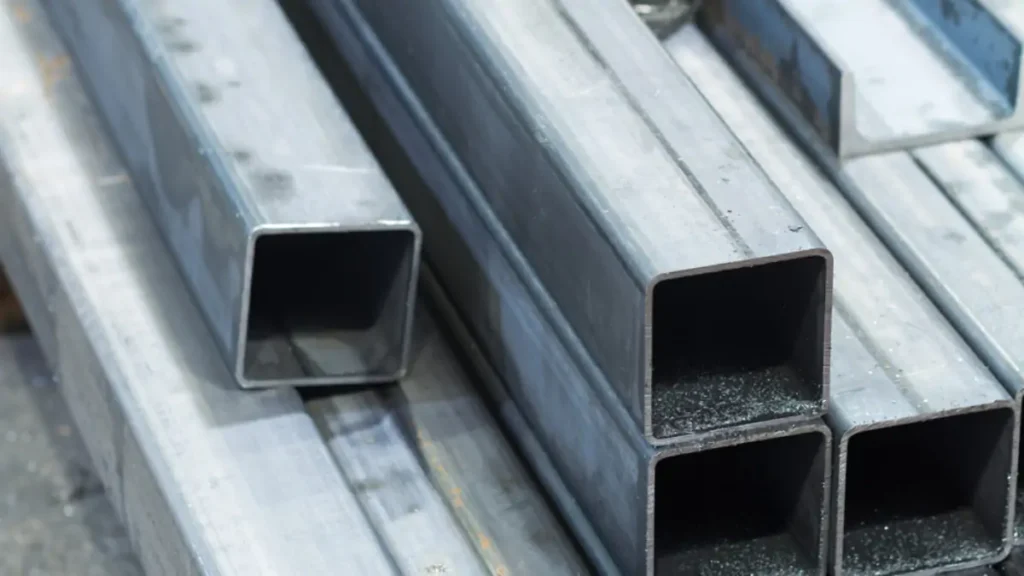
Core-Ring Laser Welding is suitable for carbon steel, stainless steel, aluminum alloy, copper, and other metal materials used in industrial welding applications.
Carbon Steel
- Welding thickness: Up to 14mm
- Applications: Heavy machinery, steel structures, industrial equipment
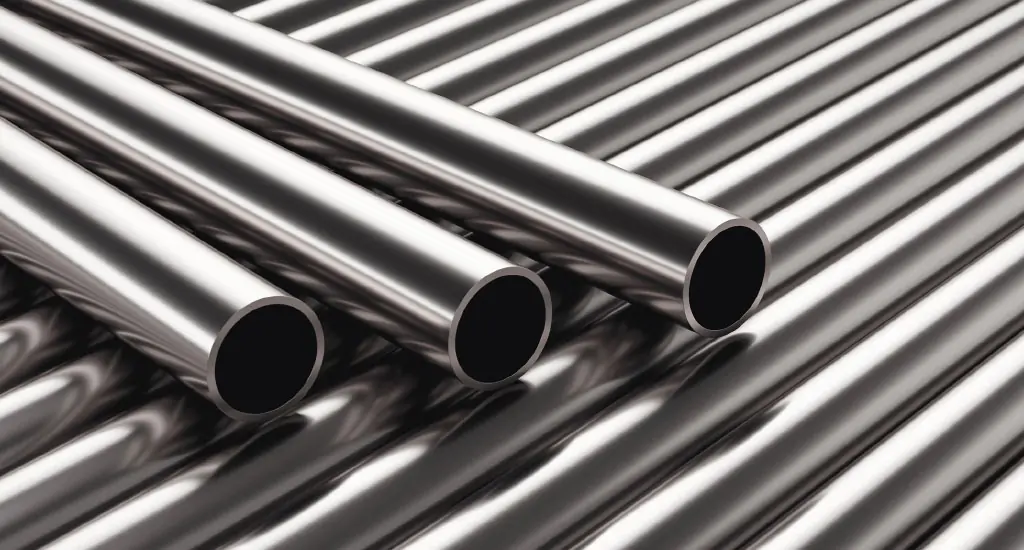
Stainless Steel
- Welding thickness: Up to 12mm
- Applications: Pressure vessels, equipment fabrication, structural components
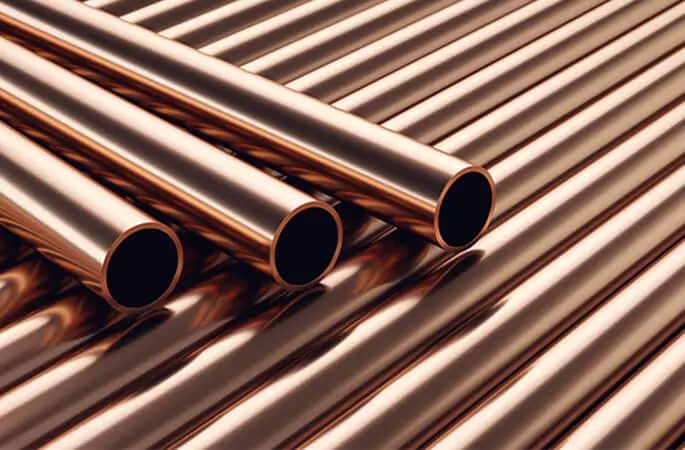
Aluminum Alloy and Copper
- Welding thickness: Up to 10mm
- Applications: Energy equipment, high-reflective metal components
Core-Ring Laser Welding is used in industries including engineering machinery, steel structures, pressure vessels, and energy equipment, where thick metal welding and stable weld quality are required.
What Industries Use Core-Ring Laser Welding?
Core-Ring Laser Welding is used in industries requiring thick metal welding, stable weld quality, and controlled heat input. Common applications include heavy fabrication, energy equipment, shipbuilding, and pressure-related components.
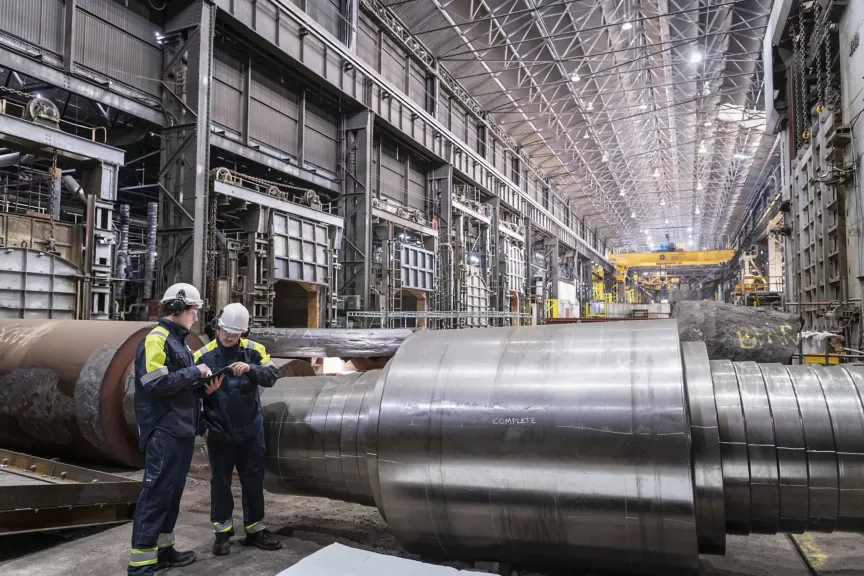
Heavy Steel Fabrication
Applications: Steel structures , Machinery frames , Heavy equipment components
Core-Ring Laser Welding provides stable penetration for thick steel parts used in industrial fabrication.
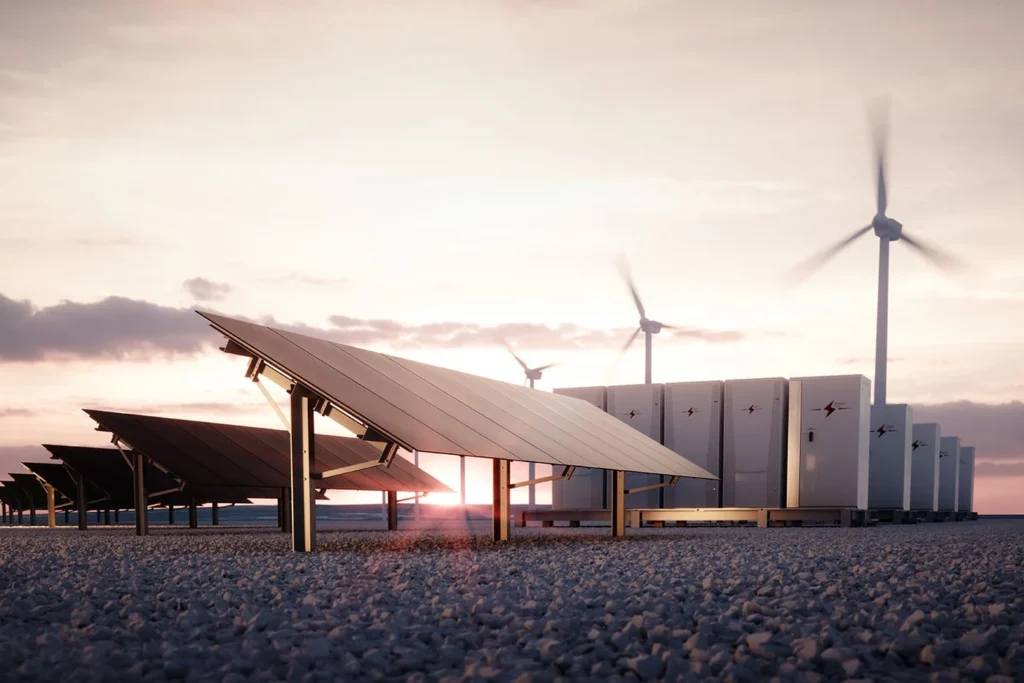
New Energy Equipment
Applications: Battery structures , Energy storage equipment
The controlled beam distribution supports welding of metal components requiring consistent weld quality.
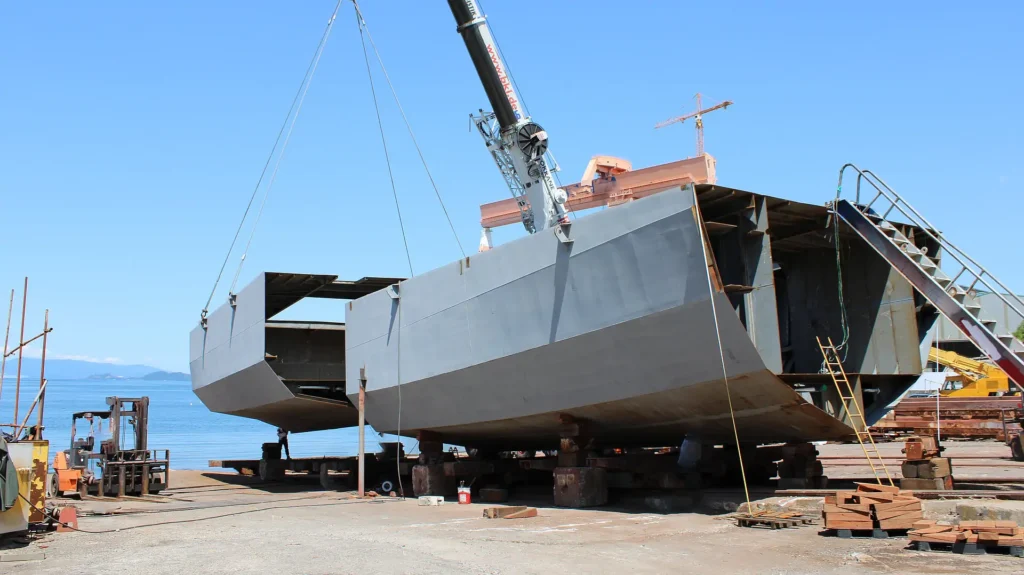
Shipbuilding and Offshore Equipment
Applications: Thick metal components , Structural parts
The technology is suitable for large metal structures where penetration depth and welding stability are required.
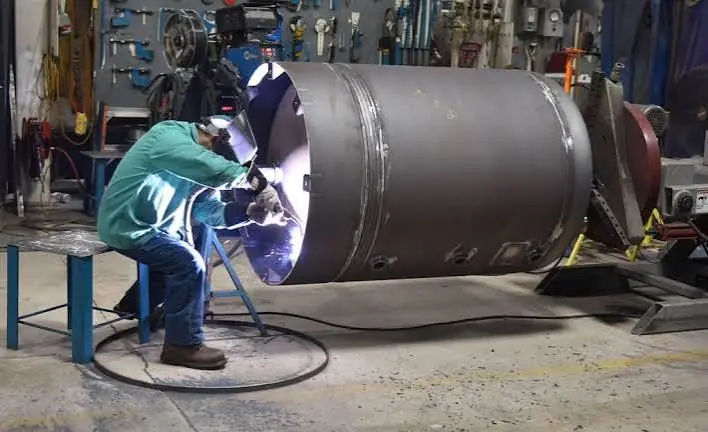
Pressure Equipment
Applications: Pressure vessel components , Welds requiring inspection
The stable molten pool control and defect reduction characteristics support applications with strict weld quality requirements.
Types of Core-Ring Laser Welding Machine
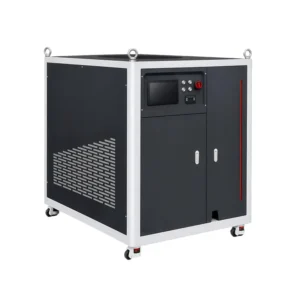
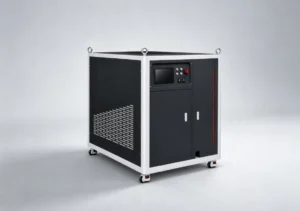
6000W Anti-Magnetic Laser Welding Machine
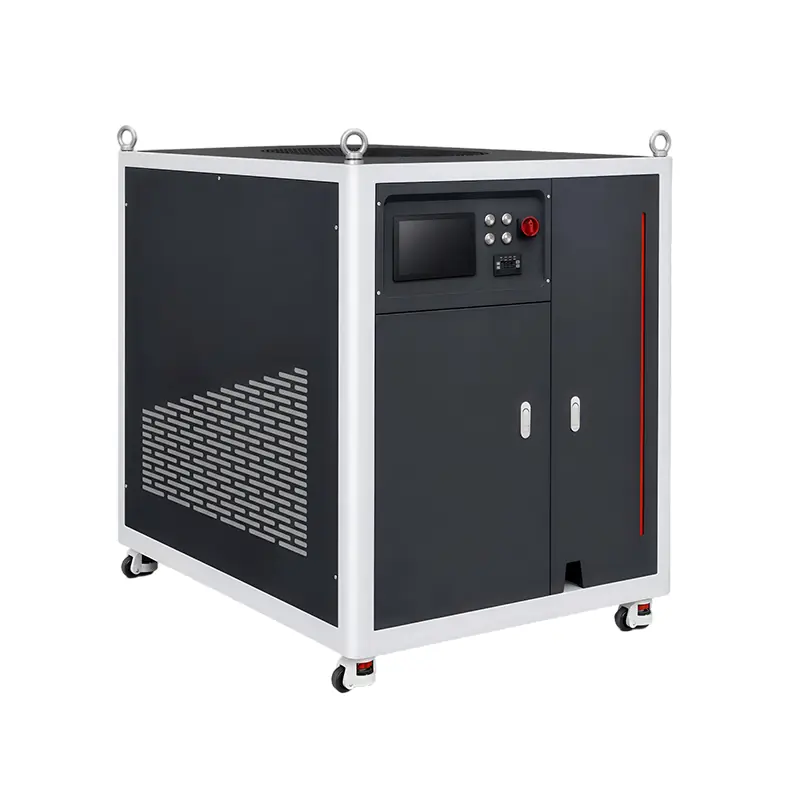
The 6000W Anti-Magnetic Laser Welding Machine is designed for laser welding in strong magnetic field environments. It integrates EMI protection and signal isolation technology to reduce electromagnetic interference during operation. The machine is suitable for aluminum electrolysis plants, non-ferrous metal processing, heavy equipment manufacturing, and thick metal welding applications.
- Laser Power: 6000W
- Beam Type: Core-Ring Dual Beam
- Anti-Interference System: EMI Filtering + Signal Isolation
- Wire Feeding: Single / Double / Triple / Four Wire
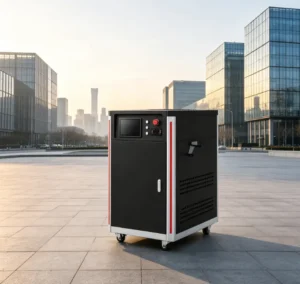
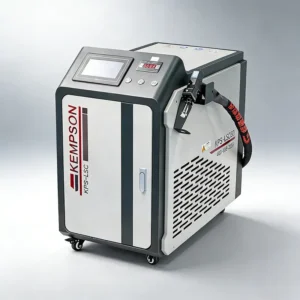
Core-Ring Laser Welding Machine
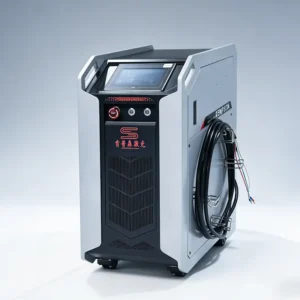
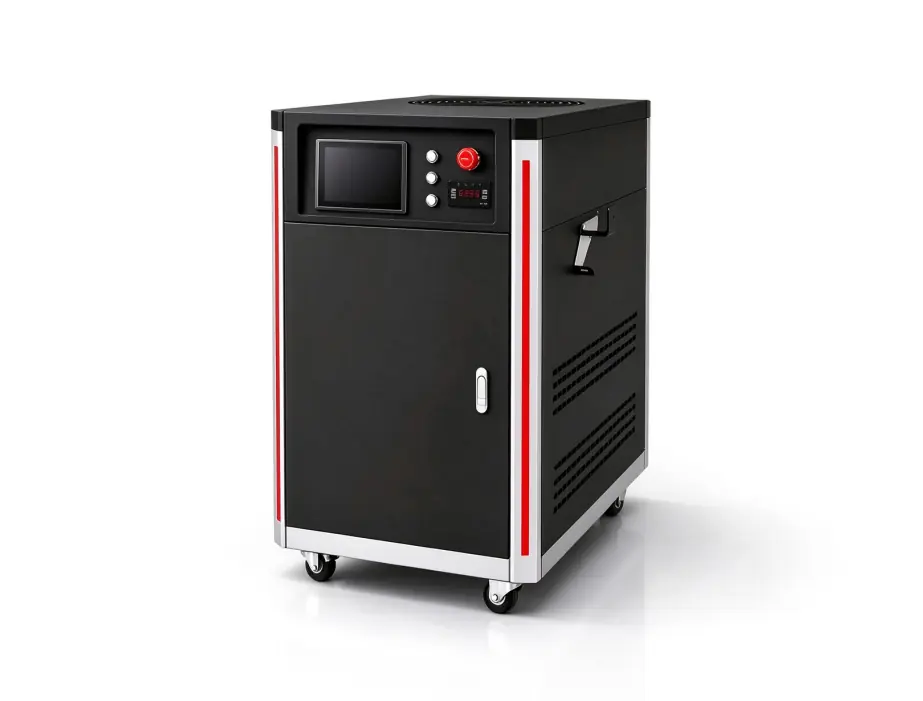
The Core-Ring Laser Welding Machine uses a coaxial center beam and ring beam structure for thick plate and high-reflective metal welding. The center beam provides deep penetration, while the ring beam controls heat distribution and molten pool stability. The machine is available in 4000W and 6000W versions for steel structures, pressure vessels, shipbuilding, heavy machinery, and industrial metal fabrication.
- Laser Power: 4000W / 6000W
- Beam Type: Center Beam + Ring Beam (Independent Control)
- Compatible Materials: Carbon Steel / Stainless Steel / Aluminum / Copper
- Wire Feeding: Single / Double / Triple / Four Wire
Core-Ring Laser Welding Machine Configuration Features
The Core-Ring Laser Welding Machine is equipped with configurations developed for thick metal welding and continuous industrial operation. The beam power distribution, wire feeding system, and protection structure are designed to match different materials, thicknesses, and welding conditions.
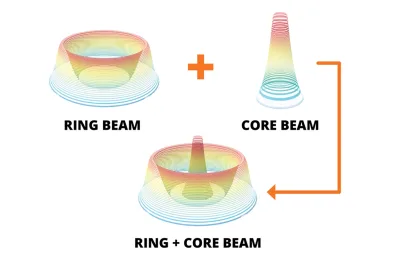
Adjustable Core-Ring Power Distribution
The Core-Ring Laser Welding Machine supports different center-ring power configurations for various welding requirements.
- 3000W + 3000W Balanced Version: Suitable for general thick plate welding with balanced energy distribution.
- 4000W + 2000W Deep Penetration Version: Provides higher center beam power for applications requiring deeper penetration.
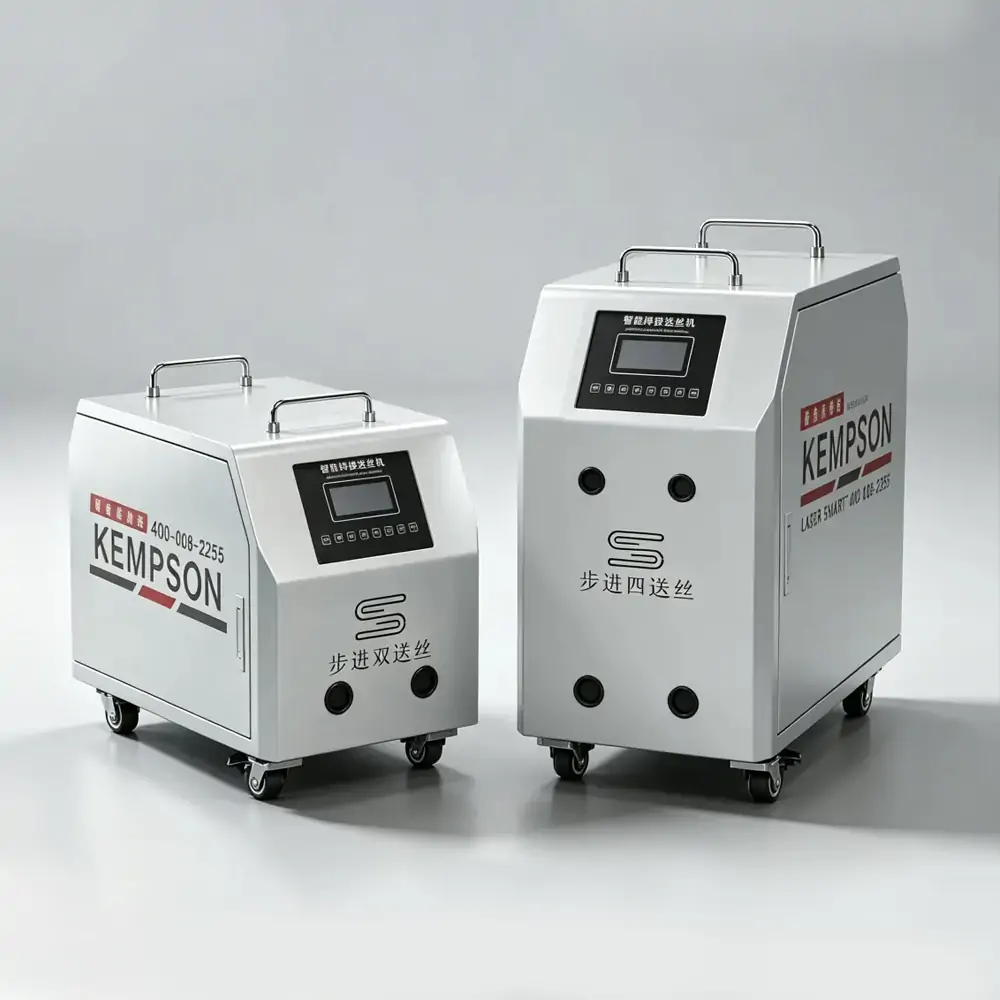
Four-Drive Four-Wire Feeding System
The machine is equipped with a four-drive, four-wire feeding system for different welding processes.
Supports single, double, triple, and four-wire feeding modes
Adjustable wire feeding parameters for different materials and welding conditions
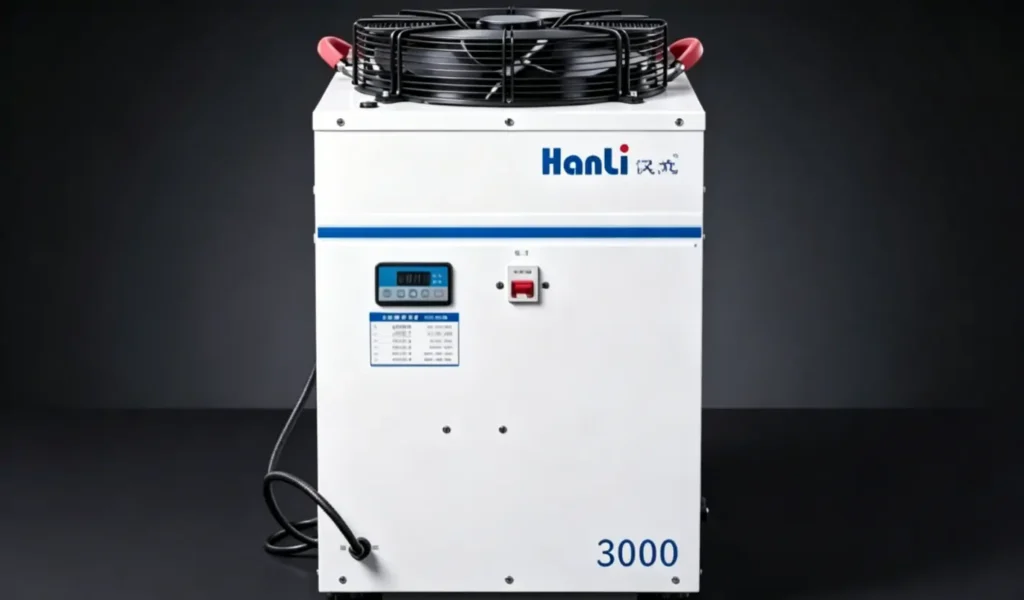
Industrial Cooling and Protection System
The machine uses an industrial cooling and protection system for continuous welding operation.
Dual temperature control cooling system
Dust protection structure for industrial environments
Return light monitoring system for laser source protection
The configuration of the Core-Ring Laser Welding Machine focuses on beam control, stable wire feeding, and long-term operation protection. These systems support consistent welding performance in heavy industrial applications.
Is Core-Ring Laser Welding Suitable for Your Application?
Core-Ring Laser Welding is designed for applications requiring stable penetration, controlled heat input, and consistent weld quality. The suitable application depends on material type, plate thickness, and production requirements.
Suitable for:
- Thick metal welding: Suitable for carbon steel, stainless steel, aluminum, and copper components with higher thickness requirements.
- High-reflective materials: Suitable for aluminum and copper welding where energy absorption stability is required.
- Large welded structures: Suitable for steel structures, machinery frames, pressure equipment, and heavy industrial components.
- High consistency production: Suitable for continuous production where weld quality and process stability are required.
May Not Be Necessary for:
- Very thin sheet welding: Thin materials may require lower heat input and simpler laser welding solutions.
- Simple low-power welding tasks: Standard single-beam laser welding can meet applications with basic welding requirements.
Conclusion
Core-Ring Laser Welding combines a center beam and a ring beam in one coaxial laser system. The technology provides controlled energy distribution for thick plate welding, high-reflective materials, and industrial applications requiring stable weld quality. Its adjustable beam power, molten pool control, and defect reduction characteristics make it suitable for steel structures, heavy machinery, energy equipment, and pressure-related components.
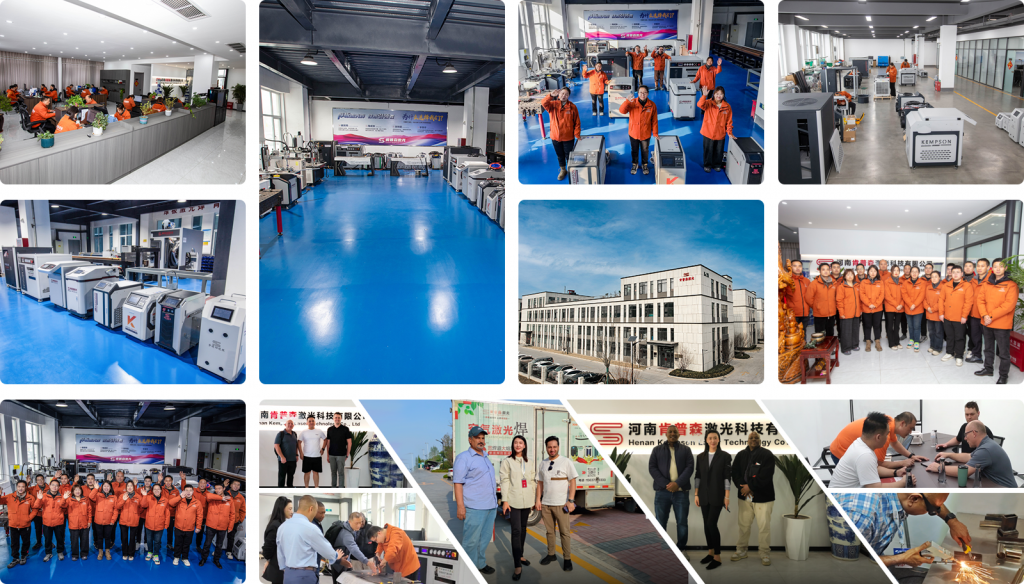
KEMPSON develops and manufactures Core-Ring Laser Welding solutions with 4000W and 6000W configurations for different welding requirements. We provide welding process testing, sample verification, equipment customization, installation support, and technical training. Contact us to discuss your material, thickness, and production requirements for a suitable laser welding solution.
FAQ
What is Core-Ring Laser Welding?
Core-Ring Laser Welding is a composite laser welding process that uses a coaxial center beam and ring beam from one customized laser source. The center beam provides penetration, while the ring beam controls heat distribution and molten pool stability during welding.
How does Core-Ring Laser Welding work?
Core-Ring Laser Welding uses optical beam shaping technology to separate one laser output into a center beam and a ring beam. The center beam forms the keyhole for penetration, while the ring beam preheats the welding area and regulates molten pool behavior.
Is Core-Ring Laser Welding different from dual laser welding?
Yes. Core-Ring Laser Welding does not require two independent laser sources. The center beam and ring beam come from one customized laser source through a special optical structure, with adjustable power distribution between the two beams.
What is the difference between Core-Ring laser welding and single-beam laser welding?
Single-beam laser welding uses one concentrated energy distribution, while Core-Ring Laser Welding uses center and ring beam energy control. The ring beam improves heat distribution and molten pool stability for thick plates and high-reflective materials.
What materials can Core-Ring laser welding weld?
Core-Ring Laser Welding can weld carbon steel, stainless steel, aluminum alloy, copper, and other industrial metals. It is commonly used for thick metal components and applications requiring stable weld quality.
How thick can a Core-Ring laser welding machine weld?
A 6000W Core-Ring Laser Welding Machine can weld up to 14mm carbon steel, 12mm stainless steel, and 10mm aluminum or copper under suitable process conditions. Actual welding thickness depends on material properties and joint design.
Can Core-Ring laser welding be used for aluminum and copper?
Yes. Core-Ring Laser Welding is suitable for aluminum and copper welding. The ring beam preheats the material surface, improving energy absorption stability, while the center beam provides the penetration required for highly reflective metals.
What industries use Core-Ring laser welding machines?
Core-Ring Laser Welding Machines are used in heavy steel fabrication, engineering machinery, new energy equipment, shipbuilding, offshore structures, and pressure equipment. They are suitable for applications requiring thick plate welding and consistent weld performance.