Table of Contents
Introduction
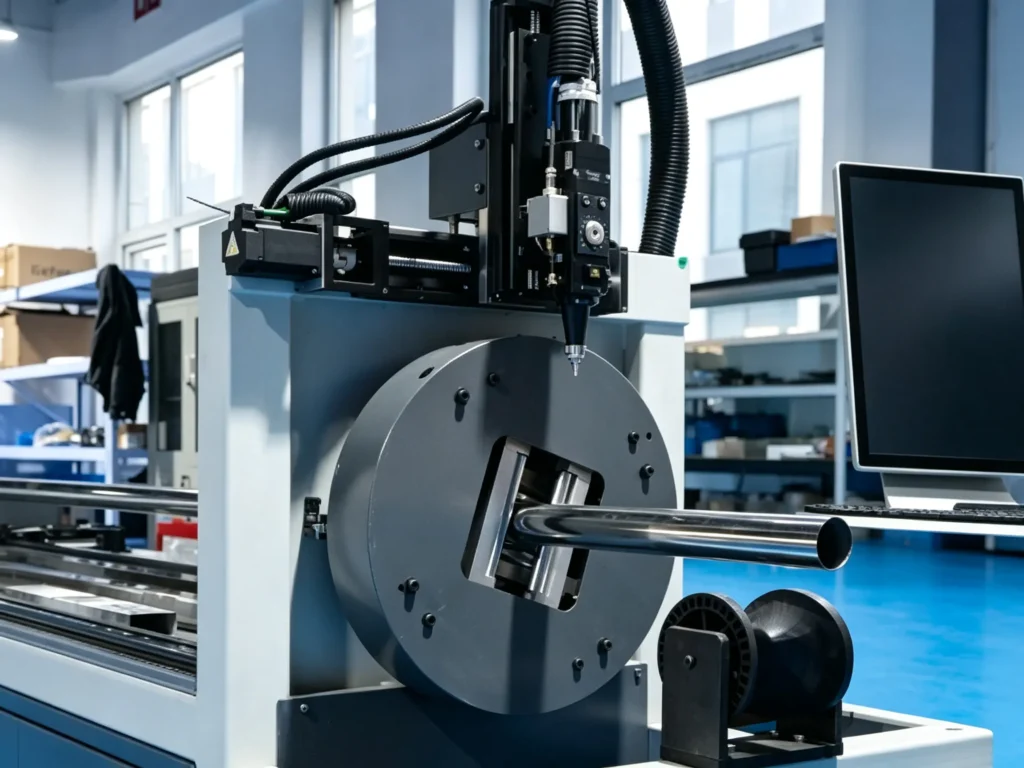
A tube laser cutting machine relies on the coordinated operation of the laser source, cutting head, chuck system, pneumatic system, cooling system, and CNC control system. Dust buildup, contaminated optical components, insufficient lubrication, or cooling system faults can affect cutting accuracy, reduce cutting quality, and cause unexpected machine downtime. Regular inspection and proper maintenance keep these systems in good working condition.
In this guide, we cover the daily maintenance checklist, periodic inspection requirements, and common tube laser cutting machine problems with practical troubleshooting methods. We also explain how to set up a maintenance schedule and identify when professional technical support is needed.

Why Is Regular Tube Laser Cutting Machine Maintenance Important?
Tube laser cutting machines run with multiple systems working together. Dust, worn parts, loose connections, and poor lubrication can affect cutting results and cause machine faults. Regular maintenance keeps the equipment in normal operating condition.
Maintain Consistent Cutting Quality
Dirt on the protective window reduces laser beam transmission. Worn nozzles, incorrect focus positions, and unstable tube clamping can cause incomplete cuts, burrs, and dimensional errors.
Reduce Equipment Downtime
Cooling faults, chuck wear, feeding problems, and sensor failures can interrupt production. Routine checks help operators find loose connections, abnormal movement, and system alarms before they lead to machine stoppages.
Extend the Service Life of Machine Components
Protective windows, guide rails, racks, gears, and bearings wear during operation. Regular cleaning, lubrication, filter replacement, and inspection reduce dirt buildup and unnecessary wear.
Daily Tube Laser Cutting Machine Maintenance Checklist
Daily maintenance covers the cutting head, cooling system, gas supply, chuck, transmission, electrical cabinet, and chip removal system. Inspect these components before production and check for contamination, wear, leakage, loose connections, and abnormal operation.
1. Laser Cutting Head and Optical Components
- Inspect the protective window for dust, stains, scratches, or damage.
- Check the nozzle for blockage, deformation, and metal buildup.
- Inspect the ceramic ring for cracks or damage.
- Check the nozzle and cutting head connections for looseness.
Maintenance Note: Clean or replace optical components using the materials and procedures specified by the manufacturer. Do not wipe lenses with ordinary cloth.
2. Cooling System and Water Chiller
- Check the chiller water level and operating temperature.
- Inspect cooling pipes and connections for leakage.
- Check cooling water quality and filter condition.
- Monitor chiller alarms and abnormal operating conditions.
Maintenance Note: Follow the laser source and chiller manufacturers’ requirements for coolant type, water quality, operating temperature, and replacement intervals.
3. Pneumatic System and Cutting Gas Supply
- Check nitrogen, oxygen, or compressed air supply pressure.
- Inspect gas pipes and connections for leakage.
- Check pressure regulators and filters.
- Monitor gas pressure stability during cutting.
Maintenance Note: Keep gas pressure within the specified range for the selected material, thickness, and cutting process.
4. Chuck, Clamping and Tube Feeding System
- Inspect chuck jaws for wear, damage, and metal buildup.
- Check chuck clamping and release movements.
- Observe tube gripping during chuck rotation.
- Inspect tube support rollers and feeding mechanisms.
- Remove metal chips and debris from clamping areas.
Maintenance Note: Check chuck condition and tube support when processing different tube diameters, profiles, and wall thicknesses.
5. Guide Rails, Transmission and Lubrication System
- Inspect guide rails and linear bearings for dust and debris.
- Check racks and pinions for contamination and visible wear.
- Monitor lubricant levels in the automatic lubrication system.
- Listen for unusual noise or vibration during machine movement.
Maintenance Note: Use the specified lubricant and follow the manufacturer’s cleaning and lubrication intervals.
6. Electrical Cabinet and CNC Control System
- Check the CNC control panel for active alarms and error messages.
- Inspect accessible cables and connectors for visible damage.
- Check electrical cabinet ventilation and cooling fans.
- Inspect sensor and limit switch operation.
Maintenance Note: Internal electrical inspections must be performed by qualified technicians after proper power isolation.
7. Machine Bed and Chip Removal System
- Remove accumulated metal chips from the machine bed and chuck area.
- Inspect the slag and debris collection area.
- Check the chip conveyor for blockages.
- Inspect protective covers and machine enclosures.
- Keep loading and unloading areas clear.
Maintenance Note: Remove metal debris from the chuck, guide rails, tube supports, and chip collection areas to prevent interference with machine movement.
Daily Maintenance Checklist Summary
| Component | Inspection Item | What to Check |
|---|---|---|
| Cutting Head | Protective Window | Dust, stains, scratches |
| Nozzle | Nozzle Condition | Wear, blockage, deformation |
| Chiller | Cooling System | Temperature, water level, leakage |
| Gas System | Gas Supply | Pressure, leakage |
| Chuck | Clamping System | Jaw wear, gripping condition |
| Transmission | Guide Rails & Racks | Debris, lubrication, abnormal noise |
| Electrical Cabinet | Electrical System | Alarms, ventilation, visible damage |
| Chip Conveyor | Debris Removal | Blockages, accumulated chips |
Note: Maintenance procedures and inspection intervals should follow the machine manufacturer’s manual and the actual operating conditions.
Periodic Maintenance for Tube Laser Cutting Machines
Daily checks cover routine operating conditions. Periodic maintenance focuses on mechanical wear, system performance, positioning accuracy, and component condition. The following schedule provides a reference for weekly, monthly, and quarterly or annual inspections.
Weekly Maintenance
- Clean accessible machine surfaces, chuck areas, and chip collection zones.
- Inspect chuck jaws, tube supports, and feeding rollers for wear or damage.
- Check automatic lubrication system operation and lubricant levels.
- Inspect gas filters, pressure regulators, and pneumatic connections.
- Review CNC alarm records and note recurring machine faults.
Monthly Maintenance
- Inspect guide rails, racks, gears, and transmission components for wear.
- Check electrical cabinet ventilation and cooling fan operation.
- Inspect cable carriers and moving cable connections for damage.
- Check cooling system filters, pipes, and connections.
- Check chuck positioning and tube feeding accuracy.
Quarterly or Annual Maintenance
- Inspect mechanical transmission components, bearings, and drive systems for wear.
- Check machine alignment and positioning accuracy.
- Inspect the laser source and cutting head according to manufacturer requirements.
- Evaluate cooling system condition and replace filters or consumables when necessary.
- Arrange professional inspection of electrical systems, servo drives, and CNC controls.
Maintenance Schedule Note: These intervals are general maintenance references, not fixed requirements for every machine. Actual inspection frequency depends on operating hours, production load, working environment, and the manufacturer’s maintenance manual.
Common Tube Laser Cutting Machine Problems and Solutions
Tube laser cutting problems can come from incorrect cutting parameters, contaminated optical components, mechanical wear, unstable gas supply, or control system faults. The following sections cover common operating problems, their possible causes, and the checks required to identify the source of each fault.
1. Incomplete Cutting or Failure to Cut Through
The laser fails to cut through the tube wall, leaving uncut sections or incomplete edges.
Possible Causes:
- Incorrect laser power or cutting speed.
- Improper focus position.
- Insufficient or unstable cutting gas pressure.
- Dirty or damaged protective window.
- Cutting parameters unsuitable for the material or wall thickness.
Troubleshooting:
- Check laser output and cutting parameters.
- Verify the focus position.
- Inspect the protective window and nozzle.
- Check gas pressure and supply stability.
- Adjust parameters according to tube material and wall thickness.
2. Excessive Burrs and Rough Cutting Edges
Burrs, slag, or rough surfaces appear along the cut edge.
Possible Causes:
- Incorrect cutting speed.
- Improper focus position.
- Insufficient cutting gas pressure.
- Contaminated or damaged nozzle.
- Unsuitable cutting parameters for the material and thickness.
Troubleshooting:
- Check cutting speed and focus position.
- Inspect the nozzle for blockage or damage.
- Verify cutting gas pressure.
- Run a test cut and adjust parameters according to the cutting results.
3. Inconsistent Cutting Dimensions or Positioning Errors
Cut dimensions deviate from programmed values, or hole and slot positions are inconsistent.
Possible Causes:
- Chuck slippage or unstable clamping.
- Tube deformation or insufficient support.
- Incorrect tube length measurement.
- Mechanical backlash or transmission wear.
- Incorrect CNC coordinate calibration.
Troubleshooting:
- Inspect chuck jaws and clamping condition.
- Check tube support and feeding stability.
- Verify tube measurement and positioning settings.
- Inspect transmission components for wear or looseness.
- Check CNC coordinate calibration.
4. Tube Slippage or Unstable Chuck Clamping
The tube moves inside the chuck during rotation or feeding, affecting cutting position and accuracy.
Possible Causes:
- Worn or damaged chuck jaws.
- Incorrect clamping pressure.
- Oil or metal debris on clamping surfaces.
- Incorrect jaw configuration for the tube profile.
- Tube dimensions outside the chuck’s clamping range.
Troubleshooting:
- Inspect chuck jaws for wear and contamination.
- Check clamping pressure and gripping condition.
- Clean the clamping surfaces.
- Verify jaw configuration for round, square, or other tube profiles.
- Confirm tube dimensions are within the specified clamping range.
5. Laser Cutting Head Overheating or Alarm
The cutting head triggers a temperature alarm or stops during operation.
Possible Causes:
- Cooling system abnormalities.
- Restricted coolant flow.
- Cooling pipe leakage.
- Sensor or electrical connection faults.
- Internal cutting head component damage.
Troubleshooting:
- Check coolant temperature and flow.
- Inspect cooling pipes and connections.
- Review cutting head alarm records.
- Check accessible sensors and connections.
- Stop operation and contact technical support if the alarm persists.
6. Unstable Laser Output or Cutting Performance
Cutting performance fluctuates during operation, even when the programmed parameters remain unchanged.
Possible Causes:
- Laser source alarms.
- Contaminated optical components.
- Unstable cooling conditions.
- Power supply fluctuations.
- Loose or damaged connections.
Troubleshooting:
- Check laser source alarm records.
- Inspect the protective window and optical components.
- Check cooling system operation.
- Review power supply conditions.
- Contact qualified technicians for laser source or internal electrical faults.
7. Tube Feeding or Automatic Loading Malfunction
The machine feeds tubes unevenly, fails to position the material, or stops during automatic loading.
Possible Causes:
- Misaligned tube supports.
- Incorrect feeding parameters.
- Sensor malfunction.
- Mechanical obstruction.
- Incorrect tube dimensions or loading position.
Troubleshooting:
- Inspect feeding rollers and tube support alignment.
- Check feeding parameters.
- Inspect sensor signals and limit switches.
- Remove mechanical obstructions.
- Confirm tube dimensions and loading positions match the machine settings.
8. CNC Alarm or Unexpected Machine Shutdown
The machine stops unexpectedly or displays an alarm on the CNC control panel.
Possible Causes:
- Servo drive alarms.
- Limit switch activation.
- Electrical connection faults.
- Cooling or pneumatic system alarms.
- Emergency stop activation.
Troubleshooting:
- Record the alarm code and message.
- Check the corresponding servo, cooling, or pneumatic system.
- Inspect accessible electrical connections.
- Check limit switches and emergency stop status.
- Follow the machine alarm manual before restarting.
Do not repeatedly reset alarms or bypass safety protection without identifying the fault.
Common Tube Laser Cutting Machine Problems: Quick Troubleshooting Table
| Common Problem | Possible Cause | Initial Check |
|---|---|---|
| Incomplete Cutting | Incorrect parameters, focus, or gas pressure | Check cutting settings and nozzle |
| Excessive Burrs | Incorrect speed, focus, or gas supply | Inspect cutting conditions |
| Dimensional Errors | Chuck slippage or calibration issues | Check clamping and positioning |
| Tube Slippage | Worn jaws or improper clamping | Inspect chuck and tube surface |
| Cutting Head Alarm | Cooling or sensor problems | Check cooling system and alarms |
| Unstable Cutting | Optical contamination, laser or power faults | Check alarms and optical components |
| Feeding Failure | Sensor faults or mechanical obstruction | Inspect loading and feeding system |
| CNC Shutdown | Servo, electrical, or safety alarms | Check alarm code and system status |
How to Prevent Common Tube Laser Cutting Machine Failures
- Follow the Manufacturer’s Maintenance Schedule: Follow the maintenance intervals in the machine manual. Record inspections, lubrication, and parts replacement.
- Use Suitable Consumables and Replacement Parts: Use protective windows, nozzles, ceramic rings, filters, lubricants, and cooling system consumables compatible with the machine model.
- Monitor Machine Alarms and Operating Conditions: Check alarms from the laser source, chiller, servo drives, and CNC system. Record recurring faults and investigate their causes.
- Keep the Machine and Working Environment Clean: Remove metal dust, slag, and oil residue from the chuck, guide rails, feeding system, and electrical cabinet ventilation area.
- Train Operators in Daily Inspection Procedures: Train operators to check the machine before startup, identify abnormal conditions during operation, and follow proper shutdown procedures.
Tube Laser Cutting Machine Maintenance Schedule
| Maintenance Frequency | Main Maintenance Tasks | Responsible Personnel |
|---|---|---|
| Before Each Shift | Check machine alarms, cutting head, cooling system, gas supply, chuck, and overall machine condition. | Operator |
| Daily | Remove metal chips, inspect the nozzle, and check coolant and gas supply. | Operator |
| Weekly | Inspect chuck jaws, tube supports, lubrication system, and filters. | Operator / Technician |
| Monthly | Inspect transmission components, electrical cabinet ventilation, and mechanical condition. | Maintenance Technician |
| Quarterly | Check positioning accuracy, transmission wear, and overall system condition. | Maintenance Technician |
| Annually | Perform a comprehensive machine inspection and scheduled servicing according to manufacturer requirements. | Qualified Technician |
Adjust maintenance intervals according to operating hours, cutting materials, production load, and working conditions. High-load machines may require more frequent inspections.
When Should You Contact a Professional Tube Laser Cutting Machine Technician?
Contact a qualified technician in the following situations:
- Laser source or cutting head alarms occur repeatedly.
- Servo motors or drive systems operate abnormally.
- Cutting accuracy remains outside the specified tolerance after routine checks.
- Cooling system faults persist after basic inspection.
- Electrical faults or damaged internal wiring are found.
- Chuck movement becomes unstable or transmission components are damaged.
- Key components require repair, replacement, or recalibration.
Stop the machine before maintenance. Follow the manufacturer’s shutdown and energy isolation procedures. Do not open laser protection areas or touch electrical components without proper safety clearance and qualifications.
Conclusion
Tube laser cutting machine maintenance covers daily inspections, periodic servicing, troubleshooting, and component replacement. Regular checks of the cutting head, chuck, cooling system, gas supply, and transmission components reduce equipment faults and keep cutting performance within the required range.
KEMPSON is a laser equipment manufacturer with ISO 9001, CE, and RoHS certifications and patented technologies. The company provides equipment selection, installation guidance, remote technical support, and a three-year warranty.
For tube laser cutting equipment, maintenance support, or machine selection, contact KEMPSON. Send us your tube specifications and production requirements for technical consultation.
FAQ
How often should a tube laser cutting machine be maintained?
Check the machine before each shift and perform daily cleaning. Inspect the chuck and lubrication system weekly, transmission components monthly, and machine accuracy annually. Adjust intervals according to operating hours and the manufacturer’s manual.
What should be checked before starting a tube laser cutting machine?
Check the cutting head, protective window, cooling system, gas pressure, chuck jaws, and tube feeding mechanism. Review CNC and laser source alarms before starting production.
What are the most common problems with tube laser cutting machines?
Common problems include incomplete cutting, excessive burrs, dimensional errors, chuck slippage, cooling system alarms, unstable laser output, tube feeding faults, and unexpected CNC shutdowns.
Why does a tube laser cutting machine produce excessive burrs?
Excessive burrs can result from incorrect cutting speed, focus position, or gas pressure. A blocked or damaged nozzle and unsuitable cutting parameters for the material and wall thickness can also affect edge quality.
Why is my tube laser cutting machine not cutting through the material?
Check laser power, cutting speed, focus position, and auxiliary gas pressure. Inspect the nozzle and protective window for contamination or damage. Confirm the cutting parameters match the material and wall thickness.
How often should the laser cutting head protective window be replaced?
There is no fixed replacement interval for every machine. Replace the protective window when it shows contamination, scratches, or damage that affects cutting performance. Follow the cutting head manufacturer’s inspection and replacement requirements.
How do you maintain the chuck system on a tube laser cutting machine?
Remove metal chips and oil from the chuck jaws. Check jaw wear, clamping pressure, gripping stability, and chuck movement. Lubricate the chuck according to the machine manufacturer’s maintenance instructions.
How can I reduce downtime on a tube laser cutting machine?
Follow a preventive maintenance schedule, replace worn consumables on time, and record recurring alarms. Train operators in daily inspections and arrange regular servicing by qualified technicians.