Introduction
Repeated positioning adds labor and production time. These steps increase processing costs, especially in factories handling large quantities of metal tubes. An automatic tube laser cutting machine combines multiple cutting operations in one CNC-controlled system, with optional automatic loading and unloading. It reduces manual handling and shortens the production cycle. But with a higher purchase price than conventional cutting equipment, is it worth the investment?
For manufacturers with steady orders, repetitive cutting jobs, and high labor costs, an automatic tube laser cutting machine can offer a strong return. The decision comes down to production volume, material usage, labor savings, and ongoing operating costs. For small batches and frequently changing orders, a semi-automatic machine may be a more practical choice.

What Is an Automatic Tube Laser Cutting Machine?
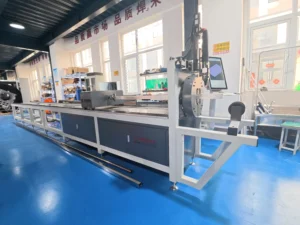
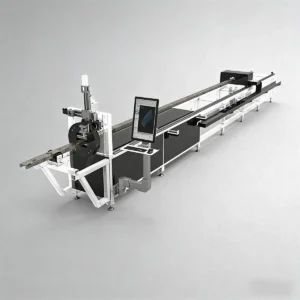
An automatic tube laser cutting machine is a CNC-controlled fiber laser system designed to cut round tubes, square tubes, rectangular tubes, and compatible custom profiles. It combines tube feeding, positioning, clamping, and laser cutting in one processing system. Automatic loading and unloading can be added to reduce manual material handling.
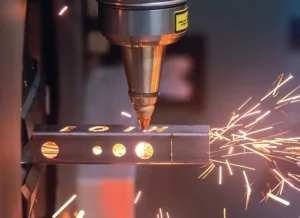
The machine handles several cutting operations:
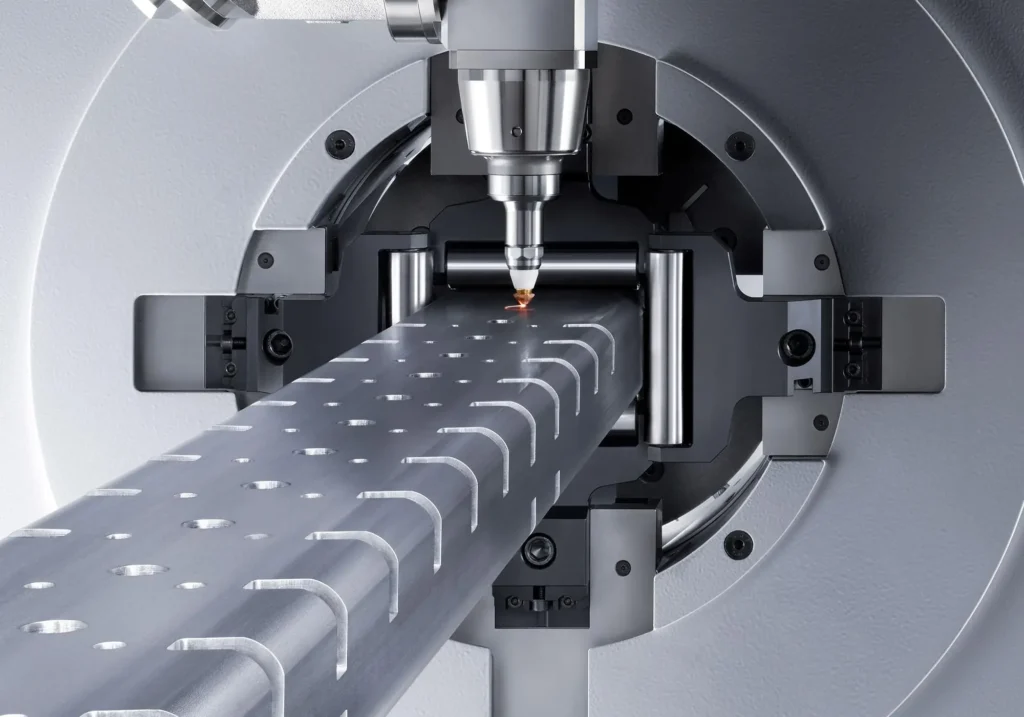
Tube Cutting
Cuts tubes to specified lengths.

Hole Cutting
Cuts holes at programmed positions.

Slot Cutting
Processes slots and openings along tube surfaces.

Profile Cutting
Cuts angled ends, notches, and custom profiles.
Compared with conventional tube processing, laser cutting can combine sawing, drilling, punching, and notching operations in one machine. Actual cutting capacity depends on laser power, tube dimensions, material, wall thickness, and machine configuration.
How Does an Automatic Tube Laser Cutting Machine Work?
An automatic tube laser cutting machine follows a programmed process from raw material feeding to finished-part unloading.
Automatic Loading: The loading system transfers raw tubes from the material rack to the feeding area. Bundle loading is available on machines equipped with the corresponding system.
Tube Clamping: The chuck grips the tube and holds it in position during processing. Chuck rotation controls the tube angle for cutting different sides and profiles.
CNC Positioning: The CNC system controls chuck movement, tube rotation, and cutting head positioning according to the programmed cutting path.
Laser Cutting: The fiber laser cuts the programmed contours, holes, slots, and tube ends. The cutting head follows the CNC instructions throughout the process.
Automatic Unloading: The unloading system transfers finished parts to the collection area. Its structure depends on tube length, part dimensions, and the selected machine configuration.
Manual, Semi-Automatic and Fully Automatic Tube Laser Cutting Systems
Automatic tube laser cutting machines differ in their material handling and production automation. The main differences are the loading method, feeding process, unloading arrangement, and level of operator involvement.
| Configuration | Main Features | Typical Production |
|---|---|---|
| Manual Loading | Operators load, position, and unload tubes manually. | Small batches and mixed orders |
| Semi-Automatic | Powered feeding or automatic chuck operation, with manual handling in some stages. | Medium-volume production |
| Fully Automatic | Integrated automatic loading and feeding, CNC cutting, and optional automatic unloading. | Repetitive, high-volume production |
Fully automatic does not mean completely unmanned operation. Operators are still responsible for program setup, material supply, quality inspection, machine monitoring, and routine maintenance. Finished-part sorting, scrap removal, and production line integration require separate consideration when selecting the equipment.
Advantages of an Automatic Tube Laser Cutting Machine
Lower Labor Requirements
Higher Production Efficiency
Consistent Cutting Quality
Better Material Utilization
Fewer Secondary Operations
Greater Production Flexibility
How Much Does an Automatic Tube Laser Cutting Machine Cost?
The price of an automatic tube laser cutting machine depends on its laser power, tube processing range, chuck configuration, automation level, and CNC system. Installation, auxiliary equipment, and technical support also affect the total investment. Each machine quotation should be based on the actual tube specifications and production requirements.
Initial Investment vs. Operating Costs
The machine purchase price is only part of the total investment. Long-term operating costs include labor, electricity, auxiliary gas, consumables, maintenance, and production losses.
| Cost Category | Main Cost Items |
|---|---|
| Initial Investment | Machine, laser source, loading system, CNC software |
| Installation | Shipping, commissioning, operator training |
| Operating Costs | Labor, electricity, auxiliary gas |
| Consumables | Cutting nozzles, protective lenses, ceramic parts |
| Maintenance | Routine servicing, replacement parts, repairs |
| Production Losses | Machine downtime, rejected parts, rework, material waste |
Cost per Accepted Part
Cost per Accepted Part = Total Production Cost ÷ Number of Accepted Parts
Cost per accepted part measures the production cost of each qualified component. It provides a more useful comparison than machine purchase price or cutting speed alone.
The calculation includes material, labor, energy, gas, consumables, maintenance, and production losses. Manufacturers can use this figure to compare different machine configurations based on actual production costs.
Factors That Affect Machine Price
- Laser Power: Laser output, material type, tube wall thickness, and cutting speed requirements.
- Tube Processing Range: Maximum and minimum tube diameter, tube length, weight, and supported profiles.
- Chuck Configuration: Two-chuck or three-chuck structure, clamping range, workpiece support, and remnant length.
- Automation Level: Automatic loading, tube feeding, unloading, and finished-part collection systems.
- CNC System and Software: CNC controller, CAD/CAM software, tube nesting, and cutting path management.
- Additional Equipment: Cooling system, dust extraction, safety enclosure, installation, training, and spare parts.
How to Calculate the ROI of an Automatic Tube Laser Cutting Machine
The ROI of an automatic tube laser cutting machine depends on annual cost savings, additional production income, operating expenses, and the initial equipment investment. Manufacturers should compare current processing costs with the estimated costs after installing the new machine.
Main Sources of Financial Returns
| Return Source | Calculation Basis |
|---|---|
| Labor Savings | Reduced labor hours × Hourly labor cost |
| Material Savings | Reduced material waste and scrap costs |
| Processing Savings | Lower outsourcing and secondary processing costs |
| Productivity Gains | Additional accepted parts × Contribution margin per part |
| Rework Reduction | Reduced rejected parts and rework costs |
Additional production capacity only counts as a financial return when actual orders can absorb the extra output. Theoretical cutting capacity does not represent additional revenue.
ROI Calculation
Annual Net Benefit
Annual Net Benefit = Total Annual Savings − Additional Annual Operating Costs
Total annual savings include labor, material, processing, and rework savings, plus any additional contribution from confirmed production orders.
Additional operating costs include electricity, auxiliary gas, consumables, and maintenance.
Simple Payback Period
Payback Period = Total Initial Investment ÷ Annual Net Benefit
Annual ROI
Annual ROI = (Annual Net Benefit ÷ Total Initial Investment) × 100%
These calculations provide a basic investment estimate. A full financial assessment may also include financing costs, taxes, depreciation, equipment residual value, and cash flow over the machine’s service life.
ROI calculations should use actual production records, labor costs, material consumption, machine quotations, and operating expenses. A fixed payback period does not apply to every tube fabrication factory.
Factors That Affect the Actual Payback Period
The actual payback period depends on factory production conditions and machine utilization.
- Daily Processing Volume: Higher tube throughput increases potential labor and processing cost savings.
- Production Shifts: Multi-shift operation increases annual machine utilization.
- Labor Costs: Higher wages increase the potential savings from reduced manual handling.
- Material Waste: Nesting layouts and remnant management affect material consumption.
- Machine Utilization: Actual operating hours affect annual production output and investment recovery.
- Automation Configuration: Automatic loading and unloading reduce manual handling but increase initial investment.
- Downtime and Maintenance: Equipment availability, servicing, and replacement parts affect annual operating costs.
When Is an Automatic Tube Laser Cutting Machine Worth the Investment?
Factories with High Labor Costs
Manufacturers Processing Complex Tube Profiles
Manufacturers Planning Production Expansion
High-Volume Tube Manufacturing
When Is an Automatic Tube Laser Cutting Machine Not Worth the Investment?
Low Production Volume
Frequent Small-Batch Production
Limited Budget and Factory Space
Existing Equipment Already Meets Production Needs
How to Choose the Right Automatic Tube Laser Cutting Machine for Your Production
Machine selection should be based on your regular workpieces, production volume, cutting requirements, and factory conditions.
- Material Type and Tube Specifications: Check material, tube profile, diameter, wall thickness, length, and weight. The processing range should cover your main product specifications.
- Laser Power and Cutting Requirements: Select laser power according to material, common wall thickness, cutting speed, and required output. Do not select power based on maximum cutting thickness alone.
- Chuck Configuration and Tube Support: Compare two-chuck and three-chuck structures by tube size, clamping range, workpiece support, and remnant length.
- Automatic Loading and Unloading Configuration: Choose manual loading, semi-automatic feeding, or automatic bundle loading according to order volume, tube dimensions, and workshop space.
- CNC Software and Nesting Capability: Check drawing import, automatic programming, tube nesting, and cutting path optimization. Programming time and material utilization affect production costs.
- Machine Reliability and After-Sales Support: Review the laser source, cutting head, CNC, servo system, machine structure, spare parts, installation, training, and technical support.
The right machine configuration matches your regular production requirements without unnecessary power or automation costs.
What Should You Check Before Investing in an Automatic Tube Laser Cutting Machine?
Check the machine’s actual cutting performance, production cycle, operating costs, and supplier service before placing an order.
| Inspection Item | What to Check |
|---|---|
| Actual Material Testing | Test your own tube materials, diameters, profiles, and wall thicknesses. |
| Complete Processing Cycle | Record loading, clamping, positioning, cutting, and unloading time. |
| Finished-Part Quality | Inspect cutting edges, hole positions, dimensional accuracy, burrs, and tube deformation. |
| Automation Scope | Confirm whether automatic loading, feeding, unloading, and part collection are included in the quotation. |
| Operating Costs | Request power consumption, auxiliary gas usage, consumable requirements, and maintenance estimates. |
| Installation and Training | Confirm installation, commissioning, CNC programming, operator training, and maintenance guidance. |
| Warranty and Technical Support | Check warranty coverage, spare parts supply, remote assistance, and on-site service terms. |
Conclusion
An automatic tube laser cutting machine is a worthwhile investment when production volume, labor costs, material usage, and processing requirements support the equipment cost. Machine configuration, operating expenses, and actual production data determine the ROI and payback period.
KEMPSON manufactures automatic tube laser cutting machines for different tube materials, dimensions, and production requirements. Machine configurations cover laser power, chuck structures, tube feeding, and automation options. Our team reviews customer drawings, material specifications, and production needs during equipment selection.
Contact us with your tube samples, processing requirements, and expected production volume. Our team can recommend a suitable machine configuration and arrange cutting tests for your project.
FAQ
Is an automatic tube laser cutting machine worth the investment?
An automatic tube laser cutting machine is worth the investment for manufacturers with steady orders, high processing volumes, and significant labor costs. Its value depends on machine utilization, production requirements, and operating expenses.
How much does an automatic tube laser cutting machine cost?
The price depends on laser power, tube processing range, chuck configuration, automatic loading and unloading systems, CNC software, and additional equipment. The final cost should reflect the required machine configuration.
How long does it take for a tube laser cutting machine to pay for itself?
The payback period depends on the initial investment and annual net savings. Calculate labor savings, material savings, and reduced processing costs, then subtract additional operating expenses to estimate the recovery period.
How much labor can an automatic tube laser cutting machine save?
An automatic tube laser cutting machine reduces manual work in tube loading, positioning, cutting, and unloading. Labor savings depend on the automation configuration, production volume, and number of operators required for existing processes.
Does an automatic tube laser cutting machine reduce material waste?
Yes. Tube nesting software optimizes cutting layouts and material usage. Chuck configuration, minimum remnant length, cutting sequences, and programming accuracy also affect material waste and overall utilization.
What production volume justifies an automatic tube laser cutting machine?
There is no fixed production volume that justifies the investment. Manufacturers should evaluate daily processing demand, order stability, production shifts, labor costs, and expected machine utilization before choosing an automation level.
What is the difference between a semi-automatic and fully automatic tube laser cutting machine?
A semi-automatic machine requires manual loading or unloading for some operations, while a fully automatic system can integrate automatic loading, feeding, cutting, and unloading, depending on its configuration.
What should I consider before buying an automatic tube laser cutting machine?
Evaluate tube material, diameter, wall thickness, cutting requirements, laser power, chuck configuration, loading and unloading systems, CNC software, factory layout, maintenance costs, and after-sales support before purchasing.