Table of Contents
Introduction
A 3000W laser welder is commonly used for medium and thick plate welding, industrial fabrication, and metal processing applications such as stainless steel, carbon steel, and aluminum. With higher power output, it provides deeper penetration and supports thicker material welding compared with lower-power laser welding machines.
In this guide, I will explain the 3000W Laser Welder Thickness range for different materials and discuss how 3000W Laser Welder Settings affect welding performance. The actual welding thickness depends on material type, joint design, welding speed, focus position, wire feeding, and welding method. This article covers stainless steel, carbon steel, and aluminum thickness capabilities to help you select the right laser welding solution for your application.
How Thick Can a 3000W Laser Welder Weld?
A 3000W laser welder is mainly used for medium and thick metal welding. The actual welding thickness depends on material type, joint design, welding speed, wire feeding, and welding method. For common metals, a 3000W laser welder can handle 5–12mm thickness under suitable welding conditions.
| Material | Welding Thickness | Notes |
|---|---|---|
| Stainless Steel | 5–12mm | Common handheld laser welders handle around 7mm; specialized systems can reach higher thickness |
| Carbon Steel | 5–12mm | Suitable for structural parts and industrial fabrication |
| Aluminum Alloy | 4–10.5mm | Requires higher energy density due to high thermal conductivity and reflectivity |
| Galvanized Steel | Around 4mm | Zinc coating may cause porosity during welding |
Factors Affecting Welding Thickness
- Material Type: Stainless steel and carbon steel are easier to weld at higher thicknesses. Aluminum and other high-reflective materials usually require higher power density and stricter parameter control.
- Joint Design: Butt joints, lap joints, and fillet welds have different penetration requirements. Joint design affects the maximum achievable welding thickness.
- Welding Speed: Lower speed increases heat input and penetration depth. Excessively low speed can increase heat deformation.
- Wire Feeding: Filler wire helps fill gaps and improve weld formation, especially for thicker plates or larger weld joints.
3000W vs Other Laser Welder Powers
| Laser Power | Stainless Steel / Carbon Steel | Aluminum |
| 1500W | Around 3mm | Around 2mm |
| 2000W | Around 5mm | Around 3mm |
| 3000W | 5–12mm | 4–10mm |
A 3000W laser welder is suitable for users who frequently process materials above 5mm. For thin sheet welding below 3mm, 1500W–2000W models can meet most requirements with lower investment and operating costs. The final welding thickness should be confirmed according to the actual material, thickness, joint type, and production requirements.
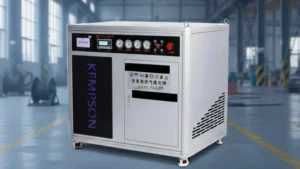
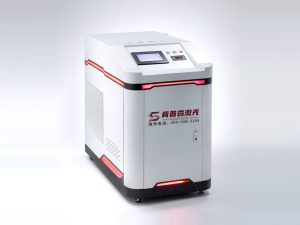
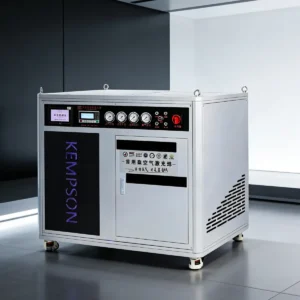
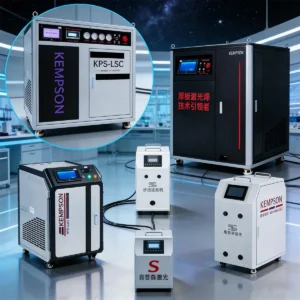
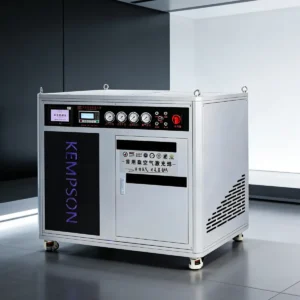
KEMPSON offers laser welding machines in various power ratings: 1,500 W laser welding machines, 2,000 W laser welding machines, and 3,000 W laser welding machines
3000W Laser Welder Stainless Steel Thickness
Stainless steel is one of the most common materials used in laser welding. A 3000W laser welder is suitable for stainless steel fabrication, equipment structures, and heavy components. The welding thickness depends on plate thickness, joint design, welding speed, and process settings.
| Thickness | Applications |
|---|---|
| 0.5–3mm | Sheet metal fabrication |
| 3–6mm | Equipment frames and structural parts |
| 6–10mm | Heavy components and industrial parts |
A 3000W laser welder can typically weld 5–10mm stainless steel. Some industrial welding systems can reach 12mm with suitable joint design and welding conditions.
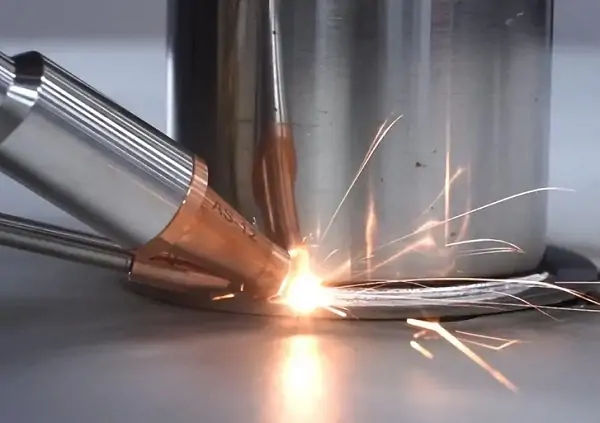
- Deep Penetration: The higher power output provides sufficient heat input for thicker stainless steel plates and reduces the need for multiple welding passes.
- Higher Welding Speed: Compared with lower-power laser welders, 3000W models can maintain higher welding speeds when the same penetration depth is required.
- Reduced Multi-Pass Welding: For medium and thick stainless steel, 3000W laser welding can reduce the number of welding passes and improve production efficiency.
A 3000W laser welder does not need to run at full power for every application. Thin stainless steel sheets require lower power settings to reduce burn-through and deformation. Thick plates use higher power output to maintain penetration. The actual welding thickness should be confirmed through material testing and welding trials before production.
3000W Laser Welder Carbon Steel Thickness
Carbon steel is widely used in industrial fabrication, machinery, and structural components. The welding thickness of a 3000W laser welder depends on equipment type, joint design, welding speed, and whether filler wire is used.
| Equipment Type | Welding Thickness |
|---|---|
| Handheld Laser Welder | 5–9mm |
| Industrial Laser Welding System | 10–12mm |
For common handheld 3000W laser welders, carbon steel welding thickness is usually around 7–9mm. Industrial welding systems with optimized processes can reach 10–12mm under suitable conditions.
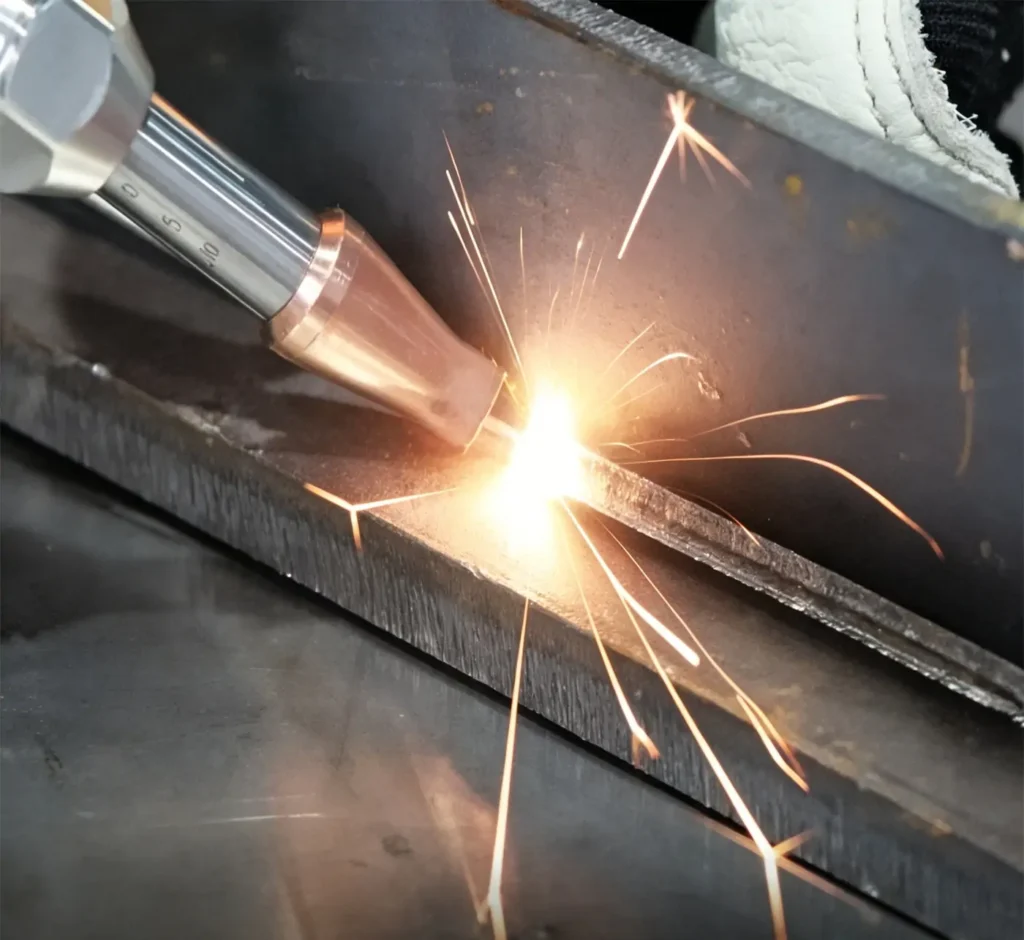
- Medium and Thick Plate Welding: The 3000W output provides higher heat input for carbon steel plates above 5mm, reducing the need for multiple welding passes.
- High Welding Efficiency: Compared with lower-power models, 3000W laser welders can maintain higher welding speed when processing medium-thickness carbon steel.
- Heavy-Duty Applications: 3000W laser welding is commonly used for steel structures, equipment frames, machine parts, and other industrial components.
The actual welding thickness varies between equipment models. Handheld laser welders focus on flexibility and operation convenience, while industrial systems are designed for thicker plate welding. Joint type, welding speed, focus position, and wire feeding also affect the final welding capability. Testing with the same material and thickness before production is recommended.
3000W Laser Welder Aluminum Thickness
Aluminum alloy has high thermal conductivity and high laser reflectivity. Compared with stainless steel and carbon steel, aluminum requires higher energy density during laser welding. A 3000W laser welder can usually weld 4–6mm aluminum alloy in common handheld applications. Industrial welding systems can reach 8–10mm under suitable welding conditions.
| Equipment Type | Welding Thickness |
|---|---|
| Handheld Laser Welder | 4–6mm |
| Industrial Laser Welding System | 8–10mm |
| Double-Sided Welding Process | Around 10mm |
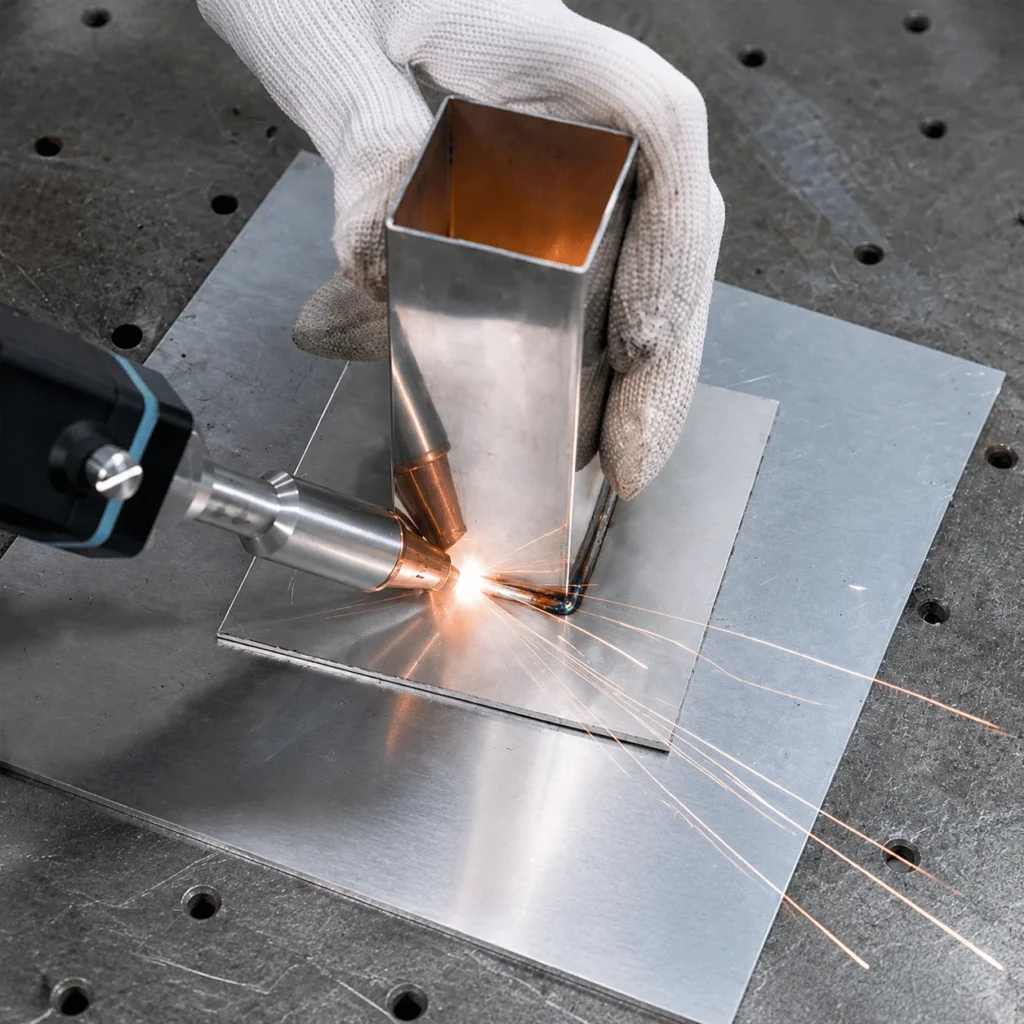
- High Power Output: The 3000W laser source provides higher heat input for aluminum welding and improves penetration on medium-thickness plates.
- Focus and Parameter Adjustment: Aluminum welding requires accurate focus position, suitable welding speed, and proper wire feeding settings. Incorrect parameters may cause poor penetration or unstable weld formation.
- Typical Applications: 3000W laser welders are used for aluminum frames, equipment parts, automotive components, and other medium-thickness aluminum structures.
The actual welding thickness depends on aluminum alloy type, joint design, filler wire, welding speed, and equipment configuration. For thicker aluminum parts, test welding with the same material and thickness is recommended before production.
Factors Affecting 3000W Laser Welding Thickness
- Laser Power: Higher laser power allows greater welding thickness. A 3000W laser welder can weld stainless steel up to around 12mm under suitable conditions.
- Material Type: Different materials have different laser absorption rates. Carbon steel is easier to weld than high-reflective materials such as aluminum alloy, which usually has a lower welding thickness at the same power level.
- Welding Speed: Excessive welding speed reduces heat input and may cause insufficient penetration. Slow welding speed increases heat input and may cause burn-through.
- Focus Position: Focus position affects laser energy density. Proper focus adjustment is required to maintain penetration depth and weld quality.
- Joint Type: Butt joints, lap joints, and fillet welds have different penetration requirements. Fillet welding can usually achieve greater welding thickness.
- Wire Feeding: Filler wire helps fill gaps and improves weld filling performance, can increase the effective welding thickness.
- Equipment Type: Handheld laser welders and industrial laser welding systems have different thickness capabilities. Industrial systems are designed for thicker plate welding applications.
3000W vs 2000W Laser Welder Thickness Comparison
The main difference between a 2000W and 3000W laser welder is the thickness range and production capability. A 3000W laser welder provides deeper penetration for thicker materials and heavier welding applications.
| Comparison | 2000W Laser Welder | 3000W Laser Welder |
|---|---|---|
| Stainless Steel | 3–6mm | 5–10mm |
| Carbon Steel | 5–6mm | 7–10mm |
| Aluminum Alloy | 3–4mm | 4–8mm |
| Welding Speed | Suitable for general production | Higher speed on medium and thick plates |
| Application | Sheet metal, equipment parts, general fabrication | Structural parts, heavy components, industrial welding |
A 2000W laser welder is suitable for most daily metal fabrication work. A 3000W laser welder is better for users who regularly process thicker materials or need higher production efficiency. The actual welding thickness depends on material type, joint design, welding speed, focus position, and wire feeding.
For a comparison of 2000W and 3000W laser welding and their applications, please see the article: 2000W vs 3000W Laser Welding Machine: Which One Should You Choose?
Conclusion
The welding thickness of a 3000W laser welder depends on material type, joint design, welding speed, focus position, and wire feeding settings. Stainless steel and carbon steel can reach greater thickness ranges, while aluminum requires more precise parameter control due to its material properties.
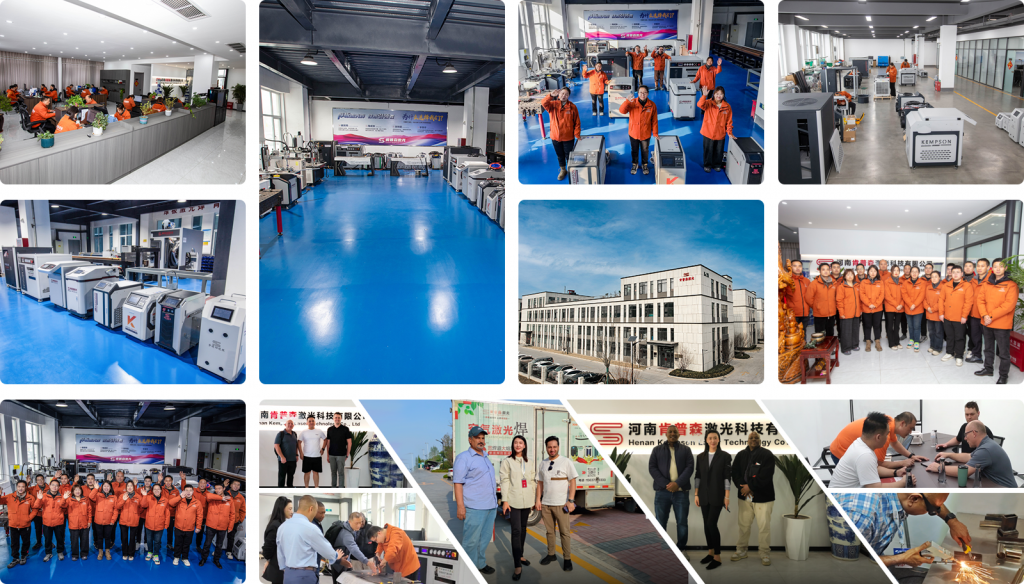
KEMPSON provides 1000W–6000W laser welding machines for different metal processing applications. As a professional laser welding machine manufacturer and supplier, we offer equipment selection support, welding parameter guidance, customized solutions, and after-sales service.
Whether you need to weld stainless steel, carbon steel, aluminum, or other metal materials, KEMPSON can provide a suitable laser welding solution based on your production requirements. Contact us to discuss your laser welding needs.
FAQ
How thick can a 3000W laser welder weld?
A 3000W laser welder can typically weld 6–10mm stainless steel and carbon steel, and around 3–5mm aluminum depending on conditions.
Can a 3000W laser welder weld 10mm steel?
Yes, a 3000W laser welder can weld around 10mm steel with suitable parameters and joint preparation.
Can a 3000W laser welder weld aluminum?
Yes. A 3000W laser welder can weld aluminum around 3–5mm depending on alloy type and welding conditions.
Is 3000W enough for thick plate welding?
A 3000W laser welder is suitable for medium and thick plate welding. Thicker materials may require multiple passes.
Does laser welding thickness depend only on power?
No. Thickness also depends on material type, welding speed, focus position, wire feeding, and joint design.
Can a 3000W laser welder replace traditional welding for thick plates?
For many medium-thickness applications, yes. Very thick plates may still require traditional welding processes.
What is the maximum thickness a handheld laser welder can weld?
The maximum thickness depends on laser power and material. A 3000W handheld laser welder can handle thicker materials than 1500W or 2000W models.
Should I choose a 2000W or 3000W laser welder?
Choose based on your common material thickness. 2000W suits general fabrication, while 3000W is better for thicker materials and higher production demand.