Table of Contents
Introduction
Aluminum laser welding can produce several common defects, including porosity, hot cracking, lack of fusion, spatter, undercut, and an unstable weld appearance. These problems are often related to material cleanliness, moisture, laser power, focus position, shielding gas, welding speed, wire feeding, and joint design. Because aluminum has high thermal conductivity and a stable oxide layer, small changes in welding conditions can affect penetration, weld formation, and overall weld quality.
Identifying the cause is the first step to improving the weld. In this guide, we explain the most common aluminum laser welding problems, why they occur, and how to fix them. You will learn how to troubleshoot porosity, cracks, lack of fusion, spatter, undercut, and burn-through, as well as how to adjust key welding parameters for more consistent aluminum welds.
What Are the Most Common Aluminum Laser Welding Problems?
Aluminum laser welding can produce different types of weld defects when material preparation, welding parameters, or process conditions are not properly controlled. The most common problems include porosity, cracks, lack of fusion, spatter, undercut, burn-through, and uneven weld beads.
| Problem | Appearance | Common Causes |
|---|---|---|
| Porosity | Small holes or cavities inside the weld | Moisture, oil, surface contamination, unstable shielding gas |
| Cracks | Visible cracks in or around the weld | Alloy composition, excessive heat input, thermal stress, solidification cracking |
| Lack of Fusion | Incomplete bonding between the weld metal and base material | Low laser power, excessive welding speed, improper focus position |
| Spatter | Metal droplets around the weld area | Excessive energy density, unstable process, surface contamination |
| Undercut | A groove along the edge of the weld | Excessive heat input, improper welding speed or wire feeding |
| Burn-Through | Excessive penetration, holes, or melted-through areas | Excessive laser power, slow welding speed, excessive heat input |
| Uneven Weld Bead | Irregular weld width or inconsistent bead shape | Unstable wire feeding, focus variation, speed fluctuation, uneven joint gap |
Among these defects, porosity and cracking require particular attention when welding aluminum. Porosity is often associated with hydrogen entering the weld pool, with moisture, surface contamination, and the oxide layer being common sources. Proper cleaning and stable shielding gas protection are important for reducing this problem. Cracks are also a serious concern because aluminum alloys can be sensitive to solidification cracking and thermal stress during welding.
1. Porosity in Aluminum Laser Welding
Porosity is a common defect in aluminum laser welding. It is mainly caused by moisture, surface contamination, shielding gas problems, unstable keyholes, or incorrect welding parameters.
What Causes Porosity?
Porosity is mainly caused by gas trapped in the weld pool during solidification.
- Moisture and Contamination — Dirt, oil, moisture, or other contaminants release gas during welding and create pores inside the weld.
- Oxide Layer — Aluminum oxide on the material surface can affect weld pool stability and increase the risk of defects.
- Poor Shielding Gas Protection — Insufficient gas flow or improper shielding allows air to enter the weld area and causes porosity.
- Unstable Keyhole — An unstable laser keyhole can trap gas during the solidification process.
- Incorrect Laser Parameters — Improper laser power, welding speed, or focus position can create an unstable weld pool.
- Unstable Wire Feeding — Inconsistent filler wire feeding disturbs the weld pool and affects weld quality.
Porosity in aluminum laser welding isn’t caused by a single factor. How can it be prevented? For more details, see: How to Reduce Aluminum Laser Welding Porosity?
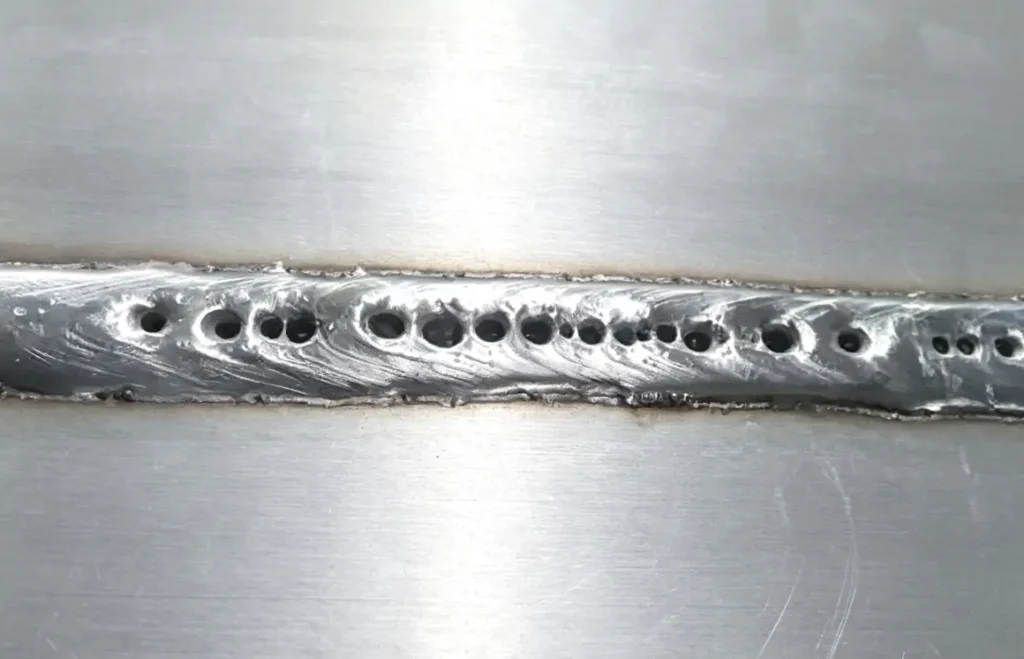
How to Prevent Porosity
- 1. Clean the Material: Remove oil, grease, dust, moisture, and excessive oxide before welding. Keep the filler wire clean and dry.
- 2. Check Shielding Gas: Use suitable high-purity shielding gas and check the gas flow, nozzle position, hoses, and connections. Too little or excessive gas flow can affect shielding.
- 3. Adjust Laser Parameters: Match laser power, welding speed, and focus to the aluminum alloy, thickness, and joint type. Incorrect settings can make the keyhole unstable.
- 4. Check Wire Feeding: Keep the wire feeding speed and position stable. Check the wire, feeding wheels, and guide system when porosity changes during welding.
For critical welds, visual inspection can be supplemented with X-ray or ultrasonic testing to check internal porosity.
2. Cracks in Aluminum Laser Welding
Cracks are serious aluminum welding defects that can reduce joint strength. They are mainly related to alloy composition, heat input, filler wire, joint fit-up, and welding restraint.
Why Does Aluminum Laser Welding Crack?
Aluminum laser welding cracks are mainly related to alloy composition, heat input, solidification behavior, and joint conditions.
- Aluminum Alloy Composition — Some aluminum alloys are more sensitive to solidification cracking due to their chemical composition and weldability.
- Excessive Heat Input — High heat input increases thermal stress and weld distortion, which can lead to cracking.
- Rapid Solidification — Fast cooling creates shrinkage stress in the weld area and increases crack risk.
- Incorrect Filler Wire Selection — An unsuitable filler alloy may reduce weld ductility and increase hot-cracking risk.
- Poor Joint Fit-Up — Excessive gaps or misalignment can create uneven stress distribution during welding.
- Excessive Restraint — Restricted weld shrinkage increases internal stress and may cause cracks after solidification.
High base metal purity reduces porosity and hot cracking during laser welding. Correct aluminum sheet and coil specifications maintain joint strength and bead uniformity. Raw material options are listed at Union Alu.

How to Reduce Cracking
- 1. Select the Right Filler Wire: Match the filler wire to the aluminum alloy and application. ER4043 and ER5356 are common choices.
- 2. Control Heat Input: Set laser power and welding speed according to material thickness and joint type. Excessive heat increases cracking risk.
- 3. Check Joint Fit-Up: Keep the joint gap and alignment consistent. Poor fit-up can increase welding stress.
- 4. Reduce Fixture Restraint: Use suitable fixtures without excessively restricting thermal movement.
- 5. Control Weld Start and End: Use suitable start and termination parameters to reduce crater cracking.
- 6. Keep the Material Clean: Remove oil, grease, moisture, and dust before welding. Clean surfaces help reduce porosity and weld instability.
Aluminum laser welding cracks usually involve more than one factor. Check filler wire, heat input, joint fit-up, and fixture restraint together during troubleshooting.
When welding aluminum with significant width and depth, it is necessary to use filler wire of the appropriate size. For information on how to select the type and size of filler wire, see: Aluminum Laser Welding Filler Wire: Alloy Selection and Diameter Guide
3. Lack of Fusion in Aluminum Laser Welding
Lack of fusion occurs when the weld metal does not fully bond with the base metal. It is mainly caused by insufficient heat input, incorrect beam positioning, poor joint fit-up, or insufficient filler metal.
What Causes Lack of Fusion?
Lack of fusion occurs when the laser energy is insufficient to fully melt and join the base material or filler wire. Common causes include:
- Low Laser Power — Insufficient heat input prevents complete melting of the joint area.
- High Welding Speed — Reduces energy input and limits weld penetration.
- Incorrect Focus Position — Lowers energy density at the weld joint.
- Poor Joint Fit-Up — Prevents the weld pool from reaching and bonding the joint root.
- Beam Misalignment — Causes uneven melting on both sides of the joint.
- Insufficient Filler Wire — Leads to incomplete filling and weak fusion.
- Surface Contamination — Reduces laser absorption and affects weld pool wetting.

How to Fix Lack of Fusion
- 1. Match Power to Material Thickness: Check whether the laser power is suitable for the aluminum thickness and joint design.
- 2. Check Joint Fit-Up: Keep the joint gap and alignment within the required range. Excessive or insufficient gaps can affect fusion.
- 3. Increase Laser Power if Needed: If heat input is insufficient, increase laser power gradually. Avoid excessive power, which can cause overheating, spatter, or porosity.
- 4. Reduce Welding Speed: If the welding speed is too high, reduce it to increase heat input and improve penetration.
- 5. Adjust the Focus Position: Set the focus according to the material thickness and joint geometry. Incorrect focus can reduce energy density at the fusion area.
- 6. Check Filler Wire Position: Keep the wire feeding point within the laser-affected area. Incorrect wire positioning can cause uneven filling and poor fusion.
- 7. Run a Test Weld: Before production, test the same material and joint with the selected parameters. Cross-section inspection can be used to check fusion and penetration.
Lack of fusion is usually related to heat input, beam position, joint fit-up, or filler wire. Check these factors together and verify the result with a test weld before production.
4. Excessive Spatter During Aluminum Laser Welding
Spatter occurs when molten metal is ejected from the weld pool. Excessive spatter is usually related to high power density, an unstable keyhole, incorrect focus, wire feeding, or shielding gas.
Why Does Aluminum Laser Welding Produce Spatter?
Common causes include:
- Excessive laser power density
- Unstable keyhole
- Incorrect focus position
- Unstable wire feeding
- Surface contamination
- Poor shielding gas protection

How to Reduce Spatter
| Check | What to Adjust |
|---|---|
| Laser power | Match power to material thickness |
| Welding speed | Maintain suitable heat input |
| Focus | Check focal position |
| Wire feeding | Stabilize speed and position |
| Shielding gas | Check flow and nozzle alignment |
| Surface | Remove oil and contamination |
5. Undercut and Burn-Through
Undercut is a groove formed along the weld edge. It is commonly caused by excessive heat input, high welding speed, incorrect beam position, or improper wire feeding. Burn-through occurs when excessive heat melts through the material. It is more common with thin aluminum or excessive joint gaps.
Why Do Undercuts and Burn-Throughs Occur?
- Excessive laser power
- Low welding speed
- Excessive heat input
- Thin aluminum material
- Excessive joint gap
- Incorrect beam position or wire feeding

How to Prevent Undercut and Burn-Through:
- Adjust laser power and welding speed to maintain suitable heat input.
- Optimize focus position and beam alignment for stable energy distribution.
- Select proper filler wire feeding speed according to welding conditions.
- Control joint gap and ensure proper fit-up before welding.
- Use suitable welding parameters for different aluminum thicknesses.
To reduce undercut and burn-through, check laser power, welding speed, focus position, and joint gap.
6. Uneven or Unstable Aluminum Laser Welds
An uneven weld bead can result from inconsistent movement, wire feeding, focus, material fit-up, or shielding gas.
Common Causes
- Unstable hand movement
- Inconsistent welding speed
- Unstable wire feeding
- Incorrect focus
- Poor material fit-up
- Inconsistent shielding gas

How to Improve Weld Consistency
Keep the torch movement and welding speed steady. Check the focus position, joint fit-up, wire feeding, and shielding gas when the bead width or shape changes.
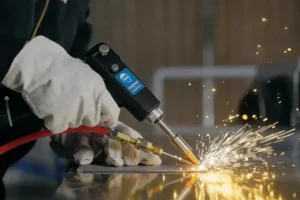
For handheld laser welding machines, stable torch control is important for consistent welds. When filler wire is used, a suitable wire feeder can help maintain a steady feeding speed and position.
Aluminum Laser Welding Troubleshooting Chart
Aluminum laser welding defects are mainly related to material condition, laser parameters, shielding gas, and wire feeding.
| Welding Problem | Possible Cause | Recommended Check |
|---|---|---|
| Porosity | Moisture or contamination; unstable keyhole; poor gas protection | Clean the material and wire; check gas flow, purity, and nozzle position |
| Cracks | Alloy cracking sensitivity; excessive heat input; unsuitable filler wire | Check the alloy and filler wire; adjust laser power and welding speed |
| Lack of Fusion | Low laser power; high welding speed; incorrect focus; poor joint fit-up | Match power to material thickness; reduce speed if needed; check focus and joint gap |
| Spatter | Unstable keyhole; excessive power; contamination; poor gas protection | Check power, focus, gas flow, and material cleanliness |
| Burn-Through | Excessive heat input; low welding speed; large joint gap | Reduce power or increase speed; check focus and joint gap |
| Undercut | Excessive heat input; high welding speed; insufficient wire feeding | Adjust power and speed; check wire diameter, feeding speed, and position |
| Uneven Bead | Unstable travel speed; unstable wire feeding; poor fit-up; equipment vibration | Check torch movement, wire feeding, joint fit-up, and fixture stability |
Most aluminum laser welding defects are related to material cleanliness, laser parameters, shielding gas, and wire feeding. Check these basic conditions first, then adjust power, speed, focus, gas, and wire feeding as needed.
Aluminum Laser Welding: Pre-Production Checklist
A basic pre-production check helps prevent common aluminum laser welding defects and keeps the welding process stable. Check the material, joint, parameters, and equipment before production.
Before Welding
- Check the Alloy and Thickness
Confirm the aluminum alloy and material thickness. Set the initial welding parameters accordingly. - Clean the Surface
Remove oil, moisture, dust, and excessive oxide before welding. - Check Joint Fit-Up
Check the joint gap, alignment, and surface condition before welding. - Select the Filler Wire
Choose filler wire compatible with the base alloy and joint requirements. - Check Shielding Gas
Check gas purity, flow, nozzle position, and hose connections. - Set Initial Parameters
Set laser power, welding speed, focus, and wire feeding based on the material and joint.
During Welding
- Keep Travel Speed Stable
Avoid sudden changes in welding speed, which can affect heat input and penetration. - Monitor the Weld Pool
Watch the weld pool and keyhole for changes in size, shape, or stability. - Keep the Nozzle Position Stable
Maintain a consistent torch angle, height, and position. - Check Wire Feeding
Keep wire feeding speed and position stable when filler wire is used. - Watch for Spatter and Porosity
Sudden increases in spatter or visible porosity indicate that the welding conditions need to be checked.
After Welding
- Inspect the Weld Appearance
Check for cracks, undercut, spatter, pores, and uneven bead formation. - Check Penetration
Confirm that penetration meets the design requirements. - Check for Cracks and Porosity
Pay particular attention to the weld center and termination area. - Perform Required Testing
Use X-ray, ultrasonic, bend, or tensile testing when required by the application or customer specification. - Record Qualified Parameters
Record the verified power, speed, focus, wire feeding, and gas settings for repeat production.
A practical checklist covers material preparation, welding conditions, and final inspection. For batch production, keep the verified parameters as the standard settings for the same material and joint.
Problems with aluminum welding have always existed, but they are not inevitable. For common issues and solutions in fiber laser welding, see the article: Fiber Laser Welding Aluminum: Challenges and Solutions
Can a Handheld Laser Welding Machine Weld Aluminum?
Yes. Handheld laser welding machines can weld aluminum when the laser power, optical system, shielding gas, welding parameters, and filler wire are matched to the alloy and material thickness.
Aluminum has high thermal conductivity and requires stable heat input. The right laser power should be selected based on material thickness, joint type, welding speed, and production requirements.
What Power Is Suitable for Aluminum Laser Welding?
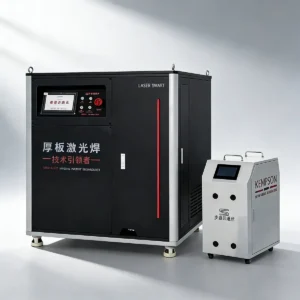
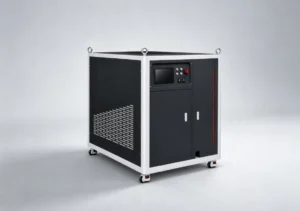
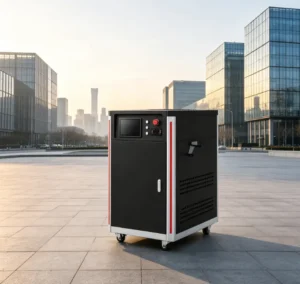
KEMPSON offers aluminum laser welding machines from 1500W to 6000W for different production requirements:

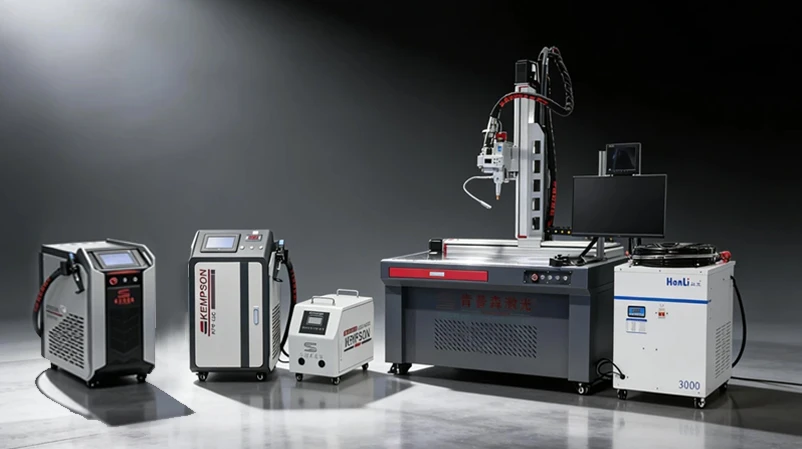
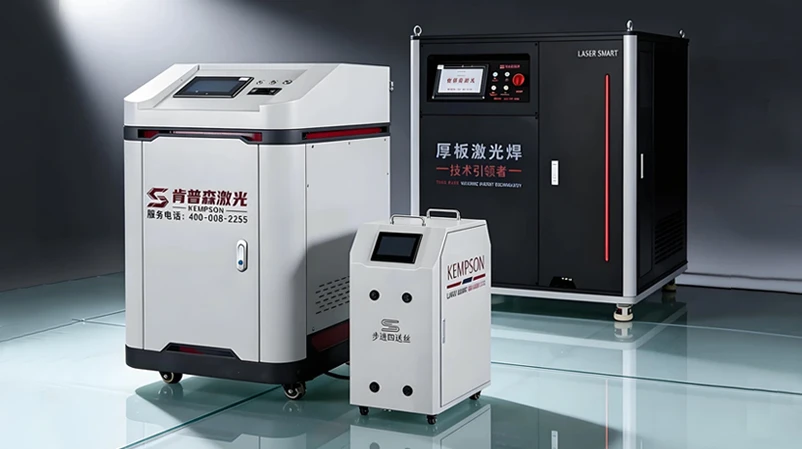

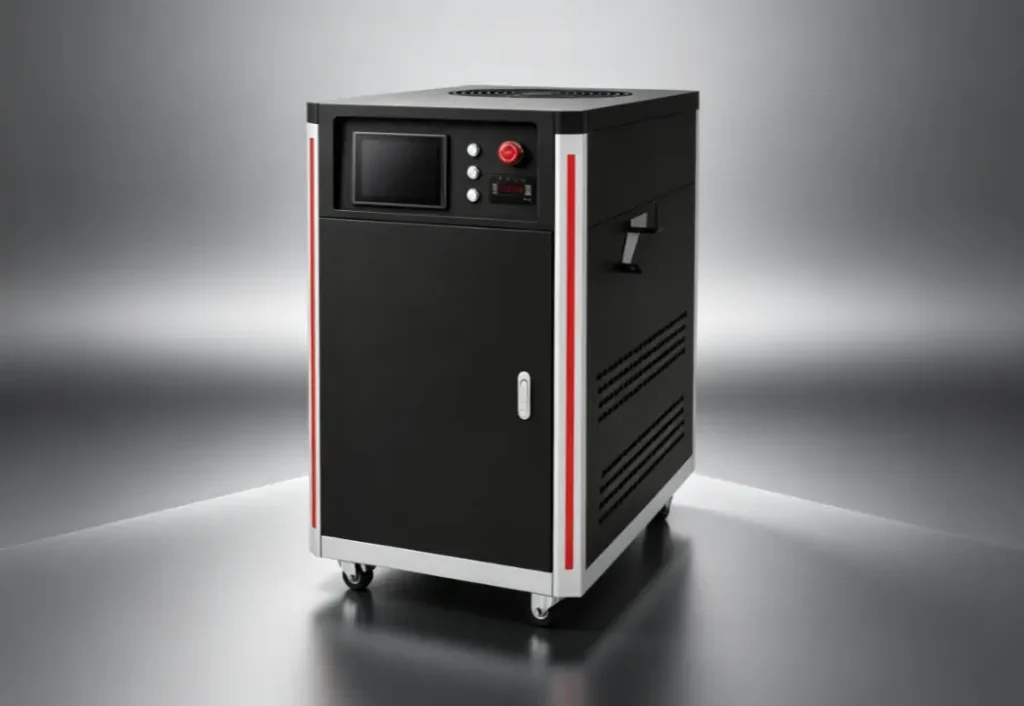
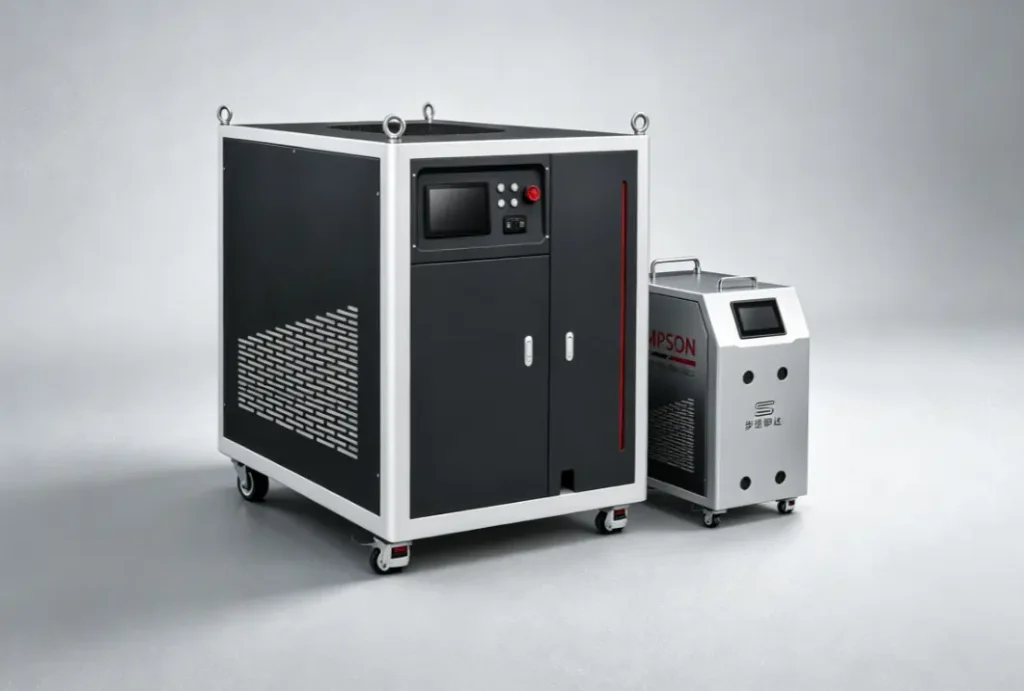
Power selection should not be based on wattage alone. Material thickness, aluminum alloy, joint design, welding speed, filler wire, and required penetration should all be considered.
Why Choose a KEMPSON Laser Welding Machine for Aluminum?
KEMPSON provides 1500W–6000W laser welding solutions for different aluminum welding requirements. The configuration can be selected according to material, thickness, joint type, welding speed, and production needs.
For a suitable model and welding parameters, contact us with your aluminum alloy, material thickness, and joint type for a recommended configuration.
FAQ
Why does aluminum laser welding produce porosity?
Porosity is mainly caused by moisture, surface contamination, poor shielding gas protection, unstable keyholes, or unsuitable laser parameters. Clean the material and filler wire, then check gas flow, focus, power, and welding speed.
How do you prevent porosity in aluminum laser welding?
Clean the aluminum surface before welding and keep the filler wire dry. Check shielding gas flow and nozzle position, then adjust laser power, welding speed, and focus for a stable weld pool.
Why does my aluminum laser weld crack?
Cracking can be related to the aluminum alloy, excessive heat input, unsuitable filler wire, poor joint fit-up, or excessive fixture restraint. Check the alloy and filler wire first, then review the welding parameters.
How do you prevent cracks in aluminum laser welding?
Use a filler wire compatible with the base alloy and control laser power and welding speed. Keep the joint properly fitted and avoid excessive fixture restraint.
Why does aluminum laser welding have spatter?
Excessive spatter is commonly caused by high power density, an unstable keyhole, incorrect focus, unstable wire feeding, contamination, or poor shielding gas. Check power, focus, wire feeding, gas flow, and surface condition.
How do you fix lack of fusion in aluminum laser welding?
Check laser power, welding speed, focus position, beam alignment, and joint gap. Increase heat input or reduce welding speed when required, while avoiding excessive heat.
What causes burn-through when laser welding aluminum?
Burn-through is usually caused by excessive heat input, high laser power, low welding speed, thin material, or an excessive joint gap. Adjust power, speed, focus, and joint gap to control penetration.
What laser power is suitable for aluminum welding?
The required power depends on the aluminum alloy, thickness, joint type, welding speed, and penetration requirement. KEMPSON offers laser welding machines from 1500W to 6000W, covering thin aluminum fabrication through higher-thickness and heavy-duty applications.