Table of Contents
Introduction
Shielding gas plays an important role in laser welding by protecting the molten pool, improving weld appearance, and reducing welding defects. Among the commonly used gases, argon and nitrogen are the two most widely selected options in industrial laser welding applications. However, there is no single gas that is suitable for every situation. The right choice depends on factors such as material type, welding requirements, and production cost.
In this article, I will compare argon vs nitrogen for laser welding from several aspects, including gas characteristics, welding performance, material compatibility, cost differences, and practical application scenarios. By understanding the advantages and limitations of each shielding gas, you can make a more suitable choice for your laser welding process.
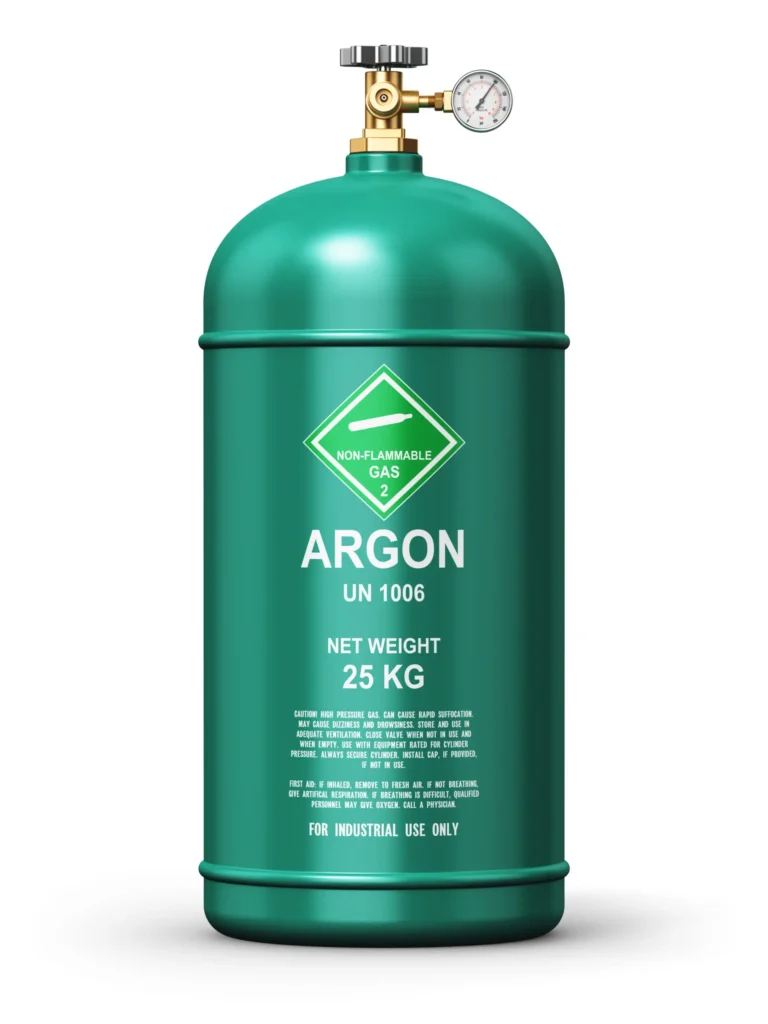
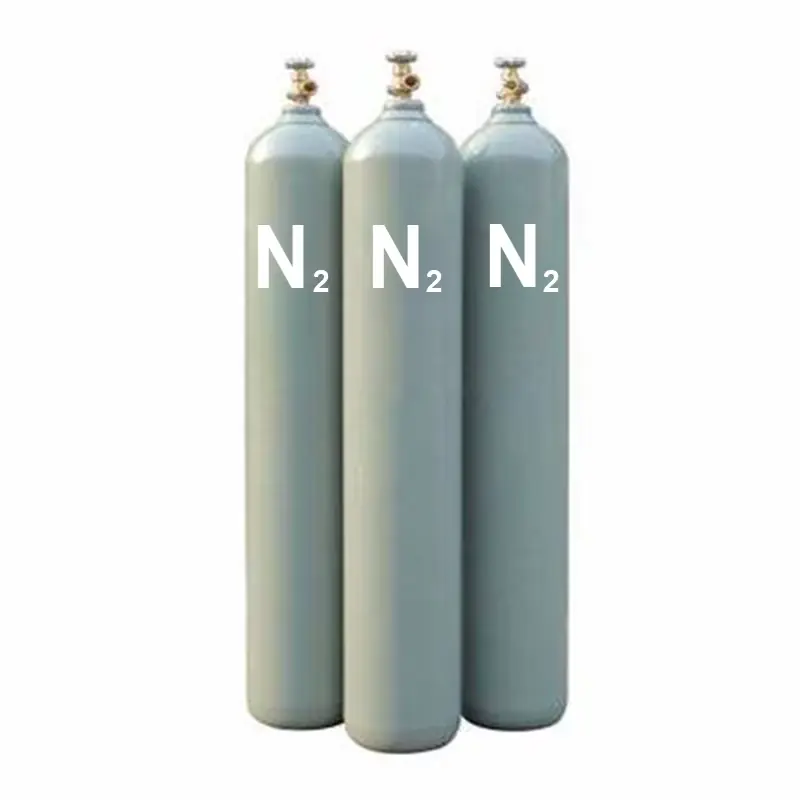
Why Is Shielding Gas Important in Laser Welding?
Shielding gas is an important part of laser welding. It protects the molten pool, controls oxidation, affects weld appearance, and influences welding stability.
- Preventing Oxidation: The molten pool reaches high temperatures during laser welding and reacts with oxygen easily. Shielding gas separates the welding area from the surrounding air and reduces oxidation, discoloration, and surface defects.
- Reducing Plasma Interference: Laser welding produces metal vapor and plasma. Shielding gas removes the plasma plume around the weld area and maintains effective laser energy transfer.
- Improving Weld Quality: Different shielding gases have different effects on weld performance. Argon provides stable protection and good weld appearance. Nitrogen fits some material applications and cost-sensitive production.
- Stabilizing the Molten Pool: Gas flow affects molten pool movement and keyhole stability. Proper gas flow reduces porosity, spatter, and uneven weld formation.
In laser welding, shielding gas directly affects weld protection and welding performance. The right gas selection helps maintain weld appearance, stability, and quality based on material type and production requirements.
To learn more about the importance of shielding gas in laser welding, see the article: “Do Laser Welders Need Gas?”
Argon vs Nitrogen for Laser Welding: Key Differences
Argon and nitrogen are common shielding gases used in laser welding. They have different characteristics in chemical stability, weld protection, material compatibility, and operating cost.
Chemical Properties
Argon
- Argon is an inert gas with stable chemical properties.
- It has little reaction with most metals during laser welding.
- It is commonly used for aluminum, copper, titanium, and stainless steel welding.
Nitrogen
- Nitrogen has higher activity than argon under high welding temperatures.
- It may react with some metals and form nitrides.
- It requires careful evaluation when used for aluminum and other reactive metals.
Weld Protection Performance
Argon
- Argon creates a stable shielding atmosphere around the molten pool.
- It reduces oxidation, discoloration, and surface defects.
- It is widely used for applications with strict weld appearance requirements.
Nitrogen
- Nitrogen provides shielding protection in many industrial welding processes.
- Its performance depends on the material and welding conditions.
- It is used in applications where nitrogen reaction risks are controlled.
Effect on Weld Quality
Argon
- Argon produces clean weld surfaces and stable welding results.
- It has good compatibility with various metals.
- It is suitable for precision welding applications.
Nitrogen
- Nitrogen can affect weld properties when it reacts with certain metals.
- Improper use may cause porosity, brittleness, or reduced weld performance.
- It is more suitable for materials with good nitrogen compatibility.
Cost and Application
Argon
- Argon has a higher supply cost than nitrogen.
- It is selected for applications requiring stable quality and wider material compatibility.
- Common applications include aluminum welding, stainless steel welding, and precision metal fabrication.
Nitrogen
- Nitrogen has a lower operating cost.
- It is used in applications where gas cost is an important factor.
- Common applications include some stainless steel welding and general industrial production.
Argon vs Nitrogen Comparison
| Item | Argon | Nitrogen |
|---|---|---|
| Gas Type | Inert Gas | Active Gas |
| Chemical Stability | High | Medium |
| Weld Protection | Excellent | Good |
| Material Range | Wide | Limited |
| Cost | Higher | Lower |
| Common Use | Precision welding | Cost-sensitive production |
How to Choose Between Argon and Nitrogen?
Argon is suitable for:
- Aluminum, copper, titanium, and stainless steel welding
- Applications requiring high weld appearance and stability
Nitrogen is suitable for:
- Materials compatible with nitrogen protection
- Production where gas cost needs to be controlled
The final gas choice depends on the material, welding requirements, and production conditions.
Which Gas Should You Use for Different Materials?
The choice of shielding gas depends on the material type, welding requirements, thickness, and production cost. Different materials require different gas solutions to maintain weld quality and process stability.
Stainless Steel: Recommended Argon
- Argon provides stable protection and a clean weld appearance.
- Suitable for common stainless steels such as 304 and 316.
- Nitrogen can be used for cost-sensitive applications, but argon is preferred for thicker parts and high-quality welding.
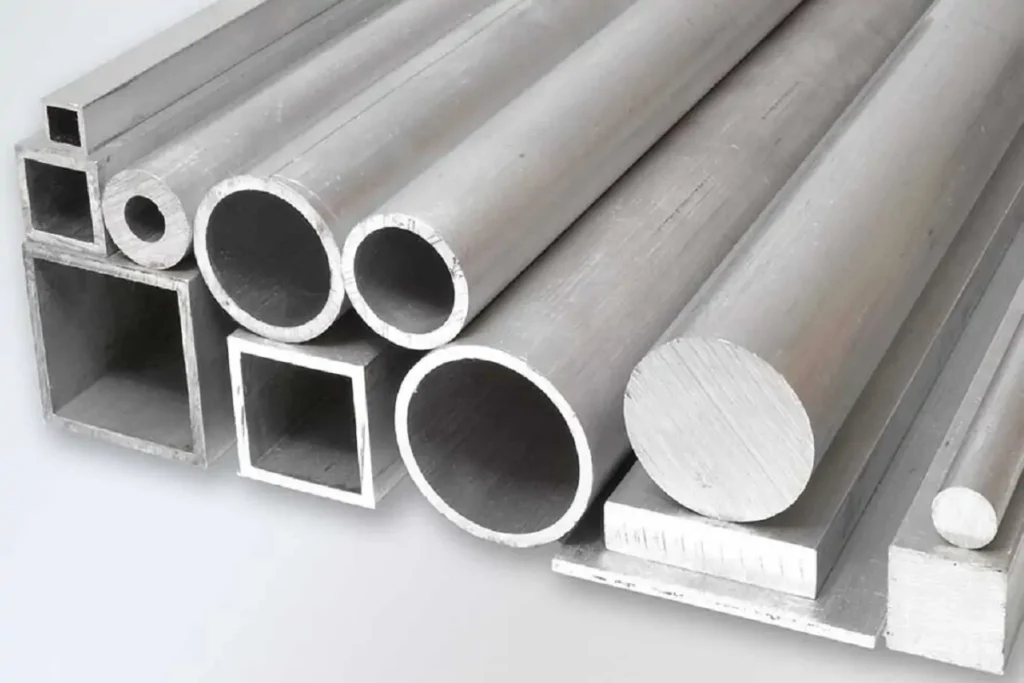
Aluminum and Magnesium Alloys: Recommended Helium or Argon-Helium mixture
- Aluminum and magnesium have high reflectivity and thermal conductivity.
- Helium improves heat transfer and supports deeper penetration.
- Argon is suitable for thin sheets and general aluminum welding.
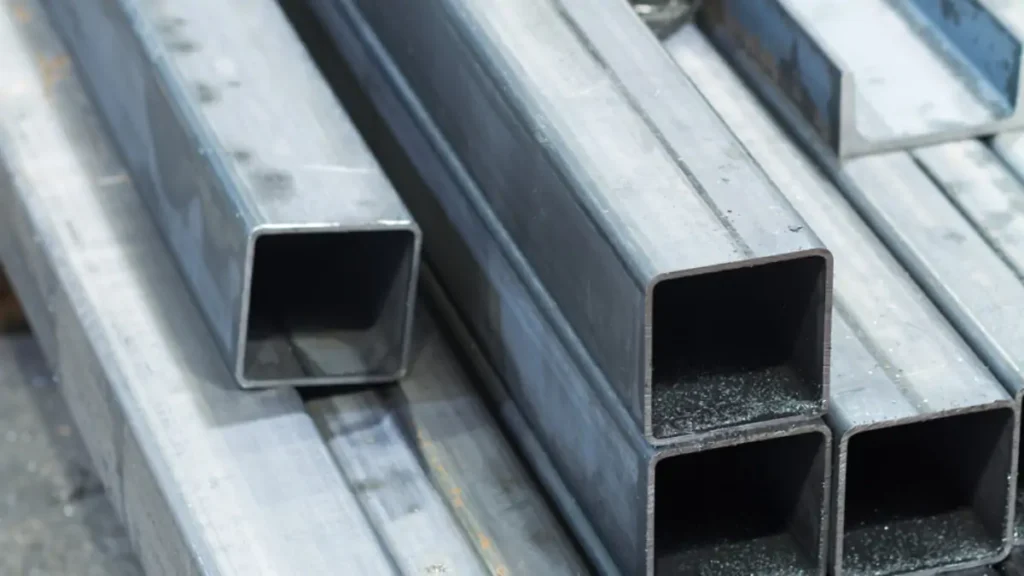
Carbon Steel and Low Alloy Steel: Recommended Nitrogen or Argon-Oxygen mixture
- Nitrogen offers lower gas cost and is used in general industrial welding.
- Argon-Oxygen mixtures improve molten pool wetting in some applications.
- Gas selection depends on weld strength and surface requirements.
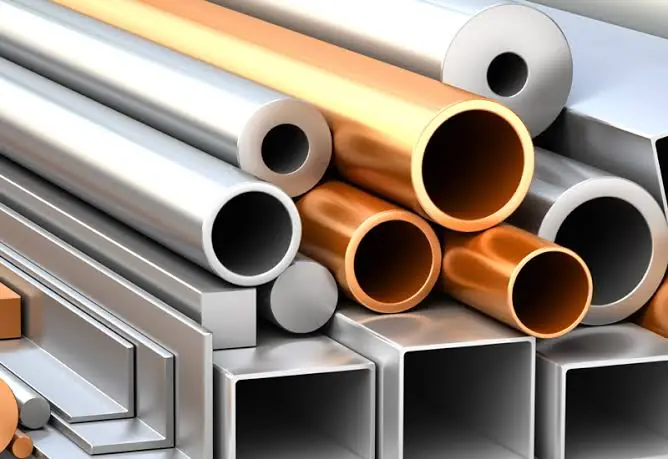
Copper and Copper Alloys: Recommended Helium or Argon-Helium mixture
- Copper has high thermal conductivity and requires higher energy input.
- Helium improves penetration and welding efficiency.
- Argon-Helium mixtures are used for demanding copper welding applications.
Shielding Gas Selection Guide
| Material | Recommended Gas | Application |
|---|---|---|
| Stainless Steel | Argon | General welding, high-quality welds |
| Aluminum Alloy | Argon / Argon-Helium | Thin to thick aluminum welding |
| Carbon Steel | Nitrogen / Argon-Oxygen | Cost-sensitive production |
| Titanium Alloy | High-purity Argon | High protection welding |
| Copper Alloy | Helium / Argon-Helium | High thermal conductivity materials |
Argon is the most commonly used shielding gas for laser welding. Nitrogen is used in applications where material compatibility and cost control are important. Helium is selected for materials requiring higher penetration and heat transfer.
Can Nitrogen Replace Argon in Laser Welding?
Nitrogen cannot fully replace argon in laser welding. The choice depends on material type, weld requirements, and production cost. Nitrogen works well in some applications, but direct replacement may affect weld quality in certain materials.
Properties Difference
Argon is an inert gas with stable chemical properties. It has little reaction with metals during laser welding and provides reliable protection for the molten pool.
Nitrogen remains stable at normal temperatures but can react with some metals under high welding temperatures. It may form nitrides, making it unsuitable for aluminum, magnesium, and titanium welding.
Applications Where Nitrogen Can Replace Argon
Stainless Steel Welding
- Nitrogen can be used for some stainless steel applications.
- It can improve weld formation and reduce certain defects.
- It is suitable for cost-sensitive stainless steel production.
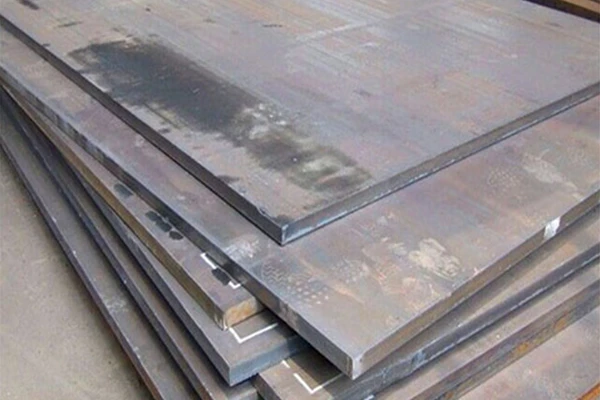
Carbon Steel Welding
- Nitrogen is used in general carbon steel welding.
- It offers lower gas cost and stable welding performance in suitable conditions.
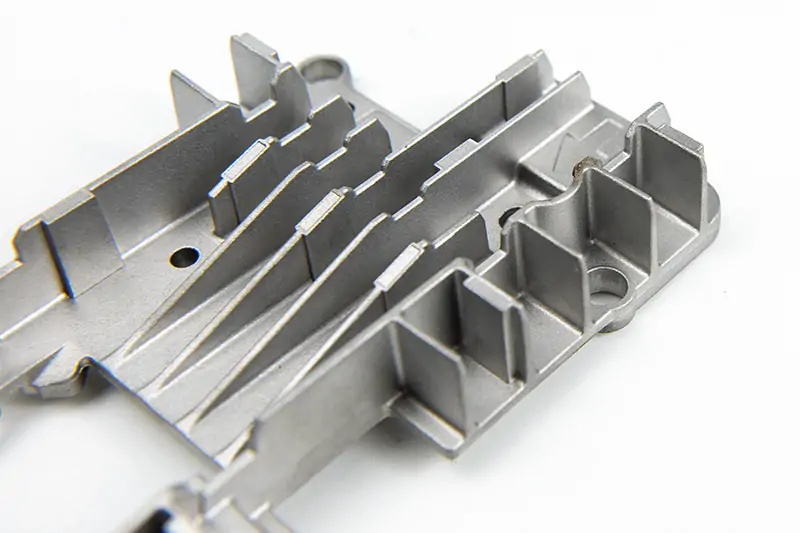
Special Material Applications
- Nitrogen-containing mixed gases can be used for some specific welding processes.
- The gas ratio needs to match the material and welding requirements.
Applications Where Argon Cannot Be Replaced
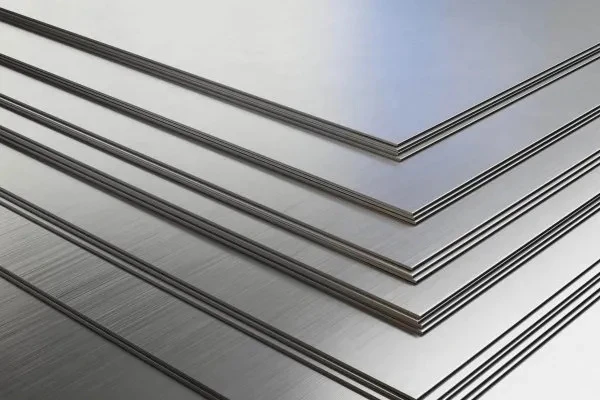
Aluminum, Magnesium, and Titanium
- These metals react easily with nitrogen at high temperatures.
- Nitrogen may cause nitrides, porosity, or reduced weld strength.
- Argon or argon-helium mixtures are preferred.
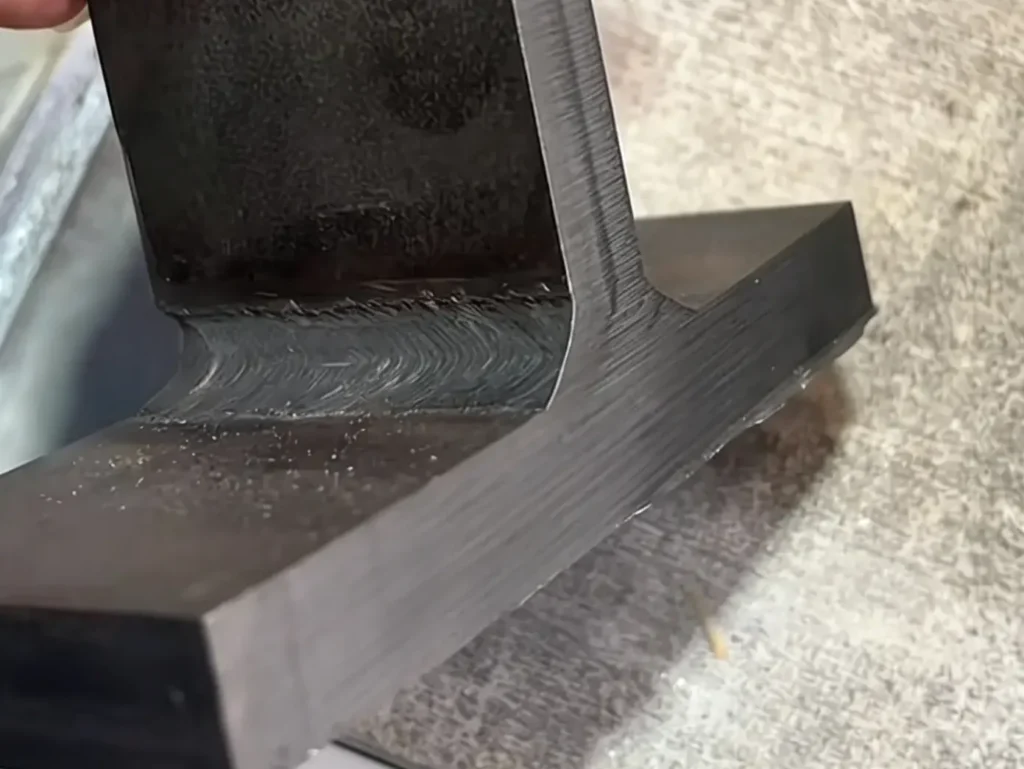
High-Power Thick Plate Welding
- Thick plate welding requires stronger plasma control and deeper penetration.
- Argon-helium mixtures are more suitable for these applications.
The final gas selection depends on material characteristics, welding parameters, and quality requirements.
Argon vs Nitrogen: Which One Is More Cost-Effective?
The cost of shielding gas depends on gas price, welding performance, defect rate, and production requirements. Nitrogen has a lower gas price, while argon offers wider material compatibility and more stable welding results.
Gas Cost Comparison
| Item | Argon | Nitrogen |
|---|---|---|
| Gas Price | Higher | Lower |
| Typical Cost | About 2.5 yuan/m³ | About 0.5 yuan/m³ |
| Supply Method | Gas cylinder or liquid argon | Cylinder or nitrogen generator |
| Long-Term Cost | Higher gas cost | Lower cost for large consumption |
Nitrogen has a clear advantage in gas price. On-site nitrogen generation can further reduce gas supply costs for continuous production.
Production Cost Comparison
Nitrogen is suitable when:
- Gas cost is a major concern
- Welding materials have good nitrogen compatibility
- Production volume is high
Argon is suitable when:
- Weld quality requirements are high
- Material compatibility is important
- Reducing rework and defects is a priority
Defect Risk Comparison
| Factor | Argon | Nitrogen |
|---|---|---|
| Oxidation Protection | Excellent | Good |
| Material Compatibility | Wide | Limited |
| Defect Risk | Lower | Higher for reactive metals |
| Rework Cost | Lower | May increase if unsuitable |
Argon provides stable protection for aluminum, titanium, and precision welding. Nitrogen requires careful evaluation for reactive metals because it may cause nitrides and weld defects.
Which Gas Saves More Money?
Choose Nitrogen for:
- Stainless steel welding with suitable process conditions
- Carbon steel welding
- Large-scale production with cost control requirements
Choose Argon for:
- Aluminum and titanium welding
- High-quality appearance requirements
- Precision welding applications
Need the lowest gas cost→ Choose nitrogen.
Need stable weld quality across different metals→ Choose argon.
Need both cost control and weld performance→ Consider an argon-nitrogen mixed gas based on welding tests.
How to Choose the Right Shielding Gas for Laser Welding?
The right shielding gas affects laser welding quality, stability, and production cost. Gas selection depends on the material, welding requirements, and working conditions.
- · Consider the Material Type
Different metals require different shielding gases. Argon is suitable for aluminum, titanium, and stainless steel. Nitrogen fits some stainless steel and carbon steel applications. - · Check Welding Quality Requirements
High-quality welds with strict appearance and strength requirements usually use argon or argon-helium mixtures. Cost-focused production can consider nitrogen when the material is compatible. - · Match the Welding Thickness
Thin sheets can use standard shielding gas solutions. Thick plates and deep penetration welding may require helium or argon-helium mixtures. - · Evaluate Production Cost
Nitrogen has a lower gas cost and suits large-volume production. Argon has a higher price but reduces defect risks in demanding applications. - · Test Gas Flow and Welding Results
Gas type and flow rate affect weld appearance, penetration, and stability. Trial welding helps confirm the suitable gas parameters.
Choosing the right shielding gas requires a balance between weld quality, material compatibility, and operating cost.
Conclusion
Argon and nitrogen have different advantages in laser welding. Argon provides stable protection and wide material compatibility, while nitrogen offers a cost-effective option for suitable applications. The right shielding gas depends on the material, welding requirements, and production conditions.
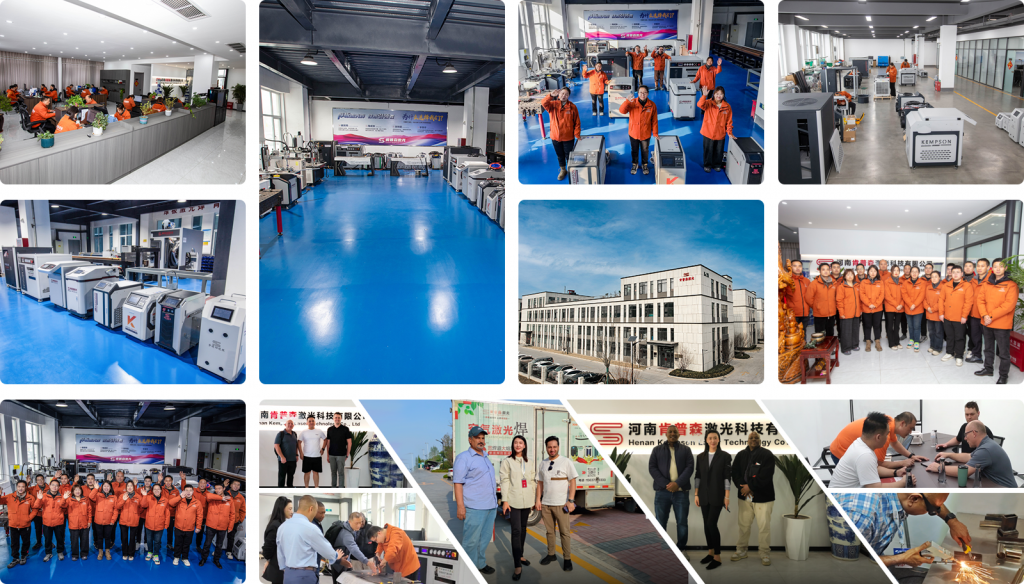
KENPSON specializes in laser welding machines, wire feeding systems, and related welding solutions. With professional manufacturing experience, advanced production technology, and strict quality control, KENPSON provides customized solutions for different welding applications. Our team offers technical support, application guidance, and after-sales service to help customers improve welding performance and production efficiency.
Contact us to discuss your laser welding requirements and find the right solution for your application.
FAQ
What gas is best for laser welding?
Argon is the most commonly used shielding gas for laser welding. It provides stable protection for the molten pool and works well with materials such as stainless steel, aluminum, and titanium. The best gas choice depends on the material and welding requirements.
Can nitrogen be used for laser welding?
Yes, nitrogen can be used for some laser welding applications. It is suitable for certain stainless steel and carbon steel welding processes. Nitrogen is not recommended for materials such as aluminum, magnesium, and titanium because it may cause unwanted reactions.
Is argon more expensive than nitrogen for welding?
Yes, argon usually costs more than nitrogen. Nitrogen has a lower gas price and is suitable for large-scale production where material compatibility and weld requirements allow its use.
Does laser welding require shielding gas?
Most laser welding applications require shielding gas. The gas protects the molten pool from oxidation and affects weld appearance, stability, and defect control.
Can I use nitrogen instead of argon for stainless steel laser welding?
Yes, nitrogen can replace argon in some stainless steel laser welding applications. The final choice depends on the stainless steel grade, weld quality requirements, and production conditions.
What happens if the wrong shielding gas is used?
Using an unsuitable shielding gas can cause oxidation, porosity, discoloration, cracking, or poor weld formation. Gas selection should match the material and welding process.
How pure should laser welding gas be?
Laser welding usually requires high-purity shielding gas. Argon and nitrogen with purity levels of 99.99% or higher are commonly used for industrial laser welding applications.
Can a nitrogen generator replace nitrogen cylinders for laser welding?
Yes, a nitrogen generator can replace gas cylinders in continuous production. It provides an on-site nitrogen supply and reduces gas storage and long-term supply costs.