Table of Contents
Introduction
Laser welding relies on stable shielding gas protection to prevent oxidation and maintain weld quality. In industrial production, inconsistent gas supply or low gas purity can affect weld appearance and performance. A gas generation system provides a continuous gas source by processing and separating air, making it a practical solution for laser welding applications.
In this guide, I will explain how a laser welding gas generation system works, including its main components, gas separation process, purity control, shielding gas selection, and industrial applications. I will also cover the differences between gas generation systems and traditional gas cylinders to help you better understand their role in laser welding.
What Is a Laser Welding Gas Generation System?
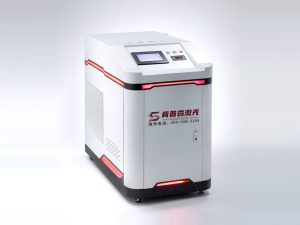
A laser welding gas generation system is an on-site device that produces shielding gas for laser welding applications. Instead of relying on gas cylinders, the system generates gases such as nitrogen from compressed air, removes moisture and impurities, and supplies stable gas flow to the welding area.
The system usually uses PSA (Pressure Swing Adsorption) or membrane separation technology to separate nitrogen from air. The generated high-purity gas protects the molten weld pool from oxidation and helps maintain consistent weld quality during laser welding.
Laser welding gas generation systems are commonly used with handheld laser welders, automated welding equipment, and industrial production lines. They reduce gas replacement frequency, save storage space, and provide a more stable gas supply for continuous welding operations.
Why Is Shielding Gas Important in Laser Welding?
Shielding gas is an essential part of laser welding. It protects the molten metal during welding and affects the final weld quality, surface condition, and welding stability.
Protect the Weld Pool from Oxidation — Laser welding creates a high-temperature molten pool that reacts easily with oxygen in the air. This reaction can cause oxidation, pores, and poor weld appearance. Shielding gas covers the welding area and keeps air away from the molten metal.
Reduce Plasma Interference — During high-power laser welding, metal vapor can form plasma above the weld pool. The plasma may absorb part of the laser energy and affect welding penetration. Proper shielding gas helps control plasma formation and keeps the welding process stable.
Improve Weld Appearance — Shielding gas flow and nozzle position affect weld shape and surface quality. Correct gas settings can reduce spatter, improve weld smoothness, and maintain consistent weld formation.
Keep the Welding Process Stable — Changes in gas flow can affect molten pool movement and weld formation. A suitable gas flow rate is required for different laser power levels, welding speeds, and material thicknesses.
Choose the Right Gas for Different Materials — Different metals require different shielding gases:
- Argon: Commonly used for aluminum, stainless steel, and general laser welding applications.
- Helium: Used for welding conditions that require higher heat input and deeper penetration.
- Nitrogen: Used in some stainless steel welding applications depending on material requirements.
Shielding Gas in High-Speed Laser Welding — High-speed laser welding requires stable gas protection to maintain weld consistency. The gas type and flow rate should match the material, laser power, and welding speed.
Shielding gas protects the weld pool, controls oxidation, and plays an important role in laser welding quality.
Why do laser welding machines need to be equipped with a gas supply system, and what is its purpose? For more details, see: Do Laser Welders Need Gas?
Different gases require different materials, and their costs vary. For more details, see: Argon vs. Nitrogen for Laser Welding: Which Gas Should You Use?
How Does a Laser Welding Gas Generation System Work?
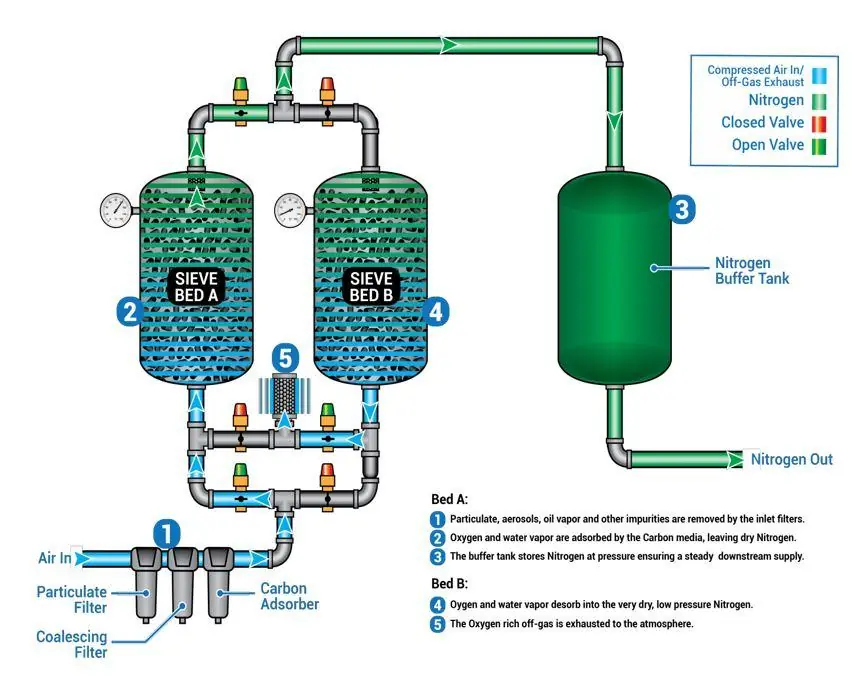
A laser welding gas generation system produces shielding gas directly from compressed air. The system processes the air through filtration, separation, and gas control units to provide a continuous supply of high-purity gas for laser welding.
The working process starts with compressed air entering the filtration unit, where oil, moisture, and particles are removed. The cleaned air then passes through a separation module, such as PSA (Pressure Swing Adsorption) or membrane separation, to extract nitrogen or other required gases.
After separation, the system monitors gas purity and pressure before sending the gas to the laser welding nozzle. The stable gas flow protects the weld pool during welding and reduces oxidation caused by air exposure.
Parts of a Laser Welding Gas Generation System
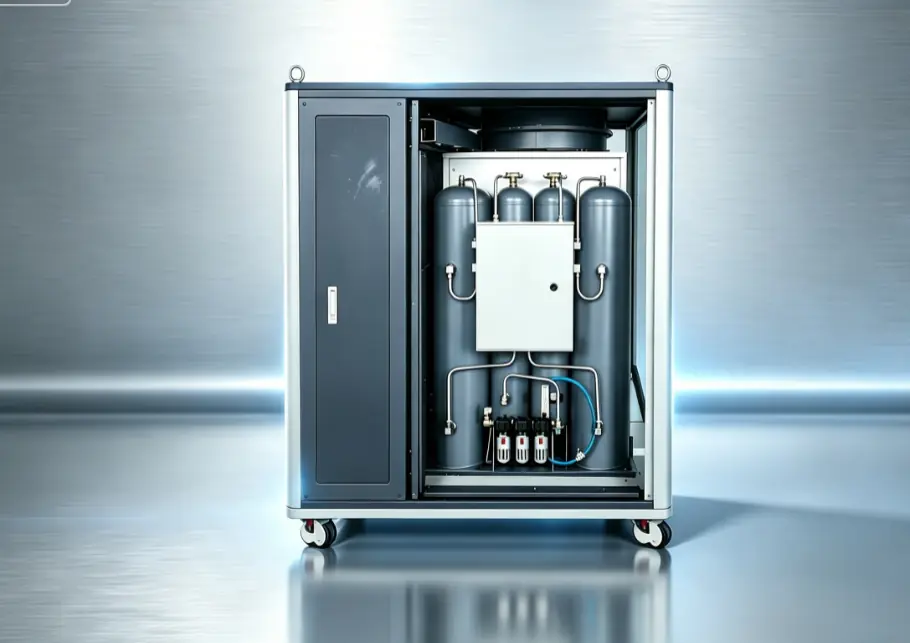
A laser welding gas generation system includes several parts that handle gas production, purification, pressure adjustment, and delivery.
- Gas Generator Unit: Uses PSA or membrane separation technology to extract nitrogen or other process gases from compressed air, reducing the need for external gas cylinders.
- Multi-Stage Filtration System: Filters water, oil, and dust particles from compressed air before gas separation to keep the gas clean.
- Pressure Regulation Unit: Adjusts gas pressure to the required level and keeps the supply pressure steady during welding.
- Flow Control Valve: Controls the shielding gas flow rate according to welding requirements and prevents insufficient or excessive gas supply.
- Gas Delivery Pipeline: Carries the generated gas to the welding gun through sealed pipelines to avoid gas leakage and air mixing.
- Shielding Gas Nozzle: Releases shielding gas around the weld pool and forms a protective area during the welding process.
- Gas Analyzer: Checks gas purity and composition for welding applications with strict gas quality requirements.
- Control System Interface: Links with the laser welding machine to manage gas timing, including gas supply before and after welding.
The system combines gas generation, filtration, pressure control, and gas delivery to provide shielding gas for laser welding without relying on traditional gas cylinders.
What Gas Is Used for Laser Welding?
Shielding gas protects the weld pool from oxidation during laser welding. The gas type depends on the material, welding process, and weld requirements.
| Shielding Gas | Features | Applications |
|---|---|---|
| Argon | Stable protection, good weld appearance, widely used | Aluminum, stainless steel and general laser welding |
| Nitrogen | Low cost, suitable for some stainless steel applications | Stainless steel welding |
| Helium | Higher heat transfer, suitable for deeper penetration | Thick materials and special welding requirements |
For most laser welding applications, argon is the commonly selected shielding gas due to its stable protection and wide material compatibility.
Gas Purity Requirements for Laser Welding
Gas purity directly affects weld appearance, defect control, and welding stability. Low-purity shielding gas may introduce oxygen, moisture, and other impurities into the weld area, causing oxidation, pores, and poor weld formation.
| Gas Type | Recommended Purity | Applications |
|---|---|---|
| Argon (Ar) | ≥99.99% | Aluminum, stainless steel, and general laser welding |
| Nitrogen (N₂) | ≥99.9% | Stainless steel and some industrial welding applications |
| Helium (He) | ≥99.99% | Applications requiring deeper penetration |
Choose shielding gas according to the material and welding requirements. Argon is widely used for aluminum and stainless steel welding, while helium or mixed gases are selected for applications requiring higher penetration or special welding performance.
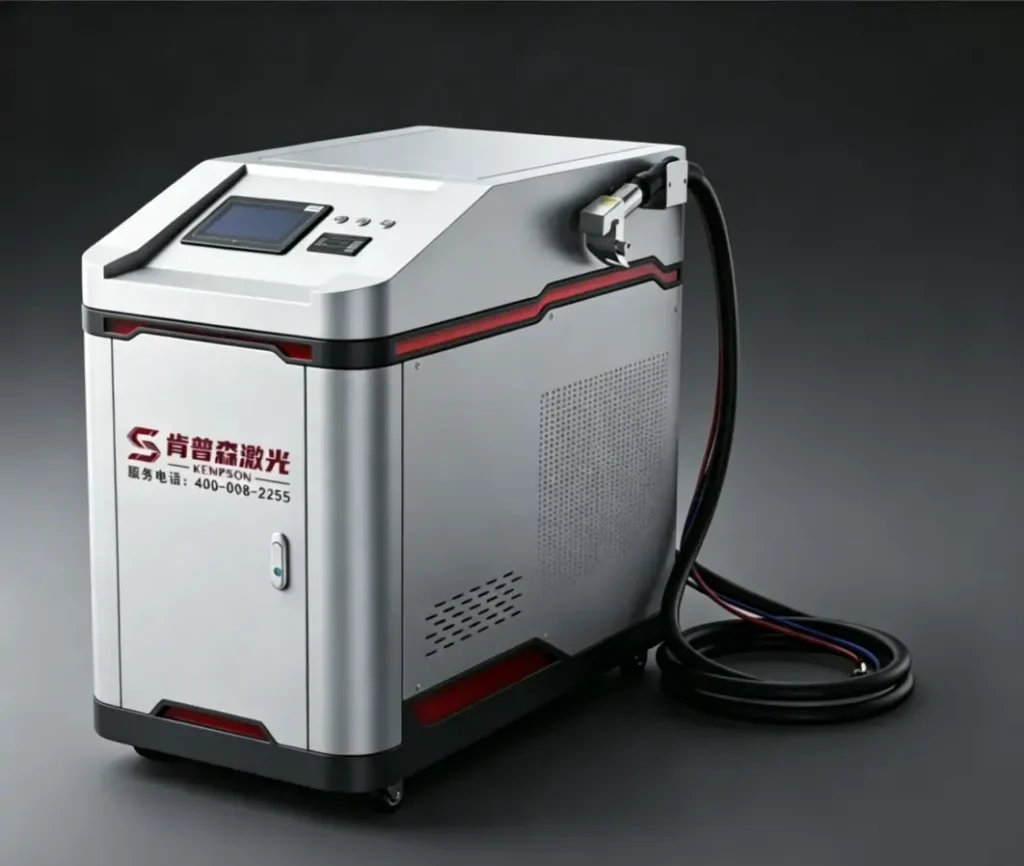
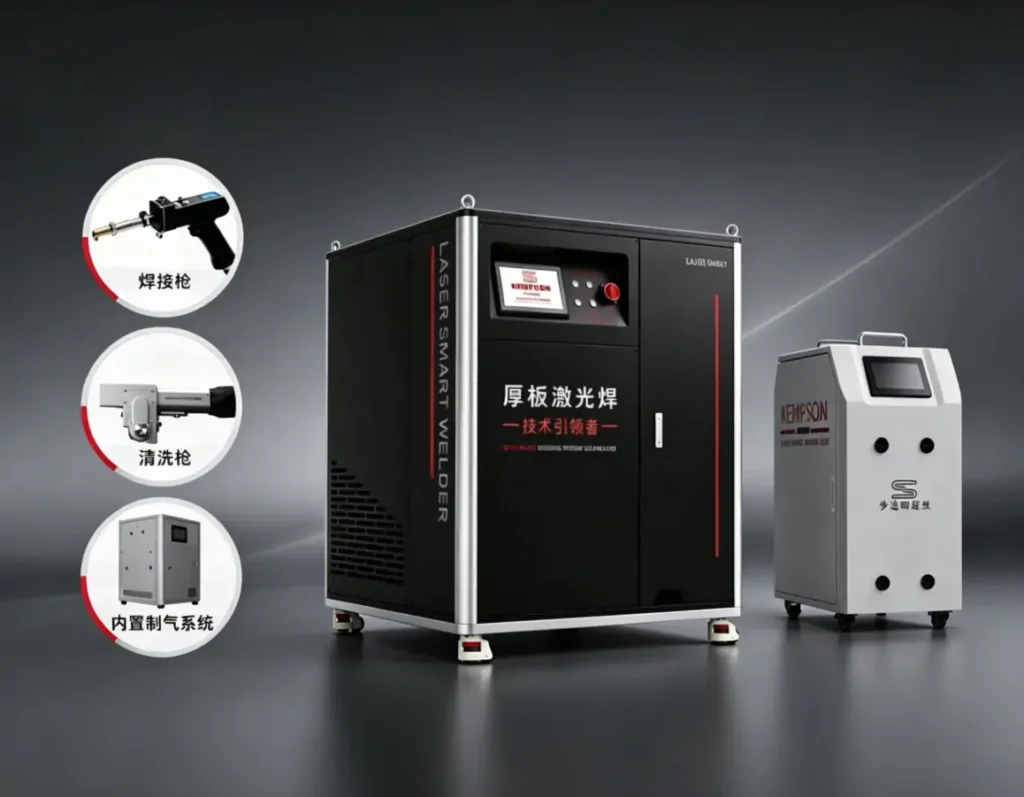
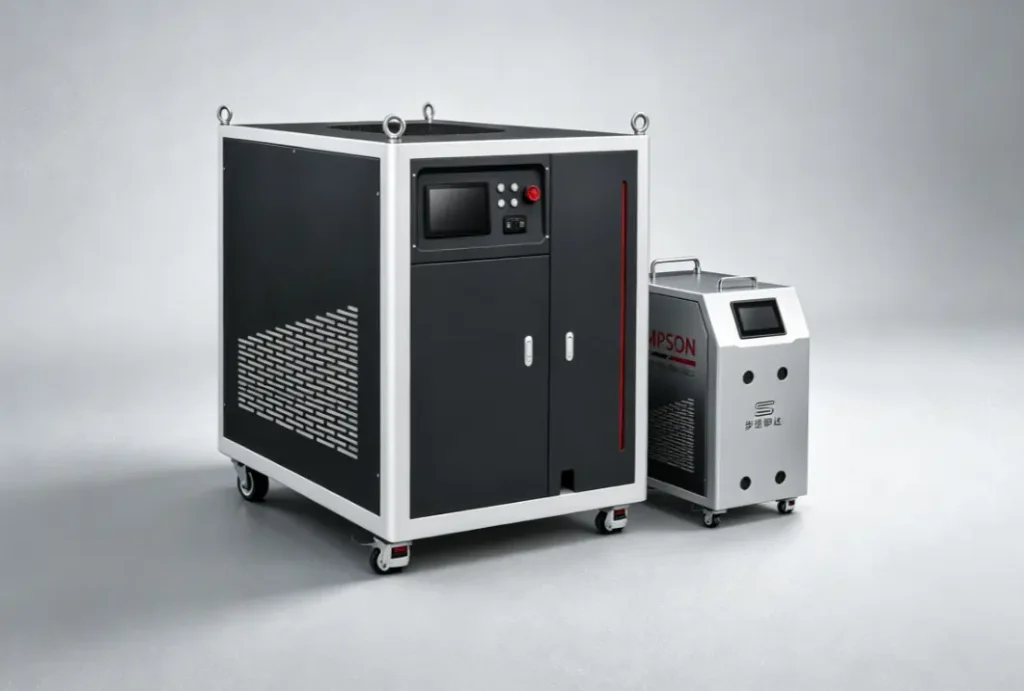
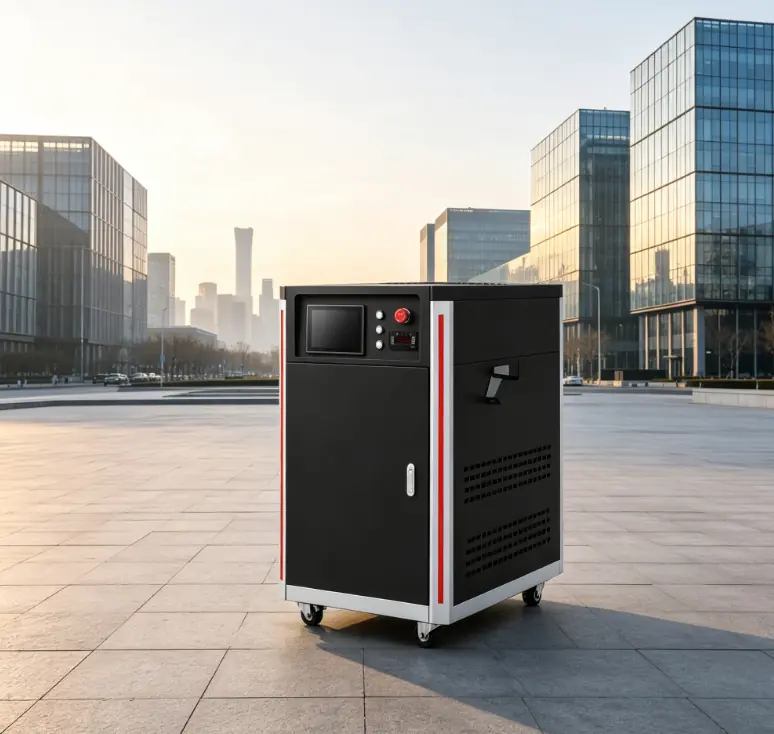
Equipped with a laser welding gas generation system
Advantages of Using a Laser Welding Gas Generation System
- Continuous Gas Supply: The system generates shielding gas during operation, avoiding frequent cylinder replacement and keeping the welding process running without interruptions.
- Lower Gas Cost: On-site gas production reduces the cost of gas purchase, transportation, and storage, making it suitable for long-term welding operations.
- Controlled Gas Purity: The system allows adjustment of gas purity and flow according to welding requirements, providing suitable protection for different materials and processes.
- Stable Weld Quality: Stable shielding gas conditions help protect the weld pool, reduce oxidation, and maintain consistent weld appearance.
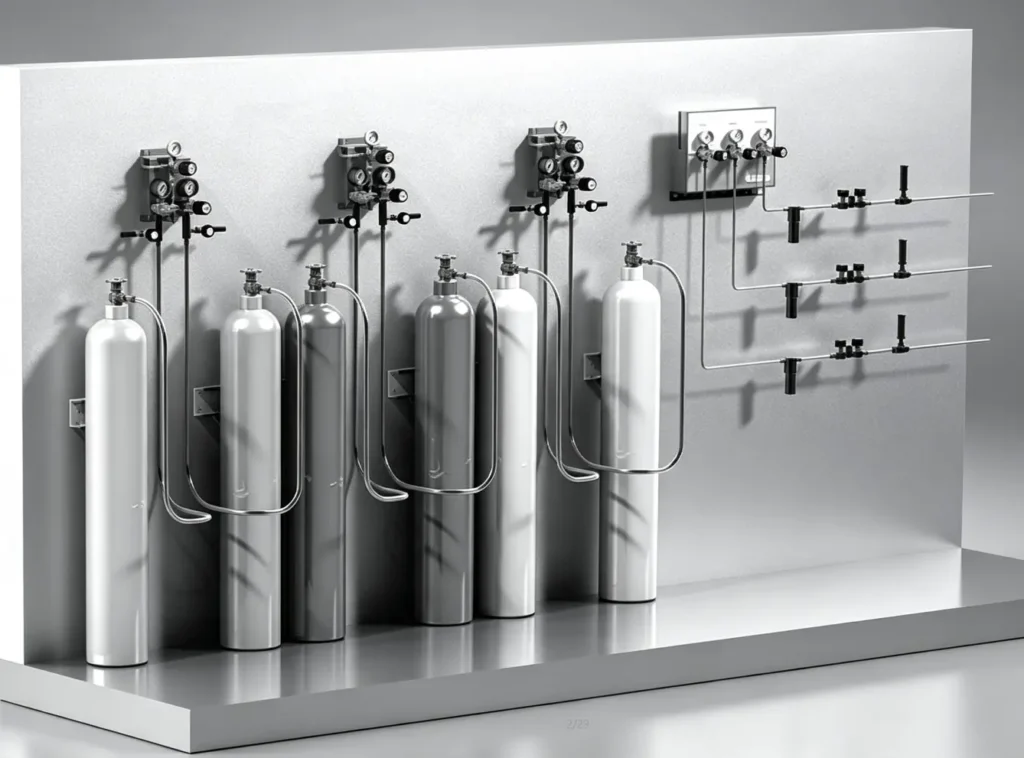
- Space and Handling Savings: Without the need for large gas cylinder storage, the system reduces workshop space usage and simplifies gas management.
- Easy Integration with Automation: The system can connect with laser welding machines and automated production lines for continuous gas supply and process control.
- Improved Safety: Reducing the use of high-pressure gas cylinders lowers storage and handling risks in the workshop.
Applications of Laser Welding Gas Generation Systems
Laser welding gas generation systems are used in industries that require stable shielding gas supply and reliable welding conditions.
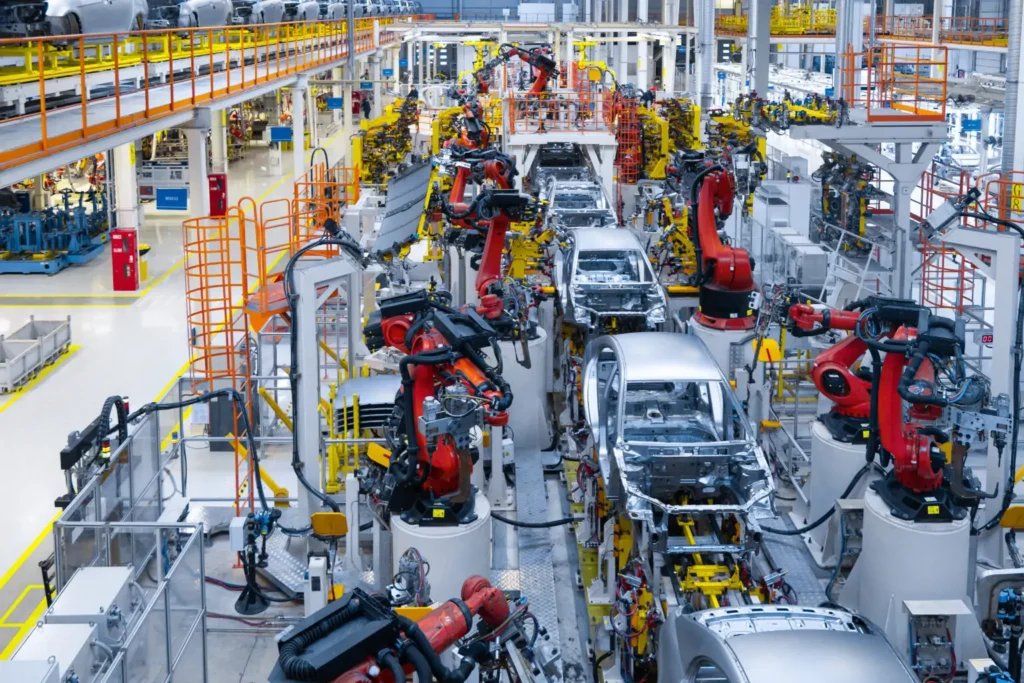
Automotive Manufacturing
Used for welding body panels, aluminum parts, and battery components, especially in continuous production lines.
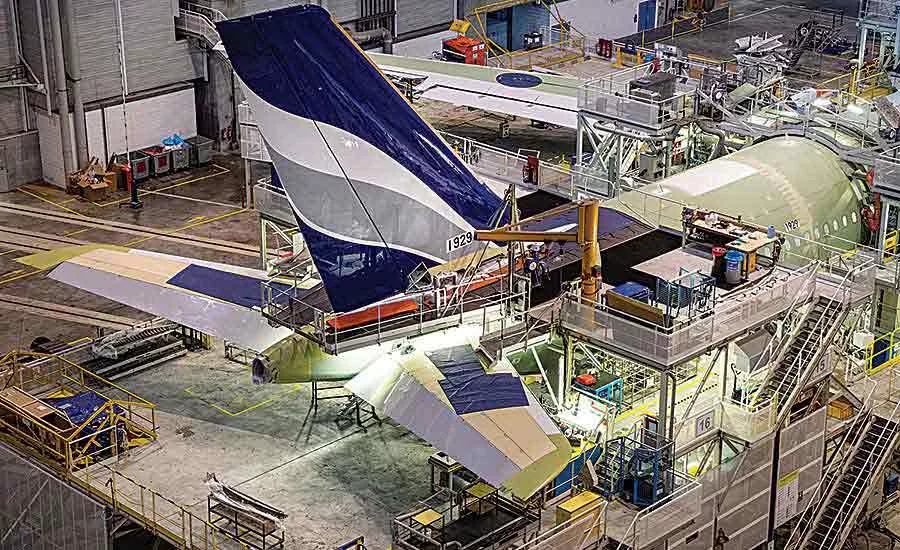
Aerospace Industry
Used for high-precision welding of titanium alloy parts and other aerospace components requiring high-purity shielding gas.
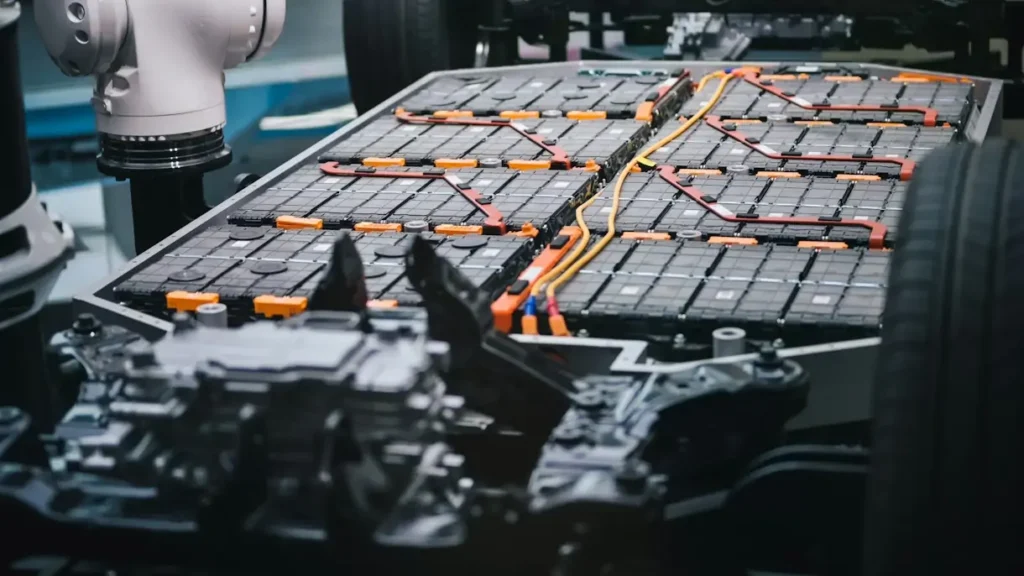
Electronics Industry
Used for battery, electronic components, and small precision parts where stable gas protection is required.
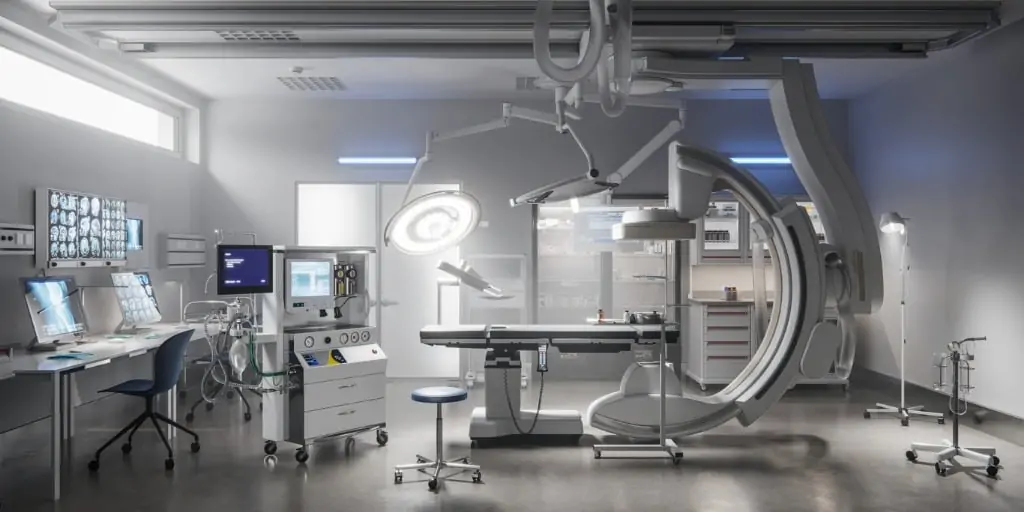
Medical Device Manufacturing
Used for precision medical parts with strict requirements for gas purity and welding quality.
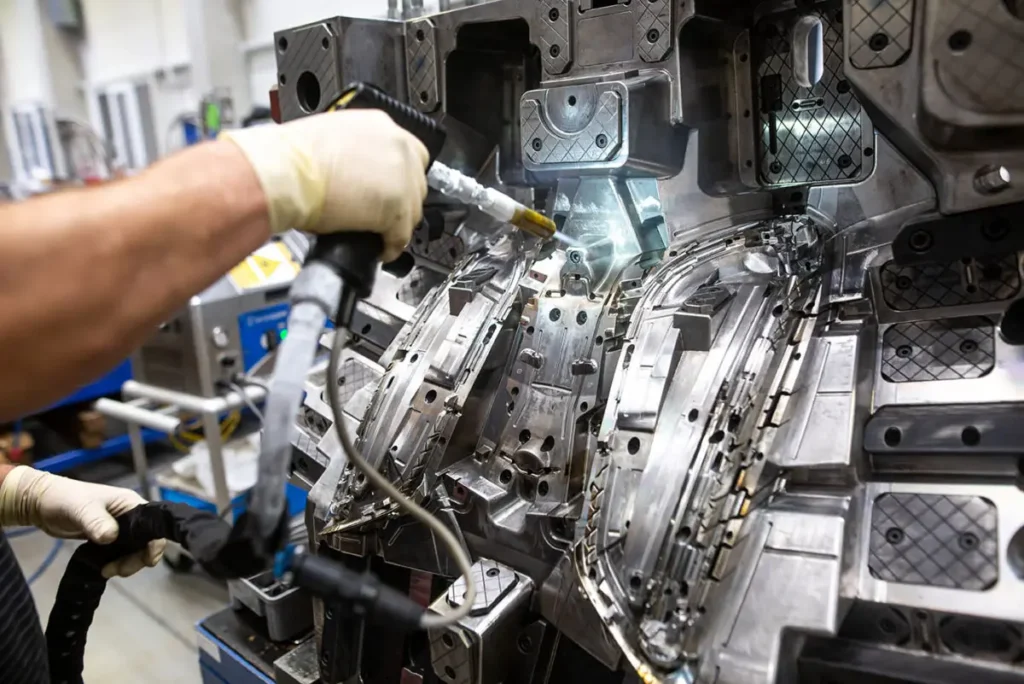
Mold and Hardware Processing
Used for mold repair and hardware welding, suitable for flexible production with different welding tasks.
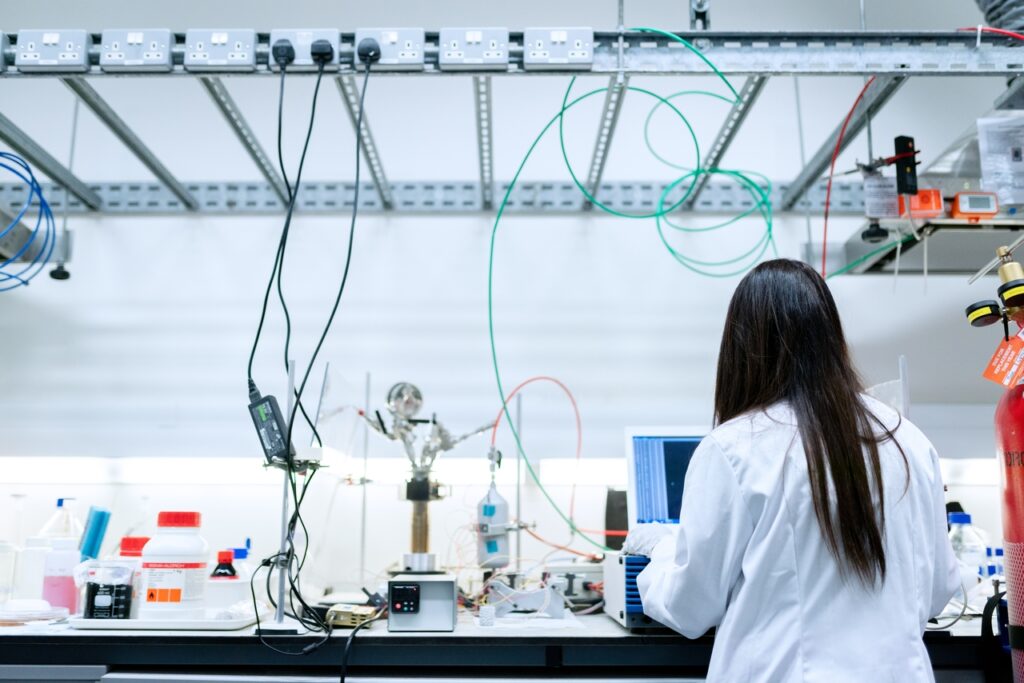
Research and Laboratories
Used for welding tests and process development of materials such as aluminum, stainless steel, and titanium alloys.
Laser Welding Gas Generation System vs Gas Cylinder Supply
Laser welding gas generation systems and gas cylinders are two common shielding gas supply methods. The main differences are in gas stability, operating cost, and production efficiency.
| Comparison | Gas Generation System | Gas Cylinder Supply |
|---|---|---|
| Gas Supply | Produces shielding gas on-site with continuous supply | Requires external gas purchase and cylinder replacement |
| Gas Purity | Stable purity based on system settings | Purity may vary between gas batches |
| Gas Pressure | Maintains stable output pressure during welding | Pressure decreases as gas is consumed |
| Operating Cost | Mainly electricity and maintenance after installation | Requires continuous gas purchase and transportation |
| Production Efficiency | No downtime for cylinder replacement | Production may stop during cylinder changes |
| Space Usage | No large cylinder storage area required | Requires space for cylinder storage |
| Operation | Automatic gas supply with simple operation | Requires manual handling and replacement |
| Weld Quality | Stable gas conditions support consistent weld appearance | Gas fluctuations may affect weld color and quality |
| Suitable Applications | Continuous production and high-quality welding | Small-batch or occasional welding |
Gas generation systems are a better fit for production lines with frequent welding and strict gas quality requirements. Gas cylinders are more suitable for small-volume welding where gas consumption is low.
How to Choose a Laser Welding Gas Generation System?
Choosing a laser welding gas generation system depends on the welding material, gas requirements, and production conditions. The main factors include gas purity, flow rate, pressure, system type, and operating cost.
- Gas Purity Requirements: Gas purity affects weld color, oxidation, and defect control. High-quality laser welding applications often require gas purity above 99.99%, while precision welding of aluminum and stainless steel may require higher purity levels.
- Gas Flow and Pressure: Gas flow and pressure should match the welding thickness and process settings. Too little gas may not protect the weld pool, while excessive flow can disturb the molten metal. The gas supply should remain stable during welding.
- Gas Generation Technology: Most systems use PSA technology to separate nitrogen from compressed air. When selecting a system, consider nitrogen output, purity adjustment range, and whether the equipment matches the welding line requirements.
- Operating Cost: For factories with frequent laser welding operations, an on-site gas generation system can reduce the cost of gas purchase, storage, and replacement. The total cost should include equipment investment, power consumption, and maintenance.
- Additional Functions: A suitable system should include air filtration, pressure control, and gas timing control. Clean gas supply and proper gas delay settings help protect the weld area after welding stops.
Select the system based on welding material, gas purity, required flow rate and production needs. A suitable gas supply system provides stable protection for laser welding operations.
Conclusion
A laser welding gas generation system provides a stable shielding gas supply for modern welding applications. Compared with traditional gas cylinders, it offers better gas consistency and is more suitable for factories with continuous production needs.
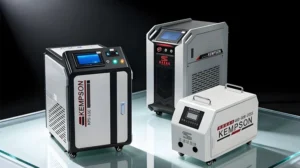
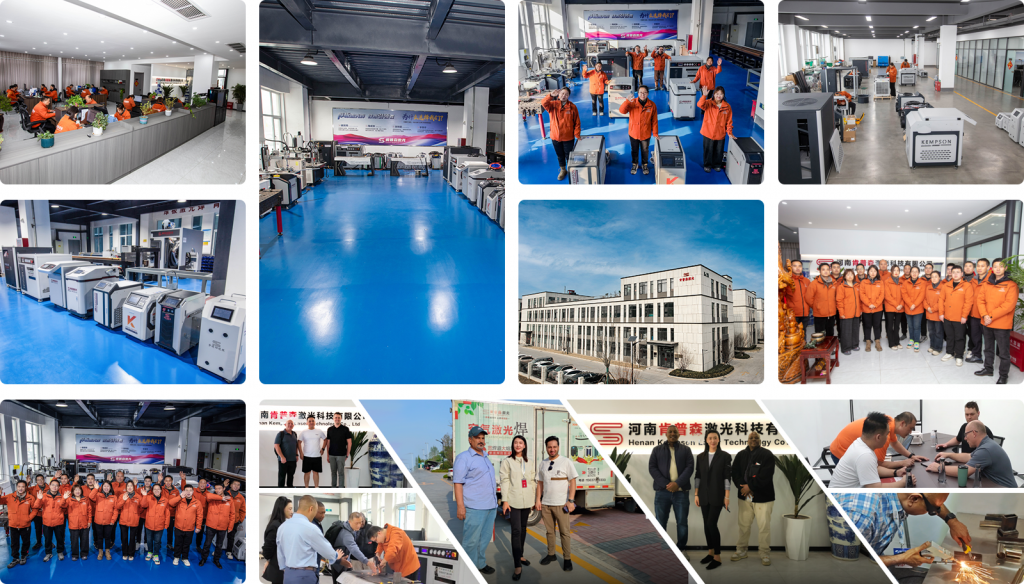
KEMPSON offers laser welding machines that can be equipped with in-house gas generators. For applications such as aluminum welding, battery components, and precision metal parts, selecting the right gas purity, flow rate, and system configuration is important for maintaining weld quality. If you need a laser welding gas solution based on your production requirements, please contact us for professional support.
FAQ
What is a laser welding gas generation system?
A laser welding gas generation system is an on-site device that produces shielding gas for laser welding. It extracts gases such as nitrogen from compressed air, removes impurities, and supplies stable gas flow to protect the weld pool.
How does a laser welding gas generator work?
A laser welding gas generator works by filtering compressed air and separating required gases through PSA or membrane technology. The generated gas is then controlled by pressure and flow systems before being delivered to the welding area.
What gas is used for laser welding?
Argon is the most common gas used for laser welding. Nitrogen and helium are also used for specific materials and welding requirements. The choice depends on the metal type, weld quality, and penetration needs.
Why is shielding gas important in laser welding?
Shielding gas protects the molten weld pool from oxygen and moisture during laser welding. It helps prevent oxidation, porosity, and surface defects, keeping the weld appearance and quality consistent.
What purity of gas is required for laser welding?
Laser welding usually requires shielding gas purity of 99.99% or higher. Precision applications, such as battery and aluminum welding, may require higher purity gas to reduce oxidation and welding defects.
Can a gas generation system replace gas cylinders?
Yes, a gas generation system can replace gas cylinders for continuous laser welding operations. It produces shielding gas on-site, reducing cylinder replacement, storage requirements, and supply interruptions.
What metals need shielding gas during laser welding?
Most metals require shielding gas during laser welding, including stainless steel, aluminum, titanium, and some carbon steel applications. The gas type depends on the material and welding process.
How do I choose a laser welding gas generation system?
Choose a system based on gas purity, output flow, pressure requirements, welding materials, and production volume. The system capacity should match the number of welding stations and operating time.