Table of Contents
Introduction
A wobble welding head uses a controlled beam swing to change the laser welding path. The oscillating beam creates a wider weld pool, supports gap welding, and improves weld seam formation for different metal fabrication processes. It is commonly used in handheld laser welders and industrial welding equipment.
In this article, we will explain the working principle, common welding patterns, advantages, and industrial applications of a wobble welding head. Based on practical laser welding experience, I will also introduce how it works with different materials, what factors should be considered when selecting a suitable welding head, and why it is widely used in handheld laser welding applications.
What Is a Wobble Welding Head?
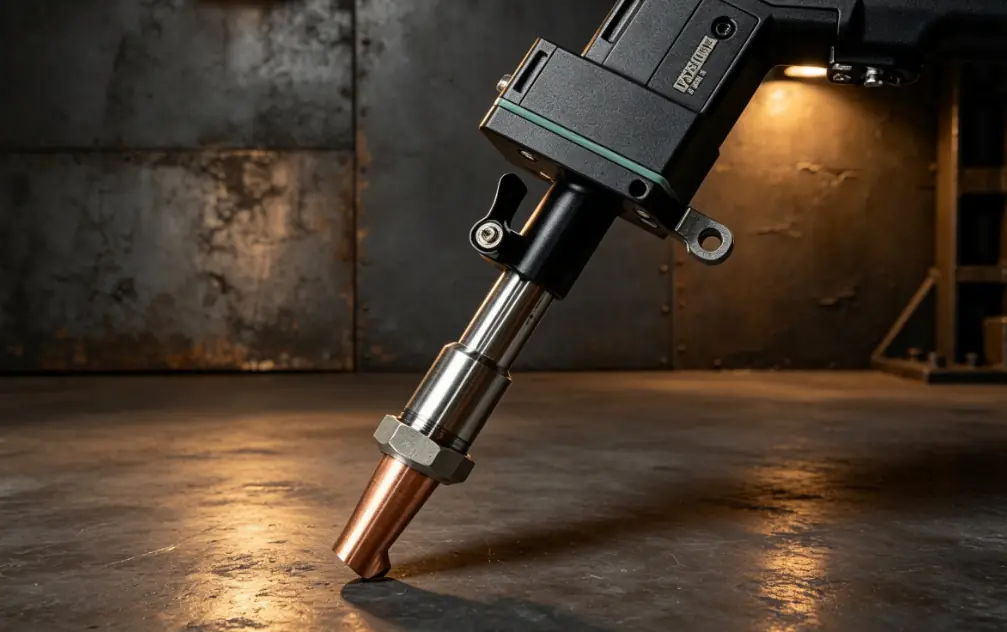
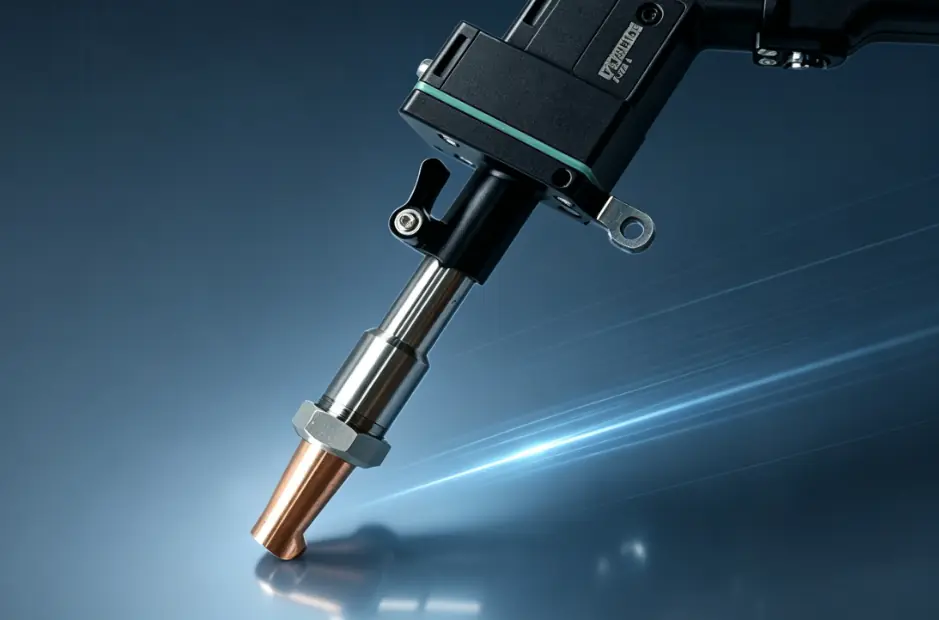
A wobble welding head is a laser welding component that adds high-frequency beam oscillation to the laser path during welding. It uses galvanometer mirrors or optical rotation systems to move the beam in different patterns, such as circular, linear, and figure-eight paths. The oscillation frequency is usually 100 Hz–1 kHz, allowing the laser energy to cover a wider welding area without increasing laser power.
The wobble head expands the effective weld width from a fixed spot size of about 1 mm to around 3–5 mm, improving gap filling and weld seam formation. It is commonly used for aluminum, copper, and thin-sheet welding applications, including EV battery components, automotive parts, and precision metal fabrication.
How Does a Wobble Welding Head Work?
A wobble welding head moves the laser beam along a preset oscillation path through galvanometer mirrors or optical rotating elements. The beam can follow patterns such as circle, line, triangle, and figure-eight, with typical oscillation frequencies of 100 Hz–1 kHz and adjustable wobble width up to 5 mm.
- Beam Oscillation Control
The control system adjusts the beam movement, frequency, and width according to welding requirements. - Expanded Weld Area
The moving beam increases the effective weld width from about 1 mm to 3–5 mm, creating a larger melt pool. - Improved Gap Filling
The wider melt pool helps fill assembly gaps and improves welding performance on uneven joints. - Reduced Welding Defects
The beam movement stirs the molten pool, helping reduce gas pores and improve weld consistency, especially for aluminum and copper welding. - Flexible Welding Adjustment
Dual-axis control allows operators to select different wobble patterns and adjust welding parameters during operation.
A wobble welding head controls the laser beam through high-frequency oscillation, creating a wider melt pool and improving weld seam formation, gap filling, and welding stability.
What Are the Common Wobble Welding Patterns?
Wobble welding patterns are preset laser beam movement paths controlled by the welding head. Different patterns change the heat distribution, melt pool shape, and welding performance. The suitable pattern depends on the material, joint type, and welding requirements.
- Circular: The laser moves in a circular path to keep the weld pool stable and is used for gap filling, lap joints, sealing welding, and battery tab welding.
- Ellipse: The laser path is stretched into an ellipse to adjust heat distribution and is suitable for thin aluminum and copper sheet welding.
- Figure-8: The figure-8 path increases molten pool movement and helps reduce gas pores in aluminum, Inconel, and other sensitive materials.
- Bowtie: The beam focuses heat in the center area with wider movement on both sides, making it suitable for dissimilar metal welding.
- Celtic / Flower / Atomic: Multi-lobed paths create different heat cycles and are used for controlling weld structure in superalloy components.
- Hexagon / Triangle / Star: Polygon paths distribute heat across multiple points and are suitable for thin foil and precision welding.
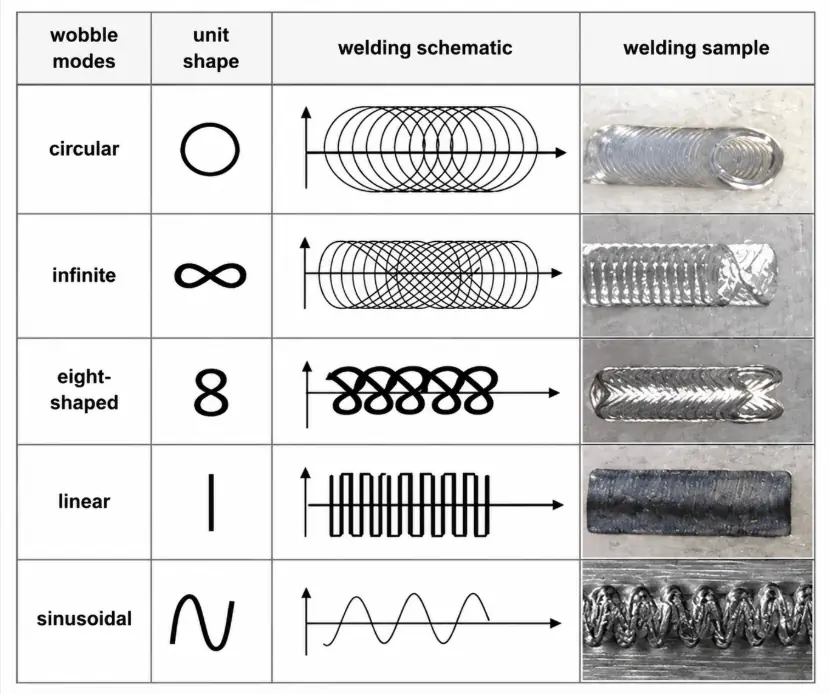
The welding pattern affects weld penetration, heat input, and defect control. Circular and figure-eight patterns are widely used for aluminum welding due to their molten pool stirring effect. Triangle and star patterns are suitable for applications where heat distortion needs to be controlled.
Advantages of Using a Wobble Welding Head
- Wider Weld Seam and Better Gap Tolerance: The oscillating laser beam expands the weld width from about 1 mm to 3–5 mm, improving gap filling performance.
- Lower Laser Power Requirement: The wobble movement improves energy distribution and reduces laser power requirements in some applications.
- Better Weld Appearance: The beam movement creates smoother and more uniform weld seams.
- Improved Welding Stability: Controlled beam oscillation improves process consistency during welding.
- Reduced Porosity and Cracking Risk: The molten pool stirring effect helps reduce pores and welding cracks.
- Wider Material Compatibility: A wobble welding head supports aluminum, copper, and dissimilar metal welding.
- Easier Operation and Lower Cost: Handheld wobble welding heads are lightweight and easy to operate.
Wobble Welding Head vs Standard Laser Welding Head
Wobble welding heads and standard laser welding heads use different beam control methods. The main difference is the beam movement during welding, which affects weld width, gap tolerance, power requirement, and material adaptability.
| Comparison | Wobble Welding Head | Standard Laser Welding Head |
|---|---|---|
| Beam Movement | Laser beam moves in preset paths such as circle, line, and figure-8 patterns | Fixed laser beam with movement controlled by machine or robot |
| Weld Width | Adjustable wobble width up to 0–5 mm, suitable for wider weld seams | Narrow weld seam with limited beam coverage |
| Laser Power Requirement | Lower power can achieve similar penetration in some applications | Requires higher power for the same penetration depth |
| Gap Tolerance | Handles larger assembly gaps and positioning deviations | Requires higher part fitting accuracy |
| Weld Formation | Smooth weld surface with better bead appearance | Narrow weld bead, may require post-processing |
| Process Stability | Stable welding performance with consistent results | More affected by workpiece accuracy |
| Material Compatibility | Suitable for aluminum, copper, stainless steel, and reflective metals | More challenging for highly reflective materials |
| Cost and Flexibility | Lower cost than high-power scanning heads, suitable for handheld welding | Simple structure but limited welding flexibility |
| Weight and Operation | Handheld models can weigh around 0.7–0.8 kg | Usually heavier and used with fixed equipment |
The wobble welding head moves the laser beam during welding to create a wider weld seam and larger melt pool. The standard laser welding head uses a fixed beam path and requires better joint fit-up for welding.
Applications of Wobble Welding Head
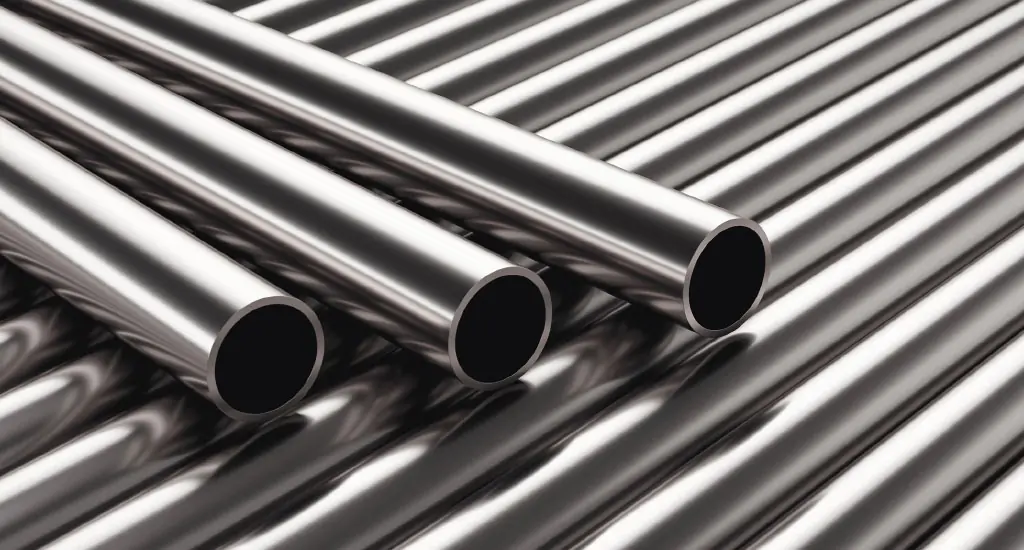
Stainless Steel Fabrication
Used for kitchen equipment, enclosures, and metal structures where smooth weld seams are required.
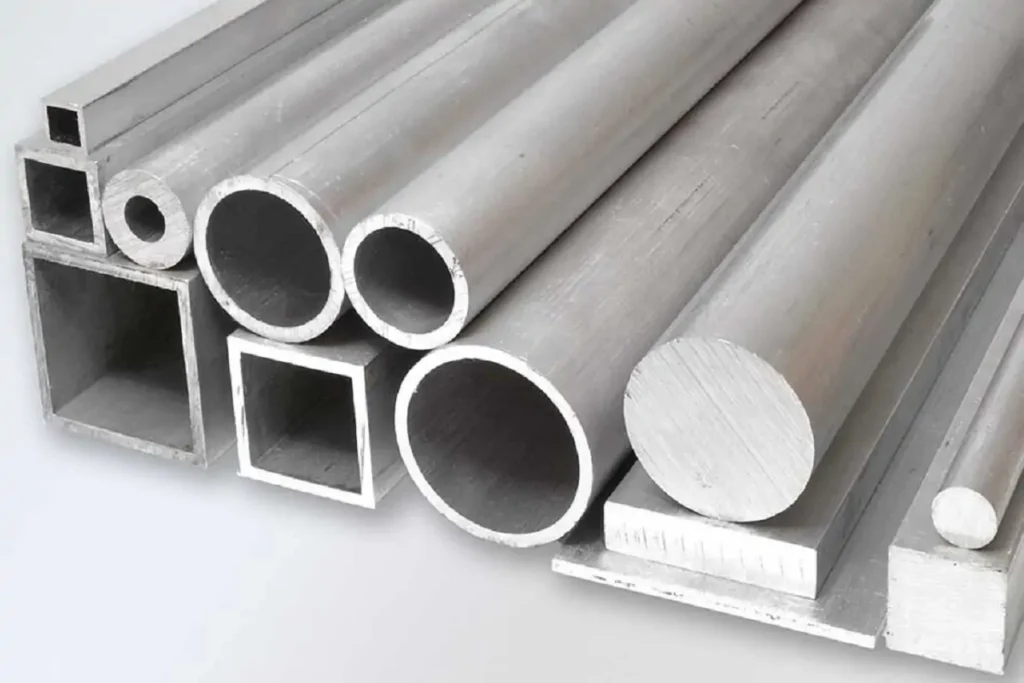
Aluminum Welding
Suitable for aluminum parts with higher requirements for gap filling and weld stability.
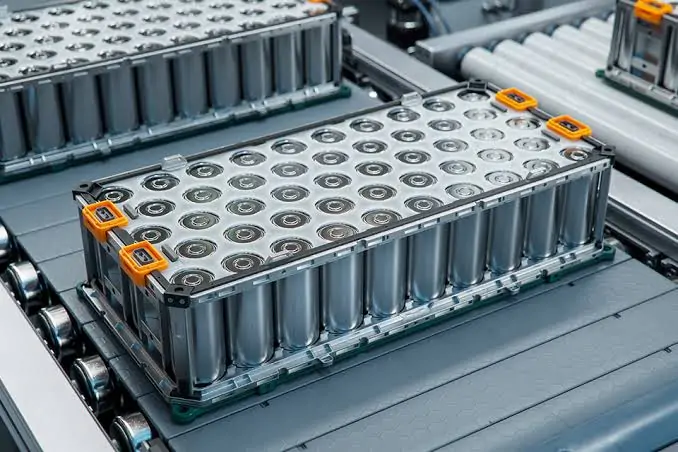
Battery Manufacturing
Used for battery tabs, housings, and precision welding of conductive materials.
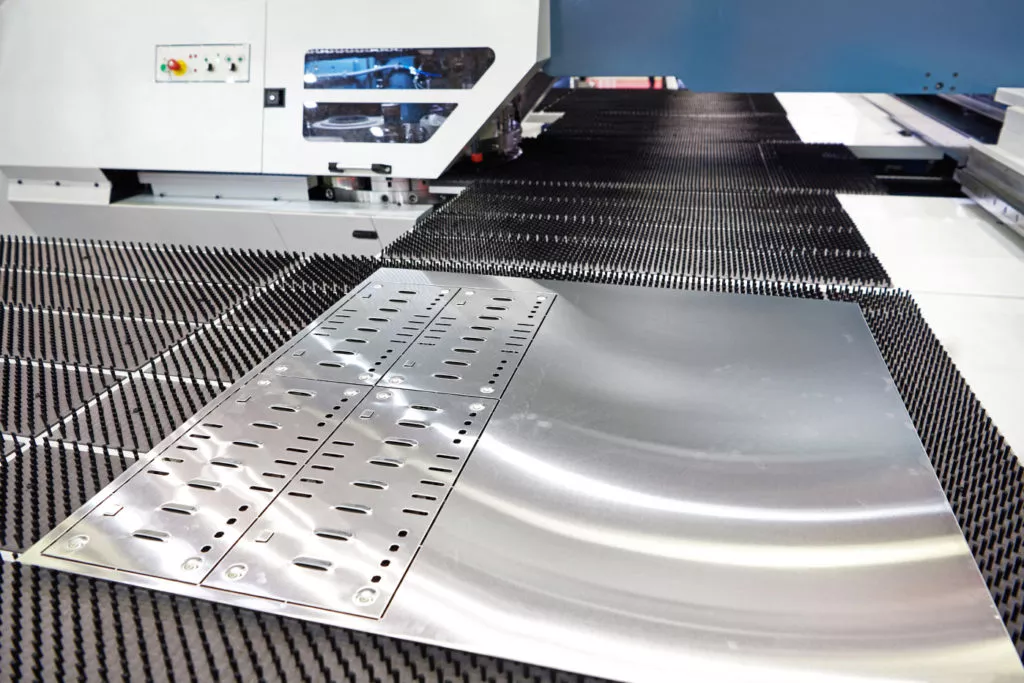
Sheet Metal Processing
Suitable for cabinets, panels, and machinery parts with different joint conditions.
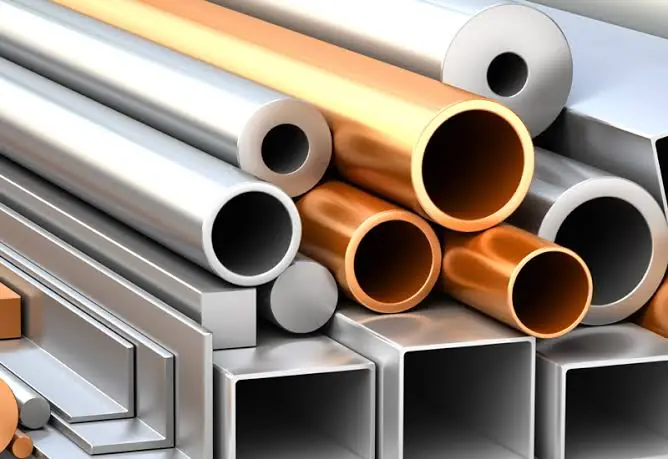
Copper and Dissimilar Metal Welding
Used for copper parts and mixed metal joints where traditional laser welding is more difficult.
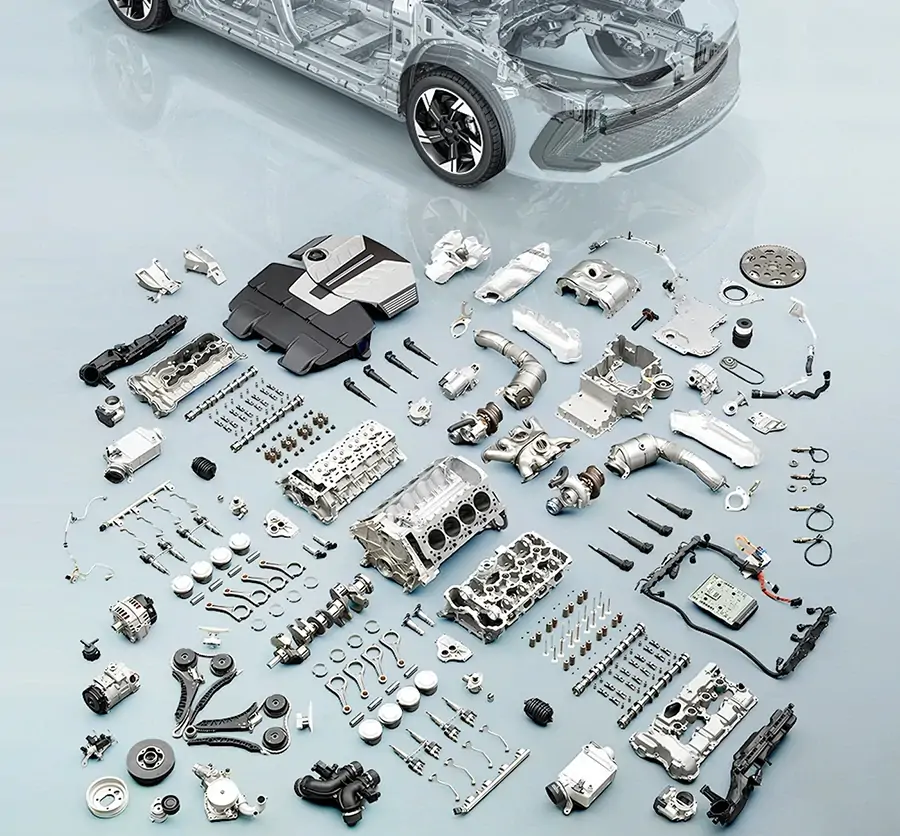
Automotive Components
Applied in vehicle body parts, battery components, and lightweight metal structures.
How to Choose a Wobble Welding Head?
Choosing a wobble welding head requires matching the welding head with the laser power, welding material, joint requirements, and operation method.
Laser Power Compatibility
The welding head power rating should match the laser source to avoid optical damage caused by excessive heat load. Common wobble welding heads support 1000W–6000W laser systems.
Wobble Parameters
Check the wobble width, frequency, and pattern options. Typical wobble width ranges from 0–5 mm, with patterns including circle, line, figure-eight, and other programmable paths.
Optical Configuration
The focal length and spot size affect weld width and heat control. Adjustable spot sizes of 0.5–5 mm are commonly used for different welding requirements.
Mechanical Interface and Weight
Confirm the welding head connection matches the laser output interface, such as QBH. For handheld welding, lightweight designs around 0.7–0.8 kg are easier to operate, while heavier models are used for automated systems.
Application Requirements
Select the welding head according to the welding task:
- Battery welding: High-frequency wobble and multiple patterns for stable weld quality.
- Handheld sheet metal welding: Lightweight heads with flexible operation.
- Precision welding: Small spot size and high positioning accuracy.
- Dissimilar metal welding: Adjustable wobble parameters for better joint control.
Cost and Application Value
Wobble welding heads provide beam oscillation functions at a lower cost than high-power scanning heads. They are suitable for applications requiring wider weld seams and better gap tolerance.
Selection Reference
| Selection Factor | Range | Application |
|---|---|---|
| Laser Power | 1000W–6000W | Thin and thick metal welding |
| Wobble Width | 0–5 mm | Gap welding |
| Frequency | 0–46Hz / 100Hz–1kHz | Aluminum, copper welding |
| Spot Size | 0.5–5 mm | Precision and wide seam welding |
| Weight | 0.75kg–4.5kg | Handheld and automated welding |
| Patterns | Circle, Line, Figure-8, Fill | Different joint types |
The suitable wobble welding head depends on material type, plate thickness, weld width, production requirements, and laser system configuration.
Wobble Welding Head Maintenance Tips
- Clean the Protective Lens Regularly: Remove dust and welding spatter from the protective lens to maintain stable laser transmission.
- Check Optical Components: Inspect the focusing lens and internal optical parts for contamination or damage.
- Keep the Welding Head Dry and Clean: Prevent dust, moisture, and metal particles from entering the internal structure.
- Check Cooling System: For water-cooled models, inspect coolant flow and temperature to avoid overheating.
- Inspect Cable and Connections: Check QBH connection, power cables, and signal cables for looseness or damage.
- Calibrate Beam Alignment: Check the beam position and wobble movement to maintain consistent welding performance.
Conclusion
A wobble welding head changes the laser beam movement during welding, allowing wider weld seams, better gap filling, and improved weld formation. This article introduces its working principle, common patterns, advantages, applications, and selection points for different welding needs.
KEMPSON has years of experience in laser welding equipment development and manufacturing, providing reliable welding solutions, technical guidance, and after-sales support for customers worldwide. For wobble welding heads and laser welding applications, contact us to discuss your requirements.
FAQ
What is a wobble welding head?
A wobble welding head is a laser welding component that moves the laser beam in preset oscillation paths to create a wider weld seam and larger melt pool.
How does a wobble welding head work?
A wobble welding head uses galvanometer mirrors or optical systems to control laser beam movement in patterns such as circle, line, and figure-eight during welding.
What are wobble welding patterns?
Wobble welding patterns are preset beam movement paths, including circular, linear, elliptical, figure-eight, and other customized patterns used for different welding conditions.
What are the benefits of wobble laser welding?
Wobble laser welding provides wider weld seams, better gap filling, improved weld appearance, and more stable welding performance.
Can a wobble welding head weld aluminum?
Yes. A wobble welding head is commonly used for aluminum welding because the beam movement helps improve molten pool stability and reduce welding defects.
What materials can be welded with a wobble welding head?
It can weld stainless steel, carbon steel, aluminum, copper, and some dissimilar metal combinations.
Is a wobble welding head suitable for handheld laser welders?
Yes. Lightweight wobble welding heads are widely used with handheld laser welding machines for flexible metal fabrication.
How do I choose the right wobble welding head?
Select a wobble welding head based on laser power, wobble width, welding material, required weld size, cooling method, and equipment compatibility.