Table of Contents
Introduction
Industrial laser welding machines are transforming the way manufacturers join metal components. By focusing a high-energy laser beam onto a small welding area, these machines create strong, precise welds with minimal heat input and deformation. Compared with traditional welding methods such as MIG or TIG, laser welding offers higher speed, cleaner weld seams, and greater automation potential. As a result, industrial laser welding systems are widely used in sectors such as automotive manufacturing, customizable printer manufacturing, electronics, metal fabrication, and aerospace.
Industrial laser welding machines are available in different types and power levels for various welding applications. This article introduces their working principle, machine types, industrial uses, advantages, price factors, and selection methods.
What Is an Industrial Laser Welding Machine?
An industrial laser welding machine is a high-precision welding system that uses a focused laser beam as a heat source to join metal materials. The laser generates a concentrated, high-energy beam that melts the edges of the workpieces at the welding point. As the molten metal cools and solidifies, it forms a strong and precise weld joint. Because the laser energy can be accurately controlled and directed, industrial laser welding enables deep penetration, narrow weld seams, and minimal heat-affected zones.
Industrial laser welding machines typically use fiber laser technology and are equipped with components such as a laser source, welding head, control system, cooling system, and shielding gas supply. These machines are widely used in industries that require high welding quality, speed, and automation, including automotive manufacturing, sheet metal fabrication, electronics, battery production, and aerospace engineering.
How Industrial Laser Welding Machines Work?
Industrial laser welding machines operate by generating a highly concentrated laser beam that delivers intense heat to a small, precise area of the metal workpiece. The laser energy rapidly melts the edges of the materials being joined, forming a molten pool at the welding point. As the laser beam moves along the joint line, the molten metal cools and solidifies, creating a strong and continuous weld seam.
- 1. Laser Beam Generation: The laser source generates a high-energy beam, which is transferred to the welding head through the optical system.
- 2. Laser Beam Focusing: The welding head focuses the beam on the welding point, producing a concentrated heat source on the metal surface.
- 3. Metal Melting and Fusion: The laser heat melts the metal at the joint area, forming a molten pool that connects the two parts.
- 4. Weld Seam Formation: The molten metal cools and solidifies into a weld seam with good strength and a clean appearance.
- 5. Welding Parameter Adjustment: The control system regulates laser power, welding speed, wire feeding, and welding path based on material type and welding process.
Types
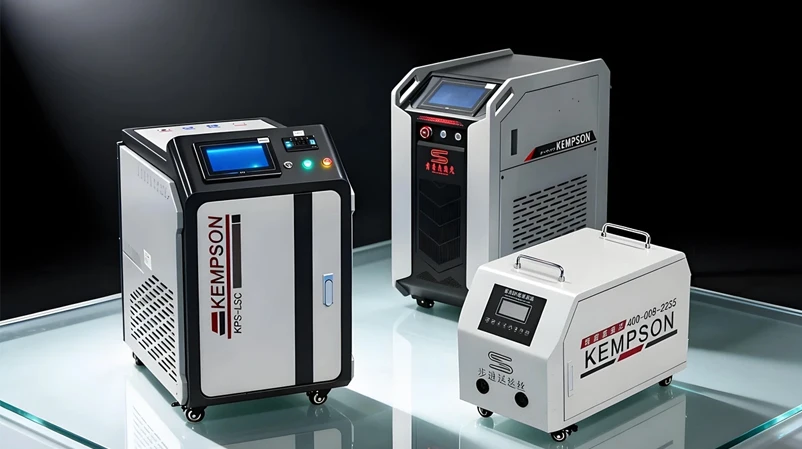
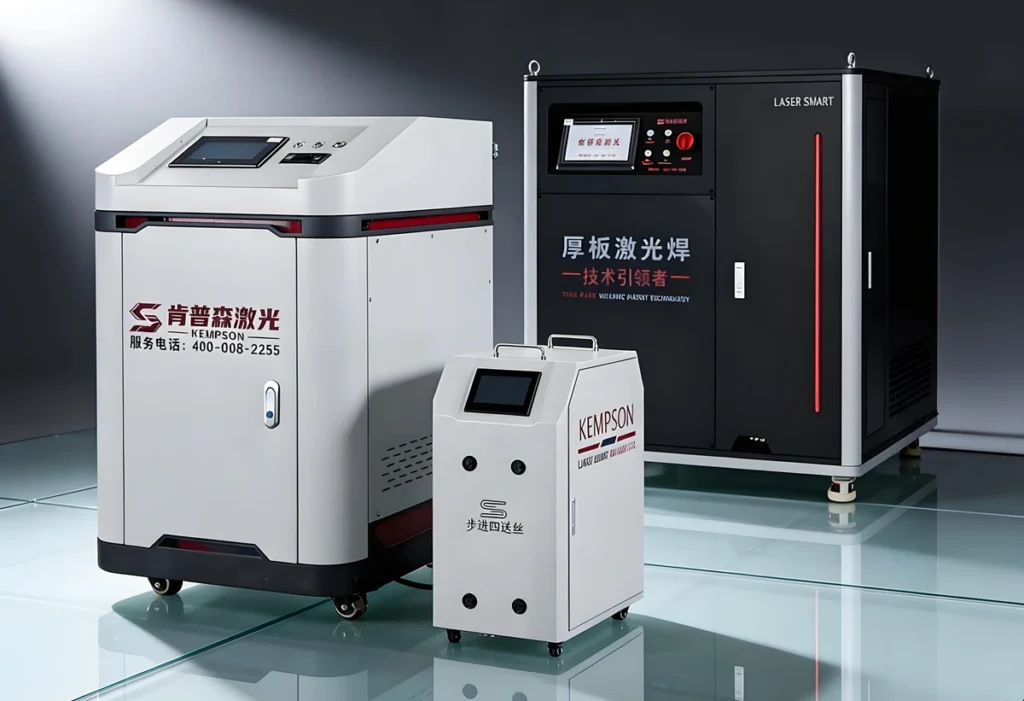
Industrial laser welding machines are available in different configurations based on power level, cooling method, welding thickness, and production needs. Kempson offers air-cooled, water-cooled, dual-beam, and core-ring laser welding solutions for sheet metal, heavy plate, and industrial metal fabrication.
Air-Cooled Laser Welding Machine
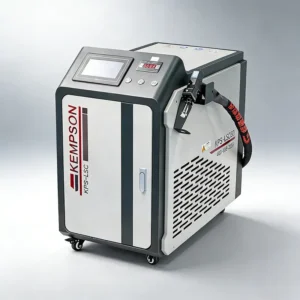
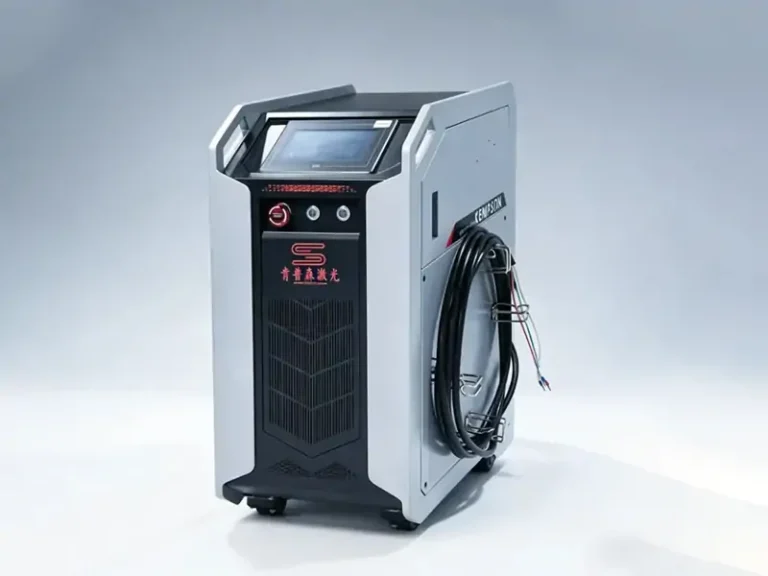
The air-cooled laser welding machine uses an integrated air cooling system instead of an external water chiller. The machine has a compact structure and is easy to move, making it suitable for flexible welding operations. It is mainly used for stainless steel, carbon steel, aluminum alloy, metal doors, windows, sheet metal parts, and general fabrication work.
- Laser Power: 1200W / 1500W / 2000W
- Welding Thickness: 0.5–5.5 mm
- Wire Diameter: 0.8–2.0 mm
- Cooling Method: Air Cooling
Water-Cooled Laser Welding Machine
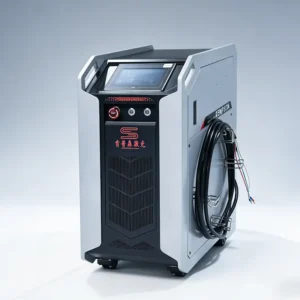
The water-cooled laser welding machine uses an industrial cooling system to remove heat during continuous welding. It is designed for long working hours and higher power applications. The machine is widely used in machinery manufacturing, automotive parts, steel structures, pressure vessels, and heavy metal processing.
- Laser Power: 1500W / 2000W / 3000W / 4000W
- Welding Thickness: 0.5–12 mm
- Wire Diameter: 0.8–2.0 mm
- Cooling Method: Water Cooling
Air Laser Welding Machine
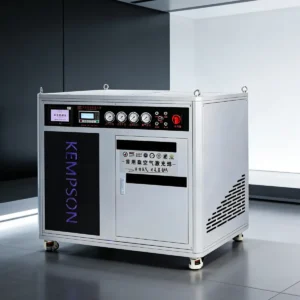
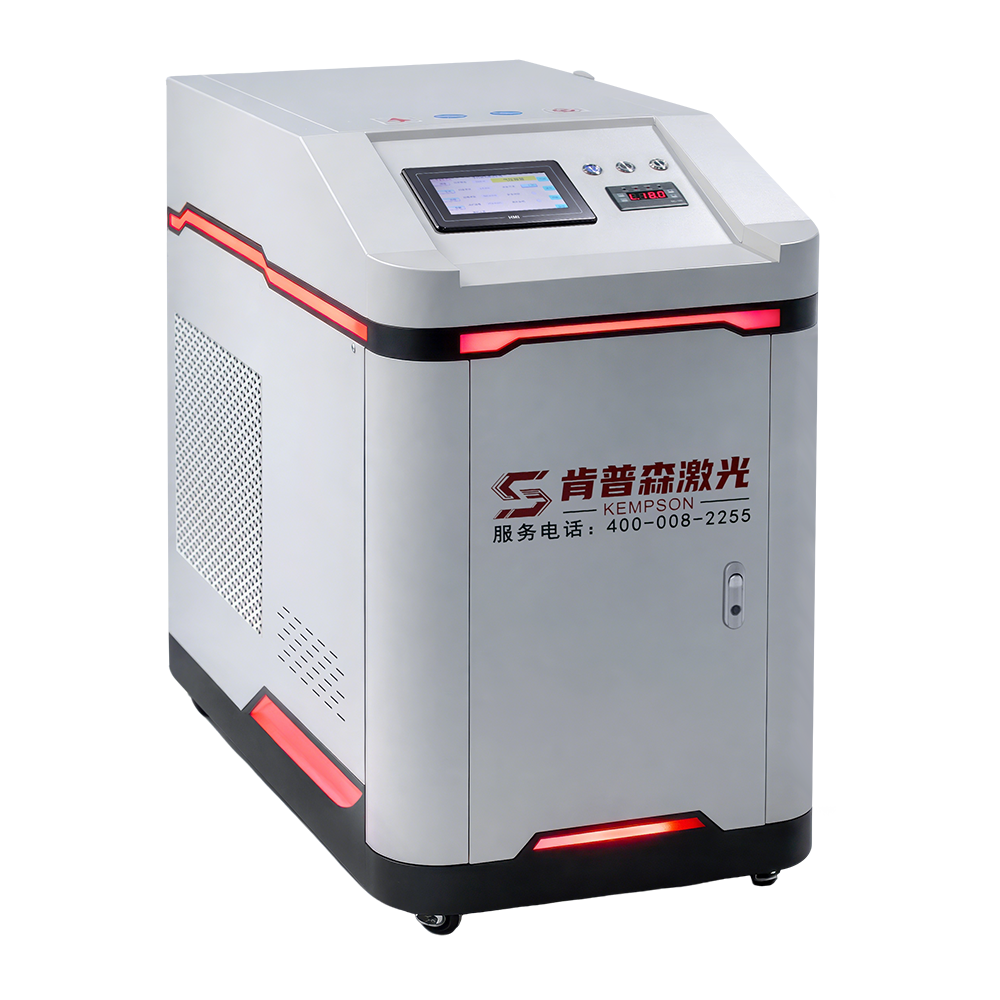
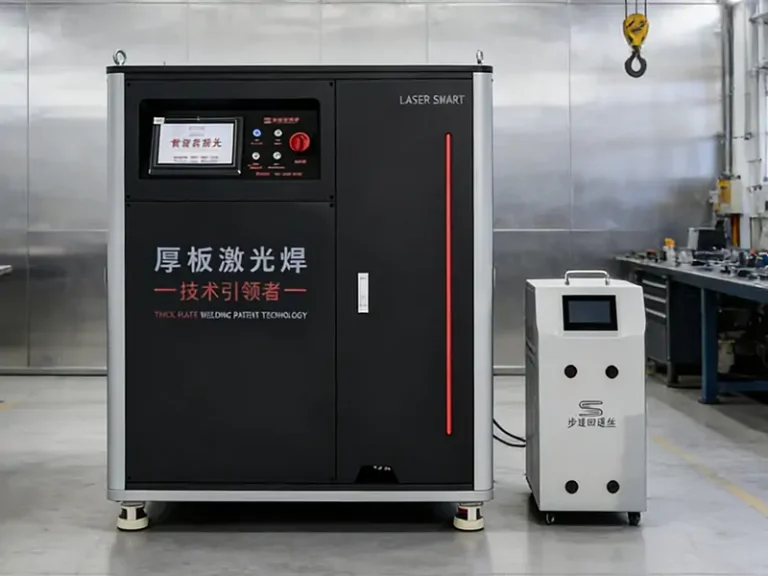
The air laser welding machine integrates laser welding with an air cooling system. It reduces the need for additional cooling equipment and is suitable for factories that require flexible welding solutions. It is used for stainless steel, carbon steel, aluminum products, engineering machinery, steel structures, and metal fabrication.
- Laser Power: 1500W–4000W
- Welding Thickness: 0.5–12 mm
- Wire Diameter: 0.8–2.0 mm
- Cooling Method: Air Cooling
6000W Dual Beam Laser Welding Machine
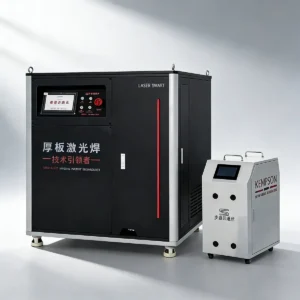
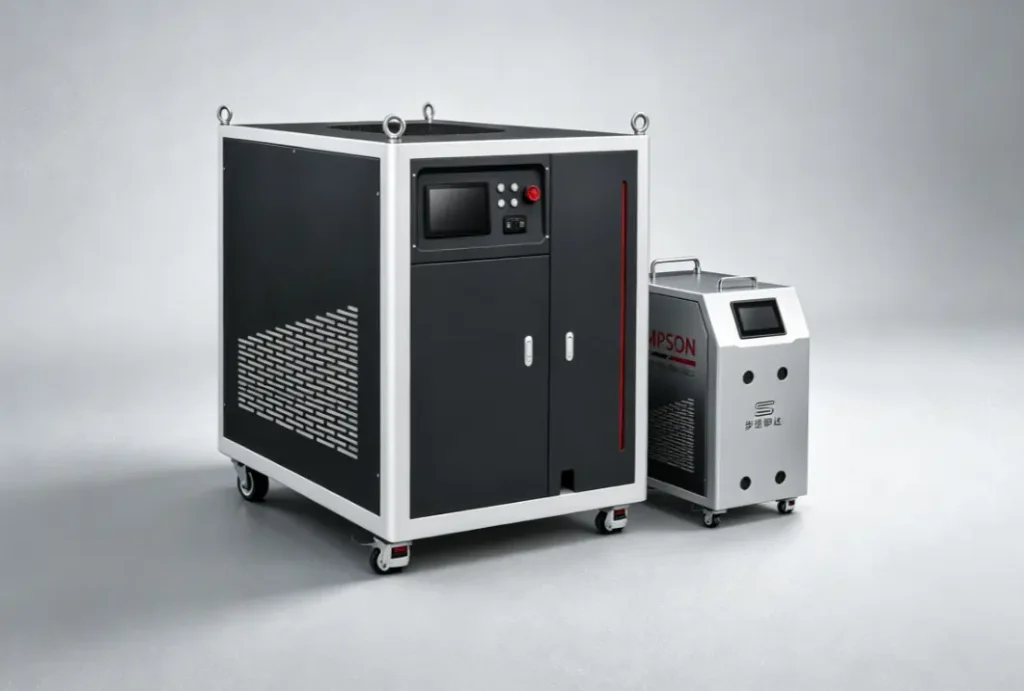
The 6000W Dual Beam Laser Welding Machine uses a dual beam welding structure. The center beam provides deep penetration, while the ring beam controls heat distribution around the welding area. It is designed for thick plate welding and high-reflectivity metals such as aluminum and copper. Applications include aluminum electrolysis equipment, steel structures, containers, engineering machinery, and long seam welding.
- Laser Power: 6000W
- Welding Technology: Dual Beam Composite Welding
- Welding Materials: Aluminum, Copper, Stainless Steel, Carbon Steel
- Cooling Method: Industrial Water Cooling
Core-Ring Laser Welding Machine
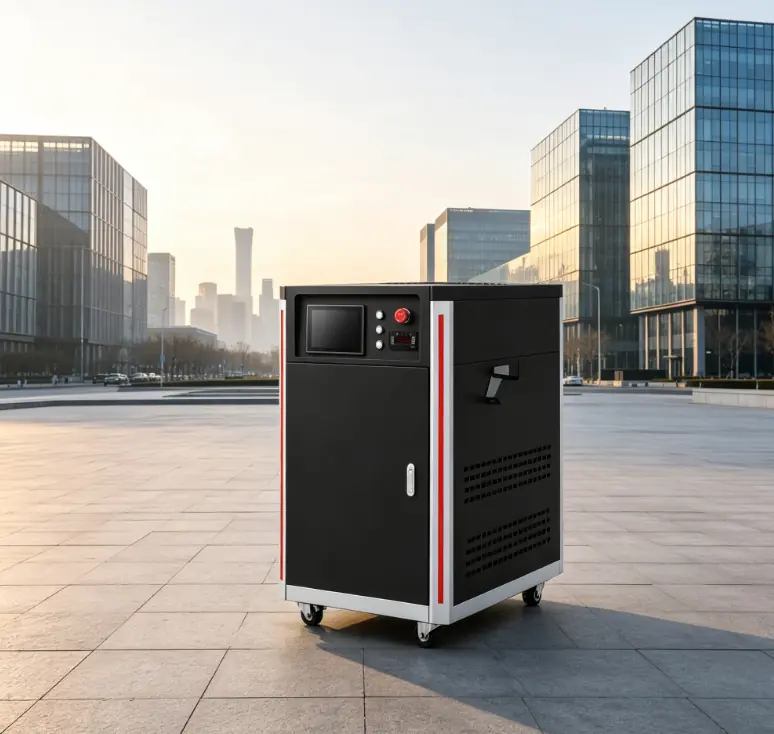
The Core-Ring Laser Welding Machine uses core beam and ring beam technology for medium and thick plate welding. The core beam increases penetration depth, while the ring beam helps control the molten pool during welding. It is used in aluminum products, battery manufacturing, automotive parts, and industrial metal fabrication.
- Laser Power: 4000W / 6000W
- Welding Technology: Core-Ring Composite Beam
- Welding Materials: Aluminum, Copper, Stainless Steel, Carbon Steel
- Application: Thick Plate Welding, Battery Parts, Metal Fabrication
Laser Welding Machine Power vs Welding Thickness
Different laser powers are selected based on material thickness, welding depth, and application type. Lower-power machines are used for thin sheet metal, while higher-power machines are used for thicker materials and heavy industrial welding.
| Laser Power | Material Thickness | Suitable Materials | Applications |
|---|---|---|---|
| 1000W–1500W | 0.5–4 mm | Stainless Steel, Carbon Steel, Aluminum | Sheet metal parts, metal doors and windows, kitchen equipment, and small fabrication work |
| 2000W | 0.5–6 mm | Stainless Steel, Carbon Steel, Aluminum Alloy | Metal cabinets, automotive parts, machinery components, and general fabrication |
| 3000W | 1–8 mm | Carbon Steel, Stainless Steel, Alloy Materials | Engineering machinery parts, equipment manufacturing, and medium plate welding |
| 4000W | 2–12 mm | Aluminum Alloy, Stainless Steel, Carbon Steel | Aluminum structures, heavy equipment, pressure vessels, and industrial fabrication |
| 6000W | 3–15 mm+ | Aluminum, Copper, Stainless Steel, Carbon Steel | Battery components, container welding, large steel structures, and thick plate welding |
Note: Welding thickness may vary depending on material properties, joint design, welding speed, and wire feeding configuration.
Laser welding has a wide range of applications, from precision components to heavy-duty equipment. Learn more about its applications and see our equipment recommendations: What Is Laser Welding Used For?
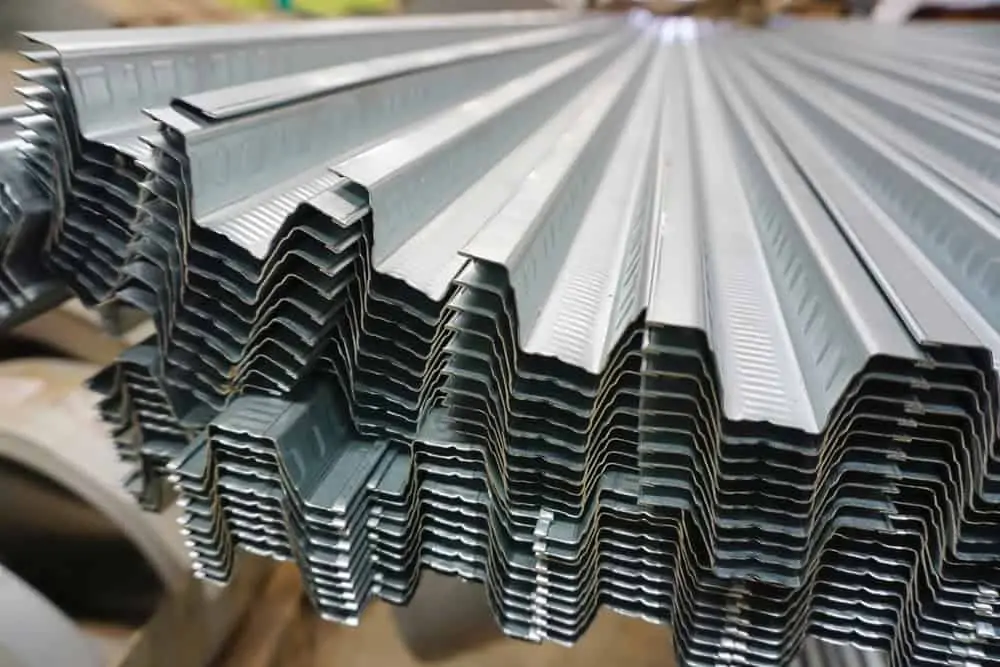
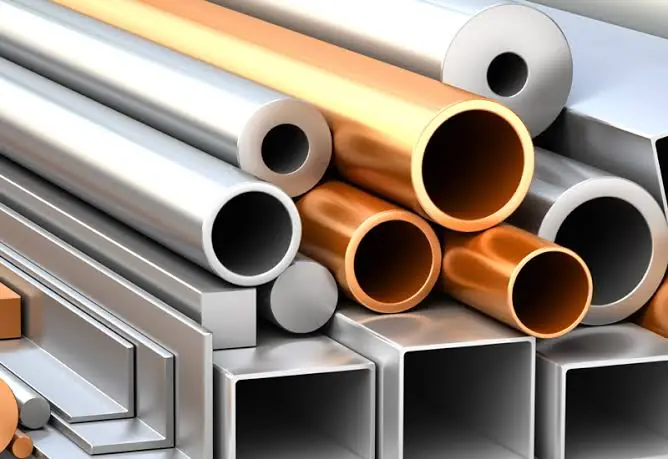
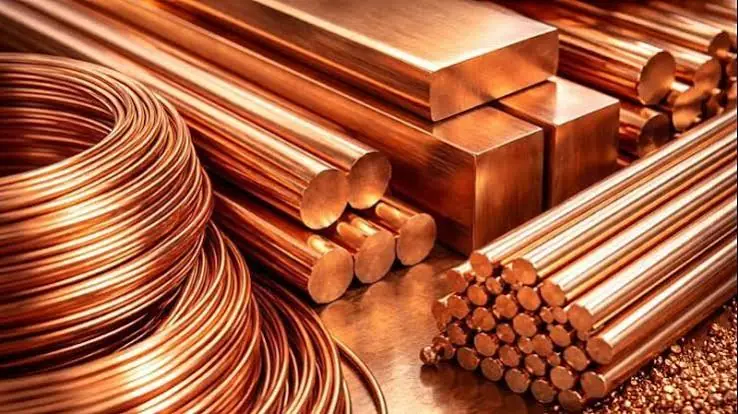
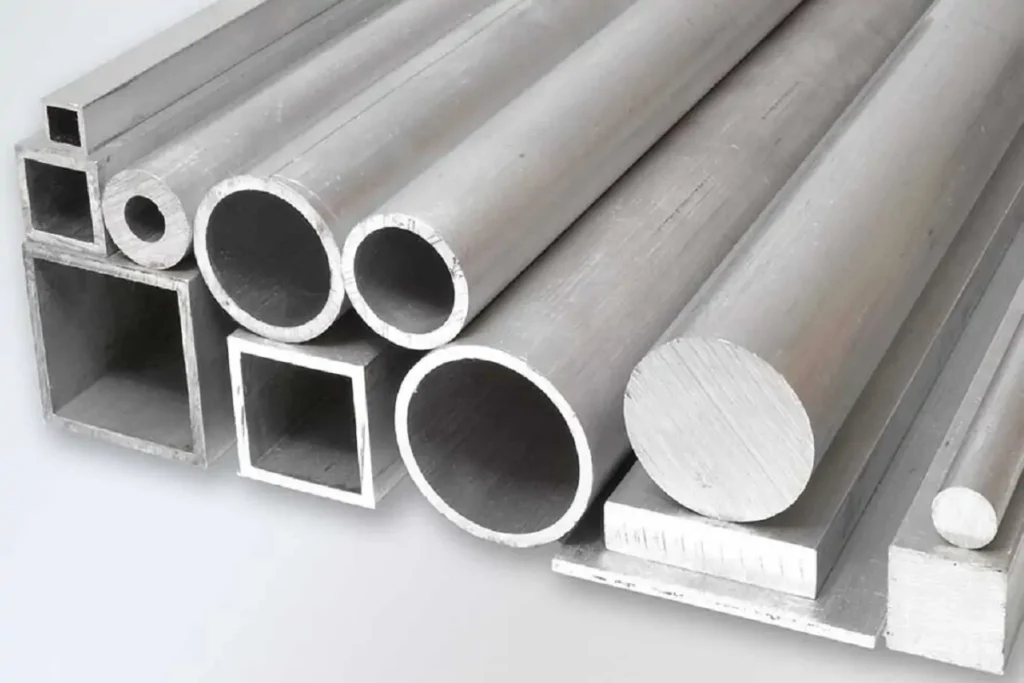
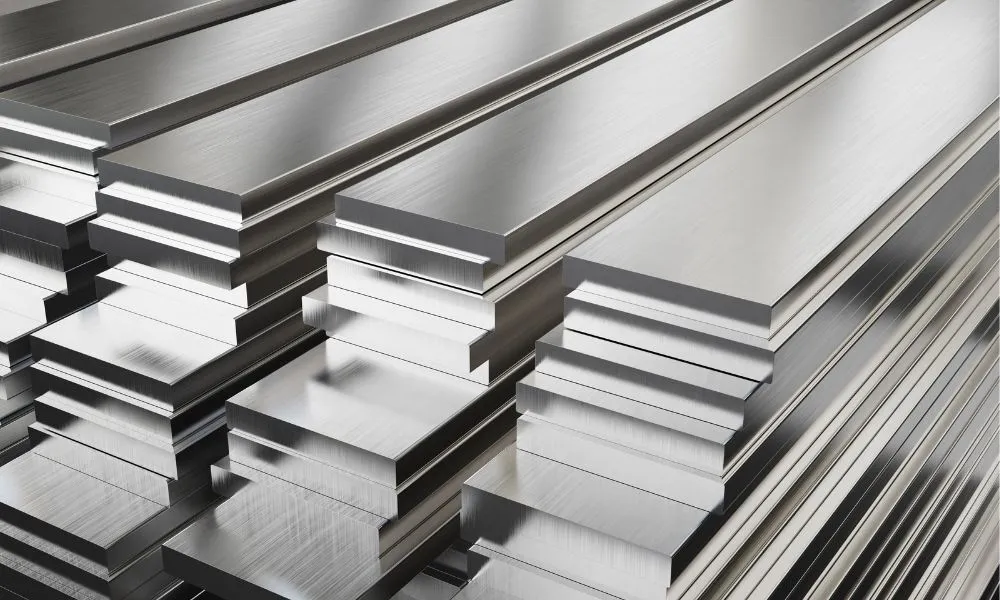
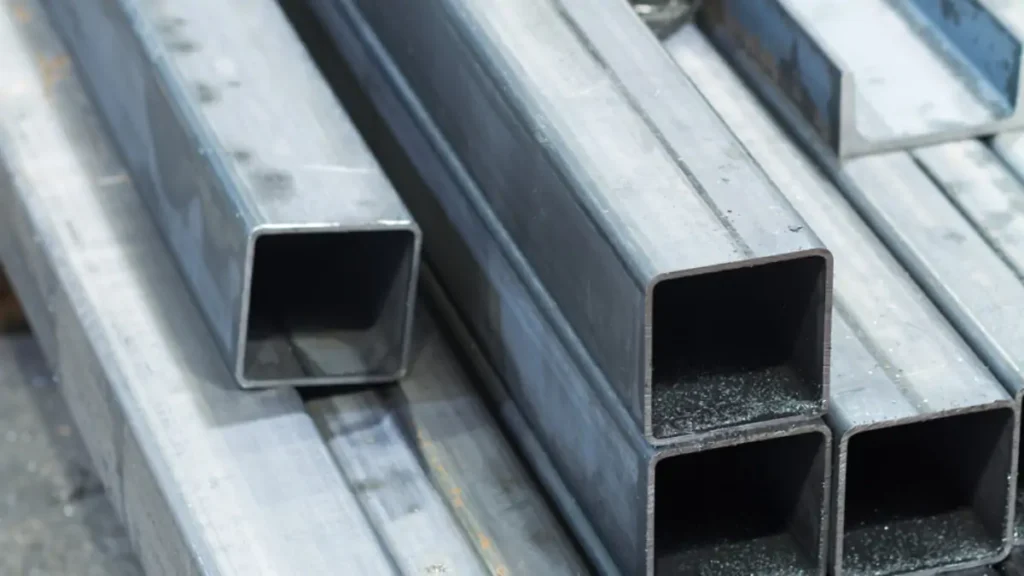
Laser Welding Machine Materials
Laser Welding Machine vs TIG/MIG
Laser welding and TIG/MIG welding use different heat sources and welding processes. Laser welding uses a focused laser beam to melt the metal joint, while TIG/MIG welding uses an electric arc as the heat source. The main differences are welding speed, heat input, deformation, and automation capability.
| Comparison | Laser Welding | TIG/MIG Welding |
|---|---|---|
| Welding Speed | Higher welding speed, suitable for continuous production | Lower welding speed, suitable for general fabrication |
| Heat Input | Lower heat input, smaller heat-affected zone | Higher heat input, larger heat-affected zone |
| Deformation | Less thermal deformation on welded parts | More deformation due to higher heat exposure |
| Weld Appearance | Narrow weld seam with smooth surface | A wider weld seam requires more finishing in some applications |
| Automation | Easy to integrate with robotic systems and production lines | Automation is possible but requires more equipment setup |
| Material Application | Stainless steel, aluminum, copper, carbon steel, highly reflective metals | Stainless steel, carbon steel, aluminum, and common metals |
| Operation | Suitable for precision welding and high-volume production | Suitable for repair work, small batch production, and general welding |
Laser welding is mainly used in applications that require higher welding speed, lower heat impact, and automated production, such as automotive parts, battery components, metal fabrication, and precision manufacturing. TIG/MIG welding remains widely used for general metal joining, repair, and projects where equipment cost and flexibility are the main considerations.
See the differences between laser welding and conventional welding:
- Laser Welding vs Traditional Welding: Differences, Advantages, Costs, and Applications
- Handheld Laser Welding vs MIG Welding: Which One Is Better?
Benefits of Industrial Laser Welding Machines
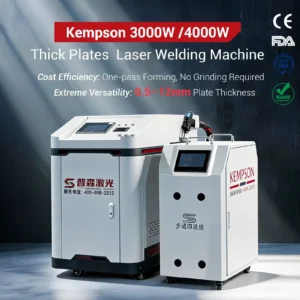
- High-Quality Laser Source: Equipped with China’s leading GW brand lasers, providing stable output, long service life, and superior welding performance.
- Comprehensive Warranty & Support: The full machine comes with a 3-year warranty and free replacement during the warranty period, providing peace of mind for industrial use.
- Multi-Functional & Efficient: Four-in-one capabilities for welding, cleaning, rust removal, and polishing, enabling single-pass finishing without additional grinding.
- Advanced Wire Feeding System: Precision wire feeding with adjustable single/double feed mode, durable for up to six years, ensuring consistent welding quality.
- Smart Control & Multi-Language Interface: Intelligent control screen with multiple welding modes and 9 selectable languages for global usability.
- Cost-Effective Accessories & Energy Saving: Standard delivery includes lenses and nozzles sufficient for a year of operation; the “EverLens Weld 1 + n” system reduces operating costs over time.
Applications
Industrial laser welding machines are used in metal fabrication, machinery manufacturing, automotive, and other industries. They are suitable for welding thin sheets, medium plates, and complex metal parts.
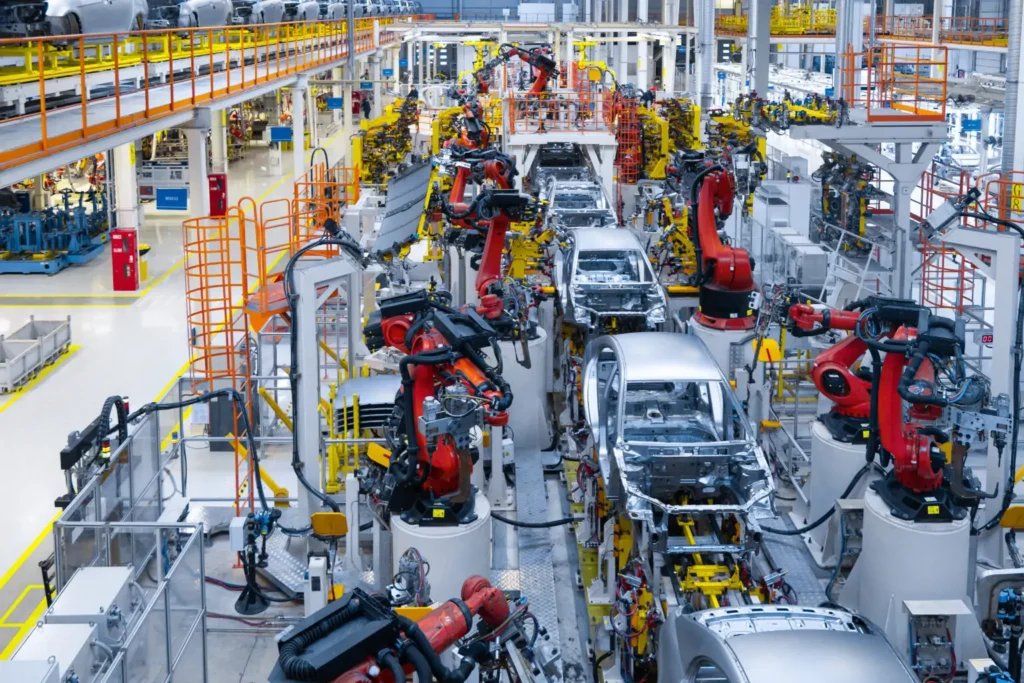
Automotive Manufacturing
Used for welding car body panels, battery trays, exhaust systems, and structural parts.
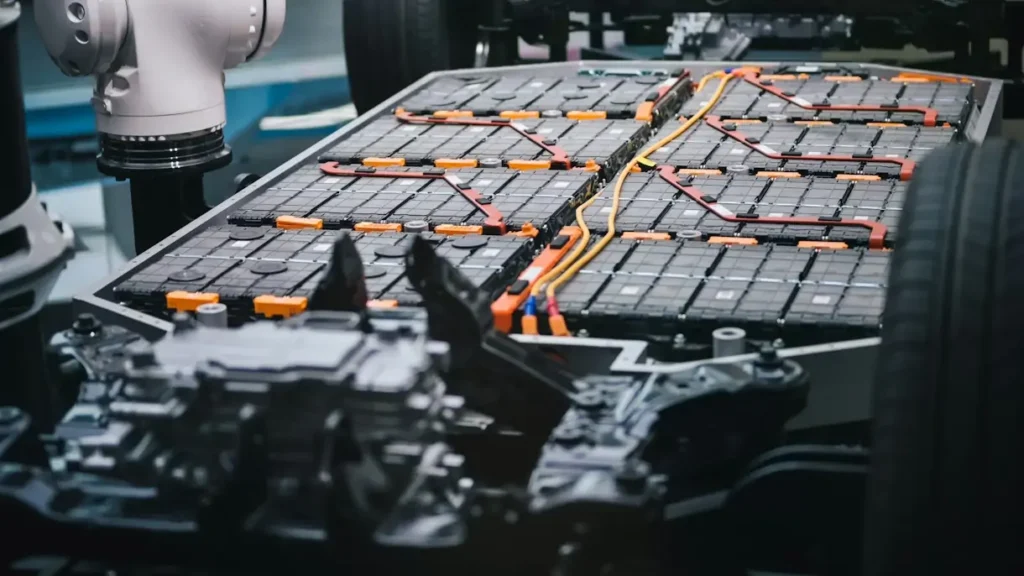
Battery and New Energy Industry
Used for welding battery packs, aluminum cases, busbars, and copper components.
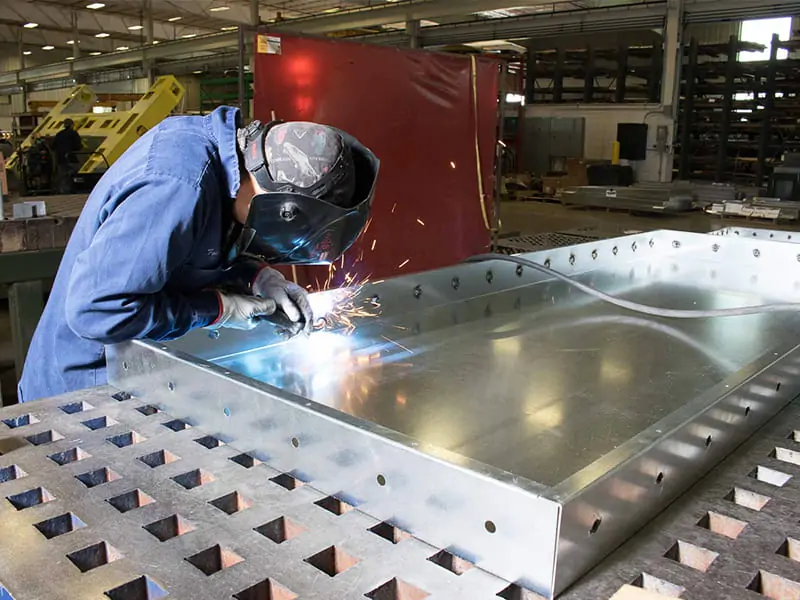
Sheet Metal Fabrication
Used for welding metal cabinets, electrical boxes, enclosures, and sheet metal parts.
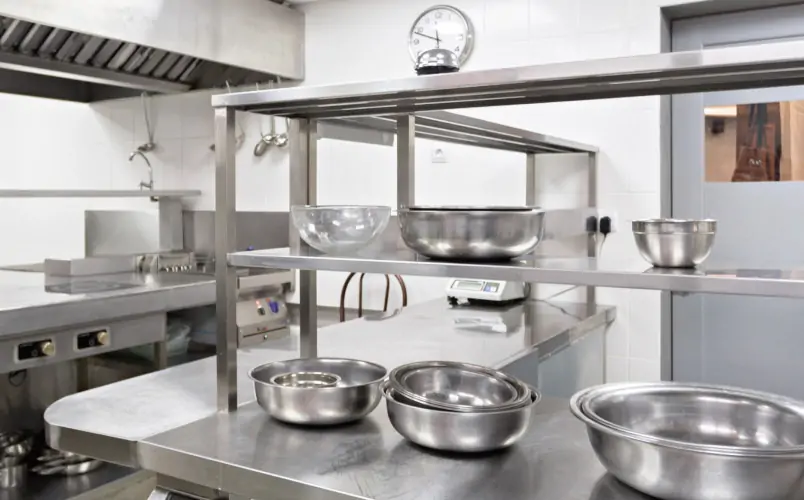
Kitchen Equipment Manufacturing
Used for welding stainless steel sinks, cabinets, appliances, and kitchen equipment.
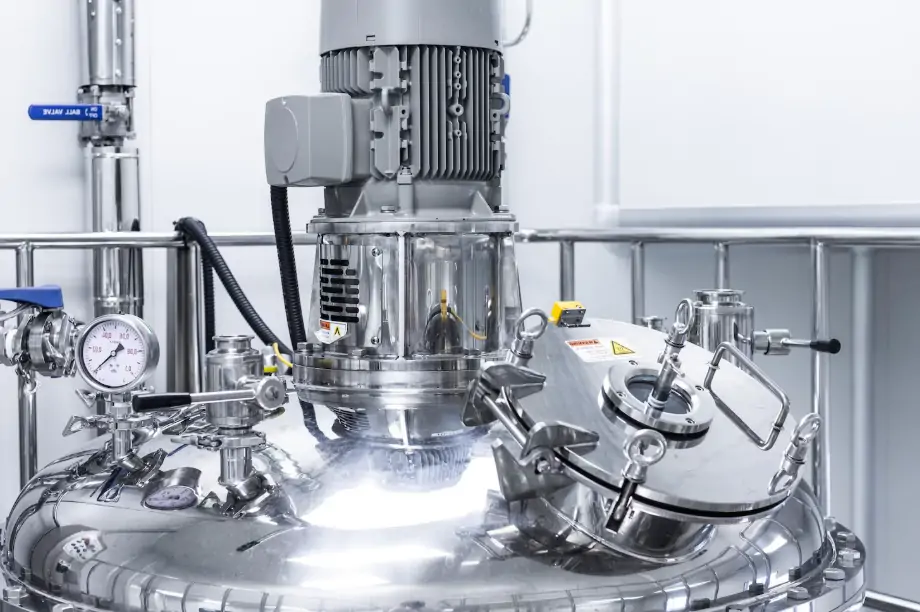
Industrial Machinery Manufacturing
Used for welding machine frames, tanks, structural parts, and industrial equipment.
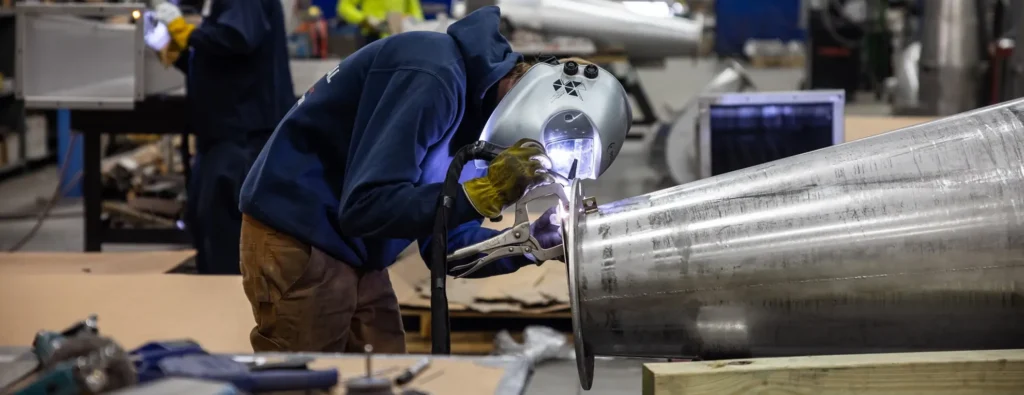
Stainless Steel Products
Used for welding stainless steel furniture, railings, doors, windows, and decorative metal products.
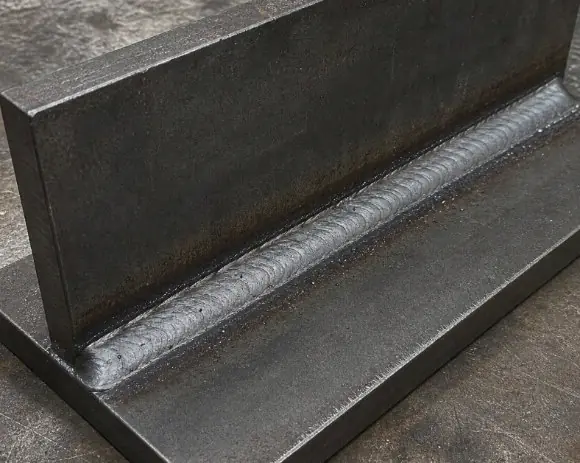
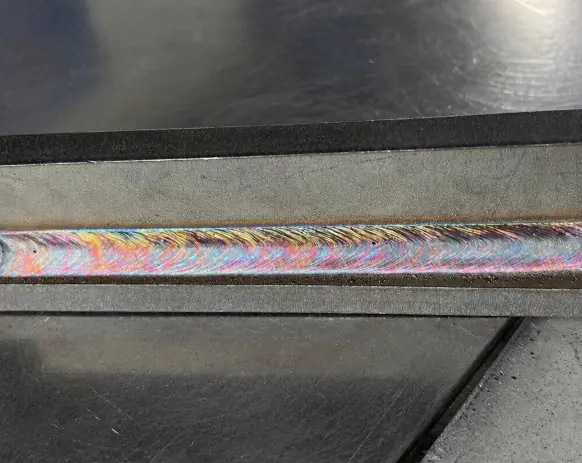
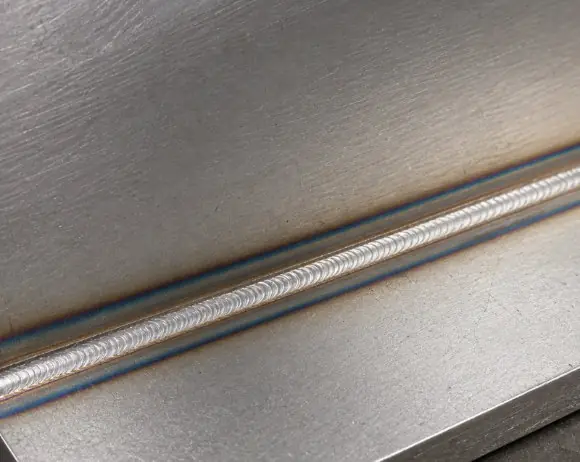
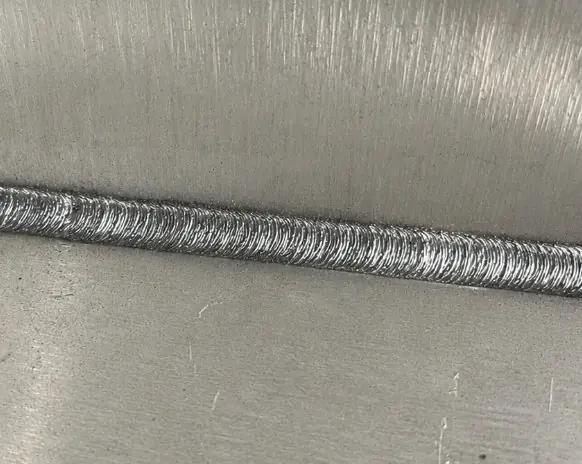
Project Showcase
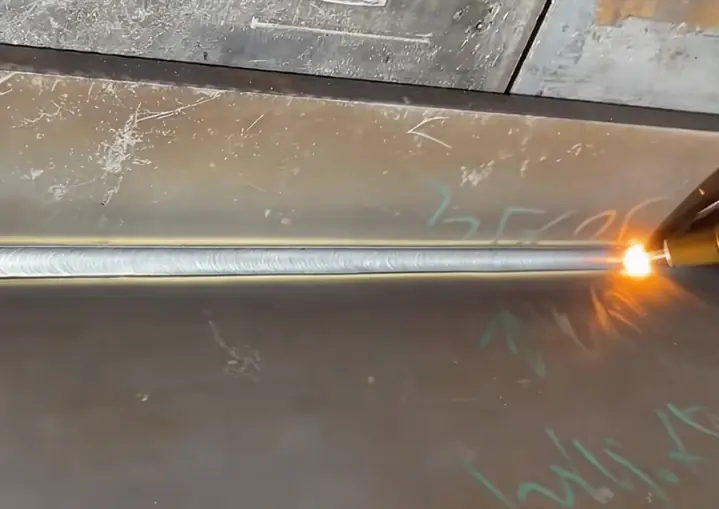
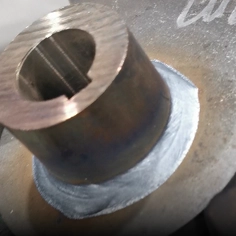
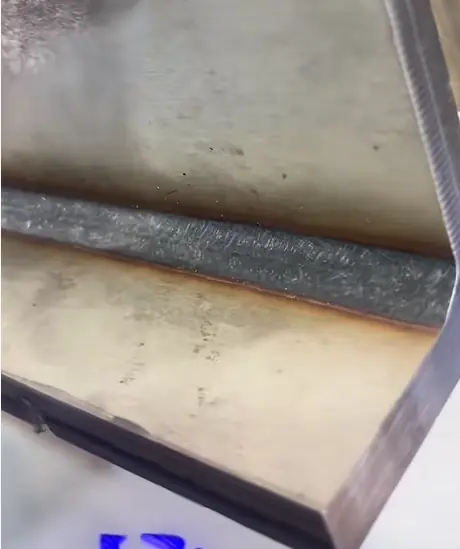
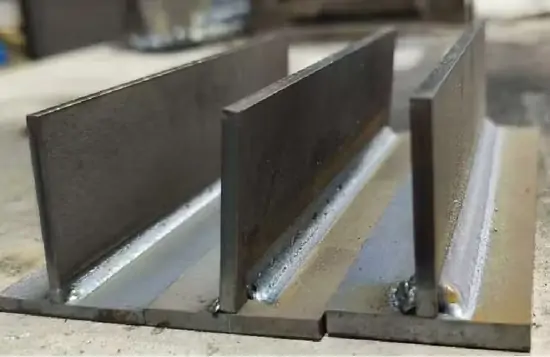
Industrial Laser Welding Machine Price
The price of an industrial laser welding machine depends on laser power, machine configuration, laser source, cooling system, and automation requirements. Lower-power models are suitable for sheet metal welding, while high-power machines are used for thicker materials and continuous industrial production.
| Laser Power | Price Range | Applications |
|---|---|---|
| 1500W | USD $5,000–$12,000 | Stainless steel, carbon steel sheets, and metal fabrication |
| 2000W | USD $8,000–$18,000 | Automotive parts, machinery components, and medium-thickness metal welding |
| 3000W | USD $15,000–$30,000 | Heavy sheet metal, industrial equipment, structural parts |
| 4000W+ | USD $25,000–$60,000+ | Thick plates, aluminum welding, large industrial components |
- Laser Power — Higher-power machines weld thicker materials and provide faster processing speeds.
- Laser Source — Different laser source brands have differences in stability, service life, and maintenance cost.
- Welding Head — Standard handheld welding heads are lower cost, while wobble welding heads and multi-function systems require a higher investment.
- Cooling System — Air cooling is used for lower-power machines, while water cooling is common for high-power continuous welding.
- Automation System — Automatic platforms, robot integration, and production line connections increase equipment cost.
- Machine Configuration — Fixtures, wire feeders, safety systems, and customized designs affect the final price.
For most industrial metal welding applications, 1500W, 2000W, and 3000W fiber laser welding machines are widely selected. 4000W and 6000W models are mainly used for thick metal welding and large-scale production.
For a more in-depth analysis of laser welding machine prices, read the article: “Laser Welding Machine Price: A Comprehensive Guide for Business Buyers”
How to Choose an Industrial Laser Welding Machine?
Selecting an industrial laser welding machine depends on material, thickness, welding process, and production requirements. The right configuration should match the actual welding workload and application conditions.
Check Material Type
Choose the machine based on the materials to be welded, such as stainless steel, carbon steel, aluminum, copper, and alloys.
Consider Material Thickness
Select laser power according to welding thickness. Thin sheets usually use 1500W–2000W machines, while thicker plates require 3000W or higher power.
Define Welding Application
Consider the product type, such as automotive parts, metal structures, battery components, machinery parts, or sheet metal products.
Select Suitable Laser Power
Higher power provides deeper penetration and faster welding speed but requires a stronger cooling system and higher investment.
Choose Welding Mode
Handheld laser welders are suitable for flexible processing, while automatic systems are used for continuous production and repeated welding tasks.
Check Machine Configuration
Review the laser source, welding head, cooling system, wire feeder, and control system according to the production needs.
Consider After-Sales Support
Check technical service, spare parts supply, and maintenance support before purchasing.
For more information on selecting a machine, see the article: “How to Choose a Laser Welding Machine for Your Business?”
Conclusion
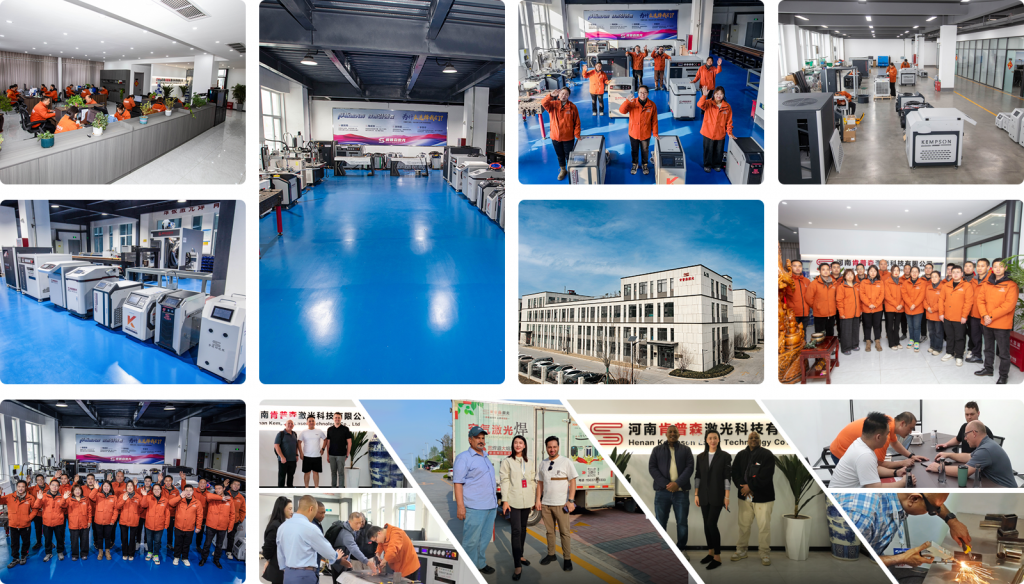
Kempson Industrial Laser Welding Machines are built for reliability, precision, and high performance. With 30+ patented technologies and certifications including CE, ISO, and U.S. FDA, each machine meets strict industry standards. All machines come with a 3-year full warranty.
Kempson provides OEM/ODM solutions and services in 22 countries, backed by extensive global export experience. Our machines combine advanced technology with dependable support, ensuring efficient and precise welding for a wide range of industrial applications.
Contact our team to discuss the best solution for your production needs.
FAQ
What is an industrial laser welding machine?
An industrial laser welding machine uses a focused laser beam to melt and join metal parts. It is used for welding stainless steel, carbon steel, aluminum, copper, and other metals.
How does a laser welding machine work?
A laser welding machine focuses a high-energy laser beam on the joint area. The heat melts the metal and forms a weld seam after cooling.
What materials can a laser welding machine weld?
Laser welding machines can weld stainless steel, carbon steel, aluminum, copper, galvanized steel, and other metal materials.
What is the difference between laser welding and TIG/MIG welding?
Laser welding has higher welding speed, lower heat input, and smaller deformation compared with TIG/MIG welding. TIG/MIG welding is more common for general fabrication and repair work.
What laser power do I need for metal welding?
The required power depends on material type and thickness. 1000W–2000W machines are commonly used for thin sheets, while 3000W–6000W machines are used for thicker plates and industrial applications.
Can a laser welding machine weld aluminum and copper?
Yes. Laser welding machines can weld aluminum and copper, especially with suitable laser power and welding parameters.
What are the main types of industrial laser welding machines?
Common types include air-cooled laser welding machines, water-cooled laser welding machines, dual-beam laser welding machines, and core-ring laser welding machines.
How long does a laser welding machine last?
The service life depends on laser source quality, working hours, maintenance, and operating conditions. Regular maintenance of the laser source, cooling system, and welding head helps extend machine life.