Table of Contents
Introduction
In laser welding, adding filler wire is often required when welding larger gaps, thicker materials, or applications that need higher weld strength. A laser welding wire feeder provides a stable wire supply during the welding process, helping improve weld filling and bead consistency. It has become an important accessory for many handheld and automated laser welding systems.
In this guide, I will explain the basic structure, common types, and working principle of wire feeding systems, then discuss key parameters, selection methods, application areas, and common problems. This article helps you understand how to choose a suitable wire feeder based on welding materials, wire size, and production requirements.
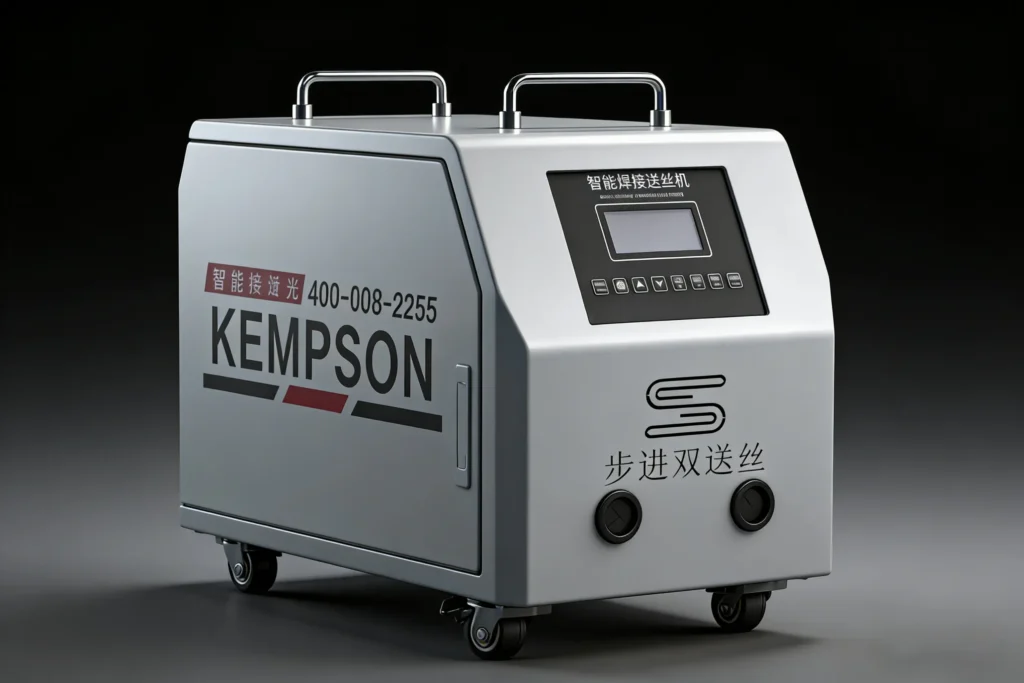
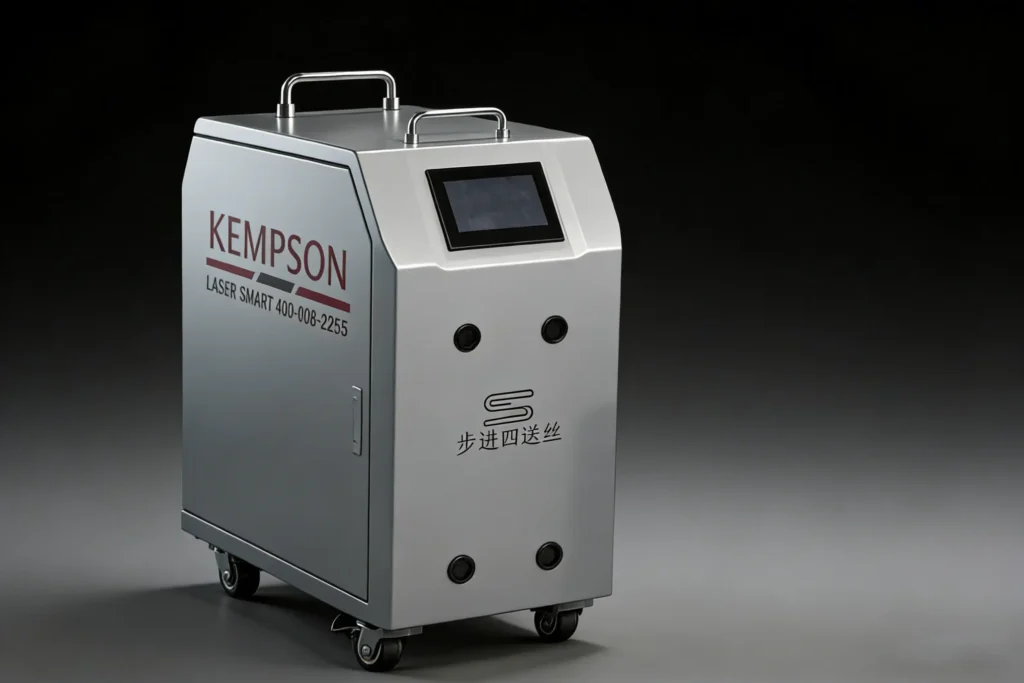
What Is a Laser Welding Wire Feeder?
A laser welding wire feeder is an auxiliary device connected to a laser welding machine to automatically feed filler wire into the welding area. The wire melts with the base material under the laser beam and forms a weld joint. It is mainly used for applications that require additional filler material, such as large gaps, thick plates, and repair welding.
The wire feeder controls the wire feeding speed and keeps the wire supply stable during welding. It helps improve weld reinforcement, fill gaps, and create wider weld beads with consistent quality. Compared with manual wire feeding, it provides a more stable welding process and reduces operator workload.
Laser welding wire feeders are commonly used in stainless steel fabrication, aluminum structures, metal doors and windows, machinery parts, and large weld joints where reliable filler wire supply is needed.
Why Use a Wire Feeder for Laser Welding?
A wire feeder expands the application range of laser welding by providing a stable supply of filler wire for tasks that require additional material during welding.
- Fill Larger Welding Gaps: A wire feeder adds filler material to fill gaps between workpieces, reducing the risk of incomplete welding and improving joint quality.
- Weld Thicker Materials: Additional wire increases the weld volume, making it suitable for thick plates and applications that require stronger weld joints.
- Improve Weld Appearance: Stable wire feeding helps form smooth and uniform weld beads, especially on visible metal surfaces.
- Reduce Manual Wire Feeding: Automatic wire supply keeps the feeding process consistent and reduces dependence on operator skill.
- Support Different Welding Materials: Wire feeders can work with various filler wires for stainless steel, aluminum, carbon steel, and other metal applications.
Using a wire feeder helps improve weld filling, joint strength, and bead quality, making laser welding more suitable for a wider range of industrial applications.
Types of Laser Welding Wire Feeders
Laser welding wire feeders supply filler wire during the welding process. Different feeder designs are used for different weld sizes, wire requirements, and production conditions.
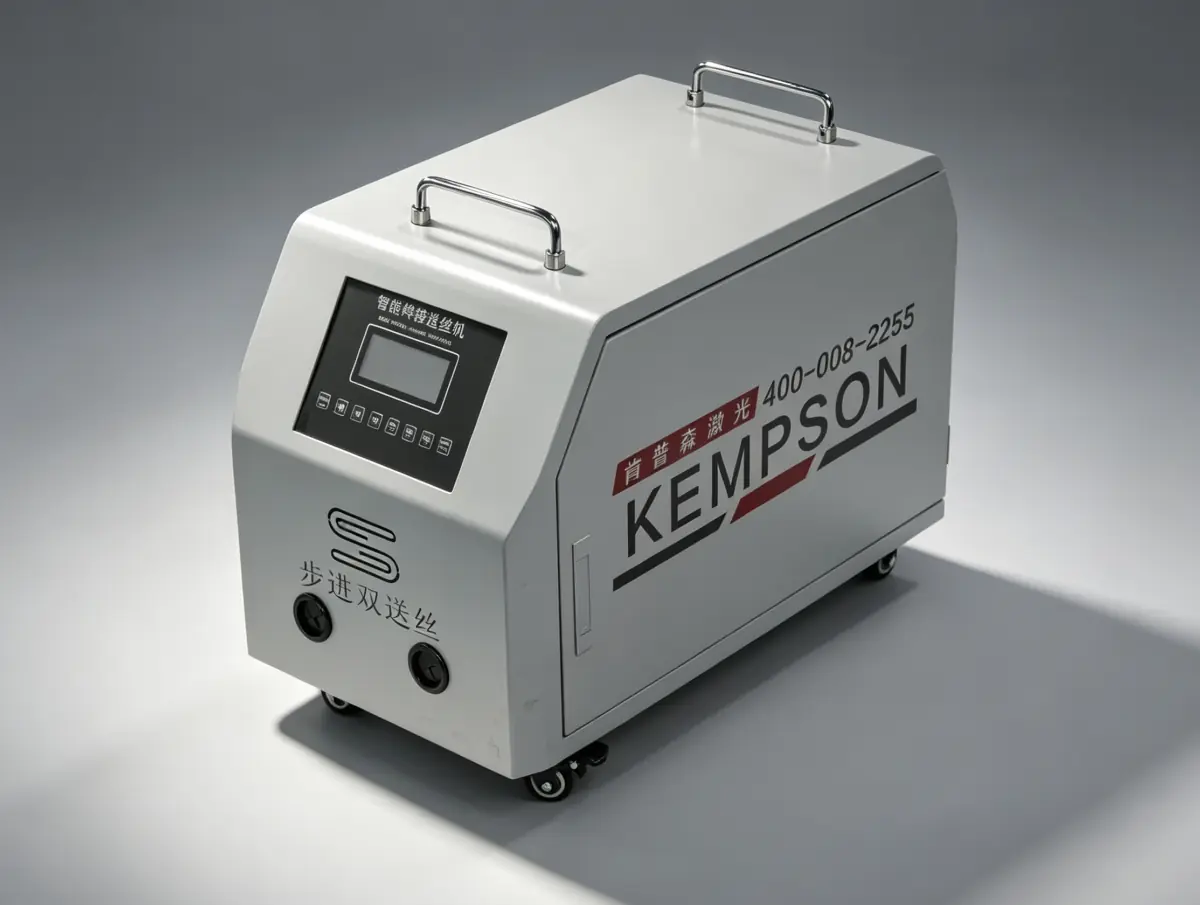
Four-Drive Dual Wire Feeder
The four-drive dual wire feeder feeds two welding wires into the welding area at the same time. The four-roll drive structure grips the wire firmly and provides smooth wire delivery. It is suitable for thick plate welding, gap filling, and welds that require more filler material.
- Wire Diameter: 0.8–2.0 mm
- Feeding System: Four-Roll Drive
- Wire Feeding Mode: Dual Wire Feeding
- Control Method: Digital Control Panel
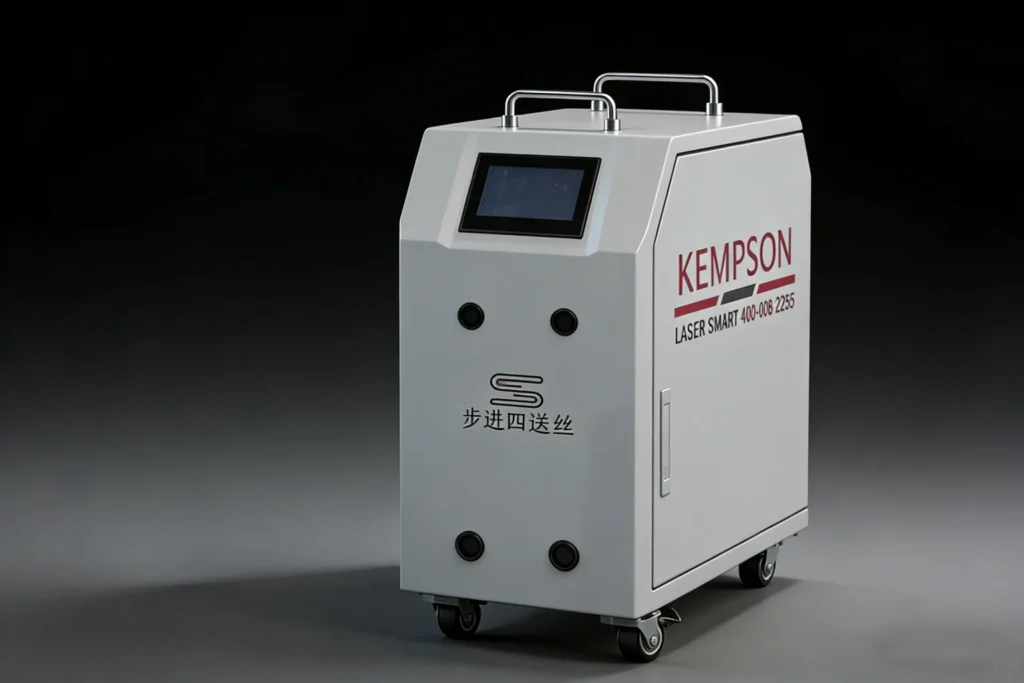
Four-Drive Triple Wire Feeder
The four-drive triple wire feeder feeds three wires during welding. It is designed for wide weld seams, large gaps, and joints that need a higher amount of filler wire. The four-drive gear system keeps the wire feeding stable during long welding operations.
- Wire Diameter: 0.8–1.6 mm
- Wire Feeding Speed: 5–300 cm/min
- Feeding Structure: Four-Drive Gear Linked System
- Control Method: Digital Control Panel
Four-drive dual wire feeders fit common filler wire applications, while four-drive triple wire feeders are used for larger weld seams and higher filling needs. The choice depends on welding thickness, gap size, and wire demand.
How Does a Laser Welding Wire Feeder Work?
A laser welding wire feeder works by controlling the delivery of filler wire into the welding area. The system feeds the wire at a set speed and keeps the wire supply consistent during laser welding.
- 1. Wire Loading — The welding wire is installed on the reel and inserted into the feeding path. The wire diameter is selected according to the material and welding requirements.
- 2. Wire Feeding — The drive rollers rotate under motor control and push the wire forward. The feeding speed can be adjusted based on weld size, material thickness, and laser power.
- 3. Wire Delivery — The wire passes through the guide tube and reaches the laser welding gun. The feeder keeps the wire position stable during movement.
- 4. Wire Melting — The laser beam melts the base material and filler wire at the same time. The melted wire fills the welding gap and forms the weld bead.
- 5. Weld Formation — The filler material solidifies with the base metal to create a complete weld joint. The wire feeding speed and laser parameters affect the final weld shape and quality.
A laser welding wire feeder controls the wire supply from loading to weld formation, keeping the filler material delivery stable during the welding process.
Specification
| Parameter | Specification |
|---|---|
| Wire Diameter | 0.8 / 1.0 / 1.2 / 1.6 / 2.0 mm |
| Wire Feeding Speed | 5–300 cm/min |
| Feeding System | Four-Roll Drive / Four-Drive Gear Linked System |
| Wire Feeding Mode | Single Wire / Dual Wire / Triple Wire |
| Wire Reel Diameter | ≤300 mm |
| Wire Reel Weight | ≤15 kg |
| Control Method | Digital Control Panel |
| Power Supply | DC24V |
| Application | Laser Welding Machine |
How to Choose a Laser Welding Wire Feeder?
Choosing a laser welding wire feeder requires matching the feeder with the welding material, workpiece thickness, weld requirements, and laser welding system. Wire feeding speed, wire diameter, feeding mode, and equipment compatibility are the main factors to consider.
Wire Feeding Speed and Stability
Wire feeding speed affects weld filling and bead formation. Most wire feeders provide a speed range of 15–600 cm/min. The setting should match the laser power, material thickness, and welding speed. Lower feeding speeds are commonly used for thick plate welding and repair welding to control weld bead buildup.
Wire Diameter Compatibility
The wire diameter should match the material thickness and welding process. Different feeding systems support different wire sizes.
| Wire Feeding Type | Wire Diameter |
|---|---|
| Single Wire Feeding | 0.8 / 1.0 / 1.2 / 1.6 mm |
| Dual Wire Feeding | 1.6 / 2.0 / 2.5 mm |
| Wide Range Models | 0.8–2.5 mm |
Wire Feeding Mode
The feeding mode depends on the weld size and filler material requirements. Single wire feeding is used for standard welding tasks. Dual wire feeding is suitable for thicker materials and higher filling requirements. Triple wire feeding is designed for wide weld seams and applications requiring more filler material.
Wire Spool Compatibility
Wire spool size affects continuous welding operation and equipment matching. Common wire feeders support 5–20 kg wire spools with a maximum outer diameter of around 270–300 mm. The spool weight, diameter and mounting size should be checked before selection.
Control Interface and Integration
The wire feeder should match the laser welding system connection method. Common configurations include control cable connection, 3–5 m feeding tubes and automatic wire feeding functions for handheld laser welders or automated welding systems.
Motor Power and Driving Capability
Motor power determines the feeding force and compatible wire range. Common motor options include 80W, 85W, and 130W (24V). Higher power motors are suitable for dual wire feeding and thicker welding wires.
Application Requirements
The feeder should be selected based on weld gap, material type, and production needs. When the welding gap exceeds 0.3 mm or additional filler material is required, a wire feeding system can improve weld filling and joint formation.
Selecting the right laser welding wire feeder requires checking wire speed, wire size, feeding mode, spool capacity, and system compatibility. Testing the feeder with actual workpieces helps confirm the welding performance before production use.
Common Problems With Laser Welding Wire Feeders
Laser welding wire feeders may have feeding and welding issues during operation. Most problems are related to wire condition, feeding components, welding parameters, and material matching.
Wire Feeding Blockage
Wire feeding blockage causes interrupted wire delivery, unstable welding, and uneven weld beads.
Causes: The problem is usually caused by bent or rusty welding wire, damaged wire spools, worn feeding tubes, or dirt inside the guide nozzle. Excessive resistance in the feeding path can prevent smooth wire movement.
Solution: Check the wire condition before use, keep the feeding path clean, adjust the roller pressure, and replace worn tubes or nozzles when needed.
Wire Position Deviation
Incorrect wire position affects the contact between the filler wire and the laser melting area, resulting in unstable weld formation.
Causes: The issue may come from incorrect wire feeding angle, improper alignment between the wire and laser focus, or movement deviation during welding.
Solution: Adjust the wire feeding angle and position to keep the wire accurately entering the molten pool.
Unstable Wire Melting and Droplet Transfer
Unstable wire melting can cause weld defects such as uneven beads, spatter, and porosity.
Causes: The main reasons include improper matching between wire feeding speed and laser power, excessive or insufficient wire supply, and unstable molten pool conditions.
Solution: Adjust the wire feeding speed, laser power, and welding speed according to the material thickness and welding process.
Poor Matching Between Laser Parameters and Wire Feeding
Incorrect parameter matching can lead to incomplete wire melting, irregular weld edges, and poor weld appearance.
Causes: When the wire feeding speed is too high, the laser energy may not fully melt the wire. When the speed is too low, the filler material may not provide enough weld filling.
Solution: Set suitable laser power, welding speed, and wire feeding speed based on wire diameter and application requirements.
Incorrect Welding Wire Selection
Using unsuitable welding wire can cause poor fusion, cracks, or reduced weld strength.
Causes: Different base materials require matching filler wire. Differences in chemical composition between the wire and base metal may affect weld performance.
Solution: Select welding wire according to the material type, welding process, and required mechanical properties.
Wire Feeder Maintenance Issues
Lack of maintenance can reduce feeding accuracy and shorten the service life of the wire feeder.
Causes: Dust, welding spatter, worn rollers, and aging feeding components can increase feeding resistance and cause unstable operation.
Solution: Clean the feeder regularly, inspect consumable parts, and replace damaged components to maintain stable wire feeding.
Common laser welding wire feeder issues are usually related to wire condition, feeder maintenance, welding settings, and material matching. Proper adjustment and regular inspection help keep wire feeding stable and welds consistent.
Applications of Laser Welding Wire Feeders
Laser welding wire feeders are used for welding tasks that require filler wire, gap filling, and larger weld volume.
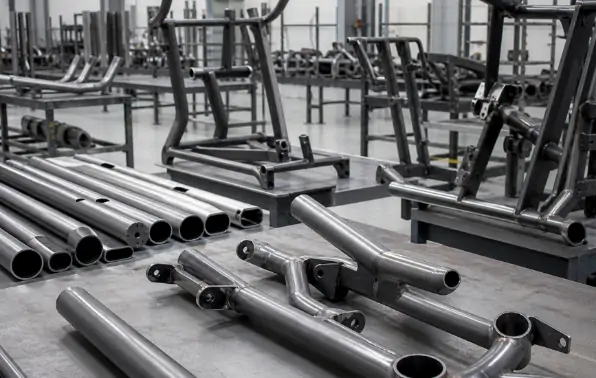
Stainless Steel Fabrication
Used for stainless steel equipment, cabinets, pipes, and metal structures where clean welds and strong joints are required.
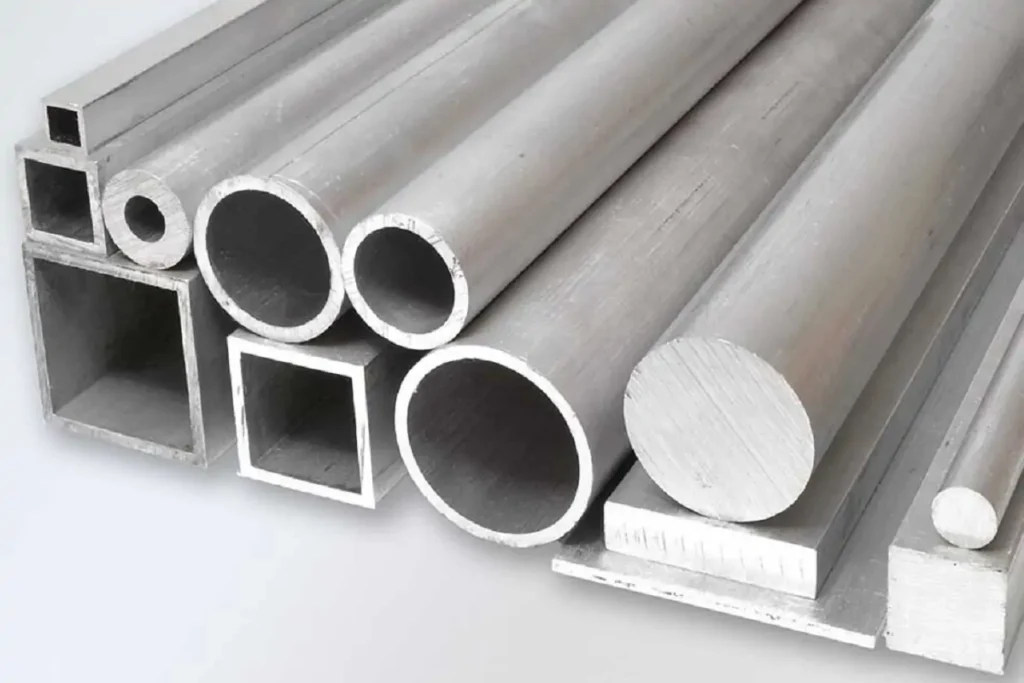
Aluminum Structure Welding
Applied to aluminum frames, automotive parts, and lightweight structures that need additional filler material during welding.
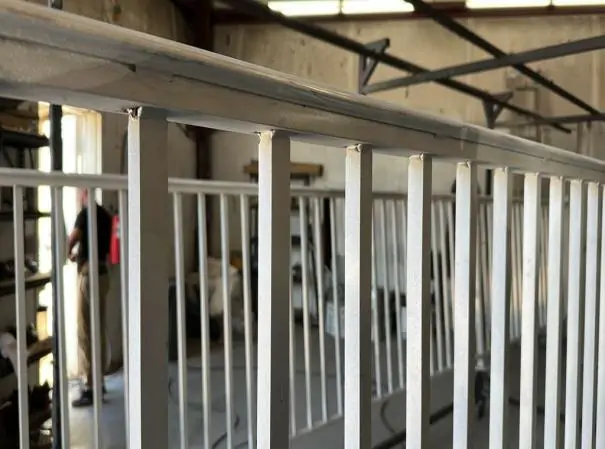
Metal Doors and Windows
Used for aluminum alloy doors, windows, and decorative metal products to improve weld filling and surface finish.
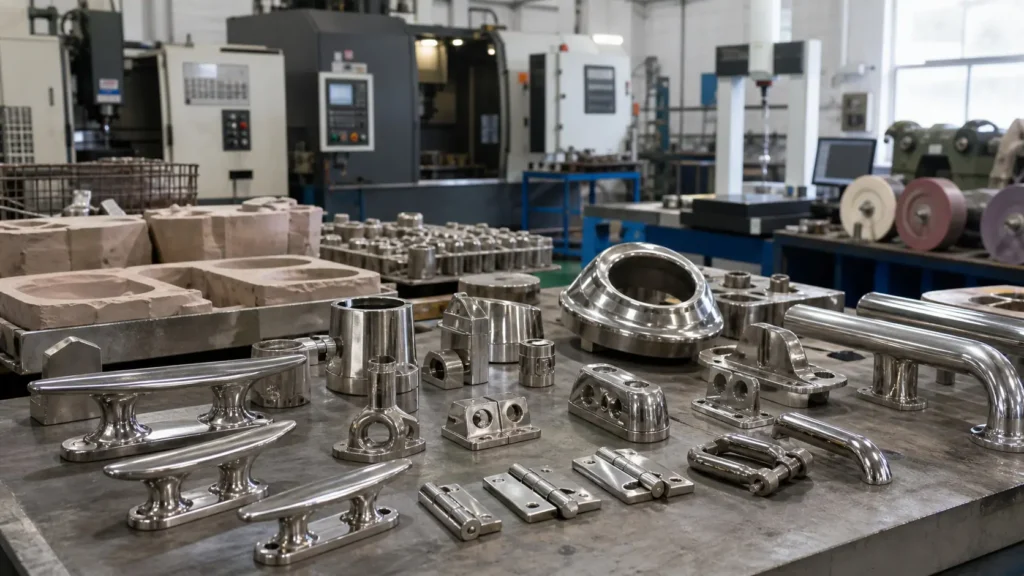
Machinery Parts
Suitable for machine components, equipment frames, and repair welding where extra weld material is needed.
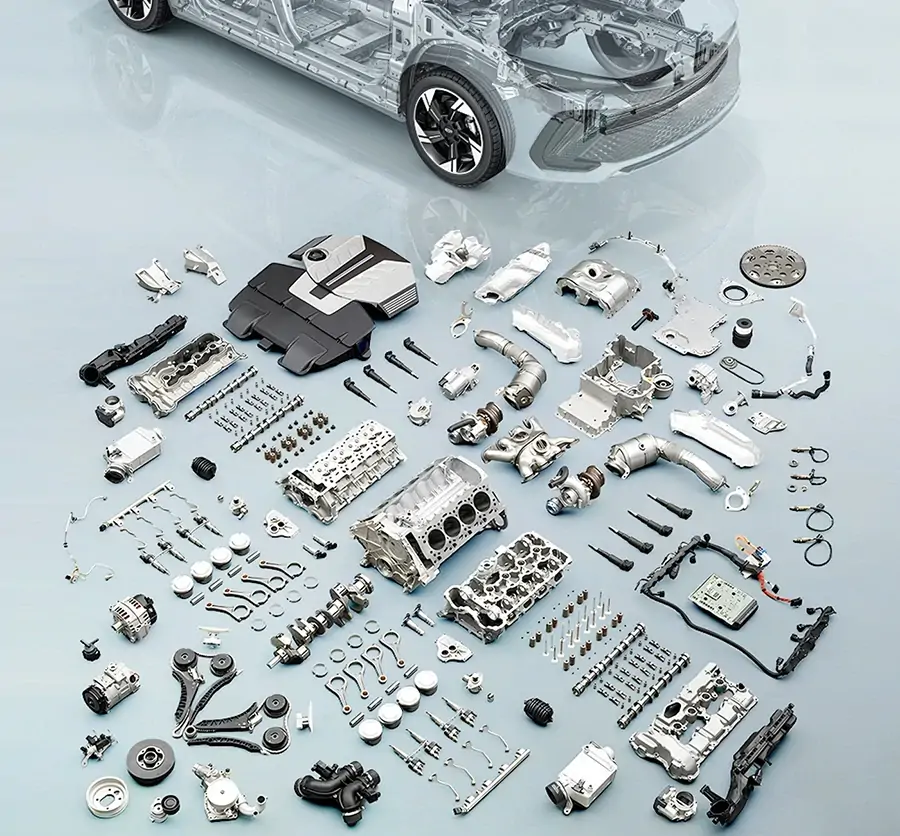
Automotive Parts
Used in vehicle components and metal assemblies that require stable filler wire feeding and consistent weld formation.
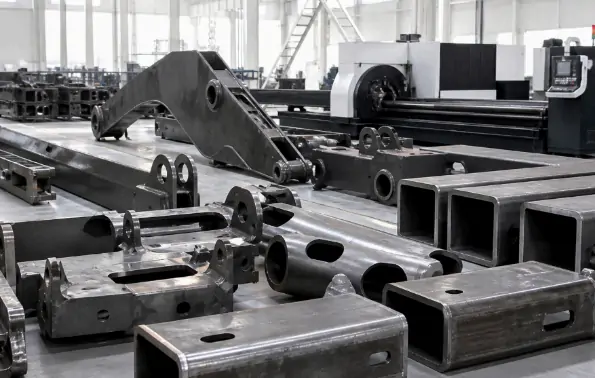
Heavy Plate Welding
Applied to thick plates, large structures, and heavy-duty parts where wider weld seams and higher filler capacity are required.
Laser Welding Wire Feeder vs Manual Wire Feeding
Laser welding wire feeders and manual wire feeding are two common methods for adding filler wire during laser welding. They differ in feeding method, welding control, and application range.
| Comparison | Laser Welding Wire Feeder | Manual Wire Feeding |
|---|---|---|
| Wire Supply | Automatic wire delivery with adjustable feeding speed | Wire is fed manually by the operator |
| Feeding Stability | Provides consistent wire feeding during welding | Feeding speed depends on operator control |
| Weld Quality | Produces more uniform weld filling and bead formation | Weld quality may vary with operator experience |
| Welding Efficiency | Suitable for continuous welding and higher production needs | Slower for long welding operations |
| Operation Skill | Easier operation with preset parameters | Requires more welding experience and hand control |
| Application | Suitable for thick plates, large gaps, and repeated welding tasks | Suitable for small repairs and simple welding jobs |
A wire feeder provides more stable wire delivery for continuous and high-demand welding, while manual wire feeding is suitable for simple welding tasks and small repairs.
Conclusion
A laser welding wire feeder is an important accessory for applications that require filler wire, gap filling, and larger weld volume. Understanding the feeder type, working principle, key parameters, and selection method helps users choose the right solution for different welding tasks.
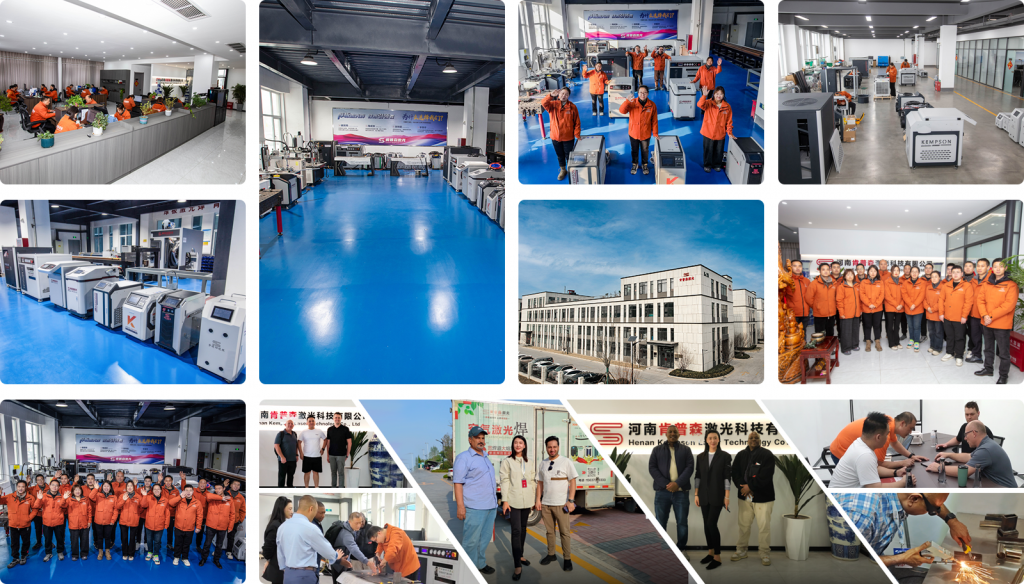
KEMPSON provides a range of laser welding wire feeders compatible with handheld laser welding machines, including four-drive dual wire feeders and four-drive triple wire feeders. With professional manufacturing experience, strict quality control, and technical support, we provide reliable equipment solutions for different materials and welding requirements. If you need a suitable laser welding wire feeder for your laser welding machine, contact us for product recommendations, technical support, and customized solutions.
FAQ
What is a laser welding wire feeder?
A laser welding wire feeder is an auxiliary device that automatically feeds filler wire into the laser welding area. It supplies additional material during welding to fill gaps, improve weld reinforcement, and support thicker material welding.
Why is a wire feeder used in laser welding?
A wire feeder is used when extra filler material is needed. It helps fill larger gaps, increase weld volume, improve weld bead formation, and reduce the need for manual wire feeding.
How does a laser welding wire feeder work?
The feeder uses drive rollers and a motor to push welding wire from the spool to the laser welding gun. The wire melts together with the base material under the laser beam and forms the weld joint.
What types of laser welding wire feeders are available?
Common types include single wire feeders, dual wire feeders, and triple wire feeders. Four-drive dual wire feeders and four-drive triple wire feeders are widely used for applications requiring higher filler material supply.
What wire diameter can a laser welding feeder use?
Most laser welding wire feeders support wire diameters from 0.8 mm to 2.0 mm. Some models support a wider range up to 2.5 mm, depending on the feeding system design.
Can a wire feeder be used with a handheld laser welder?
Yes. A wire feeder can be connected to handheld laser welders to provide automatic filler wire supply. It is commonly used for stainless steel, aluminum, carbon steel, and thick plate welding.
What is the difference between dual wire and triple wire feeders?
A dual wire feeder feeds two wires during welding and is suitable for gap filling and general thick plate applications. A triple wire feeder feeds three wires and is designed for larger weld seams and higher filler material requirements.
How do I choose a laser welding wire feeder?
Choose a wire feeder based on welding material, plate thickness, wire diameter, feeding speed, wire feeding mode, and compatibility with the laser welding machine. Testing with actual workpieces is recommended before production use.