Table of Contents
Introduction
Laser welding with filler wire can be equipped with single wire feeding or dual wire feeding systems. Single wire feeding uses one welding wire to add filler material into the weld pool, while dual wire feeding uses two wires simultaneously to increase filler metal input. The main difference between them is the amount of filler material delivered during welding. Dual wire feeding is suitable for thick plate welding, large gap filling, and applications requiring higher weld deposition, while single wire feeding is widely used for common welding tasks.
In this article, we will compare single vs dual wire feeding for laser welding by explaining their working principles, welding performance, application differences, and selection methods. I will share the key factors that affect the choice of wire feeding system, helping you understand which solution fits your welding requirements.
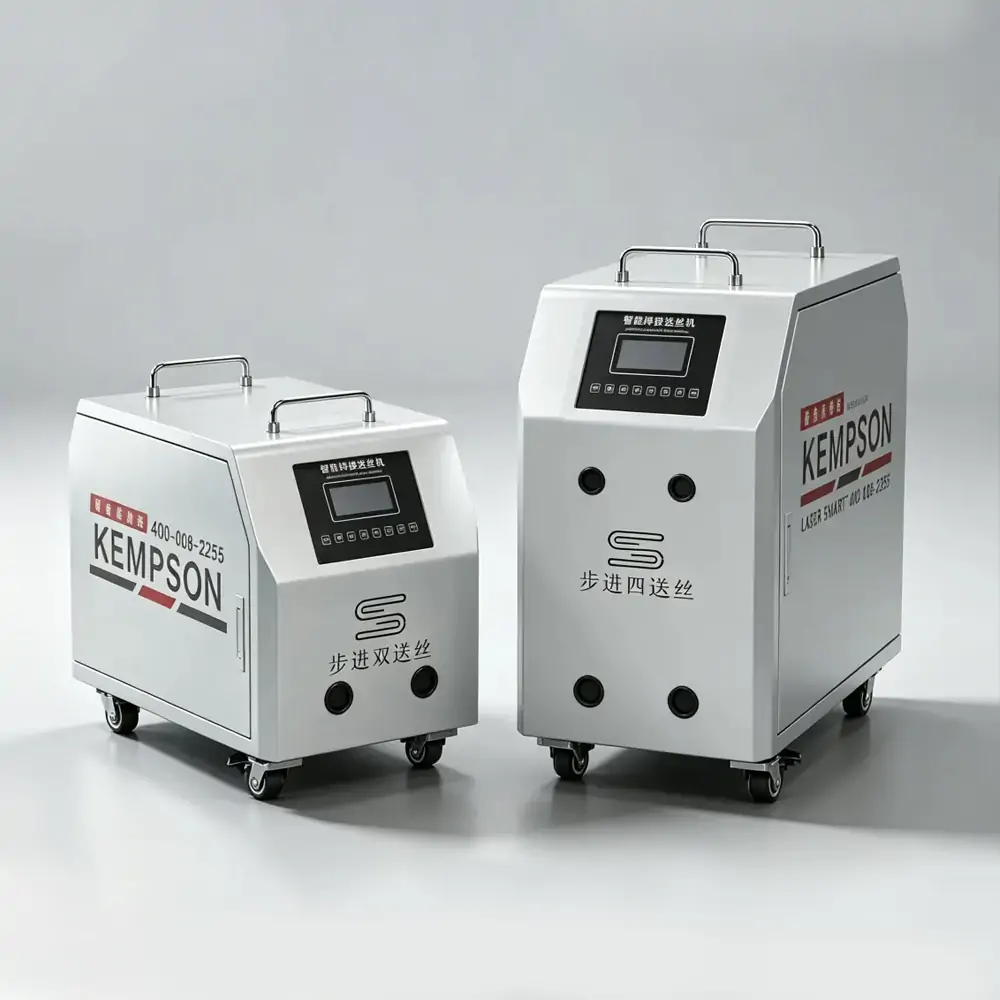

What Is Single Wire Feeding?
Single wire feeding is a laser welding method that uses one continuous filler wire to add material into the laser-generated weld pool. The wire feeder controls the feeding speed and delivers the wire into the welding area, where it melts with the base material to form the weld seam. It is a common solution for applications that require stable welding performance with moderate filler material requirements.
How Does Single Wire Feeding Work?
A single wire feeder pushes the welding wire from the spool through the feeding tube and guides it to the laser welding position. The wire diameter and feeding speed can be adjusted according to the material type, thickness, and welding requirements.
During welding, the laser beam creates a molten pool on the workpiece surface. The filler wire enters the melt pool, melts under the laser heat, and combines with the base material to form a solid weld joint.
The wire feeding speed remains synchronized with the laser power and welding speed to maintain a stable weld shape. This process helps control weld width, filling amount, and surface appearance.
Advantages of Single Wire Feeding
- Simple structure and easy operation
- Lower equipment cost
- Faster setup and adjustment
- Stable weld appearance
- Suitable for common welding materials
- Lower maintenance requirements
Applications of Single Wire Feeding
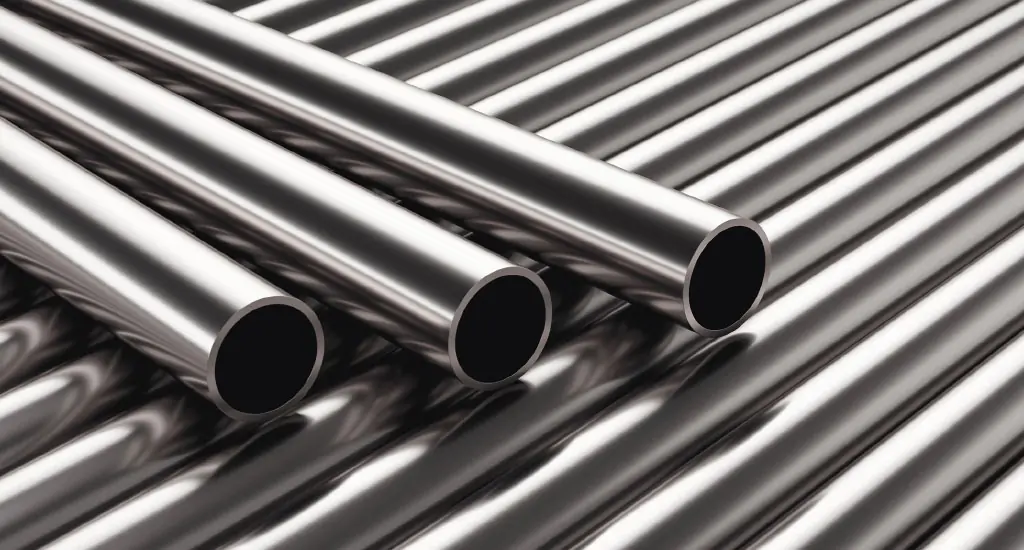
Stainless Steel Sheet Welding
Suitable for thin and medium-thickness stainless steel components requiring clean weld seams.
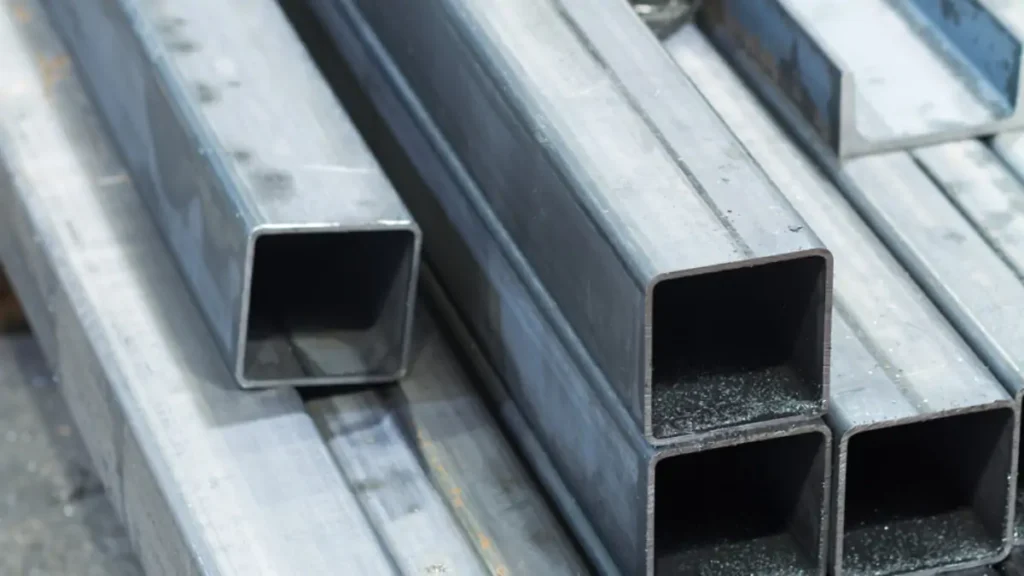
Carbon Steel Fabrication
Commonly used for general industrial parts and metal structures.
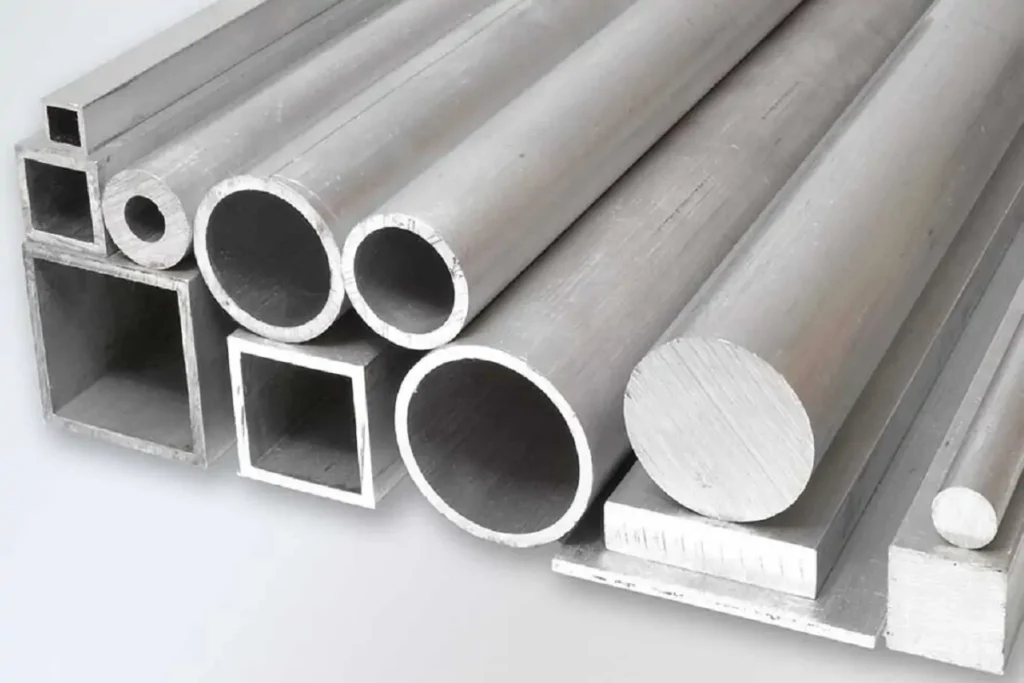
Aluminum Alloy Welding
Used for aluminum components where controlled filler addition is needed.
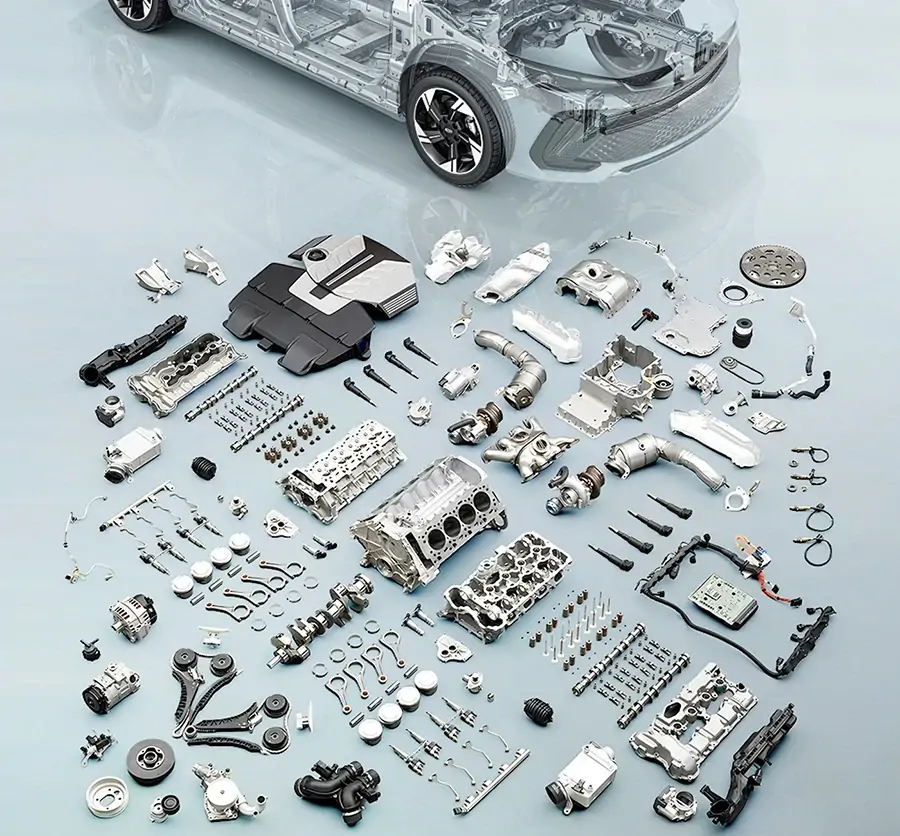
Automotive Manufacturing
Applied in vehicle parts and precision metal welding processes.
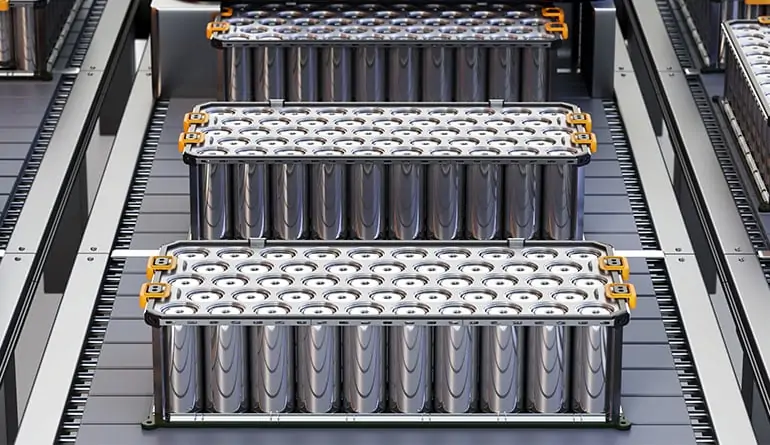
Electronic Equipment Manufacturing
Suitable for small metal parts requiring accurate welding control.
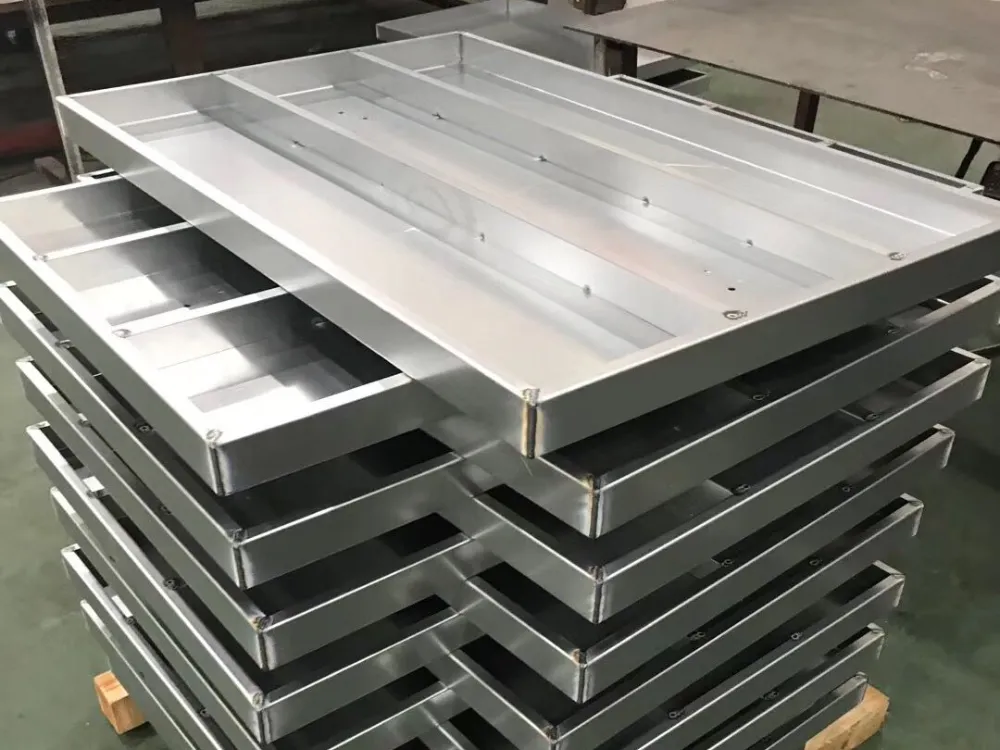
General Metal Fabrication
Widely used for standard welding tasks with consistent joint gaps.
What Is Dual Wire Feeding?
Dual wire feeding is a laser welding method that uses two filler wires. The two wires are fed into the laser weld pool at the same time, adding more filler material to the joint. Compared with single wire feeding, dual wire feeding provides a larger filling amount and is mainly used for thick materials, wider weld seams, and welding tasks with larger gaps.
How Does Dual Wire Feeding Work?
A dual wire feeder delivers two welding wires from separate wire paths through the feeding system to the welding area. The wire feeding speed can be adjusted based on the material thickness, wire diameter, and welding parameters.
The laser beam melts the base material and creates a weld pool. The two wires enter the molten area, melt under the laser heat, and mix with the base material to form the weld seam.
With two wires adding filler material at the same time, the welding system can handle larger joint gaps and higher filling requirements. It is often used for applications where a single wire cannot provide enough weld material.
Advantages of Dual Wire Feeding
- More filler material per unit time
- Better performance for gap filling
- Suitable for thick material welding
- Higher weld deposition rate
- Wider weld seam formation
- Fewer welding passes for some applications
Applications of Dual Wire Feeding
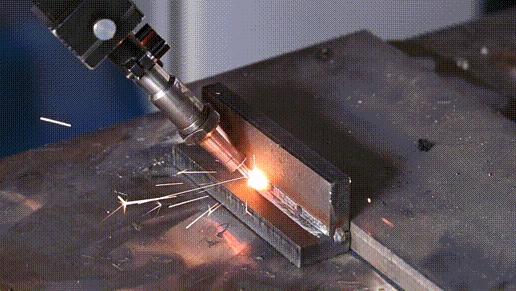
Thick Plate Welding
Used for steel plates and metal parts that require more filler material.
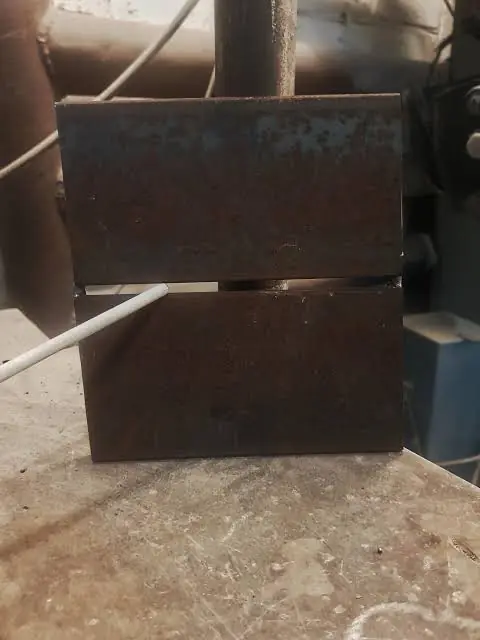
Large Gap Welding
Suitable for joints with uneven gaps or larger assembly tolerances.
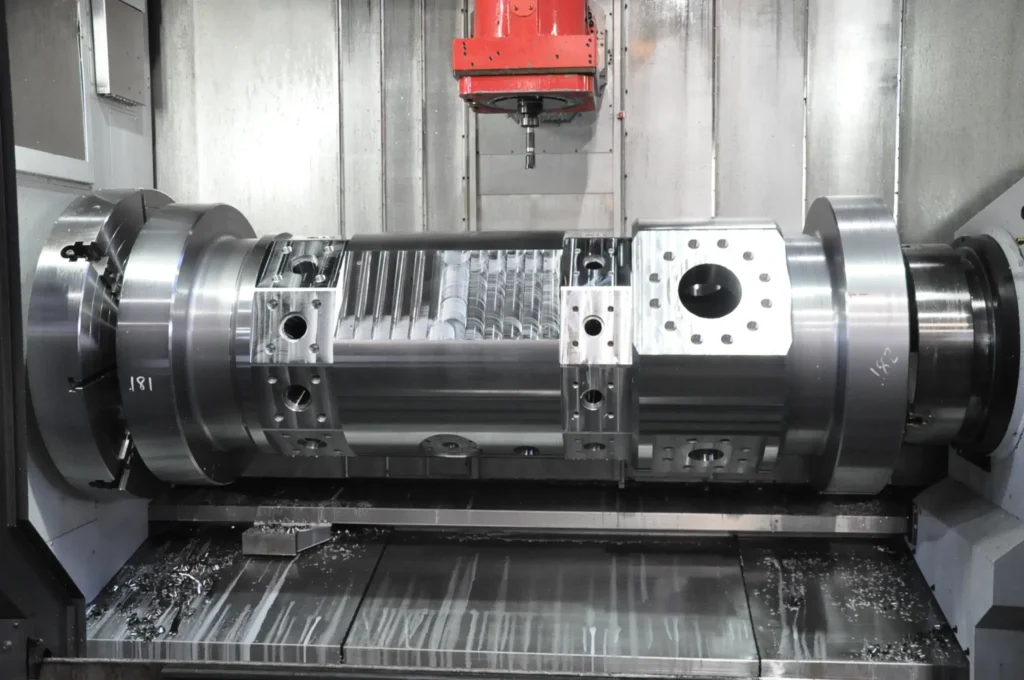
Heavy Equipment Manufacturing
Applied in machinery frames, industrial equipment, and large metal structures.
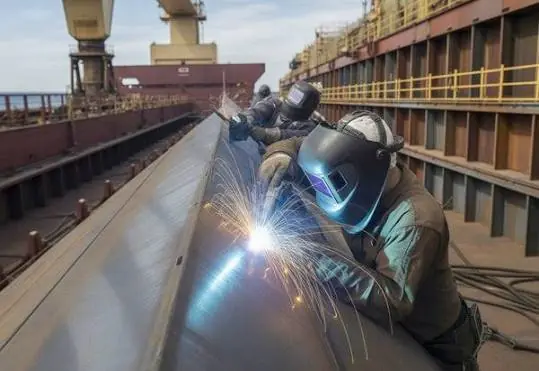
Shipbuilding
Used for welding large steel components with high filling requirements.
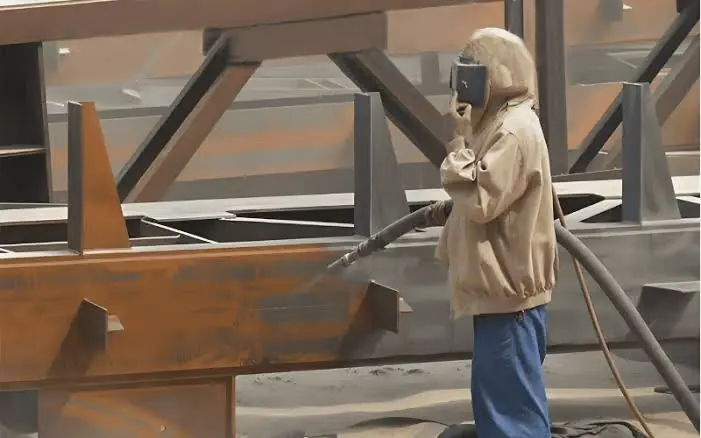
Steel Structure Fabrication
Suitable for beams, frames, and other heavy steel products.
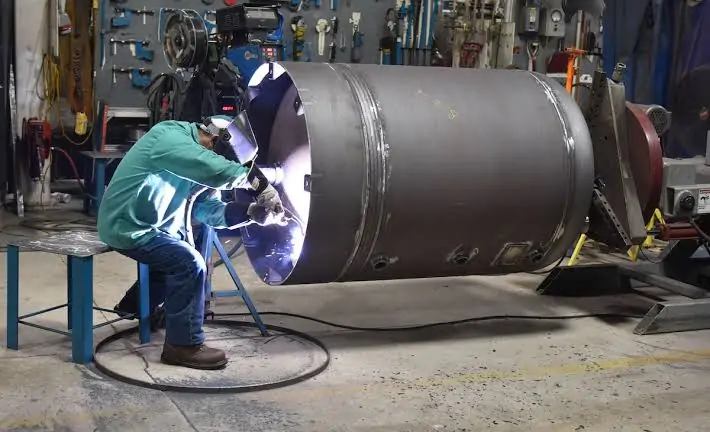
Pressure Equipment Manufacturing
Used in components that require stable weld strength and larger weld volume.
Single vs Dual Wire Feeding: Differences
Single wire feeding and dual wire feeding are two filler wire methods used in laser welding. Single wire feeding fits standard welding tasks, while dual wire feeding is used for thicker materials and higher filling requirements.
| Comparison | Single Wire Feeding | Dual Wire Feeding |
|---|---|---|
| Wire Feeding Structure | One welding wire is delivered into the weld pool through a single feeding path. The structure is simple with low feeding resistance. | Two welding wires are fed into the weld pool separately or at the same time. The wires can be arranged in parallel, front-back, or other configurations. |
| Suitable Applications | Used for thin plate welding, precision welding, and common repair work. | Used for thick plate welding, wide weld seam filling, and applications with high filler material requirements. |
| Deposition Rate | Limited by the melting speed of one wire. | Two wires increase filler material input and improve deposition efficiency. |
| Process Control | Simple wire path and easier parameter adjustment. | Requires control of two wire feeding speeds and positions to maintain stable welding performance. |
| Weld Formation | Provides stable weld size and good appearance for standard welding tasks. | Forms wider weld seams and handles larger gaps, but requires proper parameter matching. |
| Equipment Cost | Simple structure with lower equipment cost. | Requires dual feeding mechanisms and control systems, resulting in higher equipment cost. |
| Typical Applications | Stainless steel sheets, aluminum parts, electronic components, and general metal fabrication. | Thick steel plates, heavy structures, large weld joints, and applications requiring higher filling capacity. |
The choice between single and dual wire feeding depends on material thickness, weld gap, and production needs. KEMPSON provides single, dual, and triple wire feeding solutions for different laser welding applications.
Is Dual Wire Feeding Better Than Single Wire Feeding?
No. Dual wire feeding is not always better than single wire feeding. The suitable choice depends on the welding material, plate thickness, gap size, and production requirements.
- Single wire feeding uses one welding wire and is suitable for standard laser welding applications, such as thin plate welding, precision parts, and regular weld joints. It has a simple structure and is easier to operate.
- Dual wire feeding uses two wires at the same time to add more filler material into the weld pool. It is more suitable for thick plates, large gaps, wide weld seams, and welding processes that require higher deposition rates.
For common welding work, single wire feeding can meet most requirements. For heavy materials and high filling applications, dual wire feeding is a better choice.
How Does Wire Feeding Method Affect Laser Weld Quality?
Wire feeding parameters play an important role in laser welding quality, affecting filler material supply, weld formation, and joint performance.
- Wire Feeding Speed: Wire feeding speed controls how much filler wire enters the weld pool. The right speed provides enough filler material for the joint, while incorrect settings can lead to insufficient filling, excessive buildup, or unstable weld formation.
- Wire Feeding Mode: Front, rear, and side wire feeding change the way the wire enters the weld pool. Different feeding methods affect weld width, surface finish, and welding stability.
- Wire Feeding Angle and Position: Wire angle and feeding position affect wire melting and filler distribution. Correct wire placement helps keep the weld pool stable.
- Dynamic Wire Feeding: Dynamic wire feeding adjusts wire movement during welding. It is used in some processes to control filler input and heat distribution.
- Laser Oscillation with Wire Feeding: Laser oscillation changes the movement of the heat source in the weld area. Combined with wire feeding, it helps improve weld formation for materials with higher welding requirements.
- Weld Structure and Defects: Wire feeding settings influence weld structure and defect formation. Proper adjustment helps reduce pores, cracks, and uneven weld areas.
Proper wire feeding control helps achieve stable welds and better results for different laser welding applications.
Single Wire Feeder vs Dual Wire Feeder: How to Choose?
The choice between single and dual wire feeders depends on material thickness, weld gap, and filler material requirements.
Choose Single Wire Feeder
- Welding thin or medium thickness materials
- Weld gaps are small and consistent
- Standard weld joints are required
- Lower equipment cost is preferred
- Simple operation and adjustment are needed
Choose Dual Wire Feeder
- Welding thick plates or heavy materials
- Larger gaps require more filler material
- Wider weld seams are needed
- Higher deposition rate is required
- Large structural parts need more welding volume
Step 1: Check Material Thickness
- Thin sheet → Single wire
Suitable for thin and medium thickness materials with standard weld requirements. - Thick plate → Dual wire
Suitable for thicker materials that need more filler material.
Step 2: Evaluate Gap Requirements
- Small gap → Single wire
Works well for joints with consistent gaps and regular weld seams. - Large gap → Dual wire
Provides more filler wire for wider gaps and larger weld joints.
Step 3: Consider Production Efficiency
- Low volume → Single wire
Suitable for small production runs with simple welding tasks. - High production demand → Dual wire
Suitable for continuous production requiring higher welding efficiency and deposition rate.
Selecting the right wire feeder helps match the welding process with actual production needs.
Can One Laser Welding Machine Use Both Single and Dual Wire Feeding?
Yes. Some laser welding machines can work with both single and dual wire feeding systems by changing the wire feeder configuration according to welding requirements.
A laser welding machine with flexible wire feeding options can switch between single wire and dual wire modes for different applications. Single wire feeding is used for regular welding tasks, while dual wire feeding is selected for thick materials, large gaps, and higher filler material requirements.
This type of setup allows one machine to handle different welding conditions without changing the entire welding system. KEMPSON provides single wire feeder, dual wire feeder, and triple wire feeder solutions for various laser welding applications.
Equipment

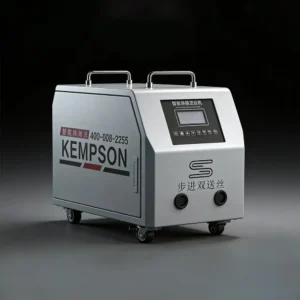
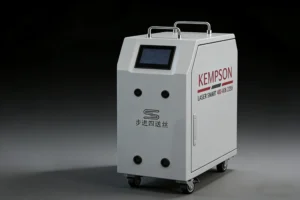
Four-Drive Dual Wire Feeder for Laser Welder
Supports single wire and dual wire feeding modes. Users can switch between two feeding methods based on material thickness, weld gap, and filler material requirements.
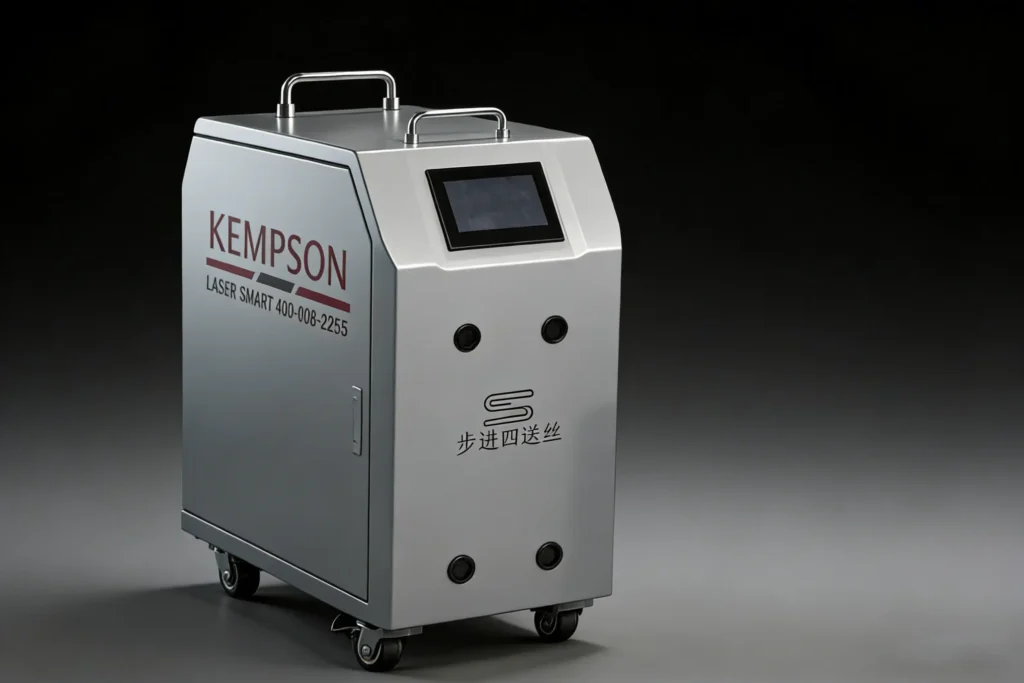
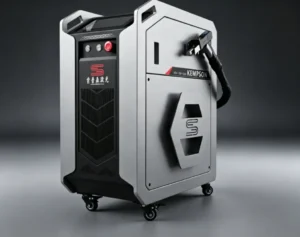
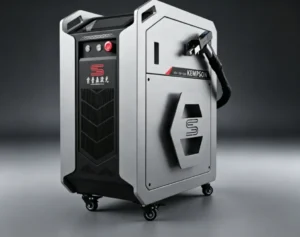
Four-Drive Triple Laser Welder Wire Feeder
Supports single wire, dual wire, and triple wire feeding modes. The flexible wire feeding options fit different welding conditions, from standard welding to high filling applications.
Conclusion
Choosing between single and dual wire feeding depends on your welding thickness, gap requirements, and production goals. Single wire feeding provides a simple and cost-effective solution for standard welding tasks, while dual wire feeding offers higher filling capacity for demanding applications.
As a professional laser welding solution provider, KEMPSON provides reliable wire feeding systems for different welding requirements. Contact us to find the right laser welding wire feeder for your application.
FAQ
What is the difference between single and dual wire feeding in laser welding?
Single wire feeding uses one welding wire to add filler material into the weld pool, while dual wire feeding uses two wires at the same time. Dual wire feeding provides more filler material and is suitable for thicker materials and larger weld joints.
Is dual wire feeding better than single wire feeding?
Not always. Single wire feeding is suitable for standard welding applications, while dual wire feeding is used for thick plates, large gaps, and higher filler requirements. The right choice depends on the welding condition.
What are the advantages of dual wire laser welding?
Dual wire laser welding provides higher filler material input, better gap filling ability, and wider weld seam formation. It is commonly used for heavy materials and large structural parts.
When should I use single wire feeding?
Single wire feeding is suitable for thin and medium thickness materials, regular weld joints, small gaps, and applications that require simple operation.
Can dual wire feeding weld thick plates?
Yes. Dual wire feeding is commonly used for thick plate welding because two wires provide more filler material for larger weld volumes.
Does dual wire feeding improve welding speed?
Yes, in suitable applications. The additional filler material increases deposition rate and can reduce welding passes for some thick material welding tasks.
What wire diameter is used for laser welding?
Laser welding wire diameter is usually 0.8–2.0 mm. The suitable wire size depends on the material, plate thickness, laser power, and welding requirements.
Can a laser welding wire feeder be customized?
Yes. Laser welding wire feeders can be customized based on wire diameter, feeding method, control requirements, and welding application. KEMPSON provides single wire, dual wire, and triple wire feeding solutions for different welding needs.