Table of Contents
Introduction
Aluminum laser welding is increasingly used in automotive, battery, aerospace, and lightweight manufacturing due to the growing demand for aluminum structures. Compared with traditional welding methods, laser welding offers lower heat input, a smaller heat-affected zone, and faster welding speed, making it suitable for applications that require less deformation and a clean weld appearance.
Aluminum can be laser welded, but its high reflectivity and thermal conductivity require proper control of welding parameters. This article covers the aluminum laser welding process, key welding parameters, common challenges, and practical tips to improve weld quality.
Can Aluminum Be Laser Welded?
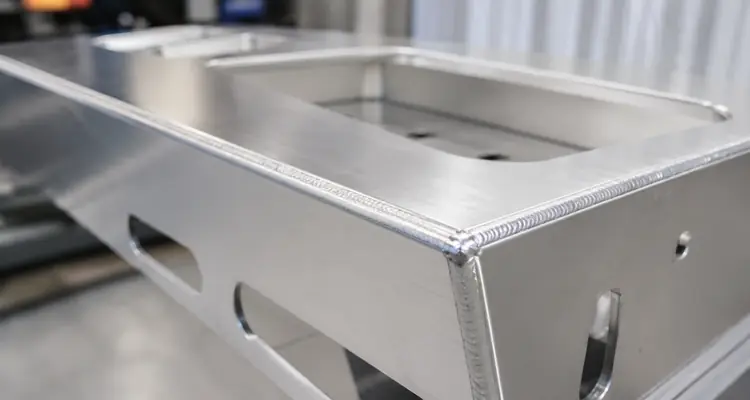
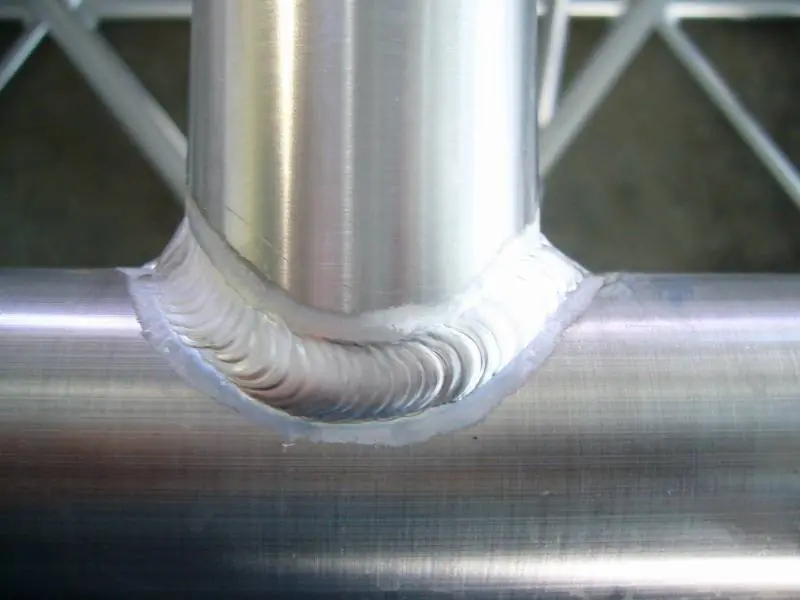
Yes, aluminum can be welded with laser technology.
Aluminum alloys are widely used in laser welding applications, including automotive parts, battery components, aerospace structures, and industrial products. Fiber laser systems are commonly used for aluminum welding because they provide high energy density and precise heat control.
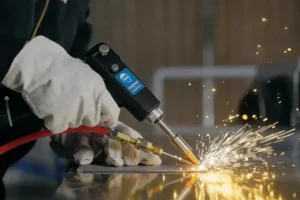
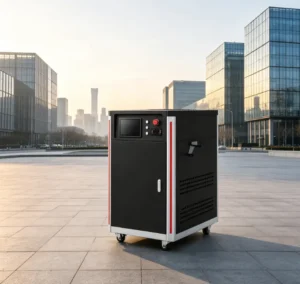
Laser welding can be performed with both handheld and automated systems. Handheld laser welders are suitable for repair work, small batches, and flexible production, while automated laser welding systems are used for high-volume manufacturing with consistent weld requirements. Proper selection of laser power, welding speed, and filler wire helps achieve stable aluminum weld quality.
How Does Laser Welding Aluminum Work?
Laser welding aluminum uses a focused laser beam to melt the joint area and form a weld between aluminum parts. The laser energy creates a small molten pool, and the melted material cools to form a solid connection.
Laser Beam Heating
The laser beam is focused on the aluminum surface, generating high heat in a small area. The material melts quickly and forms a weld pool. The concentrated heat input helps reduce deformation compared with traditional welding methods.
Filler Wire Addition (Optional)
For joints with gaps or higher filling requirements, filler wire can be added during welding. The wire melts in the weld pool and increases weld volume. Single wire and dual wire feeding systems can be selected based on material thickness and weld requirements.
KEMPSON can provide wire feeders that are compatible with laser welding equipment. View product details: Laser Welding Wire Feeder
When welding aluminum with significant width and depth, it is necessary to use filler wire of the appropriate size. For information on how to select the type and size of filler wire, see: Aluminum Laser Welding Filler Wire: Alloy Selection and Diameter Guide
Weld Formation
As the laser moves along the joint, the molten aluminum cools and forms the weld seam. Welding parameters such as laser power, speed, focus position, and wire feeding speed affect weld penetration, appearance, and strength.
Laser welding aluminum uses controlled laser heat to melt and join aluminum parts, with welding quality depending on proper parameter settings and filler wire selection.
Aluminum Laser Welding Process
Step 1: Material Preparation
Aluminum surfaces have an oxide layer with a higher melting point than aluminum itself. Remove oxide, oil, and other contaminants before welding. Mechanical cleaning, chemical cleaning, or laser cleaning can be used. A proper joint gap helps the molten metal flow and improves fusion quality.
Step 2: Select Laser Parameters
Laser power, welding speed, focus position, and wire feeding speed affect aluminum welding results.
- Laser Power: Choose the power based on material thickness and penetration requirements.
- Welding Speed: Welding speed affects heat input and weld penetration.
- Focus Position: The focus position changes energy distribution and weld depth.
- Wire Feeding Speed: Wire speed should match the welding speed and joint gap when filler wire is used.
Step 3: Welding Operation
Set the torch angle and shielding gas flow before welding. Argon is commonly used for aluminum laser welding. During welding, check the weld pool and bead appearance to prevent problems such as pores, cracks, and uneven welds.
Step 4: Weld Inspection
Inspect the weld surface, internal pores, cracks, and deformation after welding. Cross-section analysis and strength testing are used to check weld performance. Proper welding settings help maintain weld quality.
Parameters for Laser Welding Aluminum
The welding quality of aluminum depends on the combined effect of laser power, welding speed, focus position, wire feeding, and shielding gas. The suitable parameters vary with aluminum alloy type, material thickness, and joint design.
| Parameter | Range | Effect on Welding Quality |
|---|---|---|
| Laser Power | 890 W–4 kW | Higher power increases penetration and weld size. Excessive power may cause spatter or burn-through. |
| Welding Speed | 80 mm/s–8.5 m/min | Affects heat input and penetration. Higher speed reduces heat input and helps reduce porosity. |
| Focus Position | 0 to ±3 mm | Changes laser energy distribution and weld penetration. Proper focus improves weld formation. |
| Wire Feeding Speed | 3–8 m/min (with filler wire) | Controls filler material input and should match welding speed and joint gap. |
| Oscillation Frequency | 80–160 Hz | Adjusts heat distribution and weld bead size in wobble laser welding. |
| Oscillation Amplitude | 0–5 mm | Affects weld width and penetration. Proper amplitude improves weld shape. |
| Shielding Gas Flow | 15–25 L/min | Protects the molten pool from oxidation and reduces welding defects. |
Parameter selection depends on aluminum alloy type, material thickness, and welding requirements. Laser power, speed, focus position, and wire feeding settings should be adjusted together to achieve the required weld quality.
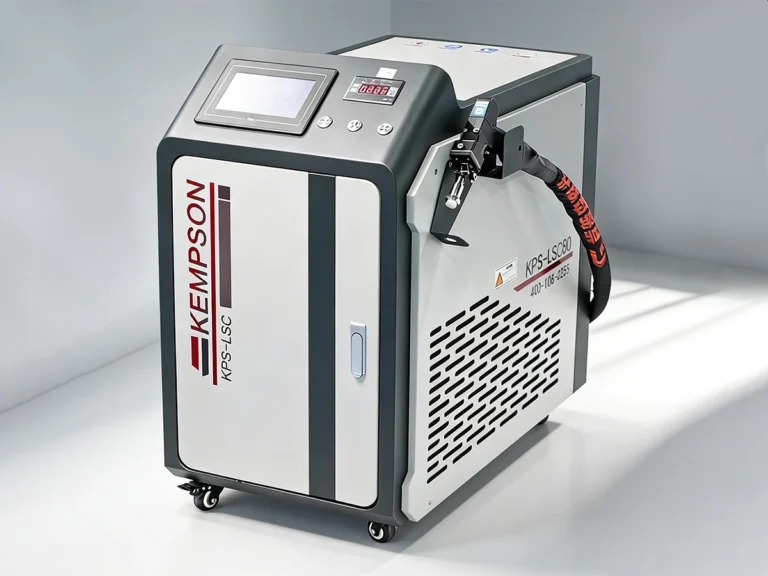
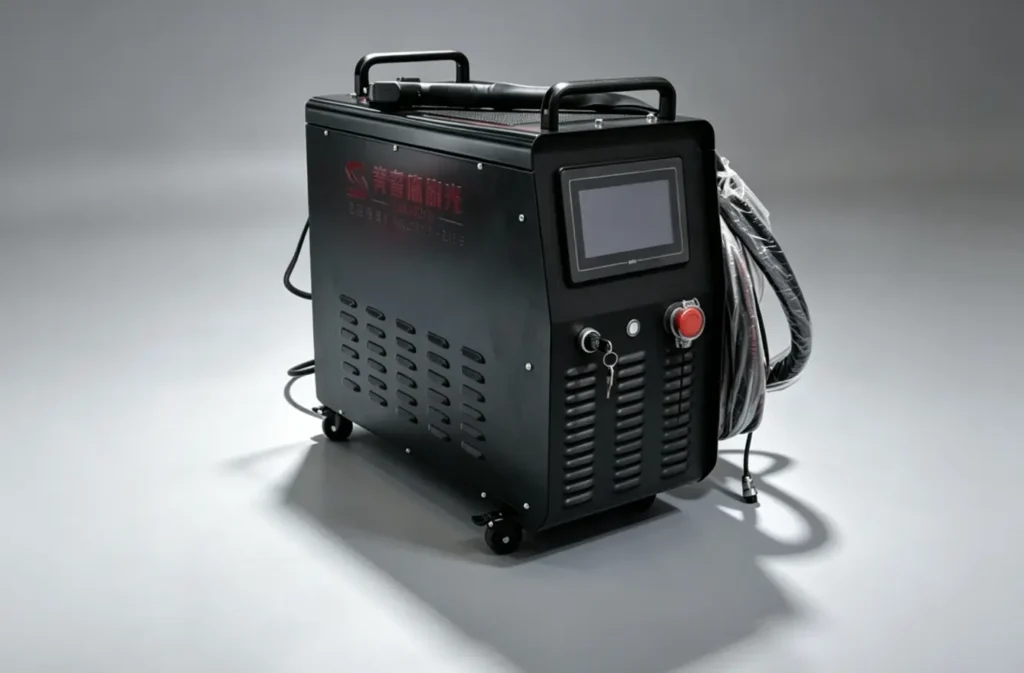
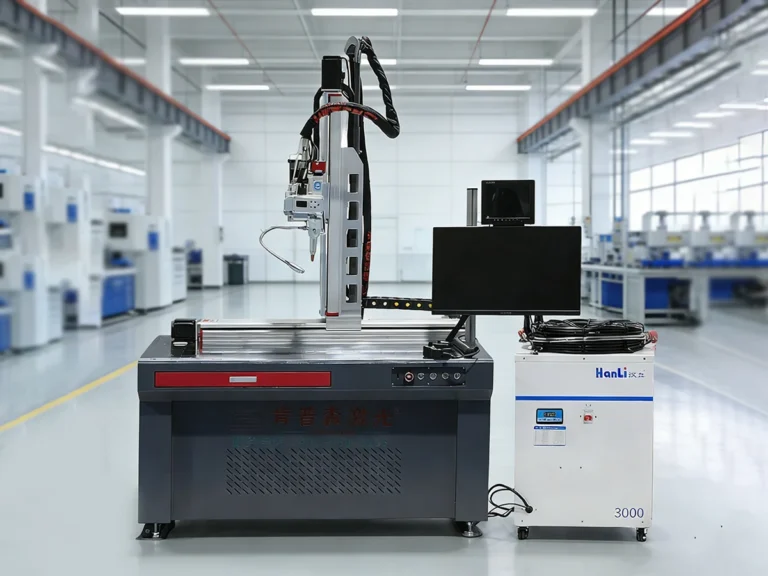
Recommended Laser Power for Aluminum Welding
The required laser power for aluminum welding depends on material thickness, alloy type, joint design, and welding speed. Higher power is used for thicker materials and larger weld joints, while lower power fits thin aluminum sheets and precision parts.
| Material Thickness | Recommended Laser Power | Application |
|---|---|---|
| Thin Aluminum Sheet | 1000W–2000W | Sheet metal parts, small components, precision welding |
| Medium Thickness Aluminum | 2000W–4000W | Industrial parts, structural components, general aluminum fabrication |
| Thick Aluminum Plate | 4000W–6000W | Heavy structures, large components, high filling requirements |
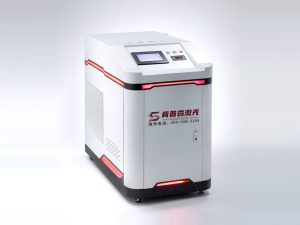
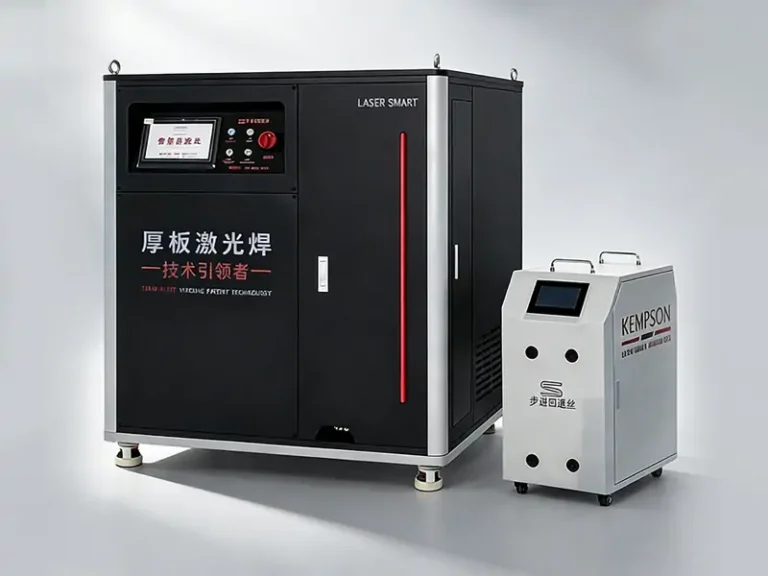
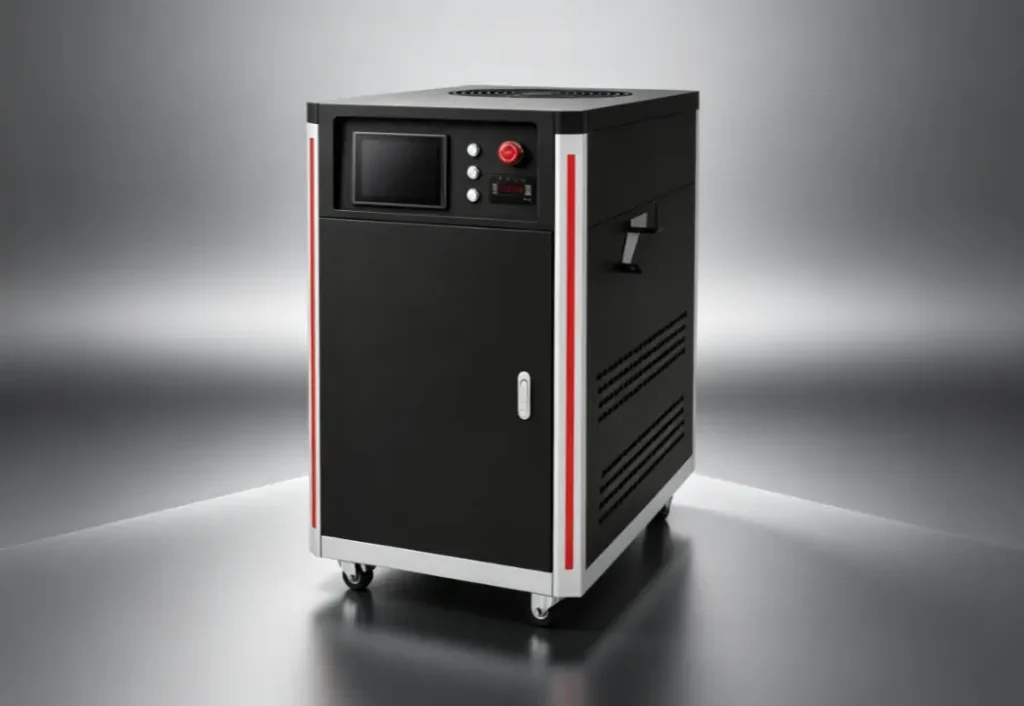
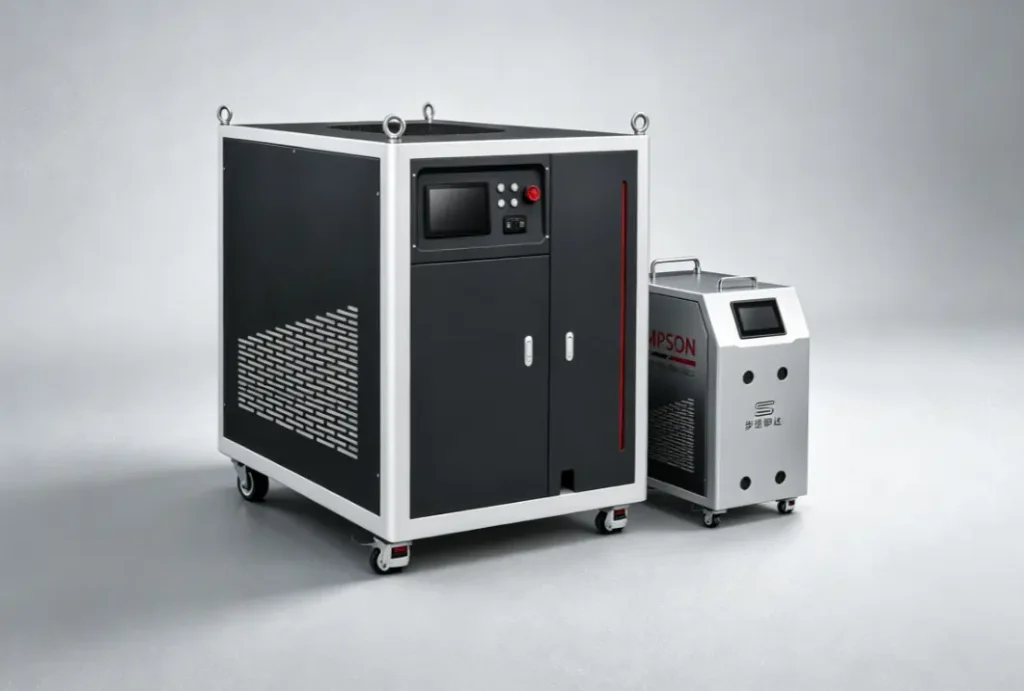
1,000–2,000 W Laser Equipment
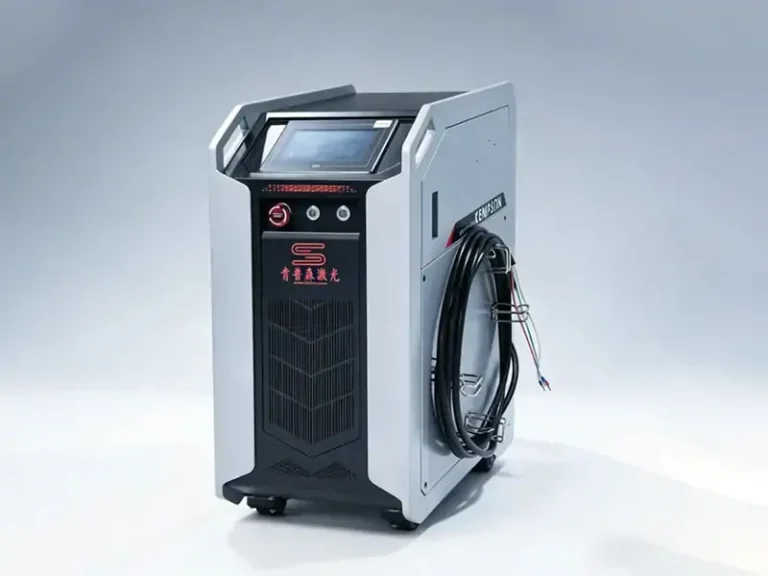
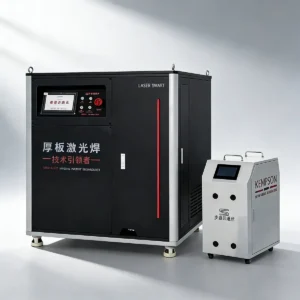
2,000–4,000 W Laser Equipment
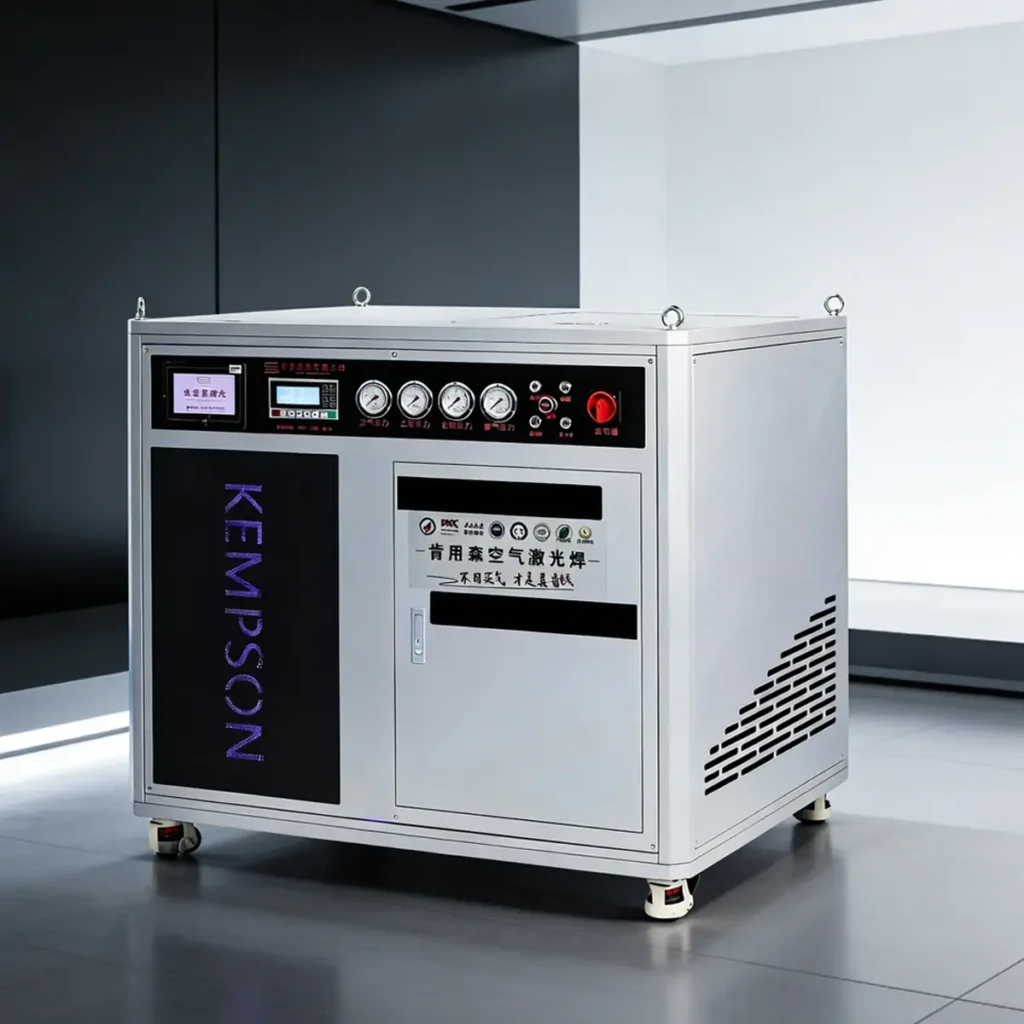
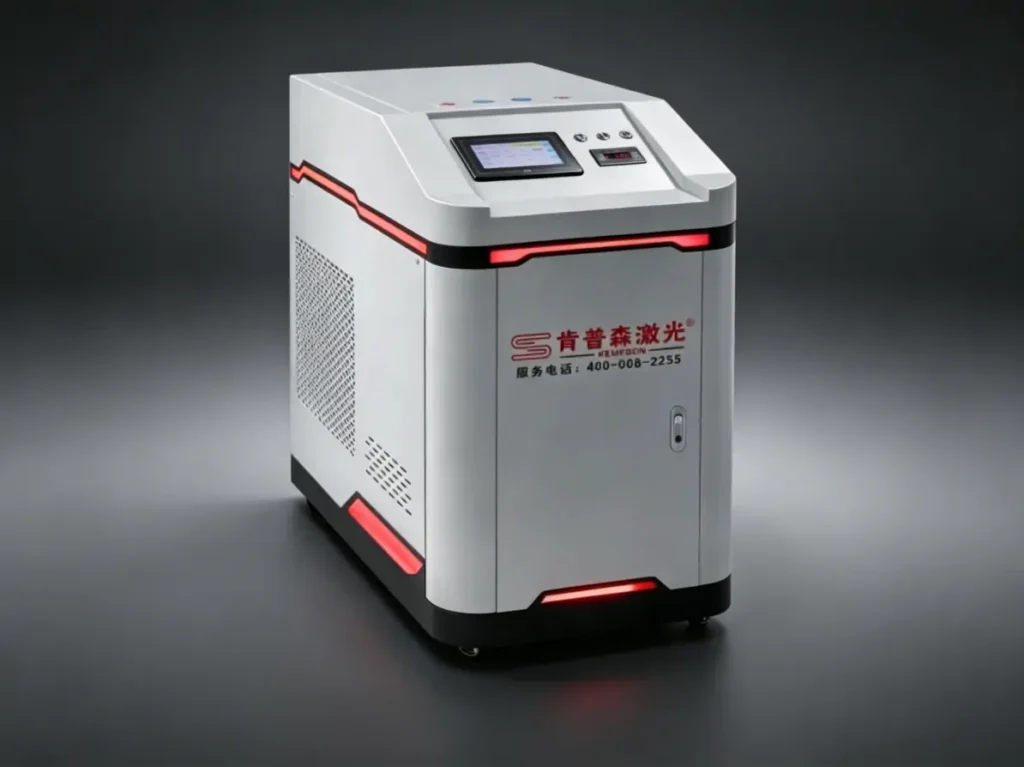
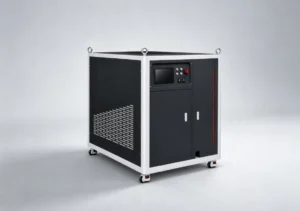
4,000–6,000 W Laser Equipment
Laser power should be matched with welding speed, focus position, and wire feeding parameters. Excessive power may cause burn-through and spatter, while insufficient power can result in poor penetration.
Common Issues in Laser Welding of Aluminum
Aluminum laser welding has several challenges caused by material properties and welding conditions, including reflectivity, heat transfer, and weld defects.
- High Reflectivity: Aluminum reflects laser energy easily, requiring suitable power settings to achieve stable melting.
- Rapid Heat Dissipation: High thermal conductivity causes fast heat loss, making heat control important during welding.
- Porosity: Moisture, contamination, and unstable keyhole behavior can cause gas pores in the weld.
- Hot Cracking: Some aluminum alloys are prone to cracks during cooling, requiring proper heat input and filler selection.
- Weld Pool Instability: Unstable molten metal flow can lead to spatter and uneven weld beads.
- Gap Sensitivity: Large joint gaps may cause poor filling and incomplete fusion.
- Heat-Affected Zone Softening: Heat can reduce the strength of some aluminum alloys near the weld area.
Understanding these challenges helps select the right laser settings and welding methods for different aluminum applications.
Porosity in aluminum laser welding isn’t caused by a single factor. How can it be prevented? For more details, see: How to Reduce Aluminum Laser Welding Porosity?
Aluminum is a highly reflective material, and various defects can occur during the welding process. For specific issues and how to prevent them, see the article: Aluminum Laser Welding Problems: Porosity, Cracks & Solutions
Problems with aluminum welding have always existed, but they are not inevitable. For common issues and solutions in fiber laser welding, see the article: Fiber Laser Welding Aluminum: Challenges and Solutions
Best Practices for Laser Welding Aluminum
Surface preparation and welding parameter adjustment directly affect aluminum laser weld quality.
Clean the Aluminum Surface Before Welding — Remove oxide, oil, and surface contamination before welding to reduce welding defects.
Set Suitable Welding Parameters — Adjust laser power, welding speed, focus position, and wire feeding speed according to the aluminum alloy and material thickness.
Select the Right Filler Wire — Choose filler wire based on the base material and weld requirements to improve joint performance.
Use Proper Shielding Gas — Set the correct gas type and flow rate to protect the weld pool during welding.
Control Joint Fit-Up — Maintain proper gap size and part alignment to avoid incomplete fusion and poor weld formation.
Check Weld Results — Inspect weld appearance, internal defects, and joint strength after welding.
Good surface preparation, correct parameters, and proper inspection are key factors for reliable aluminum laser welding.
Handheld Laser Welding Aluminum vs Traditional Welding
Handheld laser welding and traditional welding methods both can be used for aluminum welding, but they differ in heat input, welding speed, operation, and weld appearance.
| Comparison | Handheld Laser Welding | Traditional Welding |
|---|---|---|
| Heat Input | Lower heat input with a smaller heat-affected zone | Higher heat input with more thermal impact |
| Welding Speed | Faster welding speed for many applications | Slower welding speed |
| Deformation | Less deformation on aluminum parts | More deformation due to heat accumulation |
| Weld Appearance | Cleaner weld seam with less post-processing | More surface treatment may be required |
| Operation | Easier operation with shorter learning time | Requires higher operator skill |
| Application | Suitable for aluminum frames, sheets, cabinets, and small structures | Commonly used for general aluminum fabrication and repair work |
Handheld laser welding is a suitable option for aluminum parts that require lower distortion, cleaner welds, and higher welding efficiency. Traditional welding remains widely used for applications with existing equipment and standard welding requirements.
Common methods for welding aluminum include TIG, MIG, and laser welding, each with its own advantages. For more details, see: TIG vs. MIG vs. Laser Welding for Aluminum: Which Is Better?
Conclusion
Laser welding aluminum offers advantages in speed, heat control, and weld appearance, but the process requires proper control of key factors such as laser power, welding speed, focus position, wire feeding, and shielding gas. Understanding material characteristics and selecting suitable welding parameters are important for reducing defects and improving joint quality.
KEMPSON provides laser welding solutions for aluminum applications, including handheld laser welding machines and wire feeding systems. With different power options and feeding configurations, KEMPSON helps customers handle various aluminum welding tasks. Contact us to discuss the right laser welding solution for your application.
FAQ
Can aluminum be laser welded?
Yes, aluminum can be welded with laser technology. Fiber laser welding is widely used for aluminum alloys in automotive parts, battery components, aerospace structures, and industrial products.
What laser power is needed for aluminum welding?
The required laser power depends on aluminum thickness, alloy type, and welding requirements. Thin sheets usually use 1000W–1500W lasers, while thicker materials may require 3000W or higher power.
What gas is used for laser welding aluminum?
Argon is commonly used for aluminum laser welding. It protects the molten pool from oxidation and helps reduce welding defects.
Is laser welding aluminum better than TIG welding?
Laser welding provides faster welding speed, lower heat input, and less deformation compared with TIG welding. TIG welding is still used for applications that require traditional welding processes or lower equipment investment.
What aluminum alloys can be laser welded?
Common laser-welded aluminum alloys include 3000 series, 5000 series, and 6000 series aluminum alloys. The welding parameters may vary depending on the alloy composition and application.
What are common aluminum laser welding defects?
Common defects include porosity, hot cracking, spatter, incomplete fusion, and heat-affected zone softening. Proper surface preparation and parameter adjustment help reduce these issues.
Can handheld laser welders weld aluminum?
Yes, handheld laser welders can weld aluminum. They are suitable for aluminum sheets, frames, cabinets, and other metal components that require flexible welding operation.
How do I improve aluminum laser welding quality?
Clean the aluminum surface before welding, select suitable laser parameters, use proper filler wire and shielding gas, and adjust welding settings according to material thickness and joint design.